Here are some additional national park sites that preserve stories and places associated with the American Revolution and the founding of the country.
Park
Adams National Historical Park
Adams National Historical Park is the only place in the country where the stories of two presidents, John Adams and John Quincy Adams, can be told from birth to death. The three properties with flower gardens and orchards transport the visitor back in time to when the Adams family lived on the premises.
Park
Charles Pinckney National Historic Site
Charles Pinckney’s home near Charleston is preserved today to tell the story of this “forgotten founder’s” life and role in the creation of the United States Constitution. Pinckney was an 18th-century politician and Southern plantation owner who first gained recognition for rejecting the Articles of Confederation, a precursor to the U.S. Constitution, in 1783. This national historic site in Mount Pleasant, South Carolina, preserves Pinckney’s former home at Snee Farm, interprets his life and the lives of all the farm’s past inhabitants, including enslaved men and women, and interprets the early history of the United States and the Gullah culture of the descendants of enslaved people of the region.
Park
Colonial National Historical Park
Colonial National Historical Park contains several sites of critical importance in the history of America. Historic Jamestown is where the story of Captain John Smith and Pocahontas actually happened, and where the roots of American government first took hold. Yorktown Battlefield was the site of the Colonial victory over British forces in the American Revolution, and where visitors can still view some of the original earthworks constructed by George Washington’s troops. These two sites are linked together by the 23-mile long scenic Colonial Parkway, specifically designed to limit the impacts of the roadway on the surrounding landscape.
Park
Cowpens National Battlefield
The 1781 Battle of Cowpens was a pivotal victory for the Patriots and a turning point in the Revolutionary War. Today, the soldiers’ stories, the history of the battle and a glimpse into 18th century backcountry life are preserved and interpreted at Cowpens National Battlefield. Visitors can explore the battlefield, hike a portion of the Overmountain Victory Trail and enjoy the park’s natural setting.
Park
Fire Island National Seashore
This 32-mile stretch of barrier island offers beaches and historic buildings, dunes and maritime forests, and a dynamic coastal landscape with hiking, boating, camping and wildlife-watching opportunities.
Park
Fort Stanwix National Monument
Fort Stanwix National Monument recalls the steadfast Continental Army, which withstood the 21-day siege of 1777 to help pave the way for American Independence.
Park
George Washington Birthplace National Monument
The original home is gone, but George Washington Birthplace National Monument authentically recreates the surroundings into which America’s first president was born in 1732.
Park
Guilford Courthouse National Military Park
Guilford Courthouse National Military Park commemorates one of the pivotal battles in the Revolutionary War. Drive or walk 2.5 miles of trails through this interesting, scenic site.
Park
Hamilton Grange National Memorial
From the humble beginnings as an orphan from the Caribbean island of Nevis, Alexander Hamilton became George Washington’s right hand man. Visit Hamilton Grange and find out more about this controversial founder and the country home that he built on his Harlem estate.
Park
Hopewell Furnace National Historic Site
Hopewell Furnace National Historic Site recreates one America’s oldest and most productive “iron plantations.” Tour historic structures and experience a miner’s life in the 1840s.
Park
Independence National Historical Park
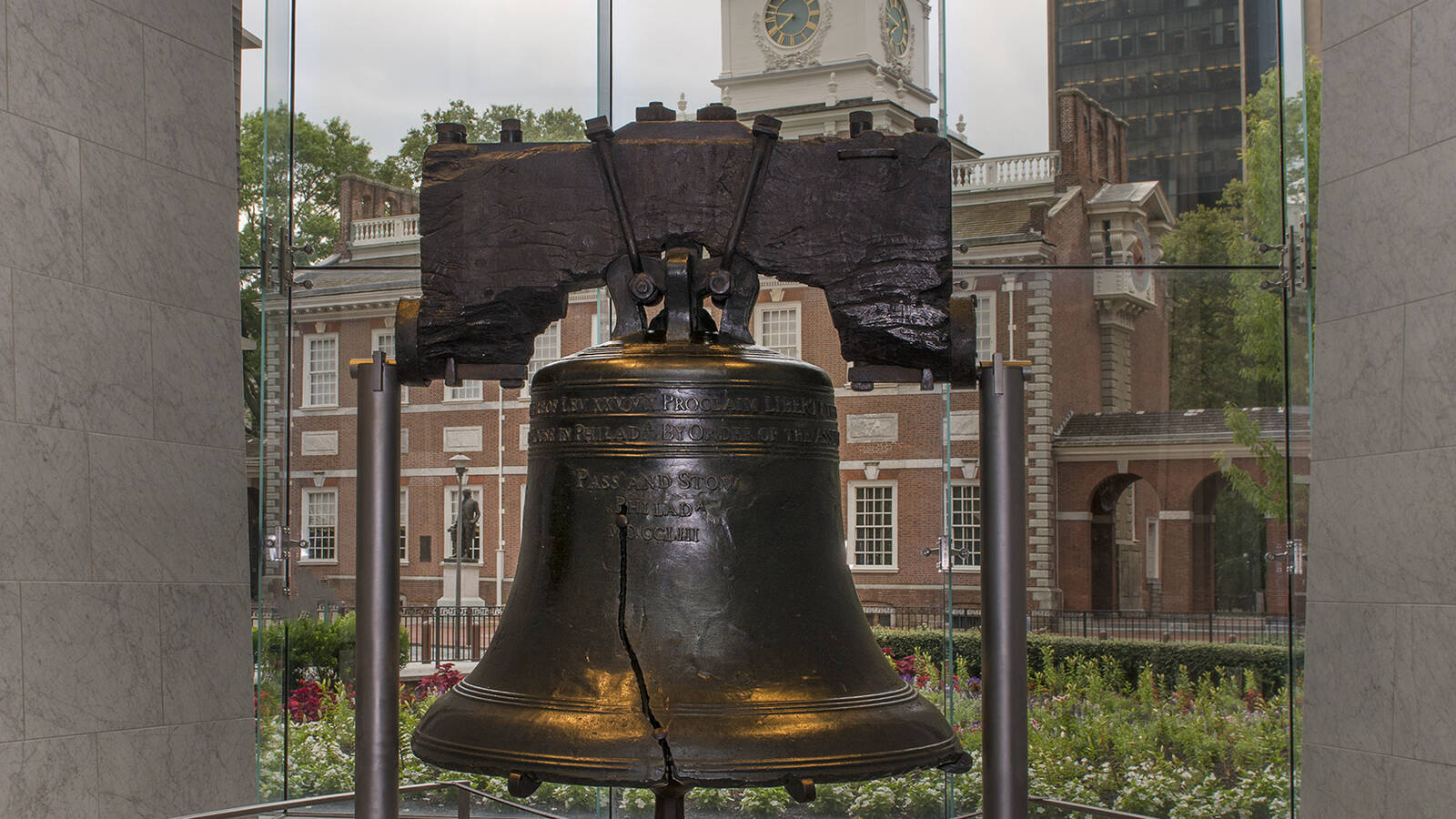
At Independence National Historical Park, you can trace our nation’s first footsteps. Visit the Liberty Bell, tour Independence Hall, and follow in the footsteps of our Founding Fathers.
Park
Kings Mountain National Military Park
The Battle of Kings Mountain took place on October 7, 1780 and is often referred to as the turning point of the American Revolution. Victory at this battle raised Patriot morale and inspired the Americans to continue the struggle against the British, even after suffering disheartening defeats earlier that year. The fighting lasted only an hour but forced General Charles Cornwallis, the British commander in charge of the Southern Campaign of the war, to retreat and hold a defensive position. This allowed Patriot forces to reorganize and develop a new offensive, leading to a decisive win at the Battle of Cowpens in 1781, and, eventually, the final triumph of General George Washington’s forces over Cornwallis at Yorktown in October of that year. Kings Mountain National Military Park honors the men who died fighting for America’s independence.
Park
Longfellow House-Washington’s Headquarters National Historic Site
This historic yellow mansion in Cambridge, Massachusetts, was home to one of the world’s foremost poets, scholars and educators. Henry Wadsworth Longfellow lived here from 1843 until his death in 1882 and produced many of his most famous poems and translations here. Geneneral George Washington also lived in the yellow house and used it as his headquarters during America’s Revolutionary War, planning the Siege of Boston here between July 1775 and April 1776.
Park
Minute Man National Historical Park
No one really knows who fired the first shot at the battle of Lexington Green on April 19, 1775, but the result is not disputed—America was at war for her independence from the British Crown.
Park
Morristown National Historical Park
This park preserves the winter camp site where George Washington stationed his troops during the Revolutionary War in 1779-1780. During these difficult months, the Continental Army became a symbol of patriotism and sacrifice; living in drafty wooden huts, these underfed and undersupplied men survived what was then the coldest winter on record, growing through countless hardships into a disciplined military force. Under Washington’s command, these troops eventually won the country’s independence from the British.
Park
National Mall and Memorial Parks
A walk through the heart of the nation’s capital brings visitors face to face with larger-than-life presidents and visionaries, open park lands, and elaborate memorials honoring our nation’s veterans and military history. This green space in downtown Washington, D.C., includes more than 1,000 acres of land showcasing such iconic sites as the Lincoln Memorial, the Washington Monument, the Martin Luther King, Jr., National Memorial and the Vietnam Veterans Memorial. Approximately 25 million people visit each year to experience this unique collection of structures and spaces honoring the nation, its democracy and its citizenry.
Park
Ninety Six National Historic Site
Originally a geographical term, traders out of Charleston, South Carolina thought that this stopping place was 96 miles from the Cherokee town of Keowee in the Blue Ridge Foothills. The first land battle of the Revolutionary War fought south of New England took place at Ninety Six in 1775.
Park
Saratoga National Historical Park
Saratoga National Historical Park commemorates the Battles of Saratoga, where the American victory over British forces proved a tipping point during the Revolutionary War.
Park
Springfield Armory National Historic Site
At Springfield Armory National Historic Site, you can tour the largest collection of shoulder arms outside Britain, and see how these weapons were made at the armory that supplied the U.S. military for 174 years.
Park
Thaddeus Kosciuszko National Memorial
The memorial honoring freedom fighter and engineer Thaddeus (aka Tadeusz) Kościuszko is the smallest national park site in the country, yet it preserves epic tales of war and struggle. Polish-born Kościuszko helped American colonists win their independence from the British in the Revolutionary War by meticulously designing and fortifying military defenses.
-
Press Release
Atrocious Reported Changes to the ESA Could Threaten Extinction to Park Wildlife, Wild Nature
"This memo appears to suggest that it’s no longer the purpose of the ESA to ensure animals such as grizzly bears, North Atlantic right whales, or Florida panthers are protected"…
-
Press Release
First Mining Claims Filed in Lands Cut from Bears Ears National Monument
"National park units and their surrounding landscapes are no place for energy development, but outdated laws elevate mining above all other uses on these lands. We will continue to fight…
-
Press Release
Groups File Injunction to Stop Development at West Potomac Park
“West Potomac Park is treasured green space and we will not stand for the unlawful destruction of public lands that belong to all of us."