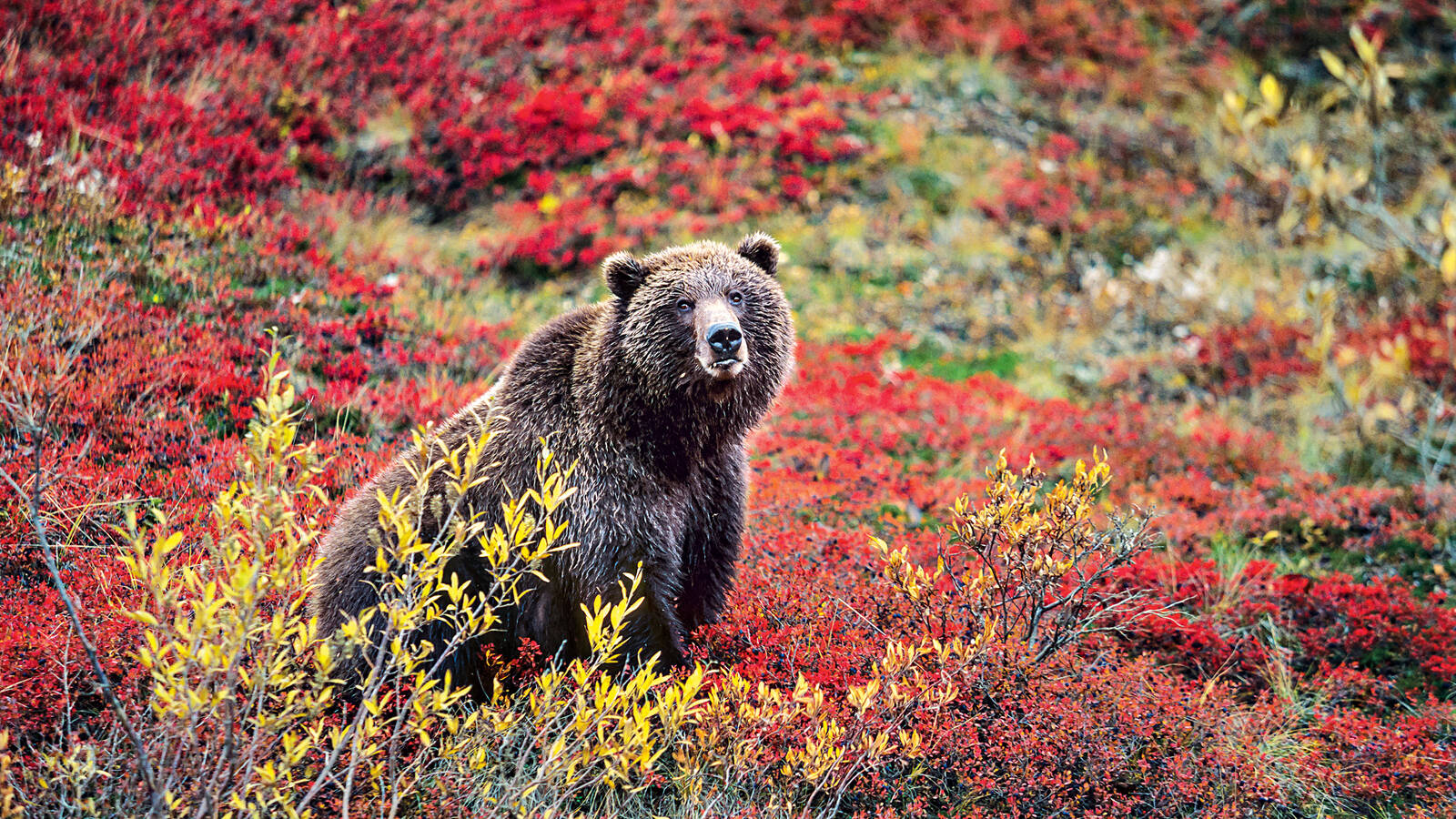
Proposed rule ignores National Park Service obligations to protect wildlife by allowing bear baiting in Denali and Wrangell-St. Elias National Preserves
ANCHORAGE – Wildlife and national parks advocates decried new proposed wildlife regulations released by the Department of Interior today, covering 22 million acres of national parklands in Alaska. The proposed rule ignores the Park Service’s obligation to protect wildlife by eliminating regulations that forbid bear baiting in national preserves in Alaska, including Denali and Wrangell-St. Elias National Preserves, and by making it much harder for the Park Service to take steps to protect wildlife from aggressive state hunting policies.
Under the proposed rule, which the public inspection document says will have a 30-day public comment period, the National Park Service would no longer prohibit sport hunters on national preserve lands managed by the National Park Service from using bait (donuts, grease-soaked bread, etc.) to draw in and kill brown bears. The regulation also changes closure and restriction procedures that the Park Service uses to protect wildlife populations.
Of the 54 million acres of national parklands in Alaska, approximately 22 million are managed as national preserves, which allow for activities including fishing and hunting. However, such activities must follow bedrock Park Service guidelines which prevent hunting methods intended to reduce populations of predators like bears and wolves. In 2015 and again in 2024, the Park Service finalized commonsense rules to reaffirm its position in response to aggressive predator control methods adopted by the State of Alaska (which have included authorizing the killing of more than 200 bears on state lands from helicopters over the last two years.)
Bear baiting is a particularly harmful activity for wildlife, natural ecosystems and national park visitors. A scientific study published in 2024 describes how bear baiting alters natural bear behaviors and can increase public safety risks.
“The century-old governing mission of the National Park Service includes protecting America’s ecosystems and wildlife for future generations,” said Jim Adams, Alaska Director for the National Parks Conservation Association. Unfortunately, this proposed regulation bends over backward to accommodate the state of Alaska, which has demonstrated that its mission is killing predators and disrupting ecosystems to create massive, de facto game farms. Allowing baiting brown bears on Alaska’s national parklands is not what Americans expect for their national parks. This proposed rule is the latest attack on our incredible but beleaguered park system.”
“This proposed rule, like so many before it from this Administration, will endanger our national parks, the millions of visitors that visit them every year, and the animals that inhabit them,“ said Emily Thompson, Executive Director of the Coalition to Protect America’s National Parks. For years, bear baiting policy in Alaska’s national preserves has been treated like a political light switch in Washington—flipped on and off with each new administration. But the consequences are anything but political. Bear baiting disrupts natural wildlife behavior and creates dangerous conditions for people visiting these lands managed by the National Park Service. This proposed rule should be rejected, and we should put in place lasting protections for both bears and the public.”
"Even the State of Alaska recognized the negative effect of bear baiting on public safety when it banned bear baiting in Denali State Park,” said Nancy Bale, Board Member of the Denali Citizens Council. It makes no sense for the National Park Service to drop its ban on bear baiting in our National Preserves, which are so important for public recreation.“
# # #
For Media Inquiries
-
General
-
- NPCA Region:
- Alaska
-