Demand for critical minerals is surging worldwide, fueling a 21st-century gold rush across the United States — and some of our nation’s most iconic landscapes are directly in its path.
Mining exploration may sound harmless compared to full mining operations, but it does involve industrial activities. These activities can upend habitat, contaminate water, disturb wildlife, scar landscapes, and degrade the visitor experience — devastating the qualities that make national parks worth protecting.
Under the archaic General Mining Law of 1872, which governs mining on public lands, companies are generally free to “explore” on up to five acres of Bureau of Land Management lands by filing a simple notice with the bureau’s local office and paying a modest $200 fee — no public hearing or environmental assessment required.
Untouched for more than 150 years, this law actually predates the creation of our National Park System. The result: across the West, more than 33,000 mining claims now sit within 10 miles of a national park boundary. As demand for critical minerals continues to grow, and the federal government stokes the rush, more mining claims are being staked just outside of many national parks.
In most situations, the first real indication of mining exploration is often roadbuilding, heavy machinery transportation, and noise and air pollution — all disrupting delicate park landscapes and the wildlife they support.
Here are five parks where the threat has shifted from abstract to urgent.
1. Mojave National Preserve
Threat: Rare Earth Elements Exploration
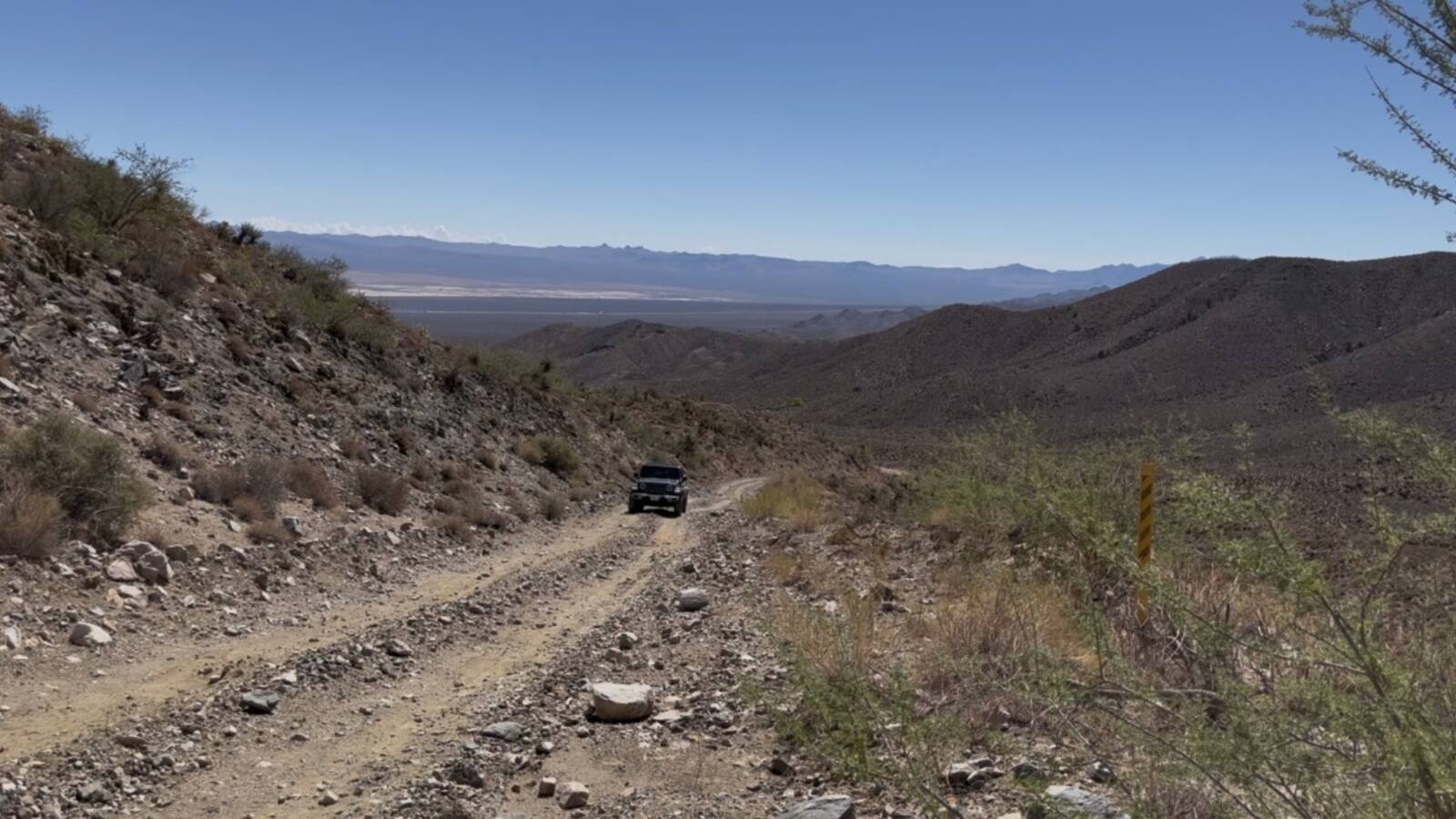
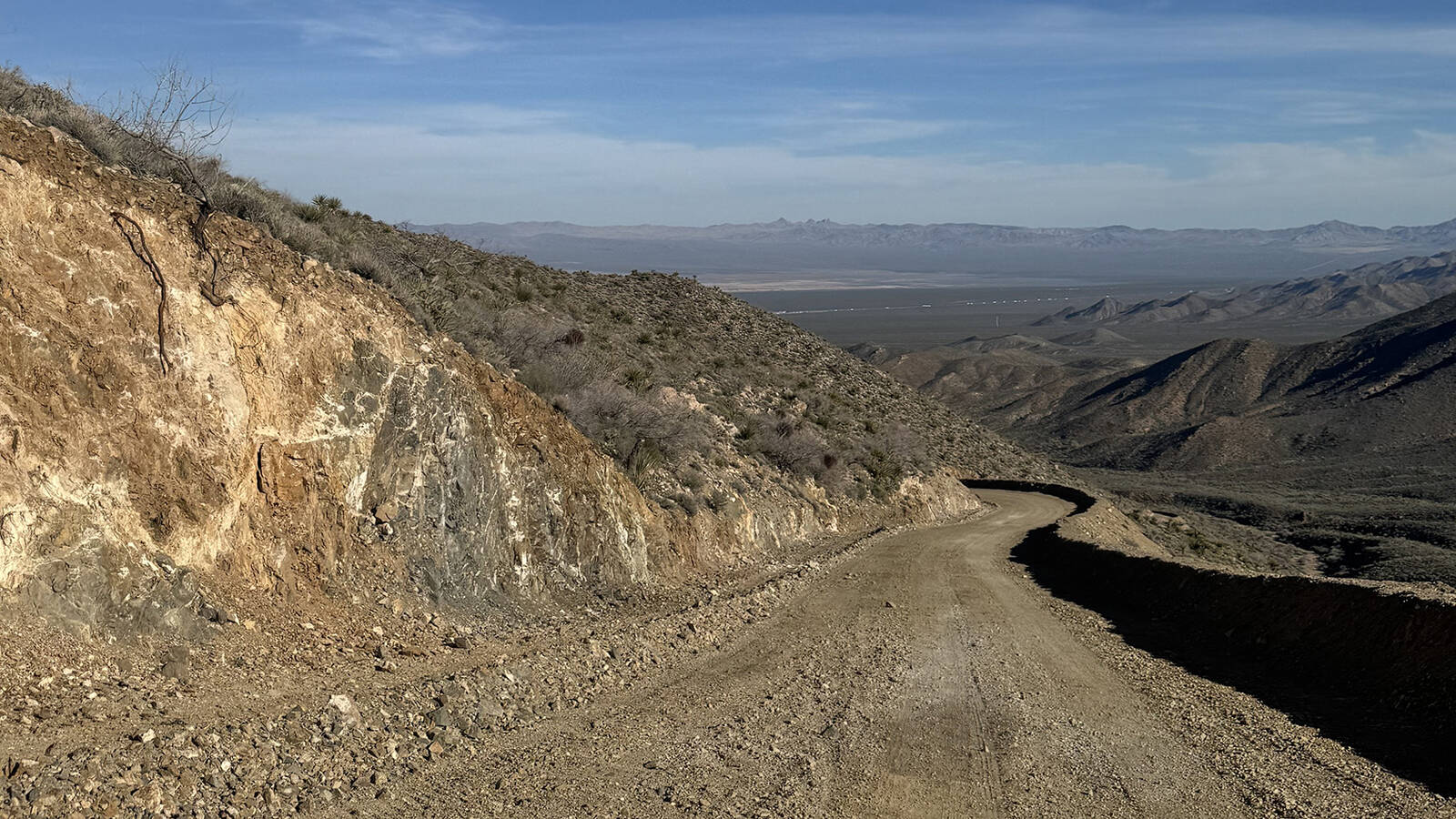
Dateline Resources’ Colosseum Mine project has already caused extensive damage in Mojave National Preserve. The land within its claim has been part of the National Park System since 1994, but the company is relying on Department of Interior authorization of a Bureau of Land Management mining plan developed in 1985 to justify its exploration activity, including bulldozing sensitive habitat and new drilling. Its unauthorized work has destroyed native plants on and near the preserve, an area with the second-highest concentration of rare plants in California’s mountains and vital desert bighorn sheep habitat.
Mojave’s remote, rugged terrain in the California desert makes it one of the most ecologically sensitive sites in the National Park System — the kind of place where industrial intrusion hits especially hard.
2. Joshua Tree National Park
Threat: Rare Earth Elements Exploration
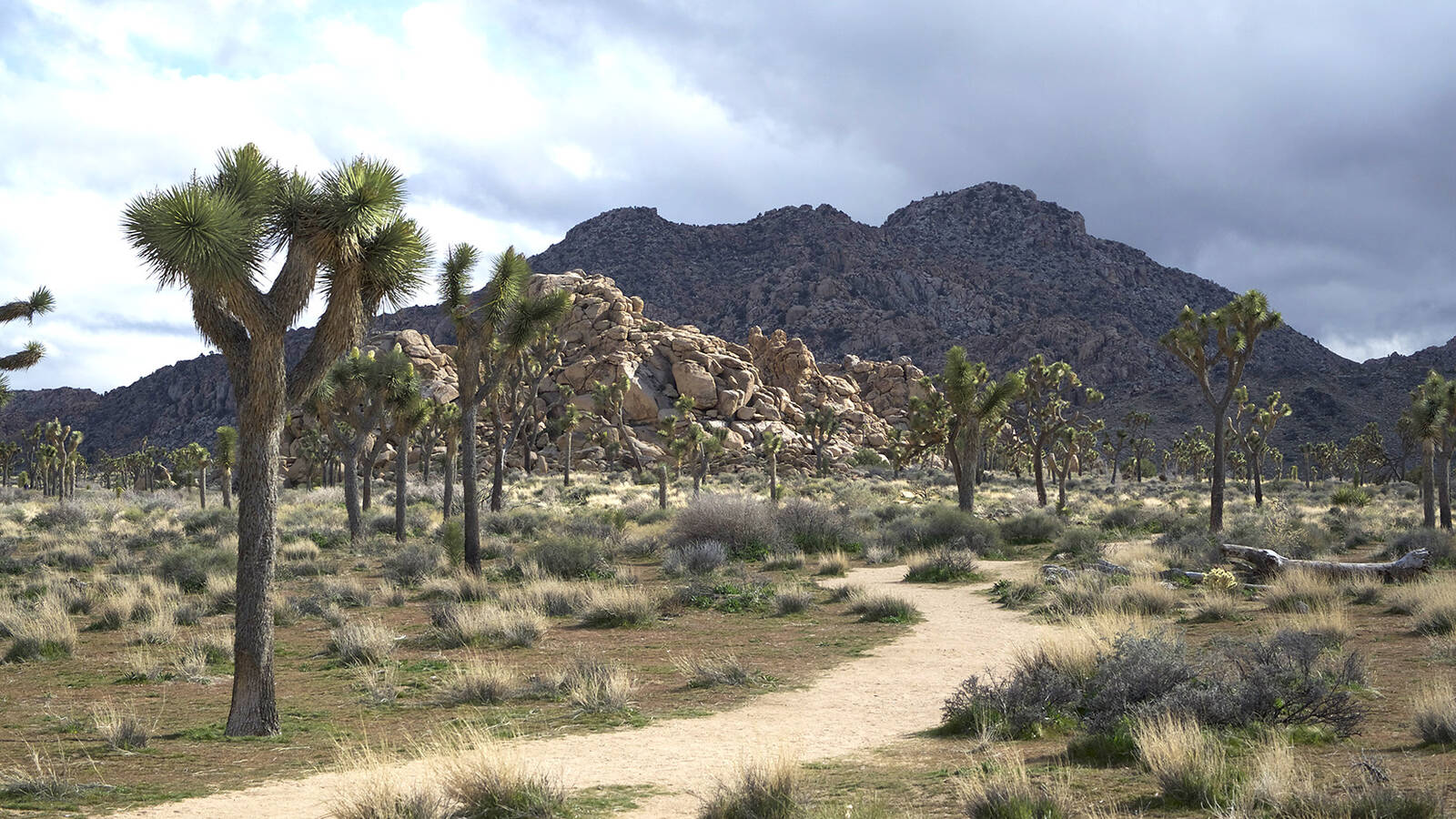
The Music Valley exploration program in California poses a direct risk to the threatened Mojave Desert tortoise. Road grading through park land that leads to nearby exploration sites is particularly hazardous as the tortoise and other endemic species, such as the Chuckwalla lizard, depend on undisturbed desert habitat. Additionally, drilling activity and the increased human presence that follows mineral exploration further heighten light and noise pollution, habitat loss and deep disruption of sensitive ecosystems.
Joshua Tree draws nearly three million visitors a year and contributes $218 million to local economies and gateway communities — but the park’s natural resources, wildlife, pristine dark skies and the visitation they sustain won’t survive with industrialization next door.
3. Grand Canyon National Park
Threat: Uranium Exploration
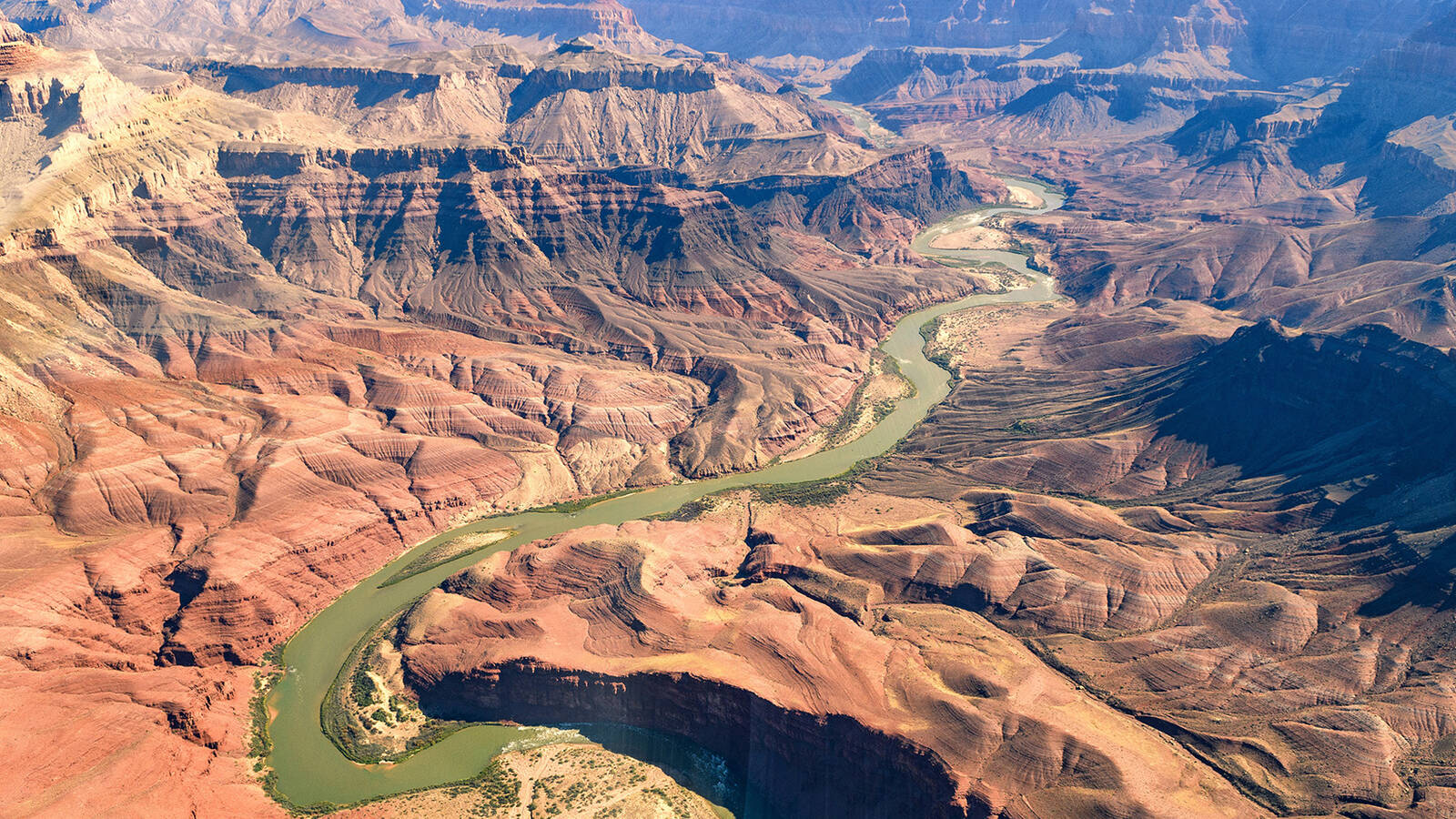
Uranium mining proposals near the Grand Canyon raise a serious risk of groundwater contamination, threatening precious drinking water for local communities and Tribes that rely on the canyon’s seeps and springs.
The Grand Canyon region’s geology is deeply interconnected. Scientists have found that aquifers previously thought to be separate are likely connected. Ecological disruption of any kind, but especially groundwater contamination, can extend deep within and far beyond the park boundary.
4. and 5. Arches & Canyonlands National Parks
Threat: Uranium and Lithium Exploration
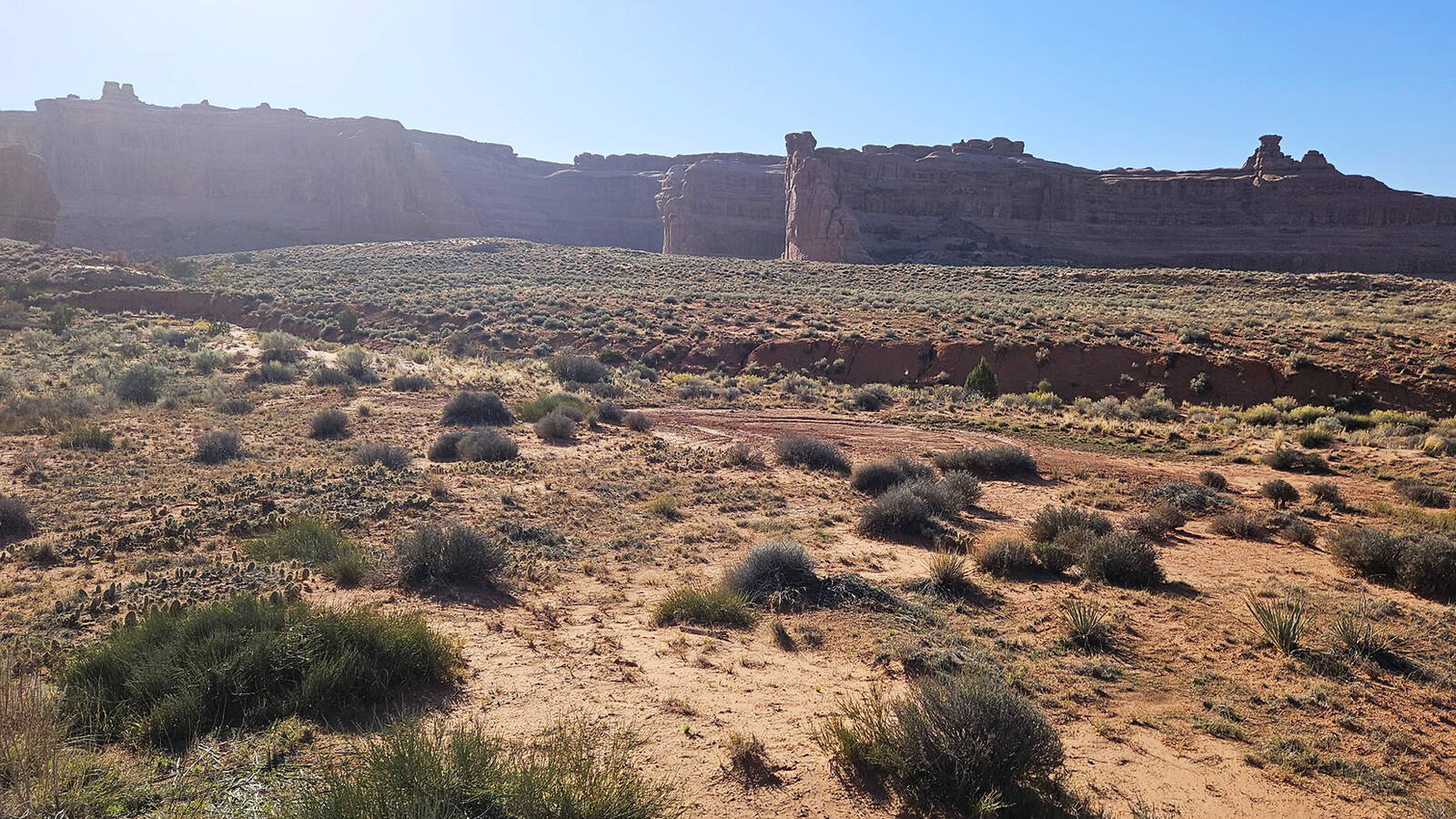
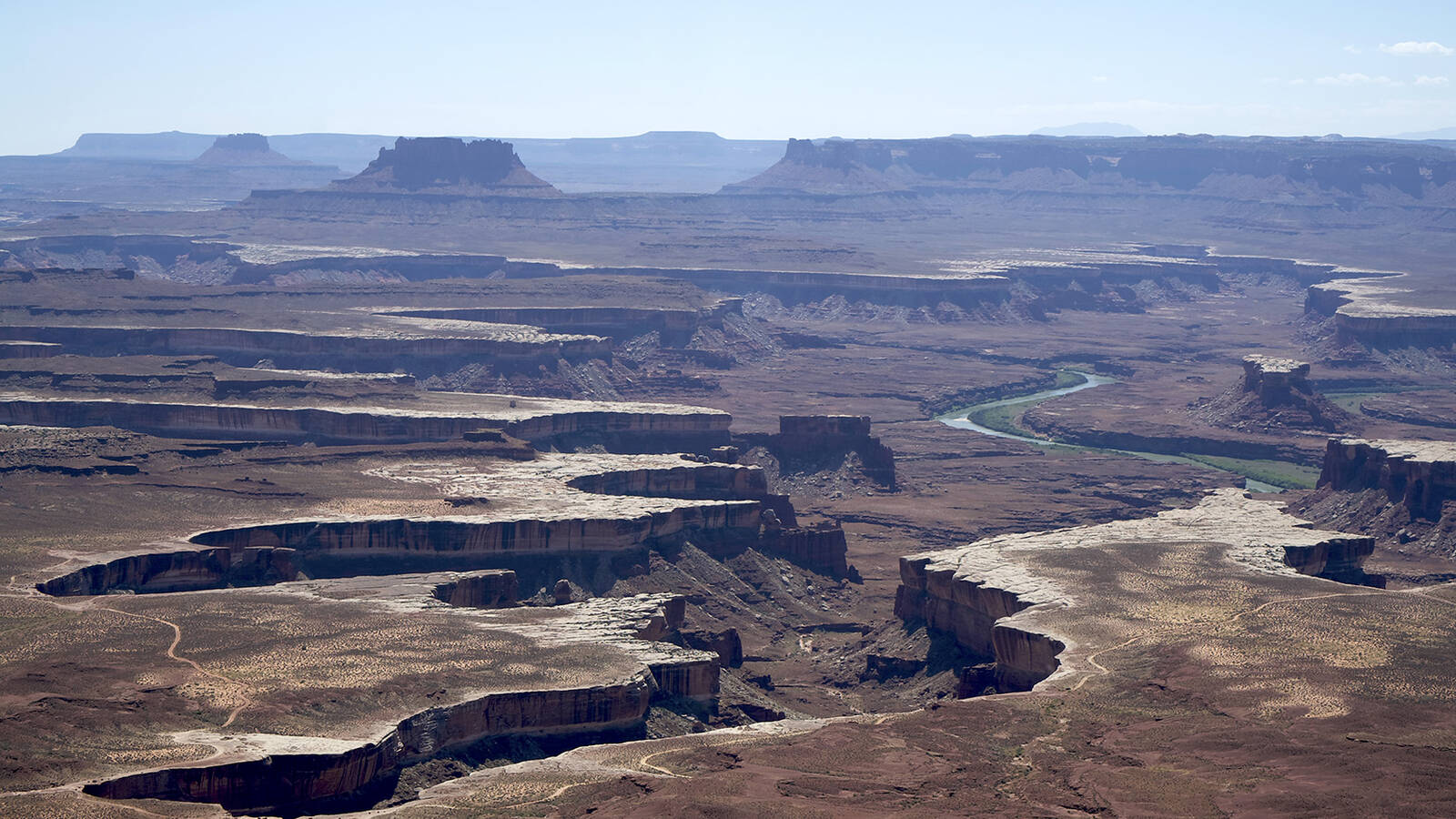
Utah’s canyon country faces a double threat: uranium and lithium exploration that endangers both water resources and the renowned recreational character of its parks. Arches and Canyonlands together host millions of visitors annually who are drawn by silence, solitude and staggering scenery. Drilling rigs, haul roads and industrial traffic don’t just threaten the ecosystem — they fundamentally alter the serene landscapes that attract visitors.
What Congress Can Do
The antiquated Mining Law of 1872 needs revision, but not all proposed legislation points in the right direction. Rep. Harriet Hageman (R-WY) has introduced the Domestic ORE Act, which would dramatically expand the size of notice-level exploration parcels from 5 acres to 25 acres and extend this permissive system to Forest Service lands for the first time.
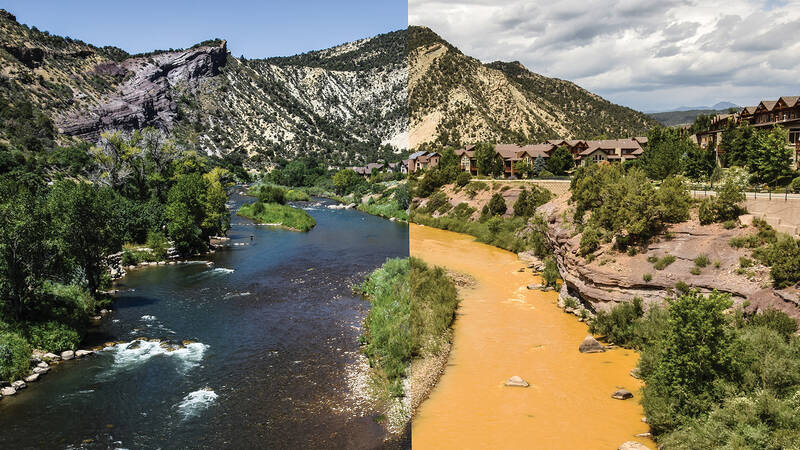
Special Treatment Given for Mining? That’s Got to Stop
NPCA is fighting for widespread mining reform so a 19th-century law giving the mining industry first dibs on public lands stops harming the environment.
See more ›For parks already surrounded by tens of thousands of mining claims, this bill would open the door to further national park land exploitation.
In contrast, Rep. Melanie Stansbury (D-NM) has introduced the CLAIM Act, which would increase the cost of holding claims inside and directly adjacent to national parks — from the current $200 per year per 20-acre claim to $1,000 for those claims closest to our parks — and direct those new funds toward environmental protection from mining exploration. This targeted, practical step doesn’t halt responsible mineral development; it simply requires the mining industry to invest their claim fees into preserving the national parks nearest to their exploration activities.
What’s at Stake
NPCA believes in responsible mineral exploration with improved oversight, accountable permitting, and meaningful public participation. What we oppose is a system that allows industrial activity to proceed unchecked in and around landscapes that belong to every American. The parks most at risk — including their water, wildlife and the irreplaceable landscapes — are not a dispensable trade-off for speculative mining.
The 1872 Mining Law was written before the National Park Service existed. Congress should not pass legislation that makes the problems with our current mining laws worse, legislation which would increase conflicts and irrevocably harm our most special places. Protecting national parks from the pressures of mineral development would not stymie progress or make us any less secure. And a durable and secure mineral supply chain should not come at the expense of America’s greatest landscapes.
Stay On Top of News
Our email newsletter shares the latest on parks.
About the author
-
 Charlie Olsen Energy and Public Lands Senior Policy Manager, Government Affairs
As the Energy and Public Lands Senior Policy Manager for the Government Affairs team, Charlie advocates for a clean energy transition on public lands and waters as well as policies to help protect and preserve parks.


-
Blog Post
Fossils: Yesterday, Today and Tomorrow
Celebrating ancient trackways, and all fossils, for National Fossil Day, Oct. 14.
-
Press Release
Federal Court Blocks Border Barrier Construction at Big Bend National Park
Congress designated Big Bend National Park to protect our country’s natural wonders, and people come from all over the world to experience its star-filled skies and striking mountain ranges. Big…
-
Press Release
NPCA and Partners Appeal State of Alaska’s Decision to Grant an Easement for the Ambler Mining Road
“...the proposed 211-mile Ambler Road would be a disaster for Gates of the Arctic National Preserve and the Western Arctic Caribou herd that crosses it" - Naawéiyaa Tagaban, NPCA Alaska…