The Department of Interior is giving only 14 days for the public to weigh in on a proposal that could devastate the landscape surrounding Chaco Culture National Historical Park
Santa Fe, NM — Yesterday, the Trump administration began a 14-day public comment period on the Department of Interior’s (DOI) Draft Environmental Assessment as part of its proposal to open public lands in the Greater Chaco Region to oil and gas drilling.
On October 30, 2025, the administration began the process by initiating Tribal consultation on its proposal to reverse Public Land Order 7923. The Public Land Order withdrew and put approximately 336,400 acres of federal lands and minerals surrounding Chaco Culture National Historical Park off limits to unchecked extractive development for 20 years.
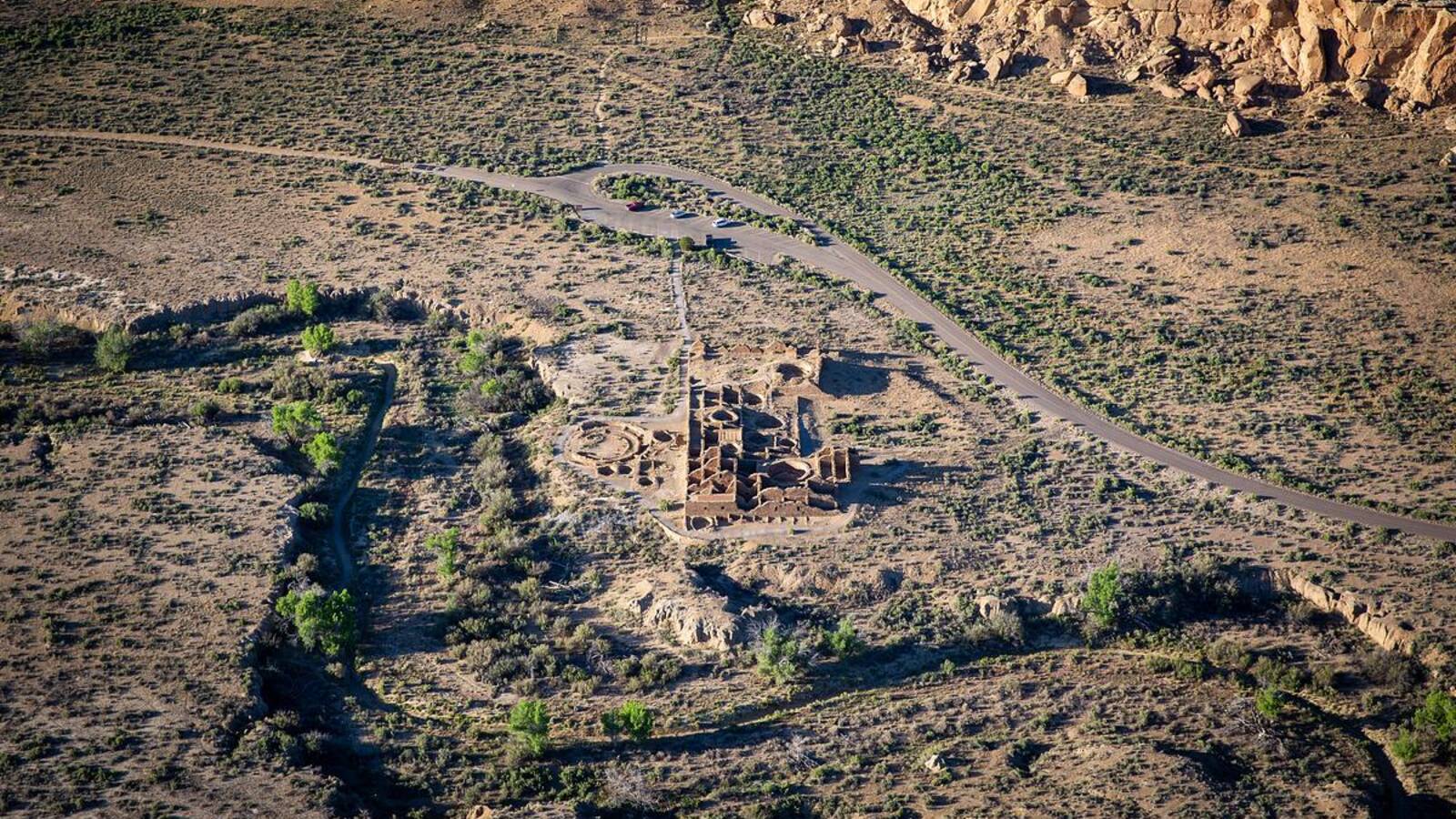
If DOI moves forward with its proposal, new oil and gas leasing and development on federal lands will be allowed within 10 miles of the park’s boundaries – even on lands directly bordering the park – threatening the irreplaceable cultural resources throughout the landscape. This comment period follows a seven-day “scoping” period held in early April where over 100,000 people submitted comments opposing the administration’s action.
DOI is rushing to overturn protections, giving the public a total of only 21 non-contiguous days to weigh in, and does not plan to hold any public meetings. This hasty and deficient process stands in stark contrast to the robust public process used to create the withdrawal, which included 150 days for public comment, 8 public meetings, and 1.5 years of careful consideration. In addition to DOI’s “preferred alternative,” which would remove protections all together, DOI has also proposed a second alternative that would reduce the size of the buffer around the park to only 5 miles.
Although only 15-20 percent of the area has been surveyed, archaeologists estimate that as many as 12,000 cultural sites and traditional cultural places lie within the 5-10-mile zone, all of which would be exposed to harmful drilling under this second option.
To allow new leasing on public lands in this area would completely disregard the calls from Tribes, including the 20 sovereign Pueblos that collectively participate in the All Pueblo Council of Governors, the National Congress of American Indians, the Mescalero Apache Tribe, elected officials, and other communities who share a deep connection to Chaco Canyon.
Without this critical safeguard in place, the landscape is at great risk of being further degraded. The Greater Chaco region has already suffered from significant damage to air, water, and public health due to oil and gas extraction, and unrestrained oil and gas development will jeopardize the longevity of invaluable traditions and cultures.
This proposal is part of a much larger effort by the administration and DOI leadership to turn over public lands, including places with exceptional conservation and cultural values like the Greater Chaco Landscape, to the oil and gas industry. Already, the July 2025 federal budget reconciliation bill required the Bureau of Land Management to offer a staggering 87% of New Mexico’s public and private lands with federally managed subsurface minerals for oil and gas leasing several times each year. This administration is seeking to elevate oil and gas above all other uses of public lands, even in areas with irreplaceable values like Chaco Canyon and where there is widespread opposition from local communities.
A Colorado College poll released this year found that 71% of voters in New Mexico oppose allowing energy development on public lands near Chaco Culture National Historical Park.
Statement from Maude Dinan, New Mexico Program Manager for the National Parks Conservation Association:
“The public has been unmistakably clear that the lands surrounding Chaco Culture National Historical Park should be protected in perpetuity. It’s indefensible that discussions to reverse those protections are now happening behind closed doors.
“This decision sends a dangerous message that no place, not even one that holds a thousand years of history, is too important to sacrifice for oil and gas drilling. Chaco Canyon is one of the most extraordinary cultural landscapes in our National Park System and has endured as a place of community and connection that continues to hold profound meaning for Tribes today.
“Now, the Trump administration is auctioning it off to the oil and gas industry, trading sacred and scenic vistas for pumpjacks and the drum of drilling. This is not about energy strategy. It’s an attack on cultural heritage, community health, and all that our national parks were created to protect.”
Multiple organizations have released statements detailing what this reversal could mean for the Greater Chaco Area. Click to view the full list.
Background Information
- The Greater Chaco Landscape includes Chaco Culture National Historical Park and thousands of archaeological and cultural sites, including great houses, roads, and shrines constructed by the ancestral peoples of today’s Pueblos and the Hopi Tribe, as well as sites of continuing significance to the Navajo Nation and other Indigenous Nations. Chaco Canyon flourished as a major cultural and ceremonial center between 850 and 1250 A.D., and its legacy remains central to the cultural identity, traditions, and ongoing practices of Indigenous peoples in the region.
- Chaco Canyon has also been designated as a UNESCO World Heritage Site because the culture and heritage of the Indigenous peoples of the American Southwest are inextricably linked to the ongoing protection of the Greater Chaco Landscape.
- With nearly 90% of the region already leased before protections were put in place, intensive drilling has caused significant harm to the health of local and Indigenous communities, air quality, and cultural integrity in the landscape surrounding Chaco Culture National Historical Park.
###
About the National Parks Conservation Association: Since 1919, the nonpartisan National Parks Conservation Association (NPCA) has been the leading voice in safeguarding our national parks. NPCA and its more than 1.9 million members and supporters work together to protect and preserve our nation’s most iconic and inspirational places for future generations. For more information, visit www.npca.org.
For Media Inquiries
-
General
-
- NPCA Region:
- Southwest
-
Issues


-
Press Release
In Less Than a Month, Mining Claims Filed in Bears Ears Already Triple the Total Number Filed During Previous Trump Reduction
“With 72 mining claims staked on lands withdrawn from Bears Ears over the last three weeks alone, the threat of a modern-day mineral rush has arrived at one of our…
-
Press Release
First Mining Claims Filed in Lands Cut from Bears Ears National Monument
"National park units and their surrounding landscapes are no place for energy development, but outdated laws elevate mining above all other uses on these lands. We will continue to fight…
-
Press Release
Advisory Council on Historic Preservation Proposes Weakening Protections for Parks, History, Tribal Resources
Gutting Section 106 regulations would weaken protections for public lands, weaken Tribal consultation requirements, and limit public input on development impacting…