As we celebrate the 250th anniversary of the United States, we highlight a few of the women who influenced the success of the patriot cause.
Meet nine women who aided the patriot cause during the American Revolution. Their lesser-known stories, listed in chronological order, underscore the front-line bravery, activism and behind-the-scenes care that brought our nation to where it is today, while also reflecting the toll of war.
1. Penelope Barker
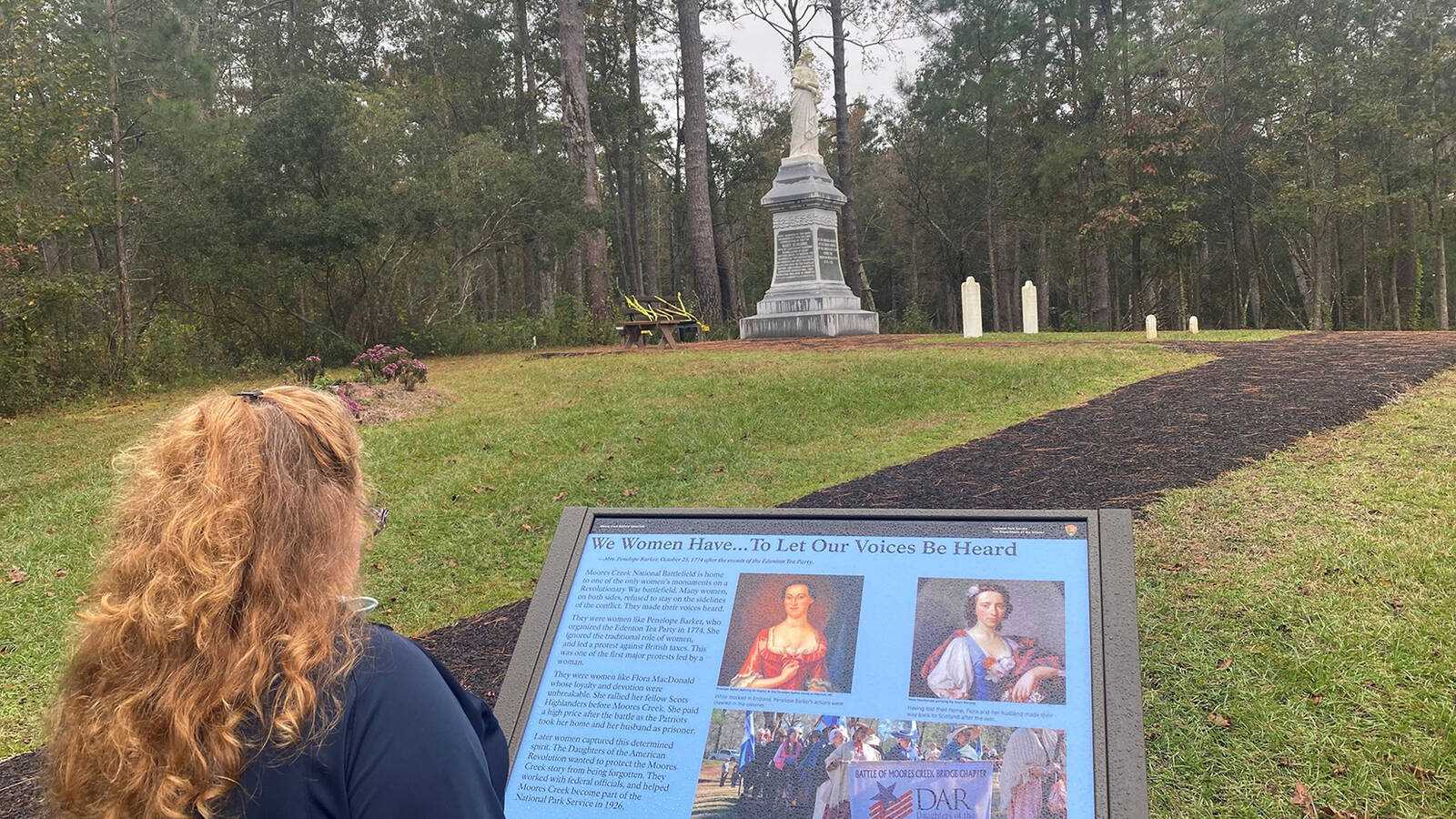
One of the first women’s political demonstrations on record in the U.S. was organized by Penelope Barker in response to the 1773 Tea Act. On Oct. 25, 1774, she rallied about 50 women in the coastal town of Edenton, North Carolina, to sign a resolution boycotting British Tea, as they consumed a local tea made from mulberry leaves, lavender and other herbs. The Edenton Tea Party, as it became known, took place about 10 months after the Boston Tea Party. The women’s efforts were mocked in London, where a political cartoon portrayed them as bad mothers and morally loose. Nevertheless, Barker and her peers continued boycotts of British products throughout the American Revolution.
Barker is highlighted in a wayside exhibit at North Carolina’s Moores Creek National Battlefield, which features one of the only women’s monuments on a Revolutionary War battlefield. Dedicated in 1907, the monument reads: “To the honored memory of the heroic women of the Lower Cape Fear during the American Revolution, 1775-1781.”
2. Faith Trumbull Huntington
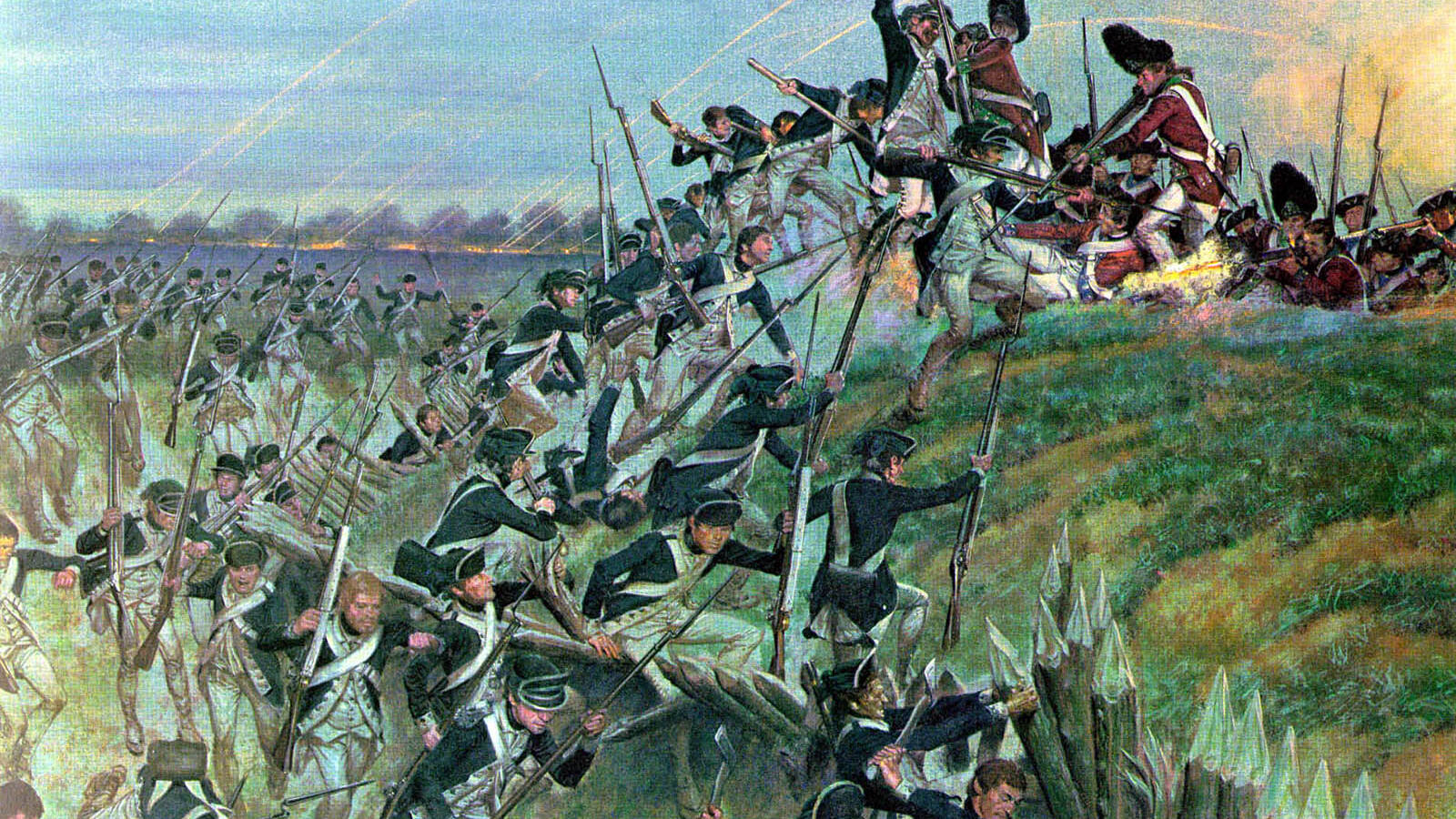
Faith Trumbull Huntington’s experience during the Revolutionary War serves as a reminder of the civilian cost of this historic period. Several of her family members joined the Continental Army. With her husband, Jed, serving as a colonel in the Connecticut militia, she assumed the role of supportive military wife. In June 1775, while on a trip toward Boston to try to reunite a sister-in-law with a brother serving in the army, she witnessed the Battle of Bunker Hill from across the Charles River. Traumatized by the experience and missing her own husband, she developed months-long depression. Despite the care of family, friends and a physician, she killed herself in November of that year. She was 32.
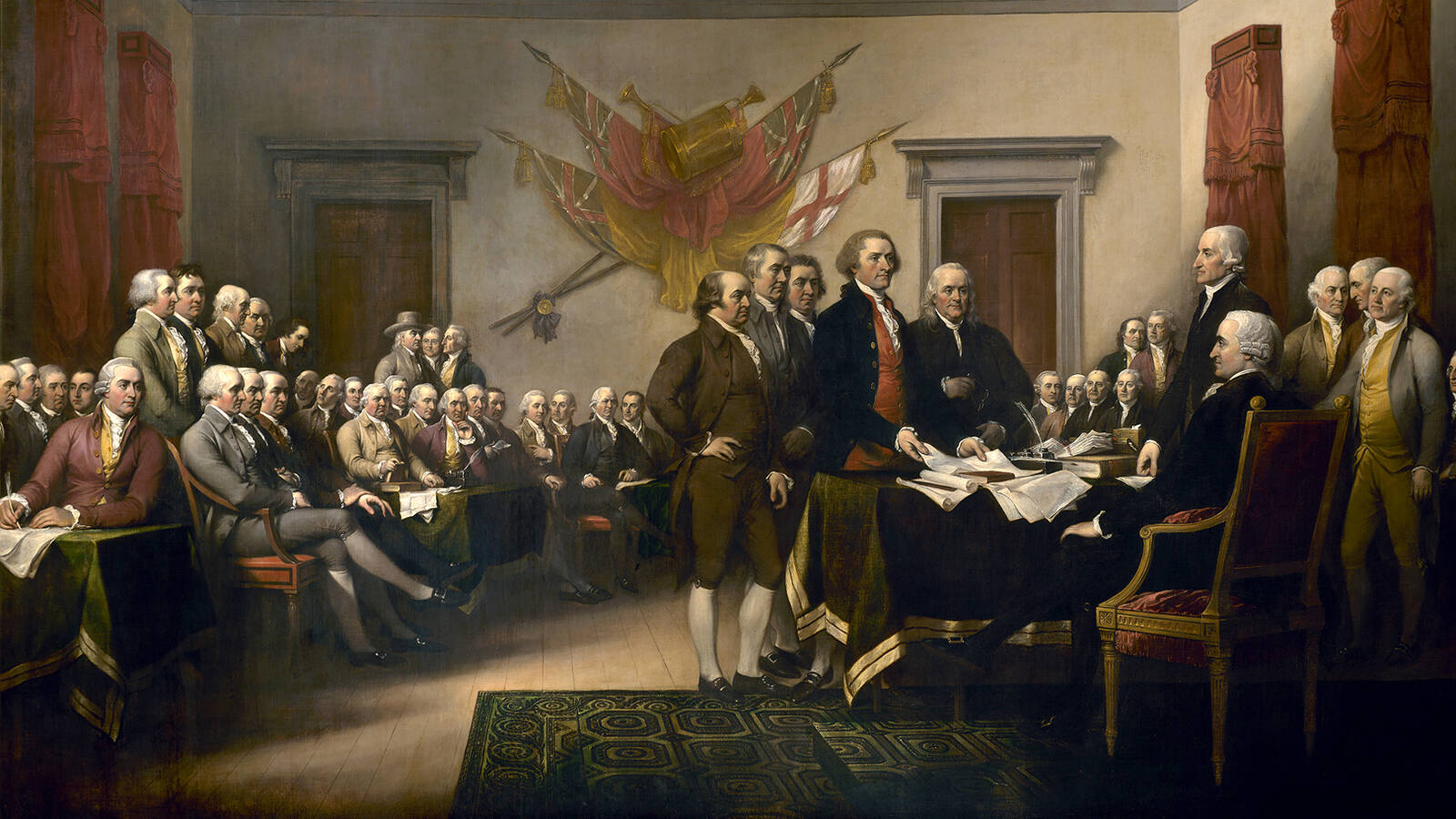
A skilled painter and needlepoint artist, Faith inspired a younger brother to also pursue art. John Trumbull later wrote that because he grew up seeing her pieces in their home’s parlor, he “endeavored to imitate them.” He went on to paint “The Declaration of Independence” and other works chronicling key moments in the revolutionary period.
3. Tyonajanegan
UNITED BY PARKS
This mother of four took up arms alongside her husband as their Oneida Nation chose to support the colonists in the American Revolution. During the August 1777 siege at Fort Stanwix, Tyonajanegan, who Europeans called “Two Kettles Together,” was among a small group of Oneidas who made their way through the encroaching British troops to warn settlers in the Mohawk Valley of the soldiers’ presence. During the ensuing battle, she fired pistols and, after her husband took a bullet through the wrist, reloaded his gun for each shot he took. After the battle, she rode horseback into the valley to report what had happened and prepare settlers for the arrival of the wounded.
Later that fall, she and her husband, Han Yerry Tewahangarahke, fought together again at Saratoga. Tyonajanegan fought for the American cause once more in 1781, leading a group of Oneida and white women in fending off an attack of 150 Loyalists and British-allied Indians at a fortified homestead protecting nearby gristmills.
4. Polly Cooper
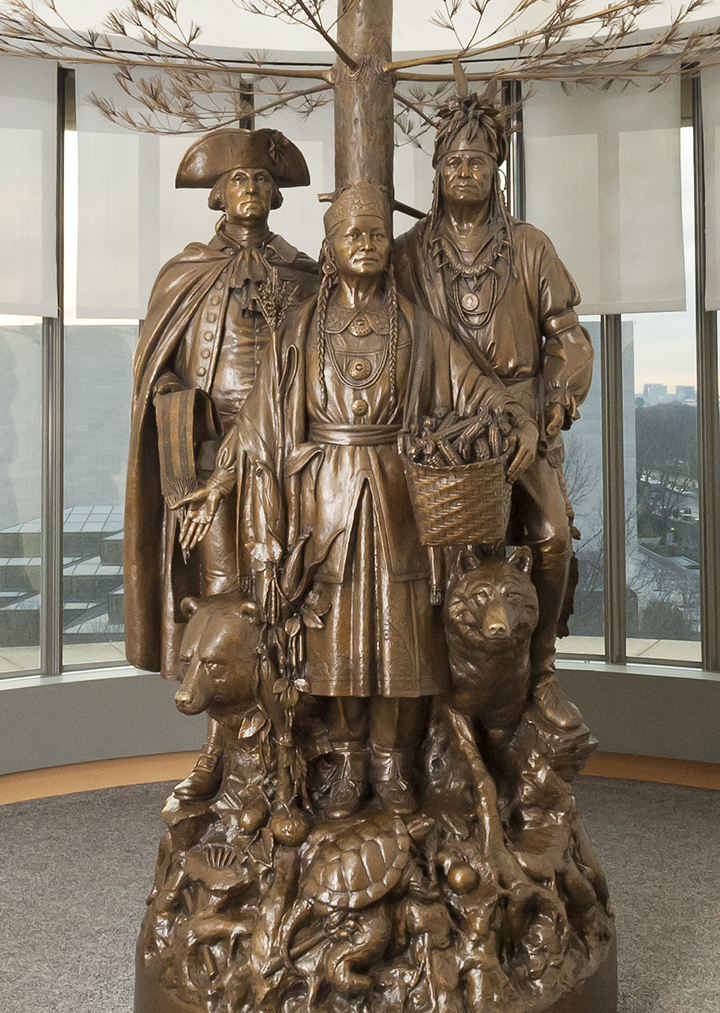
Sculpture titled “Allies in War, Partners in Peace” at the National Museum of the American Indian, Smithsonian Institution.
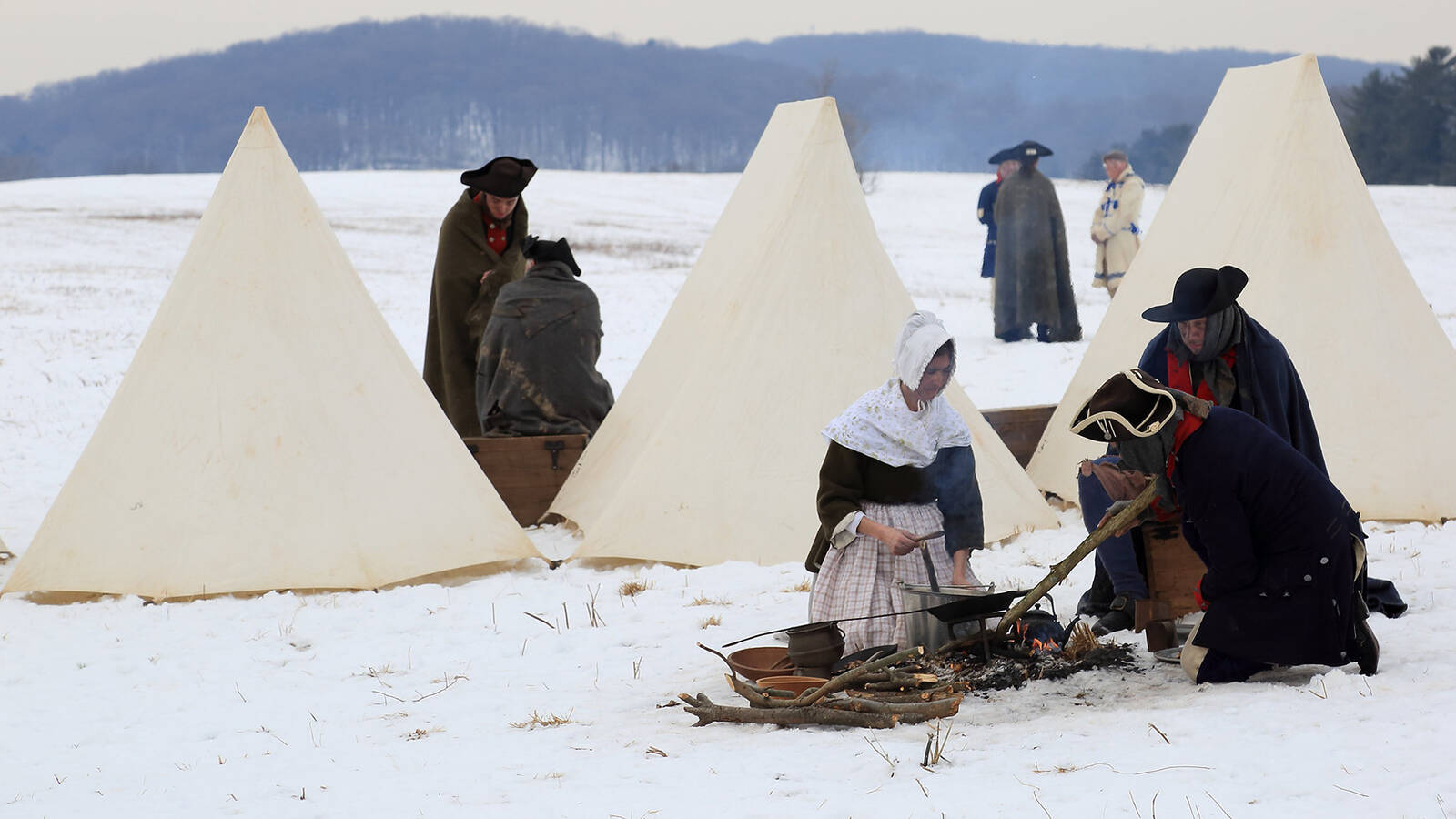
Photo by NMAI Photo ServicesPolly Cooper arrived at Valley Forge in May 1778 as part of a relief mission organized by Chief Shenendoah of the Oneida Nation, which supported the American cause against the British. The 50-member delegation walked 400 miles from Central New York to Valley Forge through bitter cold to feed Gen. George Washington’s troops, who had endured severe shortages of food and other supplies during the harsh winter.
The Oneida brought with them hundreds of bushels of white corn. Cooper taught the army how to cook the corn and cared for the soldiers, even after the rest of the delegation returned home. When the Colonial Army tried to pay Cooper after the war for her service, she declined compensation saying it was her duty to help those in need. She did, however, accept a shawl from Martha Washington as a token of her appreciation. A sculpture of Cooper, Chief Shenendoah and George Washington together under a pine tree is displayed at the National Museum of the American Indian in Washington, D.C.
5. Hannah Till
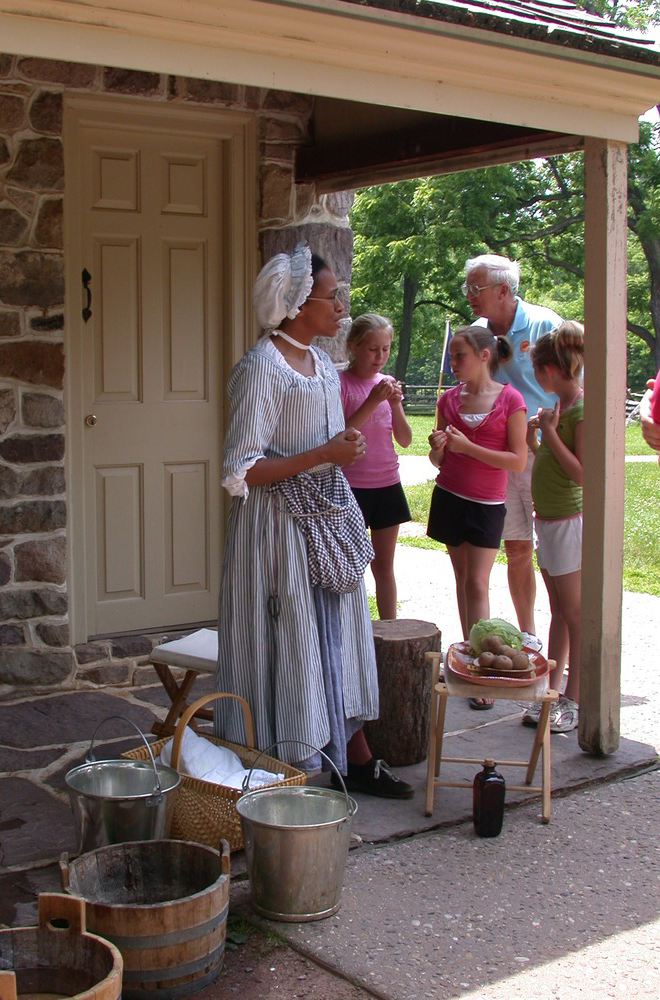
A Hannah Till reenactor talks about her jobs and duties in Gen. George Washington’s headquarters to park visitors at Valley Forge National Historical Park.
NPSHannah Till kept Gen. George Washington fed throughout much of the Revolutionary War, including the harsh winter of 1777-78 in Valley Forge. For several years, she served as his cook — first as an enslaved woman and later as paid staff after purchasing her freedom. Till had been leased to Washington by Rev. John Mason of the Associate Reformed Church in New York.
Till and her husband Isaac, also an enslaved cook at Valley Forge, had an agreement with Washington and their respective enslavers that they could, over time, purchase their freedom. Hannah reached the sum amount on Oct. 30, 1778. She then continued to serve as Washington’s personal cook, this time for pay. She also worked as a paid cook for Major General Marquis de Lafayette for a short period. When the war ended, Till and her husband worked as salaried cooks for families in Philadelphia. Till lived to be more than 100 years old and is buried in Pennsylvania.
6. Phillis Wheatley
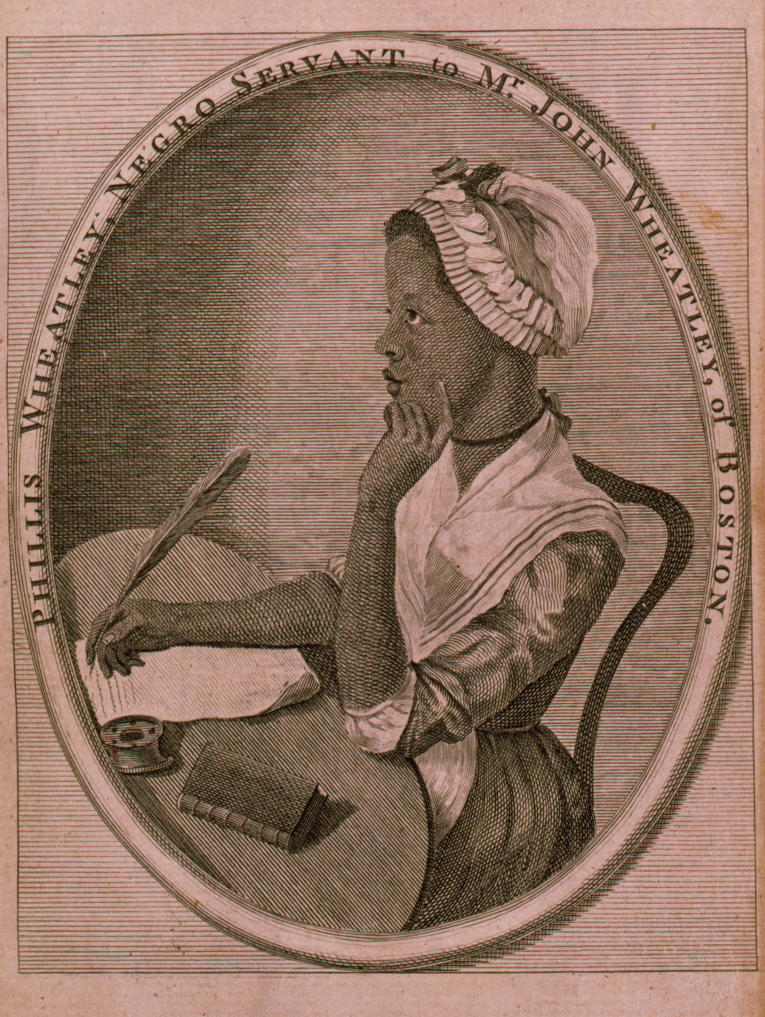
Phillis Wheatley
Library of Congress Rare Book and Special Collections DivisionPhillis Wheatley became the one of the first Black and enslaved individuals in the United States to publish a book of poems, “Poems on Various Subjects, Religious and Moral.” She supported the American Revolution, but her writings pointed out the hypocrisies of liberty and freedom, noting slavery prevented the colonists from achieving true heroism.
Born in Gambia, Africa, she was brought to America as a child in 1761 by enslavers. The Wheatley family, to whom she was sold in Boston, taught her to read and write — and soon recognizing her abilities, gave her an unprecedented education for someone enslaved, especially a woman. As a teenager, she became well known around Boston for her poetry. With the help of the Wheatleys, she traveled to London to publish her poems as a book when no one in the colonies would. During the peak of her writing career, she wrote a poem praising George Washington as the commander of the Continental Army.
7. Mammy Kate
The first major patriot victory in Georgia took place during the battle at Kettle Creek, on Valentine’s Day 1779. Despite this triumph, the British captured Col. Stephen Heard with plans to execute him. A woman and her husband enslaved by Heard, Mammy Kate and Daddy Jack, made a daring plan to save his life.
Stay On Top of News
Our email newsletter shares the latest on parks.
Choosing to see Heard not solely as an oppressor but as a human being whose life was worth saving, Mammy Kate used her more than 6-foot-tall frame, strength and strategic thinking to smuggle Heard out of jail in a laundry basket full of clothes. According to oral history, she declared, “I’ve come to set you free. I’m gonna sneak you out of here as sure as porcupines prick beavers.”
Heard became governor of Georgia in 1781. The couple are buried on either side of Heard, and their grave markers note their courageous act. In 2011, Mammy Kate became the first Black woman in Georgia to be honored as a patriot by both the Sons of the American Revolution and Daughters of the American Revolution. Kettle Creek Battlefield is an affiliated site of the National Park System.
8. Deborah Sampson
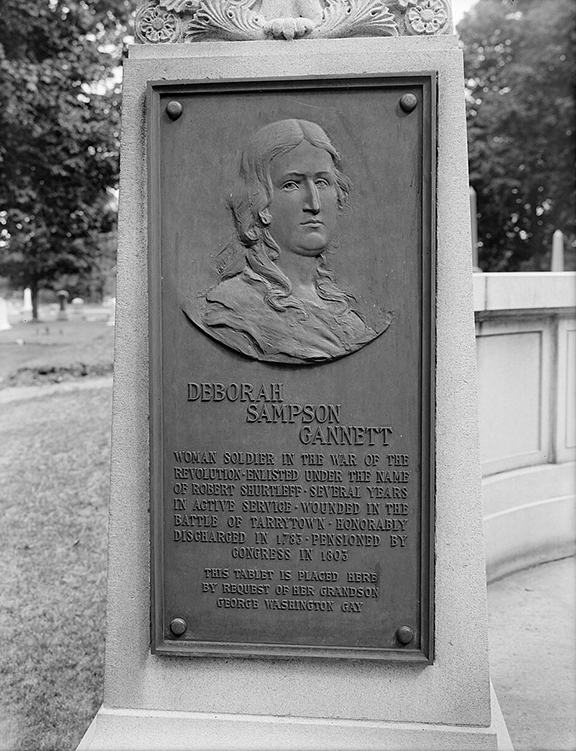
Deborah Sampson’s grave in Sharon, Massachusetts.
Leon Abdalian via Wikimedia CommonsAt a time when army regulations banned women from enlisting in combat, 21-year-old Deborah Sampson disguised herself as man to fight in the Continental Army from May 1782 to October 1783. She enlisted with the Fourth Massachusetts Regiment under the name Robert Shurtleff after having been in indentured servitude to a Massachusetts family since age 10. She served in the Light Infantry Troops, which took part in small, risky missions in the Hudson Valley. When she received a gunshot wound during a skirmish, she pulled the bullet out herself to avoid medical care that might have revealed her true gender.
Sampson served undetected as a woman until falling unconscious with a high fever while on a mission in the summer of 1783. The attending physician notified her general by letter of her gender, and she received an honorable discharge in October. Sampson was one of the first women to receive a pension for her military service. She died at age 66, and her headstone in Sharon, Massachusetts, refers to her as “Woman Soldier in the War of the Revolution.”
9. Sarah Osborn Benjamin
The Battle of Yorktown in October 1781 was the last major battle of the Revolutionary War. Sarah Osborn Benjamin followed her military husband there, as she had across the Northeast after they married in 1780. At Yorktown, she noticed the soldiers were exhausted, dehydrated, overworked and underpaid, so she organized a coalition of other women camp followers to prepare food for them. They carried the food through long trenches to reach the Continental Army soldiers, who viewed Sarah as one of their own. On one such trip, Sarah ran into Gen. George Washington, who asked her if she was afraid of the cannonballs. She reportedly replied, “No, the bullets would not cheat the gallows… and it would not do for the men to fight and starve too.”
In 1837 at age 81, she petitioned the courts to do right and pay Revolutionary soldiers who had received little or no money during and after their military service. She also argued that she should be able to collect her husband’s pension as well as one for herself, and the courts agreed.
More to Explore
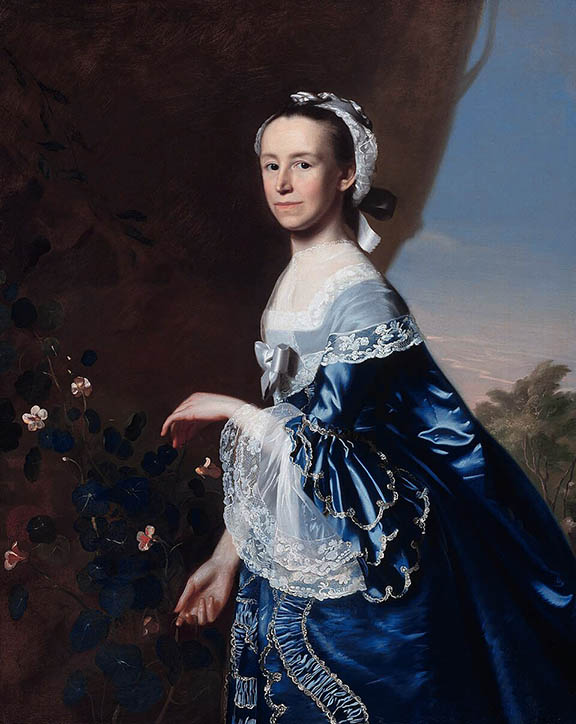
Mercy Otis Warren
Artist John Singleton Copley via Wikimedia CommonsThere are many more women, of course, who influenced the American Revolution — both known and unknown. The patriot women’s group Daughters of Liberty formed in 1766, for example, prompting Samuel Adams to reportedly say, “With ladies on our side, we can make every Tory tremble.” The Martin Women of Ninety-Six, a frontier town in South Carolina, nursed wounded soldiers and prevented a British courier’s delivery by ambushing him while dressed as men, while poet and historian Mercy Otis Warren published pro-patriot literature before and during the war. She later wrote one of the first comprehensive accounts of the American Revolution in 1805 at age 77, a three-volume set titled “History of the Rise, Progress and Termination of the American Revolution.”
Learn more about the contributions of individuals, both women and men, on the National Park Service’s People of the American Revolution webpage.
Retired Col. Irma Hagans Cooper, former member of NPCA’s Pacific Regional Council, contributed to this article.
About the author
-
 Linda Coutant Online Editor
As a member of the Communications team, Linda Coutant manages the Park Advocate blog and other web content, and also coordinates the monthly Park Notes e-newsletter for NPCA members and supporters. She lives in Western North Carolina.


,_by_John_Trumbull.jpg)


,_by_John_Singleton_Copley.jpg)