National parks belong to all of us. But land exchanges and development at two additional parks threaten to put private interests over public resources.
A possible baseball stadium in Grand Teton National Park — thankfully, a no-go. A land swap at Yosemite National Park for a developer’s private access — still a dire possibility. Both events galvanized public outrage in recent weeks, so much so that Major League Baseball backpedaled on its idea for Grand Teton. NPCA continues to push back against any sell-off efforts at Yosemite.
Similar situations are occurring at Cumberland Island National Seashore in Georgia and North Cascades National Park Complex in Washington State, although less publicized by mainstream news media. The Department of the Interior is planning to allow private landowners to build luxury mansions and private roads on Cumberland Island, while draining a portion of the Stehekin River in North Cascades to fill it with rock for a road to benefit only a few private interests.
A pattern seems to be developing in the Trump era: Private developers are emboldened to expect the National Park Service to use park resources to benefit their interests, not the public’s.
Here’s what NPCA knows about these situations and the action we’re taking.
Cumberland Island National Seashore
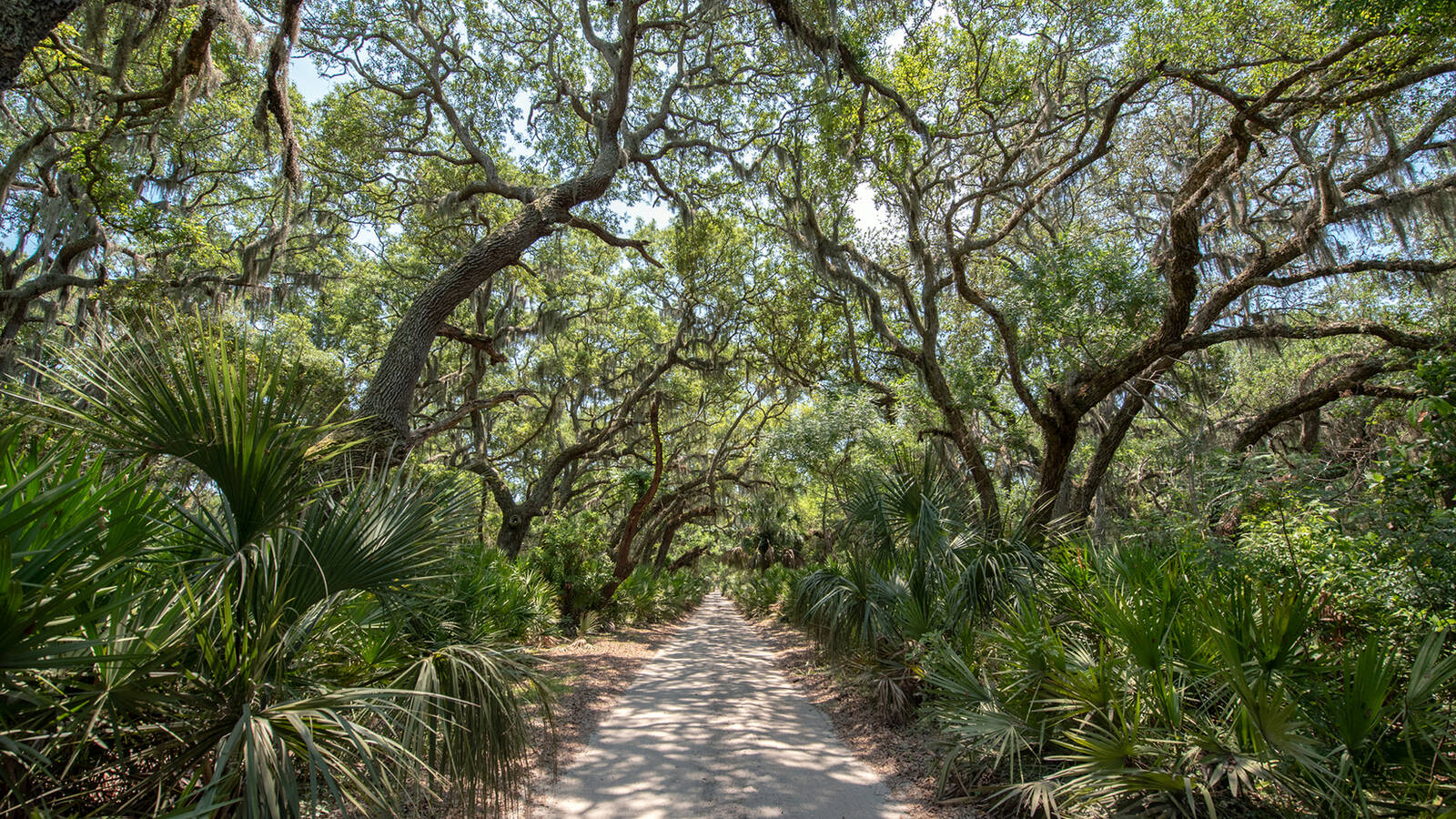
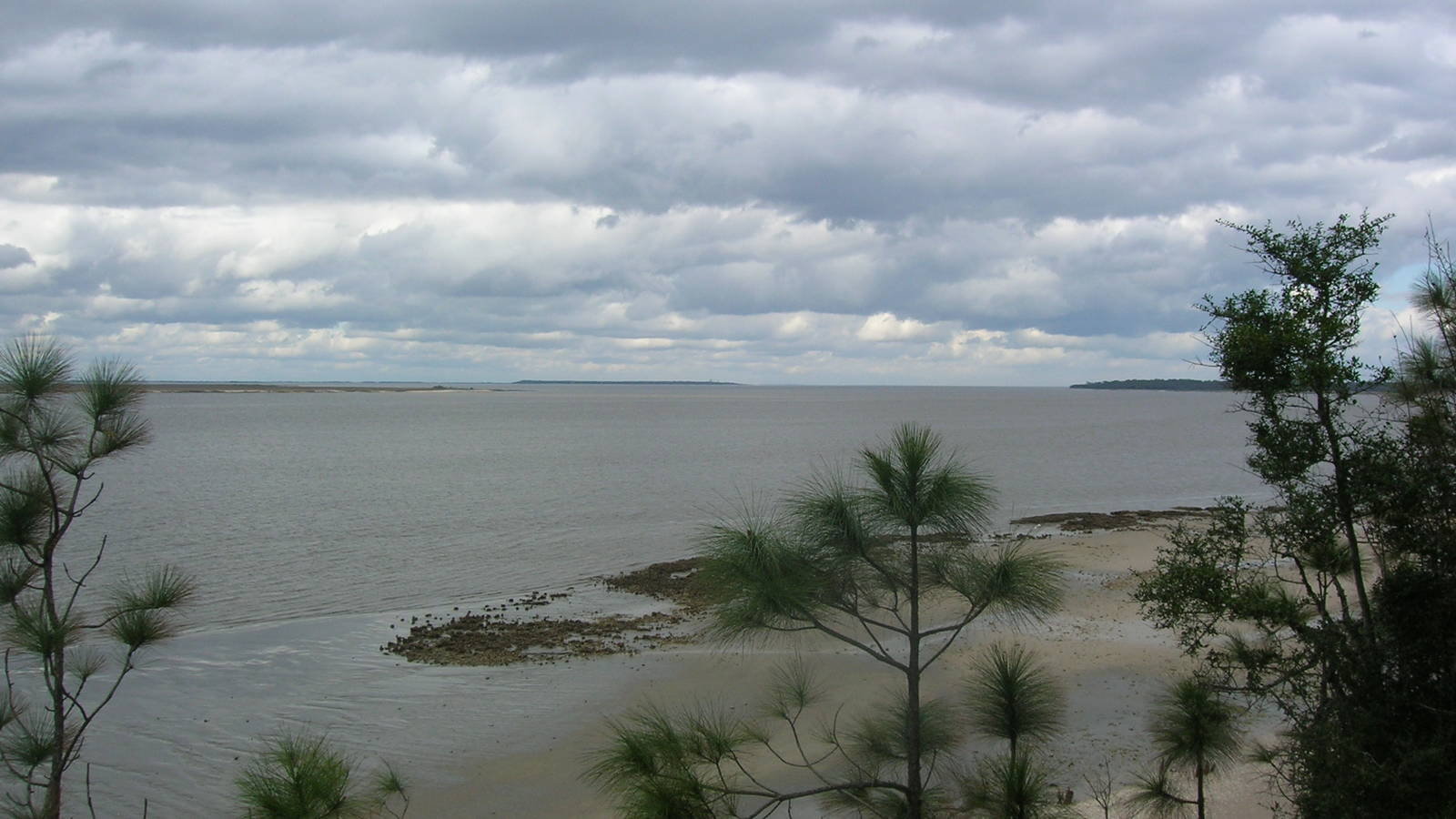
Cumberland Island protects miles of undeveloped sandy beaches and more than 9,000 acres of federally designated wilderness. Visitors take a ferry to access this coastal gem and, once there, can glimpse numerous plant and animal species, including threatened and endangered animals: the North Atlantic right whale, Florida manatee, wood stork, piping plover, green sea turtle and loggerhead sea turtle.
The park also interprets the history of the island. During the War of 1812, hundreds of enslaved African Americans gained their freedom on Cumberland Island by joining British ranks. Later, the island would become a premier leisure destination for some of the nation’s most powerful and influential families during the late 19th and early 20th centuries. Visitors can explore these Gilded Age historic districts, as well Gullah Geechee settlements from the 1800s.
NPCA’s Previous Work
NPCA has worked to protect the history and landscape central to the Gullah Geechee people, who were enslaved from West and Central Africa to work on remote plantations and later became some of the country’s first African American landowners. Golf courses and gated communities have changed the region and threatened the way of life for Gullah Geechee descendants who continue their cultural traditions, which include a creole language spoken in coastal Georgia, South Carolina, North Carolina and Florida.
Selling Off and Selling Out
Three main patterns by the federal government are chipping away at national parks and public lands. Our experts break them down.
See more ›When Camden County officials sought to build a commercial spaceport just a few miles from Cumberland Island’s wild shores, NPCA and One Hundred Miles, represented by the Southern Environmental Law Center, filed a federal lawsuit that helped halt the proposal. Emily Jones, NPCA’s Southeast director at the time, said, “Blasting rocket ships over national parks threatens visitor safety, wildlife and the very values for which Cumberland Island National Seashore was protected. Our national parks were set aside for the enjoyment of all — not a select few.”
The Latest Threat
In September, the Department of the Interior announced new plans to exchange public land at Cumberland Island, allowing private landowners to build eight 15,000-square-foot mansions up to 35 feet high, as well as a private beach pavilion and private roads in this wild place. This land contains invaluable American history, including the ruins of housing for people enslaved on former plantations, their burial grounds and unrecorded graves and other archaeological and natural resources that are a key part of Gullah Geechee culture. Precious marshes and shorebird habitats are also at risk.
When Congress designated Cumberland Island a national seashore in 1972, it intended for the park site to become wilder over time and “preserved in its primitive state.” In other words: less development, not more. These proposed land exchanges to benefit a select few would not only increase permanent, private and damaging development, but also violate the island’s congressional mandate.
North Cascades National Park Complex
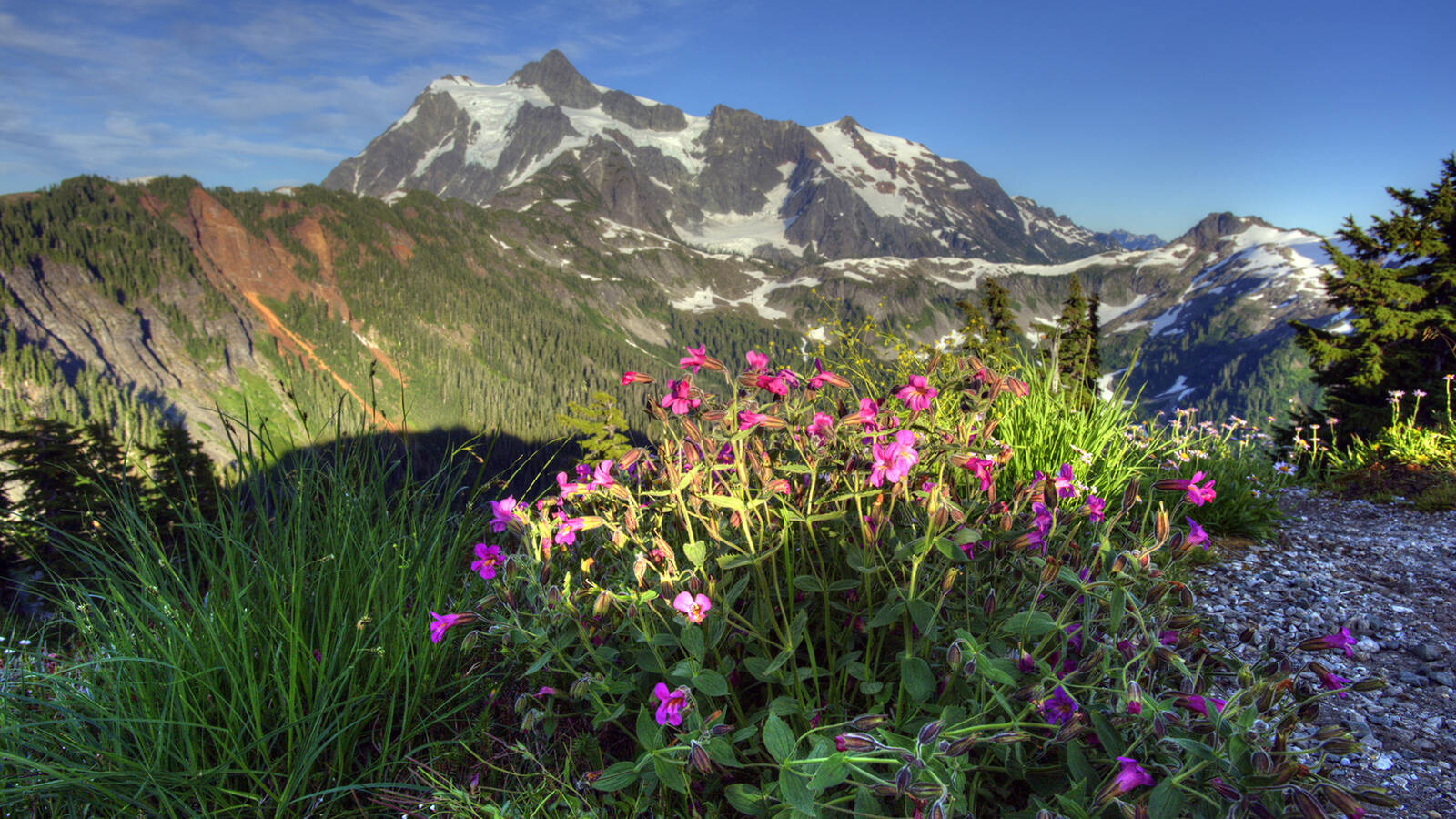
Located about three hours from Seattle, the North Cascades National Park Complex preserves over a thousand square miles of jagged mountains, glaciers, old-growth forests, cascading creeks and wetlands. It’s made up of three connected National Park Service sites, including North Cascades National Park and Lake Chelan and Ross Lake national recreation areas. Visitors come to this remote landscape for hiking, backpacking, camping, paddling, fishing and biking. Two hundred species of birds and 75 species of mammals live here, including three listed as threatened or endangered under the Endangered Species Act — the gray wolf, North American wolverine and Canada lynx. The park also has critical habitat for endangered freshwater fish like bull trout. Runs of all five Pacific salmon species can be found in the Skagit River watershed.
NPCA’s Previous Work
After nearly two decades of advocacy and public input, NPCA celebrated the National Park Service’s announcement in 2024 of a finalized plan to restore the grizzly bear to the park. A critical part of the area’s ecosystem, grizzlies were nearly wiped out in the first half of the 20th century due to trapping, poisoning and hunting. Grizzlies are also culturally important to many Tribes in the region.
NPCA continues to advocate for restored staffing levels. As a result of the Park Service’s nearly 25% loss in permanent staffing since January 2025, North Cascades National Park has struggled with visitor center closures, reduced campground programming, equipment shortages and gaps in critical staffing.
The Latest Threat
In a remote corner of the North Cascades National Park Complex, the Department of the Interior (DOI) has pushed the National Park Service to permit the building of a road through the middle of a wild river. The project calls for bulldozing directly through the river corridor to block and drain a portion of the Stehekin River, where a major flood in December 2025 destroyed a part of Company Creek Road, which ran alongside the Stehekin and provided access through the park to a handful of private landowners.
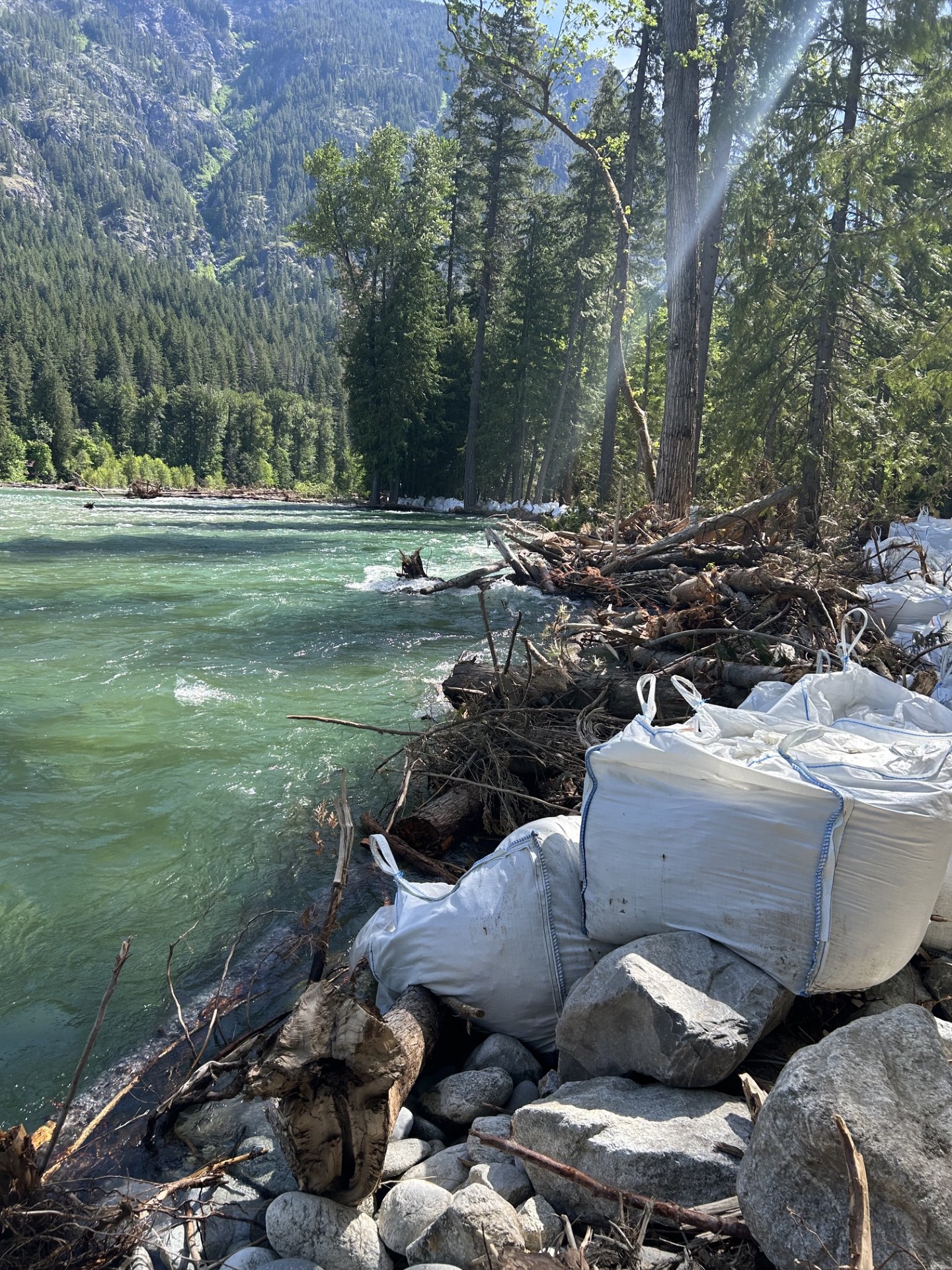
The area of North Cascades National Park Complex where construction is underway to block and drain a portion of the Stehekin River, after the Department of the Interior pushed the National Park Service to alter its original plans for rebuilding a road to prioritize private interests over public resources.
North Cascades Conservation CouncilWhile the National Park Service put together several options to rebuild the road and restore access based on consultation with wildlife experts, park architects and the public, DOI announced a new plan this summer. It pushed the Park Service to throw out their original plans and instead prioritize private interests over public resources. Construction crews quickly began moving forward on the DOI version of the project.
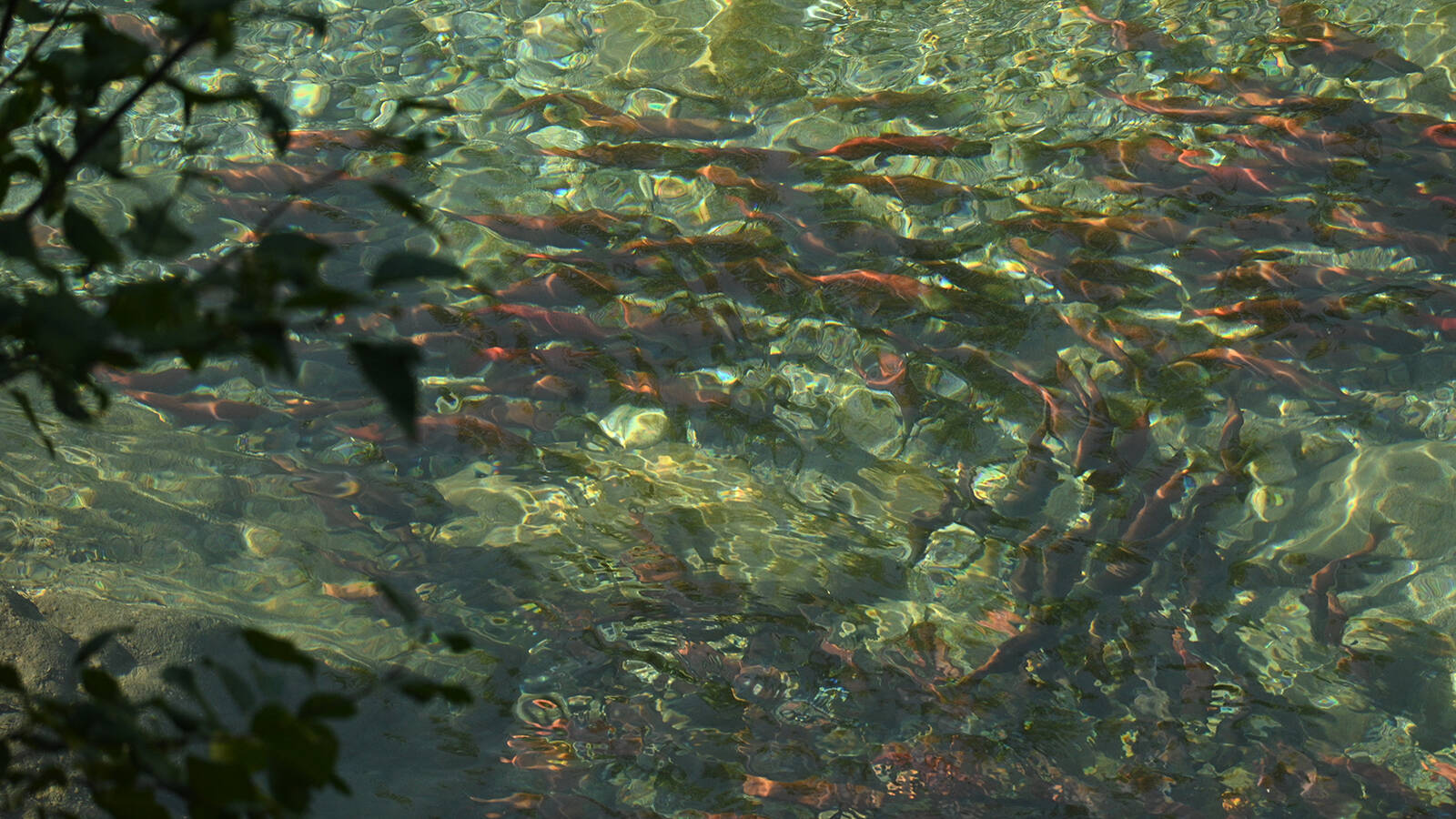
This plan comes at a great cost to the river and potentially endangers other public and privately owned resources. Glaciers and snowmelt in the North Cascades feed the Stehekin River, and its bright turquoise waters flow for miles into Lake Chelan National Recreation Area. There is no evidence this new road design could withstand a future flood. Washington State wildlife biologists have documented hundreds of spawning salmon at the project’s exact spot, and the current plan has no safeguards for fish or the river.
Luckily, a judge ordered a temporary halt and construction paused last month, but construction could begin again at any moment.
What NPCA is Doing
Public lands, including national parks, belong to the public. NPCA continues to defend our national parks — from Congress to the courtroom to local communities — and hold the line on private interests skirting the commitment to protect our public lands for future generations.
At Cumberland Island, NPCA hosted a workshop to help local communities prepare comment letters protesting the disastrous land swap proposal and sent out an action alert that drove hundreds of national park advocates to take a stand for this wild place. For North Cascades, we’re calling on the Park Service to oppose plans to build the road in the Stehekin River and restore access to residents without sacrificing park resources.
NPCA will keep pushing to protect Cumberland Island National Seashore and North Cascades National Park Complex the way these one-of-a-kind places deserve.
Stay On Top of News
Our email newsletter shares the latest on parks.
About the authors
-
 Caitlyn Burford Senior Communications Manager, Pacific, Southwest, Northwest
Caitlyn Burford is the senior communications manager for NPCA's Northwest, Southwest, and Pacific regions, along with NPCA’s work on national energy policy.
-
 Kyle Groetzinger Associate Director, Communications, Southeast, Sun Coast, Mid-Atlantic, Texas and Oklahoma
Kyle Groetzinger joined NPCA in June 2019 and serves as Associate Director of Communications. He leads communications strategy and media outreach efforts for the Mid-Atlantic, Southeast, Sun Coast, and Texas regions, along with the organization’s cultural resources and future parks teams.
-
 Linda Coutant Online Editor
As a member of the Communications team, Linda Coutant manages the Park Advocate blog and other web content, and also coordinates the monthly Park Notes e-newsletter for NPCA members and supporters. She lives in Western North Carolina.
-
General
-
Issues


-
Blog Post
Fossils: Yesterday, Today and Tomorrow
Celebrating ancient trackways, and all fossils, for National Fossil Day, Oct. 14.
-
Press Release
Federal Court Blocks Border Barrier Construction at Big Bend National Park
Congress designated Big Bend National Park to protect our country’s natural wonders, and people come from all over the world to experience its star-filled skies and striking mountain ranges. Big…
-
Press Release
NPCA and Partners Appeal State of Alaska’s Decision to Grant an Easement for the Ambler Mining Road
“...the proposed 211-mile Ambler Road would be a disaster for Gates of the Arctic National Preserve and the Western Arctic Caribou herd that crosses it" - Naawéiyaa Tagaban, NPCA Alaska…