Three main patterns by the federal government are chipping away at national parks and public lands. Our experts break them down.
Over the past year and a half, the Trump administration, in coordination with Congress, has moved at a breakneck pace to dismantle our nation’s conservation legacy within our national parks and on public lands just beyond park boundaries.
Like the National Park Service, agencies that manage land next to national parks, such as the Bureau of Land Management and U.S. Forest Service, have suffered staffing and budget cuts and major rollbacks to public land protections, all while the public has been cut out of the decision-making process.
This all-out assault is tearing down vital bridges of conservation that connect national parks to their larger landscapes — just as the administration is pushing for rapid, unregulated expansion of oil and gas drilling, mining and timber harvest and promoting unchecked motorized vehicle use on sensitive landscapes.
Rivers don’t stop at park boundaries, nor do pronghorn recognize the border between land managed by the Park Service and the Bureau of Land Management. Our national parks depend on the health of the larger landscapes they are part of. To truly preserve the clean air and water, abundant wildlife, opportunities for recreation and solace, and the rich histories that make up our national parks, we have to protect the public lands and watersheds that surround them.
NPCA will continue to advocate on behalf of our parks and demand that Congress and the administration reverse course and uphold their legal obligations to protect our natural and historical heritage.
Take the Colorado Plateau, for example. This expansive geologic feature and cultural landscape covering the four corners of Utah, Colorado, Arizona and New Mexico contains the greatest density of prehistoric and historic sites in the U.S. Here, you’ll find more than two dozen national park sites connected with other protected public lands and Tribal parks, which serve the important role of preserving the deep cultural and historic elements across the area. This region is the ancestral homeland of many Tribal Nations and protects sacred sites important to Indigenous communities today.
The future of conservation is on the line, and NPCA is fighting back — from Congress to the courtroom — to protect our parks and the public lands that sustain them.
Here are three key patterns that show just how public land protections are being eroded.
1. Selling Off Our Public Lands
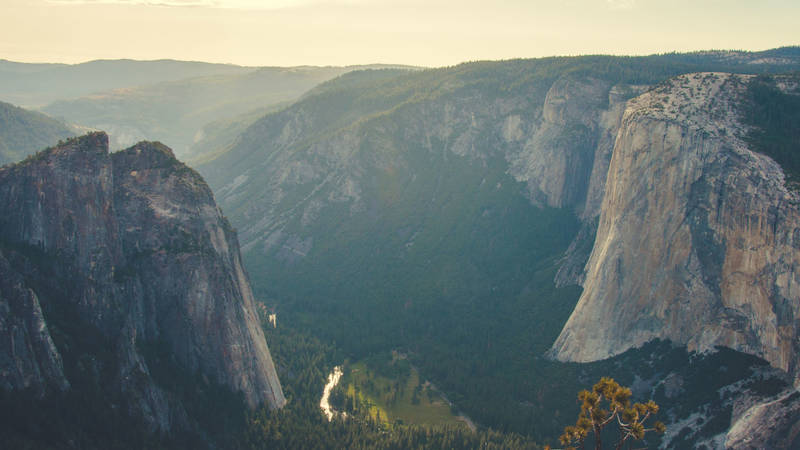
Yosemite for Sale? NPCA Objects to Alarming New Report
“The Trump administration’s attempts to dismantle America’s conservation legacy are now taking aim at Yosemite with this secretive, backroom deal that would turn over Park Service land to a private…
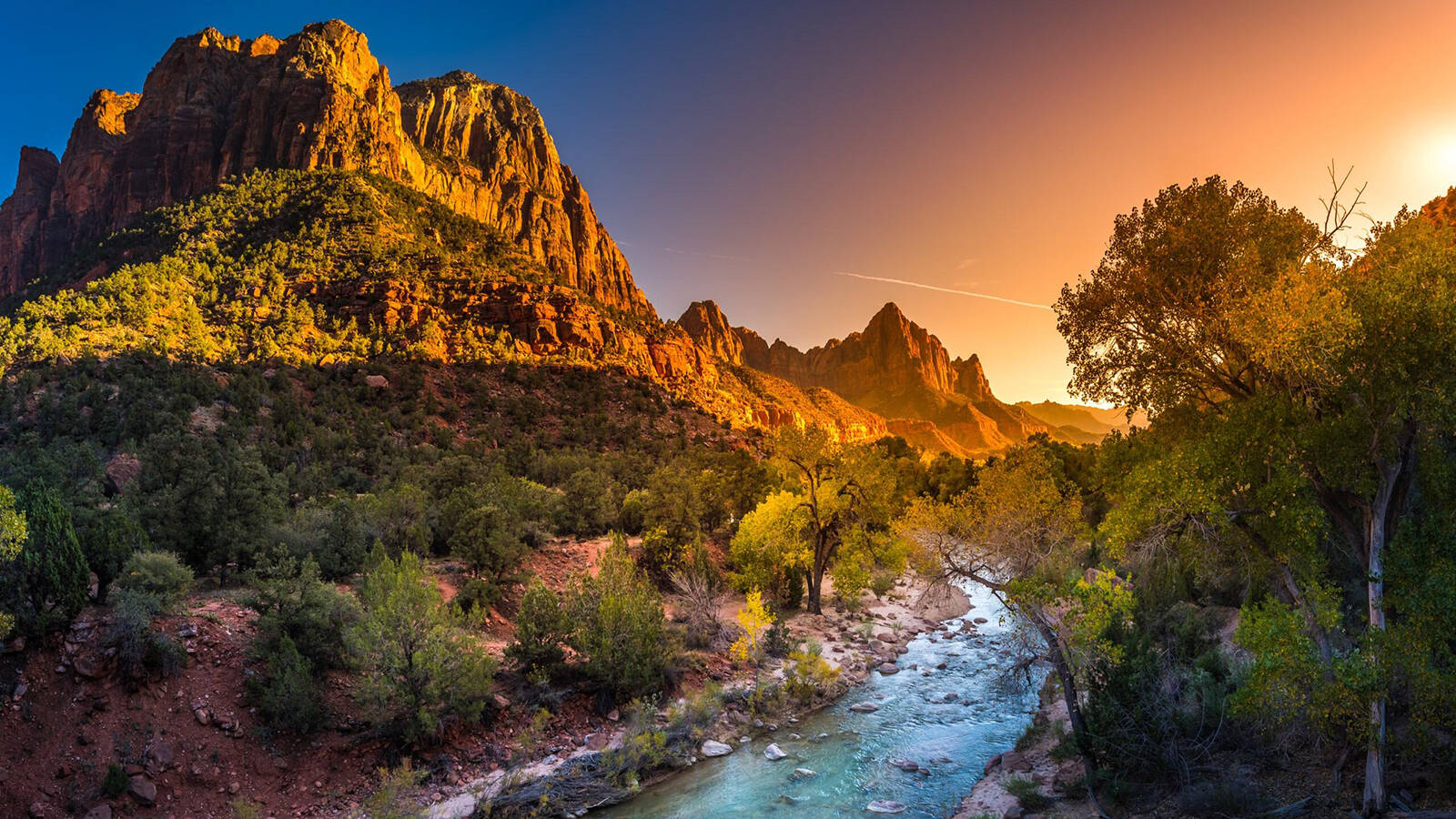
See more ›Last summer, some members of Congress launched a brazen attempt to sell off more than 3 million acres of public lands, some directly adjacent to parks like Zion National Park.
A critical way to protect parks is to ensure the public land around them remains in the hands of the American people, not sold off to private interests piece by piece. That’s why Americans for generations have trusted and equipped land management agencies like the Park Service, Bureau of Land Management, U.S. Forest Service and U.S. Fish and Wildlife Service to steward our cherished places now and into the future.
We’ve stopped those attempts for now, but some congressional members keep trying. If we have a future where only private lands, subdivided and developed, surround our parks, wildlife habitat would be fragmented, recreational pursuits compromised and cultural landscapes severed.
2. Eliminating Long-term Conservation Protections
Beyond wholesale attempts to sell off public land, the administration and its allies in Congress has sought additional pathways to “sell-out” our public lands for development.
Public lands held in trust by the Bureau of Land Management and Forest Service serve many purposes and are managed for a range of uses and values, from conservation and restoration to grazing, timber and other resource extraction. Our public lands should reflect a balance that’s guided by public input. Yet the administration and Congress continue to work against the public’s interest, drastically tipping the scale towards all-out extraction.
They do this by proposing to rescind core conservation and restoration initiatives that directly connect and protect national park resources and ensure conservation is represented appropriately in multiple-use management.
Recission of the Public Lands Rule: A total of 80 national park sites share borders with public lands managed by the Bureau of Land Management. The Public Lands Rule set forth a collaborative, locally driven framework, which included science and Indigenous knowledge, to build and maintain healthier, more resilient national park landscapes through conservation. Rescinding the rule in May was a short-sighted decision, as it was the bureau’s hallmark conservation policy after decades of escalating development on public lands, often to the detriment of national parks. The rule ensured the long-term integrity of the national parks and the ecosystems they are part of.
Blog Post6 Reasons to Keep the ‘Roadless Rule’ in Place
NPCA supports continuation of the 2001 Roadless Area Conservation Rule to protect our nation’s forests. See how healthy, roadless national forests benefit national parks, larger ecosystems, and the people and…
See more ›Proposed Recission of the Roadless Rule: The Roadless Area Conservation Rule protects 58.5 million acres of public lands. Free from industrial-scale logging and associated roadbuilding, these areas comprise some of the last remaining undeveloped public lands managed by the U.S. Forest Service. The administration officially proposed eliminating this rule in August. Nearly 30% of roadless areas are within 30 miles of our national parks and support biodiversity, climate resilience, and air and water quality.
Take action in support of the Roadless Rule
Elimination of Locally Led Public Land Plans: For the first time ever, Congress used the Congressional Review Act (CRA) this year to target and recklessly eliminate public land use plans in Alaska and Montana, and a mineral withdrawal in northern Minnesota near Voyageurs National Park. Congress attempted to use the CRA to throw out the management plan for Grand Staircase-Escalante National Monument, though that effort failed when a key deadline expired, and after widespread public pushback from park advocates. Resource management plans and mineral withdrawals are developed through a lengthy and locally driven collaborative process. Once the CRA is applied to them, they can never be reinstated in a substantially similar manner, meaning years of public feedback and local knowledge are permanently cut out from the way the land is managed.
Removal of Natural Resource Protections in Off-Road Vehicle and Snowmobile Use: In the 1970s, Presidents Nixon and Carter issued executive orders regarding the use of off-road and over-snow vehicles on parks and public lands to protect natural resources and wildlife. Those orders formed the basis of today’s policies designed to minimize environmental impacts. In May, President Trump rescinded those executive orders and directly called for each land management agency to revise or rescind its regulations. The Forest Service has already announced its intent to release a proposed rule next spring. As a result, areas previously closed to off-road motorized use could be opened, which could cause irreversible harm to wildlife and natural resources. It would also turn a previously quiet visitor experience into an extremely loud one.
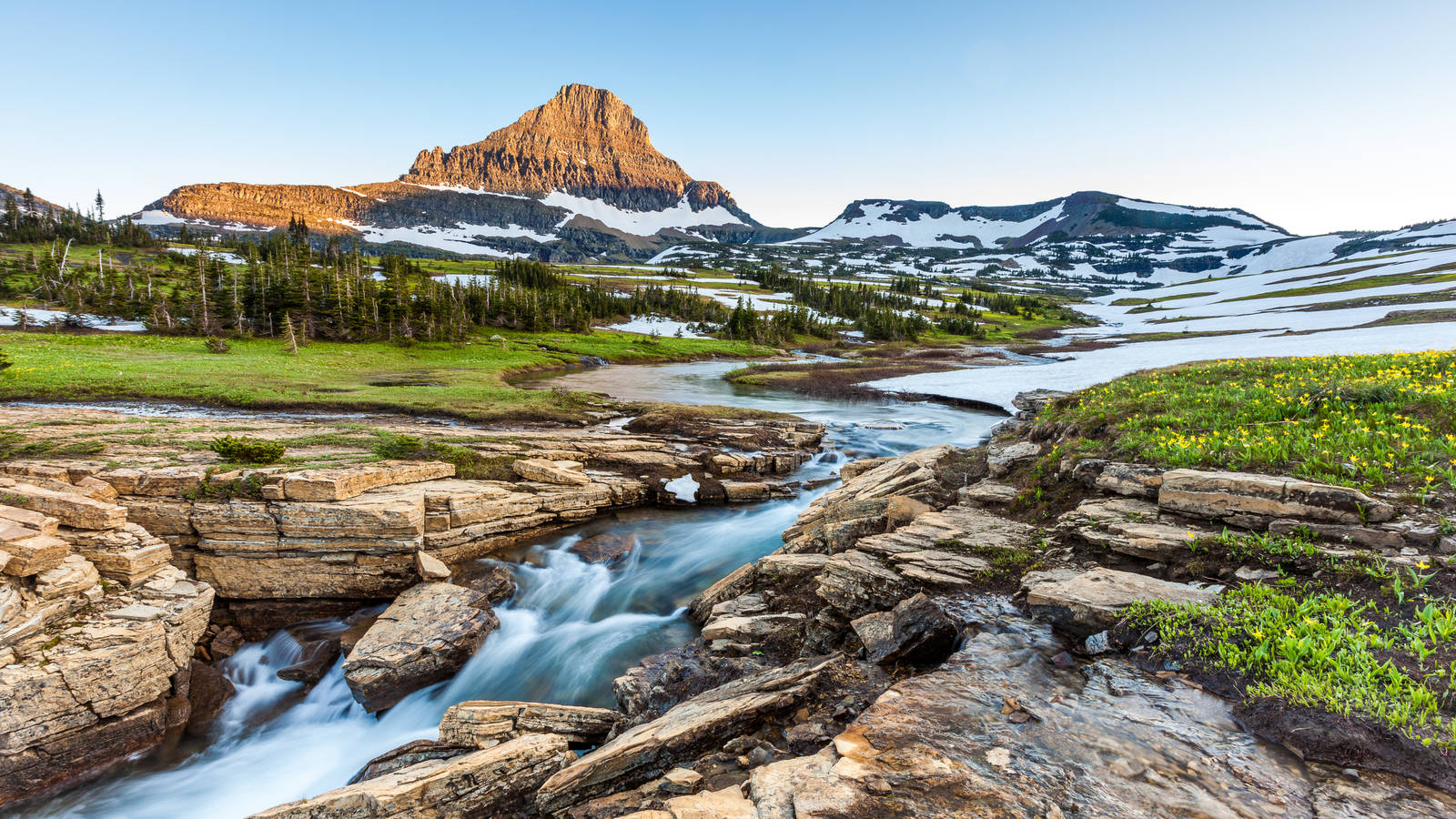
Weakening Wilderness Stewardship & Protections: Places such as Glacier or the Great Smoky Mountains still look the way they do because the Park Service has primarily protected them as “wilderness.” The Department of the Interior is reviewing wilderness stewardship criteria across the National Park Service and other agencies — a move that threatens to upend the bipartisan tradition of protecting wilderness areas at the highest level. The Park Service manages over 70 million acres for their wilderness qualities because Park Service experts have determined these places are critical to protect for wildlife, clean water, healthy ecosystems and more. More than 80% of that land has wilderness characteristics that would be impacted by this call to weaken accountability, consistency and continuity in meeting requirements of the 1964 Wilderness Act.
Eviscerating Public Land Protections: In July, President Trump dramatically reduced Bears Ears and Grand Staircase-Escalante national monuments, two monuments connecting five national parks in southern Utah. These once protected landscapes are now open for mineral exploration. Additionally, the federal government has ripped through protected areas in Organ Pipe Cactus National Monument and Big Bend National Park for border wall and surveillance infrastructure after waiving numerous environmental and cultural heritage protection laws.
3. Silencing the Public and Elevating Industry
While the administration wants you to believe it is increasing access to recreation, what’s really behind the attempts to sell off and sell out our public lands is a desire for greater and easier access to drill, mine, log and build roads across protected landscapes, while axing critical staff positions so the agencies protecting them look ineffective.
The White House and Congress have opined that opening public lands to development benefits the public. What leaders purposely omit is that land management agencies already have common sense policies in place that determine how to best protect these resources, while ensuring the public can enjoy them for generations to come.
Direct attempts to undermine land management agencies is a less-than-subtle way of essentially privatizing public land:
Appointing Industry Insiders to Manage our Public Land Agencies: Stevan Pearce, a long-time proponent of selling off public lands and stripping away land and water protections all while maintaining personal and political ties to the oil and gas industry, has been confirmed to run the Bureau of Land Management. Meanwhile, Tom Schultz, with deep connections to the logging and timber industry, has been appointed to lead the Forest Service. NPCA opposed these nominations, pushing instead for agency leadership to have land management expertise.
Severe Staffing Cuts and Re-Organization of the Forest Service: Federal land agencies across Western states were hit particularly hard when the Trump administration slashed the size of the federal workforce. An analysis showed the U.S. Department of Agriculture and Department of the Interior lost more than 26,200 positions, or 17% of their overall capacity, in 2025. At the Bureau of Land Management, the overall staff decrease was 18% and for the Forest Service, 15%. The Forest Service has also undergone a dramatic reorganization with its headquarters moving to Salt Lake City, Utah. The fallout will be felt for years to come, most notably in the Forest Service’s ability to respond to wildfires.

6 Ugly Oil and Gas Outcomes From the ‘Beautiful’ Bill
We break down how the ‘One Big Beautiful Bill’ pushes reckless development that will threaten our national parks and monuments for years to come — and what we can do…
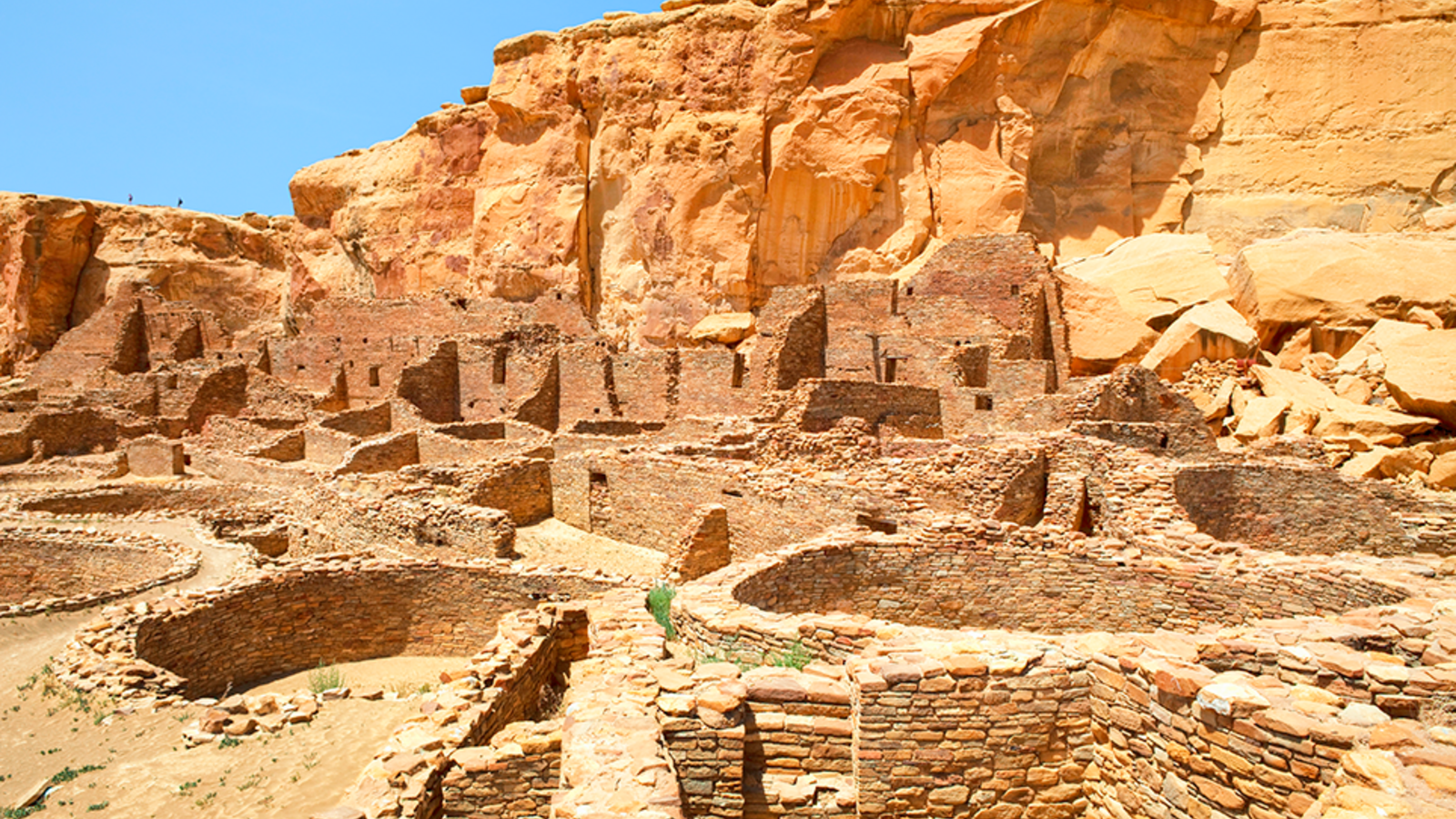
See more ›Fast-Tracking Development: The One Big Beautiful Bill Act passed by Congress in 2025 dramatically shifted how public land agencies manage energy and timber resources. The legislation dramatically increases the scale and pace of energy and timber extraction on public lands without any consideration for the potential harm to national parks. The Trump administration and Congress are also working in tandem to rescind drilling and mining withdrawals and protections near national parks, including Chaco Canyon National Historic Park.
Silencing and Diminishing the Value of Public Input: The administration has consistently diminished public comment opportunities, while devaluing the public’s voice on the future management of its public lands. For example, the process for rescinding the Roadless Rule — which had been developed with numerous public meetings, forums and comment periods — commenced with a 21-day comment period, when a 60- to 90-day comment period would have been usual.
National Parks and Public Lands Are Our Legacy
Combined, these actions present an existential threat to the future of our public lands. NPCA will continue to advocate on behalf of our parks and demand that Congress and the administration reverse course and uphold their legal obligations to protect our natural and historical heritage.
Stay On Top of News
Our email newsletter shares the latest on parks.
About the authors
-
 Beau Kiklis Associate Director, Energy and Landscape Conservation Program
Beau manages campaigns to advance NPCA's public lands conservation priorities by ensuring energy projects are sited appropriately and the landscapes surrounding national parks are managed for conservation.
-
 Sarah Lundstrum Glacier Program Manager, Northern Rockies
Sarah joined NPCA in 2012 as the Glacier Field Representative in Whitefish, Montana. Her work is focused in and around Glacier National Park with an emphasis on community organizing throughout the Crown of the Continent.
-
 Tucker Johnson Associate Director, Government Affairs
Tucker Johnson is legislative analyst for natural resources in NPCA's Government Affairs department.
-
General
-
Issues


-
Blog Post
Fossils: Yesterday, Today and Tomorrow
Celebrating ancient trackways, and all fossils, for National Fossil Day, Oct. 14.
-
Press Release
Federal Court Blocks Border Barrier Construction at Big Bend National Park
Congress designated Big Bend National Park to protect our country’s natural wonders, and people come from all over the world to experience its star-filled skies and striking mountain ranges. Big…
-
Press Release
NPCA and Partners Appeal State of Alaska’s Decision to Grant an Easement for the Ambler Mining Road
“...the proposed 211-mile Ambler Road would be a disaster for Gates of the Arctic National Preserve and the Western Arctic Caribou herd that crosses it" - Naawéiyaa Tagaban, NPCA Alaska…