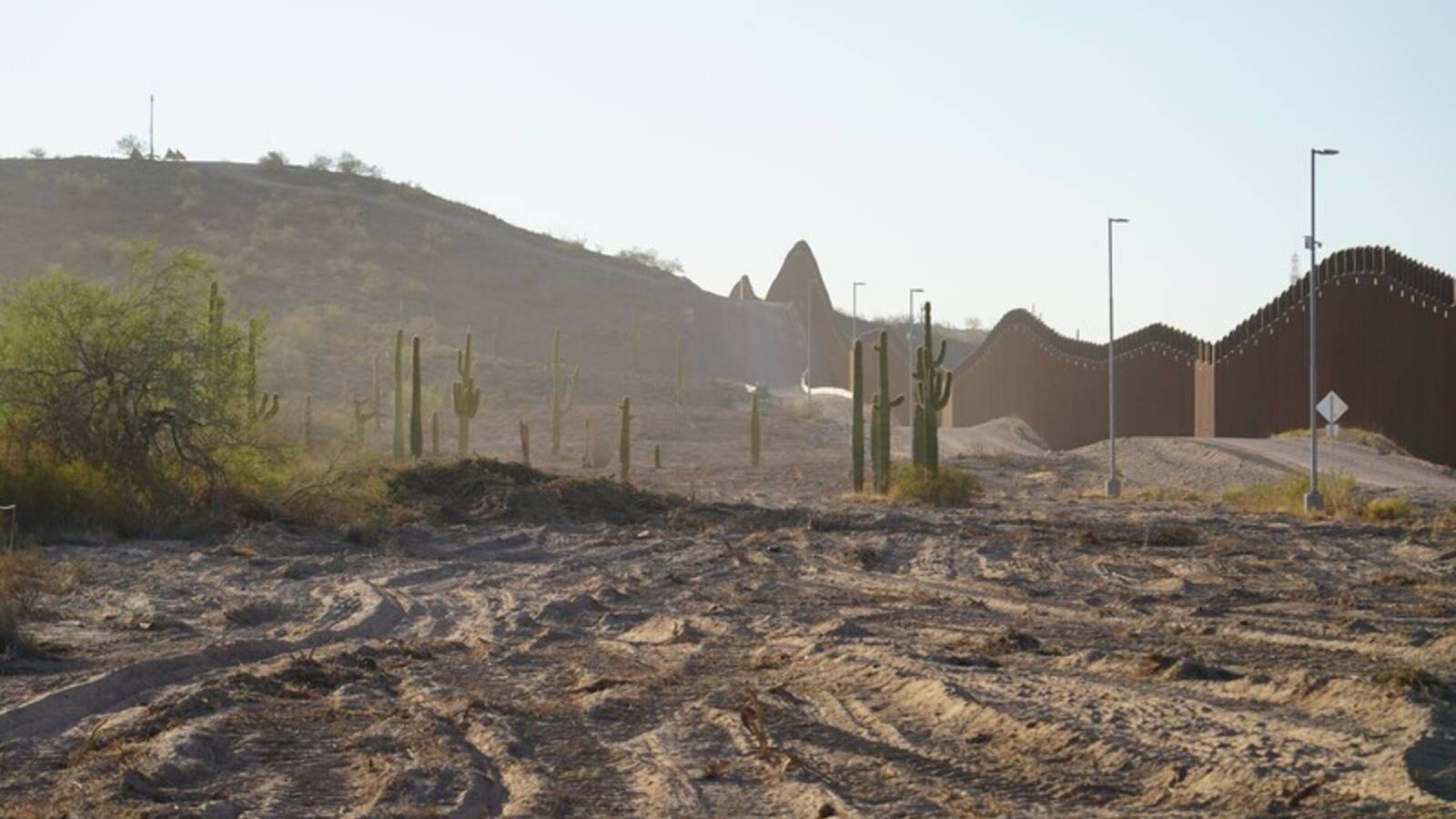
The Trump administration destroyed parts of Big Bend National Park in August. We share updates, answer frequently asked questions and share how you can help.
This is an update to a previously published story.
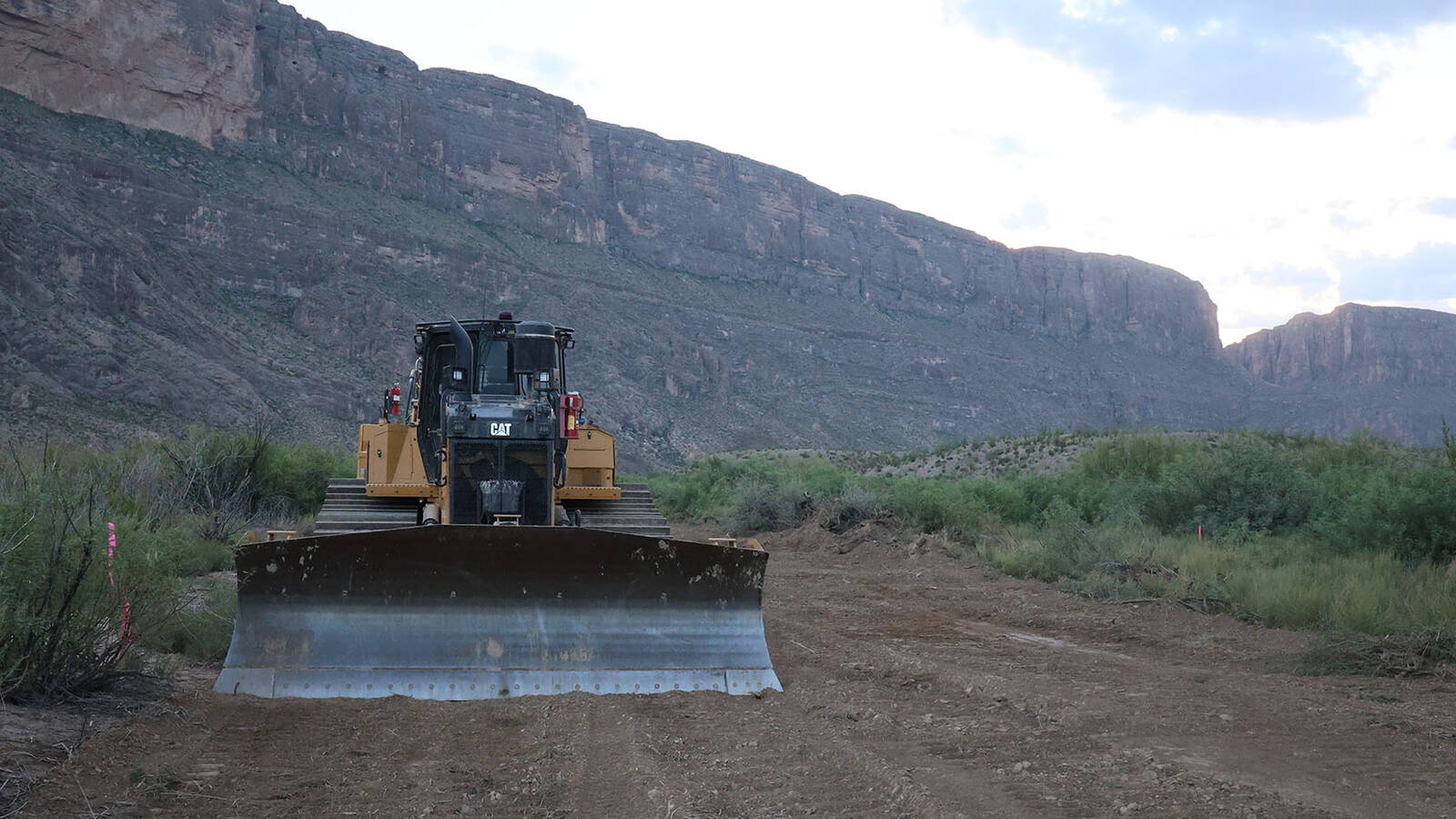
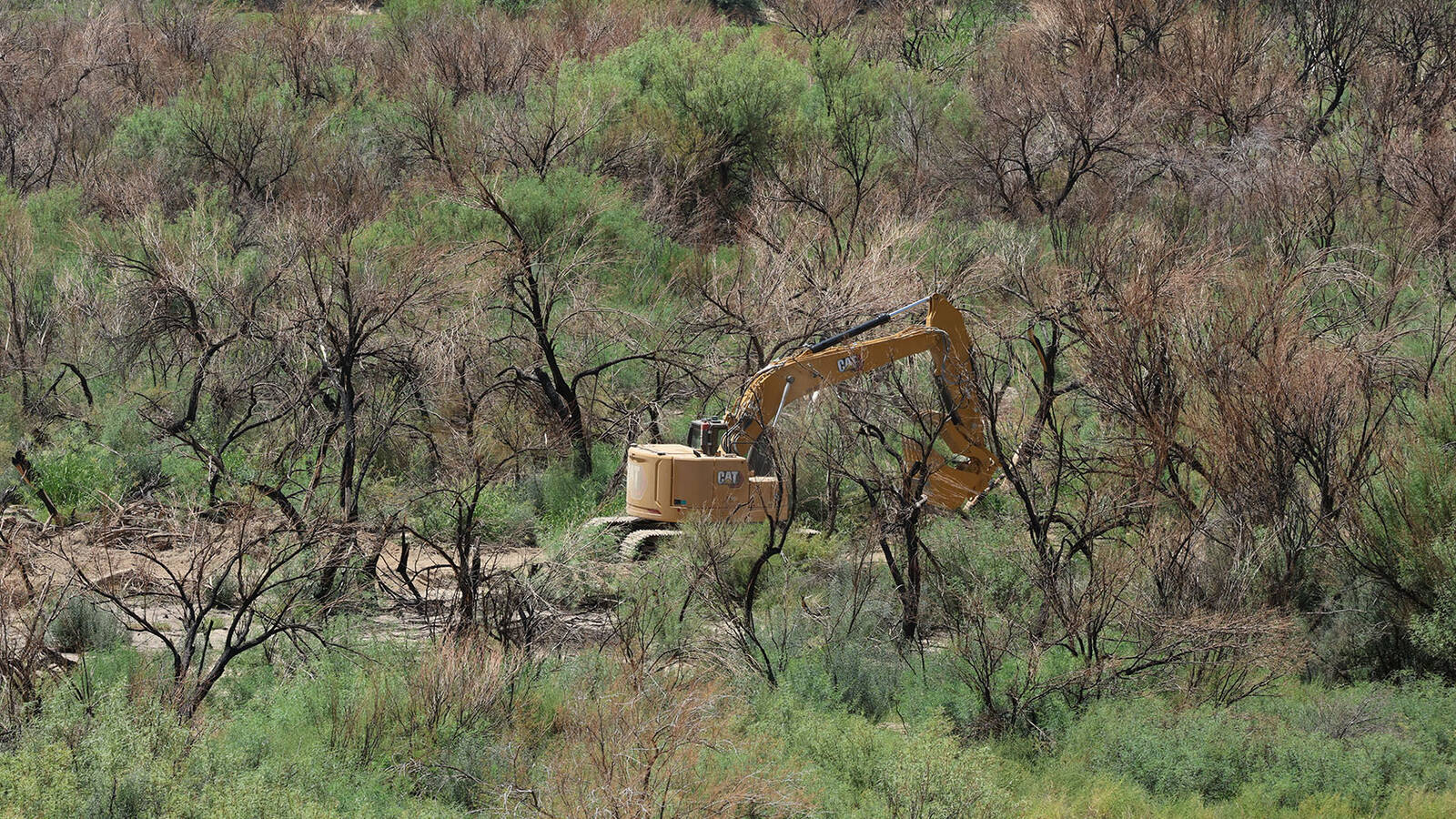
In Texas and across the country, people are outraged by the damage caused in Big Bend National Park as the Trump administration ripped through sensitive park habitat with bulldozers in August as part of border security infrastructure.
After public outcry, U.S. Customs and Border Protection announced Aug. 17 it was pausing all construction activity within the park until Commissioner Rodney S. Scott could make a personal visit. As a result of a federal court hearing Aug. 28, the Department of Homeland Security agreed to a two-week pause in border barrier construction at Big Bend National Park and an area just to the east of the park and then extended that pause through Sept. 30.
But damage has already been done.
It’s heartbreaking to watch one of our nation’s most beautiful, wild landscapes be torn apart. NPCA continues to fight back against this destruction at every turn. Our organization and the Sierra Club filed an amicus brief Aug. 27 supporting a lawsuit to stop construction of a border barrier and related infrastructure in and around Big Bend National Park and are pressuring Congress and Texas Gov. Greg Abbott.
Stop Bulldozing in Big Bend
Federal government contractors are bulldozing through one of our country’s iconic national parks, Big Bend National Park, to build new border barriers and paved roads in this wild place. West Texas communities, precious park wildlife, and recreational access are all at risk. Urge your senators, your U.S. representative, and Governor Greg Abbott to ensure construction in Big Bend stops before more damage is done.
Take ActionDespite this temporary pause, the fight to protect Big Bend is not over. This is an important time to speak up and call for a permanent halt to border construction at Big Bend. Join us in calling for Customs and Border Protection to permanently halt border construction in the Big Bend and find a better solution for border security in the region.
Sign NPCA’s letter to Congress and Gov. Abbott asking they ensure construction in Big Bend stops for good before more damage is done.
Here are frequently asked questions.
When did the damage start and why?
Federal contractors began bulldozing in Big Bend National Park for new border barriers and paved roads in early August, after months of shifting messages from the administration as to what border security measures might look like in the Big Bend region. Initial plans involved the use of remote surveillance technology, which would have far fewer impacts on national park wildlife, scenery and visitor experience.
Back in February, the administration revised its map outlining plans to expand construction of a physical border wall through hundreds of miles of Chihuahuan Desert, including Big Bend National Park, Big Bend Ranch State Park and the Rio Grande Wild and Scenic River. After Texans and park advocates spoke out, the administration claimed to have backed away from the idea of a physical wall — but then heavy equipment moved in this summer. The administration has not been transparent about its plans for barriers in the region.
The work is part of the $46.55 billion earmarked for border security in President Trump’s One Big Beautiful Bill Act approved by Congress.
What areas of the park are impacted?
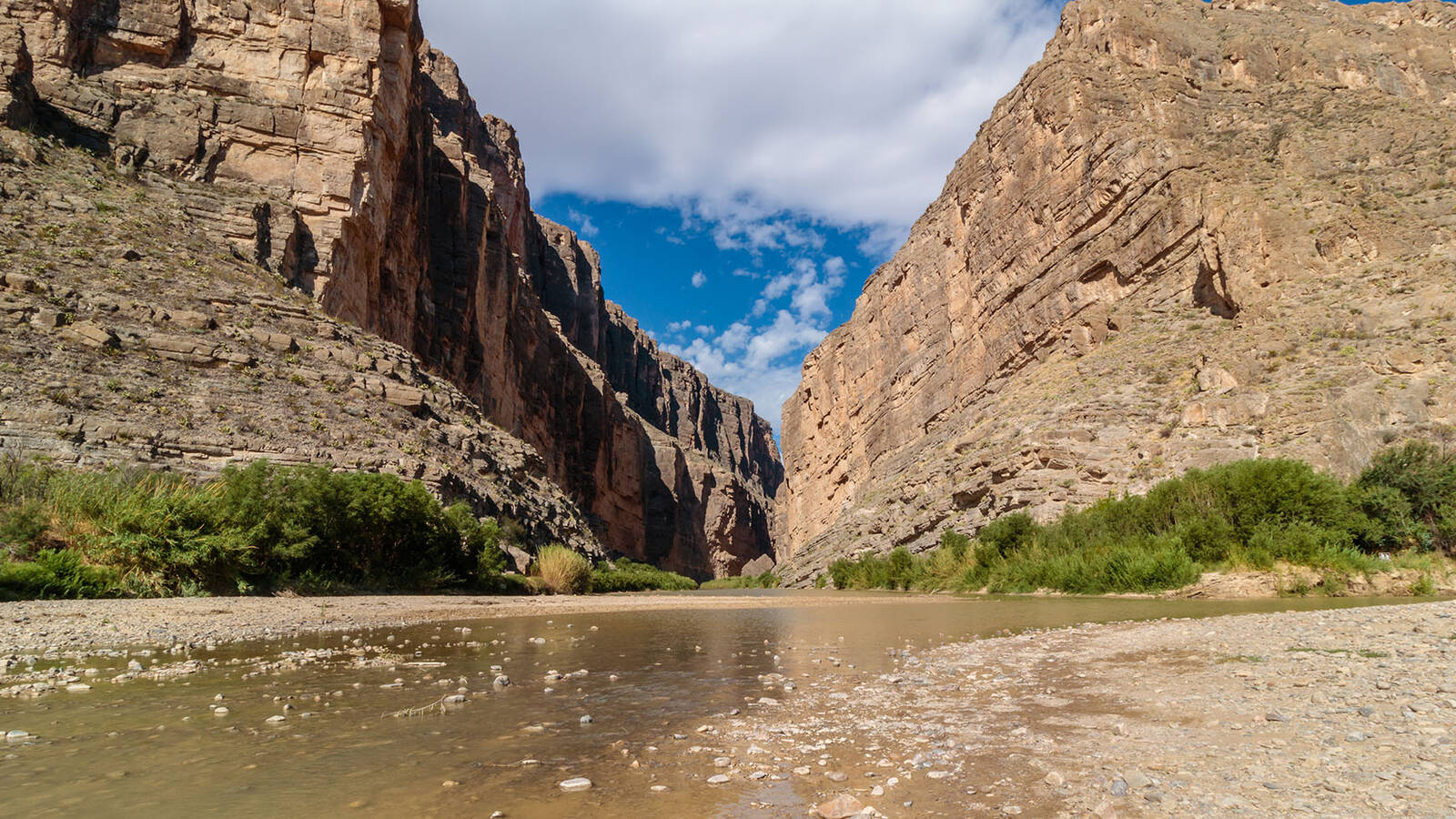
Damage has occurred in the park’s most well-known and photographed areas, including Santa Elena Canyon and Mariscal Canyon. Bulldozers have slashed through miles of sensitive river habitat, harming ecosystems. This includes recently restored riparian areas.
Distressing videos captured by photographers on the ground have shown javelinas — in one case, a mother and baby — fleeing from the bulldozers as they cut through habitat.
Recreational access at the park has already been impacted by road closures and reduced access points. The staging area for the bulldozers included a river access point popular with whitewater rafters and boaters.
If the government can push aside bedrock environmental laws in a national park such as Big Bend, it could happen anywhere.
Aren’t environmental laws in place to prevent this kind of destruction?
Yes, the United States has rules and regulations in place. But the Department of Homeland Security waived 28 environmental and regulatory laws to ensure expeditious construction of barriers and roads in Texas. These laws included the Organic Act, which established the National Park Service, as well as the National Environmental Policy Act, Endangered Species Act, Clean Water Act, National Historic Preservation Act, Native American Graves Protection and Repatriation Act, Migratory Bird Conservation Act, Archaeological Resources Protection Act, Paleontological Resources Protection Act, Federal Caves Protection Act, National Trails System Act, the Safe Drinking Water Act and others.
If the government can push aside bedrock environmental laws in a national park such as Big Bend — which attracts more than 560,000 visitors a year and has a $63.7 million economic impact on local communities — it could happen anywhere, which is deeply troubling.
Are park staff involved in the construction work?
No. These actions are not coming from National Park Service staff, and local rangers do not have control. Federal contractors performed the work.
Park staff are doing the best they can under the worst possible circumstances. We condemn any acts of hostility or unkindness towards dedicated Big Bend staff.
With construction paused, is there still a threat?
It’s unclear what happens beyond Sept. 30, when the pause expires — but we hope a plan emerges to repair and restore the area and permanently halt harmful construction in Big Bend National Park.
We are grateful the public outcry has been heard, but that doesn’t mean we can stop advocating for the protection of the Big Bend region. Beyond the national park, there are four other border projects moving forward, from Fort Quitman to Amistad National Recreation Area.
The Department of Homeland Security has not been transparent about its plans for border security in the region — giving little public notice of plans, changing its information and leaving communities to do their own investigative work.
The administration said it was only doing survey and design work, not constructing a wall, so what’s at risk?
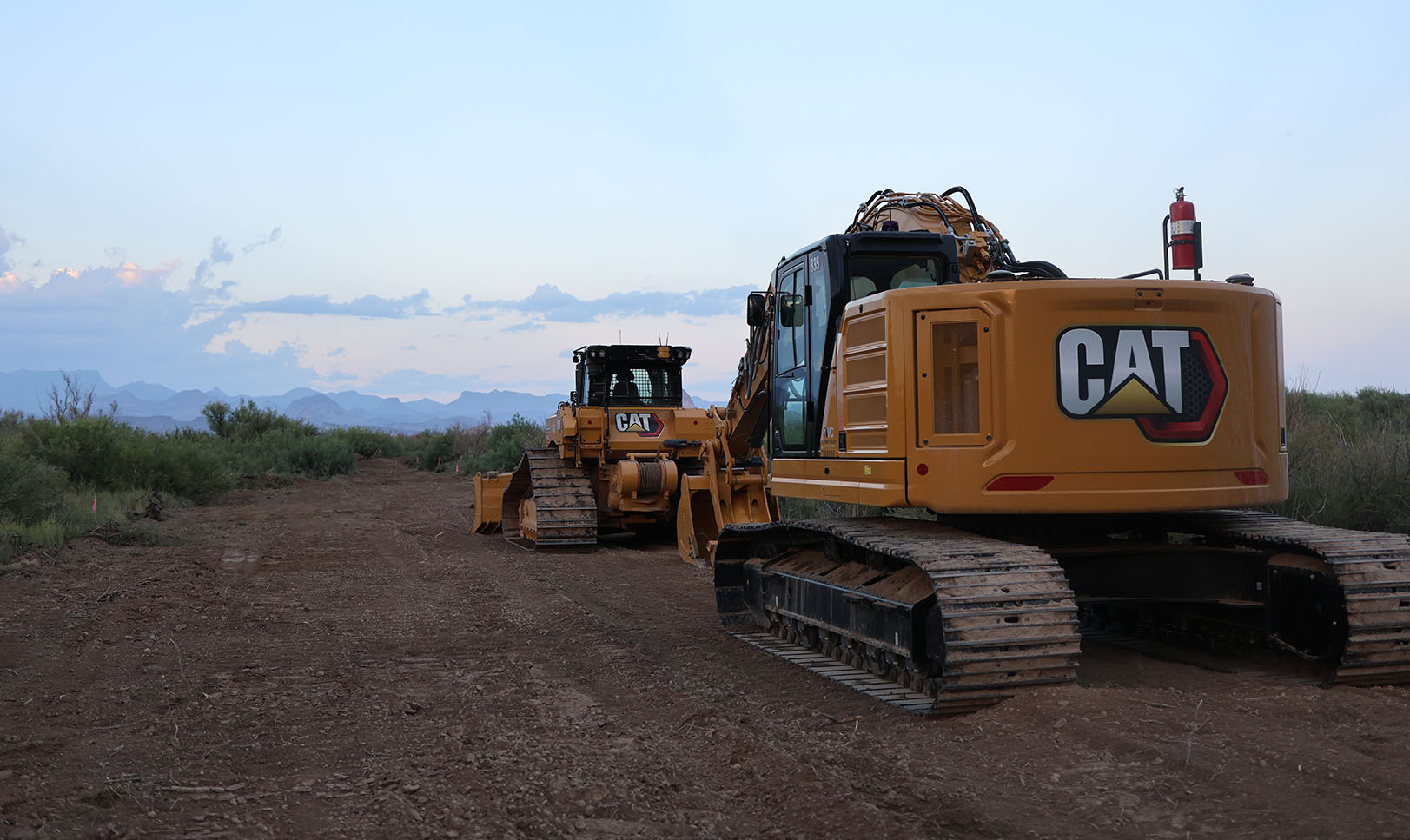
Two bulldozers in a newly created road in Big Bend National Park, August 2026.
NPCA/Cristobal Lopez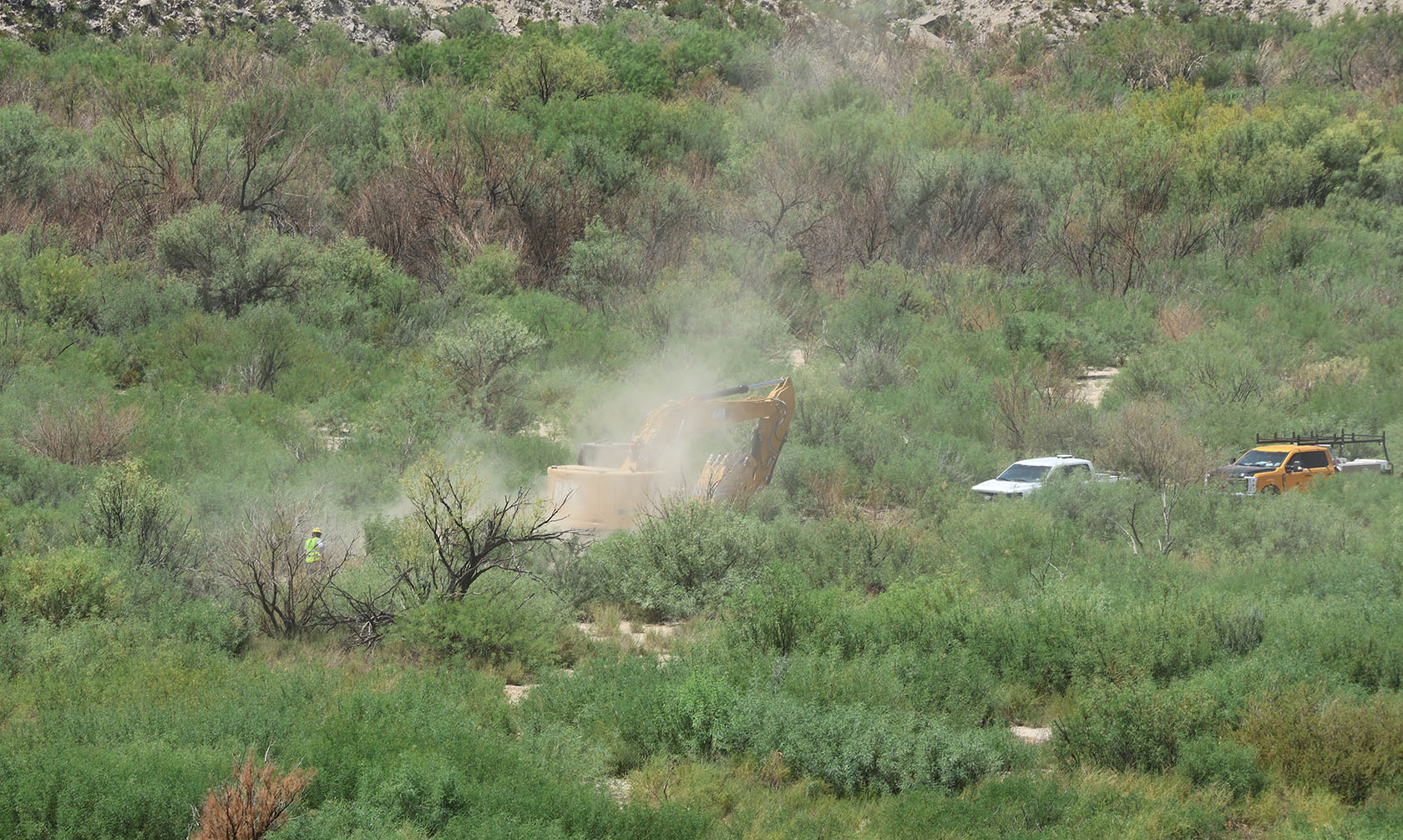
Heavy construction equipment stirs dust in a sensitive landscape of Big Bend National Park, August 2026.
NPCA/Cristobal Lopez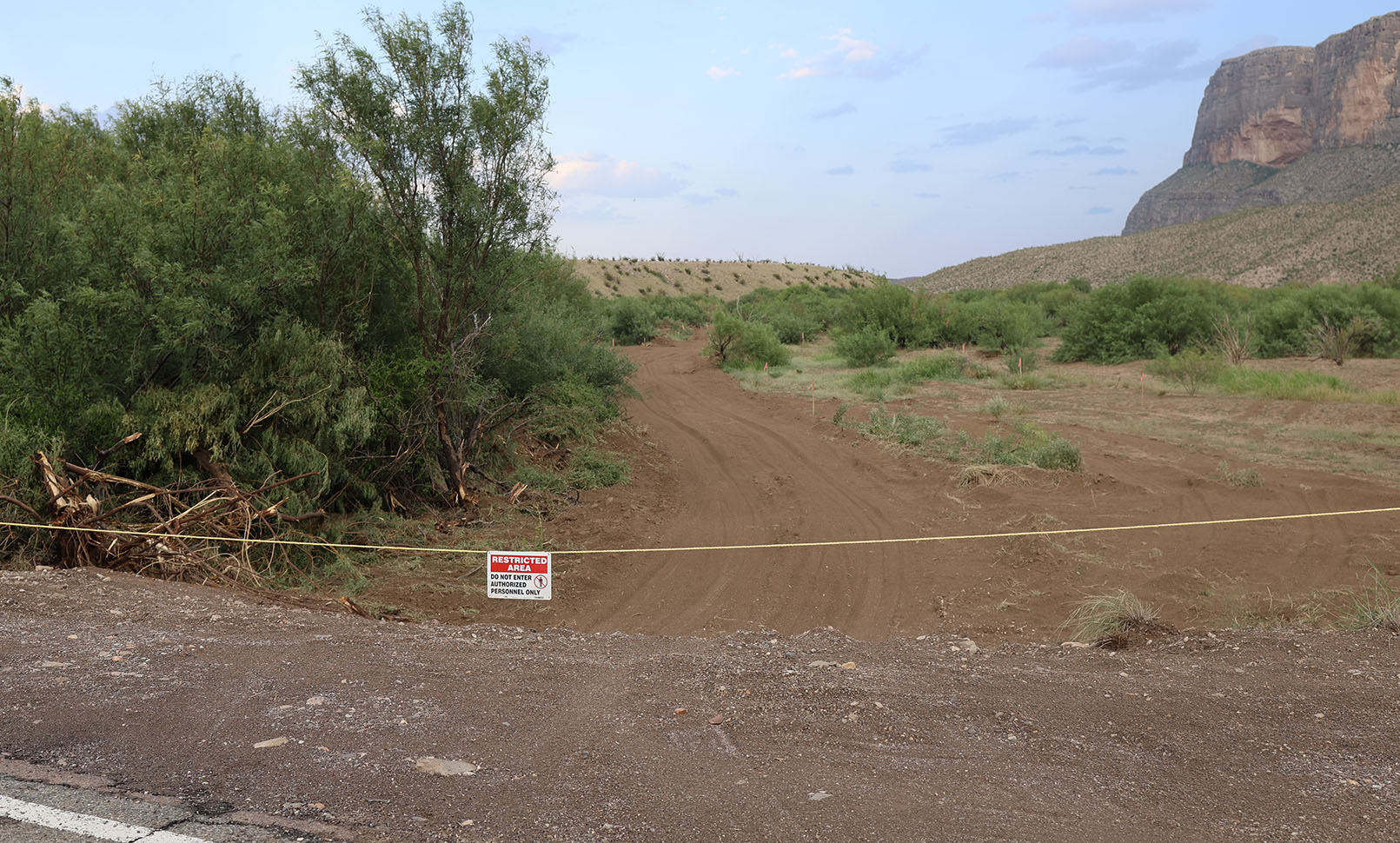
A newly cut road with restricted access in Big Bend National Park, August 2026.
NPCA/Cristobal Lopez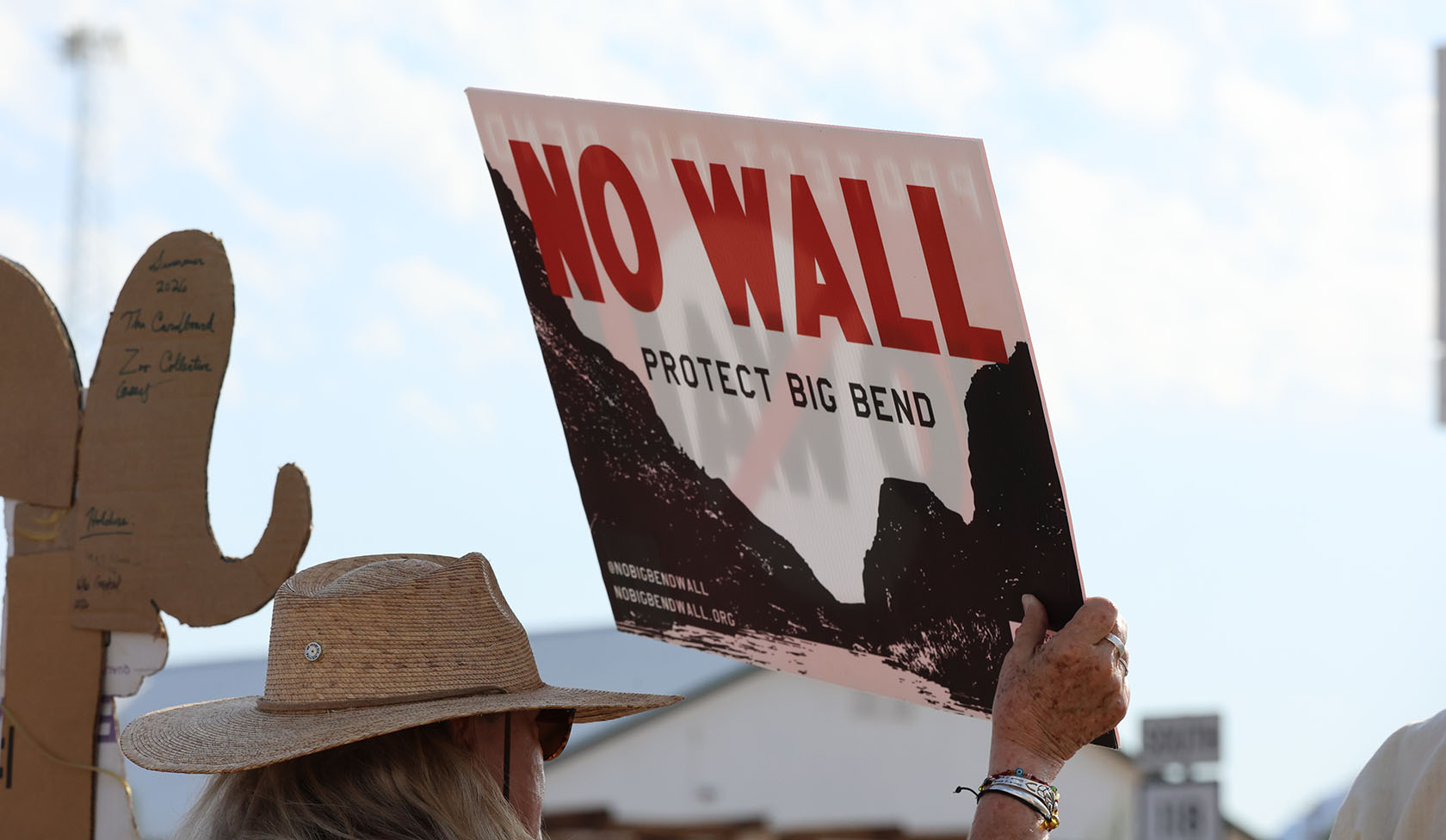
Protesters have been gathering at Big Bend National Park since the border infrastructure construction began.
NPCA/Cristobal Lopez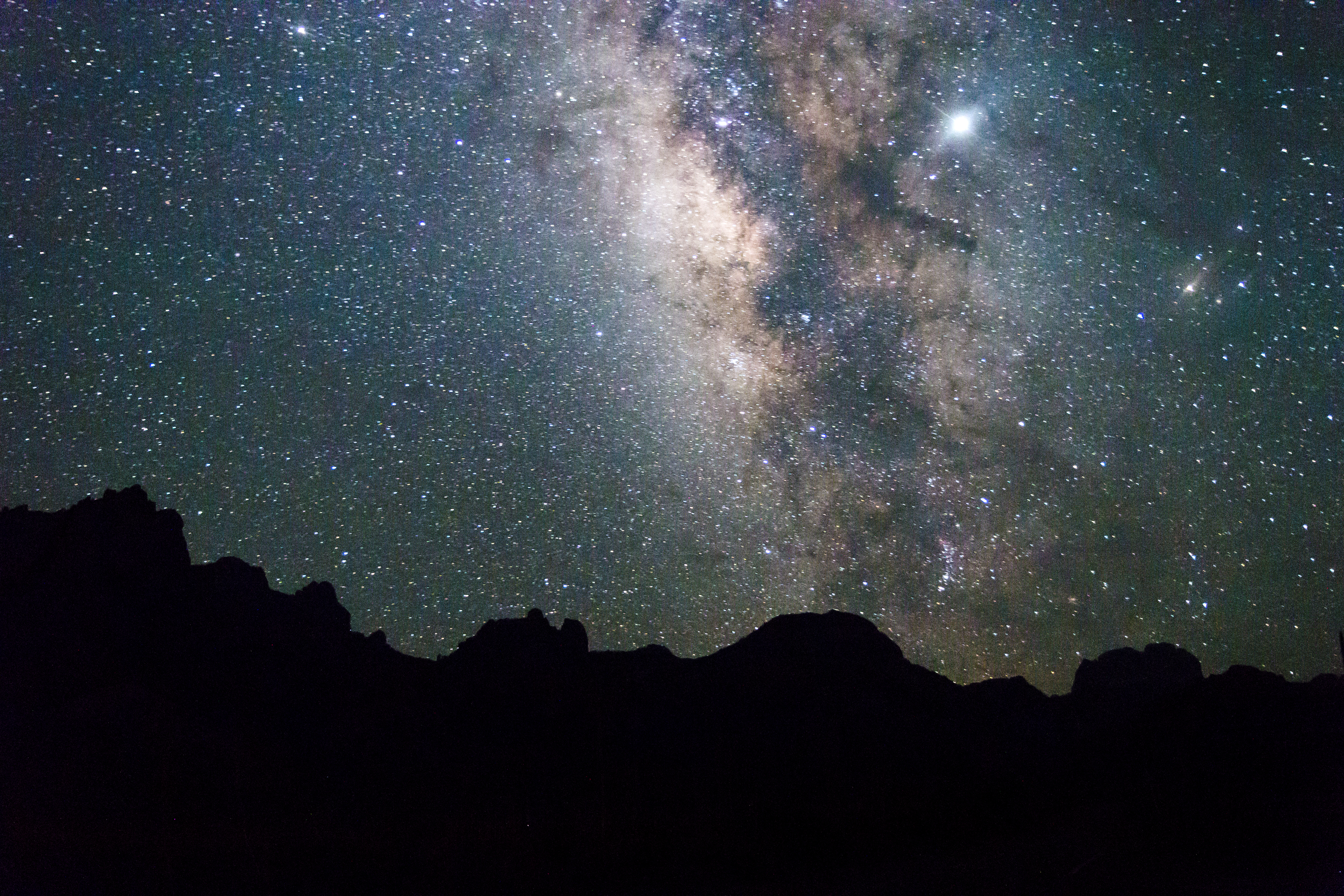
The Milky Way over the Chisos Basin of Big Bend National Park in Texas.
© Patrick Barron/Dreamstime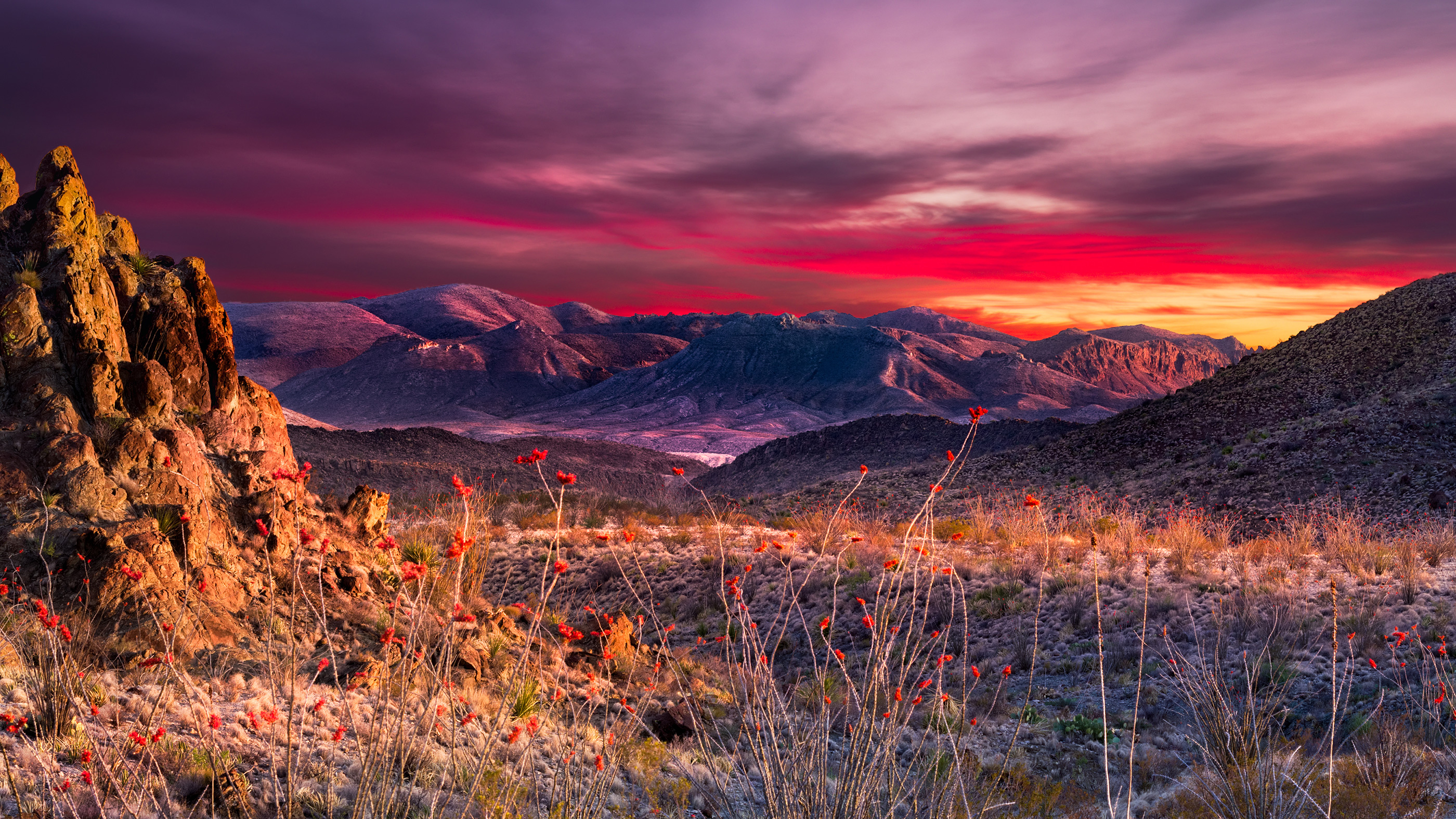
The sun sets over the Chisos Mountains in Big Bend National Park with ocotillo flowers blooming in the foreground.
© Dfikar/Dreamstime.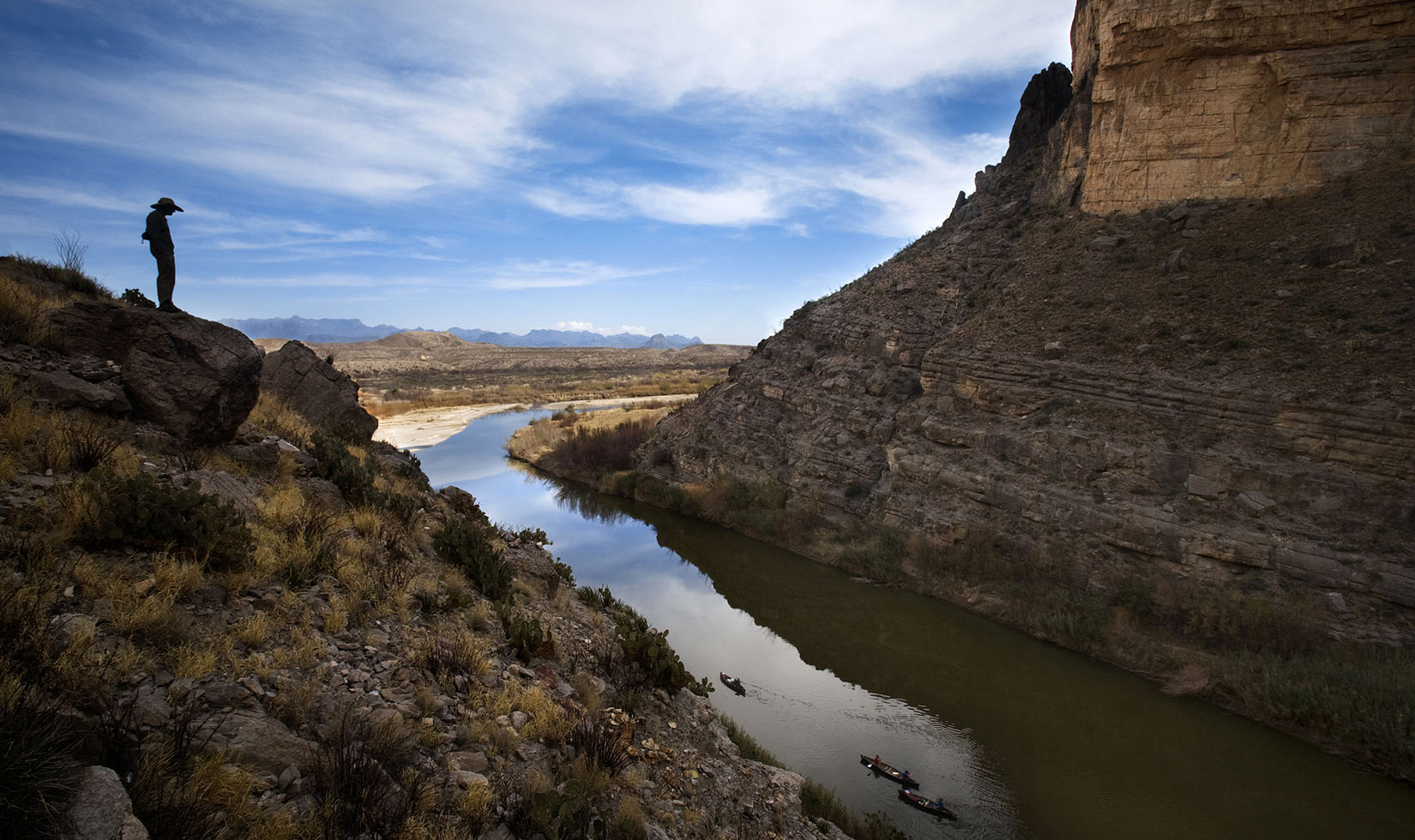
A man is silhouetted in Big Bend National Park’s Santa Elena Canyon as he looks down at the Rio Grande. The canyon divides Mexico and the United States.
© TomBakerPhoto | Dreamstime.comIf this is the damage that mere “survey and design” work has wrought for the park, then people should be highly alarmed. At the very least, the administration is planning to build and pave new roads through wild areas of the park, construct large vehicle barriers that obscure beautiful views and potentially block recreational access in key areas of the park.
The park is globally recognized for dark skies, biodiversity and intact wildlife corridors. It contains nearly 12,000 years of human activity along the Rio Grande — and is considered to have one of the highest densities of archaeological sites in Texas. New infrastructure could harm wildlife patterns, degrade the visitor experience, destroy archaeological evidence and disrupt the Rio Grande’s natural water flow and sediment pattern, which can result in long-term environmental damage and safety concerns. An International Dark Sky Reserve, Big Bend is home to some of the country’s darkest night skies, which would be at risk from light pollution.
People come from all over the world to visit Big Bend’s awe-inspiring views, massive canyons and towering peaks. They do not want their experiences tarnished by heavy construction or looming walls, vehicle barriers and patrol roads.
Is border protection needed in Big Bend’s rugged landscape?
Historically, Big Bend National Park sees very few unauthorized border crossings. In fact, Customs and Border Protection’s own data shows the Big Bend area sees the lowest amount of unauthorized crossings along the entire southern border of the United States. The whole Big Bend Sector, which encompasses more than one quarter of the total U.S.-Mexico border, accounted for just 1.3 percent of total Southwest border apprehensions.
Big Bend’s harsh desert terrain and rocky mountains are already an effective deterrent. Crossing the border in, or near, Big Bend National Park is incredibly dangerous — few try, as people have lost their lives in the attempt.
Has border protection harmed a national park before?
Yes. During the first Trump administration, border wall construction in Arizona’s Organ Pipe Cactus National Monument desecrated Native American burial sites, flattened towering Saguaro cacti, ripped through mountain wilderness and floodplains, separated imperiled wildlife populations and drained critical desert water sources. Storm debris accumulated against fencing, which created a dam and caused floodwaters to surge to 7 feet deep.
Now, the administration is building a second wall through Organ Pipe, despite the full boundary of the park already having a wall constructed in 2019. This second wall construction could cause further irreversible damage to the park, including Quitobaquito Springs, a desert oasis that is an important cultural site for the O’odham people.
In Arizona’s Coronado National Memorial, they are using dynamite to make way for a primary and secondary wall. The Arizona Trail starts in this park site, and thru hikers have been cut off by concertina barb wire, creating a significant visitor safety issue.
Are there alternatives to the current border infrastructure plans?
Customs and Border Protection already maintains a presence in Big Bend, and the relationship was working, according to recent reports.
Big Bend Facts
Big Bend National Park and the corresponding protected areas on the Mexican side of the Rio Grande are areas of deep reverence, ecological value and economic importance for both countries. We need to look for border solutions that are as distinctive as our landscapes and communities. And we must ensure the solutions we find don’t destroy the national treasures we’ve committed to protecting.
What is NPCA doing about the issue?
We are demanding that the administration permanently halt all construction in Big Bend, and we’re calling on Congress to ensure that Customs and Border Protection does the right thing by repairing the damage they’ve done. They need to do what they should have done all along: meet with West Texas communities, local law enforcement, national park advocates and expert national park staff about the risks border construction pose to this one-of-a-kind place.
NPCA opposes any border barriers built in the Big Bend region that would have detrimental impacts to the Big Bend National Park landscape — this includes state parks and recreation areas.
What can people do?
Join us in calling for Customs and Border Protection to permanently halt border construction in the Big Bend region and find a better solution for border security in the region.
We encourage you to sign NPCA’s letter to Congress and Texas Governor Greg Abbott asking they ensure construction in Big Bend stops before more damage is done. Then, post this link to your social media accounts and encourage your friends and family to speak up for Big Bend, too.
Stay On Top of News
Our email newsletter shares the latest on parks.
About the authors
-
 Cary Dupuy Texas Regional Director, Texas and Oklahoma
As Texas Regional Director for the National Parks Conservation Association, Cary works to engage new advocates for national parks and grow initiatives to support the 18 national park sites in Texas and Oklahoma.
-
 Cristóbal López Texas Program Manager, Texas and Oklahoma
Cristóbal López joined NPCA in 2023 and is based in San Antonio, where he leads advocacy efforts to strengthen partnerships and policy support for national parks across South and West Texas - from San Antonio Missions National Historical Park to Chamizal National Memorial in El Paso. He also oversees NPCA’s Texas Young Leaders Council, supporting the next generation of park advocates.
-
 Erika Pelletier Associate Director, Texas and Oklahoma
Erika is the Associate Director of the Texas and Oklahoma Regional Office. Erika works to support the 18 national parks in Texas and Oklahoma and their communities.
-
General
-
- Park:
- Big Bend National Park
-
- NPCA Region:
- Texas and Oklahoma
-
-
Issues


-
Press Release
Federal Court Blocks Border Barrier Construction at Big Bend National Park
Congress designated Big Bend National Park to protect our country’s natural wonders, and people come from all over the world to experience its star-filled skies and striking mountain ranges. Big…
-
Press Release
NPCA and Partners Appeal State of Alaska’s Decision to Grant an Easement for the Ambler Mining Road
“...the proposed 211-mile Ambler Road would be a disaster for Gates of the Arctic National Preserve and the Western Arctic Caribou herd that crosses it" - Naawéiyaa Tagaban, NPCA Alaska…
-
Blog Post
We Toured Grand Staircase-Escalante After the Boundary Was Shrunk. Here’s What We Experienced
With few signs and no detailed map to guide us, we drove down the geologic Grand Staircase — which is no longer fully protected, putting treasured natural and cultural resources…