It all started in February, when eagle-eyed park advocates noticed that the Trump administration had quietly made changes to an online map.
As a staffer in NPCA’s Texas regional office, I have been working to protect awe-inspiring landscapes and priceless history at our national parks for more than 16 years. I’ve spent early morning hours with volunteers planting trees in Big Thicket National Preserve — and more hours in Congressional offices than I can count.
So, believe me when I tell you, a strong measure of how committed someone is to protecting our national parks is: Will they show up even in the dead of summer in the middle of the Texas desert?
This June, a brave group of national park advocates did just that. Temperatures rose to more than 100 degrees in the remote, rocky areas of Big Bend National Park, and I was grateful for the ice-cold air conditioning that Billy Bartko, a local Big Bend outfitter and NPCA partner in the region, was blasting through our four-wheel drive SUV.
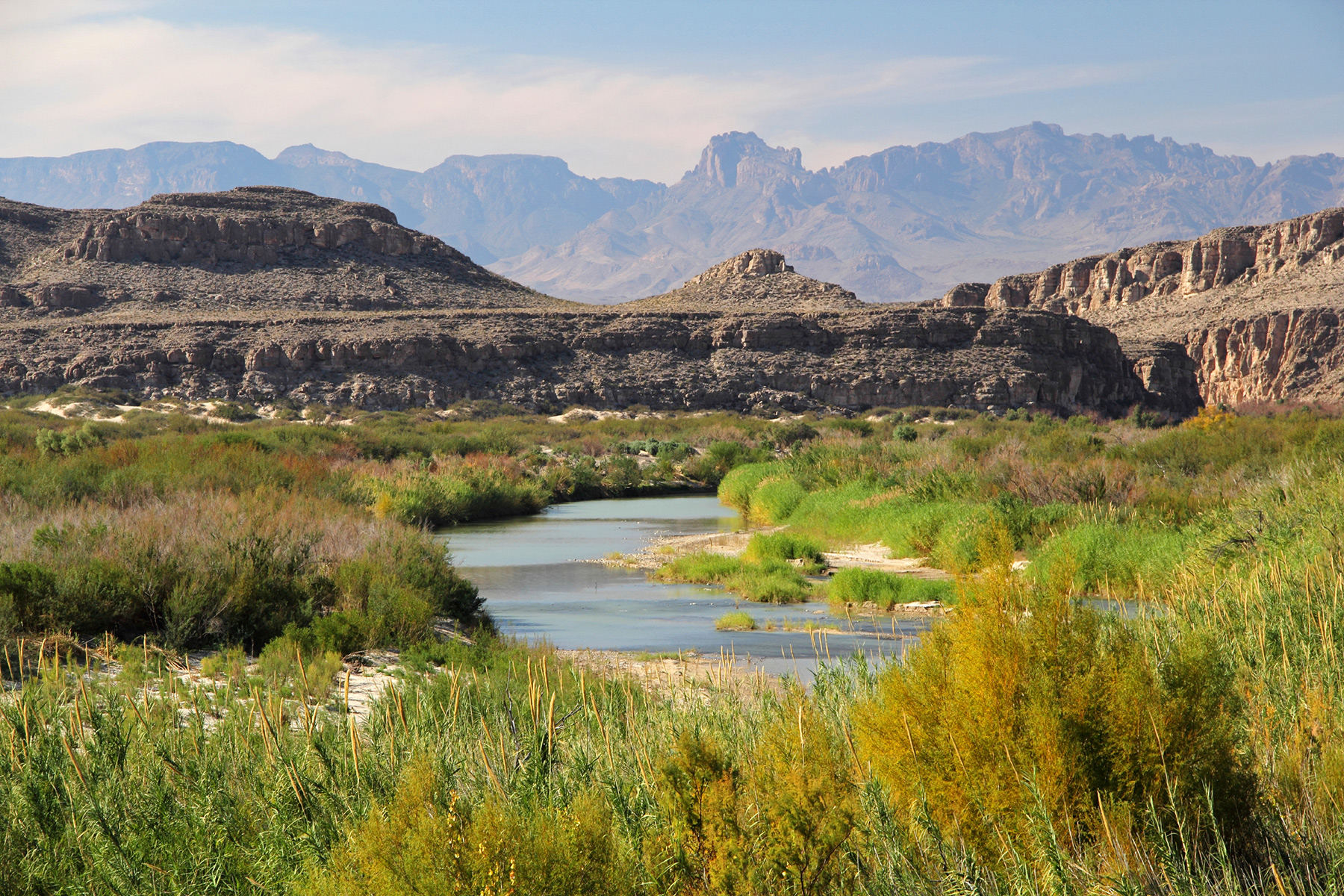
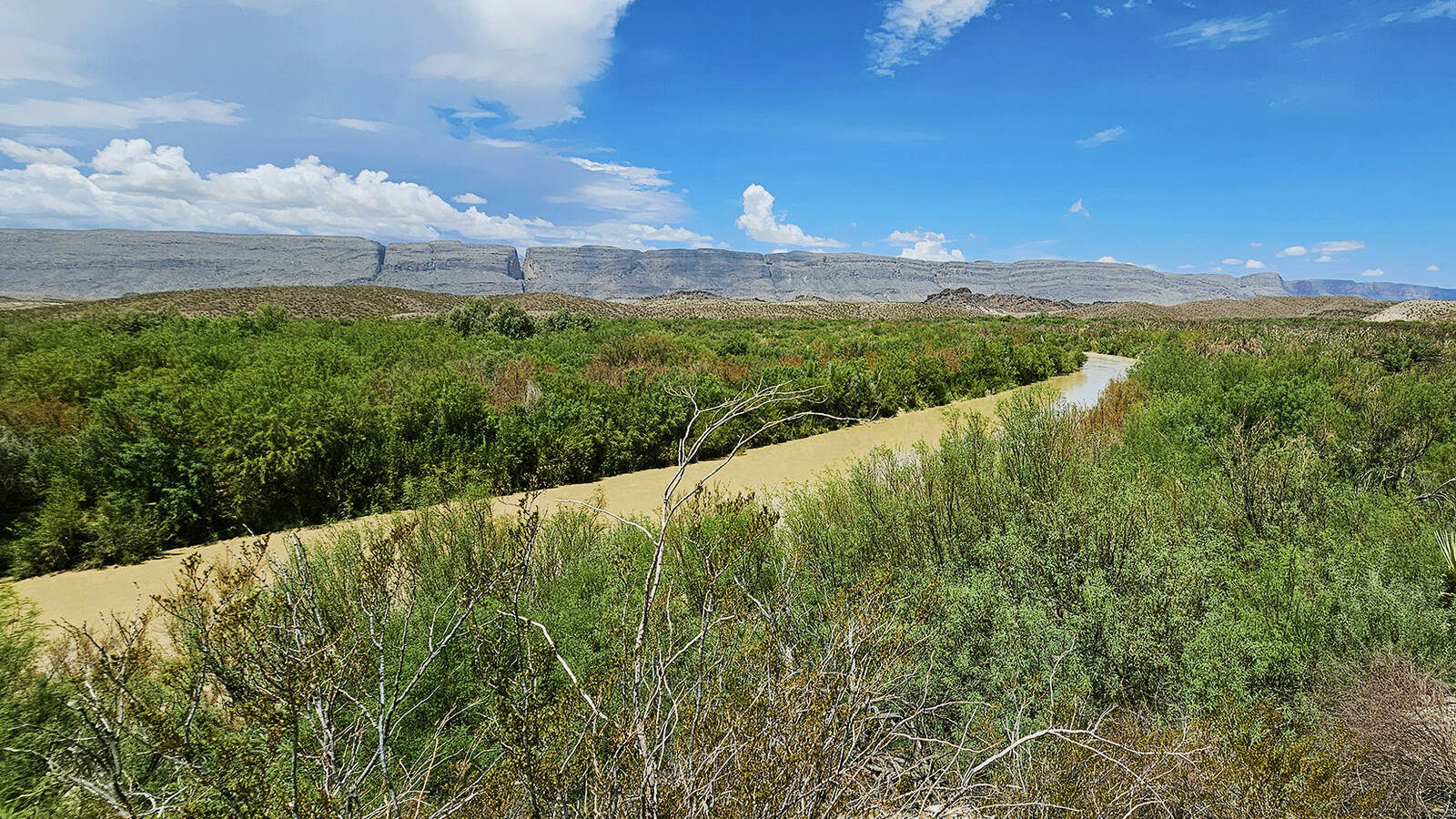
The Rio Grande at Big Bend National Park.
Photo © Wilsilver77/iStockphoto.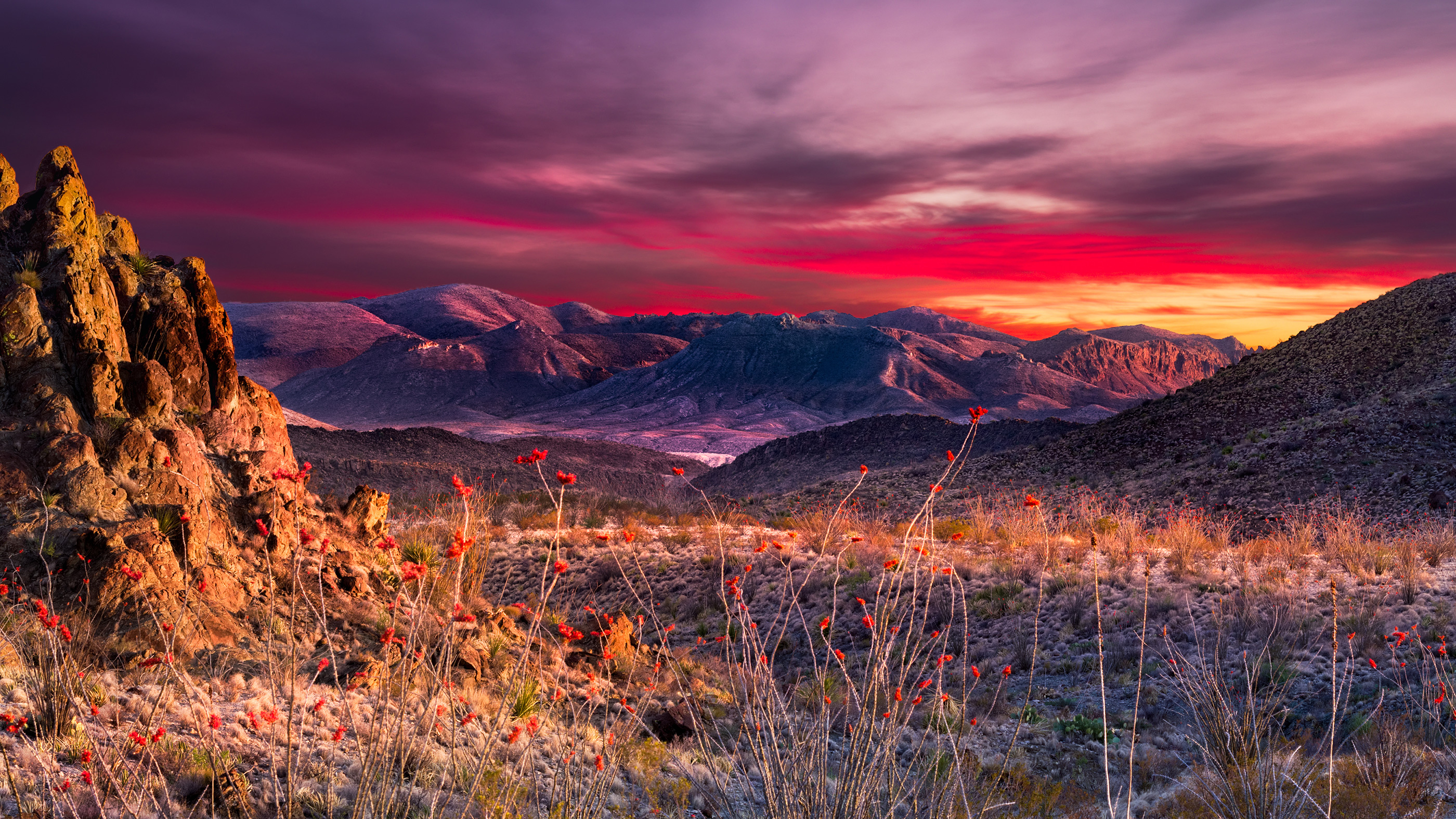
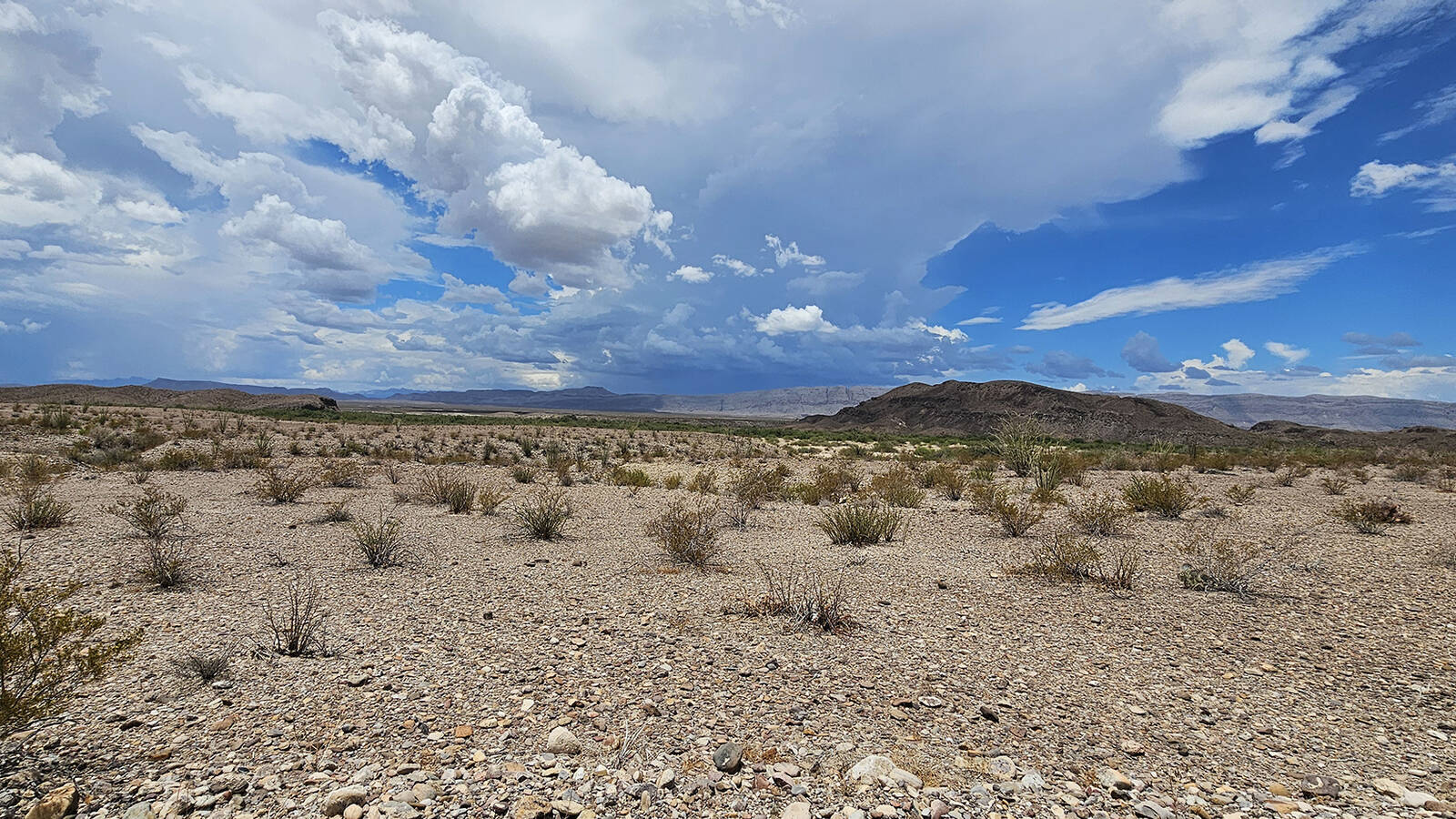
The sun sets over the Chisos Mountains in Big Bend National Park with ocotillo flowers blooming in the foreground.
© Dfikar/Dreamstime.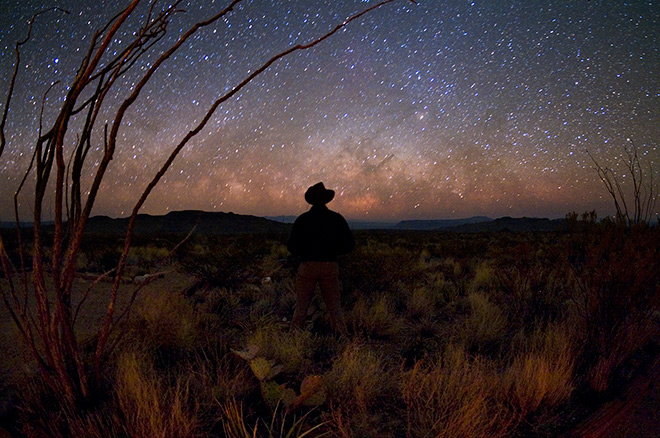
Big Bend National Park
Photo © Tyler Nordgren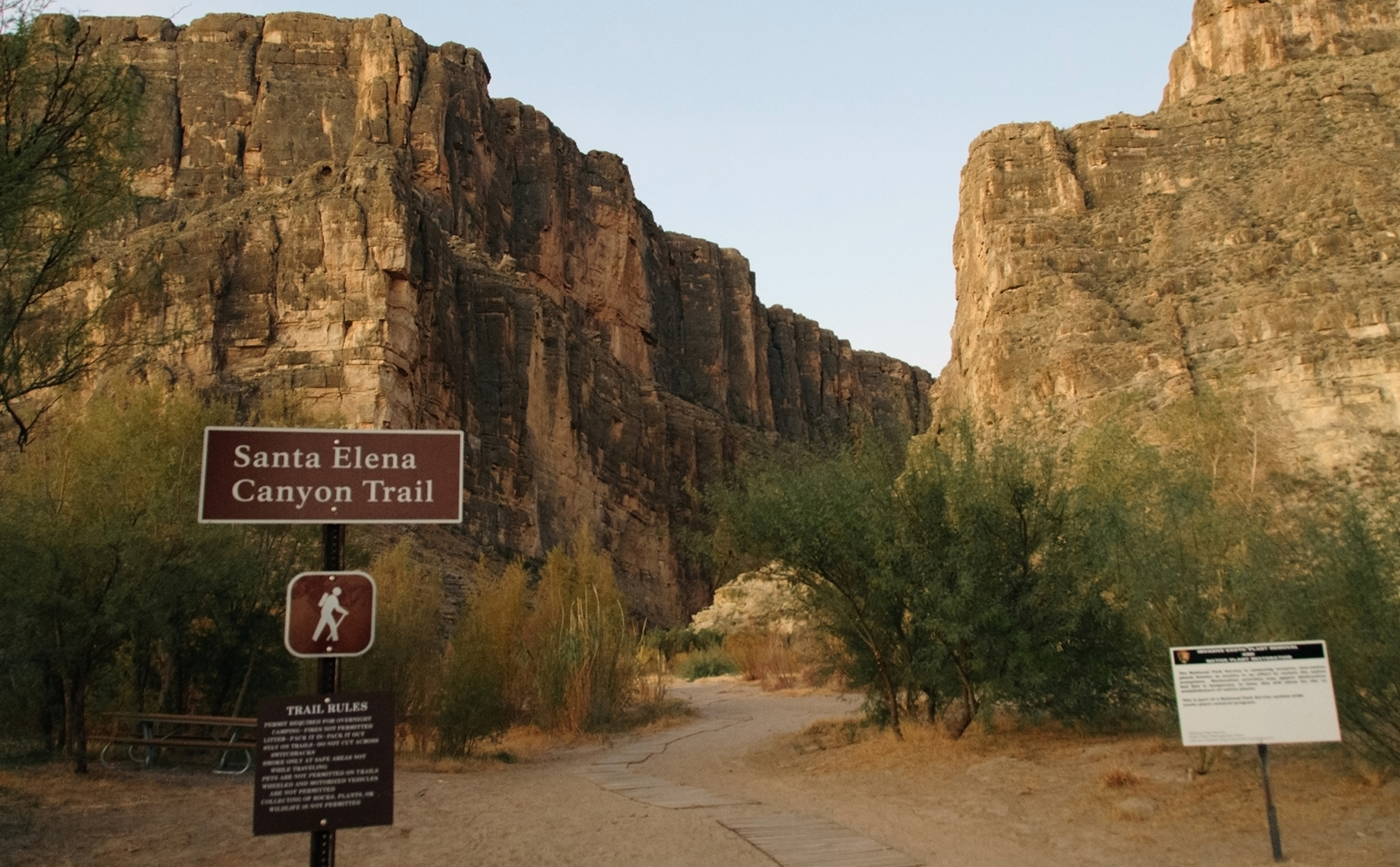
Santa Elena Canyon in Big Bend National Park.
© Oleg Kovtun | Dreamstime.comBilly had volunteered to drive me and fellow concerned national park advocates through the rugged backcountry in Big Bend. He and his neighbors wanted to show us all the areas in this one-of-a-kind national park that were at risk from the Trump administration’s ill-advised, rapidly changing border infrastructure expansion plans.
The greater Big Bend landscape, which also includes protected areas like the Rio Grande Wild and Scenic River and Big Bend Ranch State Park, is one of the last wild places in the country. Desert wildlife thrives in this beautiful, historic landscape, where hundreds of thousands of people flock to see the stars in some of the darkest night skies in America.
Border wall and related infrastructure construction through Big Bend would inflict irreparable damage on one of our country’s most beloved national parks.
Recreation and tourism from Big Bend National Park and its surrounding areas serve as a significant economic driver for the sparsely populated gateway communities of Alpine, Marfa, Marathon and especially tiny Terlingua, where Billy and his family run their outfitting business. In 2024, there were 561,000 visitors to Big Bend who spent an estimated $56.8 million in local gateway regions, according to the National Park Service.
But the administration’s plans to drastically alter this landscape with massive new border infrastructure — including vehicle barriers, roads, invasive electronic surveillance measures and even possibly a border wall — put all that at risk.
It all started in February, when eagle-eyed park advocates noticed that the administration had quietly made changes to an online map signaling Customs and Border Protection’s intentions for how and where to build the president’s proposed wall along the southern border with Mexico. The new map showed plans to construct a massive physical wall right through Big Bend National Park’s Santa Elena Canyon.
Organizations like NPCA teamed up with a grassroots movement in far west Texas called No Big Bend Wall, raising the alarm about this outrageous plan to harm one of America’s most iconic national parks. After a period of relentless public outcry from Texans and national park advocates, the administration dropped its original plan.
But the threat to Big Bend remains all too real.
Five border security infrastructure projects are currently underway in the Big Bend region, from Fort Quitman to Amistad National Recreation Area. The administration has waived bedrock environmental laws designed to protect national parks by requiring extensive review for such projects.
Border wall and related infrastructure construction through Big Bend could inflict irreparable damage on one of our country’s most beloved national parks, the surrounding communities and the local economy. These proposed border security projects could result in severe economic and ecological consequences for the Big Bend region. Such large-scale infrastructure could deter visitors, reduce tourism revenue and negatively impact jobs tied to the region’s outdoor economy.
All the while, I kept thinking, “I hope this doesn’t turn into Arizona all over again.”
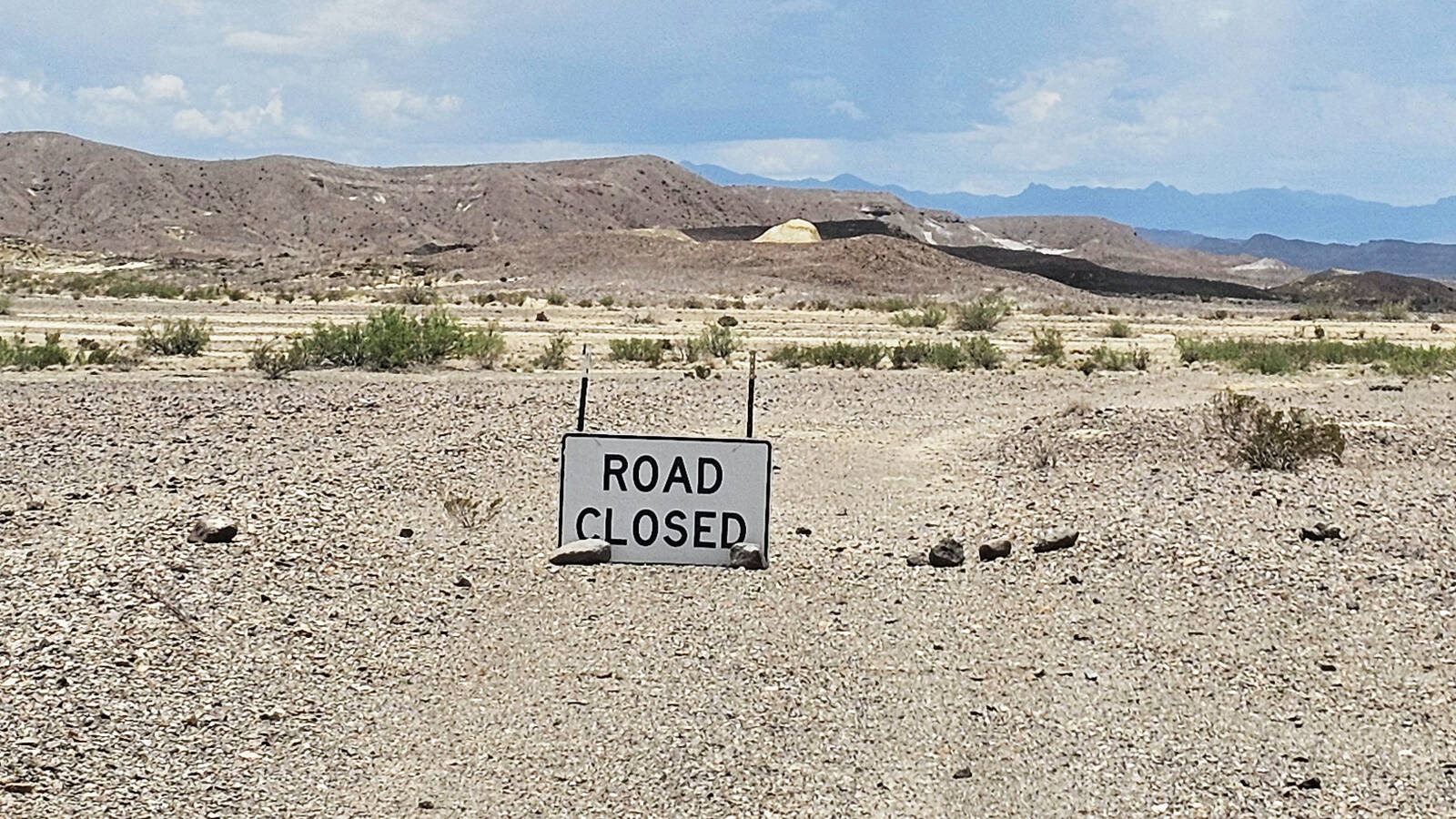
As Billy carefully navigated his Ford Bronco down the steep, rough terrain of Big Bend’s backcountry, he pointed out key features of the park that would be forever changed by new border infrastructure. My eyes followed his gestures to access points for the Rio Grande River, which outdoor recreationists worry would be cut off forever. He directed my attention to the San Vicente ghost town overlook, which is currently blocked to visitors, and to Mariscal Canyon Rim Trailhead, which may be permanently lost as the government constructs patrol roads and installs vehicle barriers.
All the while, I kept thinking, “I hope this doesn’t turn into Arizona all over again.”
If you want evidence that the administration’s aggressive border barrier construction poses an existential threat to Texas’ national parks, look no further than Arizona. It was in this state where the administration used waivers to build through Organ Pipe Cactus National Monument, with total disregard for bedrock environmental and cultural laws, and the results were nothing short of catastrophic. Border wall construction has desecrated historical and cultural sites, destroying Saguaro cacti and scenic mountain wilderness.
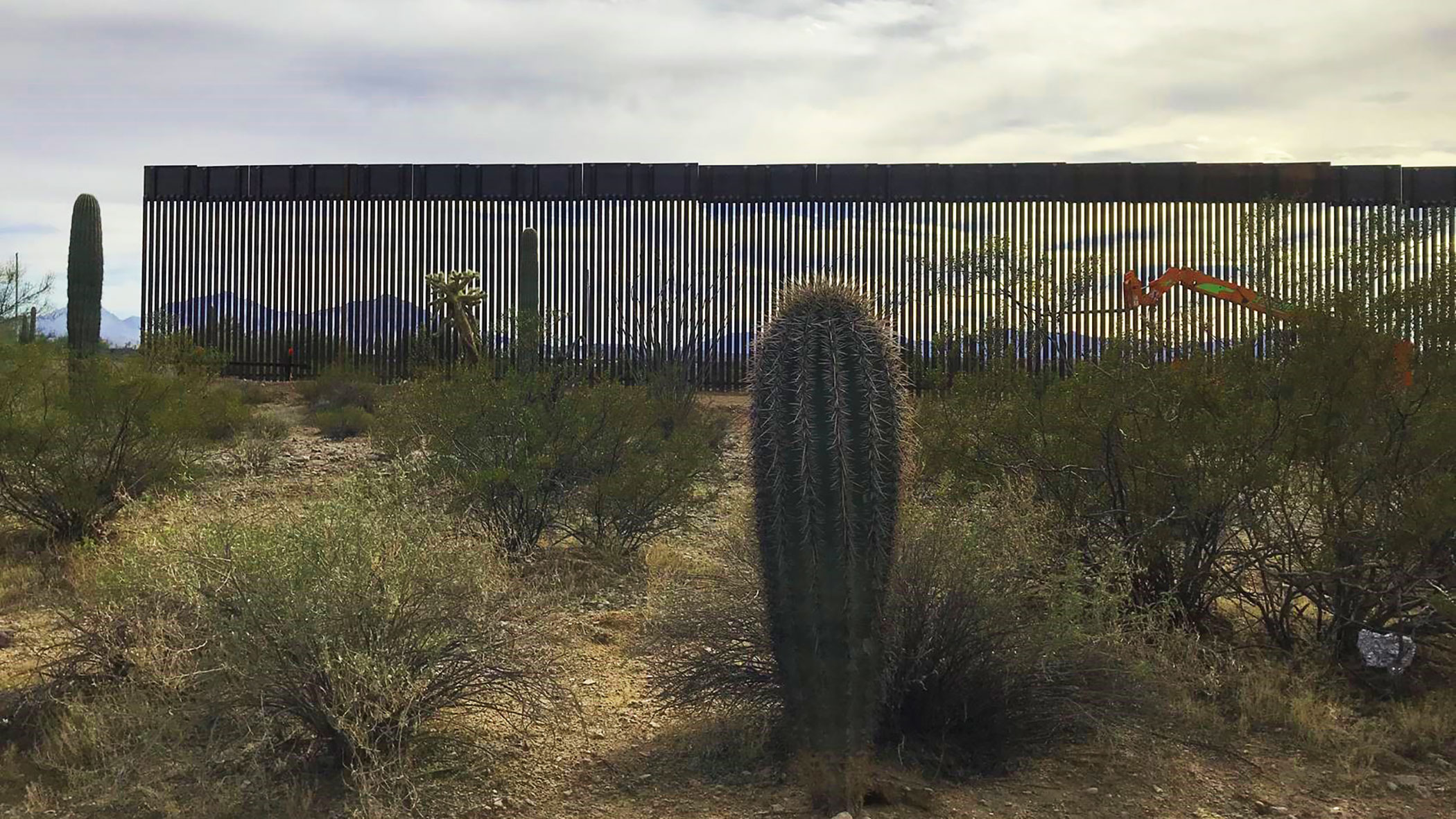
Border wall construction in progress at Organ Pipe Cactus National Monument in Arizona, December 2019.
© Alex Johnson/NPCA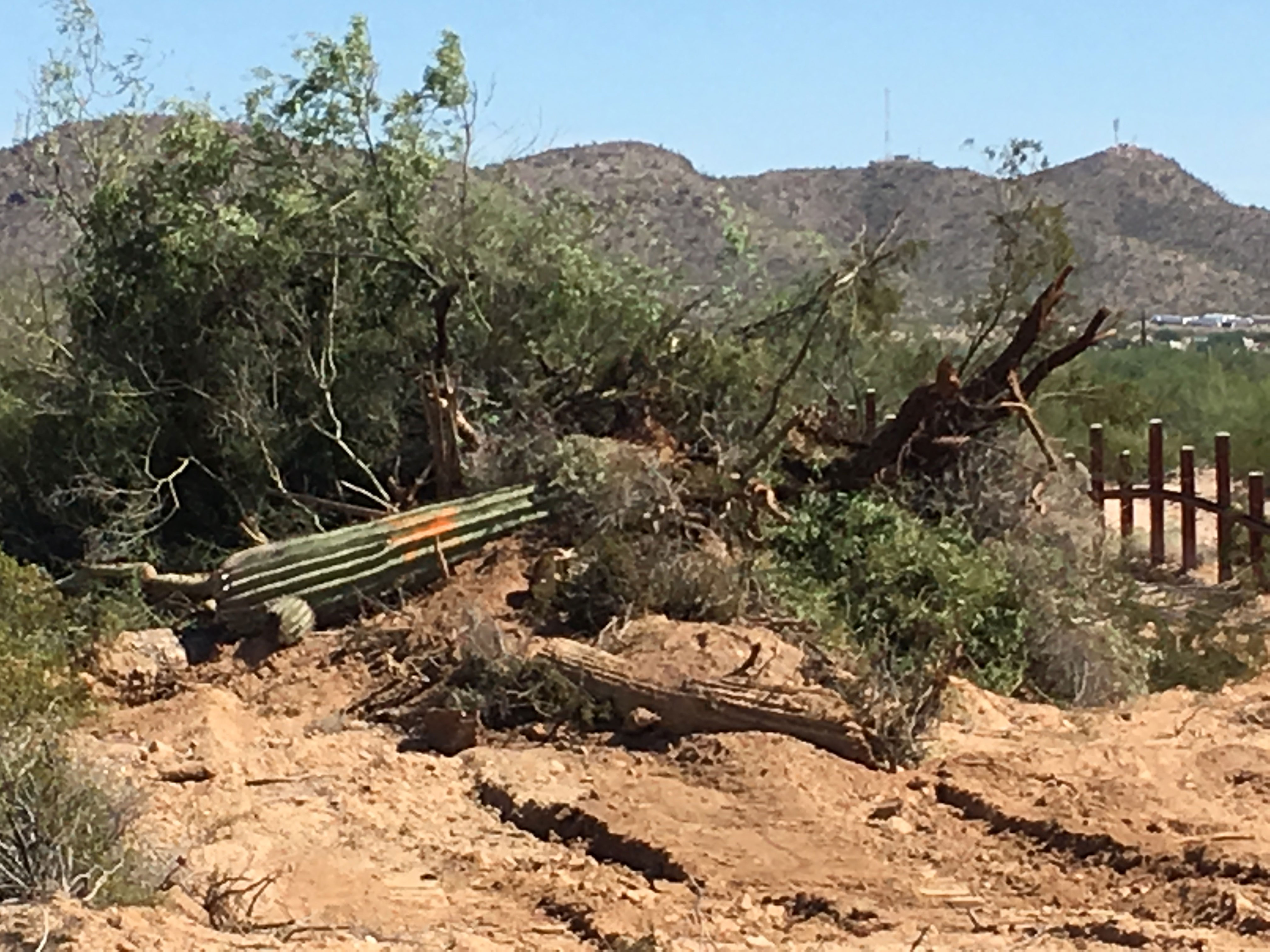
A pile of uprooted vegetation from border wall constuction at Organ Pipe Cactus National Monument, October 1, 2019.
© Kevin Dahl/NPCA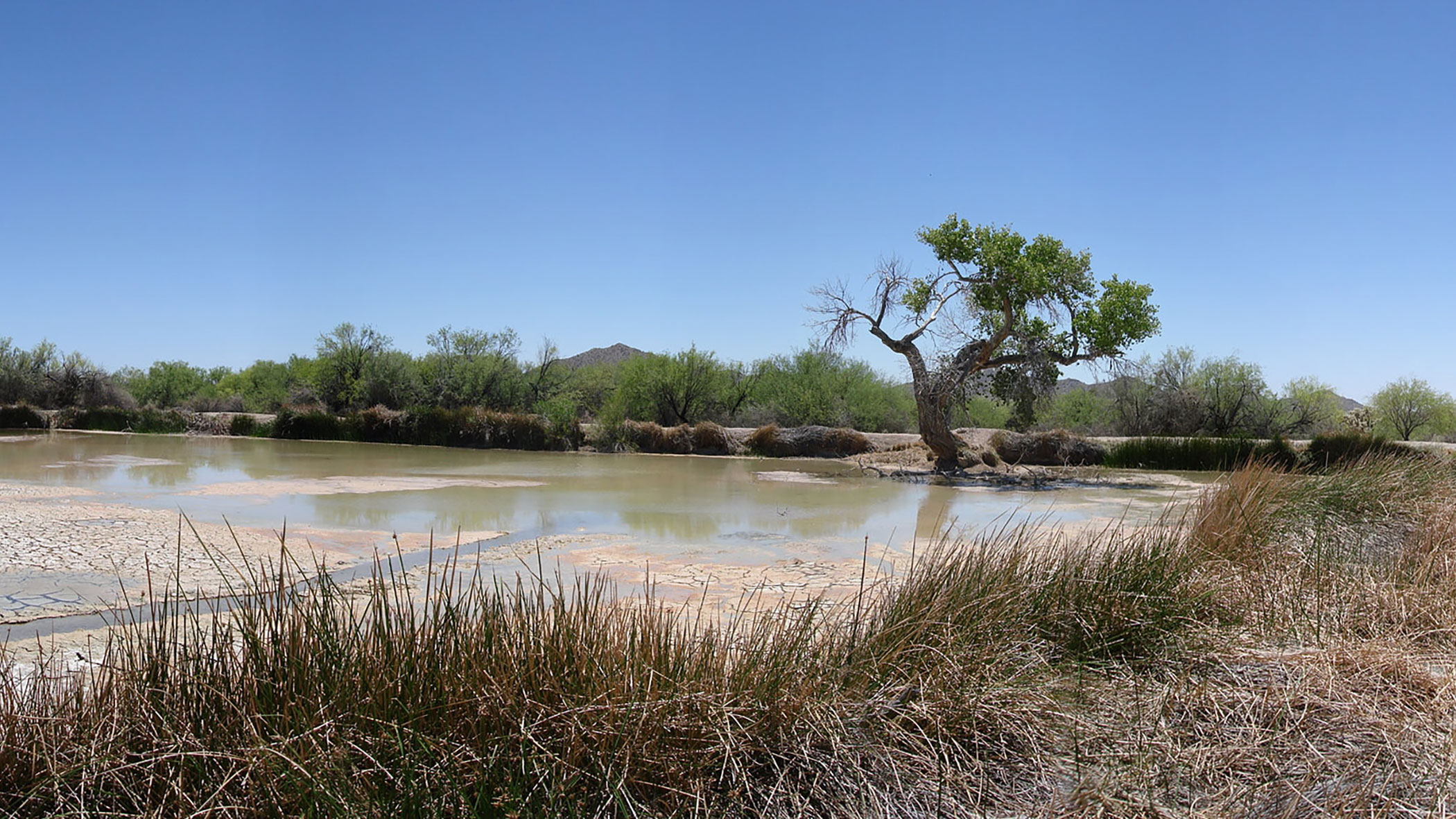
Quitobaquito Springs at Organ Pipe Cactus National Monument.
National Park ServiceDuring the first Trump administration, officials tore through the park site’s landscape, building a massive wall that scars the terrain and hinders wildlife movement through this sensitive ecosystem. Now, the administration plans to build a second, parallel wall farther into the park, one that could cause irreversible damage to Quitobaquito Springs, a desert oasis that is an important cultural site for the O’odham peoples.
The administration also is dynamiting another Arizona national park site, Coronado National Memorial, ripping historical lands into pieces and sharply dividing a landscape that was used by rare wild jaguar and ocelots before construction began.
It’s easy to feel discouraged, looking at the damage done to our beautiful borderland parks in Arizona and staring down the barrel of potential damage and disruption at Big Bend. I certainly felt discouraged, as Billy steered our 4x4 back toward the gateway community of Terlingua. So much was at stake. So much uncertainty. Laws waived, plans made in secret, and communities left to bear the brunt of any damage.
But I want you to know that there is hope. The fight is not over. NPCA stands with communities across the borderlands and encourages park advocates around the country to speak out against harmful border infrastructure in our wildest places. When I got back to town that day, hundreds of people showed up — a tight-knit group in this tiny community — and commemorated Big Bend’s 82nd birthday. We celebrated together. We strategized together. And as we blew out the candles together on a Big Bend birthday cake, we vowed not to give up.
The views expressed here are those of the National Parks Conservation Association and do not necessarily reflect the views of the National Park Service.
Stay On Top of News
Our email newsletter shares the latest on parks.
About the author
-
 Erika Pelletier Associate Director, Texas and Oklahoma
Erika is the Associate Director of the Texas and Oklahoma Regional Office. Erika works to support the 18 national parks in Texas and Oklahoma and their communities.
-
General
-
Issues


-
Press Release
Chiricahua Renamed A National Park, Putting Spotlight on Sky Islands of Arizona
"Keeping these places well cared for means America’s newest National Park needs restored staffing and funding, and we will continue to work with Congress to make sure Chiricahua can remain…
-
Blog Post
Private Interests Threaten More Parks
National parks belong to all of us. But land exchanges and development at two additional parks threaten to put private interests over public resources.
-
Blog Post
Fossils: Yesterday, Today and Tomorrow
Celebrating ancient trackways, and all fossils, for National Fossil Day, Oct. 14.