"When combined with the recent administrative actions including advancing mining and oil and gas development on public lands and removing habitat protections from threatened and endangered species, ending the roadless rule is a recipe for destruction" -- NPCA Wildlife Program Director Stephanie Adams
WASHINGTON – National Parks Conservation Association (NPCA) rejects a reckless proposal released today by the Trump administration, to end the longstanding Roadless Area Conservation Rule (roadless rule). For decades, the roadless rule has maintained the integrity of key ecosystems on more than 45 million acres of national forestland while allowing activities including timber management to prevent wildfire. From the Appalachian Trail and Shenandoah to Yosemite, the health of many of America’s national park sites, rely on the ecosystems that surround them. NPCA analysis found nearly 30% (17.5 million acres) of the public lands protected by the roadless rule are within 30 miles of national park lands.
Eliminating the roadless rule leaves parks and surrounding landscapes more vulnerable to roadbuilding, oil and gas drilling, mining and other harmful development. Without the roadless rule, national parks and communities far beyond will become more susceptible to climate impacts, deteriorated air and water quality, biodiversity reductions, and marred viewsheds and soundscapes.
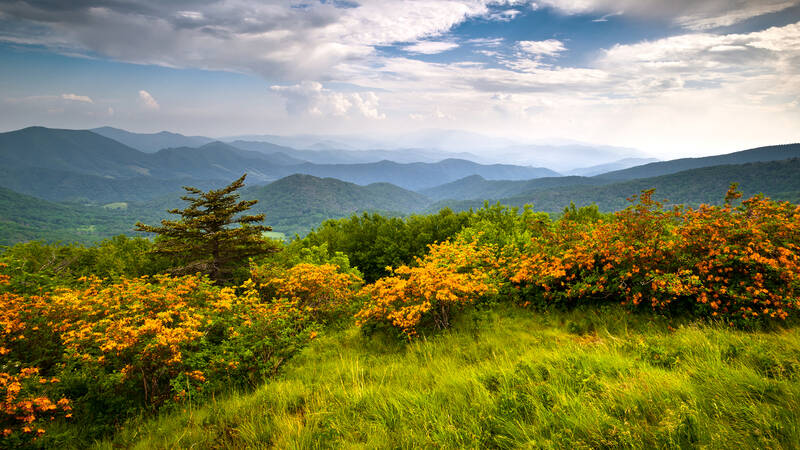
6 Reasons to Keep the ‘Roadless Rule’ in Place
NPCA supports continuation of the 2001 Roadless Area Conservation Rule to protect our nation’s forests. See how healthy, roadless national forests benefit national parks, larger ecosystems, and the people and…
See more ›The roadless rule was finalized with overwhelming support in 2001 and has stopped virtually all new largescale logging, roadbuilding, and extractive practices like oil and gas development on more than 45 million acres of America’s remaining undeveloped national forests lands.
Wildlife ranging from grizzly bears and elk to salmon to songbirds relies on connected and roadless landscapes and waterways for habitat, food and shelter as they travel within and outside of park boundaries.
Designated roadless areas also support diverse access opportunities for communities and visitors alike, including hunting, fishing, hiking, biking, and other forms of motorized and non-motorized recreation, along with livestock grazing for ranchers.
Statement by Stephanie Adams, wildlife program director for National Parks Conservation Association
“Proposing to end the Roadless Rule is the latest dangerous attempt by the administration to undo America’s conservation legacy in favor of development at all costs.
"When combined with the recent administrative actions including advancing mining and oil and gas development on public lands and removing habitat protections from threatened and endangered species, ending the roadless rule is a recipe for destruction National parks including Mesa Verde, North Cascades, Capitol Reef, Theodoore Roosevelt, and Appalachian Trail are left in the crosshairs for more development at their doorsteps with this proposal.
"Everyone who cares for America’s national parks and public lands should be alarmed by these attempts to dismantle the Roadless Rule.”
# # #
About the National Parks Conservation Association: Since 1919, the nonpartisan National Parks Conservation Association (NPCA) has been the leading voice in safeguarding our national parks. NPCA and its more than 1.9 million members and supporters work together to protect and preserve our nation’s most iconic and inspirational places for future generations. For more information, visit www.npca.org.
For Media Inquiries


-
Press Release
NPCA and Partners Appeal State of Alaska’s Decision to Grant an Easement for the Ambler Mining Road
“...the proposed 211-mile Ambler Road would be a disaster for Gates of the Arctic National Preserve and the Western Arctic Caribou herd that crosses it" - Naawéiyaa Tagaban, NPCA Alaska…
-
Press Release
Proposed Arctic Mine, Ambler Road Threatens America’s Largest Park Landscape
“All Americans should be outraged that our taxpayer dollars are being wasted to fund international companies that seek to destroy our country’s largest park landscape" -- NPCA Alaska Campaign Director…
-
Press Release
Atrocious Reported Changes to the ESA Could Threaten Extinction to Park Wildlife, Wild Nature
"This memo appears to suggest that it’s no longer the purpose of the ESA to ensure animals such as grizzly bears, North Atlantic right whales, or Florida panthers are protected"…