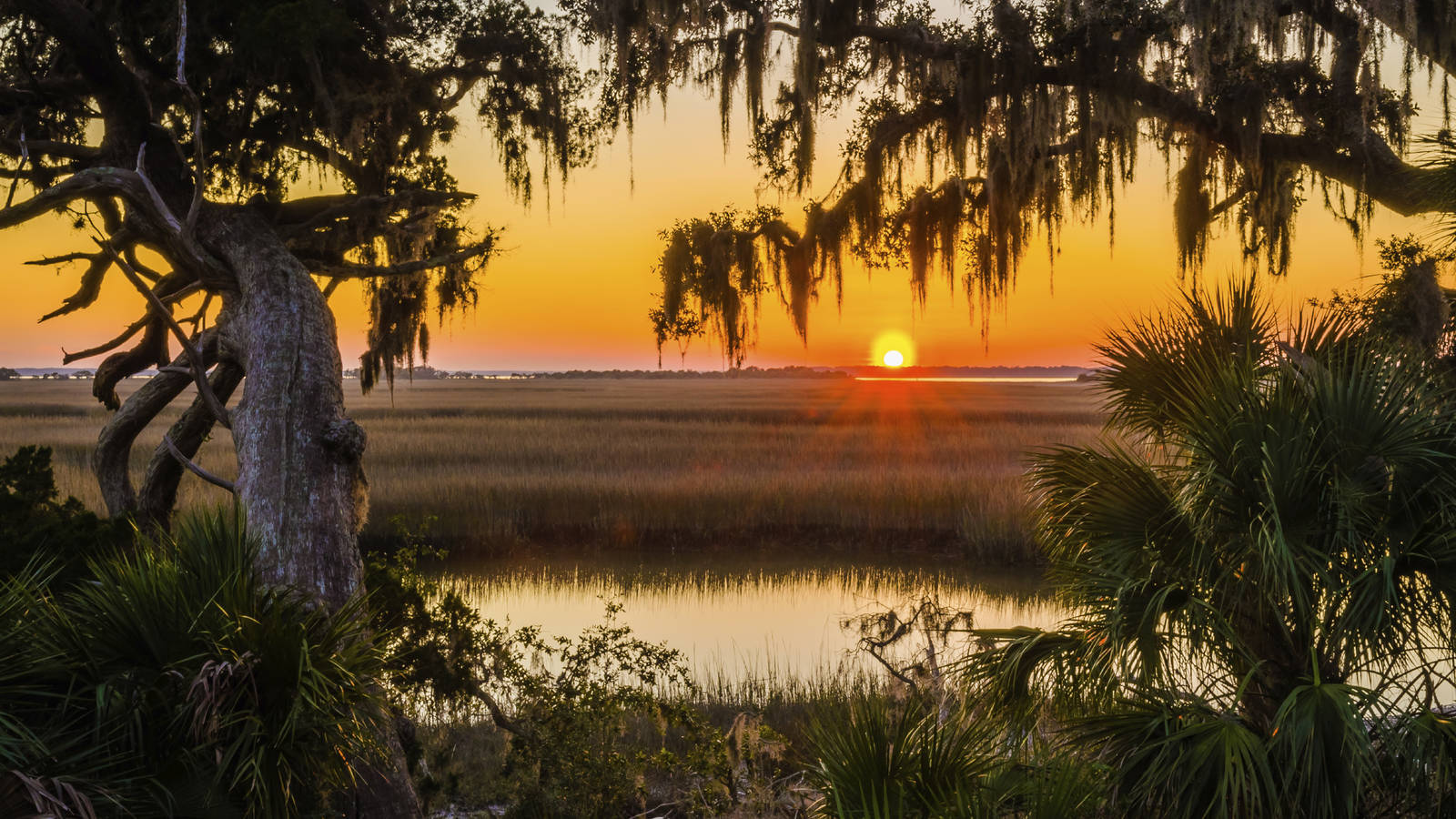
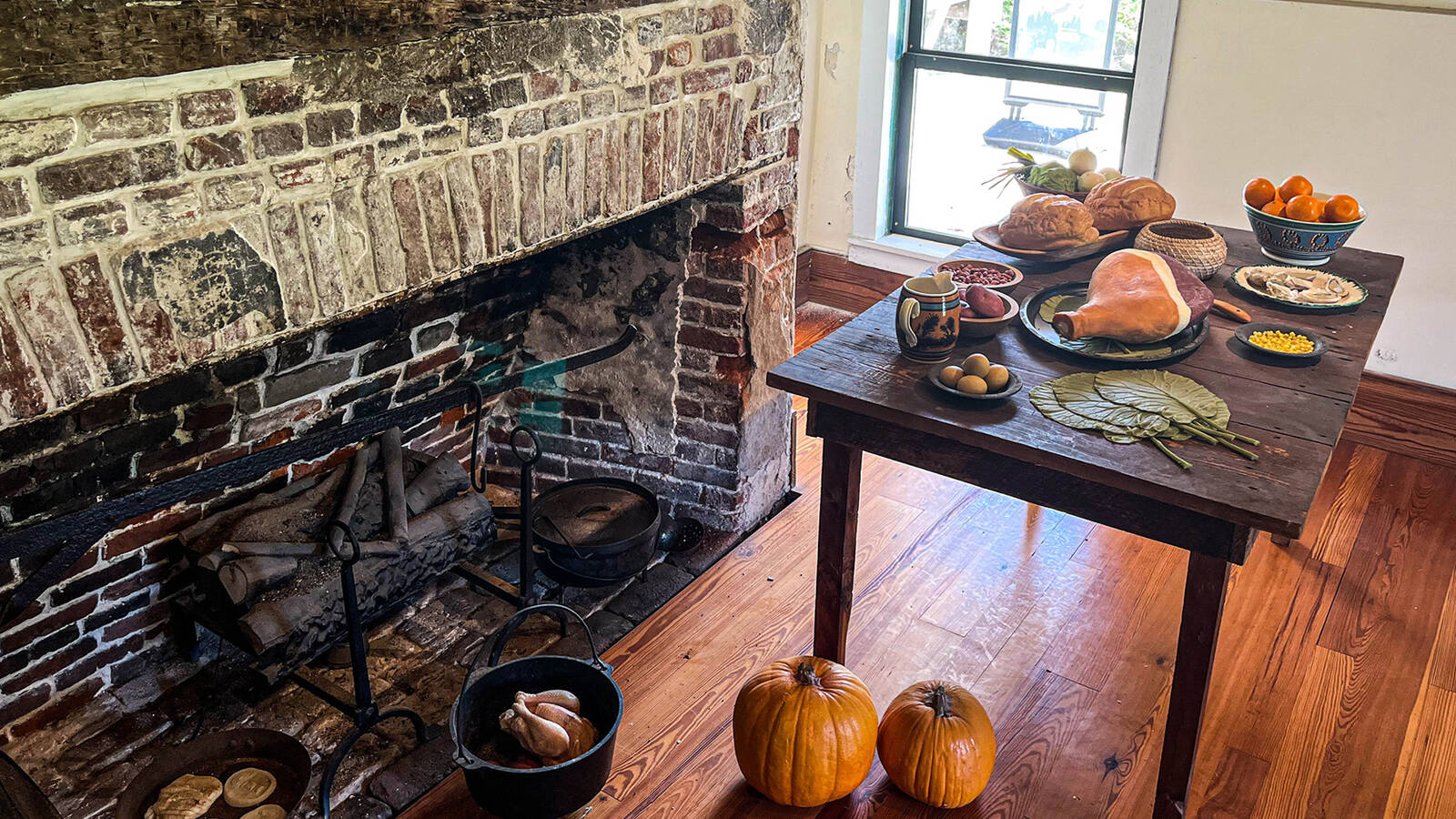
Among the Sea Islands of the Southeast, aspects of African culture live on through food, spiritual traditions, the arts, community — and even a language spoken nowhere else in the world.
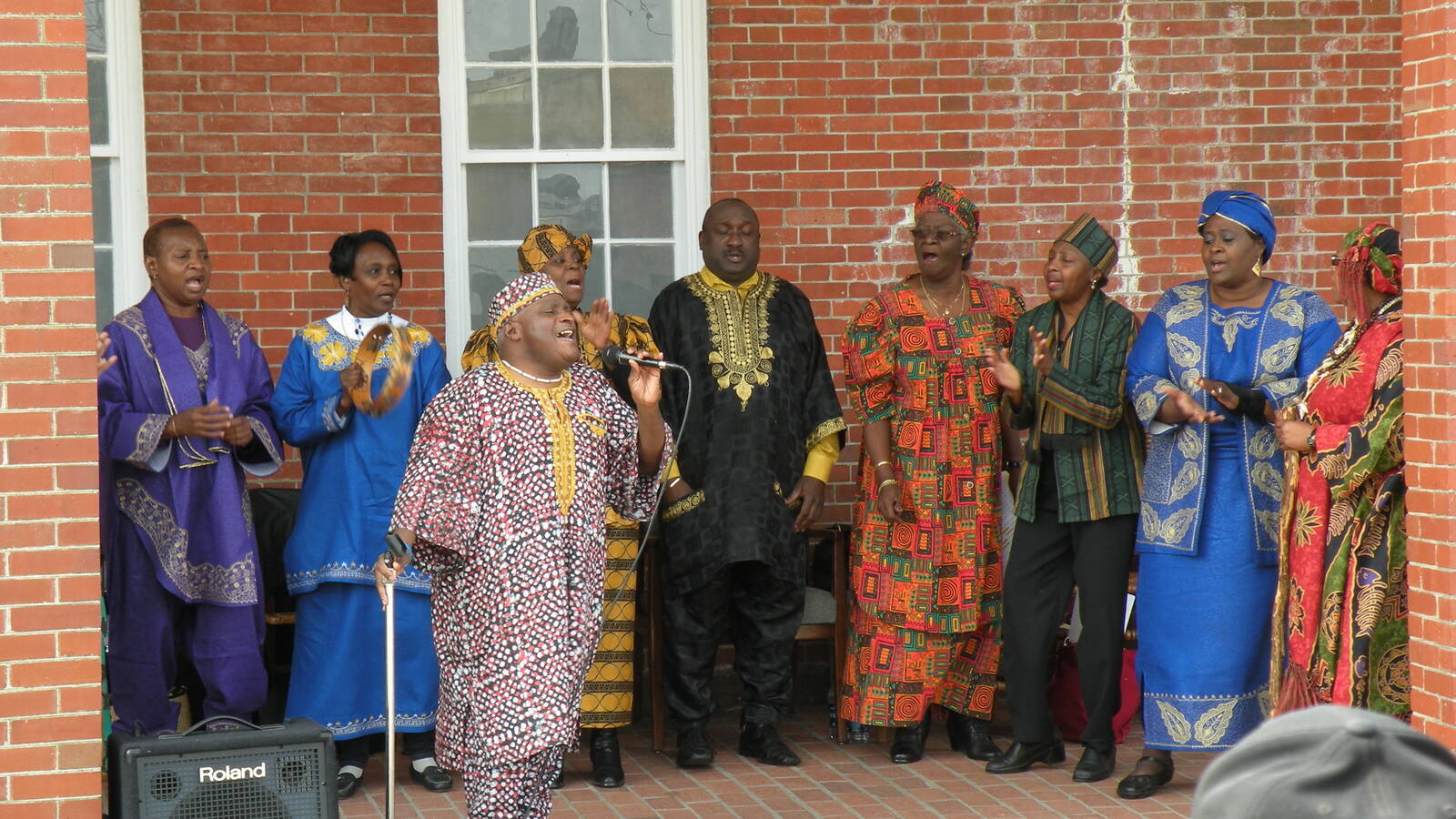
A culture known as Gullah Geechee, still active today, descended from people of West and Central Africa who were enslaved and brought to the Carolinas, Georgia and Florida to work on remote plantations. Already skilled in farming, they labored for white landowners to grow rice, cotton and indigo. The term Gullah refers primarily to people of South Carolina’s Sea Islands and the coastal regions of Georgia, while Geechee is the name used in coastal Georgia and northeastern Florida.
Historians long overlooked the Gullah Geechee people, but years of work by the National Park Service and Gullah communities led to the creation of the Gullah Geechee Cultural Heritage Corridor, which Congress designated as a National Heritage Area in 2006.

Virtual Exhibit
“Rooted: An Ecology of Gullah Geechee Memory Along the Coast” tells more of this rich cultural history of the Southeast through interviews and photography.
See more ›The heritage area protects and helps sustain places of historical and cultural significance, as well as Gullah Geechee contributions to American society. Many dishes considered “Southern,” for example — such as okra soup, shrimp and grits, and sweet potato pie — originated from enslaved cooks’ African cooking methods and seasonings. Musical influences can be heard in gospel, hip-hop, jazz and other genres.
The culture developed in large part because of the autonomy people had while their landowners stayed away from the plantations’ harsh climate. Communities kept their heritage alive, while merging their folkways with English, Christian and Native American traditions.
The Gullah Geechee language, which many descendants still speak today, blends colonial English with various African tongues. It became a simplified way for people of diverse backgrounds to communicate — among themselves and with slave traders and owners, later influencing the vocabulary and speech patterns across the South.
Traveling from north to south, here are eight sites in the National Park System where you can learn more about this distinctive African American heritage.
Moores Creek National Battlefield, North Carolina
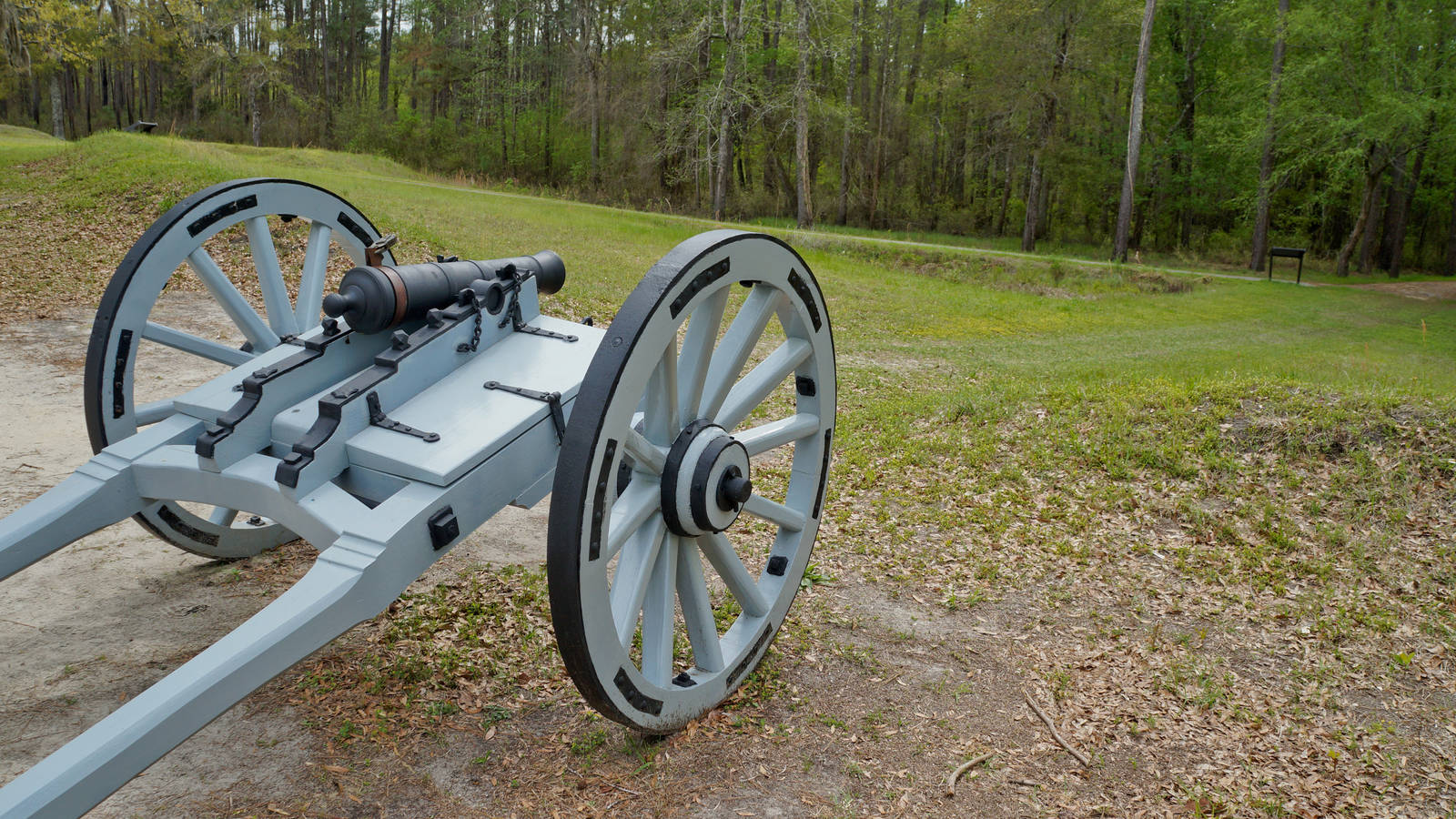
The Battle of Moores Creek Bridge in February 1776 was the first decisive victory for the Patriots during the American Revolution. Located 20 miles from Wilmington, North Carolina, this site commemorates that battle between Patriot and Loyalist forces in one of the original 13 British colonies.
The park site includes a Gullah Geechee exhibit because North Carolina’s coastal economy in the late 1700s depended heavily on slave labor. Early immigrants from South Carolina brought with them the plantation culture, while the shipping industry used enslaved people to produce lumber, turpentine, tar and other materials used to construct ships — including those used for the slave trade.
Charles Pinckney National Historic Site, South Carolina
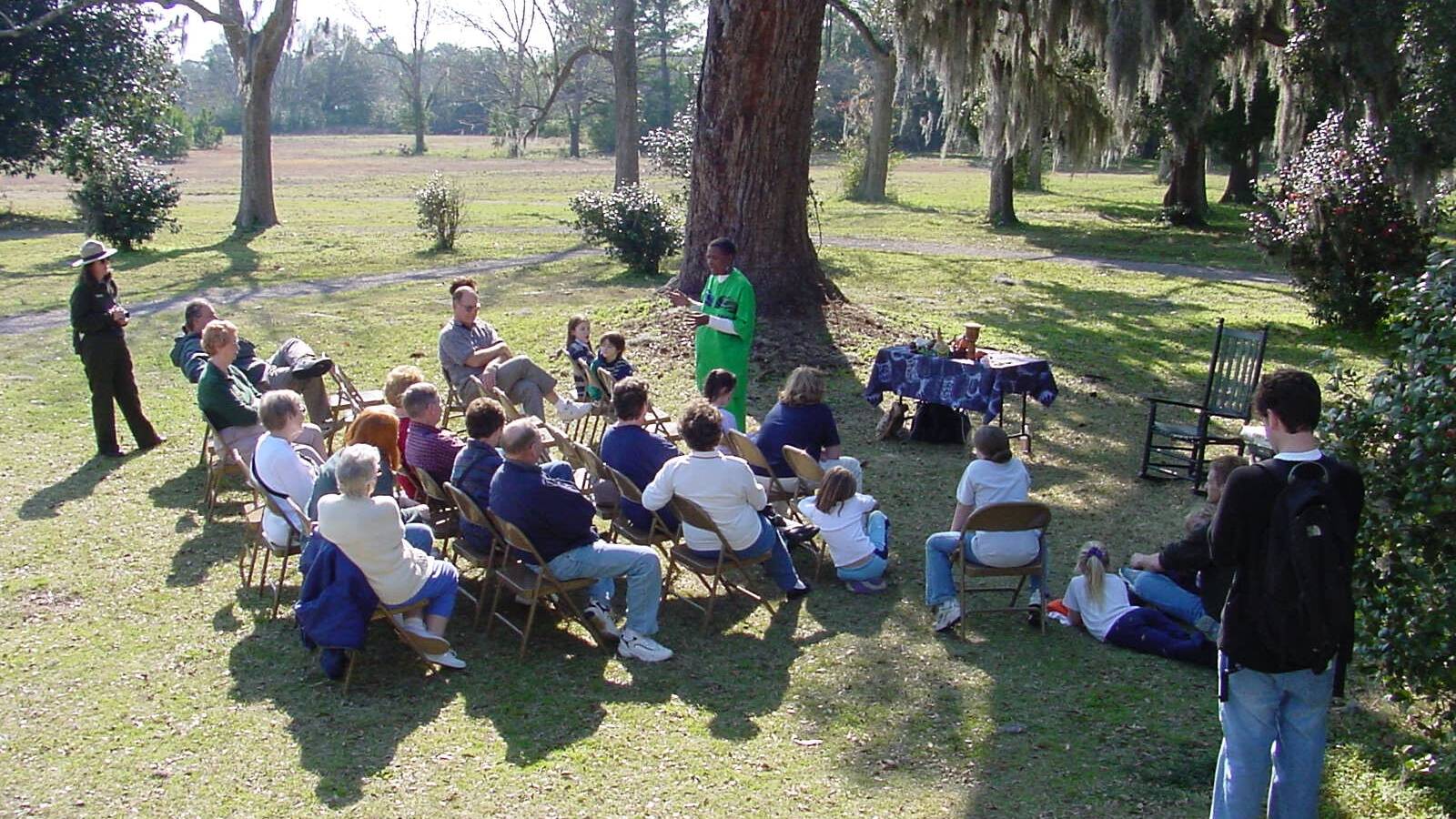
A principal author and signer of the U.S. Constitution, Charles Pinckney became a political leader in South Carolina — a status he held for more than 40 years. He also owned slaves. This park site in Mount Pleasant, South Carolina, preserves a remnant of his Snee Farm plantation, where he built a country retreat and enslaved Africans to grow rice and indigo.
Most of the plantation was sold for developing housing and a golf course in the 20th century, but visitors can see the 1828 farmhouse and outbuildings and learn about the Lowcountry’s agriculture, the Pinckney family, the plantation’s free and enslaved inhabitants, and early U.S. history.
Reconstruction Era National Historical Park, South Carolina
This park site in Beaufort County recounts the period of significant transformation from 1861 to 1900 when the U.S. grappled with how to integrate millions of newly freed African Americans into the country’s social, political, economic and labor systems.

Before the Gate
Gated developments are changing the rural character of some of the first African American-owned lands in the country. Now, the Gullah/Geechee are fighting a new threat to their culture.
See more ›After U.S. forces captured Port Royal Sound in 1861, white residents fled and left behind 8,000 to 10,000 formerly enslaved people. During the Civil War, the Union’s presence opened barriers for them: payment for their work and the ability to purchase land, build schools and join the military. Known as the Port Royal Experiment, the social changes in Beaufort County predicted attempts at Reconstruction elsewhere in the country.
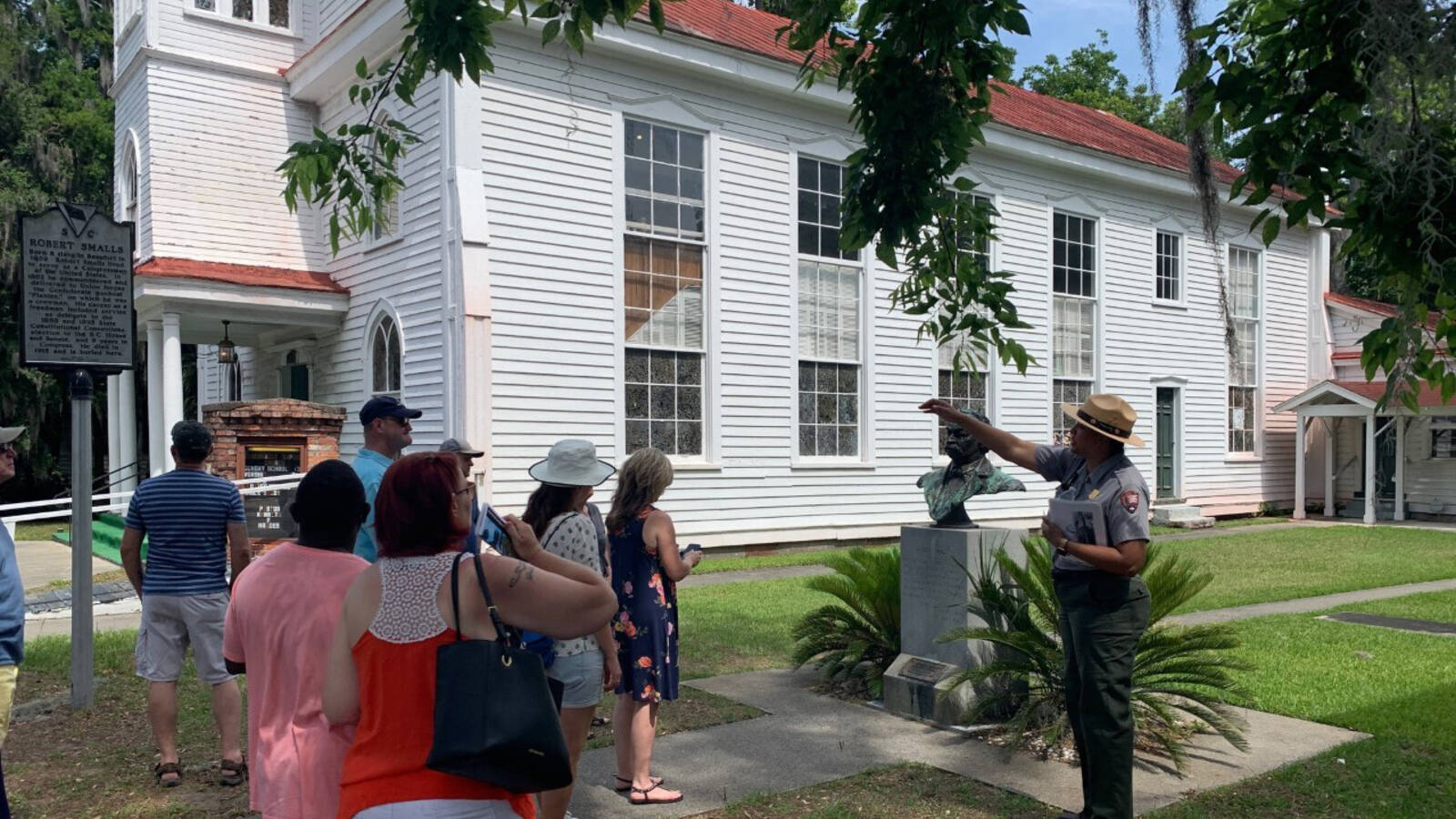
Places to visit include Camp Saxton, home to a volunteer infantry made up of formerly enslaved African Americans; Brick Baptist Church, one of the first schools for formerly enslaved people during the Reconstruction era; and the Penn Center, an educational site used by organizations during the 1960s Civil Rights Movement and a place of refuge for Dr. Martin Luther King.
Fort Sumter and Fort Moultrie National Historical Park, South Carolina
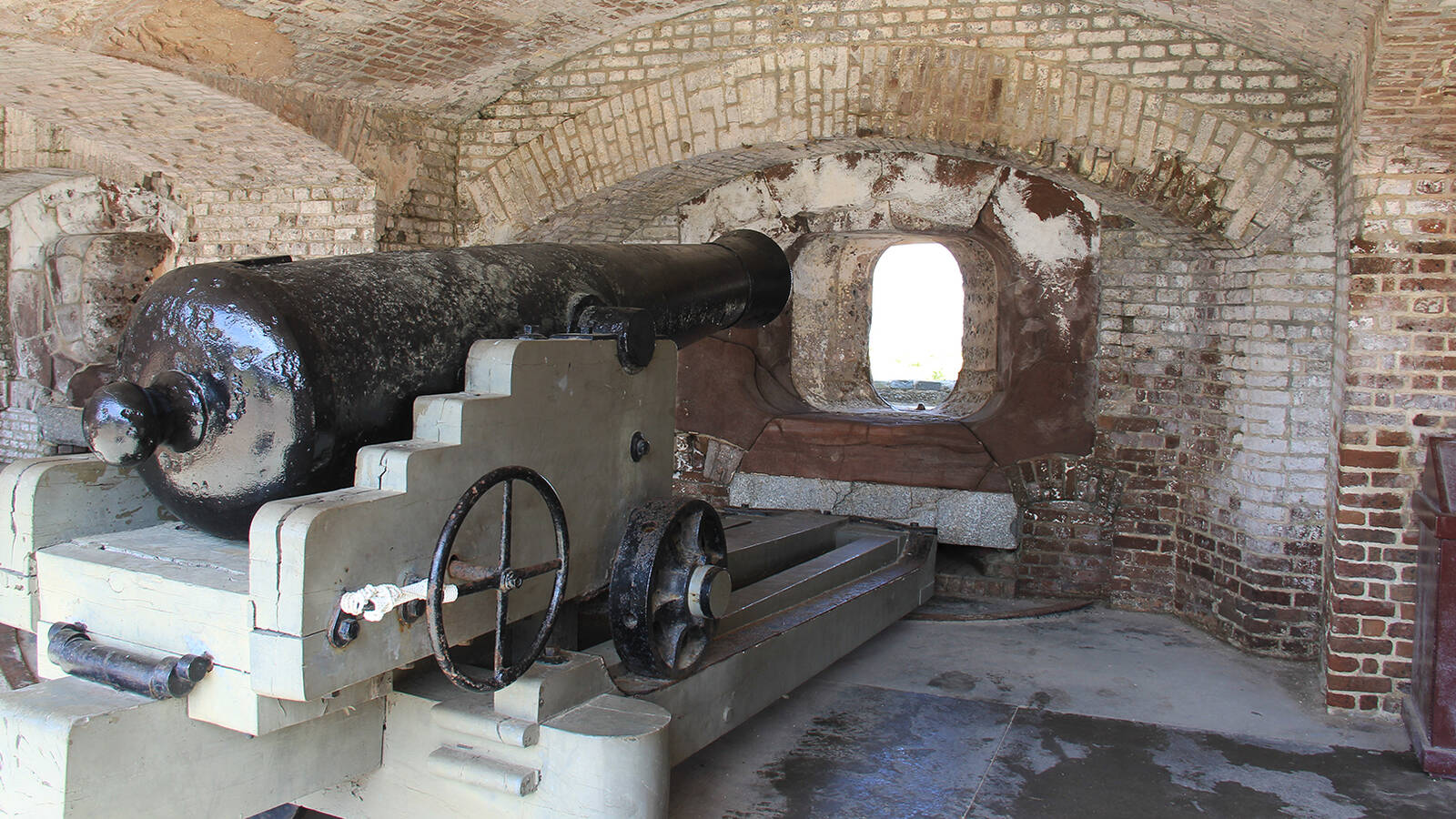
This park site preserves two forts at the entrance of Charleston Harbor: Fort Moultrie, where Patriots defeated the British Royal Navy in 1776, and Fort Sumter, where the first shots of the Civil War were fired in 1861. The site’s museum includes collections highlighting Gullah Geechee culture, as well as the lives of Indigenous and other enslaved peoples.
Here, you can walk in the footsteps of Jacob Stroyer, one of more than 300 Black laborers enslaved at Fort Sumter in the summer of 1864. After gaining freedom, he wrote an 1879 memoir titled “My Life in the South,” describing the extreme hardships of Confederate service. As a teenager, Susan King Taylor joined thousands seeking refuge behind Union lines on the South Carolina Sea Islands. Because she was literate, she served as a reading instructor for a regiment of former slaves and later wrote her own memoir, the only African American woman whose wartime experiences were published.
Fort Pulaski National Monument, Georgia
In the 1830s and 1840s, enslaved Africans performed the labor on this fort on Cockspur Island to guard the port of Savannah — their fingerprints and handprints can even be seen in some of the bricks. When the Confederacy took possession of the fort early in the Civil War, they brought in Gullah Geechee people from neighboring rice plantations to restore parts of it.
The Union army seized the fort in an April 1862 battle, the first event in military history in which rifled cannons were used. The new technology allowed the Union to significantly damage the fort from a distance. Afterward, the Union army freed all the island’s enslaved people, and the fort and village surrounding it became a beacon on the Underground Railroad.
Fort Frederica National Monument, Georgia
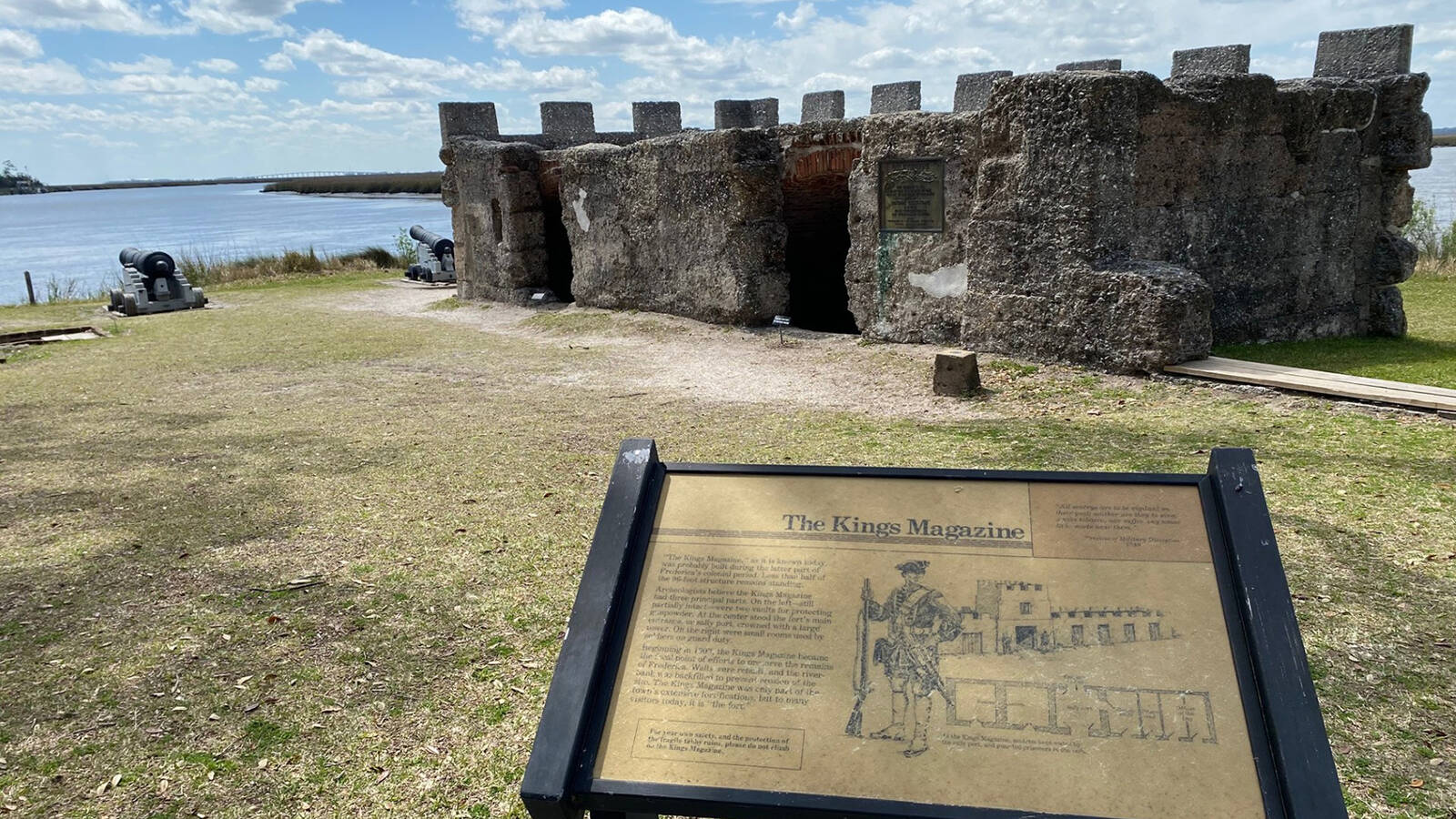
British General James Edward Oglethorpe built Fort Frederica on Saint Simons Island in 1736 to protect the colony of Georgia from Spanish attack. It combined a military installation with a town of about 1,000 residents. At the time, Georgia banned African slavery. When the Spanish threat waned by the late 1740s and Oglethorpe’s regiment disbanded, the town failed to prosper and plantations arose instead. Georgia legalized slavery in 1751 to provide free labor.
The national monument preserves remnants of the fort and town. Visitors can stroll its streets and learn about the structures that once lined them. They also can see a stone obelisk erected in 1929 by self-made millionaire Robert Abbott in memory of his father, who once had been enslaved on the island. Abbott made his fortune as publisher of the Chicago Defender, a Black newspaper.
In 2019, archaeologists discovered a burial ground of enslaved people. The fort also retains recordings of traditional songs from the Gullah Geechee culture, captured in the 1950s.
Cumberland Island National Seashore, Georgia
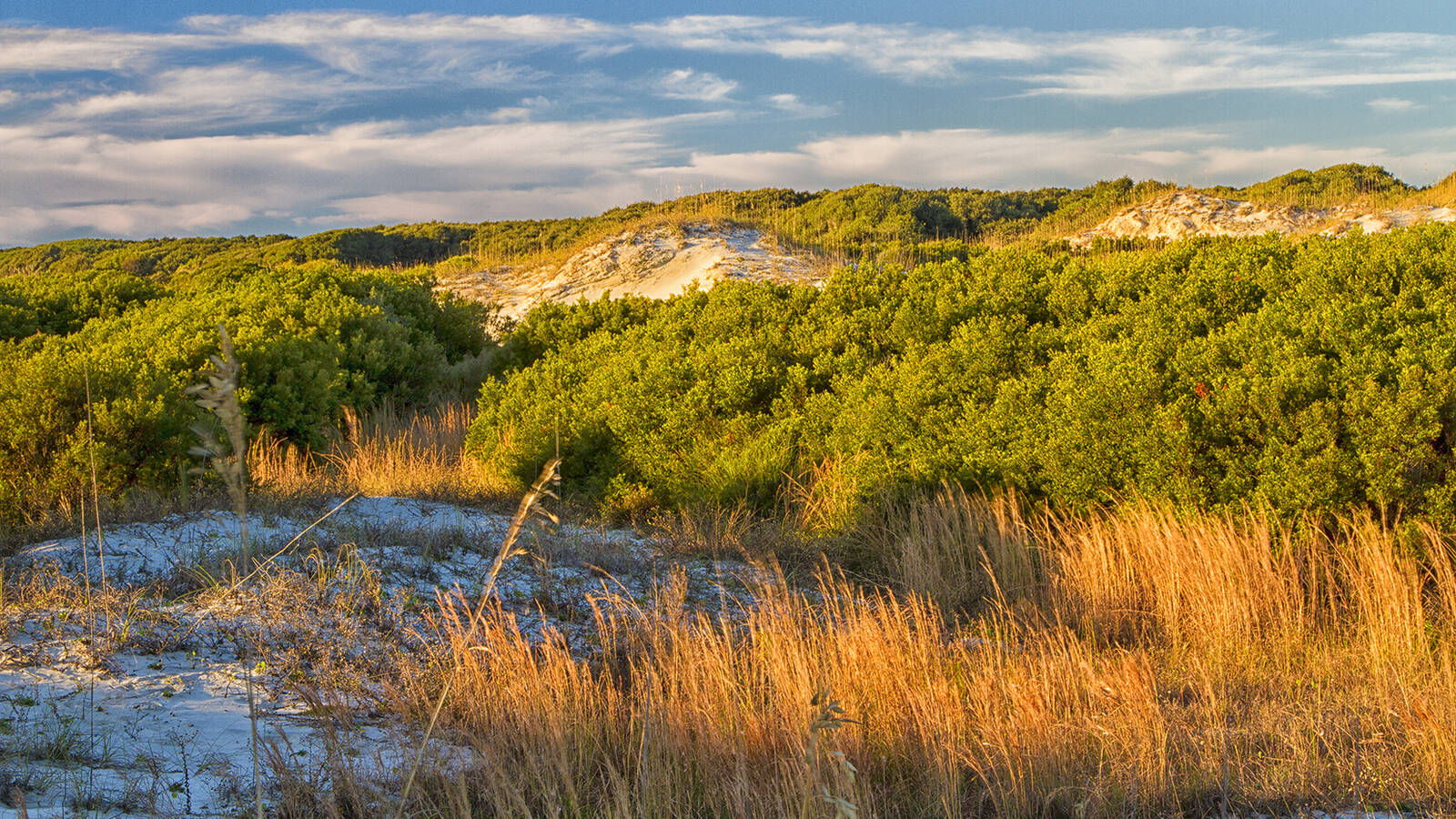
Accessible only by ferry, Cumberland Island is the largest barrier island off the coast of Georgia, encompassing more than 36,000 acres of maritime forests, salt marsh, beaches and Gilded Age historic districts. Descendants of those made to work the island’s plantations in the 18th and 19th centuries still live on the island.
More than 100 enslaved people were liberated from Cumberland Island as early as 1815, when British naval forces elicited their defection and resettled them elsewhere, with many joining Britain’s Colonial Marines.
After the Civil War, emancipated individuals created small farming villages on the island’s northern end. When white developers forced many of them off the land to build white-only communities, a hotel owner chose to sell some of his acreage as individual plots, which became known as The Settlement. With legal ownership, Black residents could no longer be forced out. Among homes and other structures, they built First African Baptist Church in 1893, which visitors can still see today.
This month, the Department of the Interior proposed a land swap at Cumberland Island between the Park Service and private developers, a move conservation groups oppose.
Timucuan Ecological & Historic Preserve, Florida
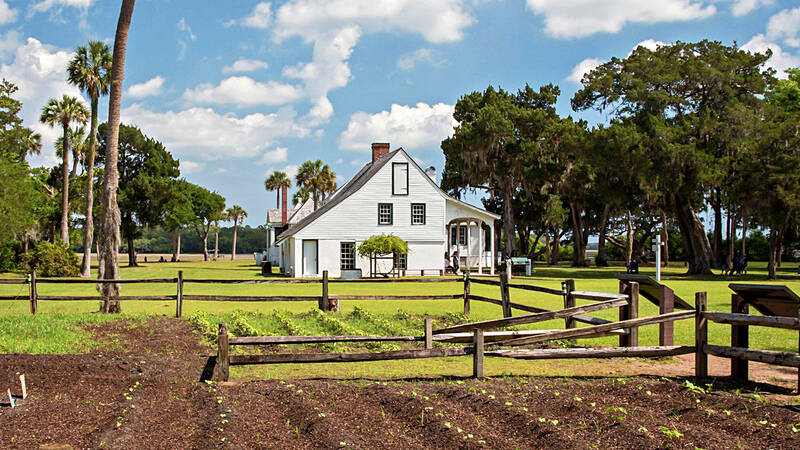
Located within the city limits of Jacksonville, Timucuan attracts visitors for its salt marshes, wildlife, trails and cultural sites. Among them is Kingsley Plantation, where visitors can explore the grounds and the remains of slave cabins. Hundreds of enslaved people worked the cotton and indigo plantation, which was owned by Zephaniah Kingsley.
A Destiny Like No Other
Anna Kingsley was an African princess before being enslaved and later becoming a slaveholder. The Park Service and her descendants have worked to preserve her story.
See more ›Central to the plantation’s complex history is Anna Madgigine Jai Kingsley, born Anta Madjiguène Ndiaye in Senegal. Zephaniah Kingsley purchased and enslaved her when she was a young teenager. In 1811, he signed documents granting her freedom when she was about 18 years old. Anna later became a landowner and managed plantation operations, while also becoming a slaveholder herself — an important and complicated part of her life and the broader history of slavery and freedom in Spanish Florida.
Just outside the park is the Gullah Geechee community of Cosmo, established at the end of the Civil War by newly freed Black families. This community along the St. Johns River retains some of the original churches, cemetery and homes of its founders who worked as riverboat pilots, farmers and commercial fishermen.
Stay On Top of News
Our email newsletter shares the latest on parks.
About the author
-
 Linda Coutant Online Editor
As a member of the Communications team, Linda Coutant manages the Park Advocate blog and other web content, and also coordinates the monthly Park Notes e-newsletter for NPCA members and supporters. She lives in Western North Carolina.
-
General
-
- Parks:
- Charles Pinckney National Historic Site
- Cumberland Island National Seashore
- Fort Frederica National Monument
- Fort Pulaski National Monument
- Fort Sumter and Fort Moultrie National Historical Park
- Moores Creek National Battlefield
- Reconstruction Era National Historical Park
- Timucuan Ecological & Historic Preserve
-