The erasing of people, science and history at our national parks is in full swing, and NPCA is investigating and will hold the administration accountable. Here’s what you should know and how you can join NPCA’s efforts to stop it.
Learning about American history is fascinating. There are so many stories and perspectives — a curious person can learn so many details if they dig through archives, books, diaries, articles and so much more. We are lucky to have the National Park Service, an agency that does research for us. Its staff helps us understand and learn about our past, as well as science. Whether we see geysers, elk, rivers or mountains, park rangers can tell us about these amazing resources.
However, the administration is suppressing truth, facts and science at our national parks, and that should alarm every single American. Since March 2025, the National Park Service has been told to inventory information on educational waysides and in park exhibits and gift shops that might be “negative or disparaging” about the United States or “fails to emphasize the grandeur” of our parks and to report those uses to the Department of the Interior, per the president’s “Restoring Truth and Sanity to American History” executive order. This order also directed the agency to remove information if it does not fit the administration’s values.
National Parks Conservation Association Joins Coalition Lawsuit to Stop Censorship of History, Science in Parks
Visitors deserve the full picture of history at America’s national parks, as well as key information about climate change, pollution, development, and other environmental threats to these iconic places.
See more ›From the very beginning, NPCA has been outspoken about the dangers of erasing any facet of our country’s history and eroding science in our parks. Millions of people visit our national parks every year for honest, authentic experiences — not censorship, which is a direct violation of the core tenets of the National Park Service’s mission.
It’s important to remember that it is Department of the Interior political appointees who are demanding these changes. It is not the Park Service staff, who are expert historians, archivists and scientists dedicated to preserving our nation’s history, honestly interpreting its important and diverse stories, and protecting the landscapes of the National Park System. They would be putting their jobs at risk if they do not comply with the administration’s directives.
The administration is suppressing truth, facts and science at our national parks and that should alarm every single American.
The Park Service is one of the country’s largest repositories of American history, teaching millions of park visitors about a wide variety of American stories at more than 430 national park sites throughout the United States. All of our parks play a part in preserving the nation’s history and culture. Students and scholars seeking to learn more about U.S. history rely on the National Park Service’s expertise and accurate information, in person and on the agency website.
Based on what we observed in 2025 and what’s happening so far in 2026, NPCA is committed to ensuring the administration stops going after historical and scientific facts. We’re fighting to ensure national parks keep telling stories that are important to both our past and our future.
Fact
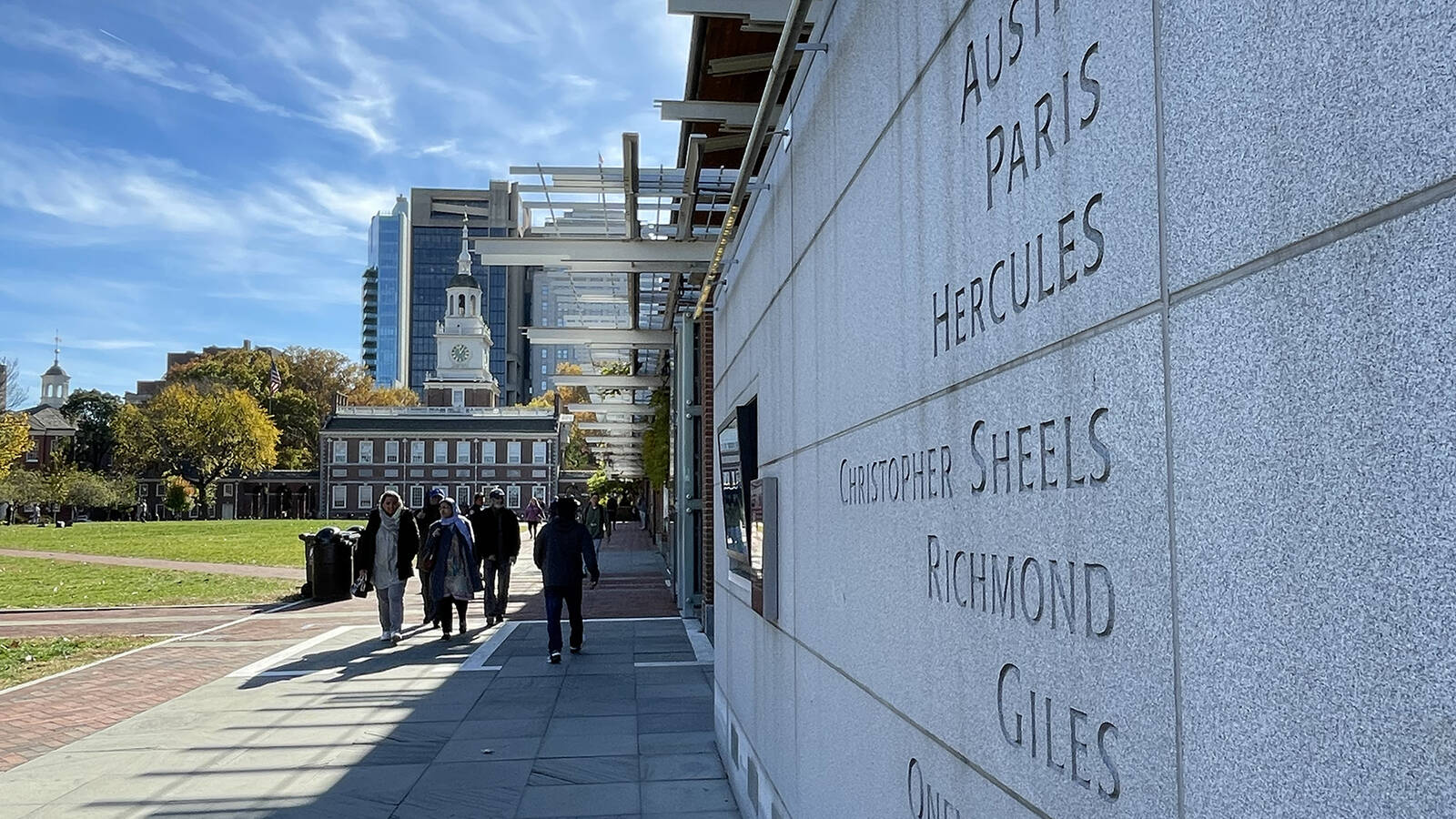
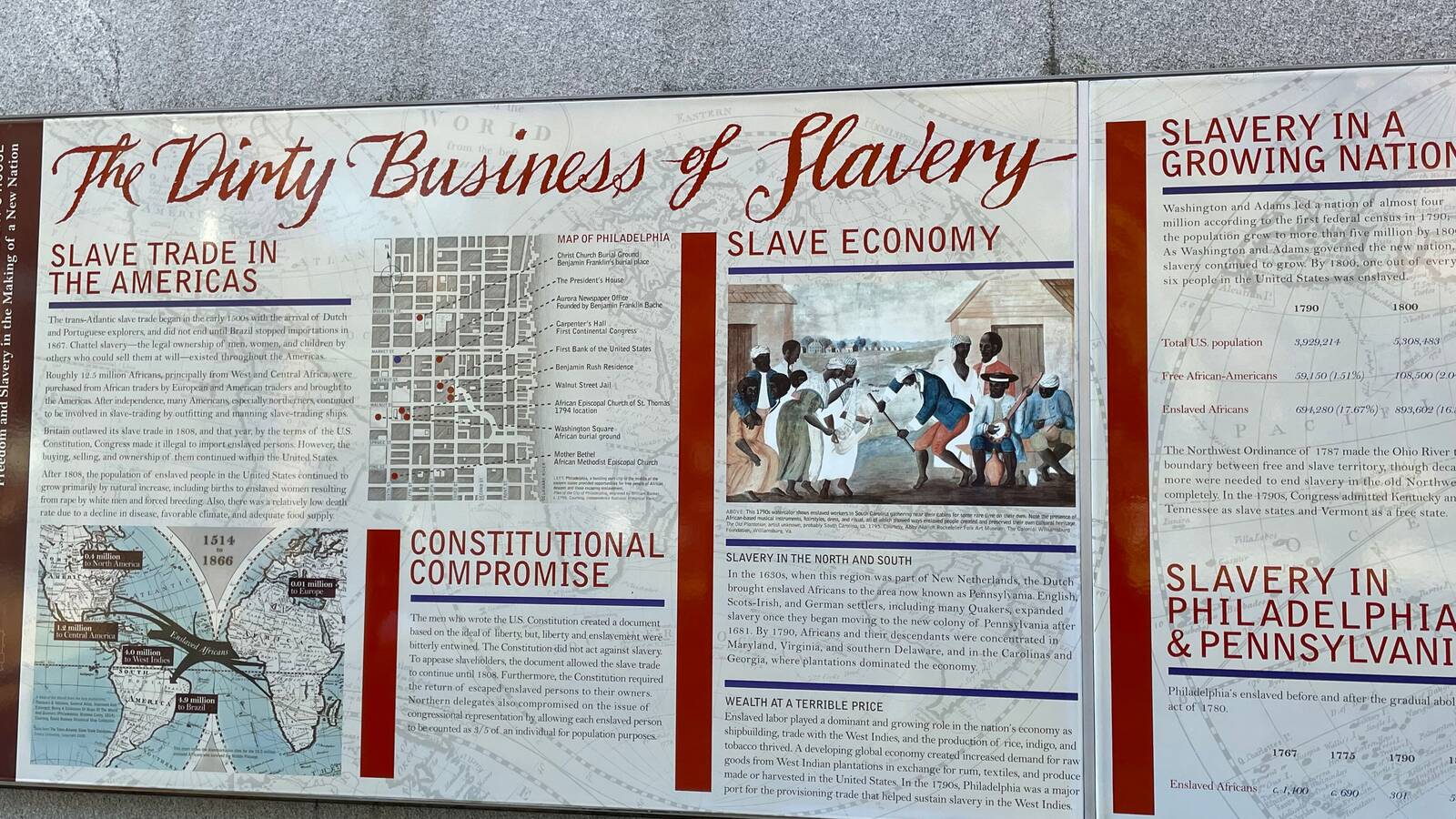
Acting under duress, the Park Service in January dismantled the President’s House exhibit at Independence National Historical Park in Philadelphia, which explored the lives of enslaved people at President George Washington’s residence. The exhibit was developed collaboratively by the Park Service, City of Philadelphia and key community leaders, including descendants of the people enslaved there. The City of Philadelphia quickly sued the administration in response to the dismantling.
Why It Matters
Stories of the African American experience have been targeted, beginning last spring with the removal of slavery references from a Park Service webpage about the Underground Railroad. The page had been edited to remove references to abolitionist and former slave Harriet Tubman, although the content was later restored.
As one of the largest stewards of U.S. history, the Park Service has — especially over the last 30 years — increased the breadth, depth and diversity of the stories it tells. That work remains far from complete, but newer site designations such as the Birmingham Civil Rights and Medgar and Myrlie Evers Home national monuments and the creation of public-facing programs such as the National Underground Railroad Network to Freedom were notable advancements toward making our parks more relevant to a wider range of people. We believe these and other parks that tell Black stories are at risk.
“African American history must continue to be told at our national parks because it provides opportunities for us to learn and assess this nation’s history in full context; promotes personal, community and national healing; helps us better understand the present; and inspires us as we continue to strive for a more perfect union.” — Joshua Jenkins, NPCA’s Mississippi and Alabama Field Representative
Fact
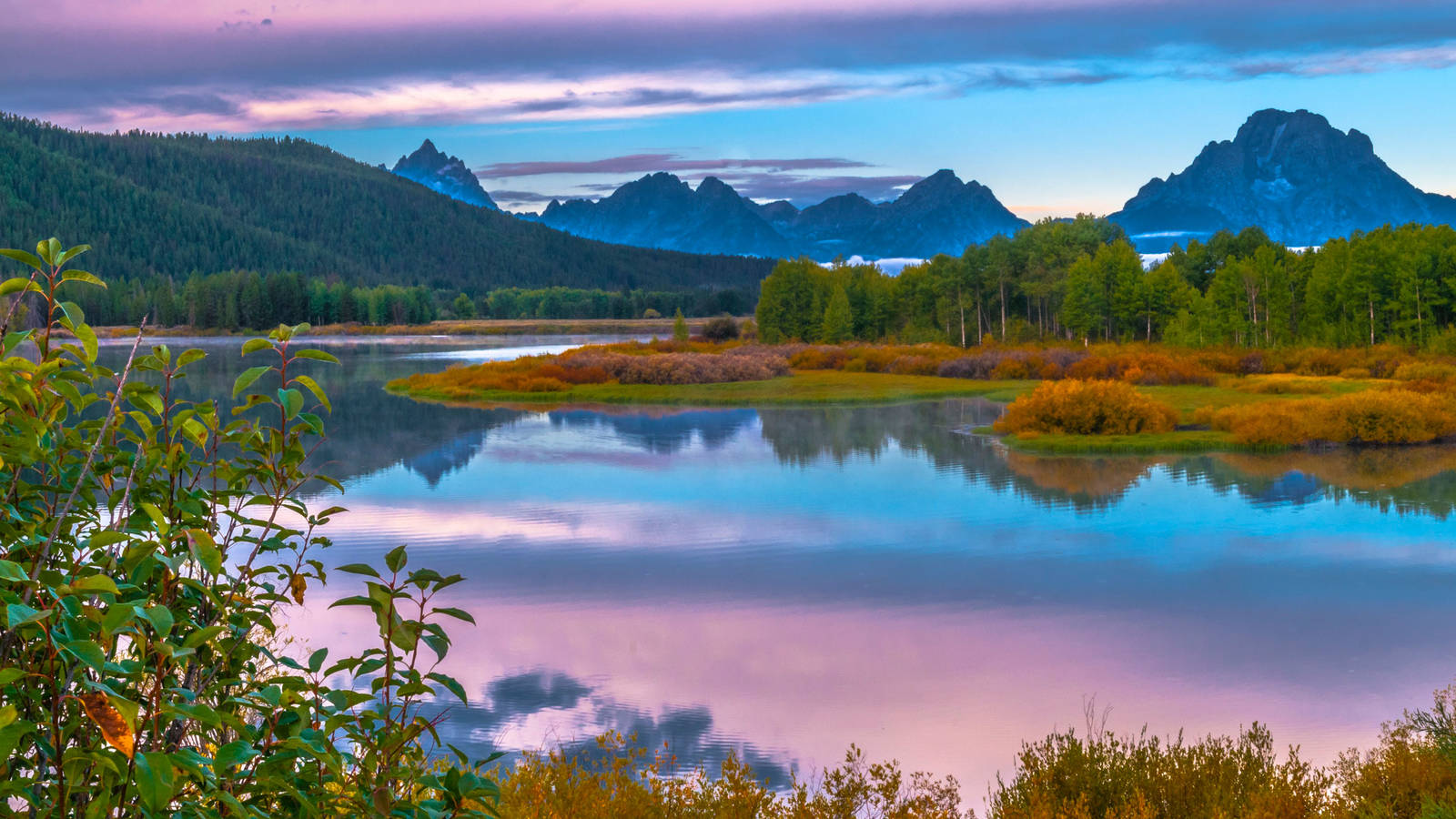
Jackson Hole News & Guide, a local news outlet, reported that Grand Teton National Park has been ordered to change or remove a sign about an explorer who massacred Native Americans. The Washington Post reported information at Hubbell Trading Post National Historic Site in Arizona about a Navajo leader who settled disputes with ranchers is listed for changes or removal, while at Little Bighorn Battlefield National Monument in Montana, exhibits describing the treatment of Native Americans have been ordered for change or removal. The Department of the Interior issued contradictory statements regarding the removal of a wayside display about mistreatment of Native Americans at the Grand Canyon, claiming later the sign was removed due to weather damage.
Why It Matters
The forced removal of Indigenous people from their homelands is documented fact, and some national parks were even created to tell the stories of the removal or battles endured by Native people. Places such as Sand Creek Massacre National Historic Site preserve and protect the cultural landscape of the massacre of the Cheyenne and Arapaho people and enhance public understanding of what took place there.
Tribal communities maintain strong connections to these lands, and the Park Service has made progress in easing tensions over access to sacred sites, place names and educational information. To reverse course by erasing their history is unconscionable and cannot be allowed at any of our parks.
“National parks are Native lands. The erasure of stories telling Native people’s culture, history and resilience is an attempt to hide from this truth and neglect our responsibility as a nation to reconcile with our past.” — Michaela Pavlat (Sault Ste. Marie Tribe of Chippewa Indians), NPCA’s Indigenous Partnership Program Manager
Fact
Even before the March executive order, the administration demonstrated its first efforts to censor U.S. history by erasing LGBTQ+ history from more than a dozen Park Service webpages in February 2025, particularly the contributions of the transgender community at Stonewall National Monument.
Why It Matters
The Stonewall Uprising is recognized as a watershed moment and a transformative event in the nation’s civil rights movement, and Stonewall National Monument is the first and only national park site dedicated to telling the story of LGBTQ+ history. In some cases, entire webpages were deleted and are no longer available for public access, while in other instances, webpages were altered to remove the term “LGBTQ” in favor of the less accurate “LGB.” This administration cannot remove the contributions of an entire population of Americans.
“National park stories about LGBTQ+ history, including Stonewall, are important because they teach inspiring lessons about tolerance and diversity, foster cultural understanding, and highlight the value of speaking out on important issues that continue to shape our nation today. There’s never been a more needed time to share these powerful stories.” — Timothy D. Leonard, NPCA’s Northeast Program Manager
Fact
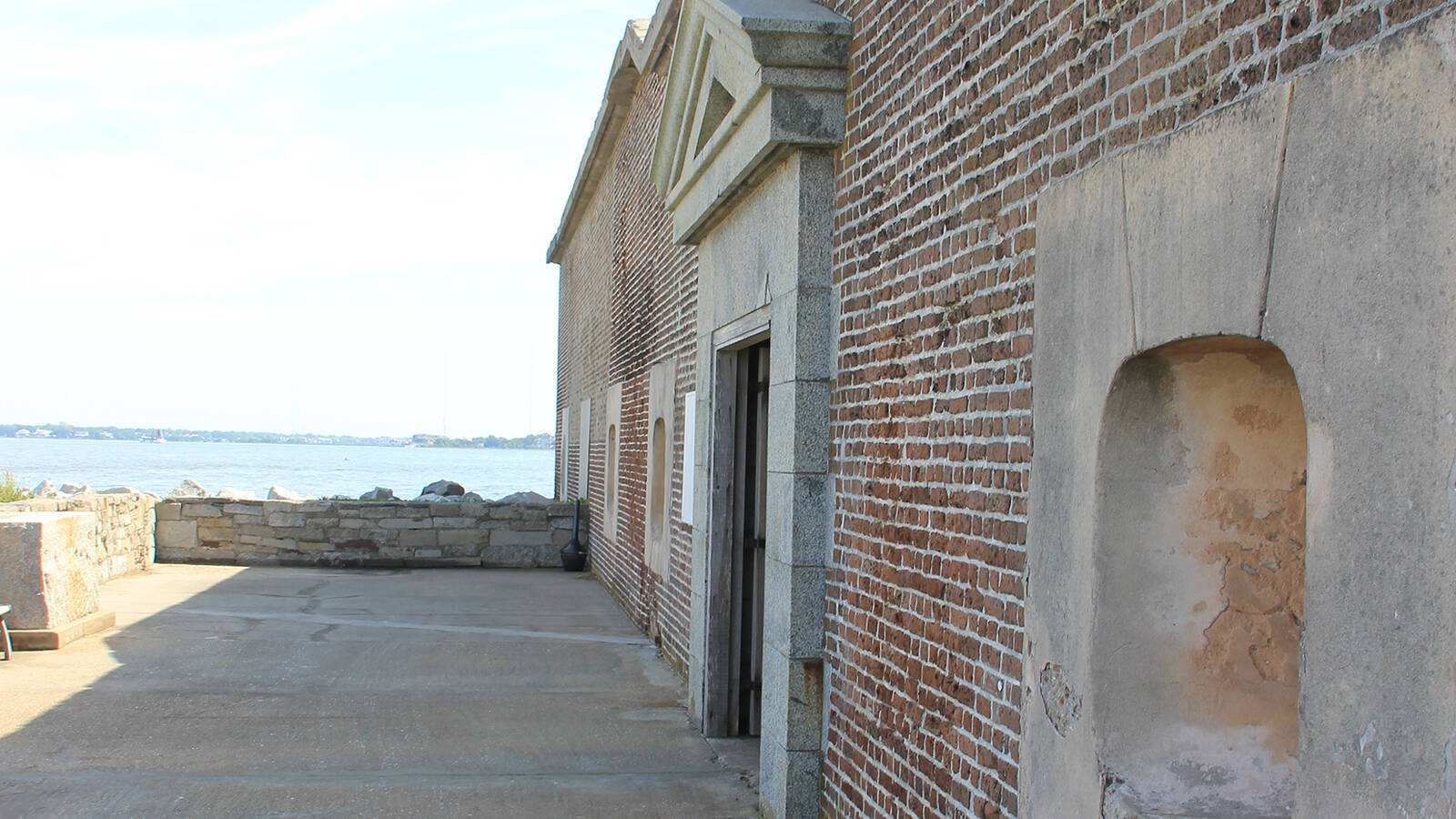
Also taken down in January were signs educating visitors about sea level rise at Fort Sumter and Fort Moultrie National Historical Park in South Carolina, where the first shot of the Civil War was fired in 1861 and where, with each passing year, the ocean comes closer to swallowing this piece of history.

‘Nobody Wants This’: New Poll Finds Majority of Americans Oppose Attacks on National Parks and Park Staff
“This poll reaffirms that Americans are united in their support for our national parks. Protecting our national parks is a bipartisan issue.“ - Theresa Pierno, NPCA’s President & CEO
See more ›Organ Pipe Cactus National Monument in Arizona had descriptions of accelerated rates of warming, destructive grazing practices and endangered wildlife ordered to be changed or removed. In September 2025, signs in Acadia National Park referring to the park’s changing climate — more frequent storms, intense rain and hotter temperatures — were removed from two prominent destinations in the park, Cadillac Mountain and Great Meadow wetland.
Why It Matters
National parks are bearing the brunt of climate change, from melting glaciers to record flooding to disastrous wildfires, and our parks are at the forefront, where we can see these impacts before our eyes. Removing climate related science that educates and documents science-proven changes happening at our parks doesn’t make it less real. Right now, visitors at Joshua Tree National Park can learn about how changing weather is impacting the iconic Joshua trees, which might be gone within a generation. If the Department of the Interior orders parks to stop talking about these risks, that won’t stop Joshua trees from disappearing.
These are the stories our national parks MUST tell.
Erasing history is the opposite of what the National Park Service has stood for since it was founded more than a hundred years ago. Urge Congress to reject efforts to erase or rewrite our nation’s history.
Take Action“Our national parks were protected for their unique features of natural and cultural history. These are the same reasons why they are uniquely vulnerable to impacts as the climate shifts. Ongoing research to monitor and adapt to these changes is imperative to protect the plants, animals, water and cultural features for future generations.” — Priya Nanjappa, Vice President of Conservation Programs
Park Experiences Need to Remain Honest and Authentic
Americans come to our national parks for honest, authentic experiences, and we are capable of learning about our tragedies and victories alike. Our history is complex, and we deserve to know the truth and to learn about serious topics such as slavery, civil rights and our country’s treatment of Native Americans. We deserve to hear about the science behind climate change, pollution and other challenges facing our national parks.
This systematic erasure is deeply unpopular with Americans across the political spectrum. It is painful, it is wrong, and it will not stand. We should be able to face these issues head on — be proud of the moments in which we lived up to the better angels of our nature and confront the times when we failed to do so.
Stay On Top of News
Our email newsletter shares the latest on parks.
About the authors
-
 Alan Spears Senior Director of Cultural Resources, Government Affairs
Alan joined NPCA in 1999 and is currently the Senior Director of Cultural Resources in the Government Affairs department. He serves as NPCA's resident historian and cultural resources expert. Alan is the only staff person to ever be rescued from a tidal marsh by a Park Police helicopter.
-
 Kristen Brengel Former Senior Vice President of Government Affairs
Kristen Brengel joined NPCA in 2009 and served as the Senior Vice President of Government Affairs from 2016 to 2026. Kristen led staff on public lands conservation, natural and cultural resource issues, and park funding.
-
General
-
- Parks:
- Acadia National Park
- Birmingham Civil Rights National Monument
- Fort Sumter and Fort Moultrie National Historical Park
- Grand Canyon National Park
- Grand Teton National Park
- Harriet Tubman Underground Railroad National Historical Park
- Hubbell Trading Post National Historic Site
- Independence National Historical Park
- Joshua Tree National Park
- Little Bighorn Battlefield National Monument
- Medgar and Myrlie Evers Home National Monument
- Organ Pipe Cactus National Monument
- Sand Creek Massacre National Historic Site
- Stonewall National Monument
-
- NPCA Regions:
- Southeast
- Northern Rockies
- Pacific
- Southwest
- Northeast
- Mid-Atlantic
-
-
Issues


-
Press Release
First Mining Claims Filed in Lands Cut from Bears Ears National Monument
"National park units and their surrounding landscapes are no place for energy development, but outdated laws elevate mining above all other uses on these lands. We will continue to fight…
-
Blog Post
FAQ: Border Destruction at Big Bend
The Trump administration destroyed parts of Big Bend National Park in August. We share updates, answer frequently asked questions and share how you can help.
-
Press Release
NPCA, Conservation Groups Challenge Trump’s Decimation of Two National Monuments in Utah
"Support for these monuments has never wavered and neither will our fight to protect them" -- NPCA Southwest Campaign Director Erika Pollard