Pulling water from the Mojave Desert would damage prized national parkland and deepen water insecurity for communities. Here are frequently asked questions about the latest attempt by Cadiz Inc. to drain the desert’s groundwater for profit.
A private company has spent decades attempting to build a pipeline that would remove groundwater from the fragile California desert to export and sell for profit. Despite having its water mining permit invalidated in 2022 after a federal court lawsuit, Cadiz Inc. is trying again to access the Mojave Desert’s aquifer.
NPCA stands firm with local communities and Tribes in once again opposing any permitting for this destructive groundwater mining project, which scientific studies show would deplete the Mojave Desert’s aquifer at the expense of wildlife, people and national parks.
Here are frequently asked questions about the project.
What is the Cadiz groundwater mining project, also known as Mojave Groundwater Bank?
Cadiz, also known as Mojave Groundwater Bank, is a proposed groundwater mining project led by Cadiz Inc. that would pump 16 billion gallons of water a year for 50 years from an underground aquifer that lies beneath the Mojave Desert. Cadiz Inc., a company founded in 1983, has made a number of attempts to privatize and pump groundwater from under public lands in the Mojave Desert for corporate profit.
For decades, studies supported by the National Park Service and U.S. Geological Survey have shown that the project would overdraft and deplete the aquifer. Water agencies, lawmakers, Tribes and advocates for conservation and social justice have condemned the project, while state, federal and Tribal governments have all worked to block the project because of the harm it would cause.
However, Cadiz Inc. has attempted to put a new coat of paint on its controversial project in recent years, including claiming the project is a solution to the Colorado River crisis. It’s also seeking state funding and support from Arizona. None of these attempts have been successful so far, as it’s up against the proven science that Cadiz would devastate the Mojave, and would not be a sustainable, reliable source of water for communities.
Where is the project’s location and what public lands does it threaten?
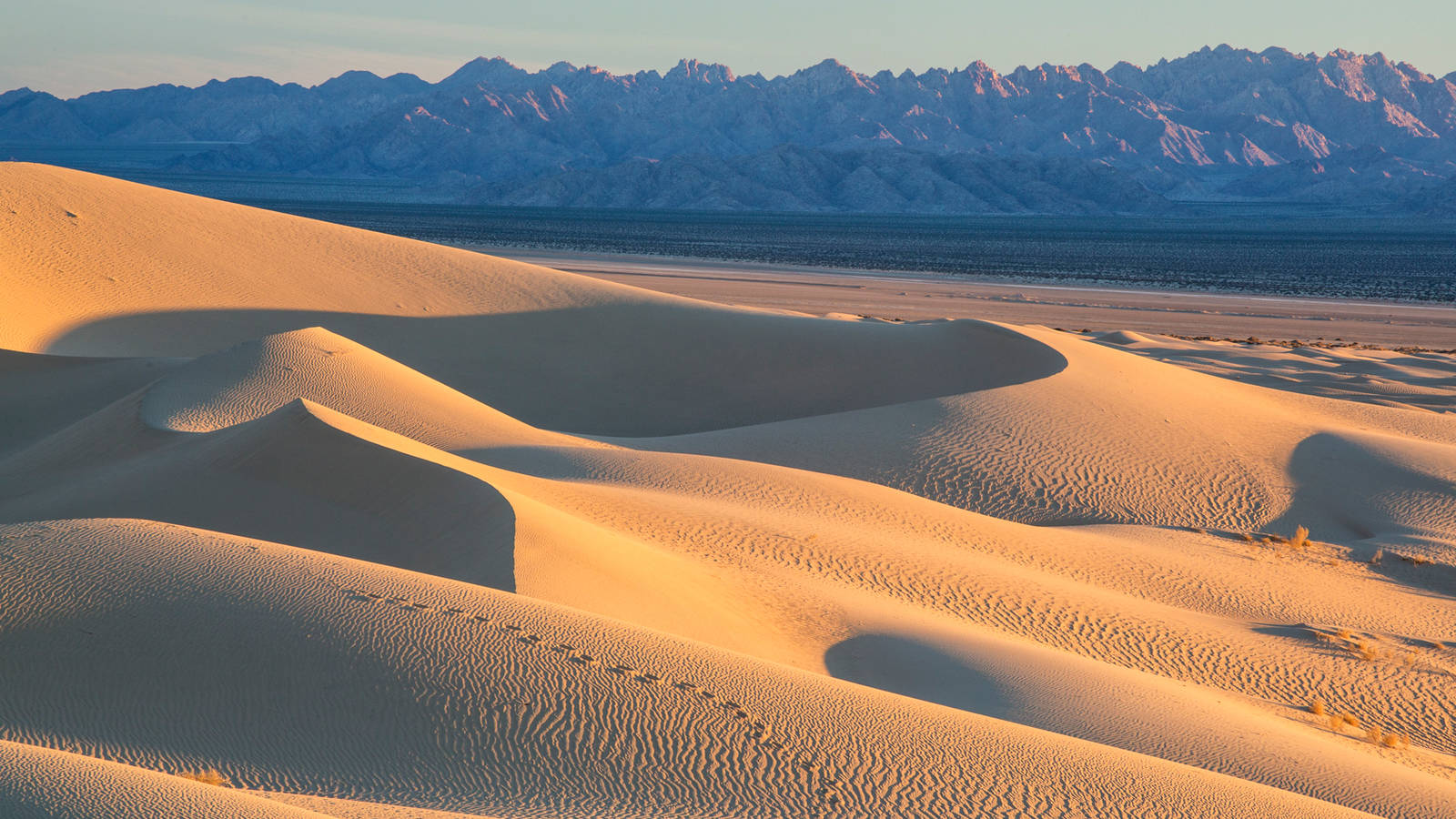
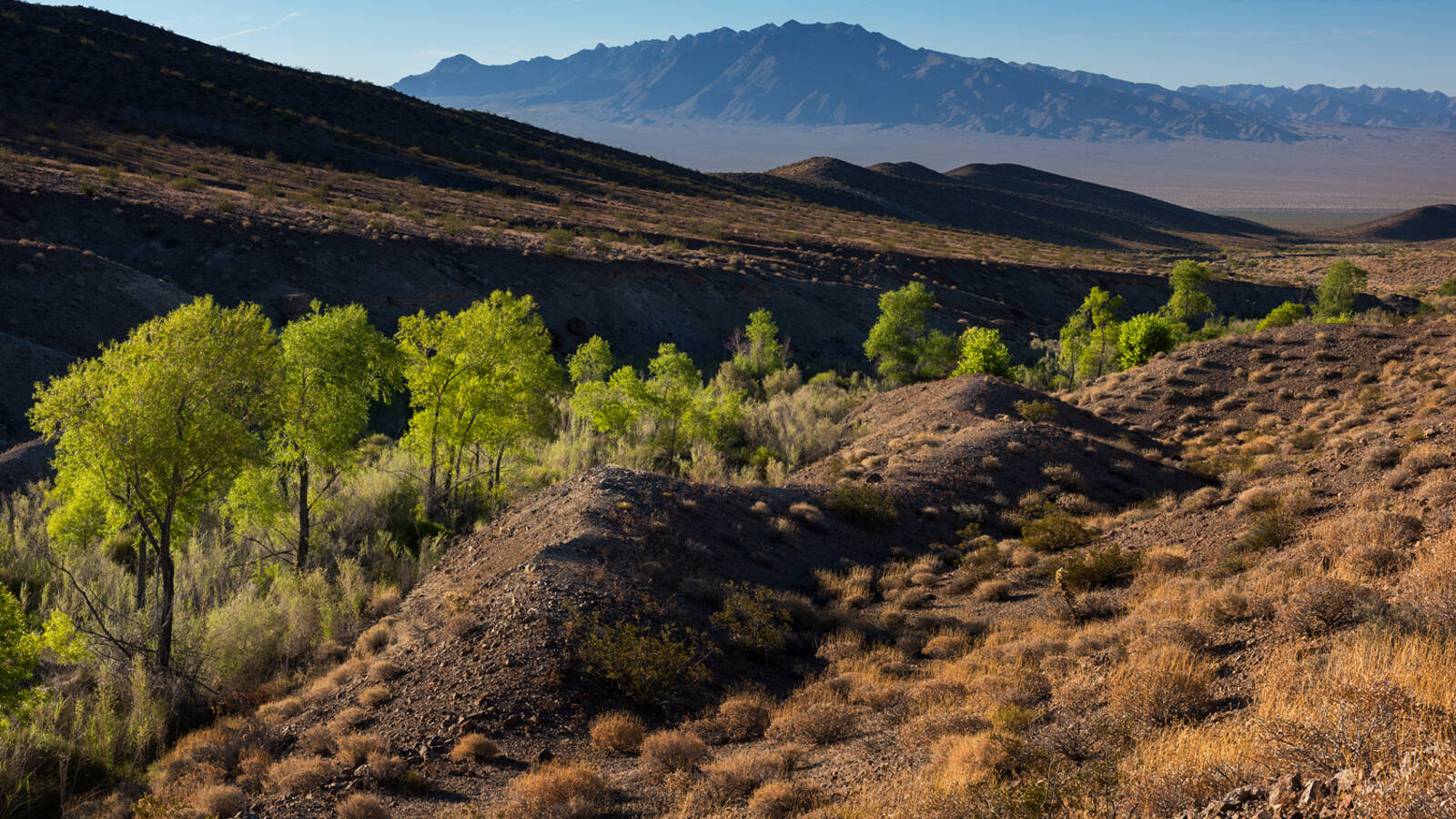
The proposed Cadiz project sits squarely in the middle of Mojave Trails National Monument, directly between Joshua Tree National Park and Mojave National Preserve. All three of these iconic desert parks and public lands are part of the Mojave Desert — a unique and extremely water-dependent landscape with immense biological diversity, recreational opportunities, Tribal history and cultural value.
Water in the Mojave is precious and the springs that dot these public lands are not just sources of life, they are sacred to the Tribes that have called these lands home for millennia. They also are life saving for wildlife in an ever-changing climate.
By draining 16 billion gallons of water each year for 50 years, the proposed Cadiz project would deplete the Mojave Desert’s aquifer. The ramifications of this groundwater pumping would be felt across Joshua Tree National Park, Mojave Trails National Monument and Mojave National Preserve, forever impacting these special public lands.
How is this project harmful to parks and their ecosystems?
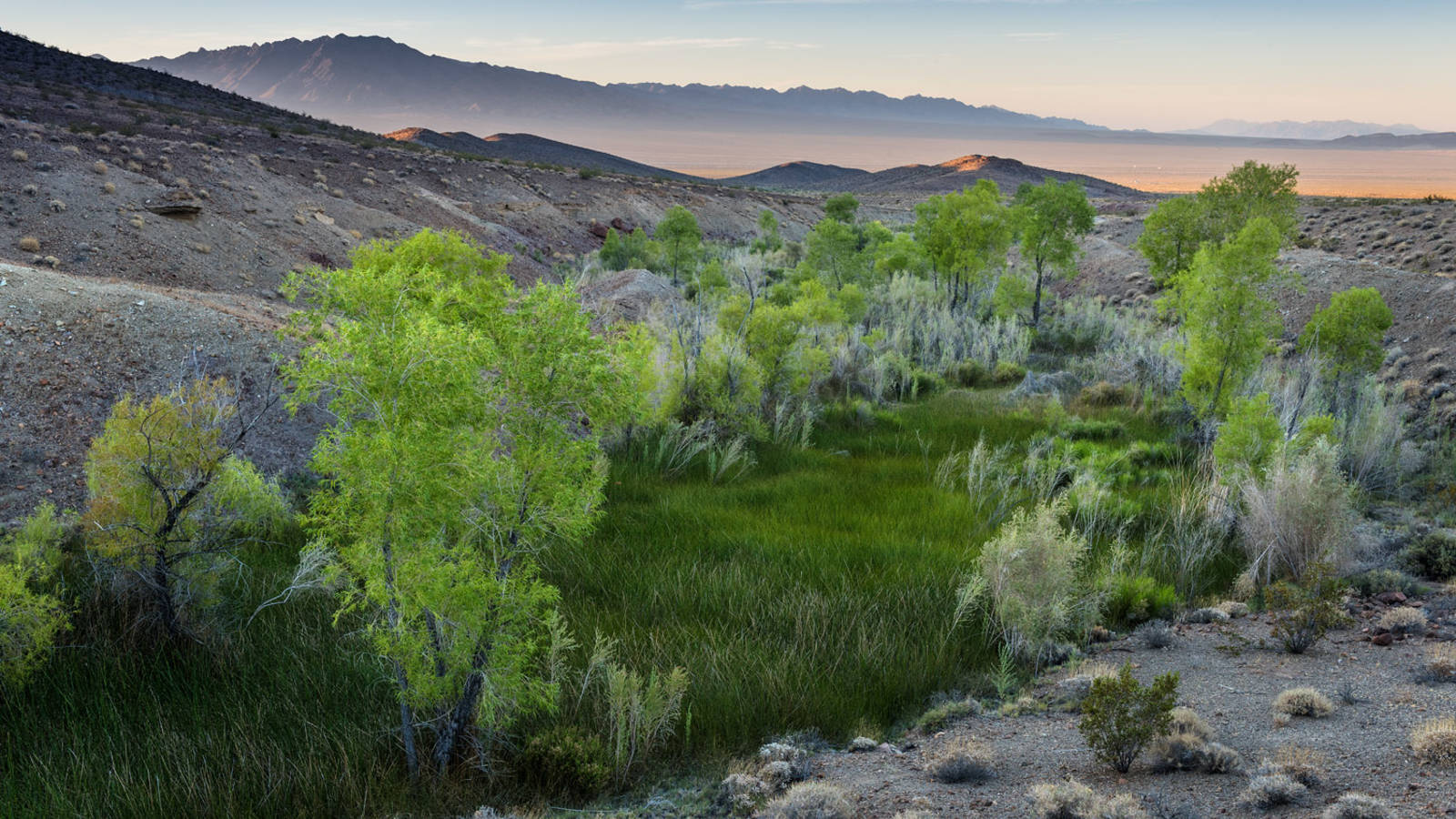
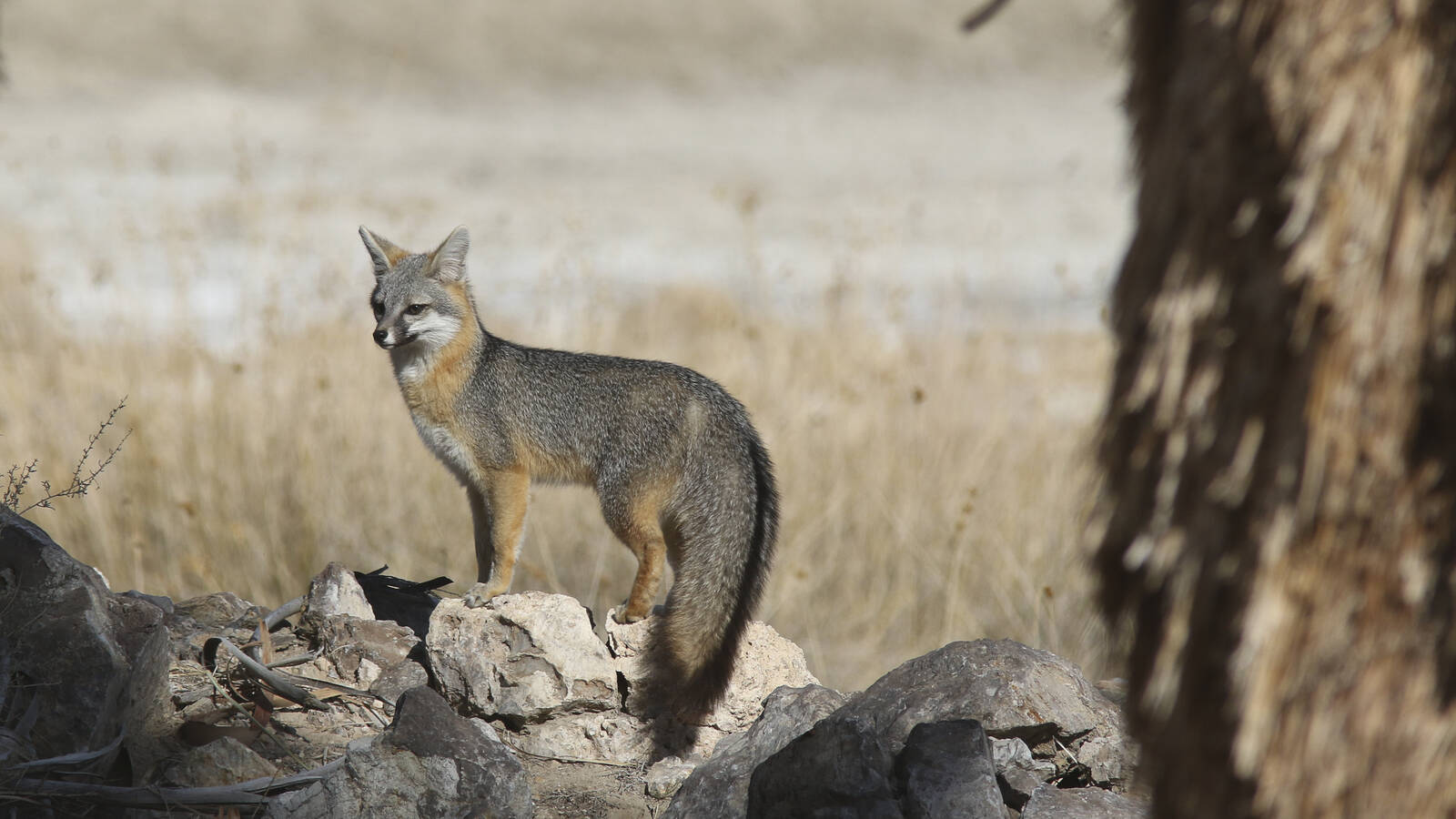
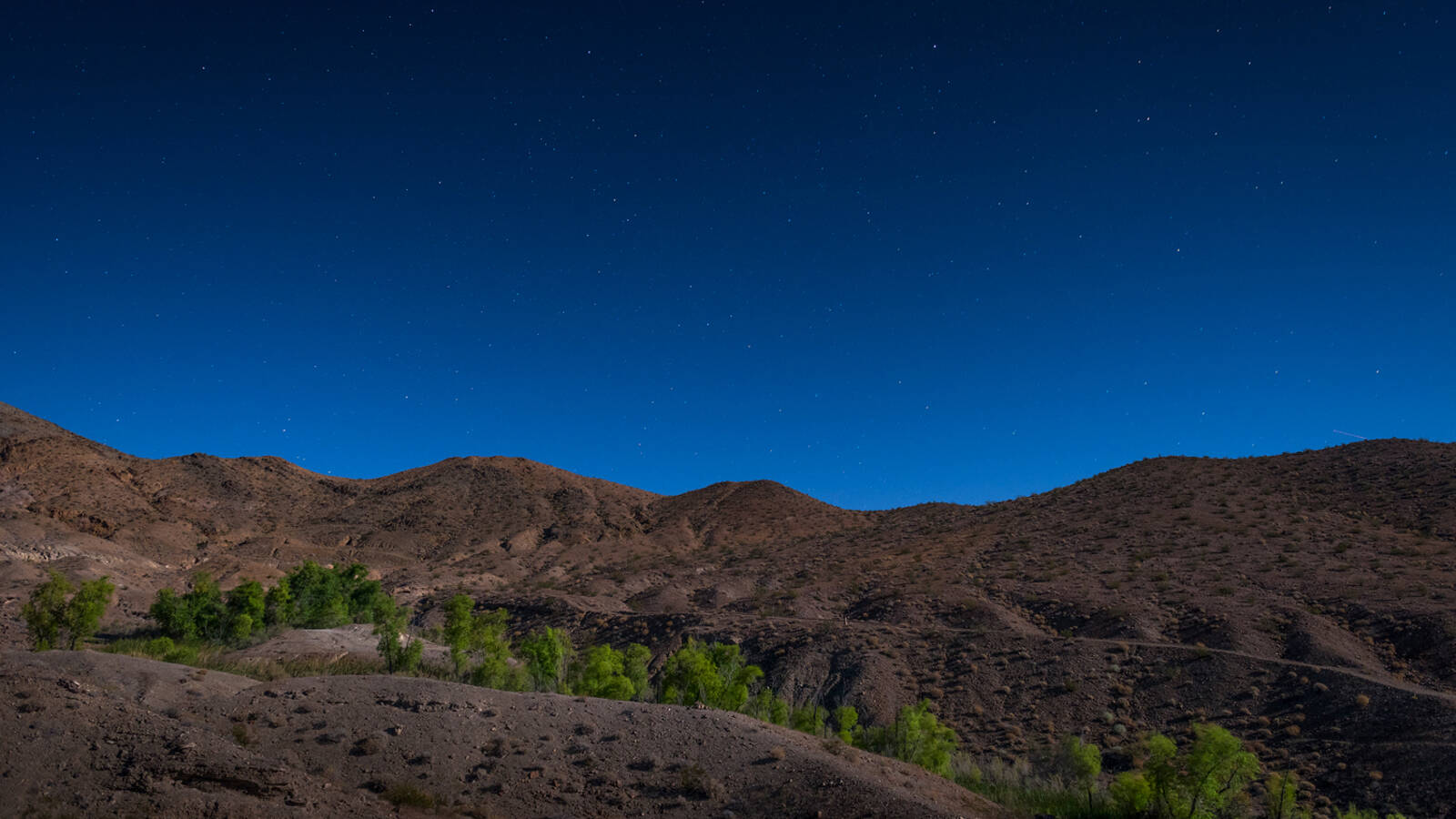
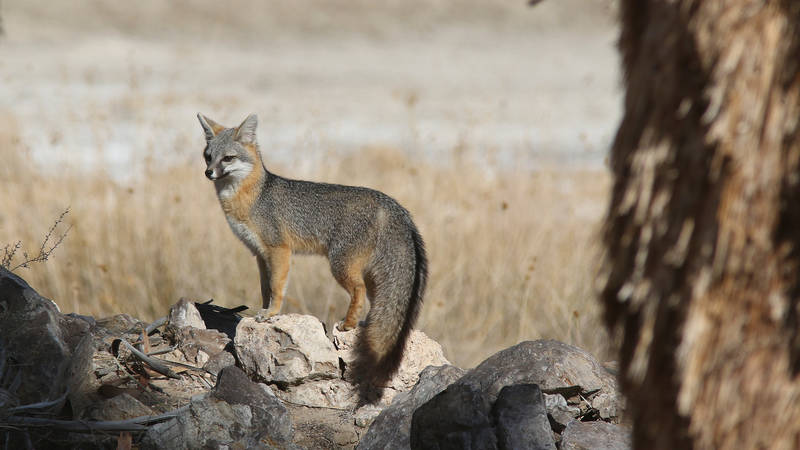
Springs across Mojave Trails National Monument are oases for wildlife and plants, providing water in some of the hottest and driest landscapes in the country. Bonanza Spring, located off Route 66, is the largest water source in a 1,000-square-mile area. It would be forever altered by groundwater pumping, and the wildlife who depend on it would suffer greatly. Bighorn sheep, bobcats, migrating birds, mountain lions and kit foxes all flock to these springs for water, food, shelter, shade and rest in the thickets of cottonwood and desert willow that grow in the moisture-rich conditions.
These animals and their genetic diversity depend on the ability to move through connected public lands in the Mojave, from Mojave National Preserve to Mojave Trails to Joshua Tree and even beyond, from Moab to the Mexican border. These springs recharge wildlife and sustain their populations. If Cadiz Inc. were to succeed in its plan to drain the aquifer that feeds these landscapes and these springs, the beauty of the plants and wildlife that depend on these springs would collapse. Millions of visitors come to experience the Mojave as a vibrant, living desert — and springs are its lifeline.
In what ways would pumping groundwater affect springs and seeps in the California desert?
If the groundwater level were to decrease, the springs would run dry. The Cadiz plan would significantly over pump the aquifer and lower the groundwater level. The company wants to pump 50,000 acre-feet of water (the equivalent of 16 billion gallons of water) each year for 50 years, but independent agencies such as the U.S. Geological Survey have determined the aquifer’s annual replenishment of water is as low as 2,000 acre-feet a year. This means that the aquifer would lose 25 times more water than nature can replace every year for the lifespan of the project.
Numerous springs in this region are fed by the groundwater aquifer that Cadiz Inc. seeks to pump. Peer-reviewed studies have found the water flowing from these springs to be thousands of years old and sourced from the aquifer, invalidating the company’s long-held claim that the spring water is from recent precipitation.
What connection do Tribal nations hold to this landscape? Do Tribes oppose this project?
The Chemehuevi and Fort Mojave Indian Tribes have lived in and called this area of the Mojave Desert home since time immemorial. The landscape is scattered with reminders of their history — pottery and mortars, petroglyphs and pictographs have all been found at sites throughout the area. Springs have forever been sacred sites for these Tribes, serving as gathering places for community, prayer and sources of water and life. Presently and historically, Tribal members come to these sites throughout the Mojave Desert to seek solace and spiritual connection.
Both Tribes have opposed the project for decades. Their leadership to fight Cadiz has gained the support from the National Congress of American Indians and the Tribal Alliance of Sovereign Indian Nations in the Tribally led effort to defend the Mojave Desert’s water.
What have decision-makers said about the Cadiz groundwater mining project?
California officials have long recognized the dangers of the Cadiz groundwater project and have supported safeguarding the Mojave Desert’s water, preventing funding and permits for a project they view as bad for communities and an irresponsible gamble for California. The late Sen. Dianne Feinstein was a champion for desert public lands, constantly voicing her support for the protection of California’s deserts and standing firmly against Cadiz.
California Gov. Gavin Newsom signed legislation blocking the project in 2019, and more recently, U.S. senators Alex Padilla and Adam Schiff penned a joint letter to the Department of the Interior, citing peer-reviewed scientific analyses and Department of the Interior expertise that conclude the project would have irreversible impacts to the nation’s public lands and communities.
Don’t Drain Our Desert Water
NPCA is standing with local communities and Tribes to fight a destructive groundwater mining project that would drain 16 billion gallons of water each year from beneath the California desert
See more ›The California State Lands Commission voted unanimously to reject Cadiz Inc.’s lease application in 2024, citing risks to taxpayers, while California legislative leaders sounded the alarm bells in 2025 on the unsustainable water extraction scheme.
Cadiz Inc. tried a new approach to access the Mojave’s groundwater by claiming that the project could be a solution to the Colorado River crisis and attempted to partner with Arizona. That attempt also failed. In late 2025, the Arizona Water Infrastructure Finance Authority rejected the Cadiz project after learning it would be an unreliable, unsustainable water supply that has faced decades of opposition.
What is the project’s current status? What are next steps?
After repeated failed attempts, the company has tried to distance itself from the Cadiz name and instead pursue the same project under a subsidiary group called Fenner Gap Mutual Water Company. Last year, Fenner Gap filed an application for a pipeline permit with the Bureau of Land Management to transport pumped groundwater through an abandoned natural gas pipeline. It’s a different name, but the same dangerous proposal.
Stay On Top of News
Our email newsletter shares the latest on parks.
Although Cadiz Inc. has failed in its attempt so far, the current presidential administration has publicly supported the project. In the first Trump administration, Cadiz was issued a pipeline permit without environmental review of the groundwater pumping or Tribal consultation. Tribal and conservation organizations, including NPCA, successfully litigated this decision and a federal judge rescinded the permit.
Coalitions of organizations (PDF) and environmental justice leaders (PDF) continue to defend our desert water, citing proven science and years of opposition that have revealed this project is not a viable solution for the Mojave Desert, for California, or for the Colorado River Basin.
What is NPCA doing to protect Mojave water?
For years, NPCA has partnered with Tribes, lawmakers, conservation organizations and communities to fight to protect the Mojave Desert from this dangerous project. We will continue to oppose Cadiz Inc.’s efforts to secure a pipeline permit, organize communities who care about their water sources, expand awareness of this issue and motivate the next generation of desert defenders.
As the voice of our national park landscapes, we must continue to fight for water, wildlife, Tribes and our deserts.
Learn more about NPCA’s campaign opposing the Cadiz project.
About the author
-
 Chance Wilcox California Desert Associate Director, Pacific
Chance comes to NPCA with a deep history and diverse experience in conservation and advocacy in both his personal life and his career.
-
General
-
- NPCA Region:
- Pacific
-
Issues


-
Press Release
Atrocious Reported Changes to the ESA Could Threaten Extinction to Park Wildlife, Wild Nature
"This memo appears to suggest that it’s no longer the purpose of the ESA to ensure animals such as grizzly bears, North Atlantic right whales, or Florida panthers are protected"…
-
Blog Post
FAQ: Border Destruction at Big Bend
The Trump administration destroyed parts of Big Bend National Park in August. We share updates, answer frequently asked questions and share how you can help.
-
Press Release
NPCA, Conservation Groups Challenge Trump’s Decimation of Two National Monuments in Utah
"Support for these monuments has never wavered and neither will our fight to protect them" -- NPCA Southwest Campaign Director Erika Pollard