Presidents from both political parties have used the Antiquities Act to preserve the landscapes and historic places that help tell America's story. Some of these stories are now being threatened for removal, and we will fight to keep them in our parks.
Here’s a top-10 list of presidents who have created national monuments on public lands.
About one-quarter of current sites within the National Park System originated through the Antiquities Act — a 1906 law that allows the president of the United States to proclaim lands or waters under federal jurisdiction as national monuments to maintain the integrity of critical natural and cultural resources.
This Presidents Day, during our nation’s 250th anniversary, we honor those who understood the importance of protecting these places.
UNITED BY PARKS
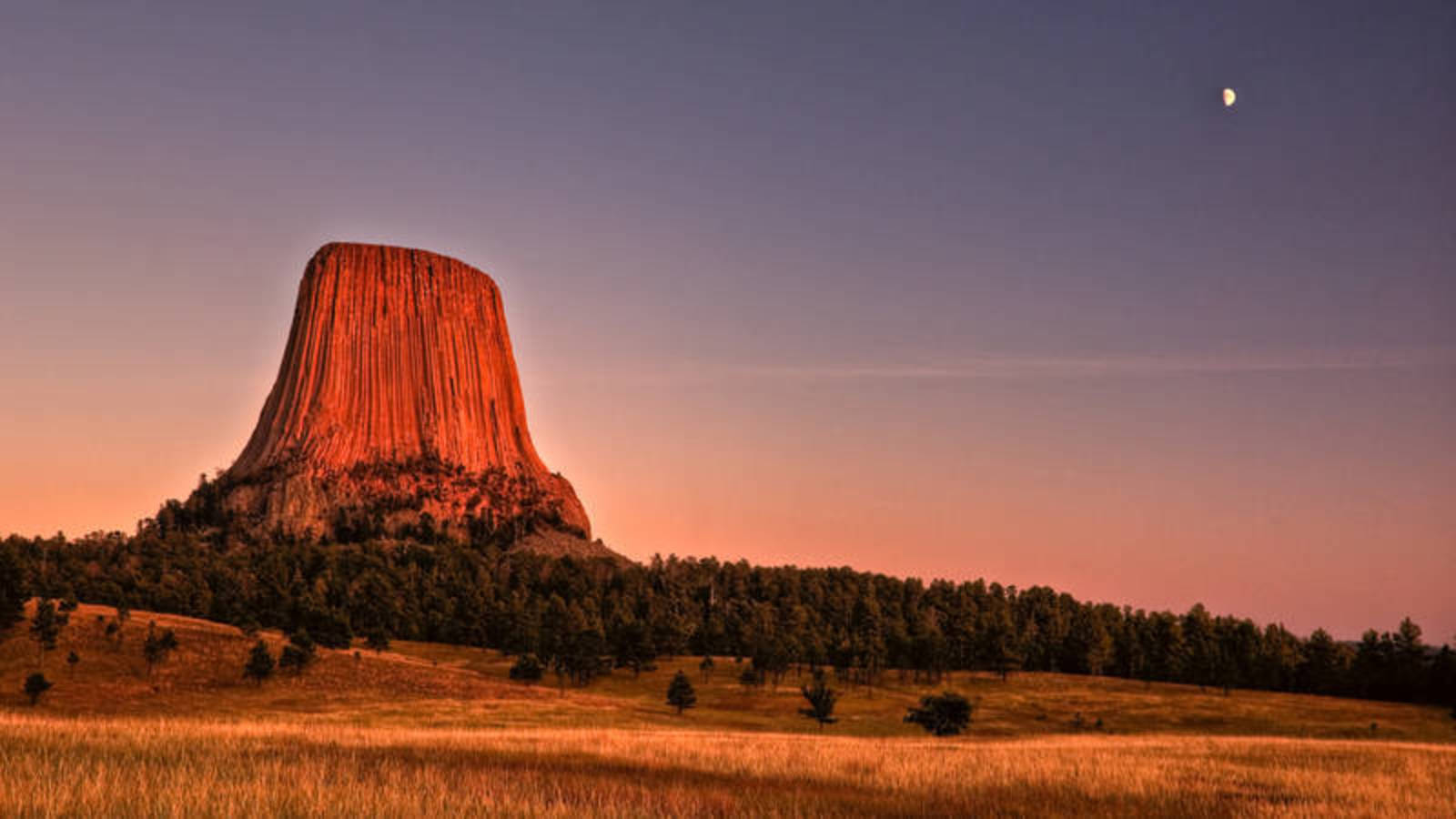
President Theodore Roosevelt was the first president to use the Antiquities Act. He created Devils Tower National Monument in Wyoming soon after he signed the law. A total of 18 presidents — representing both political parties — have used the Antiquities Act to conserve millions of acres of lands and waters through nearly 170 national monuments, some of which are managed by other federal agencies.
The Antiquities Act “has always been a powerful tool for presidents to preserve our history, honor the stories and voices of Tribal and local communities, and protect nature for those who come after us,” explained Kristen Brengel, NPCA’s senior vice president of government affairs.
“But at this moment, there is a sweeping effort to dismantle our national monuments and rollback protections on the places that belong to all of us in order to carve up, drill down or sell off these iconic places. This is a make-or-break moment to defend the very mission of the National Park System. NPCA and park advocates everywhere have risen to the challenge before, and we will stand up again to protect these places, now and for generations to come.”
Looking back, who in the past 100-plus years has used the Antiquities Act the greatest number of times? The top 10 presidents for the number of monuments they created using the Antiquities Act are:
1. Barack Obama (D), 29
Obama’s designations protect a mix of historical, cultural and natural resources. Among monuments he created are Belmont-Paul Women’s Equality National Monument in Washington, D.C., Birmingham Civil Rights National Monument in Alabama, César E. Chávez National Monument in California, Katahdin Woods and Waters National Monument in Maine, and Waco Mammoth National Monument in Texas.
2. Bill Clinton (D), 19
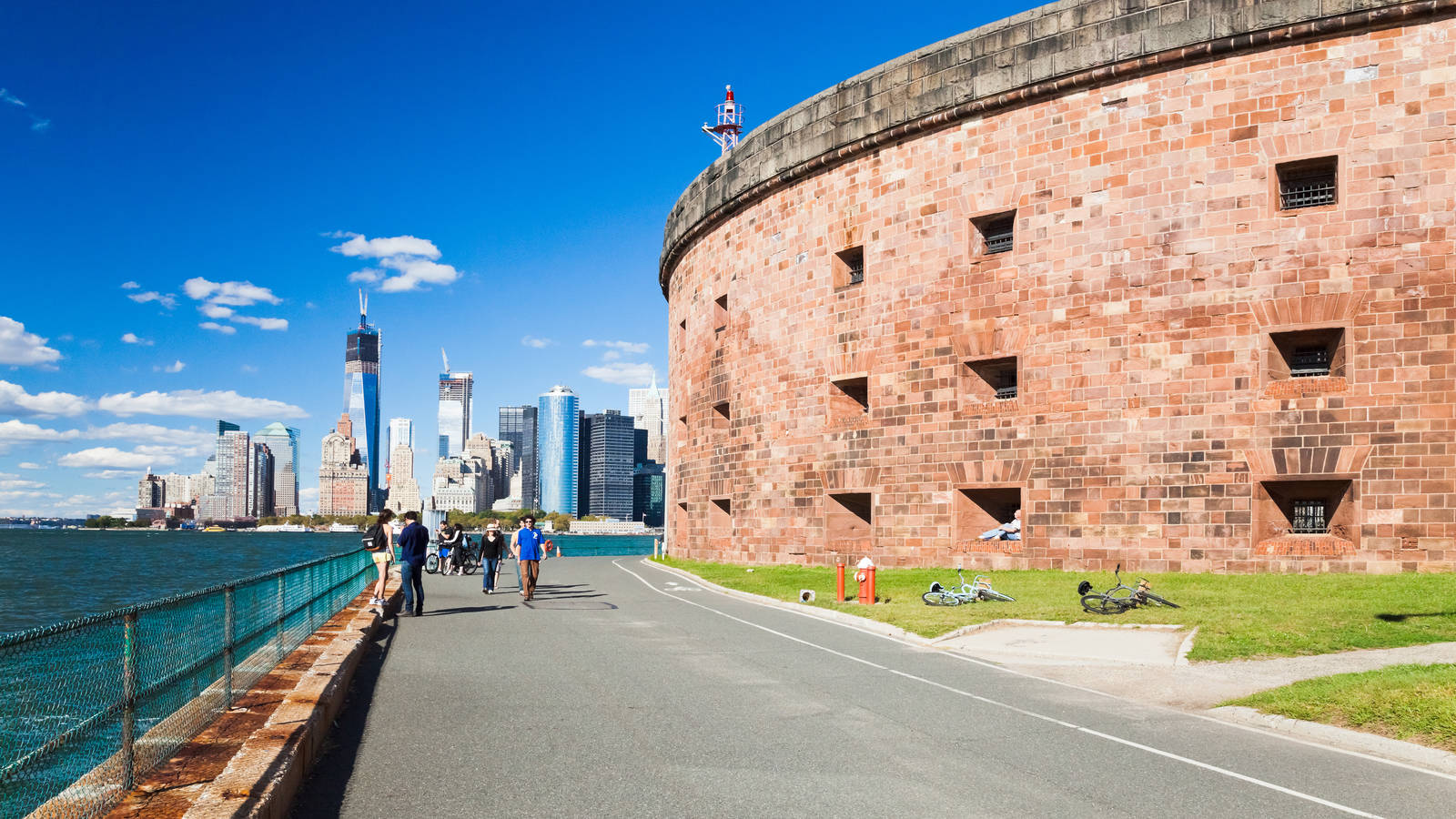
Giant Sequoia National Monument in California and Virgin Islands Coral Reef National Monument are among Clinton’s designations to conserve natural resources. Among historical sites he designated are Governors Island National Monument in New York, President Lincoln and Soldier’s Home National Monument in Washington, D.C., and Minidoka National Historic Site in Idaho.
3. Theodore Roosevelt (R), 18
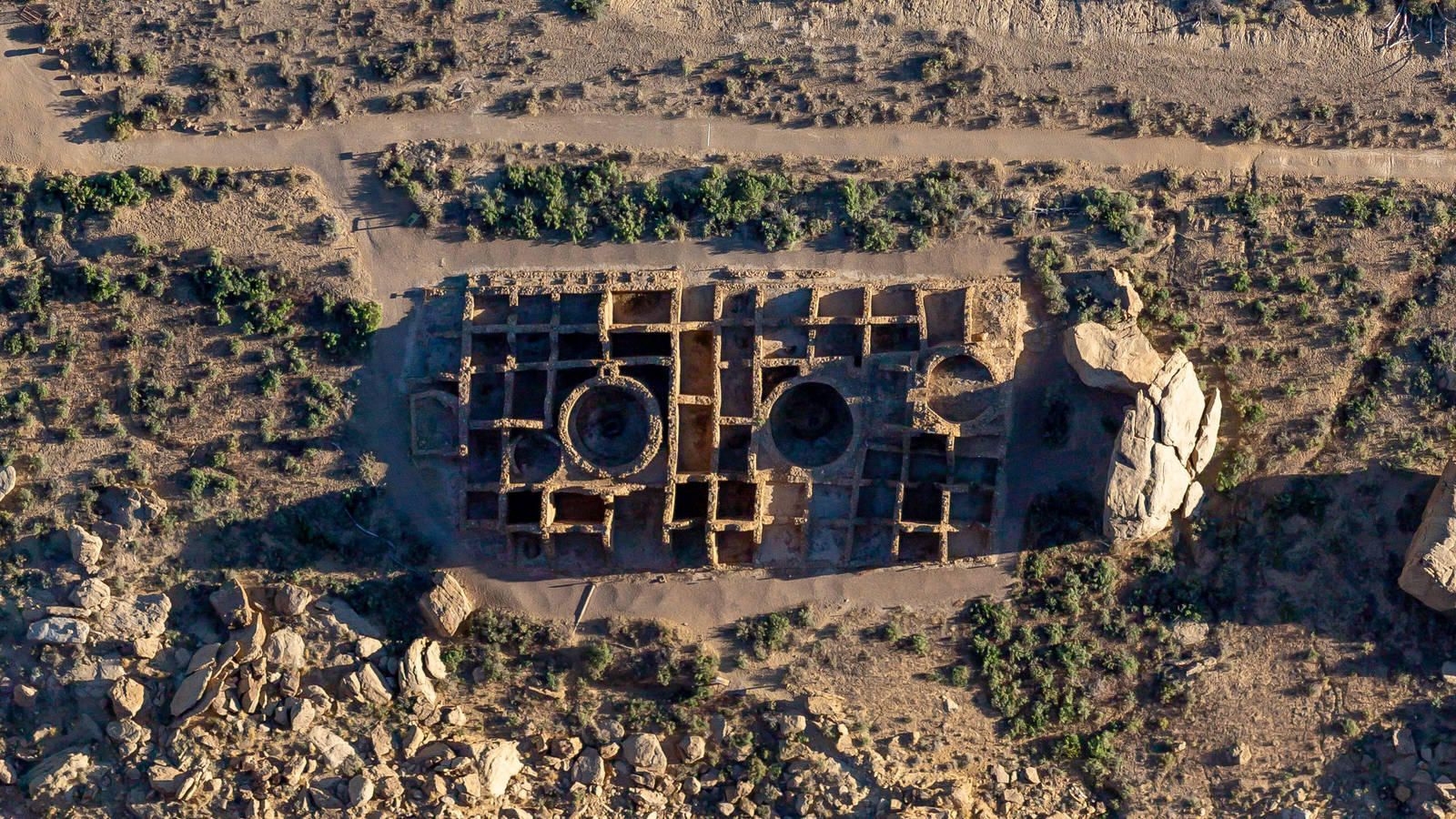
As the president who signed the Antiquities Act into law, Roosevelt established Chaco Canyon, now Chaco Culture National Historical Park. He also established these other well-known monuments: Grand Canyon in Arizona, now Grand Canyon National Park; Mount Olympus in Washington, now Olympic National Park; and Jewel Cave National Monument in South Dakota.
4. Jimmy Carter (D), 15
Among various monuments in Alaska, Carter established Denali, now Denali National Park and Preserve; Gates of the Arctic, now Gates of the Arctic National Park and Preserve; and Kenai Fjords, now Kenai Fjords National Park. He also established Wrangell-St. Elias National Park and Preserve, the country’s largest national park. As a result of Carter’s designations, Alaska’s national parks now account for 60% of all National Park Service lands.
5. (tied) Calvin Coolidge (R), 13
Highlights of Coolidge’s designations include Castle Pinckney in South Carolina, Idaho’s Craters of the Moon, now Craters of the Moon National Monument and Preserve, and Glacier Bay National Park and Preserve in Alaska. He also designated Statue of Liberty National Monument.
5. (tied) Woodrow Wilson (D), 13
Wilson established Sieur de Monts National Monument in Maine, now Acadia National Park, Bandelier National Monument in New Mexico, Casa Grande Ruins National Monument in Arizona and Dinosaur National Monument in Utah and Colorado, among others.
7. Franklin D. Roosevelt (D), 11
Notable monument designations by the cousin of Teddy Roosevelt include Channel Islands in California, now Channel Islands National Park; Fort Jefferson in Florida, now Dry Tortugas National Park; and Jackson Hole in Wyoming, now Grand Teton National Park.
8. (tied) William Howard Taft (R), 10
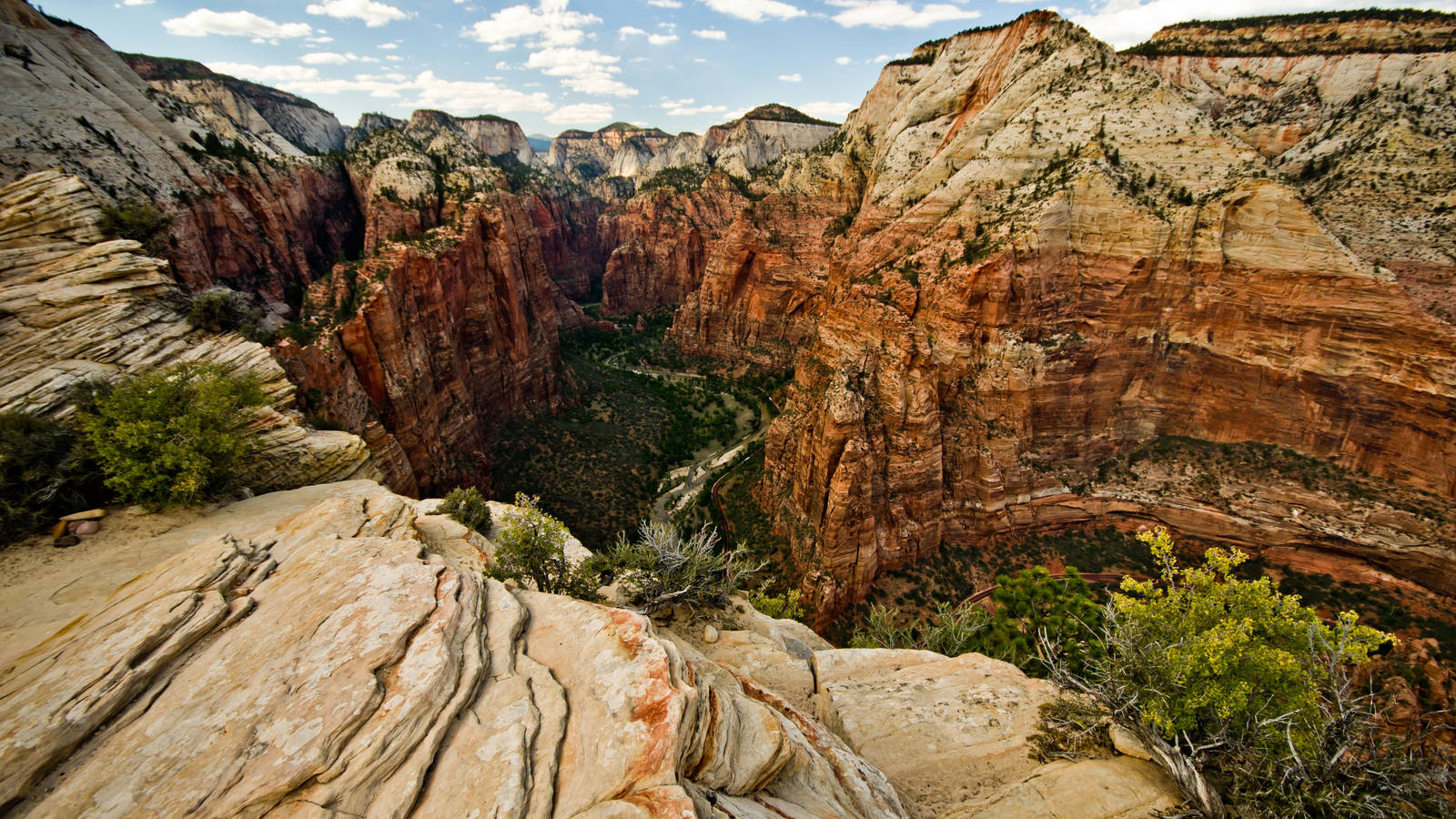
Taft’s national monument designations include Big Hole Battlefield in Montana, now Big Hole National Battlefield; Mukuntuweap in Utah, now Zion National Park; and Oregon Caves in Oregon, now Oregon Caves National Monument and Preserve.
8. (tied) Joe Biden (D), 10
Biden designated large landscapes, such as Chuckwalla National Monument and Baaj Nwaavjo I'tah Kukveni - Ancestral Footprints of the Grand Canyon National Monument, as well as historical sites, such as Emmett Till and Mamie Till-Mobley National Monument and Frances Perkins National Monument. He also expanded two national monuments and restored boundaries or protections at three.
10. Herbert Hoover (R), 9
Monuments established by Hoover include Arches in Utah, now Arches National Park; Sunset Crater Volcano National Monument in Arizona; Great Sand Dunes in Colorado, now Great Sand Dunes National Park and Preserve; and White Sands in New Mexico, now White Sands National Park. This president also has an NPCA connection: He served as president of NPCA’s Board of Trustees from 1924 to 1925.
Learn more about the Antiquities Act and other presidential proclamations.
This is an updated version of a previously published story.
Stay On Top of News
Our email newsletter shares the latest on parks.
About the authors
-
 Angela Gonzales Director, Communications
Angela joined NPCA in October 2017 and is a Director of Communications. She currently manages outreach and communications for the Government Affairs team and Conservation Programs.
-
 Linda Coutant Online Editor
As a member of the Communications team, Linda Coutant manages the Park Advocate blog and other web content, and also coordinates the monthly Park Notes e-newsletter for NPCA members and supporters. She lives in Western North Carolina.