To censor and erase sound science at this park, where the first shots of the American Civil War rang out, is a deep insult to the Park Service’s hard work and legislative mandate.
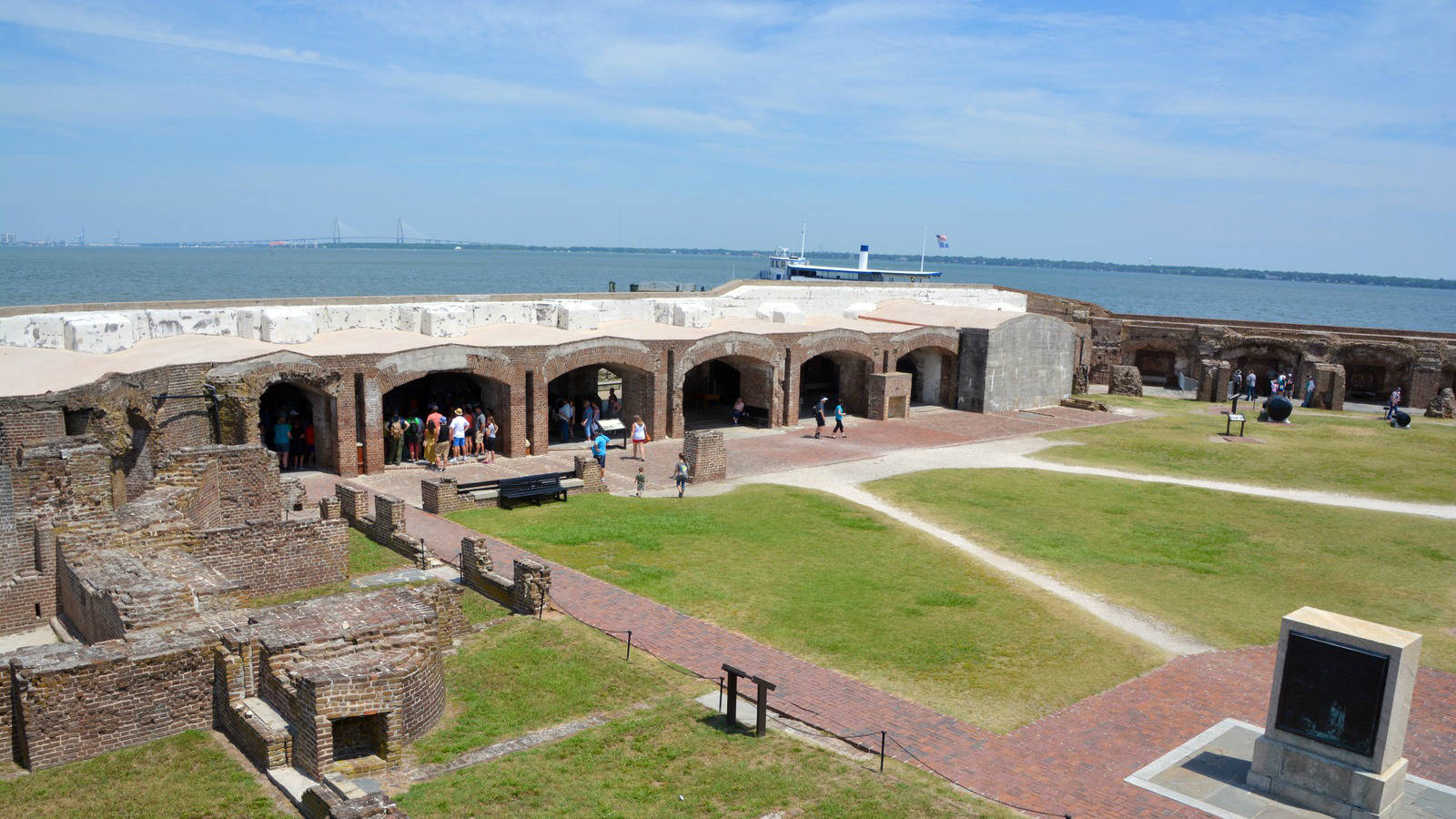
WASHINGTON – Today, the New York Times reported that the Trump administration has removed critical signs educating visitors about sea level rise at Fort Sumter, part of Fort Sumter and Fort Moultrie National Historical Park in South Carolina.
In response to the New York Times’ reporting, National Parks Conservation Association Senior Vice President for Government Affairs Kristen Brengel released the following statement:
“With each passing year of inaction, the ocean grows closer to swallowing priceless history that defines our nation. Sea level rise is devastating many of our national parks, and the decisions we make today will have implications for generations of park visitors to come. Censoring climate science at national parks is a disservice to the American people, who deserve to learn the truth about the dire threat facing the places they know and love most.”
“There was no justifiable reason to remove a sign that educates visitors about the changes they are seeing to Fort Sumter with their very eyes. For years, National Park Service staff have been raising the alarm about the threat sea level rise poses to Fort Sumter. They have worked tirelessly to protect this priceless place, where the first shots of America’s Civil War rang out, from destruction. Protecting Fort Sumter from sea level rise is part of the Park Service’s mission, and the administration continues to undermine that mission. To censor and erase sound science at the park is a deep insult to the Park Service’s hard work and legislative mandate.
“The American people love their parks, and we will not stand for the administration’s efforts to silence science and rewrite history at the places we hold dear.”
Background:
Fort Sumter is where the first shot was fired beginning the Civil War in 1861. It became a national park site in 1948 with many other Revolutionary and Civil War battle locations. It sees hundreds of thousands of visitors every year. Due to its location surrounded by water in Charleston Harbor, it experiences frequent flood events.
A 2016 report from the National Park Service (NPS) and Western Carolina University found that Fort Sumter areis highly vulnerable to coastal hazards and climate factors, including erosion, flooding, storm surge, sea-level rise, and more.
In early 2025, the Trump administration issued an executive order (and an accompanying Interior Secretary’s order) instructing National Park Service staff to inventory its signage and interpretation to meet standards that are not based on historical scholarship or science. This included signs or educational materials that “disparaged Americans,” or do not focus on beauty and scenery.
In September 2025, signs in Acadia National Park placed on the summit of Cadillac Mountain and Great Meadow wetland, two prominent destinations in the park, were removed. These signs refer to the park’s changing climate, including more frequent storms, intense rain and hotter temperatures.
In 2016, a bipartisan Congress unanimously agreed that high-quality interpretation and education is an essential part of the park experience. Under the National Park Service Centennial Act, the National Park Service is required by law to ‘‘…ensure that management of System units and related areas is enhanced by the availability and use of a broad program of the highest quality interpretation and education.”
###
About the National Parks Conservation Association: Since 1919, the nonpartisan National Parks Conservation Association (NPCA) has been the leading voice in safeguarding our national parks. NPCA and its more than 1.9 million members and supporters work together to protect and preserve our nation’s most iconic and inspirational places for future generations. For more information, visit www.npca.org.
For Media Inquiries
-
General
-
- NPCA Region:
- Southeast
-
Issues


-
Press Release
NPCA, Conservation Groups Challenge Trump’s Decimation of Two National Monuments in Utah
"Support for these monuments has never wavered and neither will our fight to protect them" -- NPCA Southwest Campaign Director Erika Pollard
-
Press Release
Construction for Second Border Wall Tears Through Organ Pipe Cactus National Monument
Federal contractors are clearing protected Sonoran Desert habitat in a national park after the administration waived laws designed to protect natural resources and cultural sites, sidestepping extensive review typically required…
-
Press Release
Advisory Council on Historic Preservation Proposes Weakening Protections for Parks, History, Tribal Resources
Gutting Section 106 regulations would weaken protections for public lands, weaken Tribal consultation requirements, and limit public input on development impacting…