April 10 is the annual Gopher Tortoise Day. Without this keystone species, entire ecosystems in Florida and other states would unravel. NPCA is working to save them, and here’s how you can help.
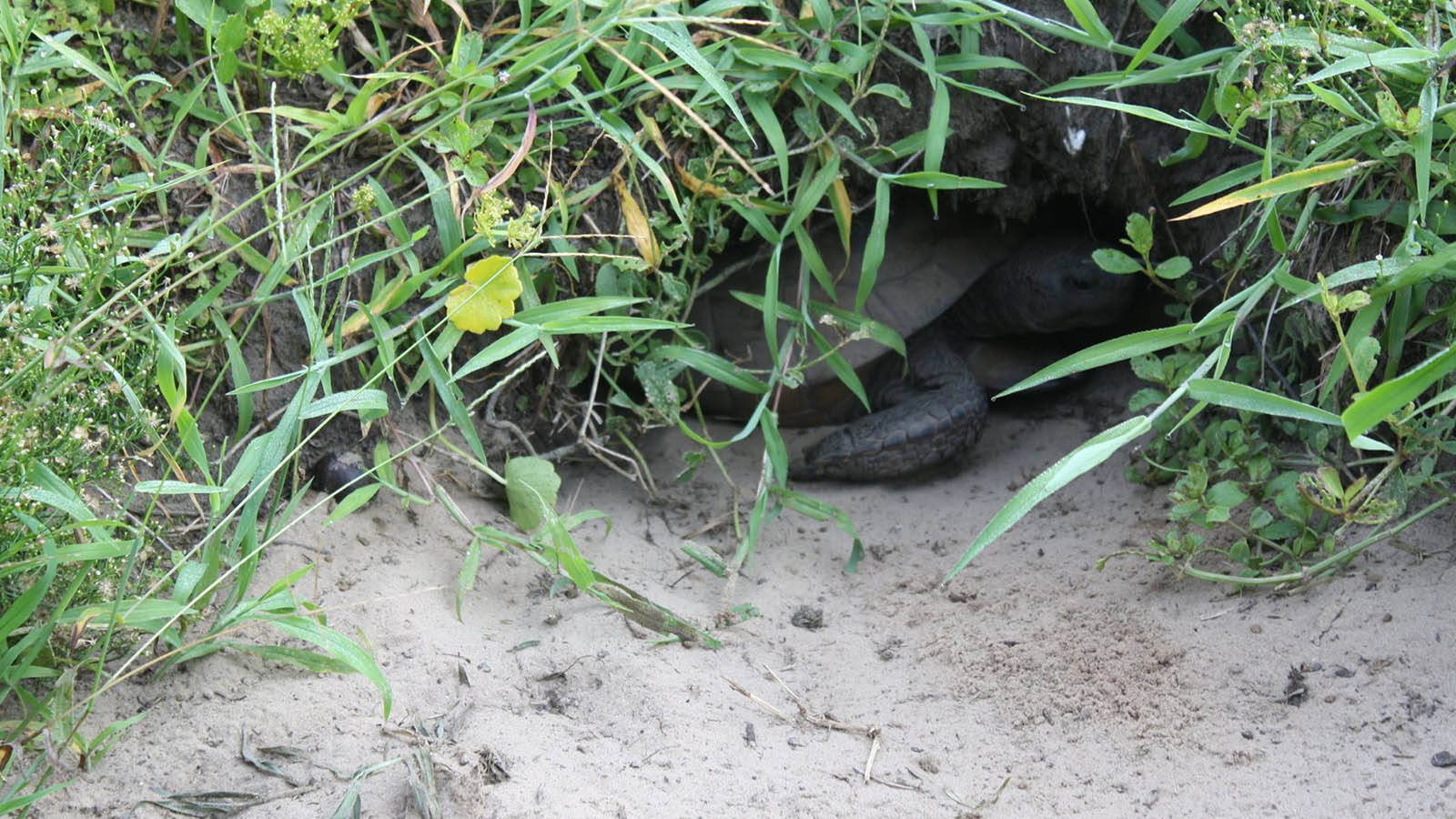
On a warm spring morning in North Florida, a gopher tortoise slowly emerges from the sandy opening of its burrow at Kingsley Plantation, part of the Timucuan Ecological and Historic Preserve. Its sturdy legs leave tracks across the sugar-like terrain, and with each step, it carries a legacy that stretches back tens of millions of years.
What may seem like a slow, solitary reptile is, in fact, a social architect of an entire ecosystem — and today, its survival is in jeopardy.
Each year on April 10, Gopher Tortoise Day, communities across the southeastern United States celebrate and raise awareness for this ancient terrestrial turtle and its important role in sustaining biodiversity.
Inconsistencies in Protection
As a keystone species and master builder, the gopher tortoise creates burrows that provide shelter and makes survival possible for hundreds of other creatures, from snakes to birds. But despite their tough exterior and resilience over millennia, gopher tortoises face an uncertain future.
Their Florida populations have declined by an estimated 80% over the last century. A patchwork of protections offers some hope for saving the species, but without urgent action to expand and strengthen these efforts, Florida and the Southeast region risk losing one of their most important ecosystem engineers.
Gopher tortoises can be found in nine of Florida’s 11 national parks, making sites like Timucuan a stronghold for the species. But dwindling park staff means there is even more limited insight into how these tortoises are actually faring inside the parks, which leaves critical questions unanswered at a time when the species can least afford it.
Why Protecting Gopher Tortoises Matters
The gopher tortoise (Gopherus polyphemus) is a cornerstone of southeastern Louisiana and upland ecosystems across Florida, Georgia, Alabama, Mississippi and South Carolina. The creature’s story intertwines with the very landscapes that define the region — reminding us that protecting the tortoise means safeguarding the connected habitats that life here depends on.
Best known for its remarkable burrowing behavior, gopher tortoises play a vital role in maintaining ecological health. Their underground burrows can stretch up to 40 feet long and 10 feet deep, providing essential shelter from fire, predators and extreme temperatures — and not just for themselves. More than 350 other species rely on the tortoises’ burrows for survival, including the threatened Eastern indigo snake, Florida mouse, gopher frog and burrowing owl.
By digging, foraging and moving between habitats, gopher tortoises help maintain the ecological balance of longleaf pine forests, sandhills, scrublands and coastal dunes — landscapes that define much of the Southeast’s natural and cultural heritage. These habitats support recreation and tourism economies, provide flood protection by stabilizing soils, lessen impacts of climate change by storing carbon, and carry special cultural significance for Indigenous and descendant communities connected to Florida’s landscapes. Losing gopher tortoises would unravel this delicate web.
Threats from Development and Inconsistent Safeguards
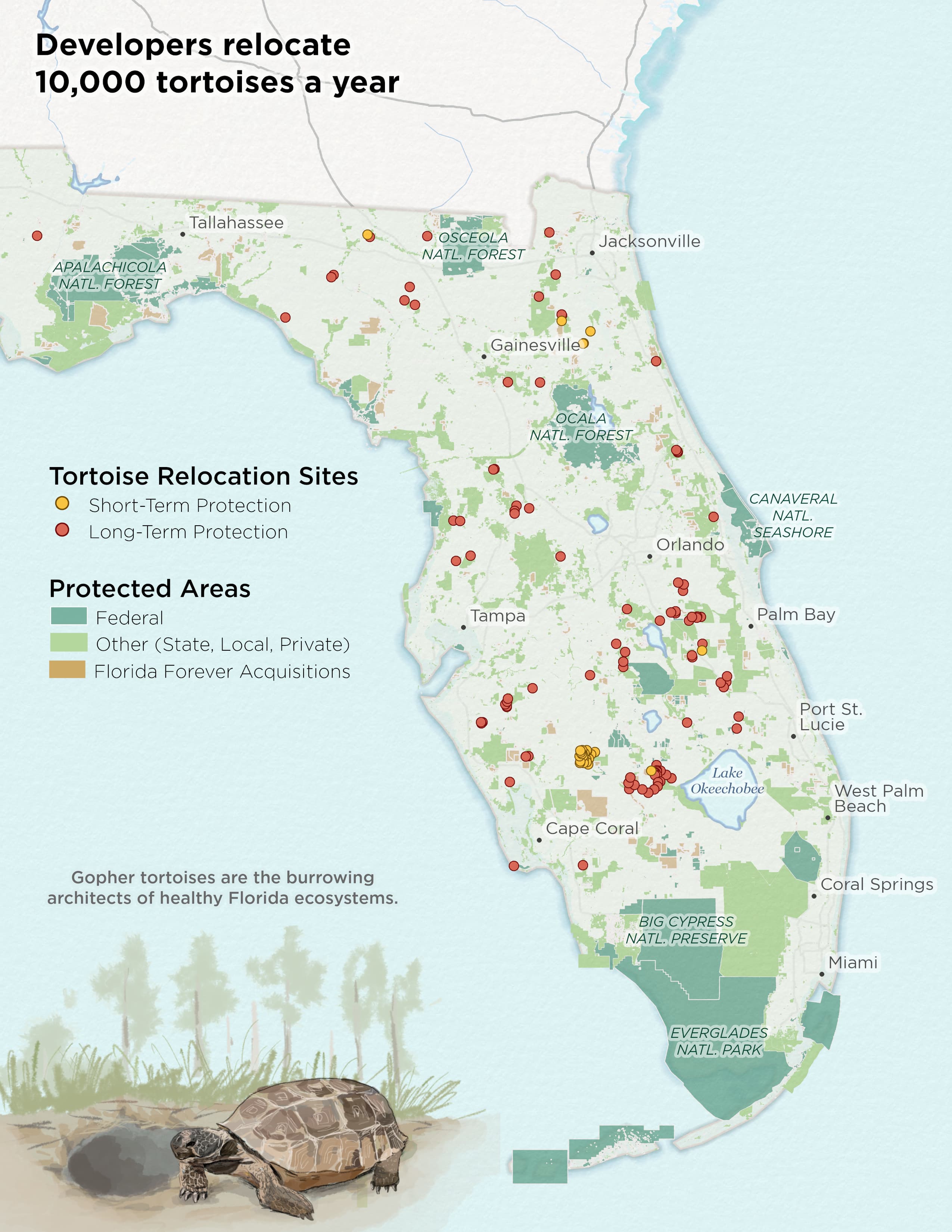
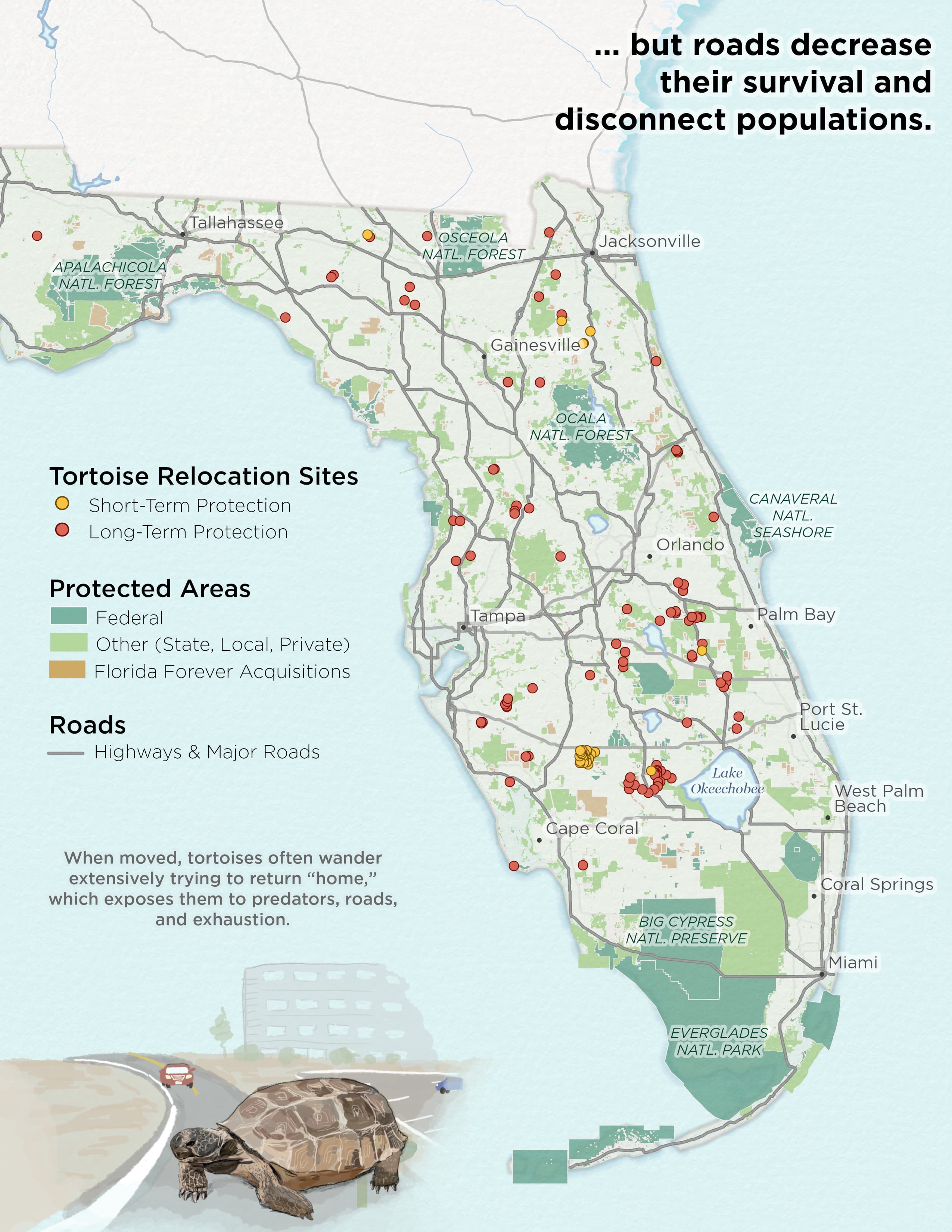
Among the many threats facing gopher tortoises, urban development fragments upland habitat and roads sever migration corridors. Thousands of tortoises are removed from their burrows each year as their habitat is cleared for development. Additionally, protection for the tortoises and their burrows is inconsistent, and not every state enforces safeguards for their structures. While gopher tortoises and their burrows are legally protected in Florida, those protections are not universal across their Southeast range. This split listing means gopher tortoises don’t receive the same level of protection everywhere they live — resulting in a patchwork approach that makes consistent conservation efforts more difficult.
In Florida, developers are permitted to relocate the animals when construction threatens their habitat. On the surface, this may seem like a fair compromise, but it is often a death sentence because long-lived gopher tortoises are deeply attached to their home territories where they know the location of food sources, shelter and seasonal refuges. When moved, they often wander extensively trying to return “home,” which exposes them to predators, roadways and exhaustion.
Since 1989, an estimated 130,000 gopher tortoises have been relocated within Florida. Roughly 10,000 are moved every year — the equivalent of uprooting the population of a small town annually. Yet the science behind these relocations is still far from settled. Gopher tortoises are a long-lived species, taking 10-20 years to reach sexual maturity and living up to 40-60 years in the wild. Because of this slow life cycle, it can take decades to truly understand the long-term impacts of relocation. Emerging research raises concerns: Some studies show that relocated tortoises do not thrive and face challenges in surviving, reproducing, resisting disease and adapting to unfamiliar habitat conditions.
NPCA’s Commitment to Gopher Tortoises
With gopher tortoises declining, their remaining viable and connected populations need long-term protection. NPCA supports expanding and strengthening protections for gopher tortoises and their burrows across their entire range. All populations deserve equal safeguards under the ESA to ensure the survival of the species and the health of the ecosystems they support.
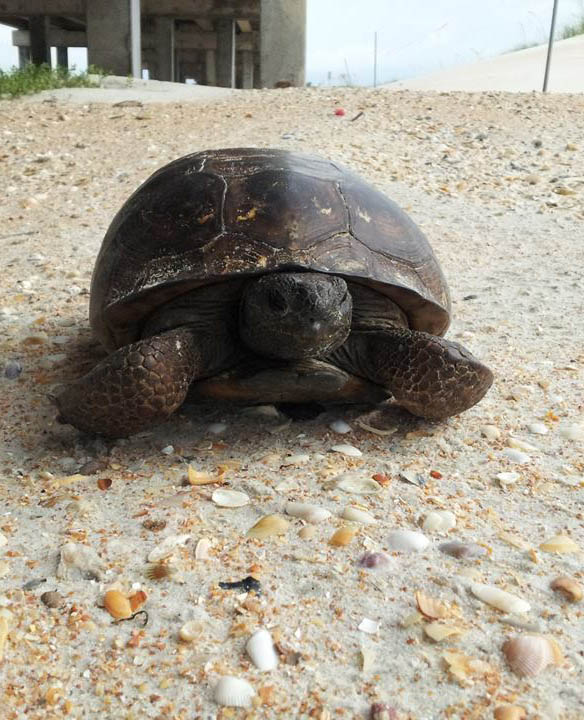
A gopher tortoise on the beach at Fort Matanzas National Monument in Florida. Gopher tortoises should never be handled without proper authorization.
NPSNPCA’s Florida-based regional staff also are working to preserve habitat by advocating for permanent protection of critical uplands through programs such as the state’s Florida Forever initiative and strategic partnerships. We’re expanding our network of advocates to demand stronger protections at the state and federal levels, and we’re calling for better oversight and enforcement of relocation, habitat destruction and development policies. Additionally, we’re advancing the Florida Wildlife Corridor by supporting strategic land conservation and connectivity that links parks, preserves and private lands to maintain the movement of gopher tortoises and hundreds of other species that depend on interconnected habitats. We’re also supporting scientists by pushing back against the dismantling of park programs and park science staff who inventory, monitor and manage this habitat that many species depend on.
NPCA encourages everyone to play a role in saving the gopher tortoise. Here are six simple but powerful actions the public can take:
1. Create gopher tortoise-friendly yards.
Plant native species for food, avoid harmful pesticides and herbicides, and keep open spaces free of obstacles that block gopher tortoise movement. These are among tips in the Florida Fish and Wildlife Conservation Commission’s Gopher Tortoise Friendly Yard program.
2. Support wildlife corridors.
Call on congressional leaders to create stronger laws for conservation easements, support the Wildlife Road Crossings Program Reauthorization Act and expand Florida Forever funding and lands acquisition.
3. Purchase a specialty license plate.
Florida’s gopher tortoise plates, designed by artist Matt Patterson, raise funds for conservation efforts. They are available at tax collectors’ offices and tag agencies throughout the state. Replica plates are even available for non-Florida residents to be used on the front of a car.
4. Support Gopher Tortoise Day events.
Attend April 10 events hosted by partners across the Southeast, or consider becoming a member of Gopher Tortoise Council or the Desert Tortoise Council.
5. Spot a tortoise? Let state officials know.
The Florida Fish and Wildlife Conservation Commission (FWC) documents where gopher tortoises are living in the state’s communities, so they and their burrows can be better protected. Gopher tortoises should never be handled without proper authorization. To report a tortoise sighting or to inform officials of sick, injured or dead tortoises, use this form.
6. Report violations and injuries.
If you observe illegal activities or potential tortoise violations, report them to Florida Fish and Wildlife Conservation Commission’s (FWC) Wildlife Alert Hotline at 888-404-FWCC (3922) or submit a tip online through the FWC Wildlife Alert application. Use *#FWC or FWC on your cell phone for development violations or habitat impacts
Shaping a Better Future
As NPCA, communities, scientists, advocates and other organizations work together, we can help secure habitat protection, stronger wildlife corridors and meaningful policy change for gopher tortoises.
Let this year’s Gopher Tortoise Day be a reminder that conservation of this keystone species is ongoing and that we can all take actions to not only save the gopher tortoise but also ensure ecosystems and communities can thrive together.
Stay On Top of News
Our email newsletter shares the latest on parks.
About the authors
-
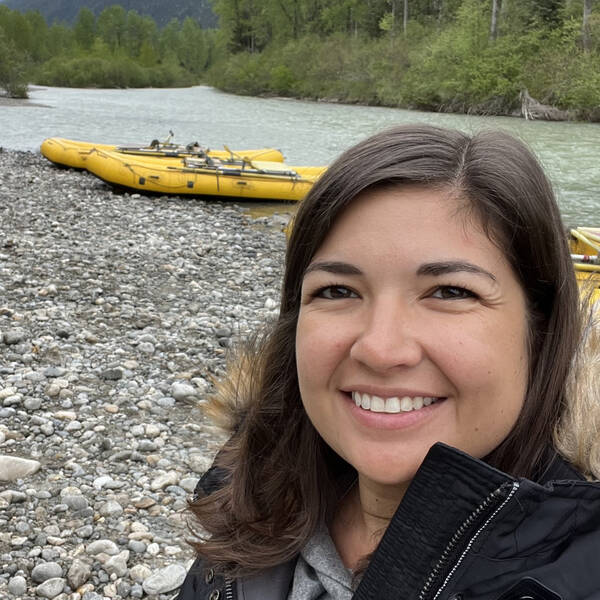 Vanessa Trujillo, Ph.D. Senior Conservation Program Manager, Sun Coast, Sun Coast
Vanessa is the Senior Conservation Program Manager with NPCA’s Sun Coast Region. A conservation scientist and advocate, Vanessa works collaboratively with national park staff, agencies, community partners, and conservation organizations to advance wildlife and habitat conservation, coastal resilience, and the long-term protection of national parks and their connected ecosystems.
-
 Devon Bistarkey Sun Coast Young Leaders Council
Devon Bistarkey is a strategic communications professional and graduate student at Miami University, pursuing a Master of Arts in Biology focused on exploring community conservation to ignite ecological and social change. Her career has spanned continents and cultures -- from military public affairs roles in Europe and the Middle East to leading storytelling campaigns for government organizations in Washington, D.C. Located in Jacksonville, Florida, Devon is an advanced scuba diver, photographer, and explorer of Florida’s springs.
-
 Leyna Rose Stemle, Ph.D. Sun Coast Region Young Leaders Council Graduate
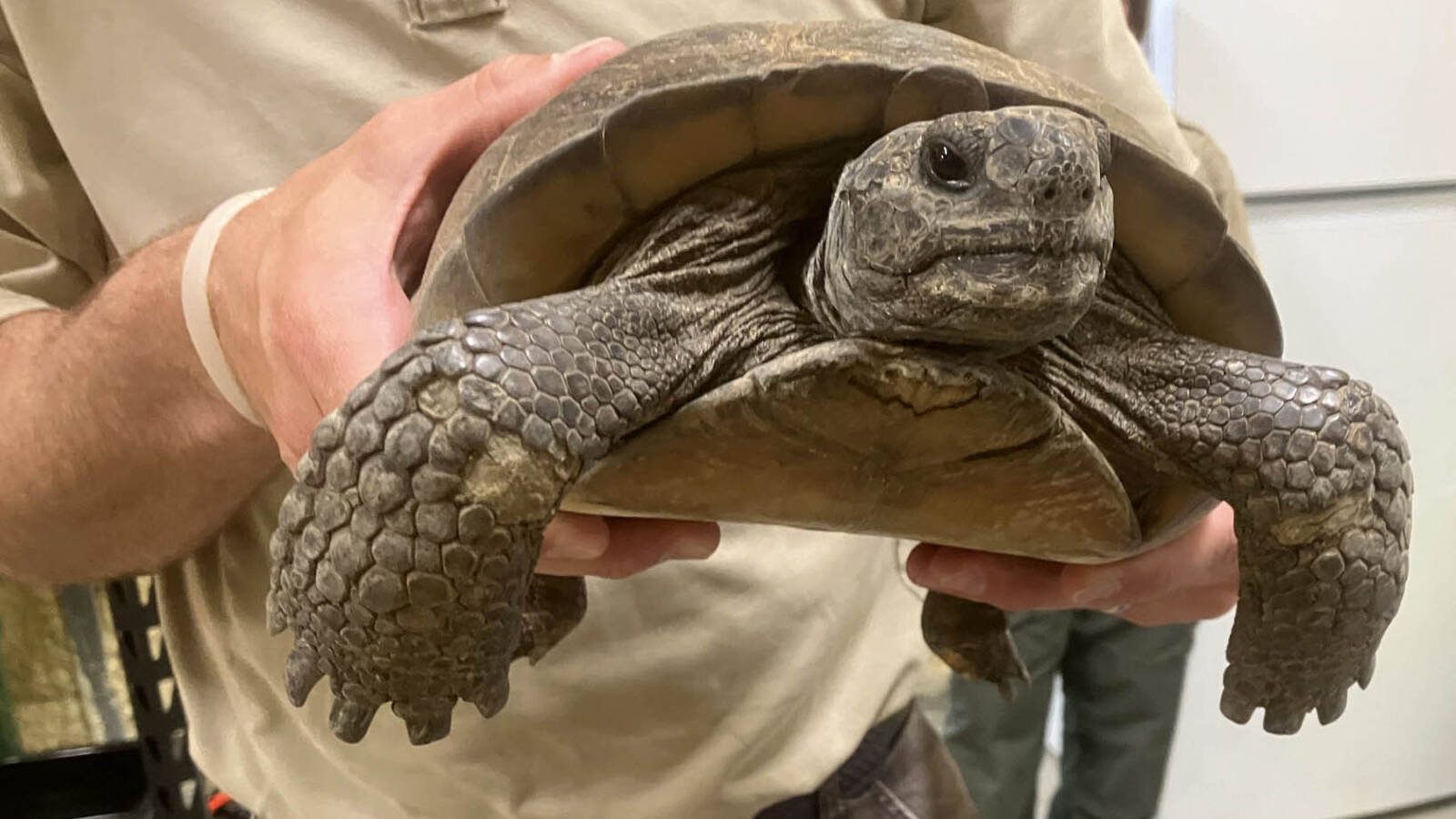
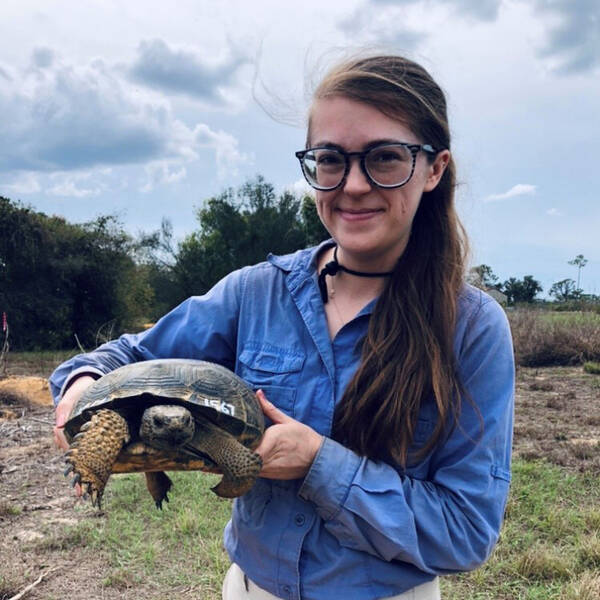
Leyna Stemle is a conservation biologist currently working as a permit technician in the transportation and infrastructure sector. Originally from the suburbs of St. Louis, Missouri, Leyna has always been a passionate environmentalist and scientist. For her photo, handling of the gopher tortoise was conducted under appropriate permits and in accordance with state and federal regulations. Gopher tortoises should never be handled without proper authorization.
-
General
-
Issues


-
Press Release
NPCA, Partners File Lawsuit to Restore Protections for Threatened Wildlife
“This regulation is gambling with the safety of America’s most at-risk national park wildlife" -- NPCA Senior Wildlife Program Director Bart Melton
-
Press Release
Interior Turns Alaska Parks Into Game Farms with Outrageous Hunting Rule
“It’s as outrageous as it is disheartening to again see the Interior Department go along with the state of Alaska’s effort to turn national parklands into de facto game farms."
-
Blog Post
Postcards from Roadless Areas
What do designated roadless areas look like and what do they mean to national parks? NPCA colleagues share their experiences from walks through three roadless woods.