"This is an extraordinary betrayal of our parks, and we are filing litigation to defend the Mojave for the generations that come after us."–Chance Wilcox, NPCA's California Desert Program Manager
LOS ANGELES, CA – Today, the National Parks Conservation Association (NPCA), represented by Earthjustice, filed a lawsuit challenging the decision to allow an Australian company to renew industrial mining at Colosseum Mine within the Mojave National Preserve, one of the largest national park sites in the lower 48 states.
The formerly decommissioned Colosseum Mine sits in Mojave’s Clark Mountain region—an area with the second-highest concentration of rare plants of any of California’s mountain ranges and vital desert bighorn sheep habitat. Industrial mining activity is already harming the park’s landscape through new drilling activity, bulldozing of sensitive habitat, and road development.
The lawsuit asserts that, in 2025, the Department of the Interior (DOI) broke numerous federal laws that protect America’s national parks from mining impacts and details how the National Park Service spent years rebuffing the company’s efforts to conduct exploratory drilling in the park.
Following the change in the federal administration, the Park Service abruptly reversed its position on using outdated approvals for the mine.
“Mojave National Preserve belongs to the American people, not an international mining company. Laws and policies were put in place to protect national parks from destructive, speculative mining for a reason, and no administration is above the law when it ignores them,“ said Chance Wilcox, NPCA’s California Desert Program Manager. "This is an extraordinary betrayal of our parks, and we are filing litigation to defend the Mojave for the generations that come after us.”
The Australian company Dateline Resources Ltd. acquired Colosseum Mine in 2021, which had been decommissioned since 1993. Between 2021 and 2024, the Park Service repeatedly told Dateline Resources that no new operations at the mine could proceed until the Park Service approved a new plan of operations that addressed the environmental impacts of reopening the mine. Despite these orders, Dateline Resources proceeded to bulldoze park land and tear through fragile habitat, all without any authorization to do so, racking up hundreds of thousands of dollars in damages.
In April 2025, the Department of the Interior dramatically reversed course, indicating that Dateline Resources did not have to reimburse the cost of damages to the park and could rely on an expired environmental review and a mining plan of operations approved over 40 years ago, nearly a decade before Congress established Mojave National Preserve.
“Just over a year ago, the Park Service was ordering Dateline to ‘immediately cease and desist’ all operations within the preserve. The switch flipped and the Trump administration has encouraged them to charge ahead with industrializing this national park site. This is a blatant threat to the Mojave Preserve, setting a dangerous precedent that industrial mining interests can override decades of established park protections,” said Katrina Tomas, Earthjustice Attorney.
Polling conducted by NPCA and YouGov found bipartisan opposition to opening lands in or adjacent to national parks for mining and drilling, recognizing that such activities can cause irreversible damage and threaten the very experiences that millions of visitors come to national parks to enjoy.
Dateline Resources’ efforts to restart operations at Colosseum Mine reflect the company’s wider effort to expand mine claim holdings across the landscape, including new claims near Joshua Tree National Park. A renewed rush for mining claims across the California Desert is putting added pressure on national parks and protected public lands, threatening delicate landscapes and wildlife habitat with unchecked development.
Additional Background
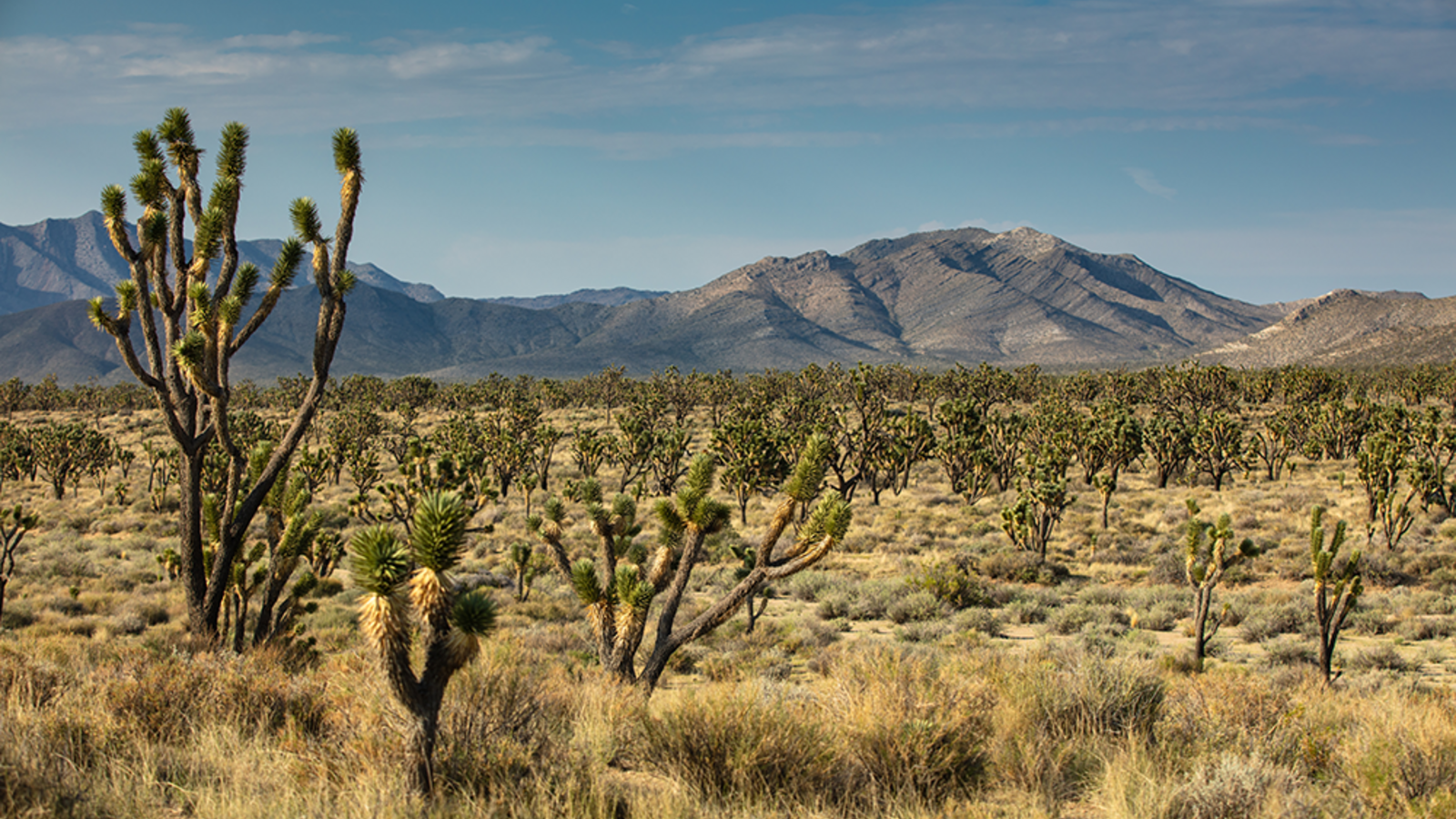
- Mojave National Preserve was established by Congress in 1994 and protects one of the largest desert preserves in the world. Covering 1.6 million acres of diverse desert habitat, the national park site is the third-largest unit of the National Park System in the contiguous United States. It safeguards wild desert landscapes, irreplaceable cultural sites, and plants and wildlife found nowhere else on the planet.
- Mojave National Preserve protects a vibrant cultural history. Among its rocky outcrops lies evidence of early human life, including archeological sites dating back 10,000 years. Arrow points, pestles, pottery sherds, and rock art sites relay stories of the Fort Mojave, Chemehuevi, and Paiute peoples and provide evidence of these early inhabitants of the Mojave Desert. These lands also served as an important transportation corridor for Indigenous communities, connecting the coastal Tribes of California with Tribes along the Colorado River and beyond.
- The Colosseum Mine operated intermittently as a gold and silver shaft mine from the 1860s until 1942. During the 1970s, there was renewed interest from investors and the mine changed ownership several times between 1972 and 1989. It was closed and went into reclamation in 1993.
- In 1994, the California Desert Protection Act was passed by Congress, permanently protecting millions of acres of public land in the Mojave Desert. The Act established Mojave National Preserve, moving much of what was previously the East Mojave National Scenic Area, managed by the Bureau of Land Management, into the National Park System.
###
About the National Parks Conservation Association: Since 1919, the nonpartisan National Parks Conservation Association (NPCA) has been the leading voice in safeguarding our national parks. NPCA and its more than 1.9 million members and supporters work together to protect and preserve our nation’s most iconic and inspirational places for future generations. For more information, visit www.npca.org.
For Media Inquiries
-
General
-
- Park:
- Mojave National Preserve
-
- NPCA Region:
- Pacific
-
-
Issues


-
Press Release
In Less Than a Month, Mining Claims Filed in Bears Ears Already Triple the Total Number Filed During Previous Trump Reduction
“With 72 mining claims staked on lands withdrawn from Bears Ears over the last three weeks alone, the threat of a modern-day mineral rush has arrived at one of our…
-
Press Release
First Mining Claims Filed in Lands Cut from Bears Ears National Monument
"National park units and their surrounding landscapes are no place for energy development, but outdated laws elevate mining above all other uses on these lands. We will continue to fight…
-
Press Release
Advisory Council on Historic Preservation Proposes Weakening Protections for Parks, History, Tribal Resources
Gutting Section 106 regulations would weaken protections for public lands, weaken Tribal consultation requirements, and limit public input on development impacting…