Winter 2026
To Tell The Truth
National Parks have a duty to share the full, messy, complicated story of the founding of the country. As the nation turns 250, NPCA’s resident historian warns against whitewashing history.
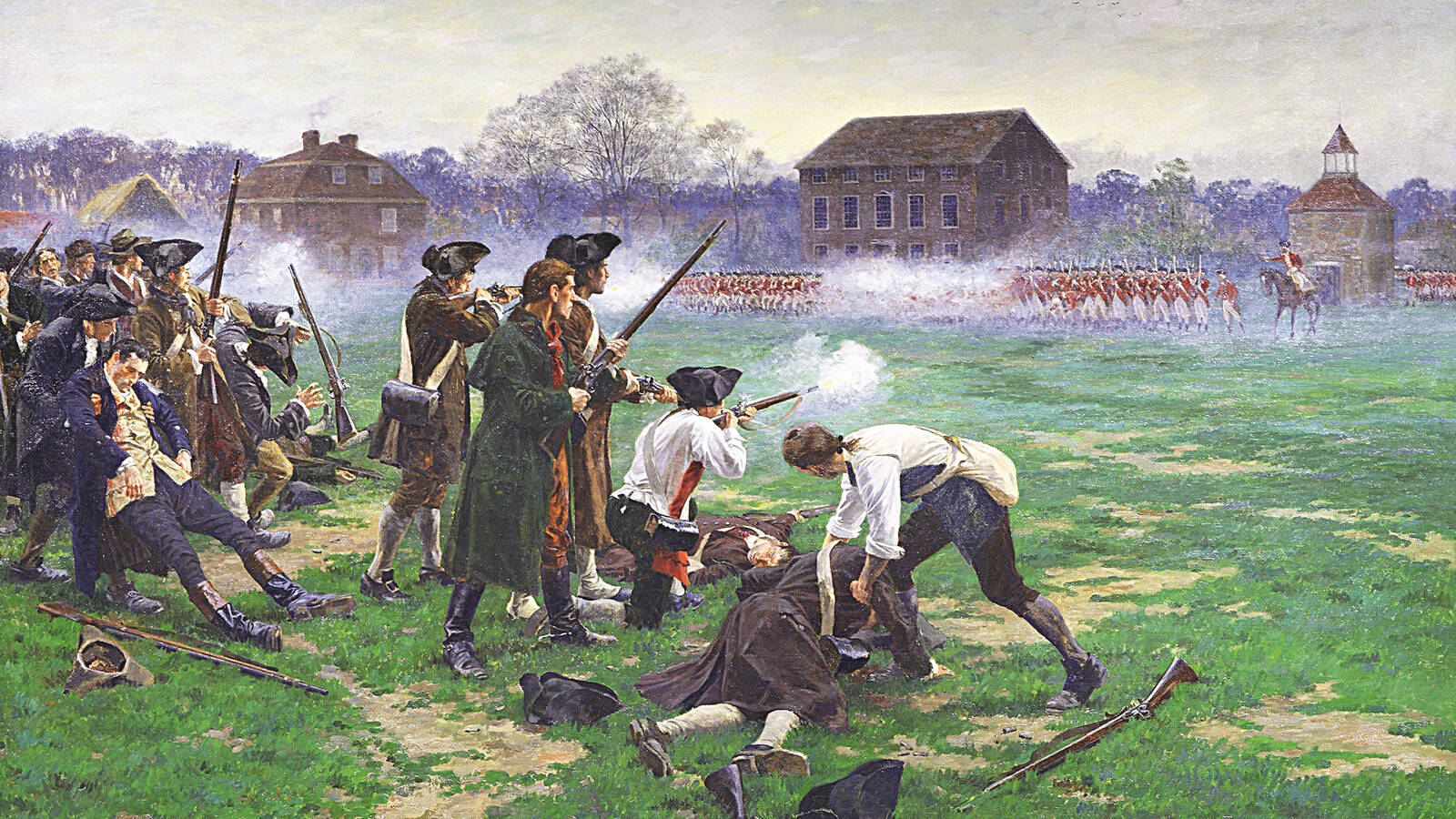
The evening of April 18, 1775, British forces sallied out of Boston and headed west toward Concord, Massachusetts. Their aim was to capture stores of weapons, powder and ammunition thought to be in possession of upstarts from Massachusetts intent on revolution.
At Lexington the next morning, the British found their way barred by the Colonial militia. For a few tense moments, neither side knew what to do next. The minutemen weren’t rebels … yet. And the red-coated adversaries on the opposite side of Lexington Green were professional soldiers and fellow Englishmen.
During the ensuing fracas, the British got the better of their American cousins, killing eight and wounding 10. Although it’s unlikely that any of the roughly 700 British troops noticed, among the militiamen gathered to prevent them from reaching Concord that morning was a 35-year-old enslaved Black man named Prince Estabrook.
Though a British musket ball hit Estabrook in his left shoulder that day, this wounded warrior would recover and go on to serve in Gen. George Washington’s army for the duration of the Revolutionary War. Estabrook was one of around 5,000 free and enslaved men of African descent who fought for American independence.
Estabrook serves as a poignant example of the complicated roles of race and slavery in our foundation story. Although laws from this period prevented Black people from training to be soldiers, the National Park Service staff at Minute Man National Historical Park note that they were nonetheless required to “turn out” armed during an emergency. In 18th-century Massachusetts, people of African descent could be embraced as neighbors and allies in one instance and in the next, disregarded as chattel or members of a race undeserving of the basic rights of citizenship.

Erasing History, Silencing Science
ICYMI: Acting upon a March executive order, the Department of the Interior removed from national park sites in September undeniable historical and scientific truths it decided it didn’t like.
See more ›Why Estabrook was so devoted to American independence is unknown. Did he enlist as a substitute for an owner who wanted to avoid military service? Or was there something about the principles of liberty and patriotism that so appealed to Estabrook that he remained dedicated to the fight for freedoms he had never known?
It is critical for Park Service historians and interpreters to further explore the many outstanding questions about Estabrook and other Black soldiers who fought in the war and to share their findings about this fascinating piece of American history with park visitors. This important work is in danger of being curtailed, however, by recent policy initiatives from the Trump administration.
On March 27, 2025, the president issued an executive order calling for the restoration of “truth and sanity” to American history. Interior Secretary Doug Burgum followed suit on May 20, issuing a secretarial order that launched the implementation of the president’s directive within the Park Service. Both men seem to believe that the interpretation of our history has become radicalized and bears a distinctly anti-American viewpoint. They intend to eradicate that view by banning examination of anything that touches on troubling episodes in the nation’s past, which they equate with disparagement.
Of course, these orders won’t improve public understanding of the past or help our national parks to tell stories in ways that are accurate, just, inclusive and inspiring. Rather, these retrogressive, unnecessary and un-American directives will have a chilling effect. They will reduce the willingness of Park Service staff to think critically about our past and will rob the public of one of their best resources for honest storytelling.
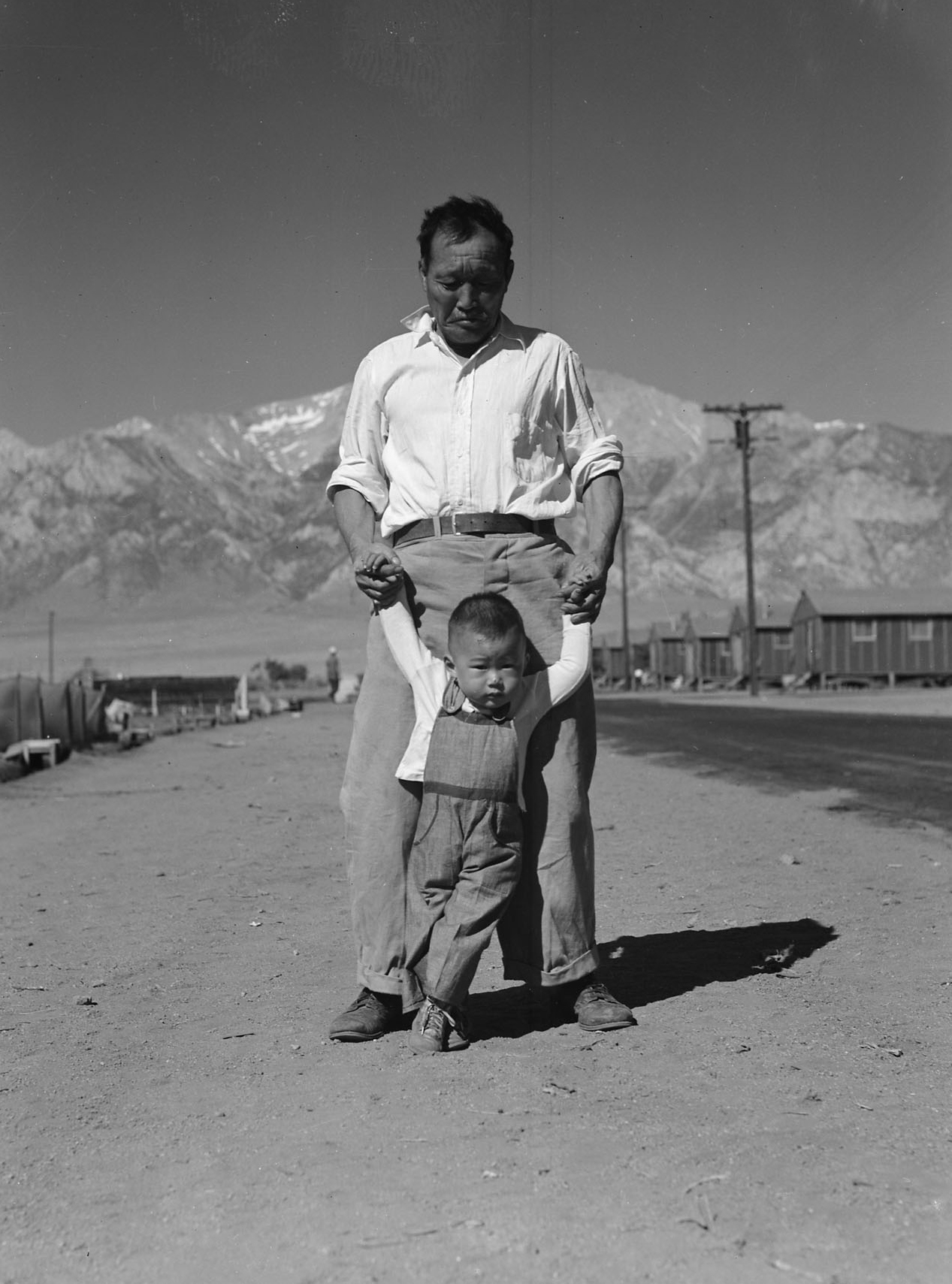
A child and his grandfather at the Manzanar War Relocation Center, now a national historic site that tells the story of the incarceration of Japanese American citizens and Japanese immigrants during World War II.
©NSF/ALAMY STOCK PHOTONow is the time for all Americans — including those who love our public lands — to fight back against such dangerous policymaking. In national parks, that means celebrating the 250th anniversary of America’s independence from Great Britain in a way that upholds the truth, no matter how complicated and unsettling it is. Great countries don’t hide from their history, but the president and interior secretary are encouraging us to do just that. If their efforts are successful, they will deprive people of crucial information about figures and ideas that made the struggle for American independence meaningful, and they will lessen the value of the semiquincentennial.
How exactly did we get here? To recap: Back in the summer, the secretarial order first required the land management bureaus to display QR codes on every property — including all national park units. The hope was that visitors would see and be offended by the kind of interpretation of American history that so vexes the president, then use the codes to tattle on the agencies. At national parks, the public has, in fact, used those QR codes to send a clear message to the Trump administration that these sites are loved and regarded by most as needing better funding, more staff and a free hand to interpret the nation’s history as their trained, professional historians and cultural resource managers see fit.
The order also required Park Service staff to catalog any materials that might run afoul of the president’s truth and sanity directive. Lists were made, submitted to the Department of the Interior, and as of this writing, more than 100 national park sites have received letters of noncompliance requiring them to sanitize or remove signs, displays, exhibits or publications.
That cleansing has already begun.
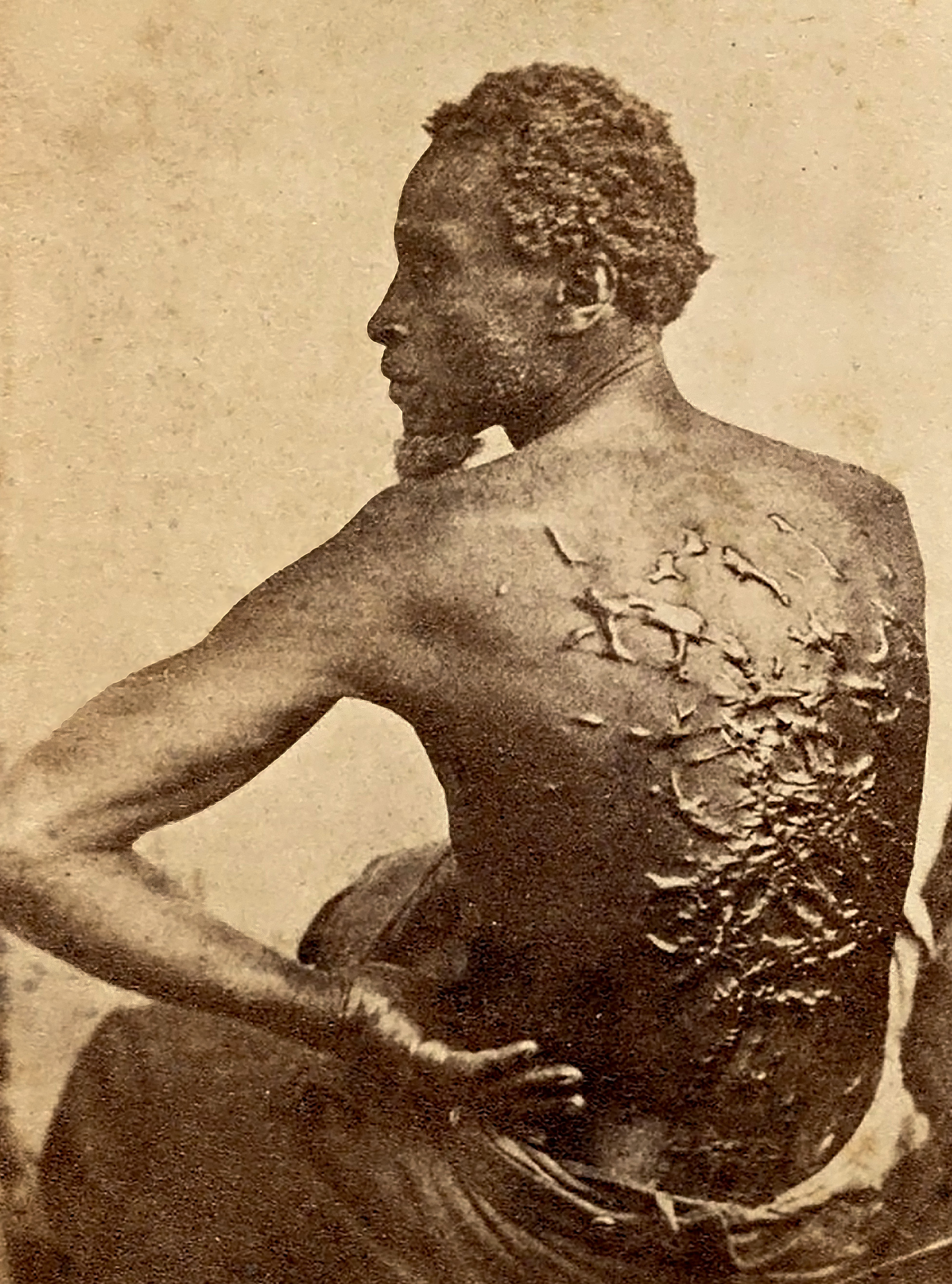
“The Scourged Back,” which vividly shows the horrors of slavery, is among the works the current administration has targeted for removal from a park site, according to The Washington Post.
MCPHERSON & OLIVER/NATIONAL GALLERY OF ART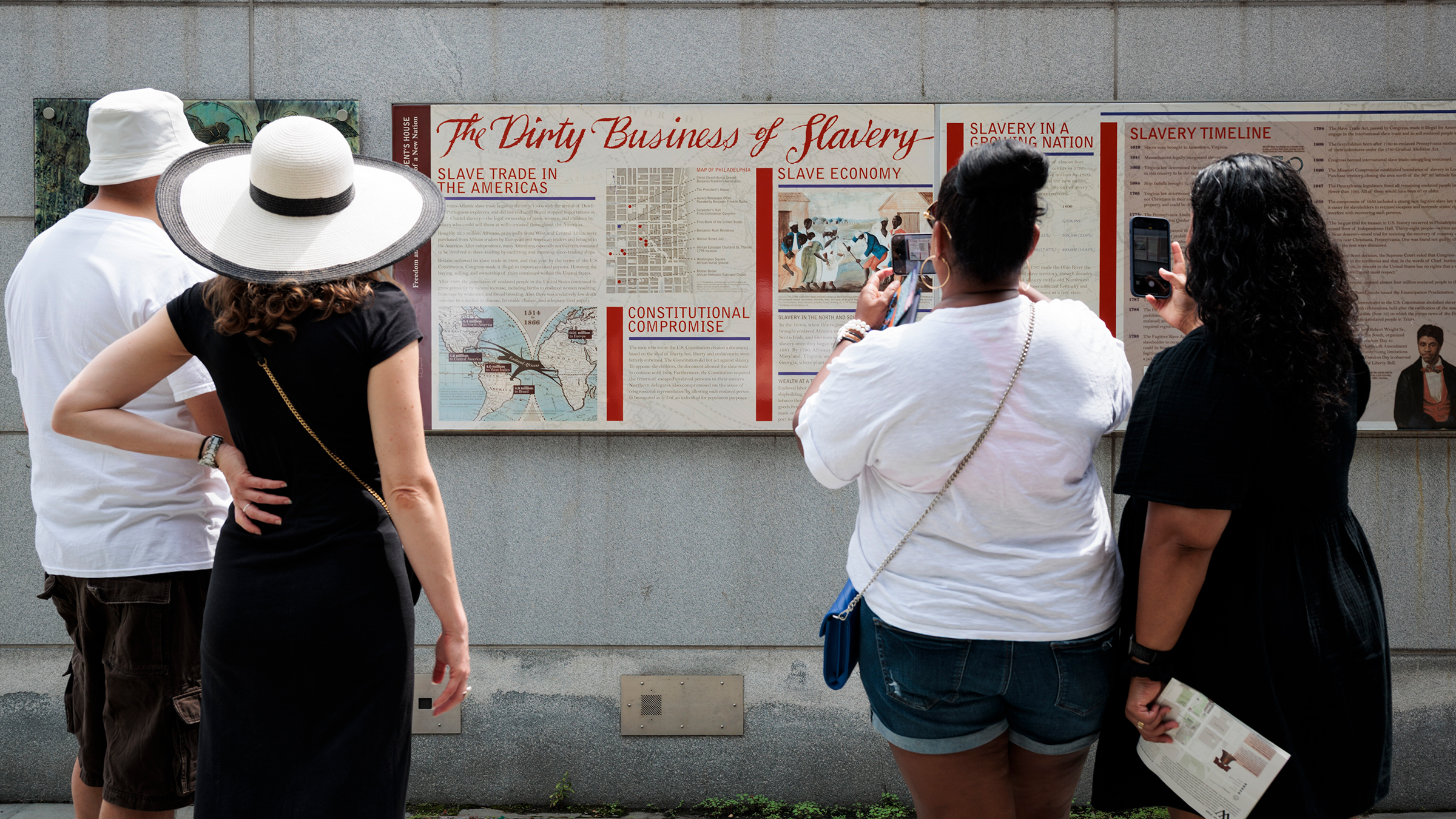
Interpretive materials that expound on the history of slavery at Independence National Historical Park have been identified as problematic as well.
©HANNAH BEIER/THE NEW YORK TIMES/REDUX“The Scourged Back,” which vividly shows the horrors of slavery, is among the works the current administration has targeted for removal from a park site, according to The Washington Post.
MCPHERSON & OLIVER/NATIONAL GALLERY OF ARTInterpretive materials that expound on the history of slavery at Independence National Historical Park have been identified as problematic as well.
©HANNAH BEIER/THE NEW YORK TIMES/REDUXStaff at Fort Pulaski National Monument in Georgia have been ordered to remove “The Scourged Back” photo. The image, which shows an enslaved man’s scars from whippings, has been on display in the park for years and serves as a visceral reminder to the public of the violent, horrid nature of slavery. And at Independence National Historical Park, an outdoor exhibit listing the names of the enslaved men and women President George Washington brought with him from Mount Vernon to his presidential residence in Philadelphia in 1790 was targeted for removal.
To be clear, the accuracy of the Park Service’s interpretation is not in question. Rather, the administration objects to the telling of stories in ways it believes reflect poorly on the nation and the character of its Founding Fathers and cultural icons.
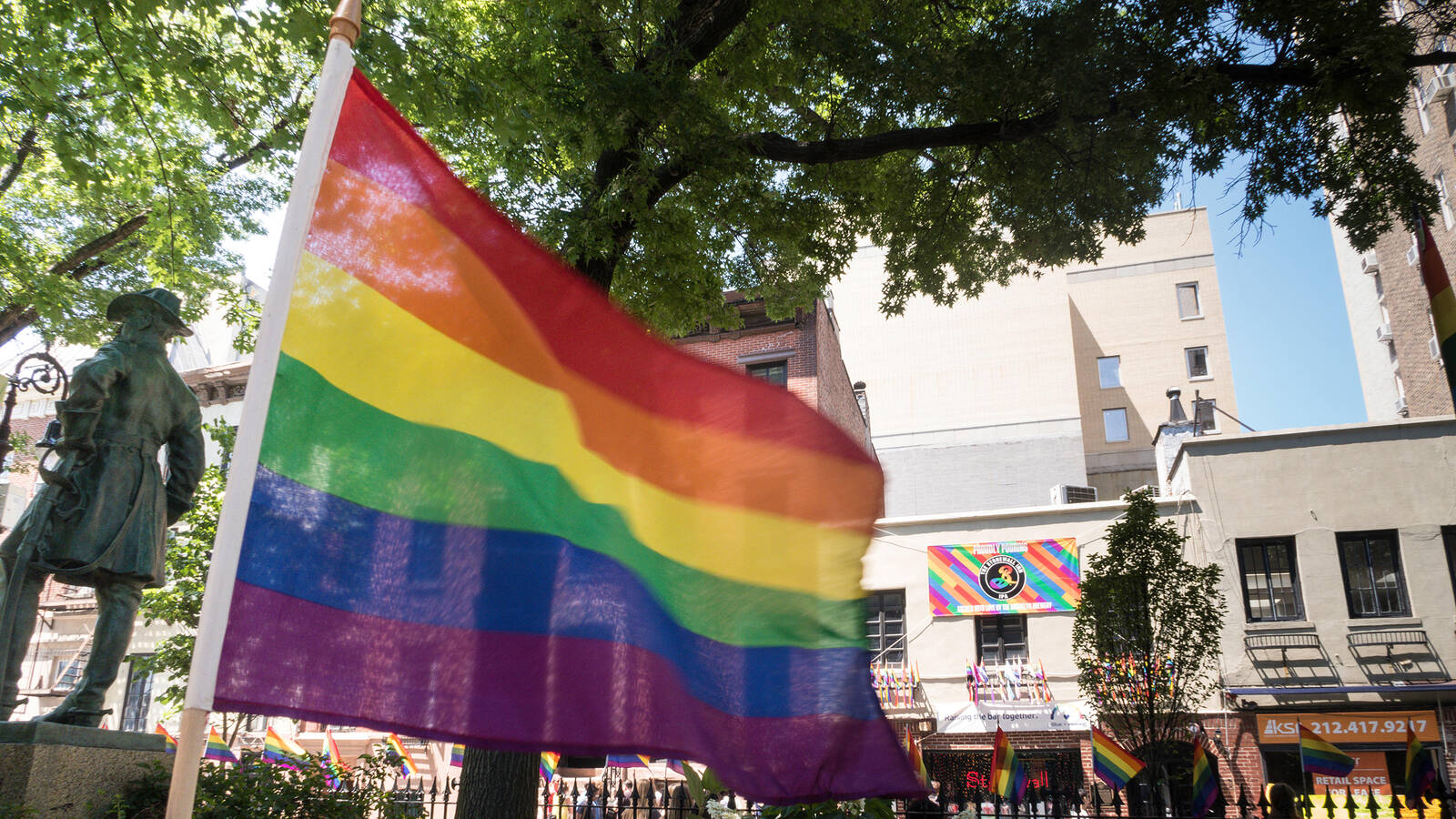
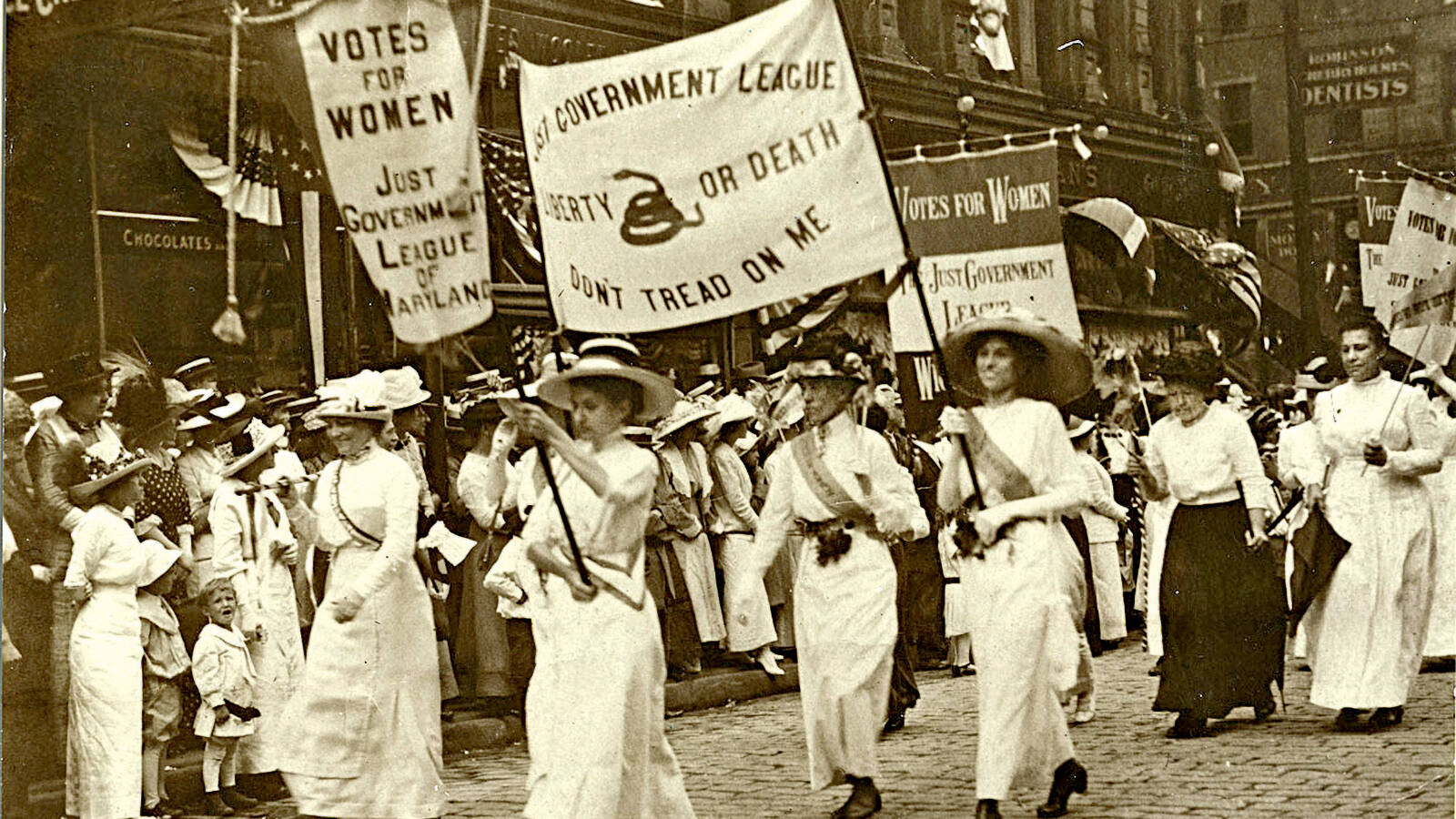
Because this process lacks transparency, we don’t know precisely what materials and signage have been flagged for noncompliance and removal — and whether or when these orders will be executed. The full list could include anything that mentions the horrors of slavery (so long Prince Estabrook?), the fight for women’s suffrage, the forced removal of Japanese Americans to incarceration camps in 1942, or the abrogation by the U.S. government of treaties with Native American Tribes. Despite the fact that transgender activists led the uprising that took place in 1969 outside the bar that is now the heart of the Stonewall National Monument, the word “transgender” has already been scrubbed from the park’s website. In fact, the terms “transgender” and “queer” have been removed from all the Park Service websites, and LGBTQ+ has been shortened to LGB. The sanitization effort even extends to the removal of signage that describes the adverse and ongoing impacts of the climate emergency in places such as Acadia National Park.
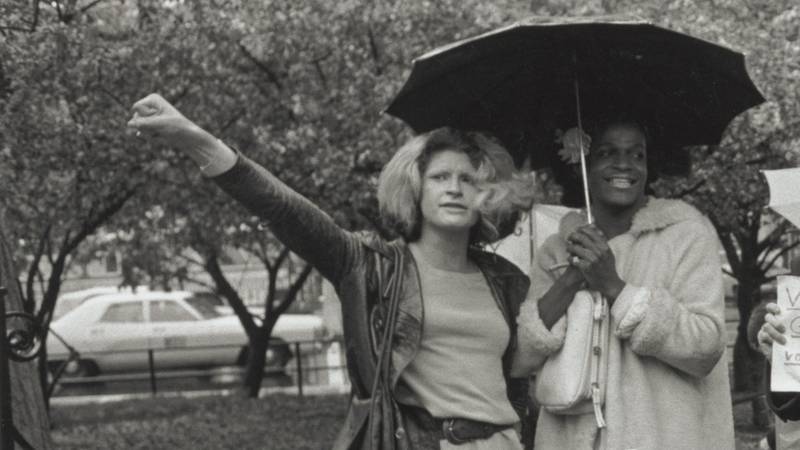
The Unsung Heroines of Stonewall
More than half a century after New York City’s Stonewall Uprising, these bold women continue to inspire us. Let’s not forget who they were.
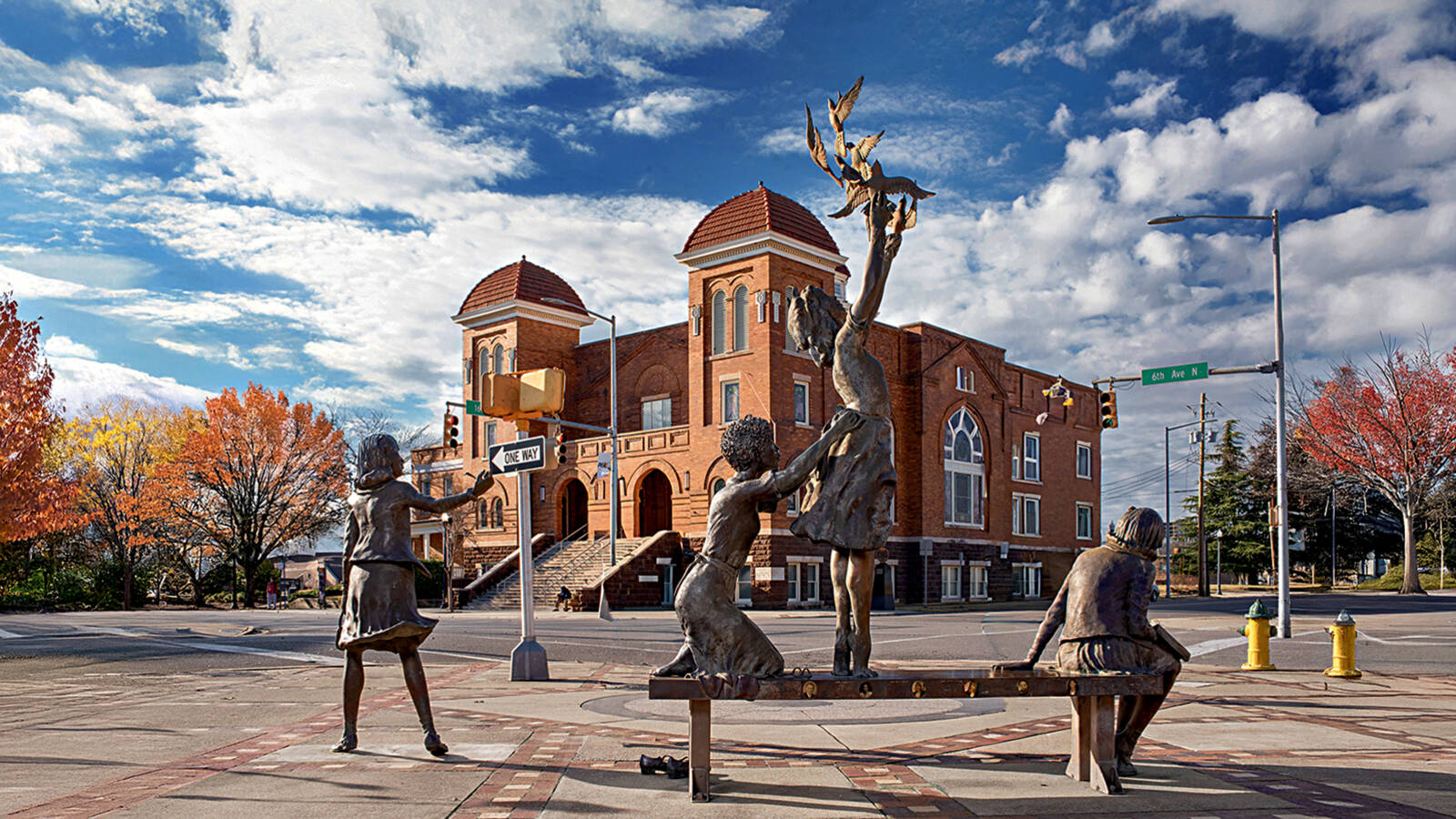
See more ›The Park Service is one of the largest stewards of history in the U.S. Especially over the last 30 years, the agency has increased the breadth, depth and diversity of the stories it tells. That work remains far from complete, but new site designations such as the Birmingham Civil Rights and César E. Chávez national monuments and the creation of public-facing programs such as the National Underground Railroad Network to Freedom were notable advancements toward making our parks more relevant to a wider range of people.
The Park Service has enhanced pride of place in communities across this nation. It has brought economic opportunity through heritage tourism to moribund economies nationwide and helped weave the stories of displaced and marginalized people solidly into the fabric of our shared national narrative. That work, those victories, our history are under a generational threat.
So how then should the nation’s 250th birthday be celebrated in our parks? Instead of settling for fireworks and events tied to a sanitized and simplified version of our history, let’s strive to make this anniversary a bold, visionary thing that represents us all. A fully staffed and adequately funded Park Service could expand on some of the programming already in place at sites across the country that introduces the public to new historic figures, or it could expand our understanding of the themes most closely associated with the fight for independence.
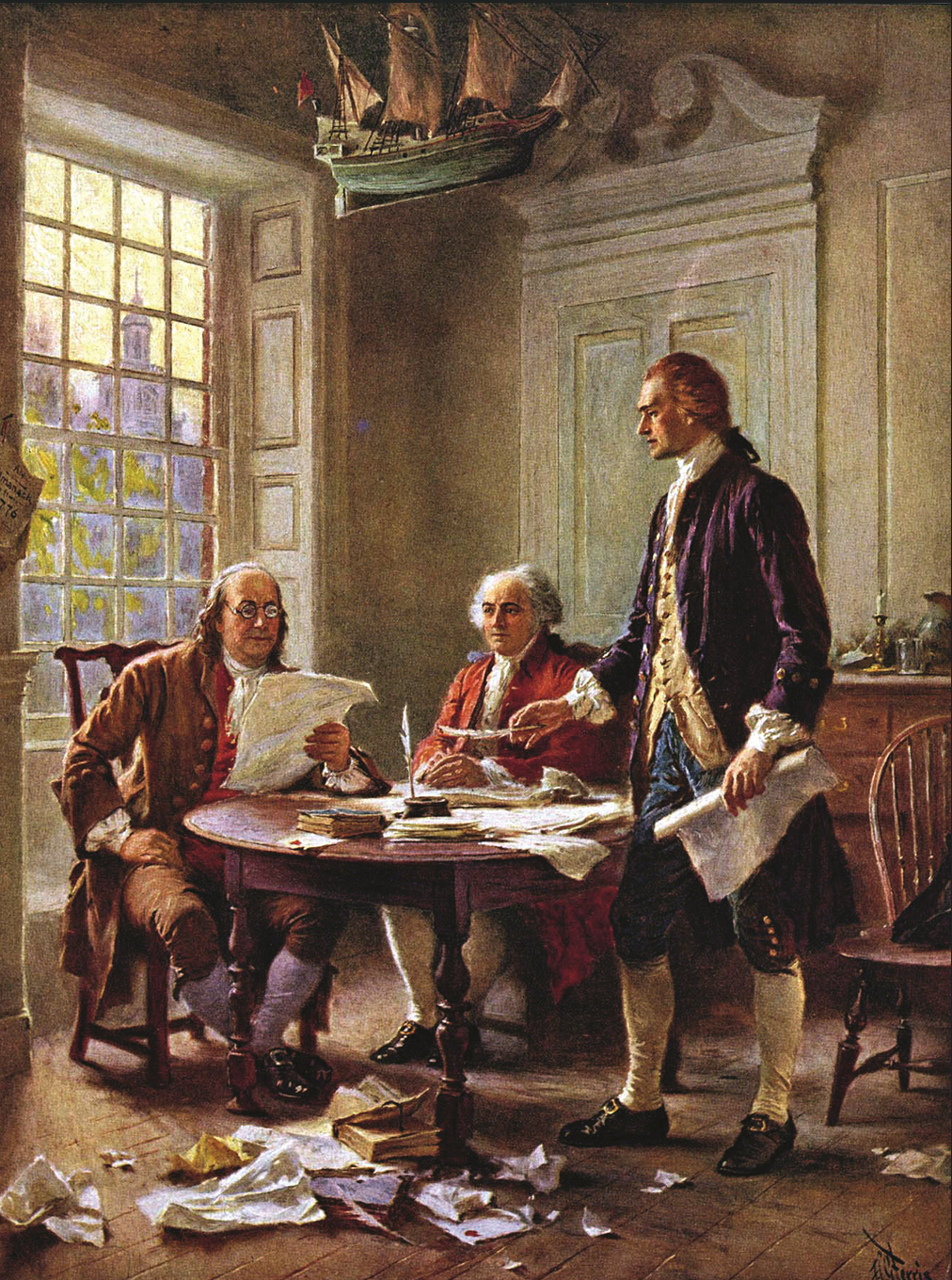
Benjamin Franklin, John Adams and Thomas Jefferson meet to review a draft of the Declaration of Independence. Lithographic print by Jean Leon Gerome Ferris.
©PHOTO12/ANN RONAN PICTURE LIBRARY/ALAMY STOCK PHOTO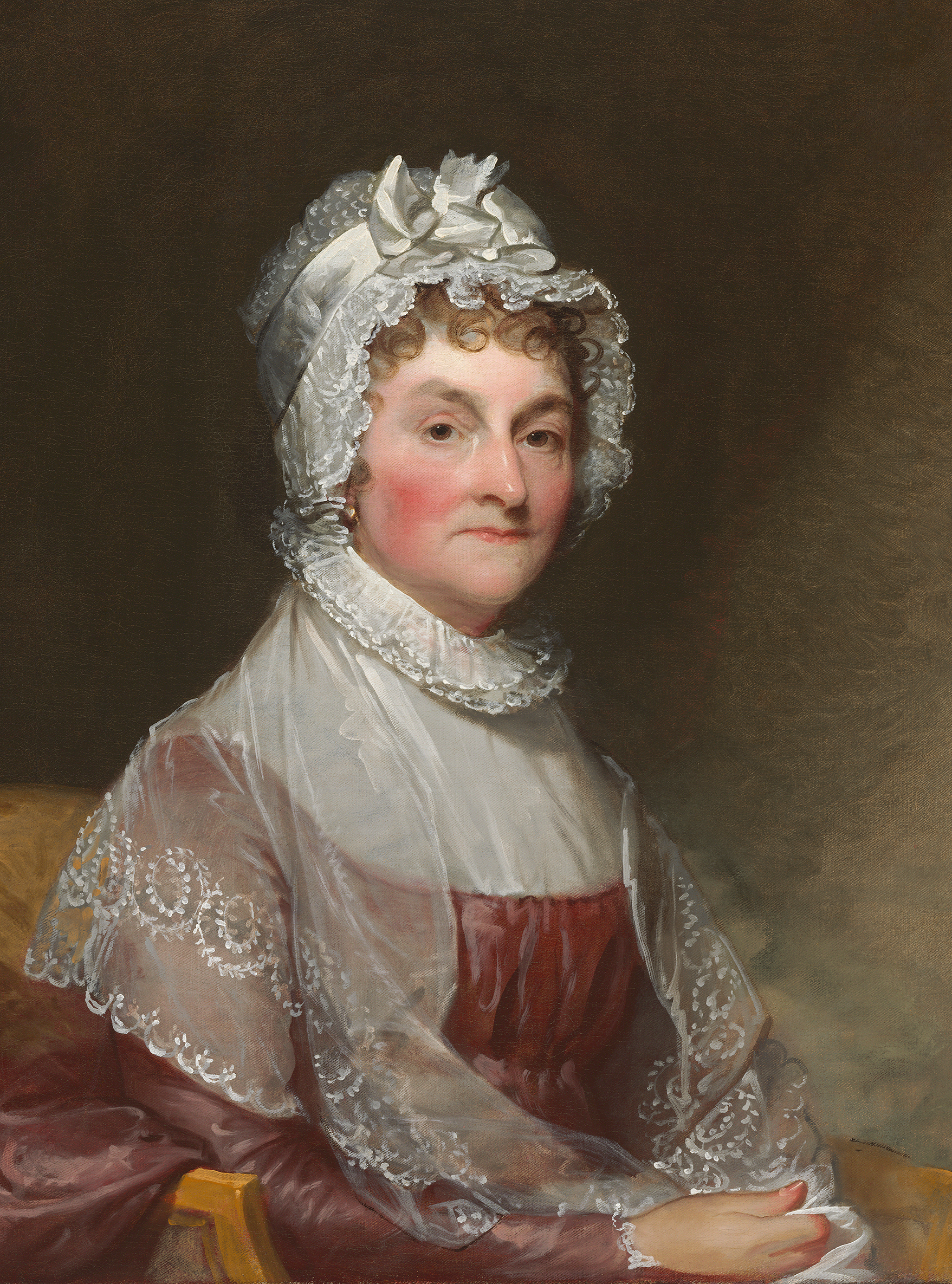
Abigail Adams, the influential wife of the second president, by artist Gilbert Stuart.
NATIONAL GALLERY OF ART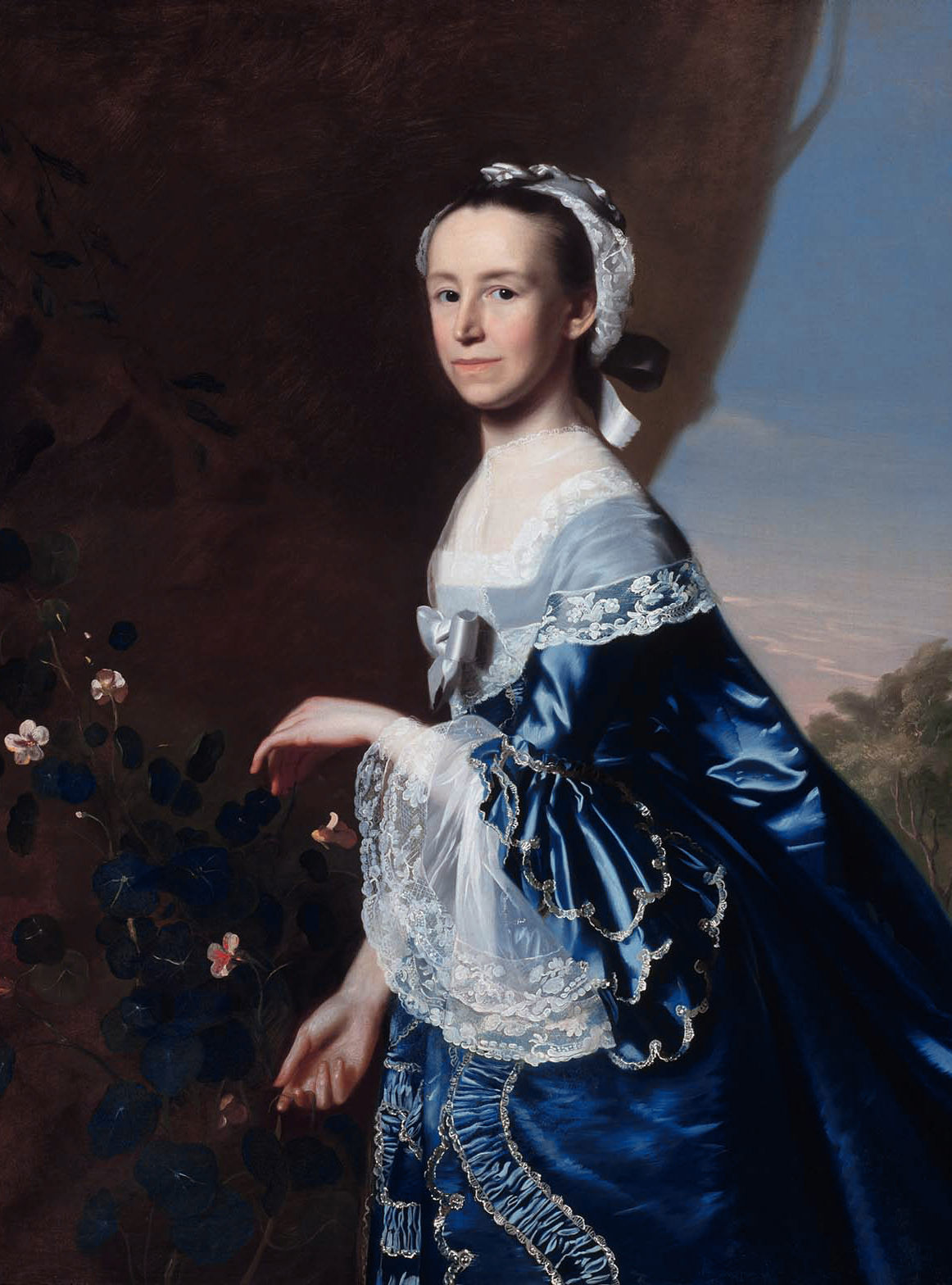
Mercy Otis Warren, an activist and political writer, by artist John Singleton Copley.
©THE HISTORY COLLECTION/ALAMY STOCK PHOTOBenjamin Franklin, John Adams and Thomas Jefferson meet to review a draft of the Declaration of Independence. Lithographic print by Jean Leon Gerome Ferris.
©PHOTO12/ANN RONAN PICTURE LIBRARY/ALAMY STOCK PHOTOAbigail Adams, the influential wife of the second president, by artist Gilbert Stuart.
NATIONAL GALLERY OF ARTMercy Otis Warren, an activist and political writer, by artist John Singleton Copley.
©THE HISTORY COLLECTION/ALAMY STOCK PHOTOOur national parks could acknowledge that the passions that inflamed the hearts of patriots such as Thomas Jefferson, Samuel Adams and Benjamin Franklin also touched the souls of Native Americans and people of African descent. In an Oct. 22, 1774, letter attributed to Bristol Lambee, a free man of color, and addressed to the Sons of Liberty in Connecticut, the author stated that “Your practitioners apprehend that LIBERTY, being founded upon the law of nature, is as necessary to the happiness of an African as it is to the happiness of an Englishman.” Lambee, on behalf of his enslaved brothers and sisters, urged the Sons of Liberty, patriots who organized resistance to British governance in the Colonies, to live up to the principles they were espousing by freeing the thousands of enslaved people then toiling in the state.
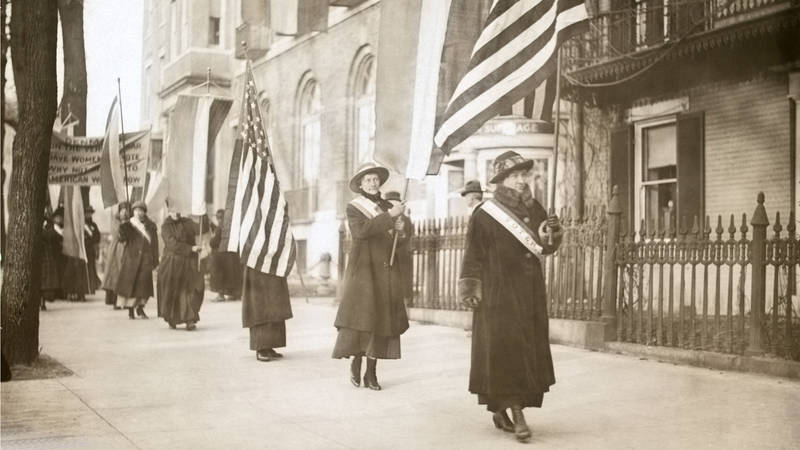
How a Group of Silent Women Won a Battle with President Wilson a Century Ago
The first organization to picket the White House launched a hard-fought campaign to win a major victory for women’s rights.
See more ›The admonition of Abigail Adams, the wife of John Adams to “remember the ladies” might be addressed by using the semiquincentennial to examine the impact that women such as Adams and Mercy Otis Warren, an activist, poet and political writer, had on the patriot cause and the outcome of the American Revolution. But we must also study the lives of those such as Judith Jackson, an enslaved woman who escaped from her owners in Virginia in 1779, worked and resided in British-controlled New York City for the duration of the revolution, then evacuated with a few dozen other Black loyalists in 1783 to Nova Scotia. For Jackson and some 3,000 other Black loyalists, the freedoms promised by the birth of a new nation were hardly guaranteed and could not outweigh the pain of enslavement and family separation that were so common during this time. Thus she chose to leave America, a nation she had known only as a slave and a fugitive.
We might also study the critical (though not well known) role the slave trade and a determined Spaniard played in the American victory at Yorktown in October of 1781. Washington had managed to bottle up the British on the coast of Virginia, but he desperately needed backup, and the French fleet was too broke and too far away to help. Enter Francisco Saavedra de Sangronis, a Spanish official and the man who may have single-handedly saved our revolution. Saavedra raised money in Havana for the patriot cause by appealing to wealthy Spaniards (and possibly some Cubans) who were eager to see the defeat of Great Britain, Spain’s rival. The money these benefactors lavished on the cause of American liberty had been acquired largely from profits drawn from the labor of enslaved people who spent their lives doing backbreaking physical work on plantations.
SPAIN’S SAAVEDRA
Saavedra delivered sufficient funding to the French to enable them to send their ships from the Caribbean to the Chesapeake Bay. Their victory over the Royal Navy there on Sept. 5, 1781, sealed the fate of British Gen. Charles Cornwallis — he would surrender his army a month later — and gave Washington and our new country a crucial victory.
The complexity of our history is what makes it so compelling, and we should use this keystone anniversary to let the Trump administration know what most Americans already understand: We value our history, even the noncompliant parts. And we can handle the truth.
Photo credits for images at top, left to right. PD indicates public domain. Top row: PD, ©PHIL DEGGINGER/ALAMY STOCK PHOTO, PD, NATIONAL GALLERY OF ART, ©PHOTO12/ANN RONAN PICTURE LIBRARY/ALAMY STOCK PHOTO. Second row: ©NATIONAL ARMY MUSEUM, PD, PD, ©LIESA COLE. Third row: ©NANCY CARTER/NORTH WIND PICTURE ARCHIVES/ALAMY STOCK PHOTO, ©NSF/ALAMY STOCK PHOTO, PD. Bottom row: ©THE HISTORY COLLECTION/ALAMY STOCK PHOTO, ©MIZOULA/ISTOCKPHOTO, PD, ©PHIL DEGGINGER/ALAMY STOCK PHOTO, ©IVY CLOSE IMAGES/ALAMY STOCK PHOTO.
About the author
-
 Alan Spears Senior Director of Cultural Resources, Government Affairs
Alan joined NPCA in 1999 and is currently the Senior Director of Cultural Resources in the Government Affairs department. He serves as NPCA's resident historian and cultural resources expert. Alan is the only staff person to ever be rescued from a tidal marsh by a Park Police helicopter.
-
Press Release
Atrocious Reported Changes to the ESA Could Threaten Extinction to Park Wildlife, Wild Nature
"This memo appears to suggest that it’s no longer the purpose of the ESA to ensure animals such as grizzly bears, North Atlantic right whales, or Florida panthers are protected"…
-
Press Release
First Mining Claims Filed in Lands Cut from Bears Ears National Monument
"National park units and their surrounding landscapes are no place for energy development, but outdated laws elevate mining above all other uses on these lands. We will continue to fight…
-
Press Release
Groups File Injunction to Stop Development at West Potomac Park
“West Potomac Park is treasured green space and we will not stand for the unlawful destruction of public lands that belong to all of us."