The National Historic Preservation Act protects our national heritage — but the administration has it in its crosshairs.
Right now, the Trump administration and Congress are proposing to remove environmental laws in order to streamline processes that pave the way for rapid energy development in protected landscapes and facilities across the country. All of this would come at the expense of places important to U.S. history and sites significant to Indigenous peoples. The proposed changes seek to consolidate power within the agencies and eliminate consultation and public input. We cannot let this happen.
All of the country’s more than 430 national parks hold significant historic places. Our public lands protect more than landscapes and wildlife; they comprise the homes of historical figures, sites sacred to Indigenous peoples, and key locations in the movements for equal rights. In fact, two-thirds of our national parks are designated historic and cultural sites.
Before the mid-1960s, few laws protected these spaces that hold our stories. Recognizing that important historic and cultural places were being lost amid the federally funded expansion of infrastructure and urban renewal projects, Congress passed the National Historic Preservation Act (NHPA) in 1966. Elected officials at the time understood that preservation was in the public’s interest and that a strong law was needed so future generations could appreciate and enjoy the rich heritage of our nation.
For 60 years, this foundational law has established roles and responsibilities for a federal historic preservation program, creating:
the National Register of Historic Places, managed in part by the National Park Service, which now includes more than 100,000 properties listed for their significance in U.S. history, art, architecture, engineering and culture.
an important Section 106 review process that requires consideration of historic preservation in the multitude of projects with federal involvement that take place across the nation every day.
funding for states, local governments and Tribes to preserve these places; and
an Advisory Council on Historic Preservation to advise the President of the United States and Congress on historic preservation.
For decades, NHPA and Section 106 have been at the heart of protecting historic places that tell our nation’s story and sacred places for Indigenous people. In holding the federal government accountable, Section 106 established state and Tribal historic preservation offices (1992), providing the opportunity for robust public participation to ensure the general public and organizations — like NPCA — can weigh in with expert knowledge and representation.
Advisory Council on Historic Preservation Proposes Weakening Protections for Parks, History, Tribal Resources
Gutting Section 106 regulations would weaken protections for public lands, weaken Tribal consultation requirements, and limit public input on development impacting…
See more ›The proposed draft completely changes the intention of Section 106, gutting the consultation process and giving the agency power to decide if public input is “useful.” The removal of language regarding consultation undermines Tribal sovereignty and federal trust responsibilities. In addition, making public input optional excludes the very communities who care for historic and cultural places in our nation.
The proposed revisions also change the definition of “historic properties,” limiting the cultural and historic places considered for protection in this process. For example, the language claims properties must have “past, tangible human improvements” and natural features such as mountains, bodies of water and landscapes do not apply. This type of language disregards Native peoples’ sacred sites and cultural landscapes holding traditional knowledge, natural and cultural resources.
Opportunities for improvement to Section 106 should not include cutting out Tribal Nations, the voting public and other partners or allow permits without the proper and important expert evaluation of each project’s impact on our historic and cultural places.
Here are just a few examples of parks saved because of NHPA and Section 106 — and a few of those still at risk if this bedrock environment law is ignored or revised.
Parklands Saved by Section 106
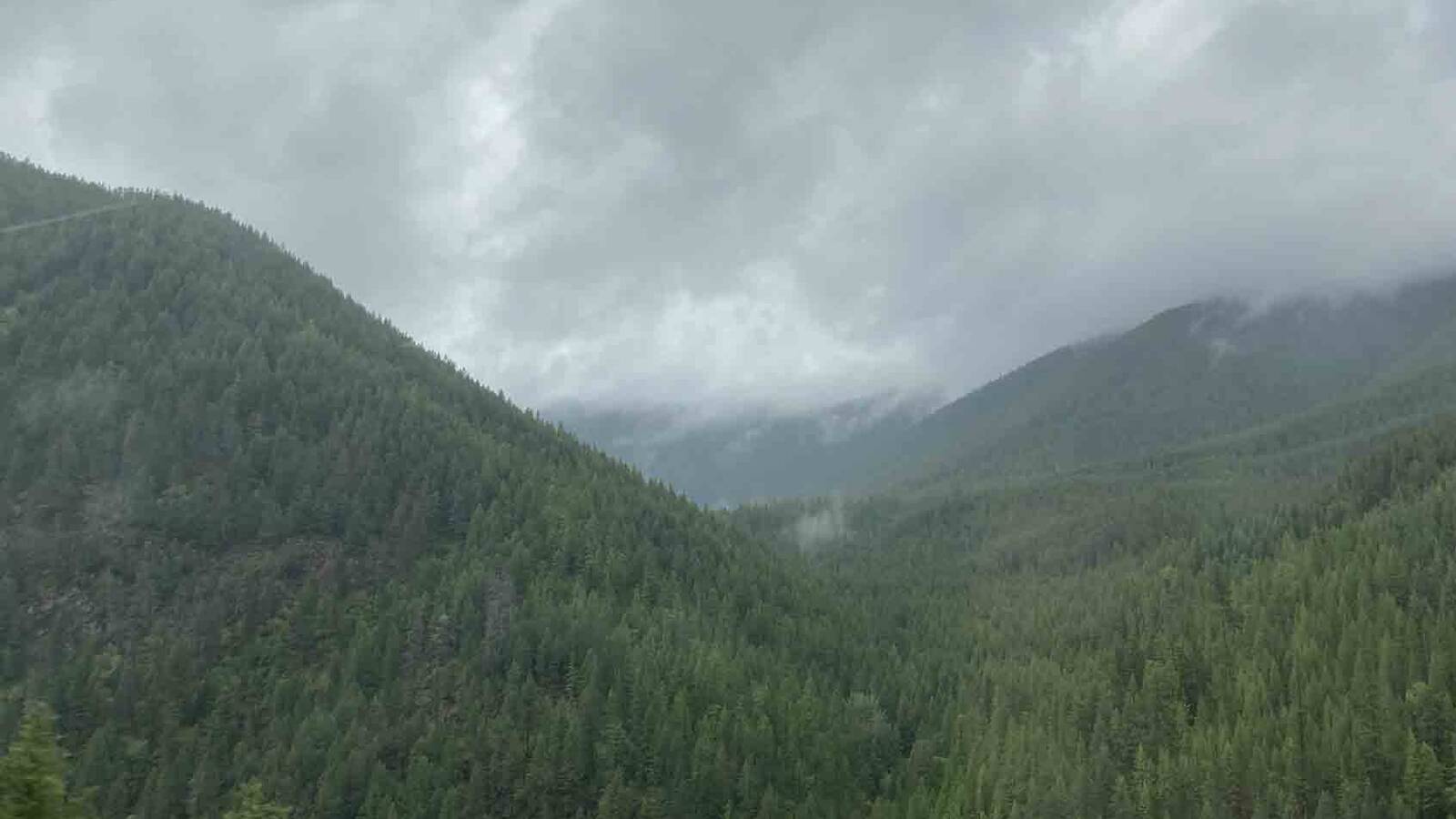
1. Glacier National Park
The lands between Blackfeet Nation and Glacier National Park, known as the Badger-Two Medicine region, remain undeveloped and preserved for future generations because the Advisory Council on Historic Preservation, which was created by NHPA, stepped in and affirmed the protection of national parks and Tribal traditional lands in 2015. Its decision followed an oil and gas company’s 2013 lawsuit demanding development of their lease. The last remaining federal oil and gas lease was retired in 2023.
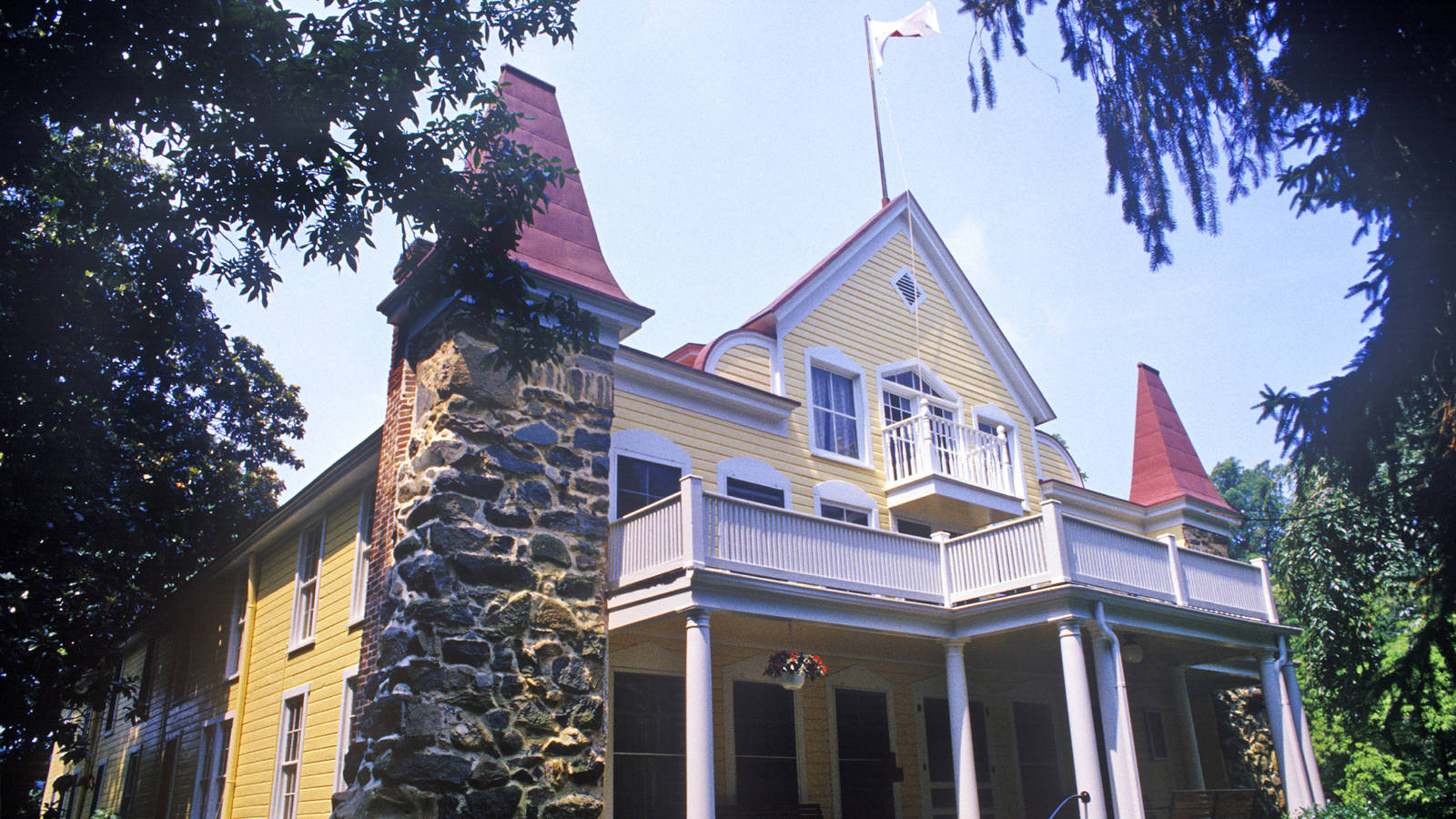
2. Clara Barton National Historic Site
The Angel of Glen Echo
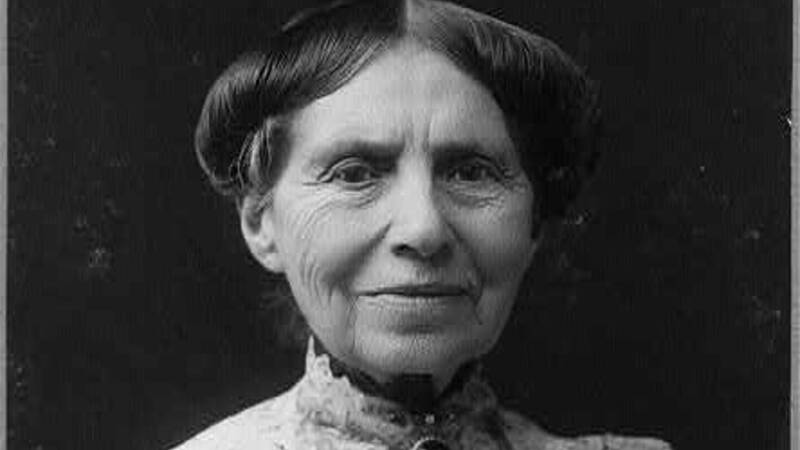
Clara Barton’s former home is in serious disrepair. Local historians shot down an insulting renovation plan—involving puppets—and are helping the Park Service more fully honor her history.
See more ›In 1974, Congress designated the first-ever national park site honoring a woman: Clara Barton, founder of the American Red Cross. After her home later fell into disrepair, the Great American Outdoors Act created the opportunity to restore it. Because of the Section 106 process, initial ideas for rehabilitation that didn’t fit Barton’s legacy were discarded. The process gave stakeholders such as NPCA, the National Trust for Historic Preservation and other historians the opportunity to speak up. As a result, the final renovation plans preserve this landmark to high standards so the history of the American Red Cross, Barton’s life and women’s history can be told.
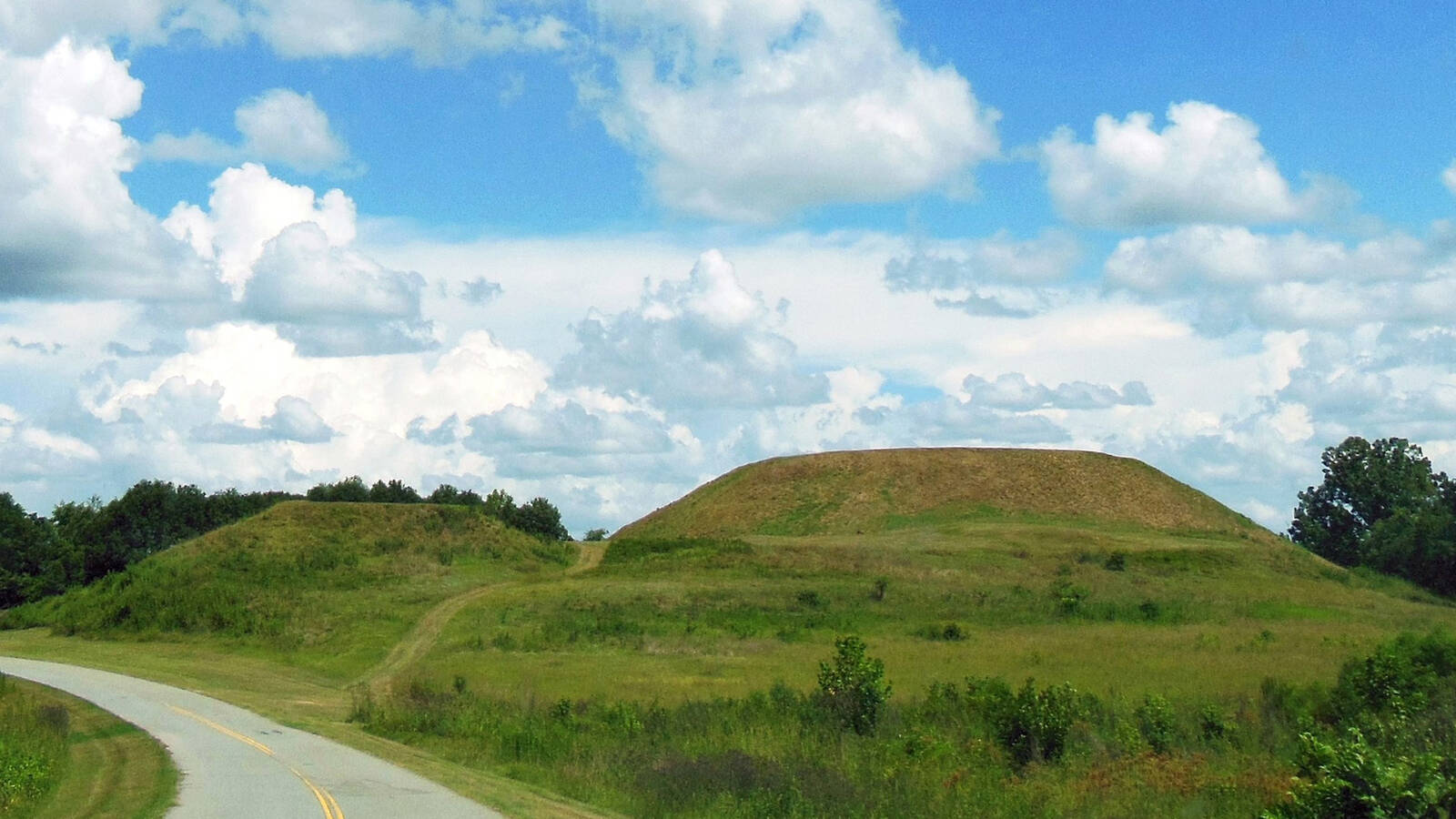
3. Ocmulgee Mounds National Historic Park
In the 1990s, the state of Georgia proposed building a freeway extension that would have bisected the Ocmulgee National Monument. The Muscogee (Creek) Nation was able to argue that the affected area constituted a Traditional Cultural Property under the NHPA. The Keeper of the National Register recognized that the area was eligible for TCP status and that recognition eventually stopped the freeway from being built.
Parklands at Risk
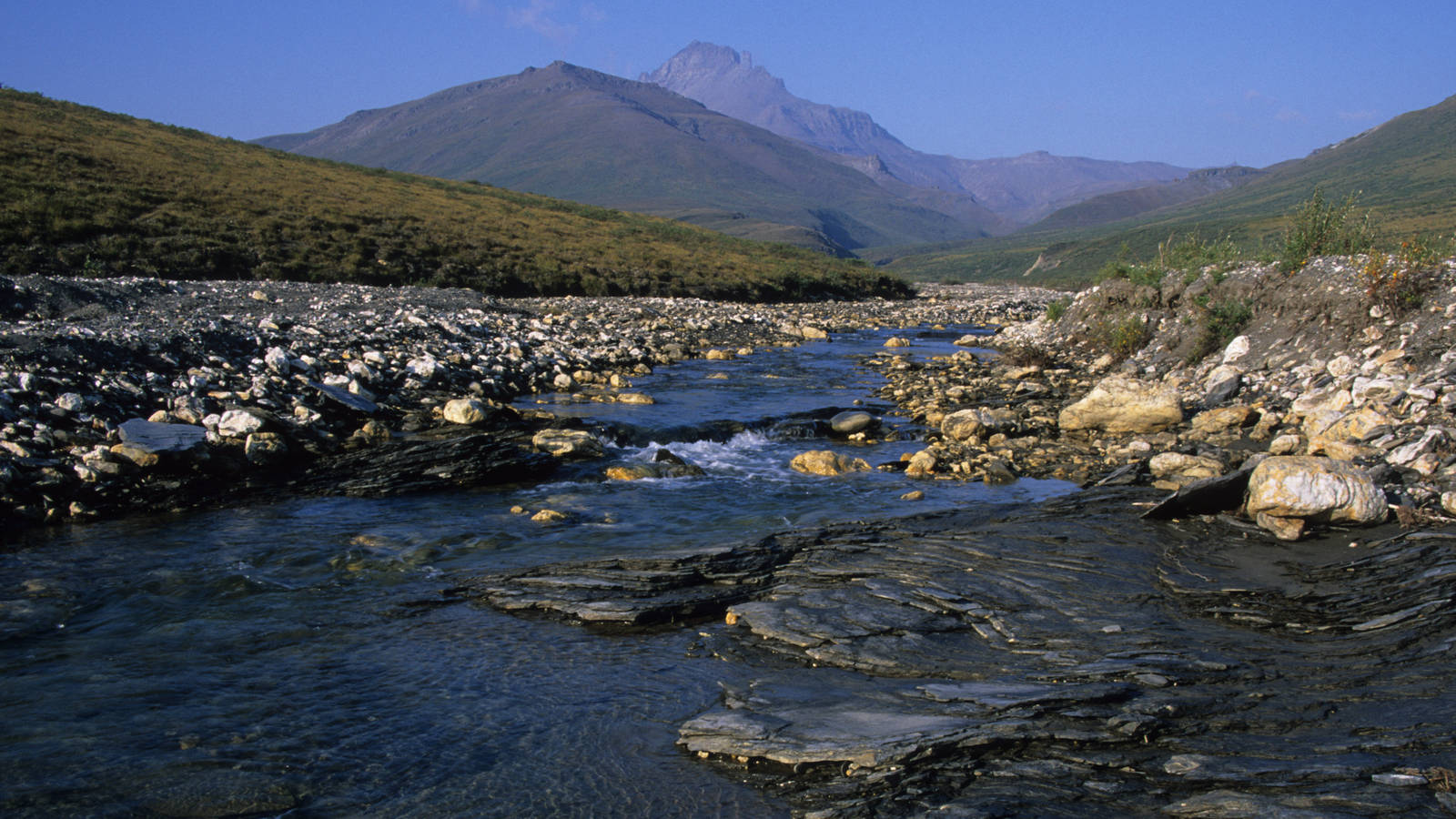
1. Gates of the Arctic National Preserve
This Alaska park and its Western Arctic Caribou herd still face the threat of the proposed 211-mile Ambler mining road for commercial trucks that would destroy park landscapes. After the Trump administration fast-tracked permits that disregarded the NHPA process in 2020, a series of legal battles involving NPCA and Tribes ensued. Conservationists won twice in 2024, yet the Trump administration is taking unprecedented steps again to ignore previous rulings and force construction of the Ambler Road.
2. Organ Pipe National Monument and other Border Parks
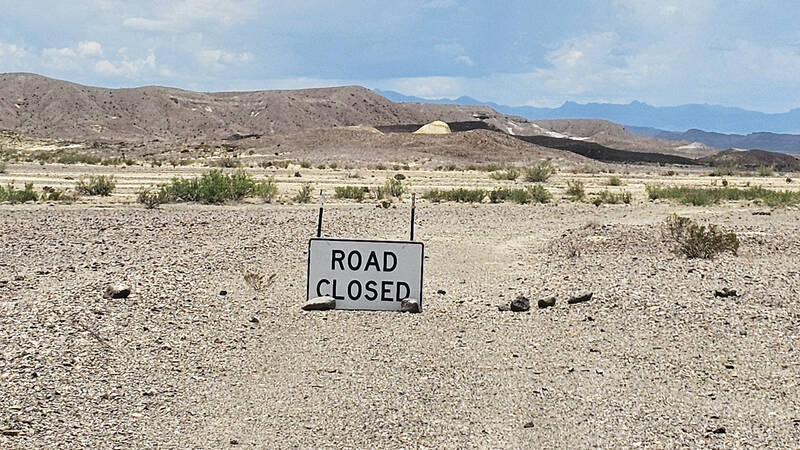
New Border Barriers Threaten Our National Parks. Communities Are Fighting Back
It all started in February, when eagle-eyed park advocates noticed that the Trump administration had quietly made changes to an online map.
See more ›The federal government has waived the NHPA in several cases along the U.S.-Mexico border during wall construction. In Arizona, the Department of Homeland Security waived bedrock environmental laws to build a border wall in Organ Pipe National Monument during the first Trump administration and now is using the same waivers to build a second wall, which could cause irreversible damage to Quitobaquito Springs, a desert oasis known to be sacred to the O’doham peoples. Similarly, the NHPA is being waived at Coronado National Memorial and Big Bend National Park.
3. National Mall and Memorial Parks
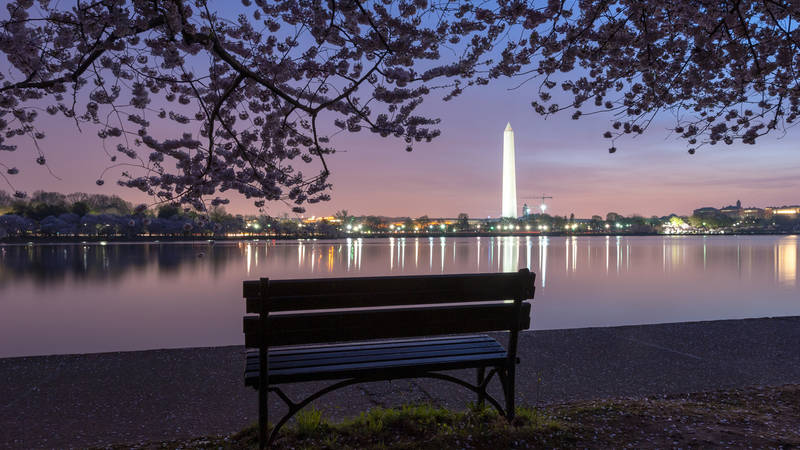
The National Mall in Washington, D.C. now faces an unprecedented wave of construction proposals, including a 250-foot triumphal arch between the carefully composed landscape connecting the Lincoln Memorial and Arlington National Cemetery. The Section 106 process is the public’s primary opportunity to weigh in on whether a monument of this scale belongs in one of the most historically significant viewsheds in the country. NPCA is participating as a consulting party, but proposals to weaken the law could allow projects like this, along with commercial development pressures across the Mall, to move forward without meaningful review of their effects on the memorials, landscapes and stories the Mall was designed to protect.
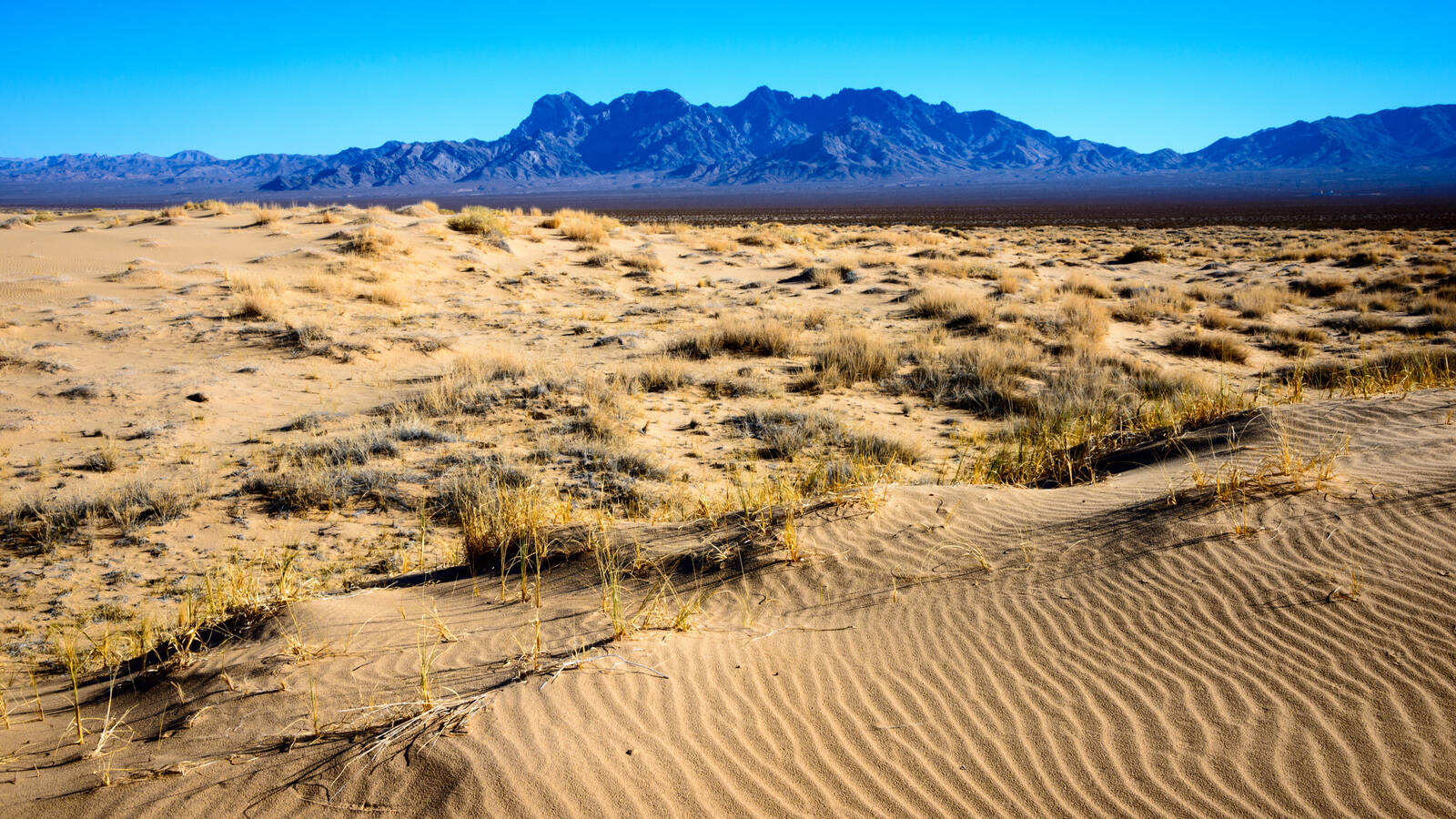
4. Mojave Desert
In July, the Trump administration issued a new pipeline permit for Cadiz Inc. without conducting its legally required review of the significant groundwater depletion that the project is expected to cause — this, despite a 2022 federal court decision that confirmed the Bureau of Land Management did not consult with Tribal Nations as required by NPHA when granting a permit in 2020 and ordered the permit revoked. The Chemehuevi and Fort Mojave Indian Tribes who have lived in and called this area of the Mojave Desert home since time immemorial have opposed the project for decades. NPCA will continue opposing this project.
About the author
-
 Michaela Pavlat Associate Director, Indigenous Engagement, Mid-Atlantic
Michaela Pavlat is the Associate Director, Indigenous Engagement for the Mid-Atlantic Region. She is a citizen of the Sault Ste. Marie Tribe of Chippewa Indians.