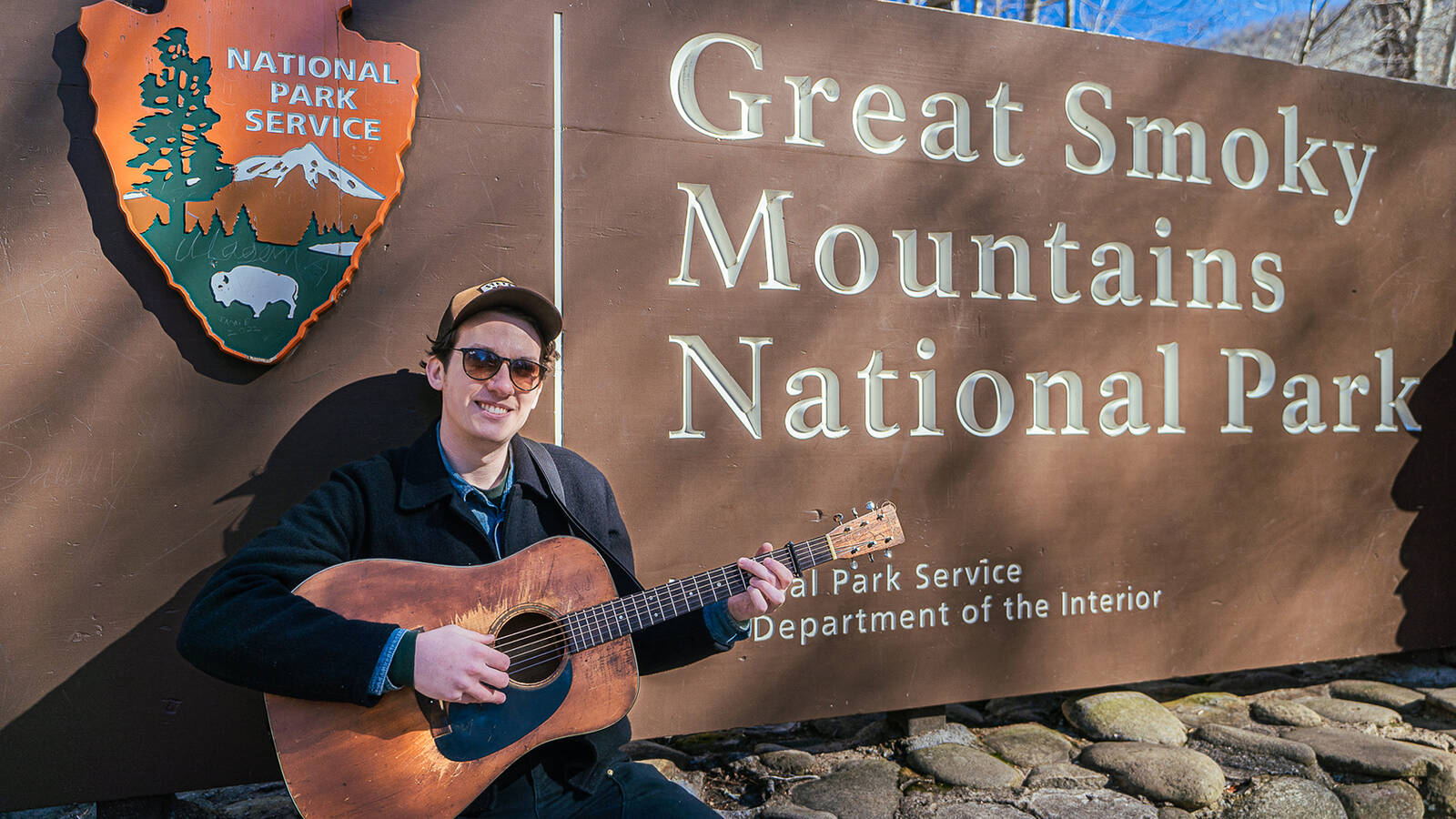
A Q&A with country singer Mason Via on his love for national parks, his hit “See It While You Can” and his new partnership with NPCA.
The National Parks Conservation Association has partnered with country music singer Mason Via to bring the United by Parks campaign to life through a new video series rooted in personal storytelling and a deep love of the outdoors.
Each video follows Mason as he visits national parks and shares what makes these places so special to him — a journey that inspired “See It While You Can (National Parks Song),” an original love song he wrote in honor of parks. We asked Mason to talk about his parks journey, the inspiration behind the song and why protecting these places matters to him.
Editor’s Note: This interview has been edited for length and clarity.
Q: How did you develop a love for national parks?
Growing up in the country, 30 minutes from the nearest grocery store, I was always surrounded by the natural environment and have had an appreciation for our earth’s vast and endless beauty since I was born. I grew up outside of Hanging Rock State Park in Stokes County, North Carolina, and my love of parks and public lands probably started there. My eyes were opened even further after visiting national parks across the country and enjoying the landscapes that all culminate as the patchwork quilt that is our great United States, from the barren deserts to the fruitful forests. The majesty of our land is so remarkable to me.
UNITED BY PARKS
Q: What made you want to partner with NPCA?
I feel like NPCA stands for what I personally believe in, which is protecting our parks and public lands as well as raising awareness around issues that face these sacred spaces. The partnership came at a perfect time as I had just released my song “See It While You Can,” which I had written independently of knowing about the upcoming partnership. When the folks at the NPCA heard it, they said it resonated with their mission, which is a home run for me as a songwriter — like the song found its perfect home and purpose.
Q: What do you hope people take away from United by Parks: On the Road with Mason Via?
I hope people learn something new about the parks we are featuring — whether it be their past history or the risks they face. I also want to open up about my feelings for protecting the parks and hope that folks can find connection in that. There’s a comment I keep getting at some of the live shows I’ve been playing “See It While You Can” at, something like, “It’s refreshing hearing someone who talks and sounds so southern like you speaking up for our parks.”
I hope that I can help change the minds of the people voting for protection rollbacks who would normally connect with bluegrass and country music but may not normally agree with the message of my song.
Songs can be great transformers. It may hit someone in their heart strings and strike a chord with them and could even be enough for them to change their mind and join the United by Parks mission and defend protecting our parks — that’s the dream and mission of the song.
Q: What are your thoughts on NPCA celebrating 107 years of protecting America’s parks this year?
1919 was the year famous protest singer Pete Seeger was born, and Woody Guthrie was just a kid at the time. I think back on the musical message of the era coming from the folk music community and it was simple, “This Land is Your Land.” The need to protect these parks and our lands is sadly more relevant than ever, 107 years later.
Q: How has your connection to national parks shaped your perspective as an artist?
I often find myself using nature as an analogy or metaphor in my lyrics — to describe love, for example. I also tend to lyrically set the scene or background of a story song that I’m writing by including and describing the natural surroundings, which helps to put the song in a location and paint the picture for the listener. This comes out of the folk tradition and is so classic sounding, and yet it feels much more natural to sing about than cellphones and skyscrapers.
Q: What inspired “See It While You Can”?
Continual headlines about how funding is being cut for our national parks and how environmental policy rollbacks are being introduced, as well as the propositions to sell off our public lands. I’m not normally an overly outspoken guy when it comes to politics, but at some point over the last few years it seems as though the line in the sand has been crossed so many times that I could not be silent any longer.
To me this song isn’t about being divisive — it is about hopefully helping America remember our basic values. To help us consider how far our nation is straying from common sense and respect for our homeland. At my live shows across the USA, this has been an issue that I’ve actually seen everyone unite on. No matter their age or party affiliation, everyone seems to support me on this one when I play it.
Q: In your words, what’s at stake if we don’t protect our parks?
We will start seeing more species of plants and animals becoming endangered and extinct. This may eventually include us. We will start to feel the effects on our health and the earth’s health of the pollution that will come with trading our parks out for a mine or an oil rig, or a parking lot.
We will also lose our heritage, our culture and our society’s history, which also takes a toll on the local tourism economy. Lastly, we will lose the world’s most amazing and beautiful landscapes, places that are sacred — where you can’t hear a sound and you can see every star in the sky.
Q: How do you think personal stories help people connect to park conservation?
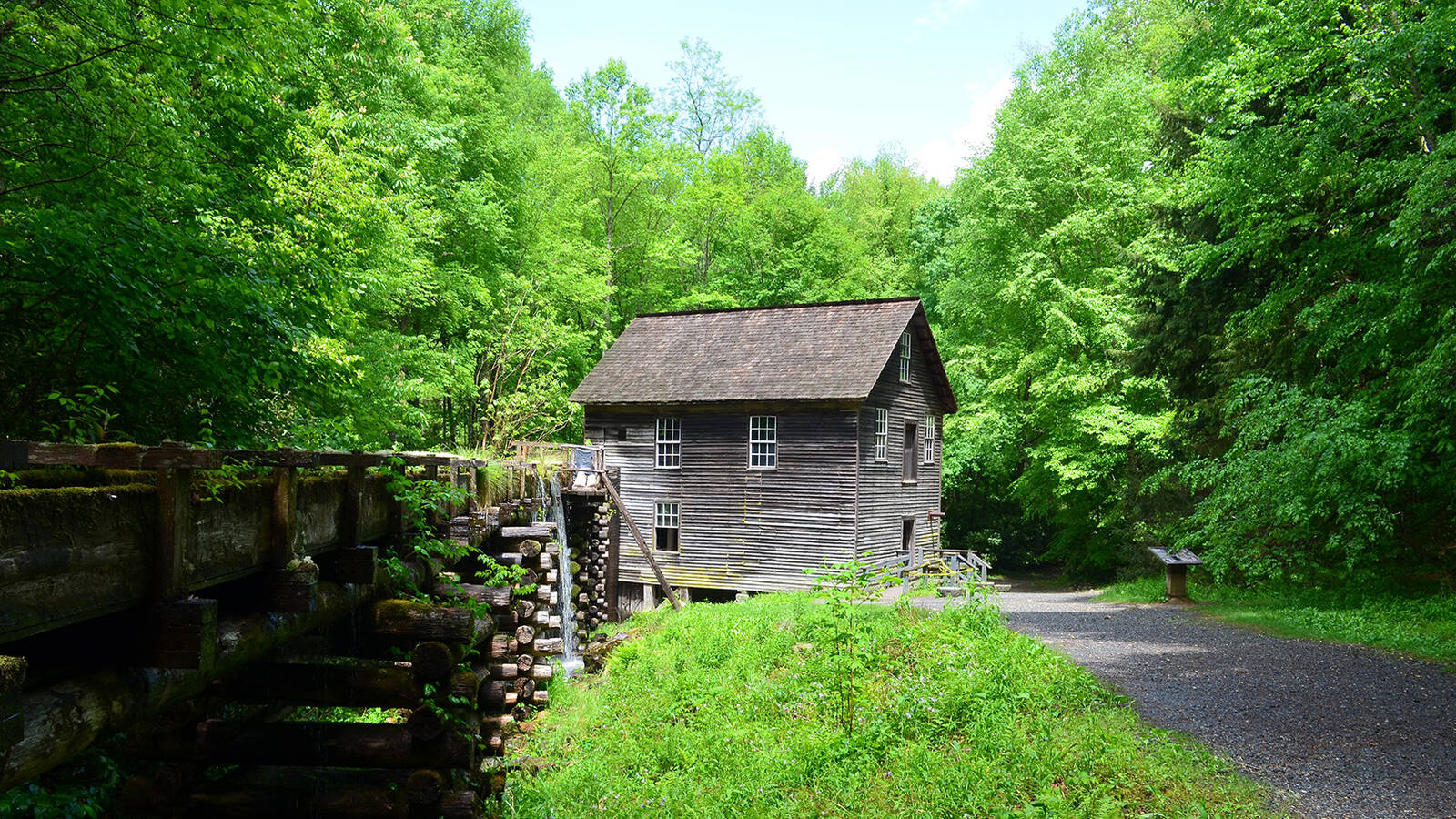
In the Great Smoky Mountains National Park, I saw a plaque at Mingus Mill, a beautiful historic gristmill directly tied to one of my favorite musicians and one of the most famous jazz bassists ever, Charles Mingus. Charles Mingus’ grandfather, Daniel Mingus, who worked there in the area as a carpenter, was enslaved to the white Mingus family who built the mill. The plaque about Charles Mingus was so inspiring to me, because despite the fact that his direct family was victim to a horrible crime against his humanity, Charles Mingus, who carried that generational trauma, became a monumental figure in the American songbook and a jazz icon. In summary, I think that the stories are often what make places worth protecting.
Q: In what way does America’s 250th anniversary matter — and what’s your hope for the next 250 years of America and its parks?
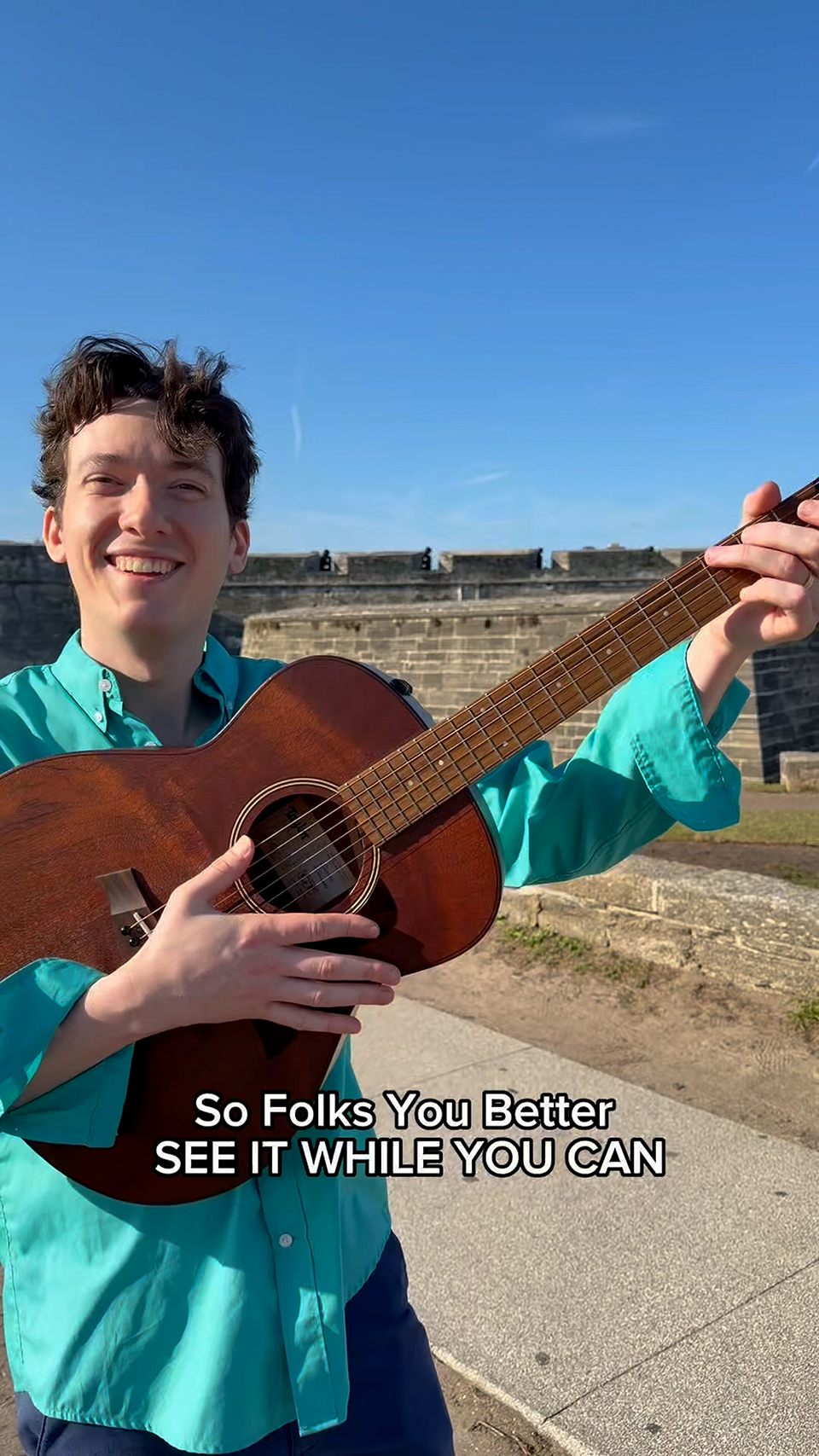
A still from United by Parks: On the Road With Mason Via video series, on location at Florida’s Castillo de San Marcos National Monument.
Courtesy of Mason ViaI’m proud to be an American because we as a people are a diverse melting pot of so many different cultures and back stories. Our country is also a diverse melting pot of natural landscapes, and home to some of the greatest wonders of the natural world. Our national parks program was created as an institution to preserve both of these — the unique backgrounds that our culture is rooted in as well as the amazing lands and spaces that we get to call our home. Thinking back 250 years, a quote from one of the founding fathers, Thomas Jefferson, about the domino effect in environmentalism also comes to mind: “For if one link in nature’s chain might be lost, another might be lost, until the whole of things will vanish by piecemeal.”
Q: How can someone support our parks in a meaningful way?
I would suggest signing the United by Parks pledge as a great first step. I would also suggest picking up a volunteer shift at your local national park if you have free time to do so, as well as voting for political candidates who support our parks.
Also, consider adding “See It While You Can (National Parks Song)” to your playlist or sharing it on your social media to help grow the greater conversation that our parks need our attention and protection NOW!
Stay On Top of News
Our email newsletter shares the latest on parks.
About the author
-
 Chyla Anderson Manager of Marketing
As Manager of Marketing, Chyla works to engage park supporters at every stage of their journey, empowering them to form long-lasting relationships with our parks.