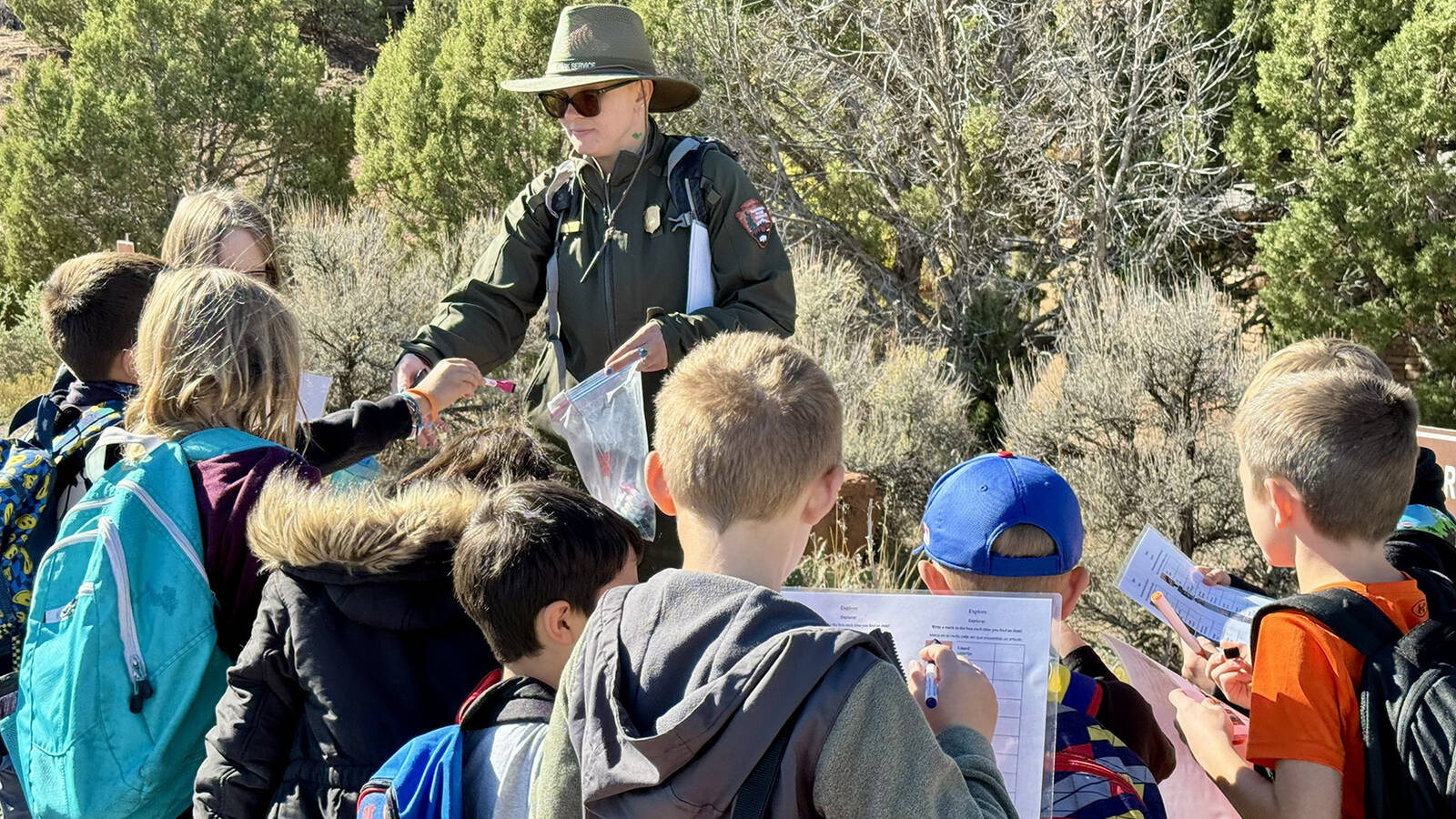
Morale among National Park Service staff is at an all-time low. Nearly a year and a half into Trump’s second presidency, here’s why.
Since January 2025, the National Park Service has lost almost a quarter of its permanent workforce — more than 4,000 positions — driven primarily by mass terminations, early retirements and deferred resignations. These dedicated staff managed parks, maintained trails, cleaned facilities, managed wildlife, guided visitors and protected America’s cultural and natural treasures. Their departure represents not only a staffing shortage but the erosion of decades of institutional knowledge and frontline experience.
As the administration continues efforts to shrink the federal workforce even further, essential operations across the park system are being gutted. Visitors may notice longer lines, fewer ranger programs and shuttered facilities, but the deeper impact behind the scenes is harder to see, including fewer experts available to protect wildlife, preserve sacred sites, facilitate repair projects, and ensure timely communication with the public about evolving and potentially dangerous situations in parks.
Meanwhile, morale among remaining staff has fallen to an all-time low, with employees stretched to the breaking point as park managers are pressured to keep trails, campgrounds and visitor centers open despite clear capacity limits. In many cases, staff are being pulled away from critical duties just to keep parks running, with biologists and historians stepping in to clean bathrooms or cover visitor centers because there simply aren’t enough staff left. However, the administration’s efforts to project a façade of normalcy to the public have been ineffective, as the Park Service’s own data from last summer indicates the tactics aren’t working.
Even as Park Service staff face increasing challenges, the administration continues to introduce obstacles that hinder their ability to do their jobs and drive employees away. Here’s how the administration’s recent actions are creating a culture of fear among the thousands who remain, despite employees’ ongoing commitment to safeguarding and preserving our nation’s most cherished places.
1. Additional Hiring Barriers
In December 2025, the administration allowed the expiration of a federal hiring freeze that had left national parks unable to hire critically needed staff since January 2025. However, the end of the freeze came with significant restrictions and red tape that have continued to prevent parks and their supporting offices from replacing more than 4,000 Park Service employees who were pushed out of the agency the past year through mass firings, pressured resignations and retirements and a chaotic and misguided effort to reorganize.
Even after losing a quarter of Park Service staff, the administration implemented strict federal government hiring policies that state the Department of the Interior will hire, “no more than one employee for every four employees that depart” the agency. Other administrative policies also require each agency, including the Park Service, to submit annual staffing plans and establish Strategic Hiring Committees aligned with the president’s political priorities, a bureaucratic hurdle that stalls hiring for crucial National Park Service positions. Furthermore, political appointees without Park Service experience are choosing which jobs are prioritized, so far largely sidelining scientists and historians.
No more than 1 employee can be hired for every 4 employees who depart the National Park Service, per new DOI policies.
In March, the Park Service received clearance to refill about 600 staff positions — a positive step, but only a fraction of the thousands of employees pushed out of the agency last year. And questions remain around the narrow range of roles being approved for hire and the pace at which hiring and onboarding can realistically move forward given the deep cuts to human resources staff needed to carry out the process.
“We’re finally seeing jobs posted, but the picture is telling. While there are over a hundred permanent positions posted, most are focused on management and visitor services, with only a handful supporting resource protection work. Superintendent and other management roles are finally being refilled as it has become clear parks can’t properly function without managers, but this hiring push clearly prioritizes front-line visitor services. That imbalance is deeply concerning and it’s one we’re pressing Congress to address.” — John Garder, NPCA’s senior director of budget & appropriations, Government Affairs
2. Annual Review Interference
The administration also recently directed Park Service superintendents to lower employee performance ratings during annual reviews, regardless of actual performance or the agency’s own standards. Under the Park Service’s 1 – 5 evaluation scale, officials have instructed superintendents to assign staff performing beyond expectations to have a maximum rating of 3 — creating an arbitrary limit with little justification.
The Park Service staff who remain are working harder than ever just to keep parks operating, often juggling multiple roles, many far outside the jobs they were hired to do. Time and again, they’ve gone above and beyond, even working without pay during the longest government shutdown in history to keep places such as Yosemite and Zion safe.
“These changes are deeply unfair to employees whose work deserves higher ratings, especially as they go above and beyond to protect our most treasured places. They also raise serious concerns that Park Service staff are being set up as expendable in a future wave of mass firings. For many park staff, this work isn’t just a job, it’s a calling. But now, they wake up every day wondering if they’ll even be able to keep their jobs.” — John Garder, NPCA’s senior director of budget & appropriations, Government Affairs
3. Seasonal Position Changes
In January, guidance was sent to hiring managers authorizing the hiring of seasonal positions in the Park Service, which included roles such as park rangers, park guides, maintenance professionals and fee collectors. The new policy hires seasonal employees for a 9-month span, which qualifies them for health insurance but not for retirement benefits. Historically, seasonal positions have centered around a 6-month period.
While this approach provides some flexibility for park managers, it also has downsides and risks because it replaces full-time career staff with less secure seasonal workers, who might lack the needed experience and expertise. Many vacant positions require institutional knowledge and specialized skills that seasonal employees simply don’t have, which will leave key roles unfilled. The problem is compounded by a shortage of supervisors to manage an influx of seasonal staff. And limited human resources capacity will make it difficult to handle annual turnover, since seasonal positions must be refilled every year, taking up valuable staff time and resources.
“Seasonal park staff are essential for protecting park resources and visitors during the busiest times of the year. But seasonal staff cannot, and should not, replace permanent positions, which provide the experience and continuity necessary to keep parks safe and thriving year-round. This shouldn’t be a choice between one or the other. Our national parks need both.” — Emily Douce, NPCA’s deputy vice president, Government Affairs
4. Another Round of Pressured Resignations and Early Retirements
In early April, the Interior Department announced another round of buyouts — or “deferred resignation” — and early retirement offers. The initial offers introduced in early 2025 as part of the Department of Government Efficiency (DOGE) effort were a key driver in the loss of nearly a quarter of the Park Service workforce. Combined with other recent attacks on employees, and a broader climate of job insecurity and uncertainty, this initiative is likely to drive further departures.

What to Expect When Visiting Parks in Summer 2026
Planning a park trip this season? Be prepared for traffic, crowds and unpredictability.
See more ›The announcement also underscored a strong emphasis on “visitor-facing services,” with little to no explicit focus on resource protection, despite it being the chief component of the Park Service’s mission. Staff had until April 12 to accept the offer. How many staff felt compelled to take the offer remains unclear.
“This latest attempt to push park staff out and prioritize visitor-facing roles at all costs runs counter to the very mission the park service was created to uphold and the natural and cultural resources it is mandated to protect. You can only maintain the appearance of things being fine for so long. The cracks are already beginning to show, and this approach will only widen them.” — Emily Douce, NPCA’s deputy vice president, Government Affairs
5. Ongoing Fallout from the Reorganization
Months ago, the administration reassigned more than 1,600 Park Service staff from regional offices and park sites, reclassifying them as Department of the Interior employees, a chaotic and disruptive move that has only further reduced the Park Service’s capacity. This has left superintendents without direct oversight of critical positions handling communications, information technology, human resources, budgeting and other essential services, creating confusion and gaps in operations. The consequences could become increasingly concerning in the future if critical updates on closures and safety conditions fail to reach the public, as they did during last year’s government shutdown.
When people think of national park staff, they think of people in the iconic flat hats at visitor centers and entry gates. But in fact, a few hundred national park staff support park operations from regional and national offices. From wildlife biologists and climate scientists to air, water and soundscape experts, these staff protect the very resources people go to parks to experience. Every single Park Service employee is essential to the health and safety of our parks and all who visit them.
What NPCA is Doing
Park staff are the lifeblood of our parks. Without them, these places simply aren’t the same.
For months, NPCA along with our members and supporters have been speaking out in support of our national parks and the people who care for them. Together, with your help and our champions in Congress, we helped stop proposed massive budget cuts that could have gutted an already overstretched Park Service. We will continue engaging members of Congress and advocating for more support. You can join us in our fight to ensure parks have the staff and resources they need and deserve.
The views expressed here are those of the National Parks Conservation Association and do not necessarily reflect the views of the National Park Service.
Stay On Top of News
Our email newsletter shares the latest on parks.
About the author
-
 Angela Gonzales Director, Communications
Angela joined NPCA in October 2017 and is a Director of Communications. She currently manages outreach and communications for the Government Affairs team and Conservation Programs.
-
General
-
Issues


-
Press Release
National Park Advocates Unite on August 25 to Show Support for Park Staff and Urge Washington to Defend America’s Legacy
To honor the 110th birthday of the National Park Service and commemorate America’s 250th, National Parks Conservation Association sends a message to Congress and the Administration
-
Blog Post
Behind the Facade, Yosemite is in Chaos
We outline three major issues at Yosemite caused by mismanagement and what NPCA is doing about them.
-
Press Release
Senate Committee Advances Critical Bill to Fix National Parks
"As America approaches its 250th anniversary, there’s no better way to honor this milestone than by investing in the places that protect and tell our shared history." - Emily Douce,…