Planning a park trip this season? Be prepared for traffic, crowds and unpredictability.
It’s the 250th anniversary of our nation’s founding, and one of America’s most beloved institutions — our National Park Service — is at a crossroads: access to parks now and at all costs or enjoyment of them forever based on conservation.
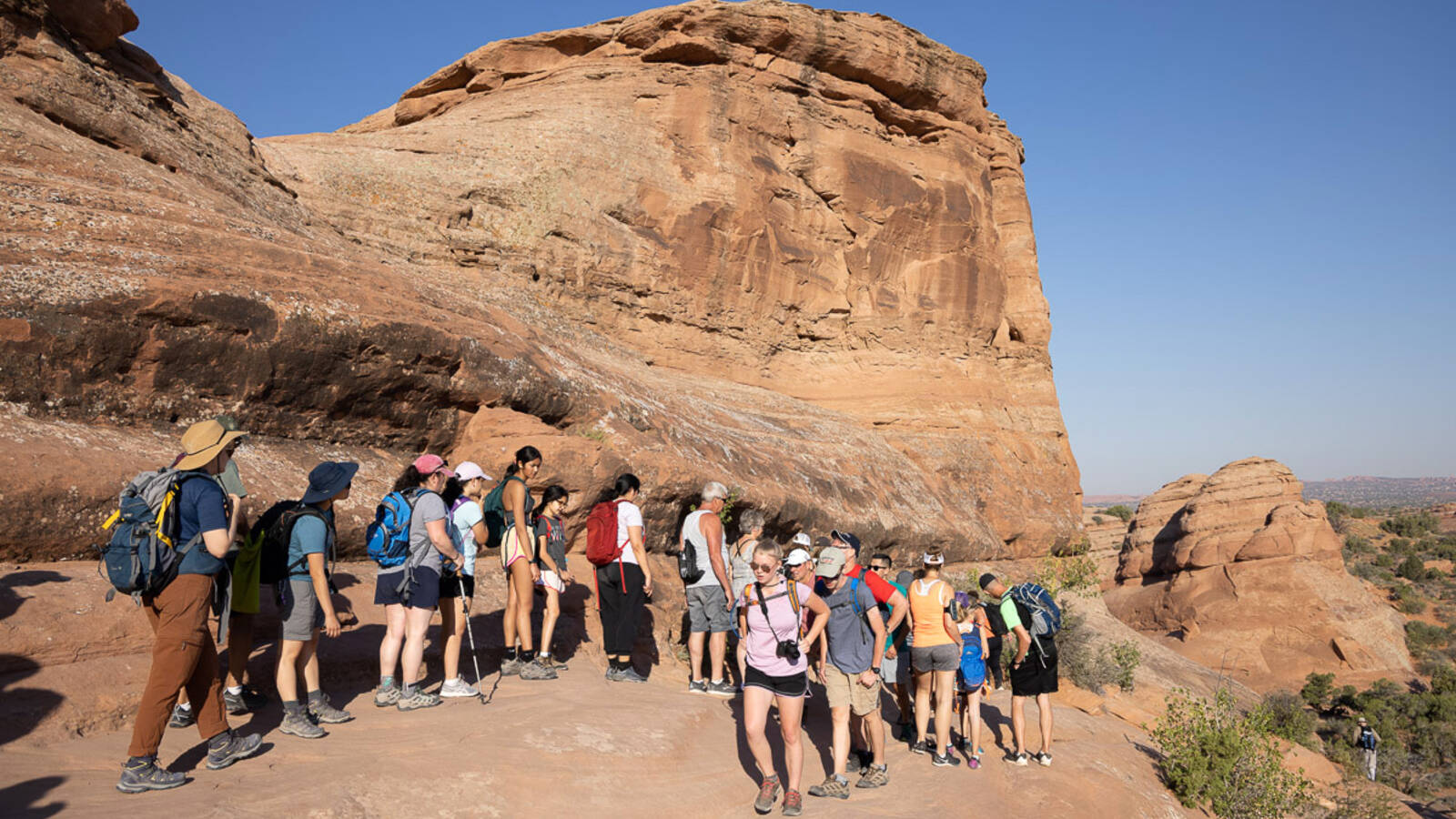
Summer road trips to national parks are an American tradition. This year, with semiquincentennial special events and new free entrance days on already-busy holidays, parkgoers can expect larger crowds from Arches to Yosemite. But there’s a bigger story to be told behind the scenes as the administration chips away at our American treasures.
Here’s what to expect as well as what you should know about visiting and supporting national parks this year.
The Staffing Crisis Continues
The staffing crisis set in motion by the administration’s attacks on the federal workforce that started in January 2025 continues at a reckless speed, with a third call for deferred resignations and early retirements for Interior Department workers announced in April. At the same time, the Interior Department announced it is prioritizing the hiring of visitor-facing roles in national parks. This conflicting approach to staffing demonstrates how this administration puts park access first while casting aside resource conservation and operations. NPCA believes this myopic focus on visitor access endangers the long-term health of our national parks.

Culture of Fear
Morale among National Park Service staff is at an all-time low. Nearly a year and a half into Trump’s second presidency, here’s why.
See more ›Providing high-quality visitor experiences is only half of the national park equation. Without resource conservation, the Park Service fails its mission to conserve the scenery and resources and “leave them unimpaired for the enjoyment of future generations.” By winnowing Park Service staff down to visitor services and eliminating roles and duties such as contracting, resource monitoring and technical planning for the future, this administration is failing our parks for the future.
For now, visitation to national parks remains high — an enduring popularity that’s not surprising. Park rangers continue to welcome visitors but only under a semblance of normalcy. While dedicated Park Service staff continue to make the best of a decimated workforce and other policy changes, we will see more cracks in the façade as the administration continues relentless attacks on these places and their caretakers.
What you can do:
- Be patient and kind to all park staff you meet. Morale among park employees is low as they keep being expected to do more with less.
- Urge Congress to do everything in their power to stop any further staffing cuts and restore the thousands of positions lost over the last year. This isn’t just about what’s happening to the parks this season — it’s about the long-term damage these decisions will have on the future of the National Park System.
- Share your messages of appreciation to rangers and park staff through NPCA’s thank-you project in partnership with Nature Valley.
Reservation Systems No More
The administration is pushing a free-for-all approach this year by cancelling the successful, common-sense reservation systems that managed access at Yosemite National Park and Arches National Park.
Despite claims that removing these systems expands public access during peak season, NPCA believes these changes ignore National Park Service expertise, undermine visitor safety, back-pedal on efforts to ensure worry-free visits, and fail to address years of unsustainable visitation patterns at these parks.
Managed access reservation systems are designed to spread out visitor arrivals over time, reducing bottlenecks at popular times of day and days of the year. The systems also make park visits predictable — no more worrying about getting to your desired destination, only to find no available parking. Reservation systems make visitor experiences more enjoyable and keep park operations running smoothly. They are also popular with visitors — a 2022 Utah State University Study at Arches found that 84% of respondents indicated they would like to have a reservation system in place for future visits.
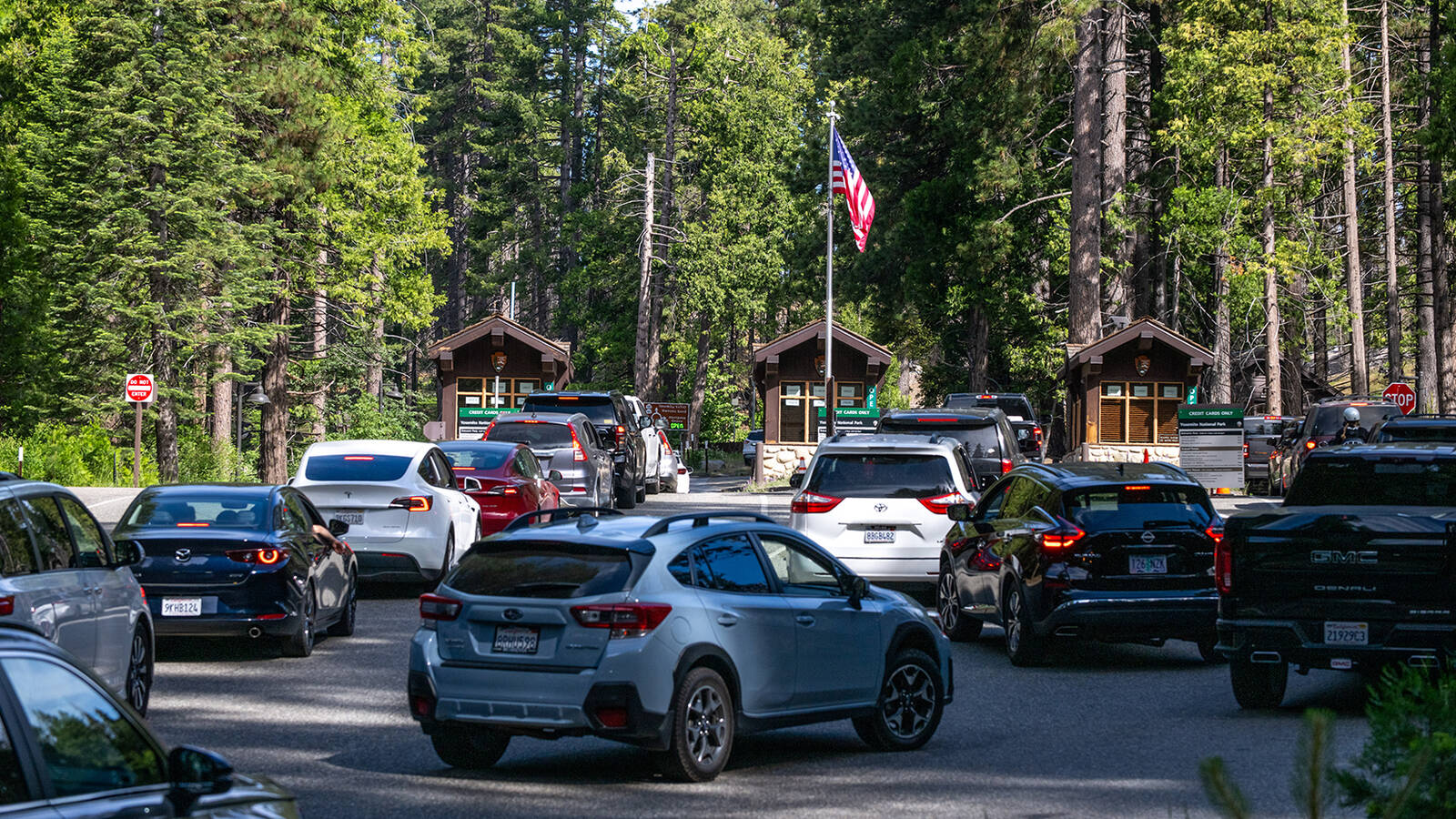
Without reservation systems, expect long traffic jams, overcrowded parking lots and trails, damaged park resources and strain on remaining park staff.
This administration prioritizes park access while casting aside resource conservation and operations. NPCA believes this endangers the long-term health of our national parks.
At Yosemite, we’ve already seen the negative results, as the park canceled reservations for the winter dates of its “Firefall” event, which were first put in place in 2021. NPCA’s Sierra Nevada Senior Program Manager Mark Rose visited the park during this year’s event and noted, “I spent over an hour stuck in traffic leaving the park, and exiting felt more like leaving a major sporting event than it did visiting a national park. I saw an ambulance stuck in standstill traffic announcing over a megaphone for pedestrians and vehicles to move out of the way. The views were incredible, but I don’t think I’d ever go back without a reservation system in place.”
Thankfully, the Park Service intends to maintain Rocky Mountain National Park’s timed entry reservation system between late May and mid-October this year, and reservations for hiking popular trails, such as Old Rag in Shenandoah National Park and Angels Landing in Zion National Park, will continue. At Glacier, three-hour timed parking at Logan Pass and shuttle reservations for express service to Logan Pass are in place to address congestion this summer (although entrance station traffic due to a lack of vehicle reservations on the Going-to-the-Sun Road is still a worry).
What you can do:
- Prepare for crowds: It may sound cliche, but coming with a plan — and several backup plans — is the most effective way to ensure your park experience aligns with your expectation.
- Be part of the solution: Check to see if shuttle systems or other multi-modal travel options exist in the park you’re visiting. Plan to ride the shuttle or a bicycle before adding another vehicle to the line.
- Arrive early or late or mid-week: Know that lots of other people are excited to see the same place you are—and likely at the same time, too. Managed access reservation systems helped distribute visitation over time, clearing up congestion. Without these systems in place, you can try to avoid congestion by arriving early, staying after dark or visiting mid-week.
- Avoid being the reason for the rescue: A search and rescue (SAR) operation requires lots of staff time, energy and resources. Every SAR strains the reduced staff capacity available for all park operations. Prevent causing a SAR — manage your risk according to your ability level, heed posted safety warnings and look out for everyone in your group.
- Don’t forget street safety: A walk in a national park still can involve navigating roads and parking lots. Especially in busy and crowded parks, drivers and pedestrians need to be aware of one another, just as in an urban environment.
- Keep your cool: When crowds descend, temperatures rise. Conflicts over scant available parking are common when parks get busy. If you find yourself in this situation, try to stay calm — and urge the Park Service to bring back a managed access reservation system to address crowding and congestion.
- Speak up! NPCA believes that our national parks, park staff and visitors deserve better. We believe that smart planning and fully staffed parks support a better experience. Urge the Park Service and Interior Department to reinstate managed access systems and bring back staff and duties that serve the full Park Service mission.
Enjoy your national parks, be kind to one another out there, and know that Park Service staff are doing the best they can to help you have a great experience while protecting the parks in perpetuity.
Stay On Top of News
Our email newsletter shares the latest on parks.
About the author
-
 Cassidy Jones Senior Visitation Program Manager, Southwest
Born and raised in Utah, Cassidy comes to NPCA with an inborn interest in parks, public lands, and political-cultural conflict.
-
General
-
Issues


-
Press Release
National Park Advocates Unite on August 25 to Show Support for Park Staff and Urge Washington to Defend America’s Legacy
To honor the 110th birthday of the National Park Service and commemorate America’s 250th, National Parks Conservation Association sends a message to Congress and the Administration
-
Blog Post
Behind the Facade, Yosemite is in Chaos
We outline three major issues at Yosemite caused by mismanagement and what NPCA is doing about them.
-
Blog Post
Thanking Park Staff this Earth Month
NPCA collected more than 750 messages of gratitude for park staff and shared them at park events across the country — and it’s not too late to leave your own…