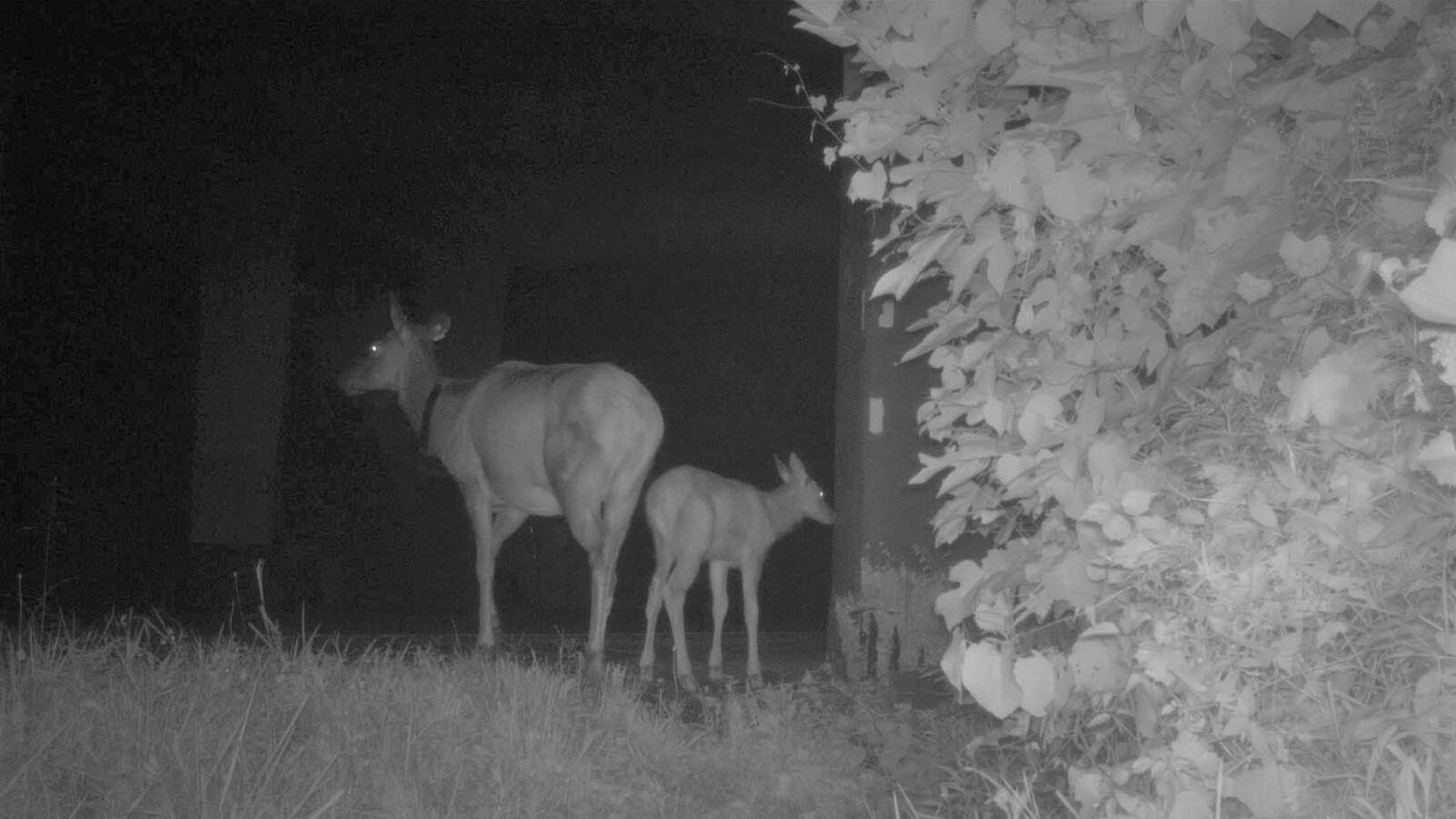
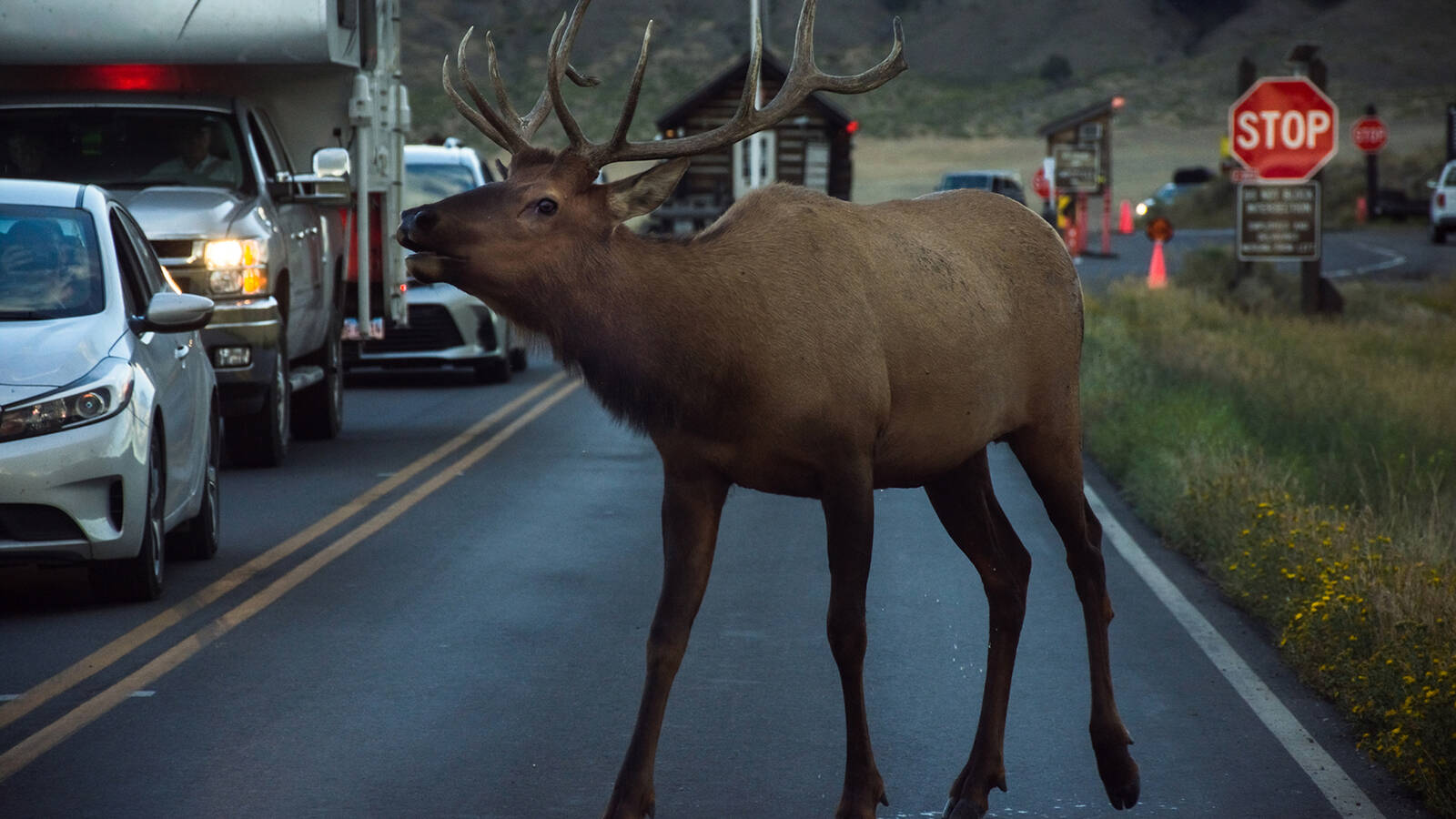
Wildlife‑vehicle collisions are a serious safety problem in and around national parks. NPCA seeks to secure more funding for wildlife crossings and other measures that improve safety for visitors and wildlife alike.
With spring nearly here, it’s hard not to think about my next national park road trip. One of my favorite feelings comes when I load up the car and head out for a park adventure. In fact, I was excited to pass along the tradition to my newborn daughter this month when our family visited the Everglades — her very first national park!
There is no greater responsibility than getting your friends and family to and from your park adventure safely. There are more than 430 park sites across the country, and many are easily accessible by just a car ride from home.
That’s why NPCA has spent years working to protect people and wildlife by supporting solution-focused policies that benefit drivers and national park wildlife alike. From overpasses near Grand Teton National Park to underpasses en route to Great Smoky Mountains National Park, these distinctly designed measures allow park wildlife to navigate the modern world safely, avoiding vehicle collisions and hopefully saving drivers from disastrous collisions.
Motorist Safety and Wildlife Conservation
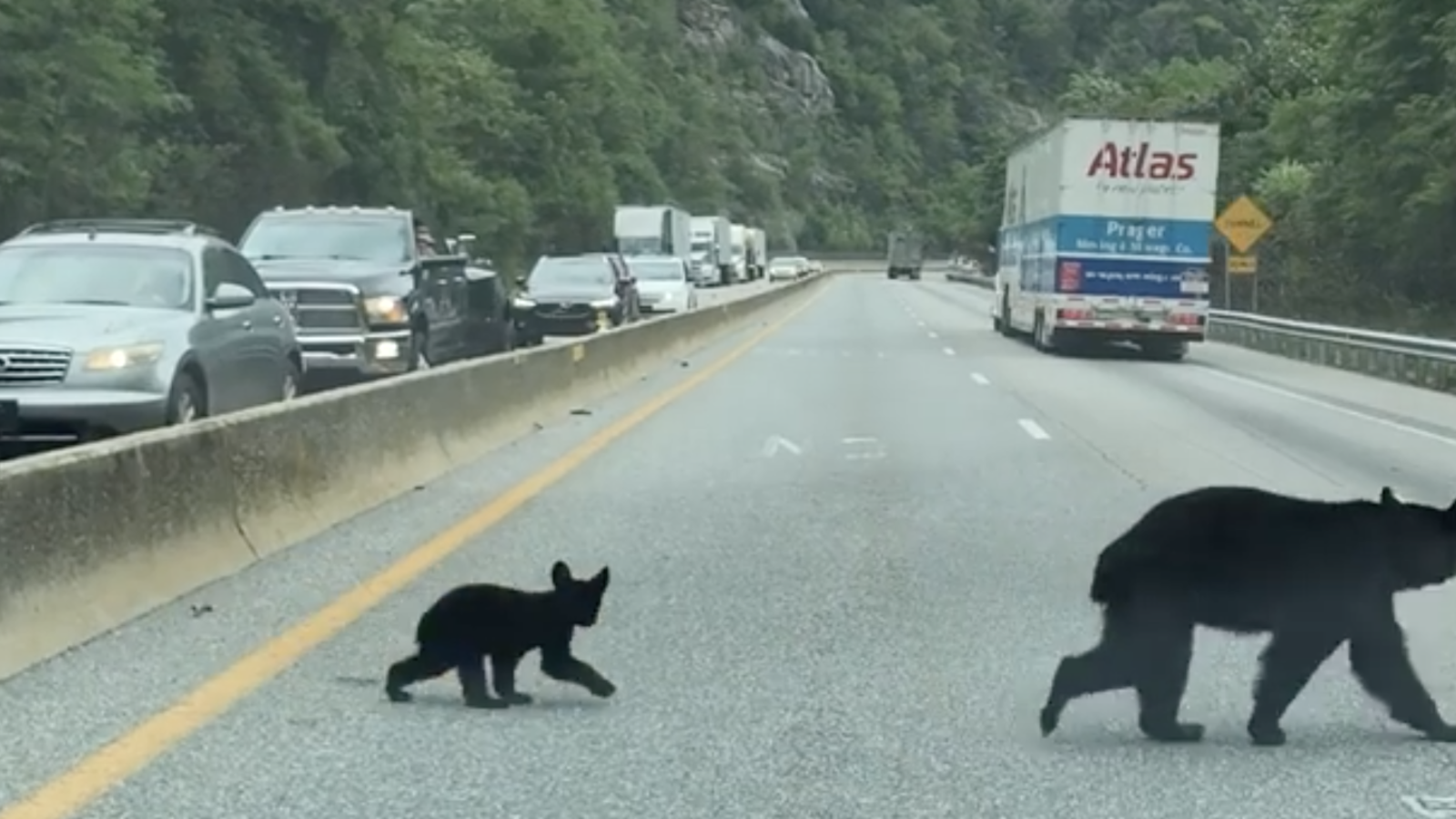
Wildlife‑vehicle collisions are a serious safety problem nationwide in and around national parks. A national report estimated that collisions with wildlife in the United States kill around 200 people and injure over 26,000 per year. These avoidable collisions can cost American motorists billions of dollars, and no life can be replaced.
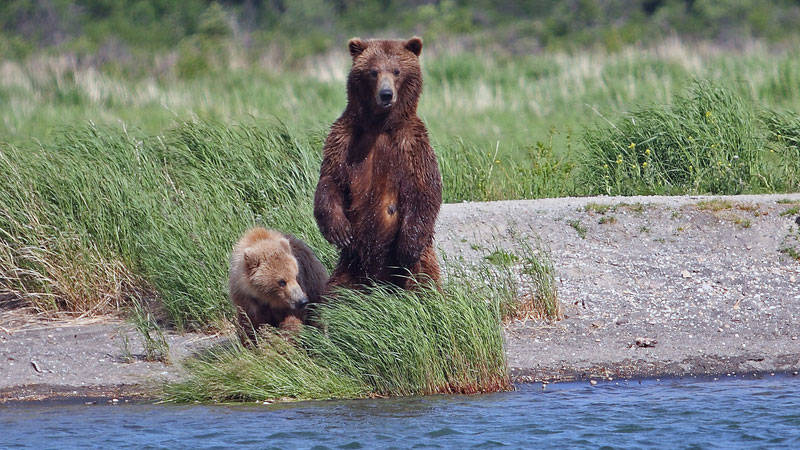
These accidents also impact park wildlife. The very reason many of us explore national parks is to see for ourselves the black bears at New River Gorge or grizzly bears at Yellowstone. But unfortunately, wildlife of all shapes and sizes are caught in collisions with vehicles daily. Over time, this has a detrimental impact on their populations. As animals search for food and mates, the roadways they encounter force them to cross dangerous traffic in order to move and migrate.
Solutions For Safer Passage
Proven crossing infrastructure investments and strategies can cut collisions by up to 97%, protecting drivers and wildlife in the process. NPCA is working around the country with our conservation partners at the community, state and federal levels to advocate for place-based projects that provide safe passage for wildlife.
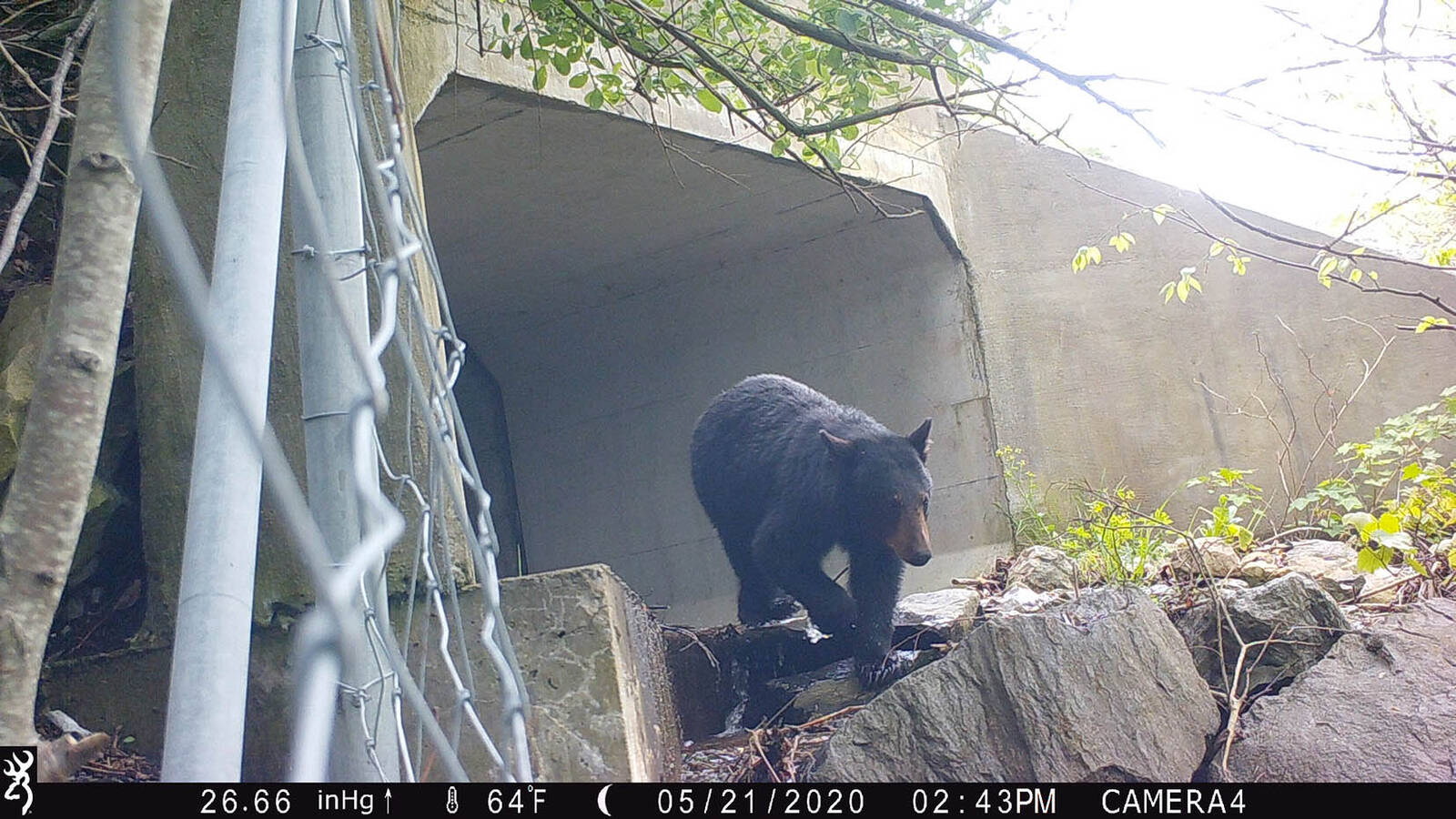
So, what do these safe passage solutions look like? They can be low-cost metal grates for turtles, added space to planned replacements of underpasses to support Florida panther movement, large overpasses for mule deer migrating hundreds of miles near Grand Teton, and simple fencing to help direct species toward safe road crossings.

Poll: Most Americans Want Park Wildlife Better Protected
A majority of Americans believe more needs to be done to safeguard national park wildlife, a newly released NPCA poll shows.
See more ›In parks and park landscapes across the country, transportation and wildlife professionals are working to advance crossings. Here are examples:
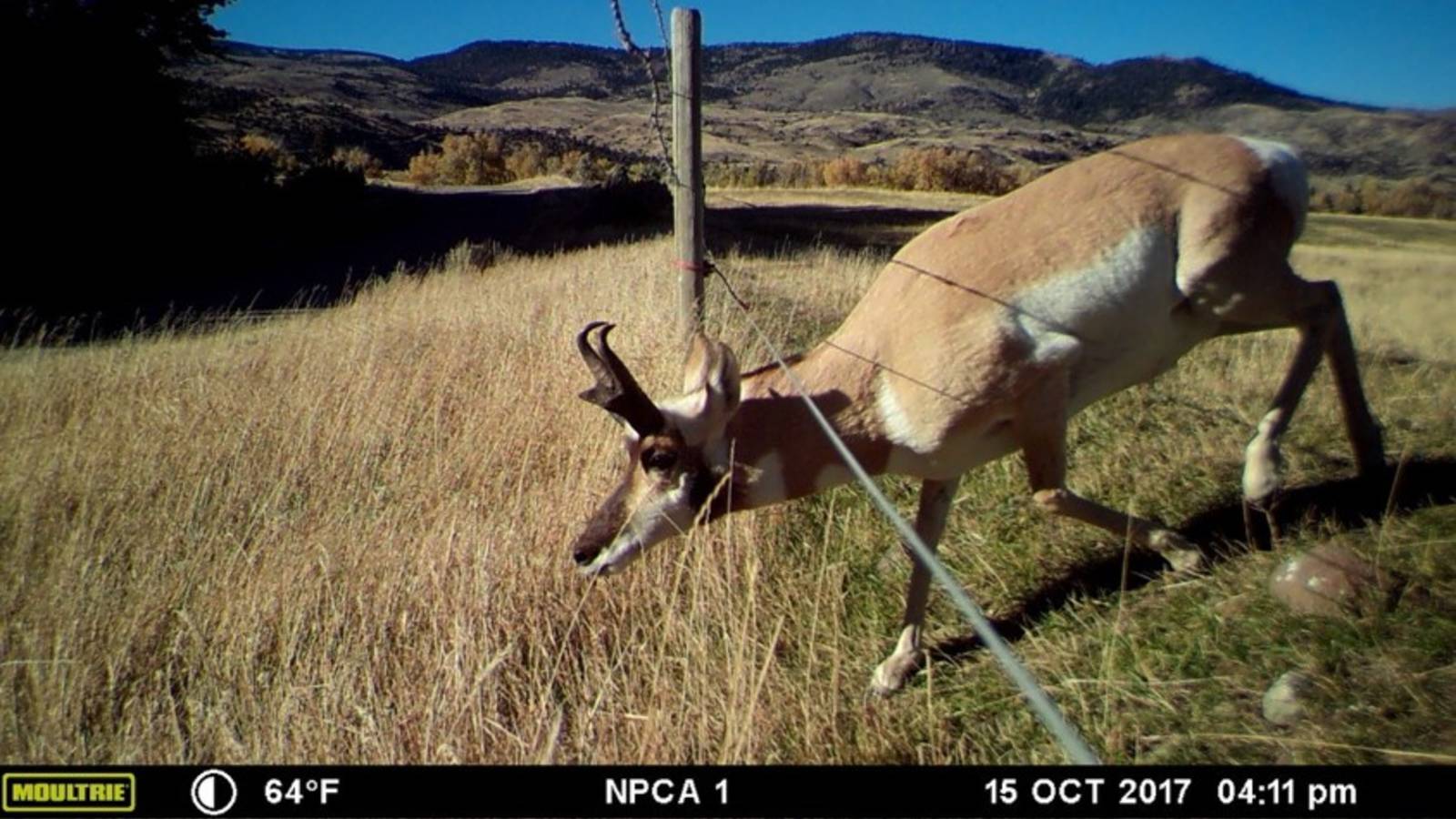
Yellowstone and Grand Teton: The National Park Service, Wyoming Fish and Game, and the Wyoming Department of Transportation have spent over a decade advancing innovative crossing infrastructure in and near the parks. From the Trapper’s Point crossing south of Grand Teton to improved signage and crossing efforts in the park, these efforts and others in need of funding are reconnecting ancient pronghorn and mule deer migrations that cover hundreds of miles from the parks to the Utah border. However, much work remains to be done and critical investments are still needed.
Great Smoky Mountains: On the northern edge of Great Smoky Mountains National Park on the border of North Carolina and Tennessee, Interstate 40 slices through the Pigeon River Gorge — just north of National Park Service lands. In recent years, NPCA worked with partners and agencies to study crossing needs and secure funding for crossing projects in the area. We’ve made some progress, but much work is left to be done. Learn more about our partnership and successes to date.
- West Virginia National Parks: West Virginia is consistently ranked No. 1 in the country for wildlife-vehicle collisions. According to State Farm, drivers have a one in 40 chance of an accident with wildlife in the Mountain State. NPCA is working to understand this issue in and near parks in West Virginia, from New River Gorge National Park and Preserve to Harpers Ferry National Historical Park. Our hope is to rally partners to identify collision hotspots and discuss bipartisan solutions.
Five Actions Congress Can Take Right Now
In 2021, the transportation portion of the congressionally approved Bipartisan Infrastructure Law prioritized wildlife-vehicle collisions as a major issue in transportation safety, infrastructure and wildlife conservation. The bill provided federal, state and Tribal transportation professionals with the flexibility to integrate wildlife-vehicle collision reduction into transportation infrastructure in their communities. It also created the widely popular Wildlife Crossings Pilot Program and directed agencies to implement a number of important support programs.
This month, it’s likely Congress will begin to debate whether to renew this funding for another five years. The U.S. House and Senate are expected to release draft transportation bills soon. NPCA is requesting funding for a variety of park-relevant projects, from road and bridge improvements to investments in wildlife crossings.
The success and popularity of the Wildlife Crossings Pilot Program from the 2021 bill has been massive. In fact, demand for this important transportation funding has been up to five times the funding available. Because this pilot program has led to so many projects and issue studies across the country, and demand remains high, we now want it made permanent and funding increased — from $350 million over five years to $200 million annually. An NPCA-created map shows where proposed and funded Wildlife Crossing Pilot Program projects are located.
Here are five actions Congress can take right now to ensure both people and wildlife are protected on roadways in and near national parks.
1. Make the Wildlife Crossings Pilot Program permanent and fund the program at $200 million annually. Doing so will allow projects to move forward in and near parks such as Great Smoky Mountains, New River Gorge and Grand Teton. If the pilot ends, funding will stop for successful projects near these parks and more.
2. Eliminate the 20% match requirement for Tribal projects funded by the Wildlife Crossings Program, which has proven to be a major barrier for Tribal project applications. The lands of many Tribal nations are important wildlife migration routes for park wildlife. Tribes deserve a fair shot at available funding.
3. Allow federal transportation funds to cover state and Tribal maintenance of wildlife crossing infrastructure. Many projects built today will remain effective for 75 years or more, but they still will need to be maintained.
4. Continue important elements of the existing bill, which have worked well in boosting implementation of wildlife crossing work nationally. They may not sound exciting, but agency studies, best practice guidelines for road managers, data collection guidance, training and permission to allow project dollars for big projects such as bridge replacements to be spent on crossings, were critical advancements in the 2021 bill. Congress should continue this work.
5. Support broader funding for park roads, bridges, and more. National parks need $730 million a year to fix and maintain the 5,600 miles of roads, 1,338 bridges, tunnels, parking and other infrastructure in the National Park System — but they currently only receive $458 million. Unfortunately, only 62% of park paved roads and 32% of park bridges are in good condition and the remaining are in fair or poor condition. Without more money from the infrastructure bill and other sources, crumbling roads and bridges will keep getting worse as park visitation grows.
Join us in educating Congress about the value of supporting funds for park road infrastructure and the protection of wildlife.
Stay On Top of News
Our email newsletter shares the latest on parks.
About the author
-
 Bart Melton Senior Program Director, Wildlife
Working from Washington, D.C., Bart currently leads NPCA’s Wildlife Program, focusing on the critical issues facing national park wildlife across the country.


-
Press Release
NPCA, Partners File Lawsuit to Restore Protections for Threatened Wildlife
“This regulation is gambling with the safety of America’s most at-risk national park wildlife" -- NPCA Senior Wildlife Program Director Bart Melton
-
Press Release
Interior Turns Alaska Parks Into Game Farms with Outrageous Hunting Rule
“It’s as outrageous as it is disheartening to again see the Interior Department go along with the state of Alaska’s effort to turn national parklands into de facto game farms."
-
Blog Post
Postcards from Roadless Areas
What do designated roadless areas look like and what do they mean to national parks? NPCA colleagues share their experiences from walks through three roadless woods.