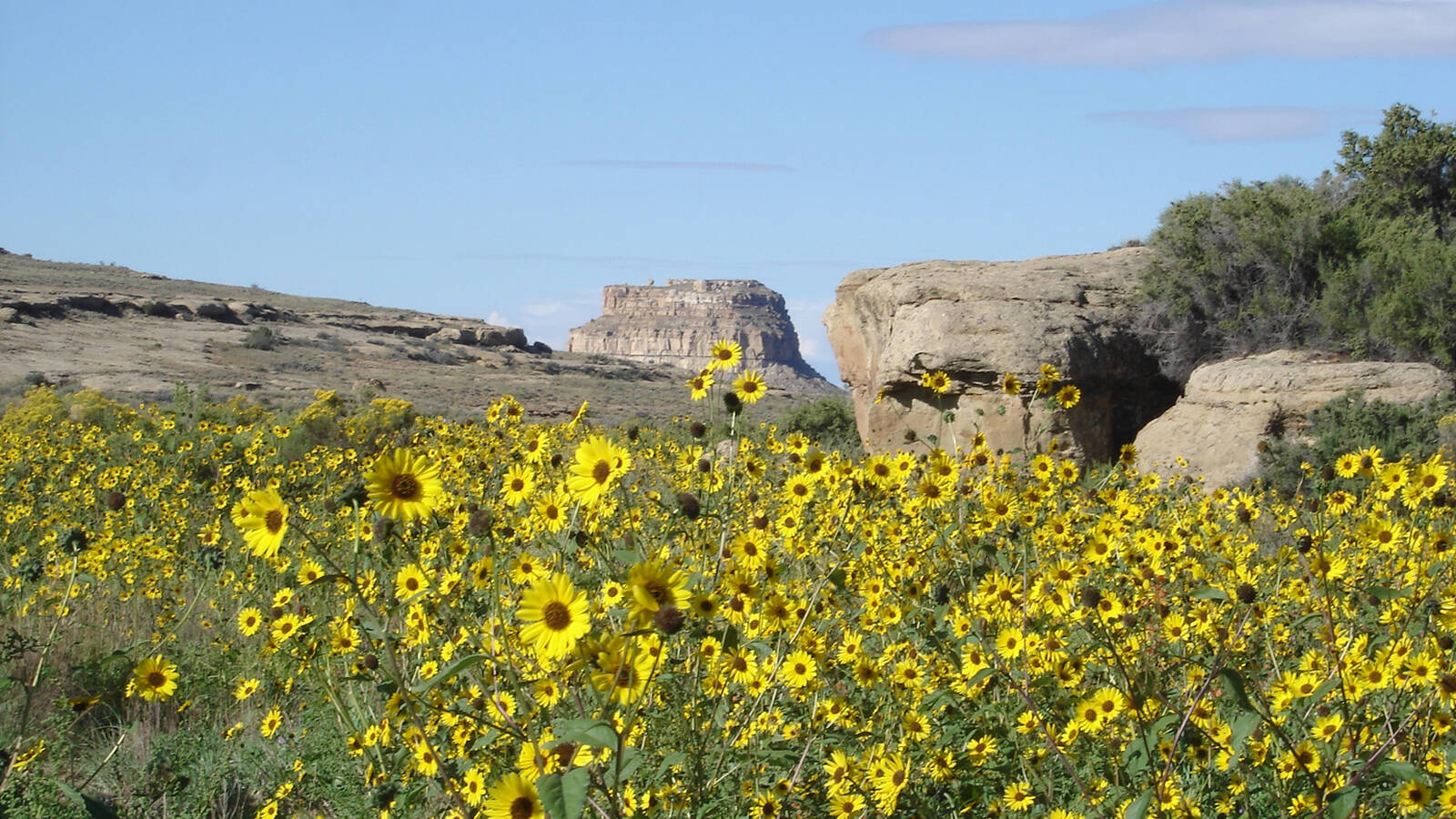
Years of work to defend this historic site and its views are at risk if the administration removes a 10-mile barrier between the park site and oil and gas drilling.
Editor’s Note: The Bureau of Land Management has opened up a 15-day public comment period on the proposal to eliminate protections at Chaco Culture. The public is invited to weigh in before the July 29, 2026 deadline.
I first visited Chaco Culture National Historical Park during the 2023 annual solar eclipse. Folks from across the country had gathered there to set up cameras and telescopes to witness the moon obstruct the sun. Chaco’s architecture is distinctly configured around solar and lunar cycles, while much of the Chaco culture is astronomically bound. To experience this congregation that mirrored over thousands of years of Chacoan history felt both sacred and uniting.
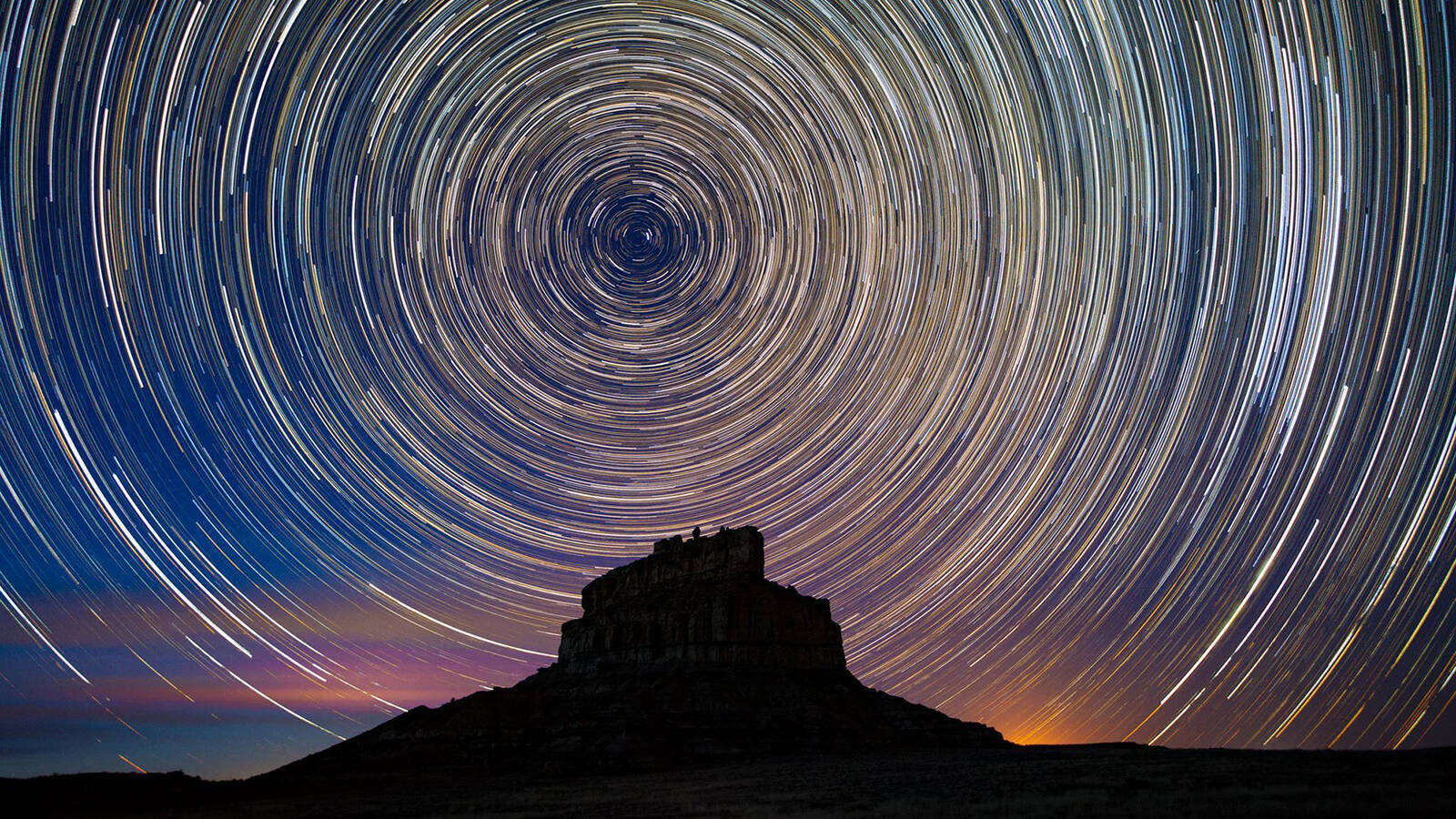
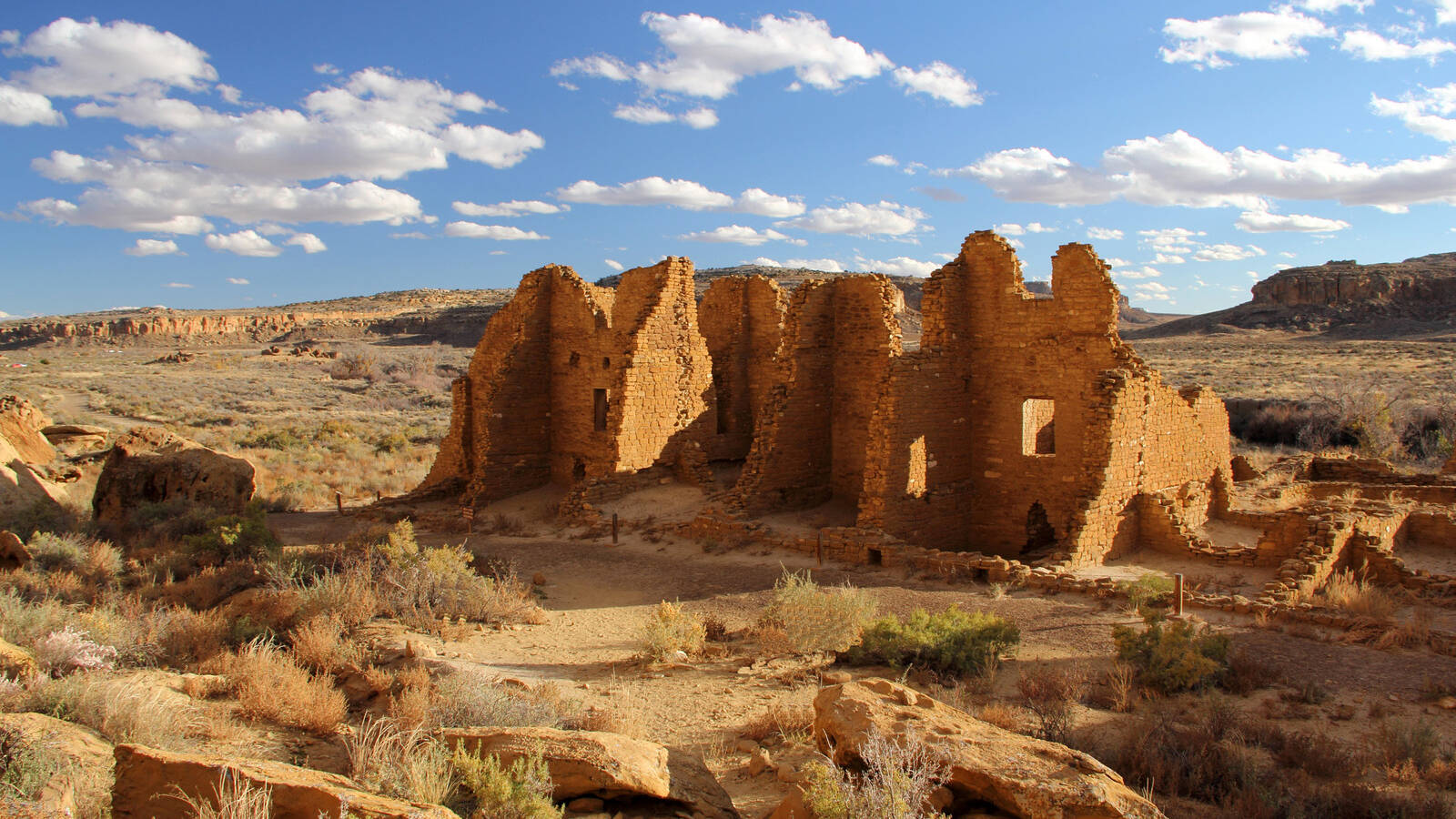
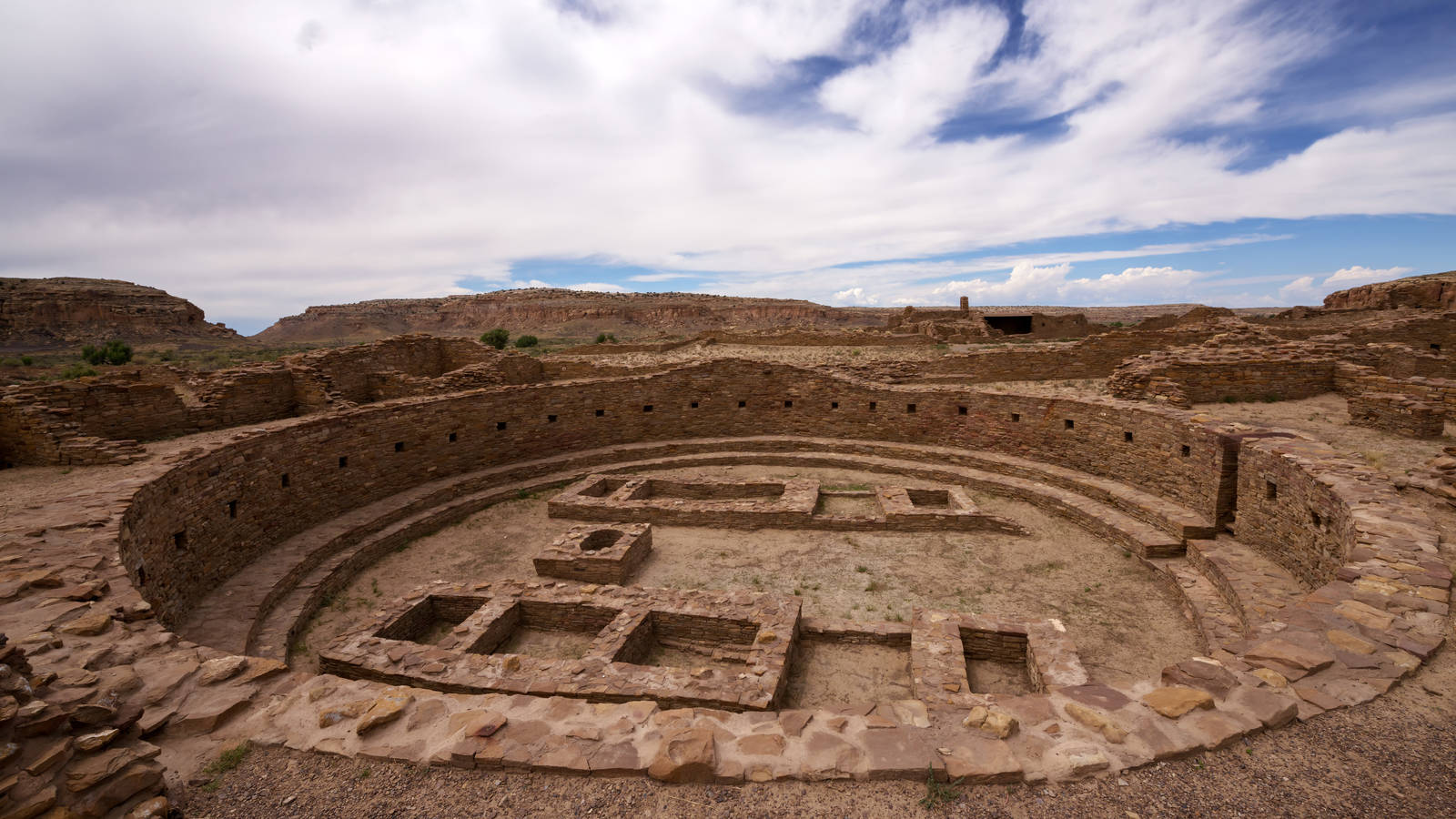
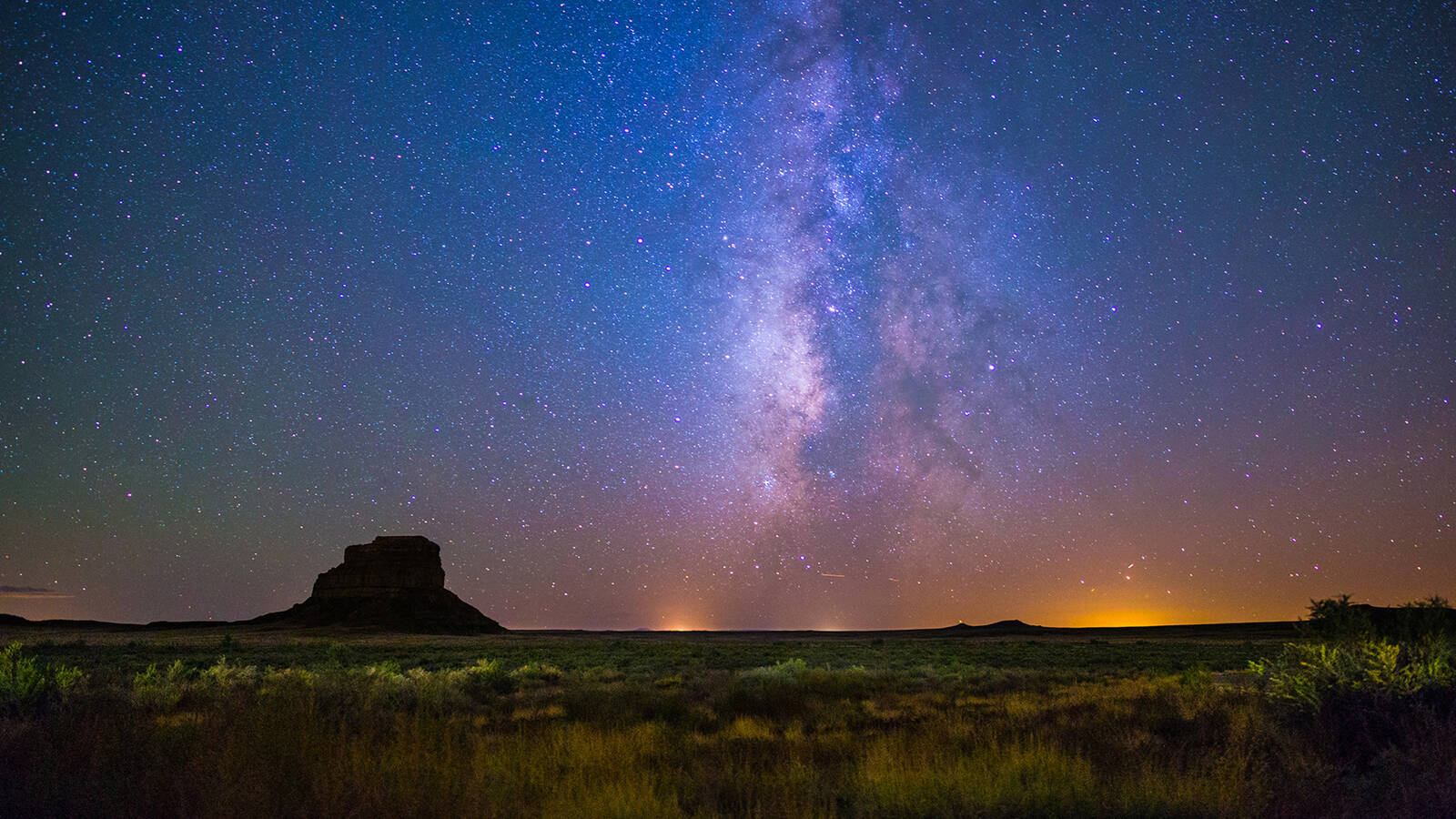
A UNESCO World Heritage Site, the historical park protects extraordinary great houses, kivas and cultural landmarks, as well as the dark skies that make this one of the most remarkable national parks in the world.
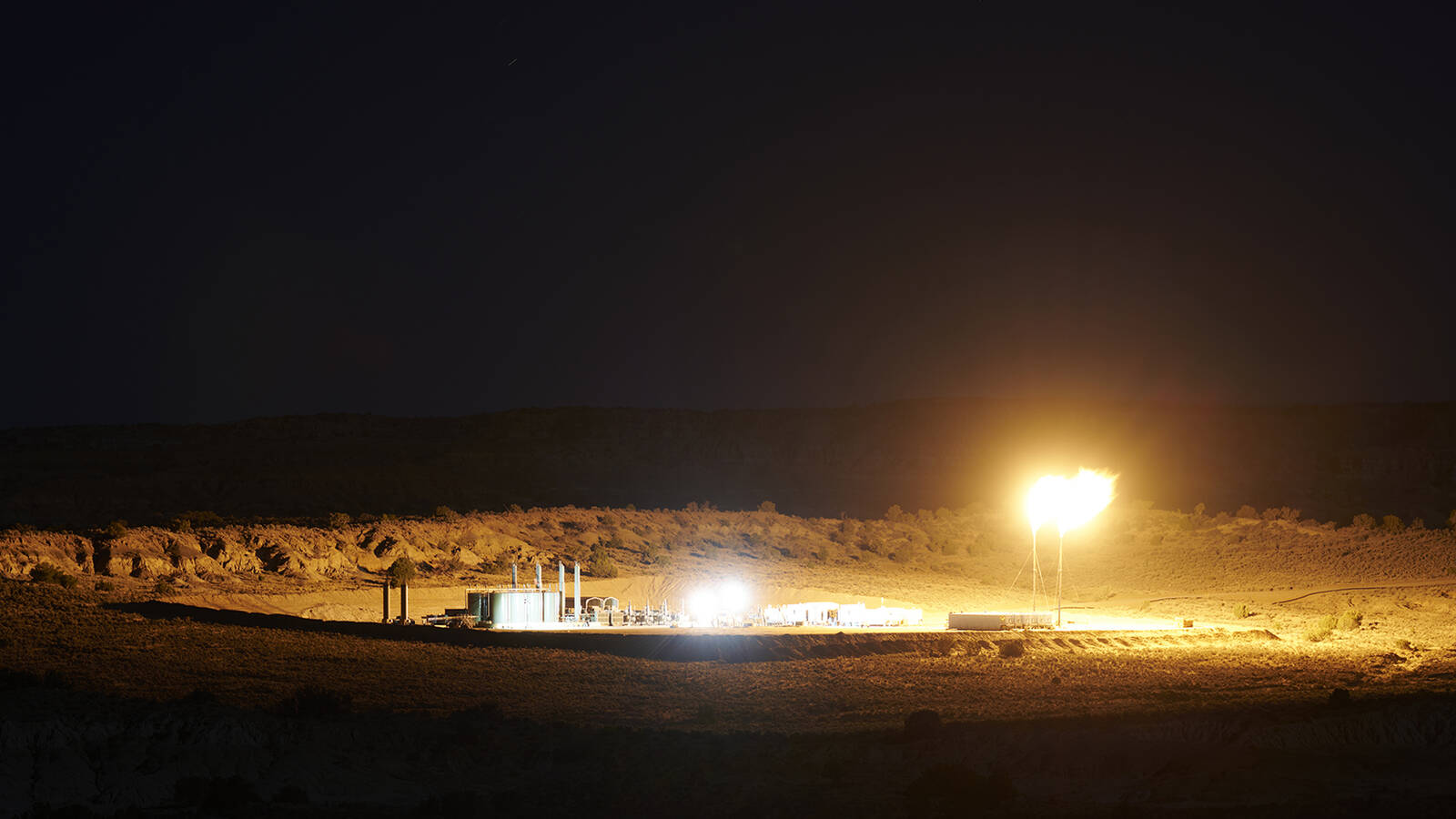
Yet, Chaco Culture National Historical Park also sits in one of the most active oil and gas regions in the country. Over 90% of surrounding federal lands is already developed for oil and gas. Development has scarred the surrounding San Juan Basin with tens of thousands of wells, pipelines and roads carrying trucks and heavy equipment — intensifying air and light pollution in the region.
NPCA has worked for years alongside conservation partners and Indigenous communities to defend this historic landscape. But now, the Trump administration is threatening to reopen the lands within 10 miles of the park’s boundaries to new oil and gas drilling. A viewshed of 91,793 acres — an area nearly three times the size of Santa Fe — would be at risk. The administration’s plan trades sacred and scenic vistas for pumpjacks and the drum of drilling. NPCA sees this as an attack on cultural heritage, community health and all that our national parks were created to protect.
What’s at stake: The views
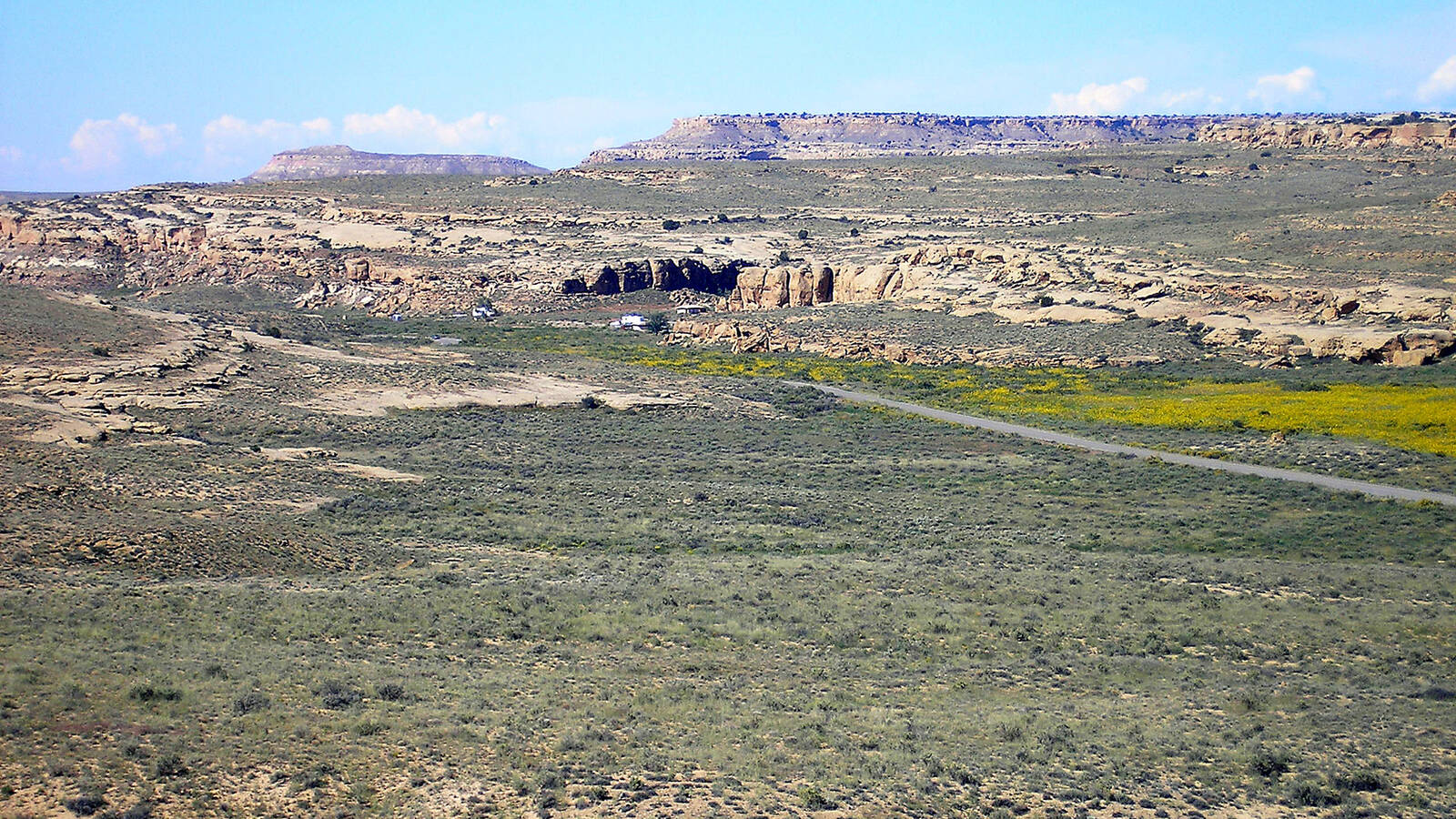
This park site is part of a larger landscape referred to as Chaco Canyon with dozens of ancient villages, roads and shrines built by ancestors of Pueblos and other Indigenous Nations, which flourished in Chaco Canyon between 850 and 1250 A.D. From inside the park, visitors to the great houses see sweeping vistas — a viewshed that has remained largely unchanged since ancestral civilizations lived here.
Pueblo Bonito is the largest and most well-known of these great houses. It’s over 800 years old with more than a hundred rooms, built by Puebloans and still largely intact today. For generations, it’s been a gathering place, created to be specifically aligned with the stars.
It sits at what feels to be the center of an ever-expansive landscape. Here, the silence is as big as the sky, which meets the golden earth unobstructed. The stillness connects one to the landscape, to generations of heritage past and present, to our shared humanity. However, just miles beyond the park, oil rigs and activity threaten to puncture these striking viewsheds and interrupt the air with sounds of industry. Celestial experiences, such as the solstice or witnessing the Milky Way, could be further inhibited with air and light pollution.
What’s at stake: Sacred place and cultural history
While the footprint of Chaco Culture National Historical Park itself is small, the larger connected cultural landscape is vast. For many Native peoples, the boundaries of the park do not encompass all that is important spiritually and culturally. Pueblos continue to maintain deep cultural ties to Chaco Canyon and the Greater Chaco Region through pilgrimage, song and prayer.
Between 850 and 1250 A.D., Chaco Canyon was the hub of the Puebloan civilization and is the ancestral homeland of numerous Southwestern Tribes. The scale and sophistication of these communities and economies were unparalleled in the region. These Native populations constructed some of the largest buildings in North America until the 19th century. For generations, this complex culture brought people together from areas as distant as southern Mexico to trade, share knowledge and celebrate important milestones and religious events.
The park was first established as a national monument in 1907 to preserve and tell the story of this important cultural center. After decades of advocacy led by Tribes, their advocates, elected officials and community groups, a mineral withdrawal established a 10-mile protection zone that limited new oil and gas development next to the park.
This buffer protects roughly 4,200 known archaeological, cultural and historic sites. These would be at risk of destruction if the withdrawal is revoked.
What’s at stake: Dark skies and visitor experience
The park has averaged nearly 36,000 recreation visits a year between 2023 and 2025 — with many people coming to experience the world-renowned dark skies that make Chaco Culture a designated International Dark Sky Park. Those visitors typically bring in $3.2 million annually to the local, rural gateway communities.
But oil and gas development threatens that night-time experience. Gas flares light up the dark skies and make the stars harder to see, while air pollution threatens the health of Tribal communities that have lived in the area for centuries.
Rampant methane waste, particularly in the San Juan Basin, has already created a 2,500-square-mile methane cloud — the size of the state of Delaware — over the Four Corners region of the southwestern U.S. and national parks including Chaco Culture. About 75% of San Juan County residents live within a half mile of oil and gas infrastructure at the park site, with many suffering respiratory illnesses and other poor health outcomes as a result of dirty air from oil and gas operations.
Weakening this 10-mile buffer would further reduce air quality, visibility and the night sky experiences that bring travelers from across the globe.
Let’s prevent irreversible harm
Chaco Canyon has existed for over a thousand years. Now, the Department of the Interior is threatening to consider using protected public lands for energy development. Attempts to roll back Chaco Culture’s protections from oil and gas development would bring irreversible harm to the park, its night skies and the Tribal communities who have stewarded this land for generations.
Tell the Bureau of Land Management this cannot be justified as an energy strategy, when millions of acres of surrounding public land are already open to oil and gas development.
Stay On Top of News
Our email newsletter shares the latest on parks.
About the author
-
 Maude Dinan New Mexico Program Manager, Southwest
Maude is motivated by efforts that foster our alignment with nature, one another, and collective well-being. Always drawn to natural spaces, Maude believes protecting public lands offer scalable practices to address some of our most concerning issues, such as social injustice, mental illness, and climate change.
-
General
-
- NPCA Region:
- Southwest
-
Issues


-
Press Release
In Less Than a Month, Mining Claims Filed in Bears Ears Already Triple the Total Number Filed During Previous Trump Reduction
“With 72 mining claims staked on lands withdrawn from Bears Ears over the last three weeks alone, the threat of a modern-day mineral rush has arrived at one of our…
-
Press Release
First Mining Claims Filed in Lands Cut from Bears Ears National Monument
"National park units and their surrounding landscapes are no place for energy development, but outdated laws elevate mining above all other uses on these lands. We will continue to fight…
-
Press Release
Advisory Council on Historic Preservation Proposes Weakening Protections for Parks, History, Tribal Resources
Gutting Section 106 regulations would weaken protections for public lands, weaken Tribal consultation requirements, and limit public input on development impacting…