Imagine America Without...
The Keepers of Our Heritage


The history and wonder of our nation are embodied in our national parks, with stories and traditions that knit together the American story. Exploring the landscapes of Yosemite and history of Birmingham Civil Rights wouldn’t be possible without the historians, biologists, archivists, rangers and more who keep that heritage safe for all of us to see, experience and pass on to our children and grandchildren.
National parks have lost nearly 1 out of 4 of their staff in 2025, thanks to pressured buyouts and retirements. At the same time, more visitors than ever are flocking to national parks, forcing remaining park staff to set aside the work of preserving our nation’s natural and cultural heritage just to deal with basic maintenance and safety. At Olympic National Park, staffing cuts threaten one of our nation’s greatest conservation success stories…
Imagine America Without… the National Parks of Boston
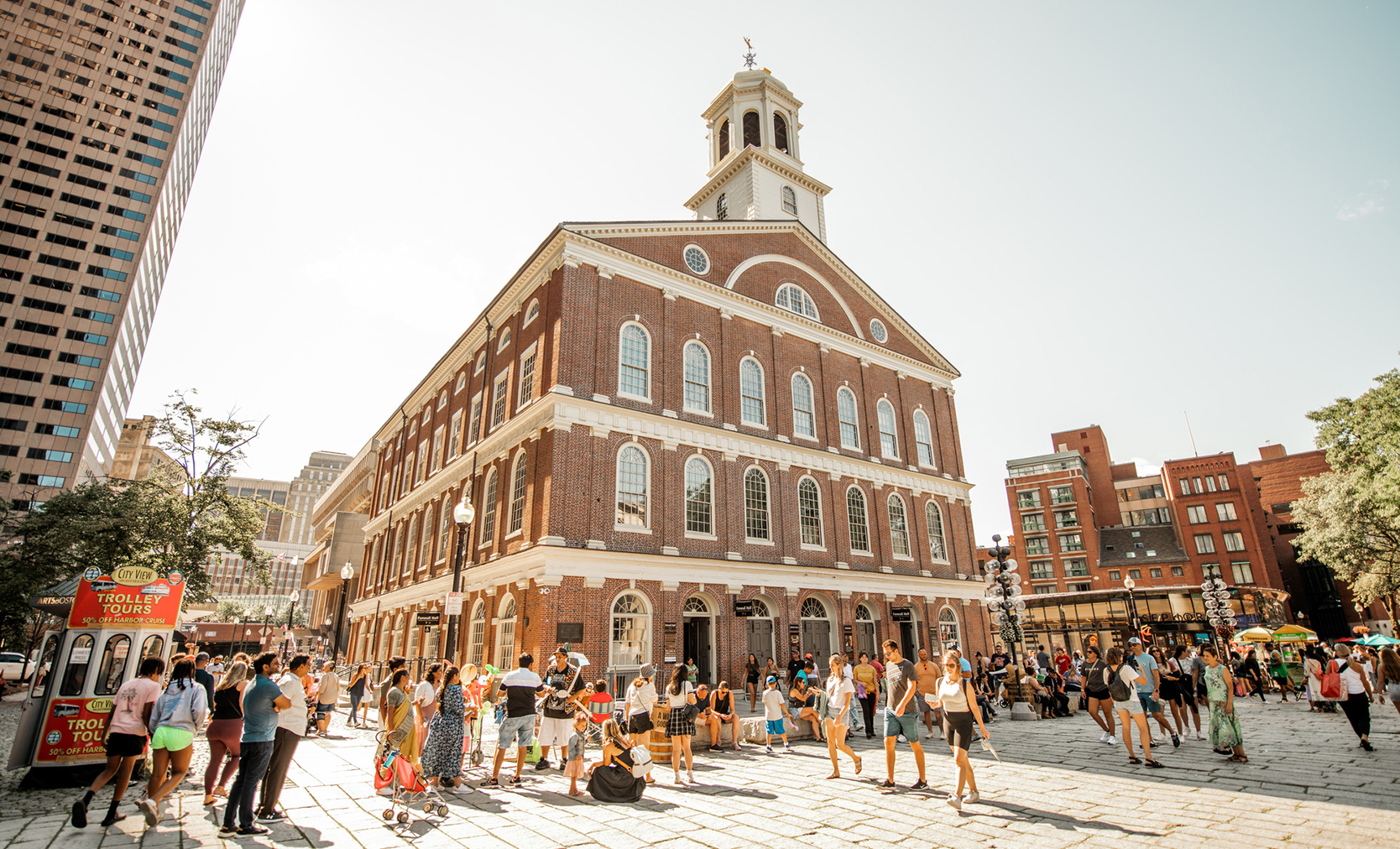
A busy August day at Faneuil Hall, part of Boston National Historical Park.
NPS photo by Arlan FonsecaFrom the red brick of the Freedom Trail to Paul Revere’s House, the oldest remaining structure in downtown Boston, the National Parks of Boston connect us to the origins of American democracy and the enduring fight for freedom. These national park units hold centuries of our nation’s shared history. Here, visitors explore the site of the Boston Massacre, stand beneath the steeple of the Old North Church, traverse the Black Heritage Trail, and take a ferry to the islands where lighthouses and forts once guarded Boston’s harbor. These parks are living classrooms that welcome thousands of visitors each year.

‘Protect Every Park’ Report: National Park Service’s Mission Is in Jeopardy
After months of attacks by the Trump administration, here’s the state of affairs at national parks and what NPCA says Congress must do — now — to save our National…
See more ›But these irreplaceable places are in crisis. The National Parks of Boston have lost several leadership positions that manage the park, preserve the stories, craft displays, work with partners and conduct scientific research. There are dozens of positions that sit vacant across these three park units. Despite the surge in visitors for America’s upcoming 250th birthday, the parks are being asked to remain operational without the staff they need to function. There are fewer rangers to guide tours, fewer experts to protect artifacts, and fewer stewards to maintain the spaces that define our nation’s past.
This is not just a Boston story. Since the Trump administration took office, the National Park Service has lost nearly a quarter of its permanent workforce. Staff across the country are being pulled from critical duties just to keep parks open. Biologists and historians are cleaning bathrooms. Interpreters are managing visitor centers. Things might appear normal to visitors, but behind the scenes, staff are being stretched to the limit, critical research is being stalled, maintenance is being delayed, and safety measures are compromised. This is about whether our national parks can continue to protect the places and tell the stories that shaped America — and whether future generations will get to experience them as we have.
These places have always been about people. The revolutionaries who gathered in Old South Meeting House. The enslaved and free Black Bostonians who built communities of resistance. The immigrants who still take their oath of citizenship at Faneuil Hall. Without the people who care for these parks — the rangers, the historians, the interpreters, — the stories begin to fade. We cannot allow that to happen. Just like all national parks, the National Parks of Boston deserve to be protected, not just in name, but in practice.
Take Action Prevent Further Cuts to Park Staff and Funding
Imagine America without… salmon in Olympic’s Elwha River
The loss of just two jobs could unwind decades of conservation in one of the crown jewels of the Northwest.
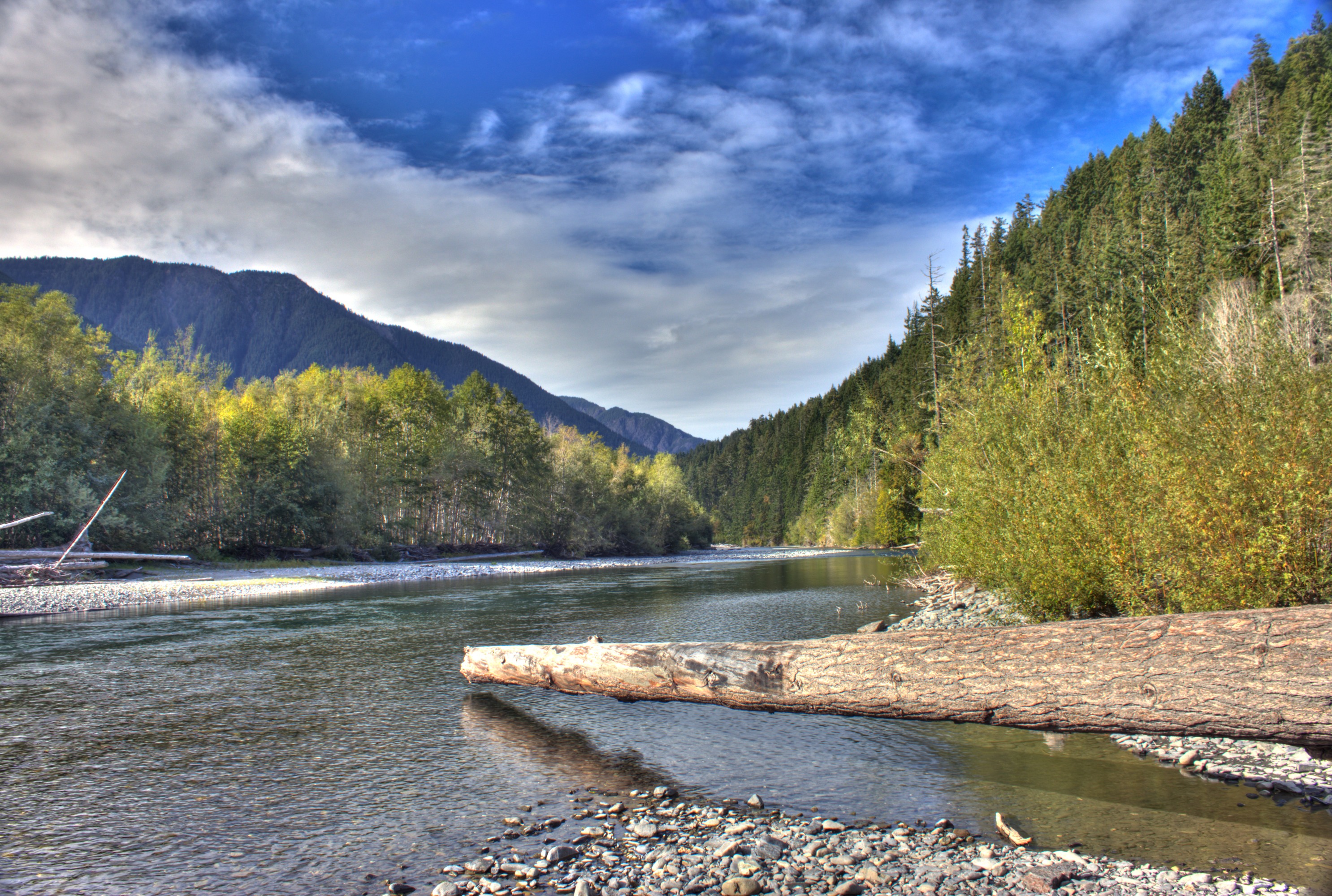
Elwha River in Olympic National Park
© Dendron | Dreamstime.comOlympic National Park is one of the last great salmon sanctuaries in the country. With over 4,000 miles of rivers and streams within its boundaries, the park provides critical habitat for all five species of Pacific salmon, keystone species for people, predators, and forest ecology. Tribes here have depended on salmon for subsistence and cultural practices since time immemorial, and many species in the park’s ecosystem depend on salmon for their diet. The work of monitoring the salmon population to ensure the health of the park and its waterways was managed by just two National Park Service employees until 2025, when the administration’s harmful personnel directives brought this critical restoration work to a standstill.

The Elwha River, Undammed
After years of work, the Elwha River at Olympic is undammed and flowing again. The salmon—and the white-water rafters—are loving it!
See more ›Now there are no permanent fisheries staff remaining at the park. This gap in staffing threatens the park’s ability to monitor salmon, restore habitat and partner with Tribes to steward salmon recovery in the Elwha River and the many others throughout the park.
A decade ago, the removal of the Elwha and Glines Canyon Dams reopened more than 70 miles of river, giving salmon back their ancestral pathways and allowing for the historic recovery of endangered species in decline. It was an investment to the tune of hundreds of millions of dollars, but recovery and restoration projects are still in progress. Without National Park Service staff to continue this work, recovery of the salmon population at Olympic could stall at precisely the wrong time, threatening decades of restoration and weakening the entire park ecosystem.
Get Involved
Stay On Top of News
Our email newsletter shares the latest on parks.
Learn More
-
Blog Post
Trouble Ahead: How Staffing Cuts Threaten Air, Water and Wildlife at Your Favorite Parks
Vital conservation projects in national parks are grinding to a halt following sweeping staff reductions. We outline the threats.

Make a tax-deductible gift today to provide a brighter future for our national parks and the millions of Americans who enjoy them.
Donate Now