We quit our jobs, hopped in a vintage solar-powered RV and hit the road. After exploring 57 of the 63 national parks, we share our tips for low-impact RVing and making the most of your next park adventure.
“You MADE it, congratulations!” cheered the volunteers at the Persimmon Gap Visitor Center at Big Bend National Park. After an exhausting two-hour drive off I-10 in southwest Texas, we’d pulled in minutes before sundown to find out where we were and which campgrounds were open.
“You’ve only got another 45 minutes to get to Chisos Basin Campground!” one of them enthused. “And watch out for the javelinas!” they hollered as we pulled away.
Driving into the spectacular sunset, we reached the quiet campground with just a few other hardy souls braving the desert winter night. Winding through the canyon and arriving in darkness to Chisos Basin is disorienting at best, but the payoff arrives with the rising sun. We awoke to a ring of towering sandstone cliffs, like a castle, that welcomed the warm rays of dawn with a stunning intensity found only in a western desert. With no specific plans for how long we’d stay in the park, we fixed breakfast, donned layers and hit the trail.
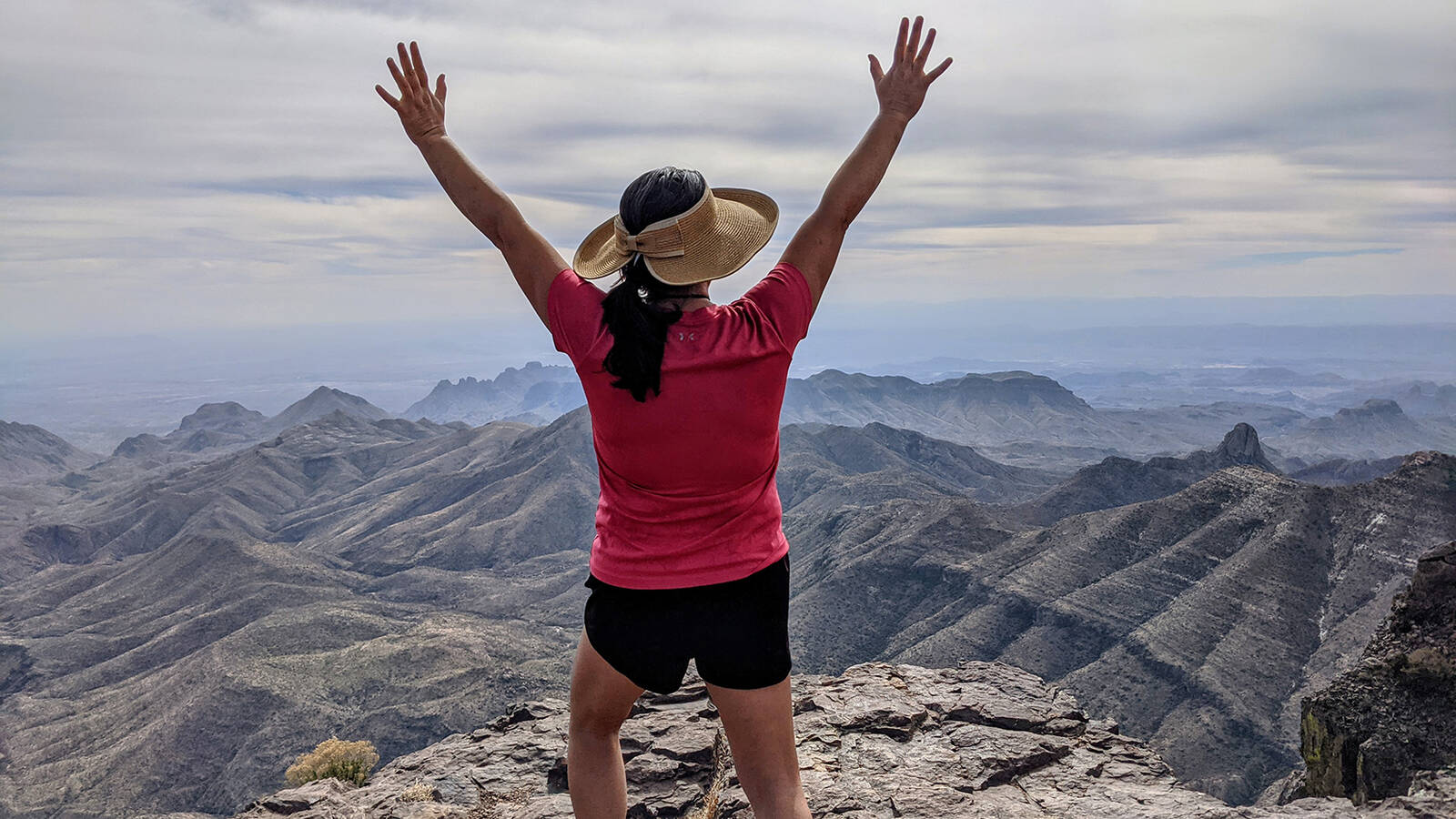
We followed the Window Trail to a gap between the cliffs and peered through to the illuminated formations and desert valleys below. The landscape seemed endless — the nameless places, the unexplored arroyos, the unclimbed hilltops and ridgelines, the wide valleys that rarely feel the blessing of water and have never known the cut of the plow. We looked at each other, two well-traveled, worldly people in their mid-40s who had visited over 25 countries between them. It felt like we were looking upon Earth for the very first time.
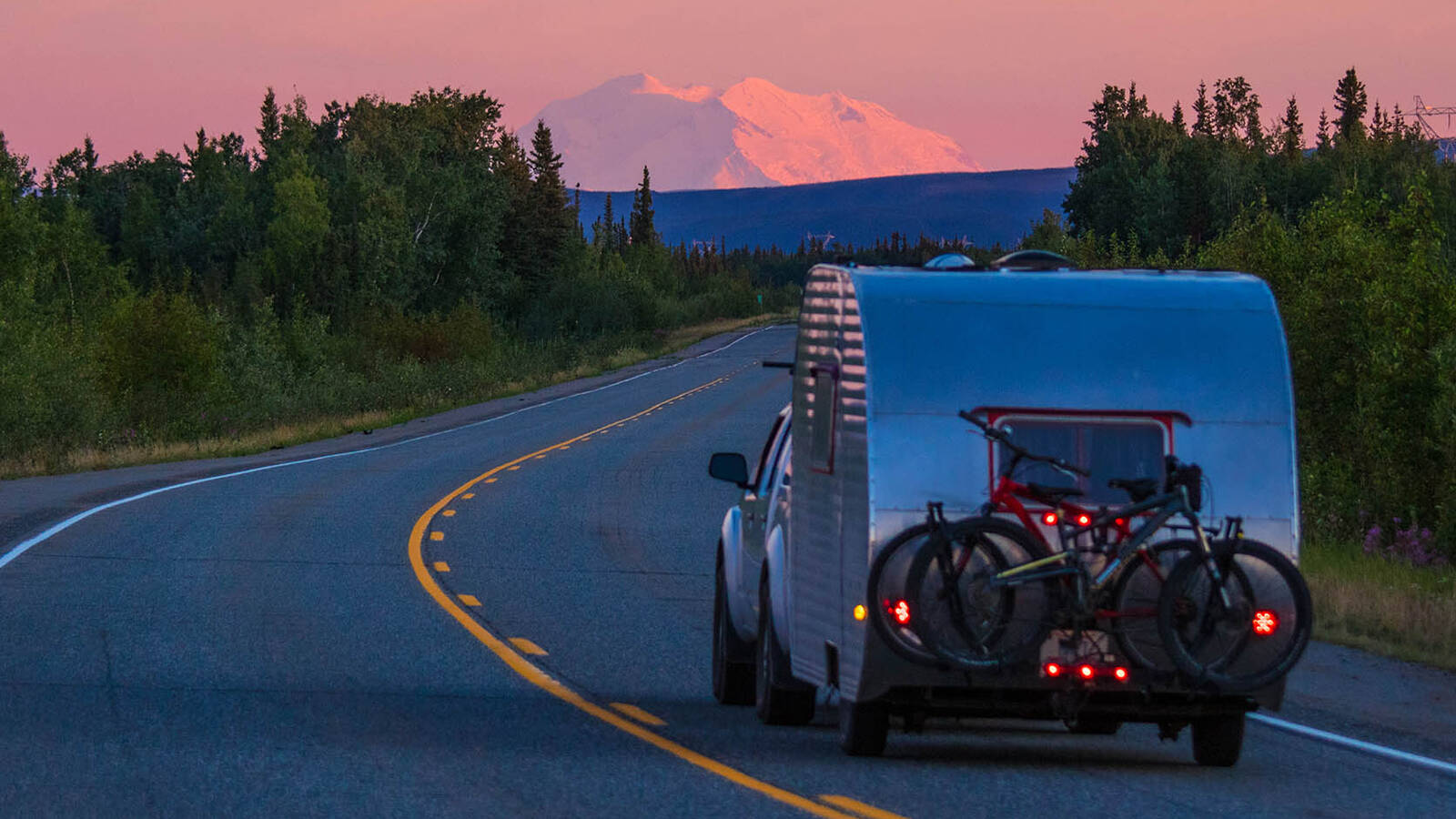
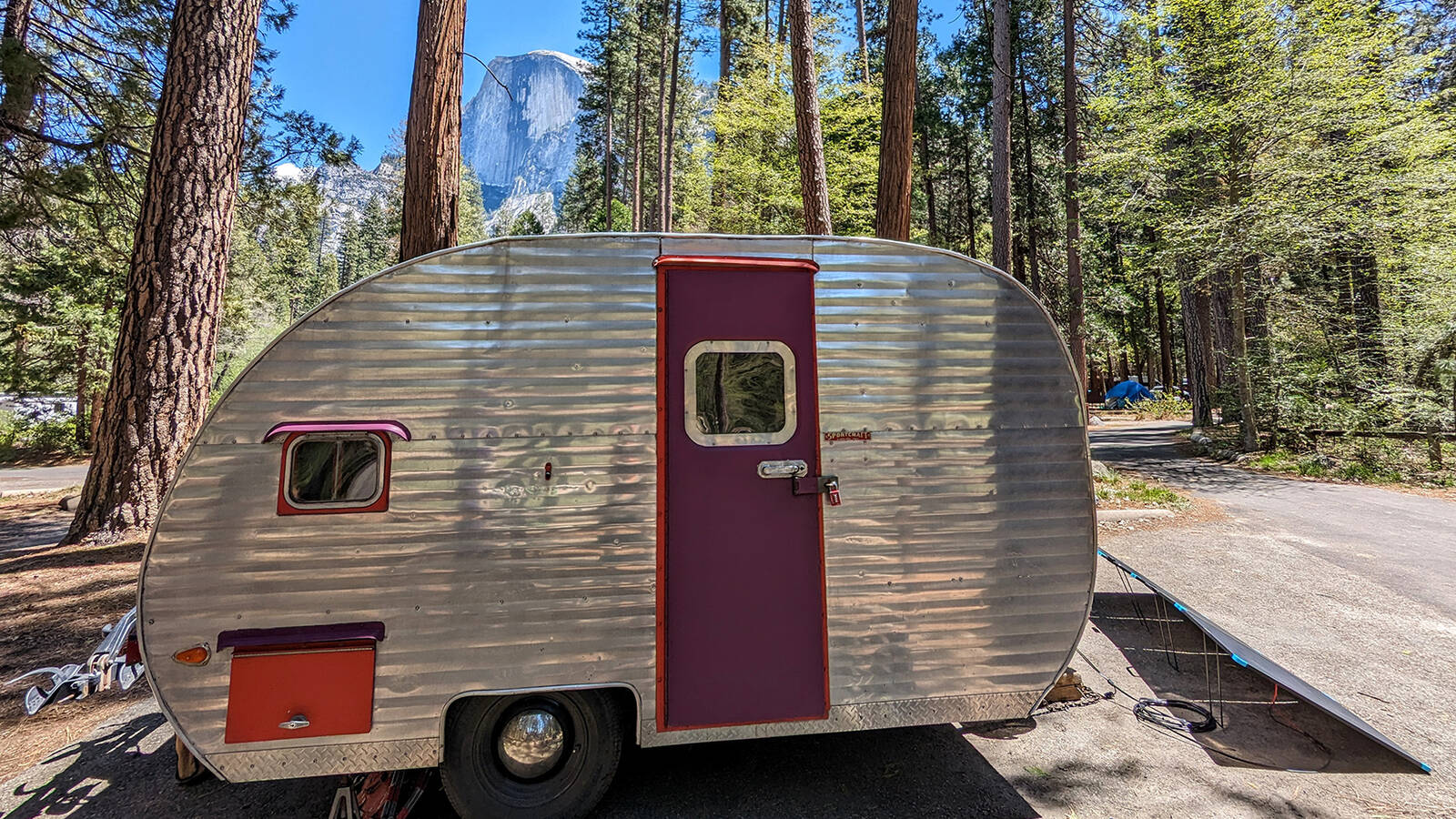
Just a year earlier we were managing a full-blown mid-life transition: leaving our education careers, downsizing our home, and restoring a tiny vintage camper trailer that Shari snatched up on eBay for a song. This tiny home-on-wheels, Hamlet, would serve as our basecamp while we travelled within our own country for a year, maybe two. Our plan sprang from a vision Shari revealed on a sunny afternoon bike ride in our Blue Ridge Mountains neighborhood.
“What do you say we buy a little old camper, fix it up, rent out our house, quit our jobs and travel the country for a year, see some national parks, and then maybe join the Peace Corps?”
“I love it, let’s do it!”
And we meant it, we should do it … someday. But “someday” is a life snooze button that will put your dreams on hold until you no longer have the energy to try.
Our national parks weren’t the only reason we left our house behind and hit the road in a tiny trailer, but they were a pretty big draw. As experiential educators at a university, we had taken students to many classic outdoor recreation destinations, but between the two of us, we’d only been to a handful of the 433 national park sites. “Someday” went on the calendar: Sept. 3, 2012 — our 12th anniversary.
We made a master to-do list. Somehow, we got enough done in enough time to leave our driveway on launch day. We wrapped up our jobs, brought new life to a relic from the golden era of American camping, equipped it with a modern solar-powered system and managed not to end up divorced.
But “someday” is a life snooze button that will put your dreams on hold until you no longer have the energy to try.
Looking out from the Window View in Big Bend just five months later, that former life felt like it belonged to someone else. Everything we’d done to reach that moment seemed insignificant when compared to the wide-open possibilities ahead.
We asked each other if we should go back to our old life. Shari paused, took a deep breath, and whispered into the cold morning air, “I don’t think I can. You?”
“No, me neither.”
We didn’t go back, not for any real length of time, and 13 years later we’re still in that same 68-year-old camper, still on the road, and loving the opportunity to explore each new destination.
We’ve gobbled up interpretative ranger programs like candy from a trick-or-treat bowl: Guadalupe Mountain National Park, where we learned of the shallow inland sea that formed much of the park’s mountains; Carlsbad Caverns, where time, water and sulfuric acid carved out a world-famous underground wonderland; and the North Rim of the Grand Canyon, where we got a college degree’s worth of geology in a 50-minute ranger talk.
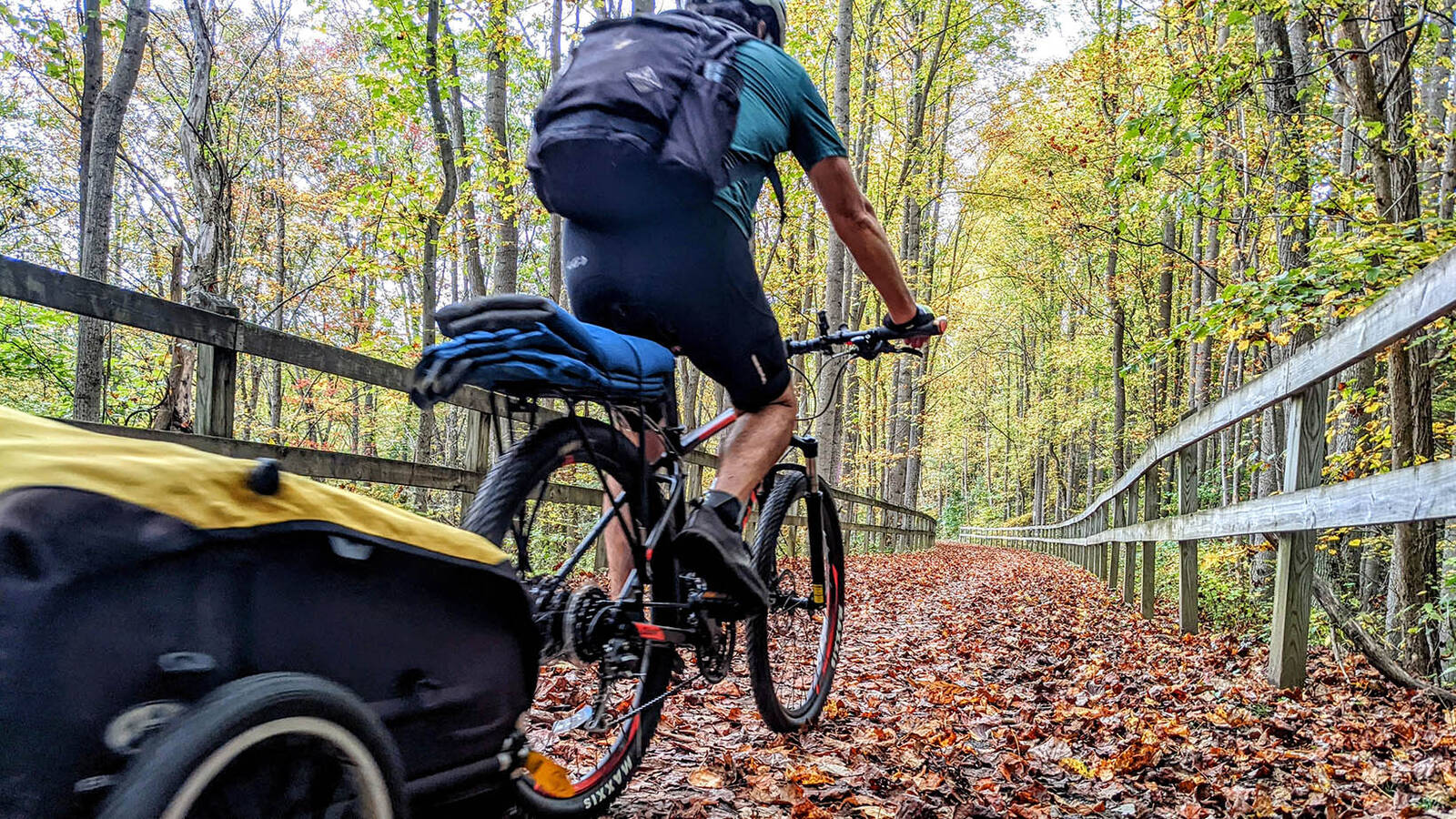
We’ve backpacked across North Cascades National Park, spent a week sea kayaking with whales in Glacier Bay, and cycled to our nation’s capital along the C&O Canal Trail. The national park sites became our teacher, personal trainer and therapist — all for the price of our $80 annual pass.
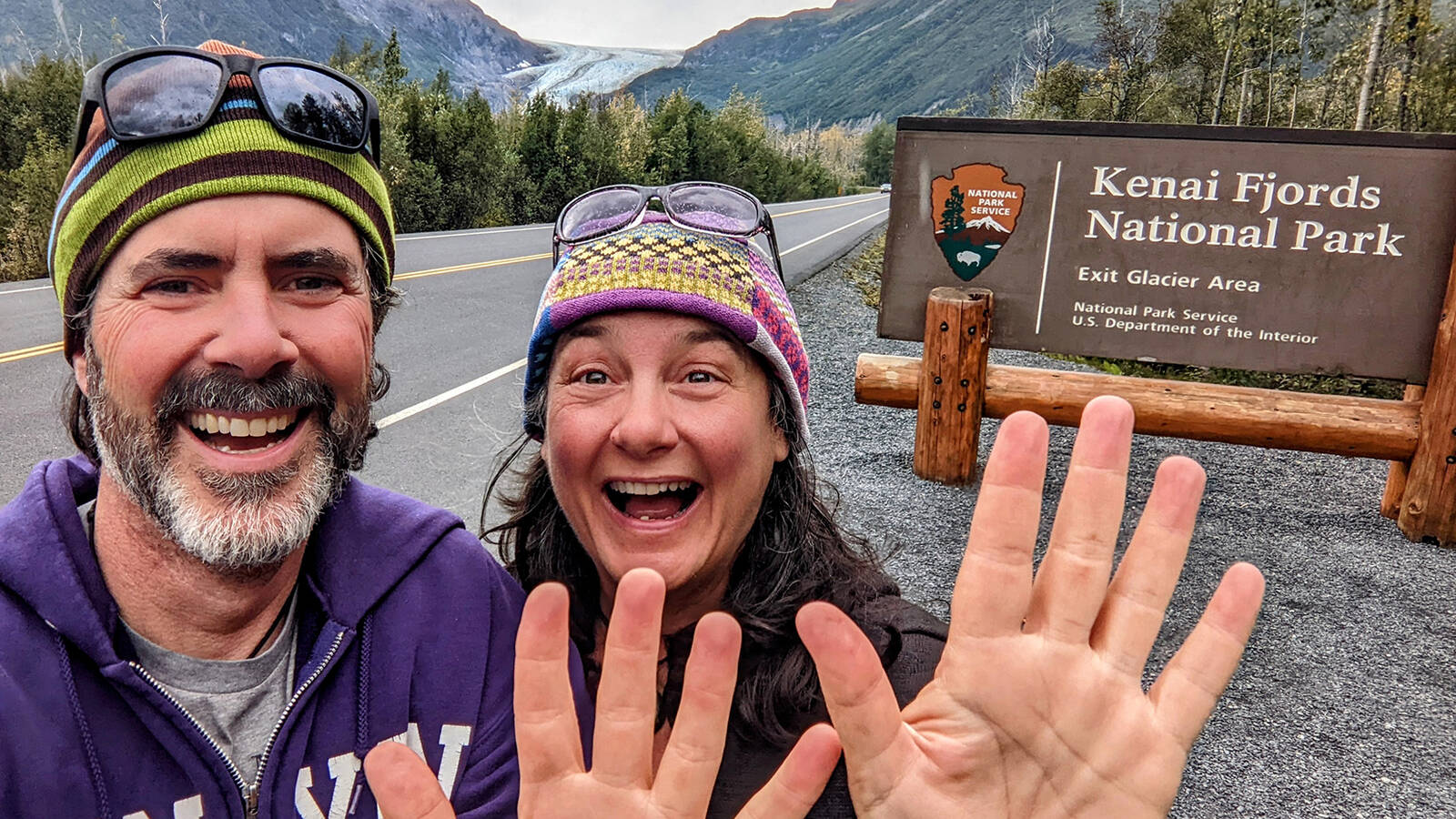
So far, we’ve been to 57 of the 63 national parks and at least 106 other sites in the National Park System. We’ve pulled our little camper into all 51 parks accessible by roadways, reaching Kenai Fjords in Alaska just days before our 10th nomadiversary. The remaining six parks will require a bit more planning and resources, but we’ll get there!
Tips for Making the Most of Your National Park Road Trips
National parks are more popular than ever, with a record-setting number of visits in 2024. Along our journeys we’ve witnessed changes in the way people experience America’s parks. Here are our recommendations for making the most of any visit.
1. Slow Down and Stay Longer
While a park ranger in Arches National Park, environmental author Edward Abbey wrote that anyone, “on foot, on horseback, or on a bicycle will see more, feel more, enjoy more in one mile than the motorized tourist will in a hundred.” So, literally, slow down for yourself and for the local residents, as vehicle strikes in parks such as Yellowstone, Grand Teton and others account for significant wildlife fatalities. Also, take your time to learn, linger and be fully present in the park rather than rushing from one thing to the next, or even from one park to the next. As Abbey suggests, “Better to idle in one park for two weeks than race through a dozen in the same time.”
2. Go Solar and Leave the Generator at Home
No one wants to camp next to someone running a loud and stinky gas generator. National Park Service campgrounds offer very few electrical hook-ups and limit the areas where and when gas powered generators are allowed. Solar power works silently, and we’ve seen a huge increase in the number of RVers rolling with solar.
Early in our travels, we’d get lots of questions in campgrounds, grocery stores and visitor centers: “Is that a solar panel?” “Does it work? “What can you run with it?” Over time, these questions (as well as the solar panels) have become more sophisticated, reflecting society’s greater experience with the technology. Now folks want to talk about battery chemistry and the specific wattage of our panels, and whether we use MPPT. (That’s maximum power point tracking for those still learning.) Along the way we’ve scaled up from simply running a vent fan, lights and charging phones to powering everything we need to run our business, laptops, internet and life. Reach out with questions; we love to help.
3. Go Smaller
With more campers visiting parks with RVs, the competition for bigger sites is getting tougher. When we first showed up at Chisos Basin in Big Bend, we didn’t need a reservation because at least a third of the sites were first-come, first-served. By 2021, all the sites could be reserved (one of the many post-COVID changes) and were fully booked even in February. We grabbed a last-minute cancellation to celebrate Hutch’s 50th birthday in the park!
Hamlet is so small it will fit into every single National Park System campsite that allows RVs. A camper of 12 feet or shorter will fit into 100% of all campsites. A 24-foot camper will fit into 80%, and a 40-foot camper will fit into 53%. With an increase in visitation comes an increase in camping, which makes those spots for larger RVs almost impossible to reserve unless you book six months out … or simply get lucky.
4. Bring Your Boats and Bikes
Sometimes the very best way to enjoy a park is from the seat of a bicycle or kayak. Bring your human-powered equipment and enjoy a different perspective with much fewer crowds. eBikes are also allowed in all parks — just be sure to check regulations and designated areas, as they are specific to each park.
5. Shoulder Season for the Win!
With more people exploring their national parks, you will likely run into greater crowds, packed campgrounds and traffic jams — which have led some parks to require special permits and timed entries designed to protect natural resources and visitor safety.
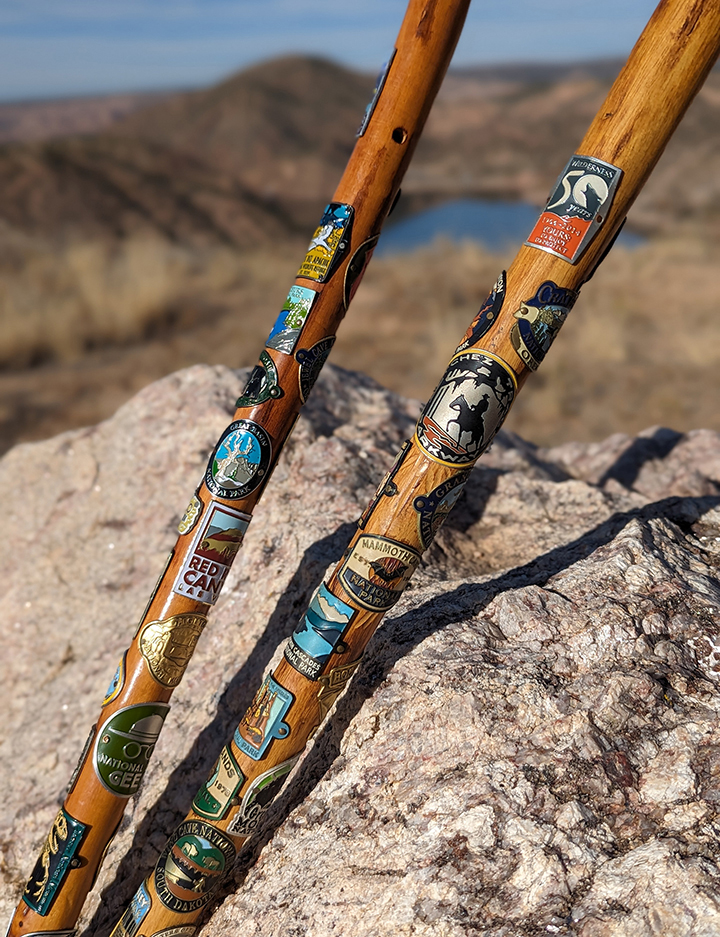
The couple’s hiking sticks, adorned with national park badges.
Courtesy of Shari Galiardi and Dave HutchisonBut, each park has its busy season and off season. The shoulder season is that time of year ranging from two weeks to two months on either side of crazy — typically with good weather and much fewer crowds. This is the time that you can likely roll into a campground without planning six months out, hike trails with zero crowds, linger at viewpoints by yourself … you get the idea.
6. Start at the Visitor Center
We are always surprised to learn how many people skip a park’s visitor center. What better way to set yourself up for a great visit: watch the park film, attend a ranger program (or two), and get to know the flora, fauna, Native people who call it home, as well as the forces that shaped ― and continue to shape ― the landscape. You’ve likely spent a good deal of your time planning and traveling to this remote place, so make the most of it.
7. Save Something for Next Time
There’s simply no way to do it all. We see people rushing from one hike to the next, seeking to get that Instagram selfie in all the hotspots. We wonder what they could possibly learn, or even remember, in their haste? While we’ve been to 57 parks, we’ve gone back to visit many for a second or even a third time. Each time we visit, we try to go during a different season — which affords new opportunities.
8. Volunteering Pays More Than You Might Think
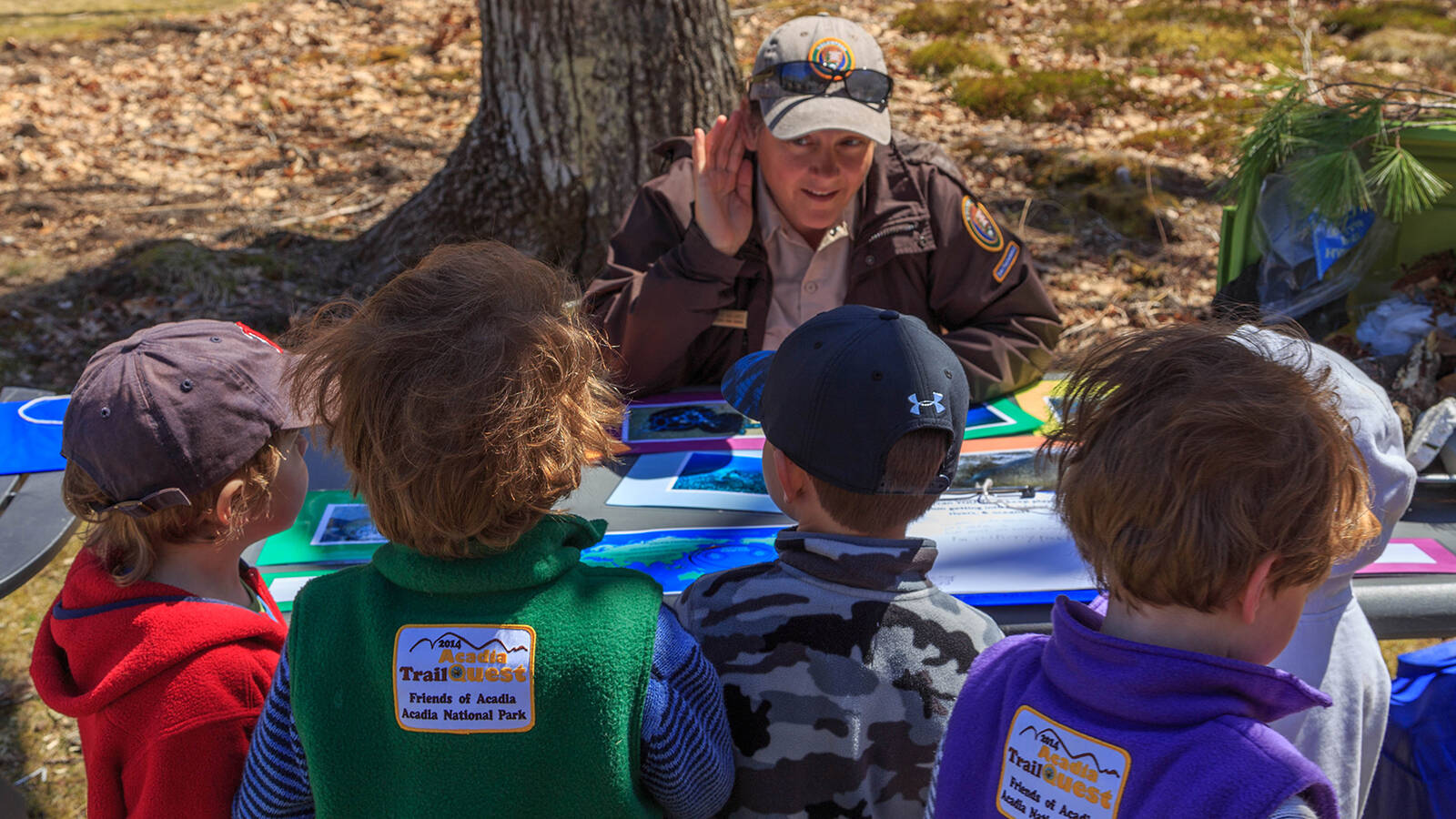
Want to feel like a rock star at a local elementary school? Walk into a 3rd grade classroom in a volunteer ranger uniform. We’ve experienced this joy while volunteering as education rangers at Acadia National Park and North Cascades National Park. We got to give back to a cause we treasure, learned more than we could have imagined, met incredible people, got free space in volunteer campgrounds and made countless memories. There’s a whole new world of opportunities through the Park Service’s Volunteers-In-Parks (VIP) program.
National Treasures = Transformed Lives
What we’ve learned and experienced in our national parks has shaped so much of our journey, becoming forever entwined in our life story.
We still won’t presume to know enough about this world, but through the incredible landscapes and historic sites and the invaluable expertise of Park Service staff, we’ve managed to glean enough to transform our lives completely. Our national parks are national treasures, and they’re worth protecting now and for future generations. Get out there and enjoy them!
About the author
-
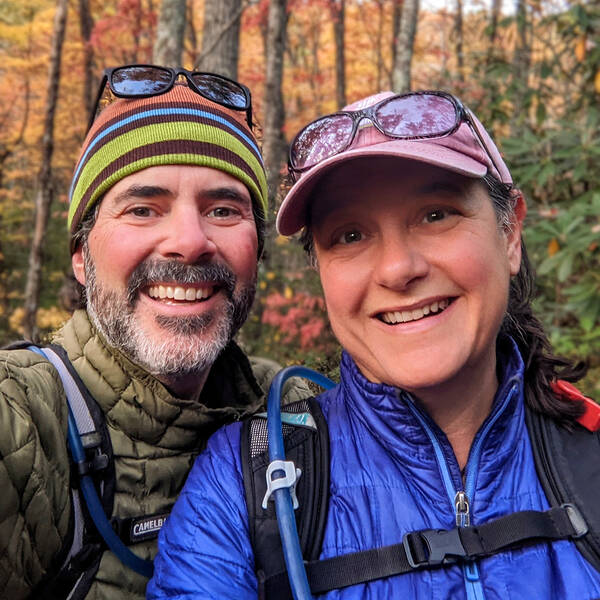 Shari Galiardi and Dave Hutchison Contributors
Shari and Hutch began their dream RV road trip in the fall of 2012 with their restored and solar powered vintage “canned ham” camper. What began as a break from careers and home ownership transformed into a passion for simple sustainable living and exploring the natural world. For 13 years, they've been hiking, biking and paddling across North America, with a special affinity for exploring national parks and public lands. As educators and full-time digital nomads, they work from the road, empowering people to get outside and turn their traveling dreams into reality. Discover more about their journey at https://freedominacan.com/ or via social media.