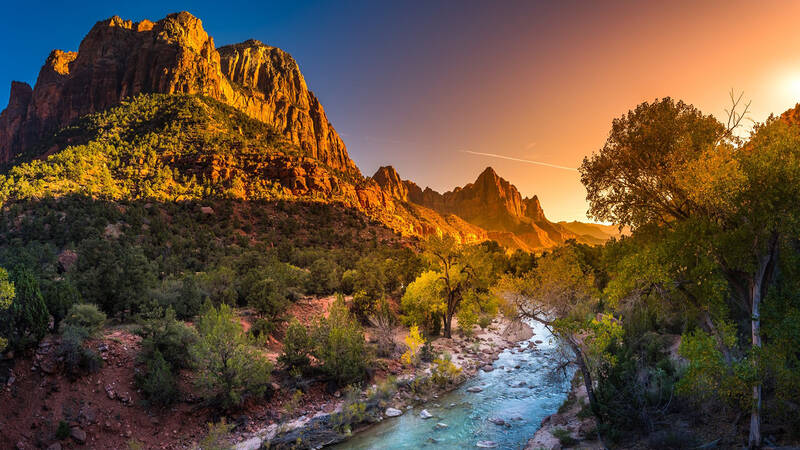
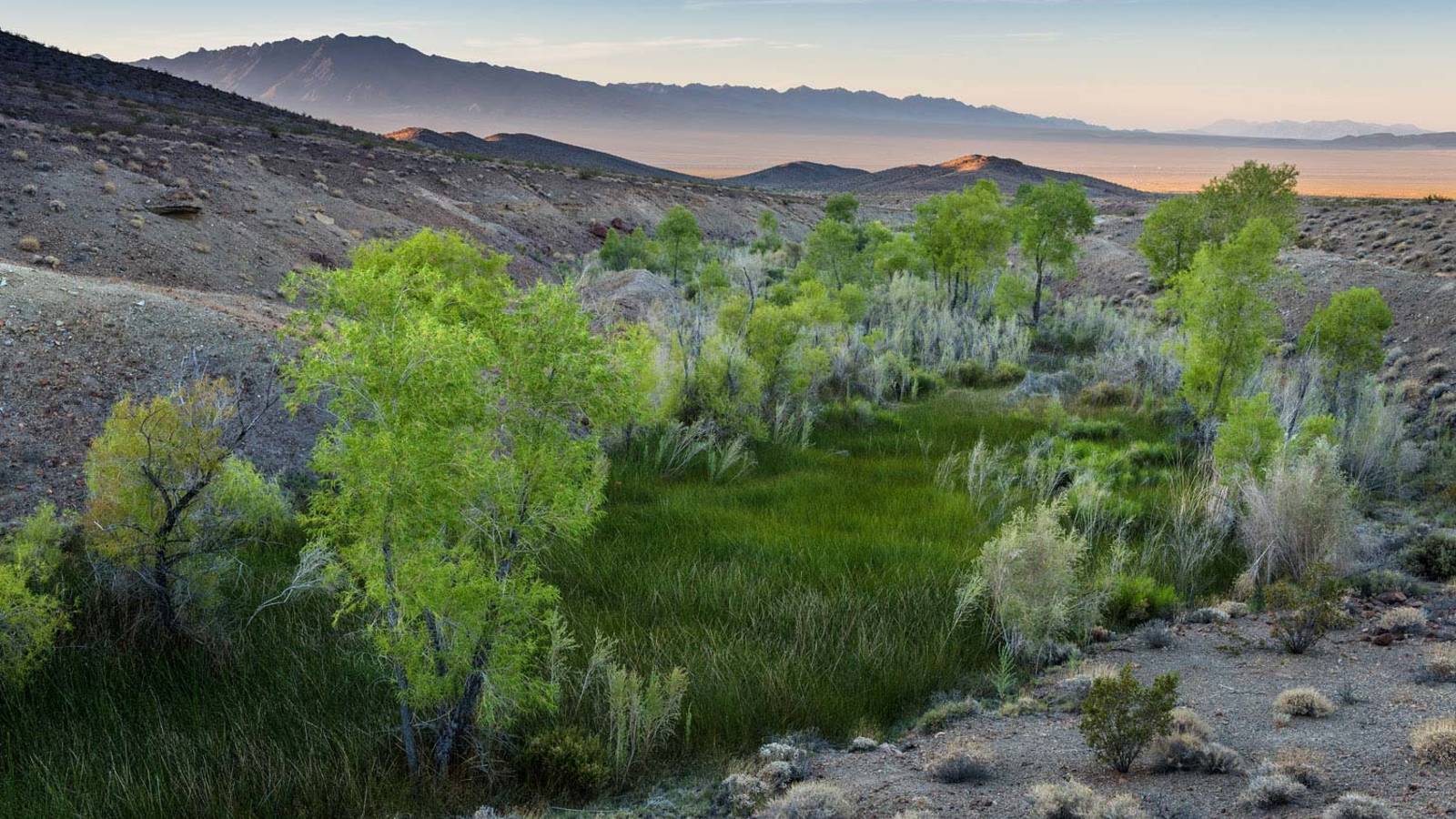
The Cadiz project, also known as Mojave Groundwater Bank, is a proposed groundwater mining project that would privatize, pump and unsustainably export billions of gallons of water a year for 50 years from an underground aquifer beneath the Mojave Desert, drying up rare desert springs.
Today, the Chemehuevi Indian Tribe, Fort Mojave Indian Tribe, Native American Land Conservancy (NALC), and National Parks Conservation Association (NPCA) filed a lawsuit challenging the U.S. Department of Interior’s (DOI) decision to approve a pipeline permit for the controversial Cadiz groundwater mining project. The permit was issued to Fenner Gap Mutual Water Company, an entity formed by Cadiz, Inc.
On July 8, the U.S. Bureau of Land Management (BLM) approved a permit for a pipeline that would transport groundwater pumped from the aquifer below the Mojave Desert, the driest desert in North America. At issue is the agency’s failure to conduct an environmental review of the groundwater depletion impacts on national parks and national monuments, and springs, wildlife, and plants sacred and vital to Tribal Nations. That review is critical because the pipeline would export significant quantities of water from the fragile desert aquifer, depleting the water table, endangering sacred and ecologically essential springs and disrupting wildlife habitat.
The Cadiz project, also known as Mojave Groundwater Bank, is a proposed groundwater mining project led by Cadiz Inc., a foreign investor-backed company, that would privatize, pump, and unsustainably export billions of gallons of water a year for 50 years from an underground aquifer beneath the Mojave Desert for profit. According to the U.S. Geological Survey, Cadiz would extract 25 times more each year than nature can replace with precipitation.
Remote springs supported by this aquifer are sacred to Tribes and have been protected for generations. The Chemehuevi Indian Tribe and the Fort Mojave Indian Tribe have opposed the Cadiz project for decades and have highlighted that the project would threaten their Traditional Territories.
The proposed project sits squarely in the middle of Mojave Trails National Monument, directly between Joshua Tree National Park and Mojave National Preserve. All three of these impacted iconic desert parks and public lands are part of the Mojave Desert — a unique landscape with immense biological diversity, recreational opportunities, Tribal history and cultural value that is dependent on scarce water resources.
In its final weeks, the first Trump administration issued Cadiz this same pipeline permit, without any environmental review of the groundwater depletion. The Biden administration acknowledged that decision was unlawful, and a federal court subsequently cancelled the permit. Under the second Trump administration, the BLM reversed course and issued another permit, similarly without review of the groundwater depletion.
The project has been mired in controversy for decades because it would destroy traditional landscapes, damage prized national parkland and deepen water insecurity for communities. This unsustainable pumping would dry up desert springs that bighorn sheep, migrating birds, kit foxes and other rare desert wildlife rely on to live.
This lack of a sustainable water supply exposes ratepayers to substantial risk, including the scenario where their water supply could be terminated and they risk shouldering the costs of the environmental damage.
Federal and State officials and advocates for conservation, clean water, and social justice have worked to block the project, ensuring the Colorado River and western water crises are not exacerbated by this unsustainable, unreliable water extraction project. Recently, the State of Arizona’s Water Infrastructure Finance Authority voted to reject funding the project while the Inter Tribal Association of Arizona, representing 21 Tribal Nations, voted to oppose it.
The Tribal Nations and the organizations are represented by the UC Irvine Environmental Law Clinic and Stanford Environmental Law Clinic.
Statement from Daniel Leivas, Chairman of the Chemehuevi Indian Tribe:
“Our people have been here since time immemorial, and we will not allow the Cadiz Corporation and federal government to destroy the living landscapes that preserve and teach our traditional ways. That is why we are taking this fight for indigenous rights and cultural survival to the courts. Ocean Woman is the Great Spirit of all water. The cycle and flow of the Living Spirit of water within all the trees, plants, people, animals, land and sky have been present since time immemorial. The ancient waters that formed and shaped the land we know today rest within the Earth below Cadiz. It is the living heart of the desert; to drain it would be to drain the life out of the entire desert. No profit is worth such desecration.”
Statement from Timothy Williams, Chairman of the Fort Mojave Indian Tribe:
“This is the Mojave Desert, and we are the Mojave people, the caretakers of this land, water and wildlife since time immemorial. Our Tribe has a solemn, sacred relationship with these resources that Cadiz, Inc., a foreign investor-backed company, is targeting for exploitation and profit. Their plan to pump and sell 25 times more groundwater each year than the aquifer can replenish would desecrate our traditional territories and any community sold this water would be left with an unreliable, unsustainable supply. The federal government’s permitting of Cadiz is not only negligent, but dangerous to the American Desert Southwest. Science and commonsense has not prevailed with the federal government’s failure to review the impacts of the groundwater depletion, so we must take this matter to court to protect our desert and its people.”
Statement from Michael Madrigal, MA (Cahuilla), President, Native American Land Conservancy:
“The Cadiz water mining project has threatened the Mojave Desert for decades. The Desert is our home and home of many of our non-human relatives. The foreign-backed Cadiz project would be disastrous for our communities. That is why NALC is once again standing with the Chemehuevi and Ft. Mojave Indian Tribes to oppose Cadiz with the hope that we can end this threat once and for all.”
Statement from Chance Wilcox, California Desert Associate Director at the National Parks Conservation Association:
“The administration wants to drain the desert, while defying the federal government’s own scientists who have been ringing alarm bells for years. This pipeline is an antiquated scheme that will rob the Mojave of its rare springs and wildlife and harm Tribes and the public lands they’ve stewarded for generations. A full environmental review is absolutely necessary, as required by law, and would expose the sheer magnitude of the damage this would bring to the California Desert. You can’t claim to be a solution to a water crisis when you are manufacturing another in the same breath.”
###
About the National Parks Conservation Association: Since 1919, the nonpartisan National Parks Conservation Association (NPCA) has been the leading voice in safeguarding our national parks. NPCA and its more than 1.9 million members and supporters work together to protect and preserve our nation’s most iconic and inspirational places for future generations. For more information, visit www.npca.org.
For Media Inquiries
-
General
-
- NPCA Region:
- Pacific
-
Issues


-
Blog Post
FAQ: Border Destruction at Big Bend
The Trump administration destroyed parts of Big Bend National Park in August. We share updates, answer frequently asked questions and share how you can help.
-
Press Release
NPCA, Conservation Groups Challenge Trump’s Decimation of Two National Monuments in Utah
"Support for these monuments has never wavered and neither will our fight to protect them" -- NPCA Southwest Campaign Director Erika Pollard
-
Blog Post
Selling Off and Selling Out
Three main patterns by the federal government are chipping away at national parks and public lands. Our experts break them down.