Congress is close to passing a sweeping permitting bill, but serious concerns remain about what it will cost our national parks.
In late September, a bipartisan group of Senators introduced the Bipartisan American Affordability and Jobs Act of 2026, a permitting reform bill that aims to accelerate energy, infrastructure and transmission projects across the country.
NPCA agrees that we need to build clean energy and transmission faster. We recognize the years of bipartisan work behind this bill and commend the bill’s provisions that could unlock clean energy projects and build out a stronger power grid, as well as provide critical funding for the Historic Preservation Fund.
However, as written, the bill would strip the public, Tribes and park experts of their voice in decisions affecting our most cherished places. The risks so far are not worth the reward. And that’s why NPCA is urging senators to fix the bill before it reaches the Senate floor, so it does not jeopardize protections for our national parks.
NPCA submitted a letter to the Senate outlining our key concerns and detailing the specific protections needed to safeguard our national parks. We strongly urge senators to take the public’s concerns seriously and act in the best interests of our public lands.
The bill would weaken key policies, while worsening an already-compounding problem. Here is what NPCA is most concerned about.
1. National Historic Preservation Act (NHPA)
The proposed changes to the National Historic Preservation Act are one of NPCA’s greatest concerns. The bill would fundamentally weaken Section 106 of NHPA, which currently is the primary way for the public, Tribes, and state and local governments to have a voice in federal projects that affect historic places.
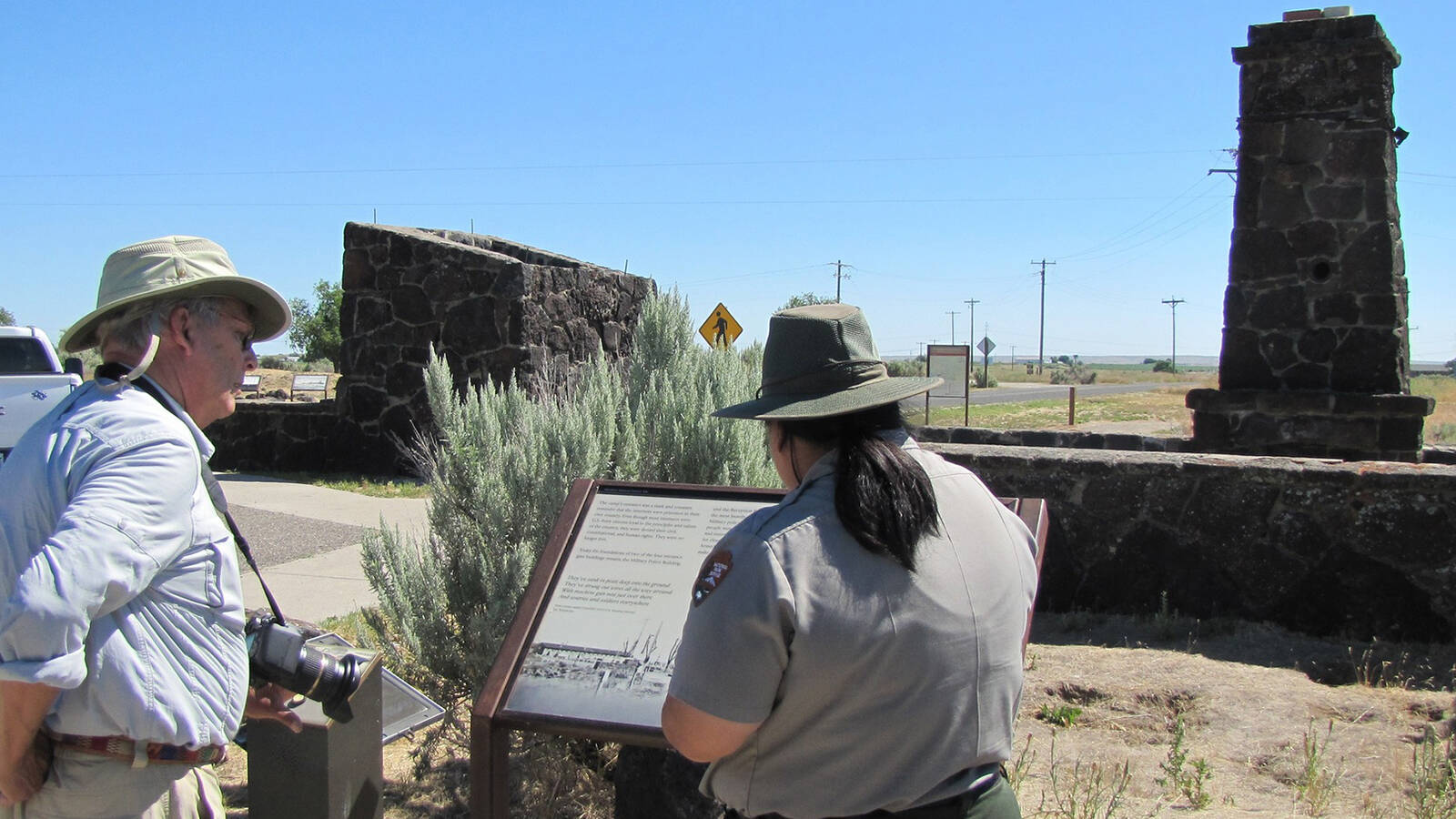
Section 106 has worked efficiently and effectively for decades — of the 120,000 annual reviews, 98% clear quickly and without harm to historic properties. For example, at Minidoka National Historic Site in Idaho, Section 106 brought stakeholders together to modify a proposed wind project, protecting the park’s historic landscape and allowing the project to be approved.
The Bipartisan American Affordability and Jobs Act proposes to replace this proven process, making key steps of consultation optional, including consultation with Tribal nations on identifying the historic properties a project affects. It also directs federal agencies to largely ignore a project’s visual and audible effects on historic sites, ends reviews for many federally funded projects and restricts legal challenges. And it allows the Department of the Interior to suspend funding and take responsibilities away from State and Tribal Historic Preservation Offices, severely infringing on Tribal self-governance.
2. National Environmental Policy Act (NEPA)
NPCA also has serious concerns about the bill’s changes to the National Environmental Policy Act, an essential law guiding responsible development and public engagement in our nation’s project planning. The Bipartisan American Affordability and Jobs Act prevents courts from pausing or halting flawed projects based on NEPA violations alone, therefore allowing construction to continue even as new reviews are completed. The bill would also narrow NEPA’s scope and limit the time allowed for public comments.
NPCA understands the consequences of this firsthand. After a federal appeals court found in 2019 that the Army Corps of Engineers should have prepared a full environmental impact statement for transmission towers across the James River near historic Jamestown (part of Colonial National Historical Park) and the Captain John Smith Chesapeake National Historic Trail, the permit was left in place during the Corps’ new review. The towers, built while the case was pending, still stand today.
Under this bill, Jamestown would become the rule, not the exception. And that’s unacceptable. NPCA believes federal review can be faster and more predictable without sacrificing parks, the public’s voice and judicial oversight.
3. Endangered Species Act (ESA)
The Bipartisan American Affordability and Jobs Act also includes major changes to the Endangered Species Act, changes that raise serious concerns for NPCA. The bill would allow states to take the place of federal wildlife agencies, such as U.S. Fish and Wildlife Service, as the lead on consultations over projects that could impact threatened or endangered species. This could create over 50 separate programs — causing conflicts, inconsistent protection for migratory and aquatic species, and reduced oversight for projects on federal or national park lands. NPCA supports stronger state and federal partnerships to protect the future of endangered species. However, this bill in its current form is not the solution.
4. Staffing Crisis
A compounding challenge with this bill that cannot be ignored is the current staffing crisis at federal agencies, especially the Department of the Interior and Department of Agriculture. The Park Service alone has lost 25% of its staff since 2025 due to terminations, pressured resignations and early retirements. Without funding, resources and personnel to conduct reviews, permitting reform will stall regardless of changes to the law. Federal investments are critical if we want to increase clean energy production in our country, and so are the staff who help ensure permitting reform delivers on its promise.
Energy Progress Without Harm to Parks is Possible
NPCA believes that clean energy and park protection can, and must, advance together. The changes we’ve recommended to the Senate would ensure energy progress does not come at the expense of our national parks.
Stay On Top of News
Our email newsletter shares the latest on parks.
About the author
-
 Daniel Hart Director of Clean Energy and Climate Policy
As the Director of Clean Energy and Climate Resiliency Policy for the Government Affairs team, Daniel advocates for a clean energy transition on public lands and waters as well as climate policies to help protect and preserve parks.