A summary of recent events affecting national park wildlife and the landscapes it inhabits.
Recent wins and encouraging new polling data give wildlife advocates hope amid threats to animals and their habitats across the country. We rate what’s positive and what’s not.
Thumbs Up
👍 Wildlife Crossings in North Carolina
After years of work by NPCA and Safe Passage partners across the Southeast, the North Carolina General Assembly and Gov. Josh Stein made a historic commitment to improving safety for both people and wildlife across the state by including $10.2 million for wildlife crossings and mitigation strategies in the state’s budget.
The investment will recur every two years and support roadways in areas such as Great Smoky Mountains National Park.
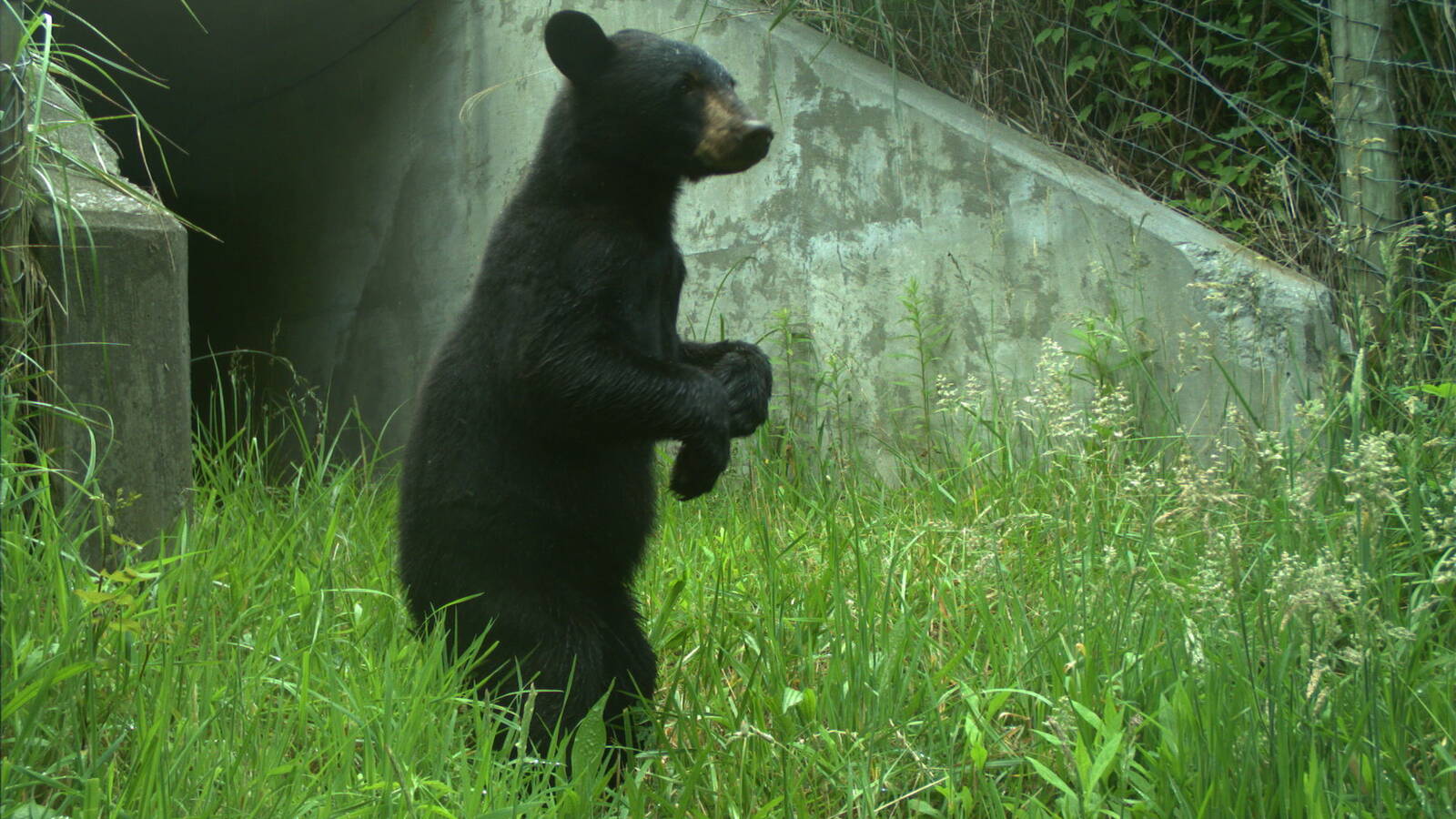
The park and its connected landscapes are havens for black bears, elk and other wildlife. “Animals need room to roam, and when they roam onto roadways, the results can be catastrophic,” said Jeff Hunter, NPCA’s Southern Appalachian director.
Strategically placed infrastructure such as expanded underpasses and culverts, fencing and overpasses help animals move safely under or over highways. This reduces costly collisions with motorists and improves wildlife resilience. NPCA’s June 2026 wildlife poll, conducted by YouGov, found that 81% of all Americans and 80% of American hunters support continued congressional investment in wildlife crossings to protect motorists and wildlife and reduce wildlife-vehicle collisions.
👍 Proposal to Expand Big Cypress
In late June, Miami-Dade County Mayor Daniella Levine Cava outlined a plan to transfer more than 17,000 acres of county land, including land used for the controversial immigrant detention center known as “Alligator Alcatraz,” to the National Park Service.
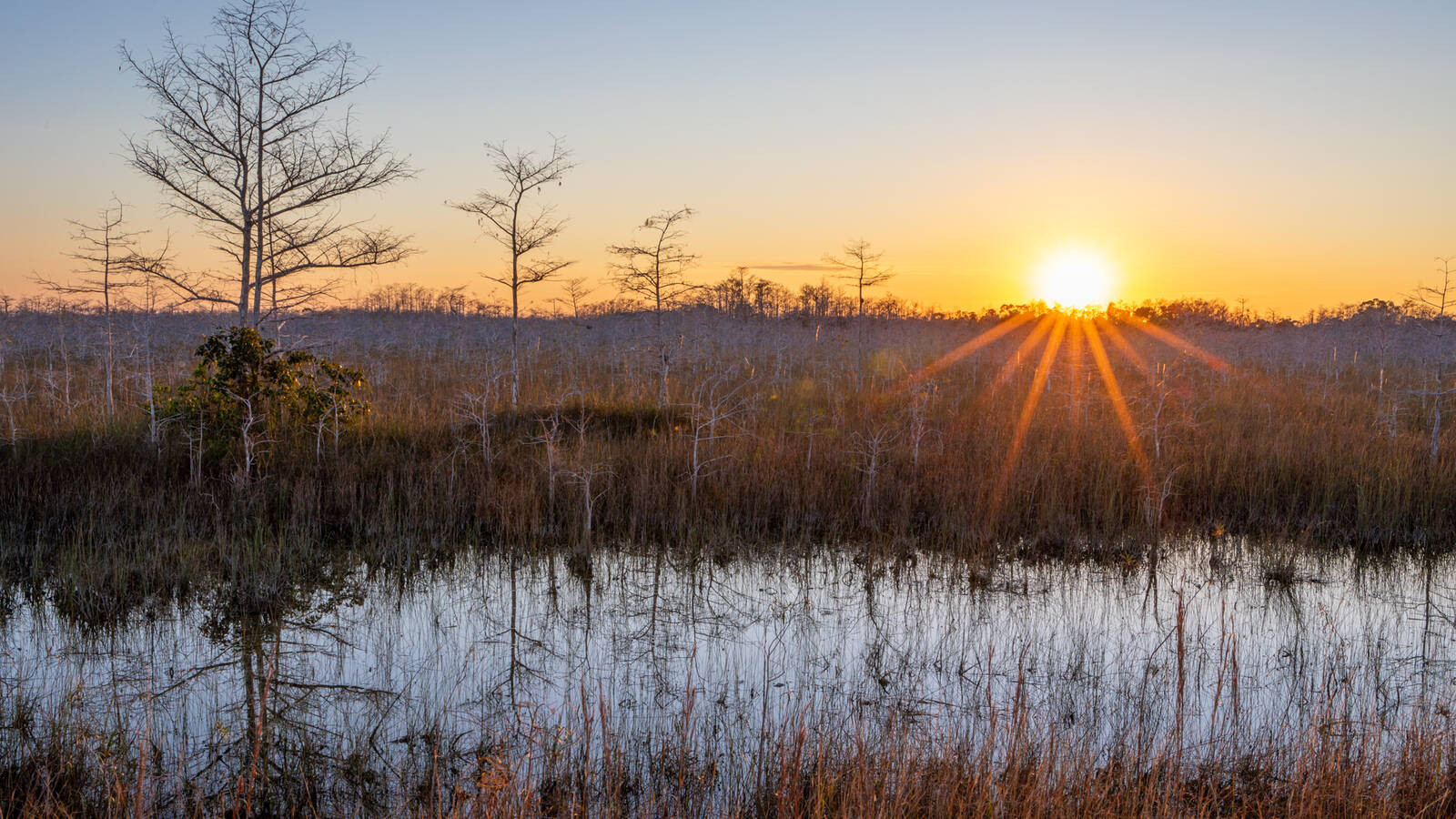
NPCA strongly supports the plan, which outlines solid pathways for permanently protecting this important conservation landscape for Big Cypress National Preserve and the Everglades ecosystem.
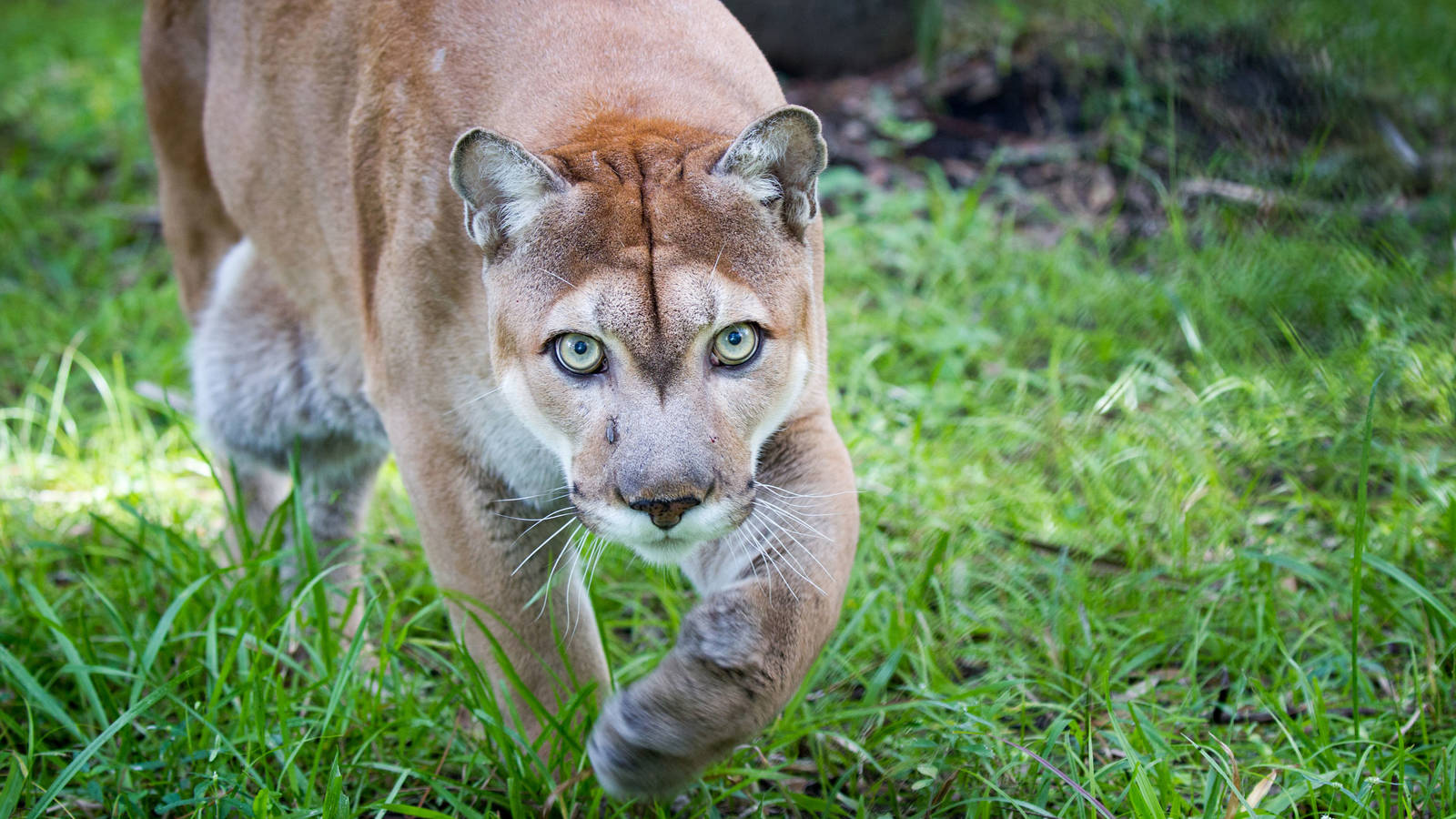
“The diverse habitats of Big Cypress are home to some of Florida’s favorite unique species, including the endangered Florida panther and the elusive ghost orchid,” said Marisa Carrozzo, NPCA’s Sun Coast senior program manager. Calling the plan a once-in-a-generation conservation opportunity, Carrozzo added, “We urge the Board of County Commissioners to support this bold vision for our communities and the beautiful, wild Everglades we know and love.”
Thumbs Down
👎Changing the Endangered Species Act
In July, the Trump administration delivered a devastating blow to species recovery in national parks by changing how “harm” is defined in the Endangered Species Act. The existing definition had been in place for decades and previously upheld by the U.S. Supreme Court.
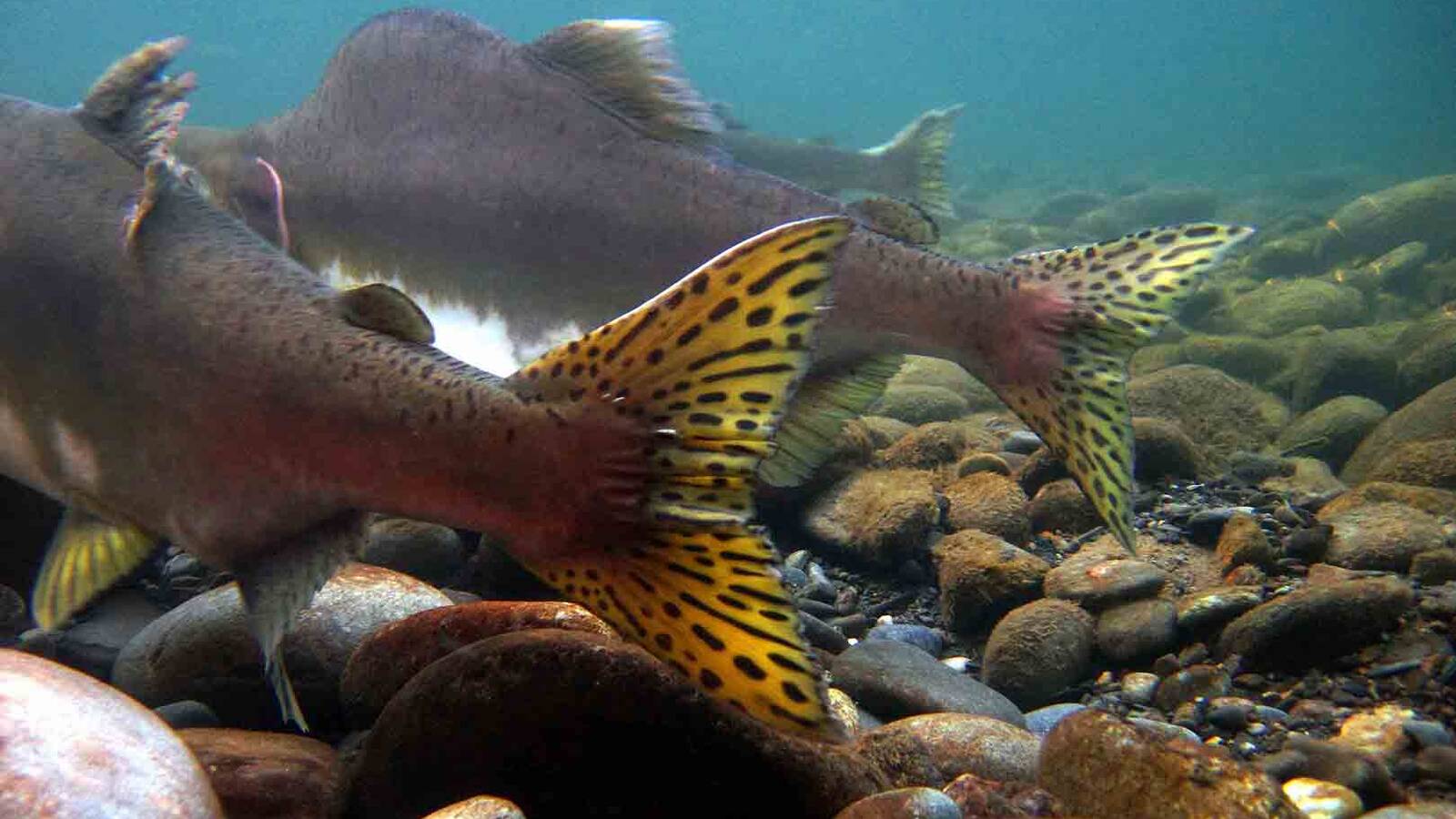
“This rule ignores decades of conservation science and could undermine recovery efforts for more than 600 species, from salmon in Olympic to grizzlies in Yellowstone, that rely on lands and waters connected to our national parks,” said Bart Melton, NPCA’s senior wildlife program director. The move is already being challenged in court by NPCA’s partners.
Another pair of regulations affecting the Endangered Species Act will fast-track timber cutting, mines and oil and gas drilling and weaken science, conservation and species recovery. NPCA and partners, represented by Earthjustice, are pursuing legal action.
The 2026 NPCA wildlife poll found that 85% of Americans and 82% of American hunters agree the Endangered Species Act is important for protecting threatened and endangered species in national parks. The poll also found that 63% of Americans oppose granting oil and gas companies lifetime exemptions from regulations that protect threatened and endangered species — something the Endangered Species Committee granted earlier this year for off-shore extraction on the Gulf Coast.
👎Removing Protections from Marine Monuments
In June, President Trump signed a proclamation to allow commercial fishing in three marine national monuments in the Pacific Ocean — two of which had been designated by President George W. Bush, the other by President Barack Obama.
NPCA states that removing such protections is illegal and will reverse science-proven gains that have taken place since these protections were enforced. Among those monuments is Rose Atoll Marine National Monument, near National Park of American Samoa.
“It’s among the most pristine places in the world, home to a vibrant coral reef system teeming with sharks, tuna and threatened and endangered sea turtles,” said Sarah Barmeyer, NPCA’s deputy vice president of conservation programs.
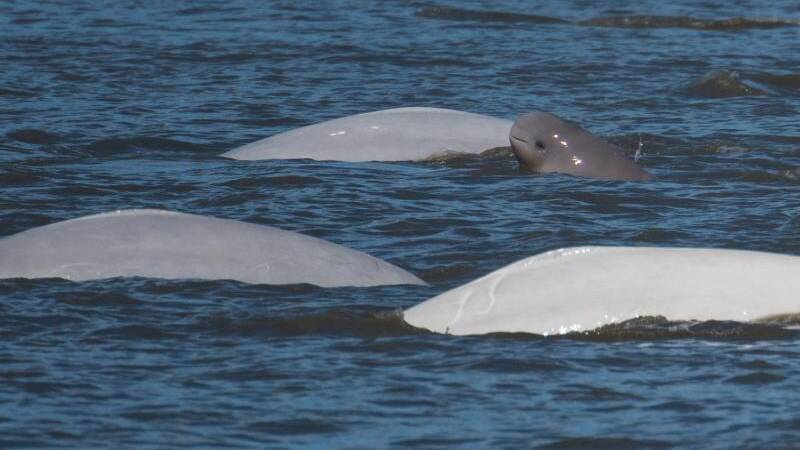
Tourism to National Park of American Samoa thrives because of the distinctive wildlife found there. “We’ll continue to fight to ensure Rose Atoll, Papahānaumokuākea, Mariana Trench and all of our national monuments remain protected as they were intended,” Barmeyer said.
👎Expanding Hunting and Trapping in Some Parks
Following a January secretarial order, more than a dozen national park sites this spring began expanding hunting areas and the practices they allow. Park superintendents were told that closures and restrictions not required by law should be limited to the minimum necessary for public safety and resource protection, raising concerns about the long-term impacts on wildlife conservation and visitor experience.
NPCA is concerned these changes could negatively affect wildlife, diminish visitor safety and undermine the Park Service’s longstanding conservation mission.
“Major changes to hunting and trapping regulations should be guided by science, public engagement and the Park Service’s obligation to leave park resources unimpaired for future generations,” said Stephanie Adams, NPCA’s wildlife program director.
The changes include:
- Opening areas previously closed to hunting
- Lifting seasonal restrictions
- Removing prohibitions on shooting across trails
- Removing bans on alligator hunting
- Permitting vegetation to be cleared to create shooting lanes.
Stay On Top of News
Our email newsletter shares the latest on parks.
The lack of public education and engagement around this order is deeply unpopular. NPCA’s poll found that 90% of Americans and 89% of hunters believe the National Park Service should explain significant changes to hunting and trapping regulations. The poll also found that 86% of American hunters and 84% of all Americans say it is at least somewhat important that they have the opportunity to comment on any proposed changes to hunting and trapping regulations on national park lands.
NPCA’s Kati Schmidt, Kyle Groetzinger and Alison Heis contributed to this report.
About the author
-
 Linda Coutant Online Editor
As a member of the Communications team, Linda Coutant manages the Park Advocate blog and other web content, and also coordinates the monthly Park Notes e-newsletter for NPCA members and supporters. She lives in Western North Carolina.
-
General
-
Issues


-
Press Release
Atrocious Reported Changes to the ESA Could Threaten Extinction to Park Wildlife, Wild Nature
"This memo appears to suggest that it’s no longer the purpose of the ESA to ensure animals such as grizzly bears, North Atlantic right whales, or Florida panthers are protected"…
-
Press Release
State of Montana Moves to Drop Yellowstone Bison Suit Ahead of Park Service Analysis
“Those of us who live in Montana understand that bison belong on the land. Bison are woven into America’s conservation legacy and Montana’s history and cultures” - NPCA Greater Yellowstone…
-
Blog Post
FAQ: Border Destruction at Big Bend
The Trump administration destroyed parts of Big Bend National Park in August. We share updates, answer frequently asked questions and share how you can help.