As a Next Generation Council member explains, protecting these places is inseparable from the stories parks hold and the people those stories represent.
The 250th anniversary of the founding of the United States invites us to reflect on the people, places and moments that have shaped our nation, and few places are better equipped to help us do that than our national parks.
These landscapes preserve extraordinary natural beauty alongside the histories that help us understand who we are: stories of innovation, resilience and progress. They also create space to explore the more difficult chapters of our past. National parks serve as places where Americans can engage with the full complexity of our shared story.
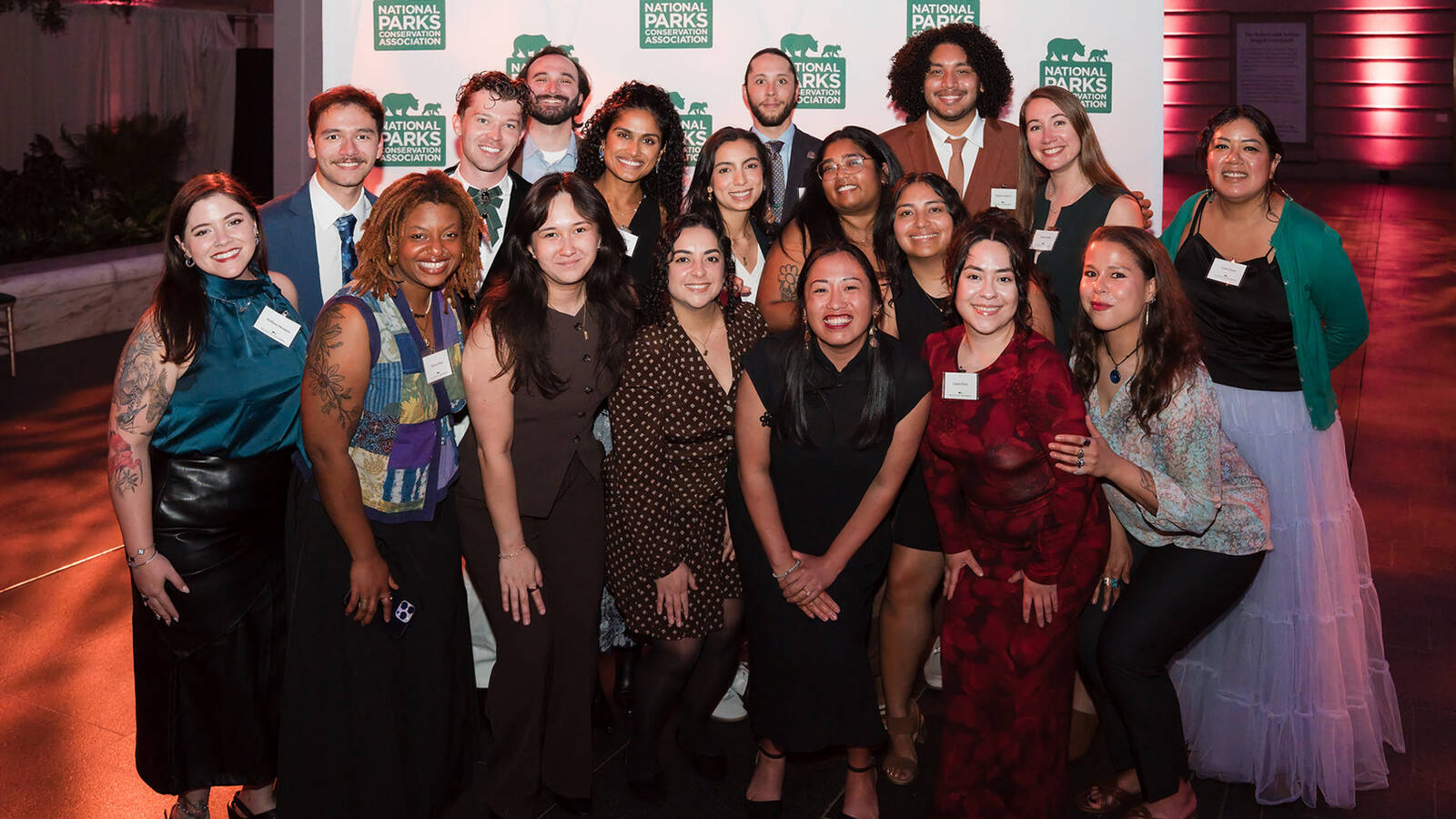
In April, I traveled to Washington, D.C., for National Parks Advocacy Week with the National Parks Conservation Association, where fellow advocates and I met with policymakers to discuss the protection and future of our national parks. While our conversations focused on funding, stewardship and long-term preservation, what stayed with me most was a quieter realization that the work of protecting these places is inseparable from the stories they hold, the science they safeguard and the people those stories represent.
UNITED BY PARKS
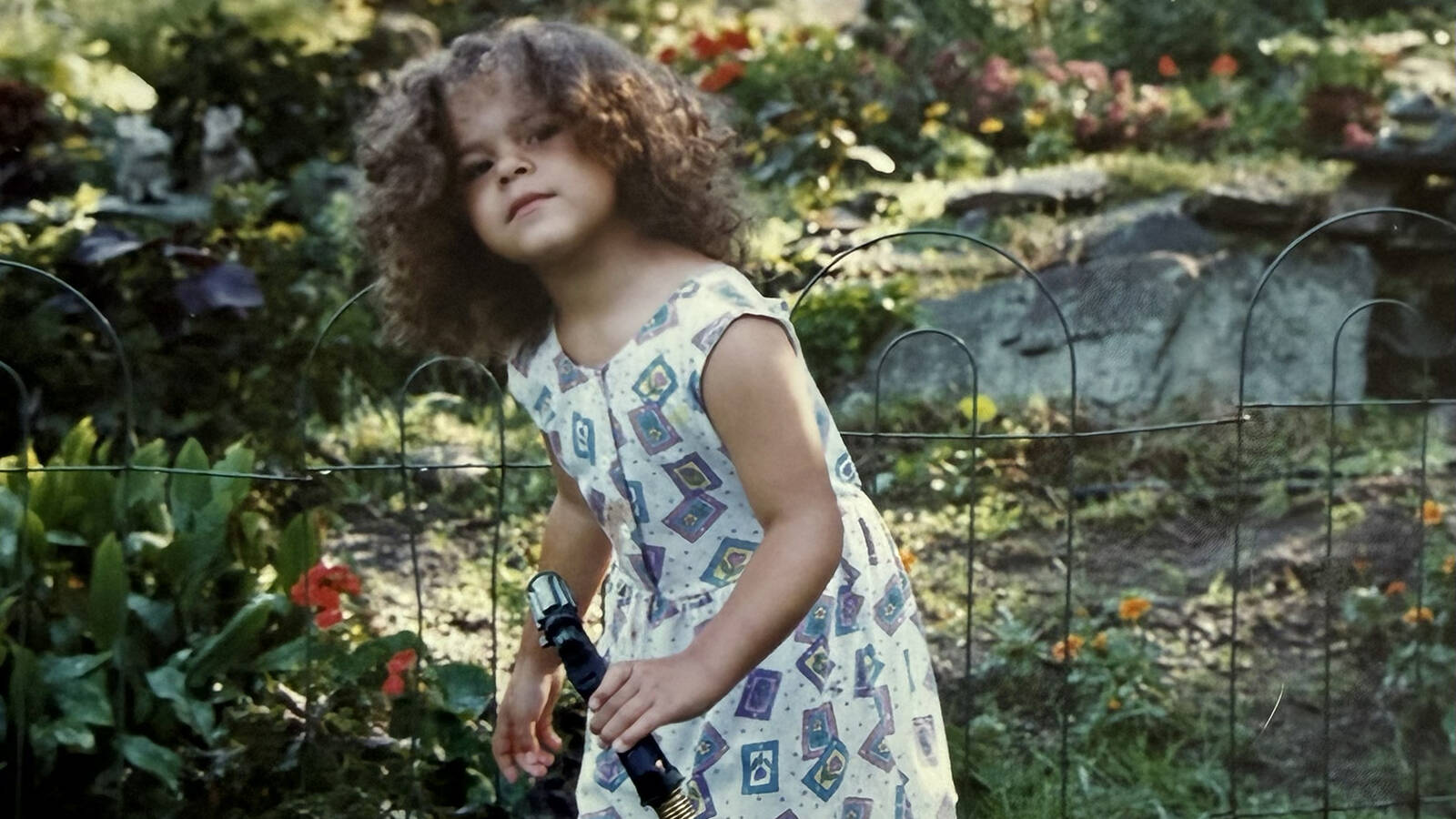
My understanding of the deep connection of place began on a mountain in upstate New York where I grew up surrounded by forest. My family lived off the grid, relying on a generator. Because fuel was expensive, the lights went out each night and the silence settled in. There was no television or internet to fill it, only books, blank pages, candlelight and the steady rhythm of the natural world.
At the time, I did not experience that stillness as a gift and instead felt removed from the lives other kids seemed to be living. It took years for me to understand that this quiet was not an absence, but an invitation from which to learn how to listen and observe in a deep way.
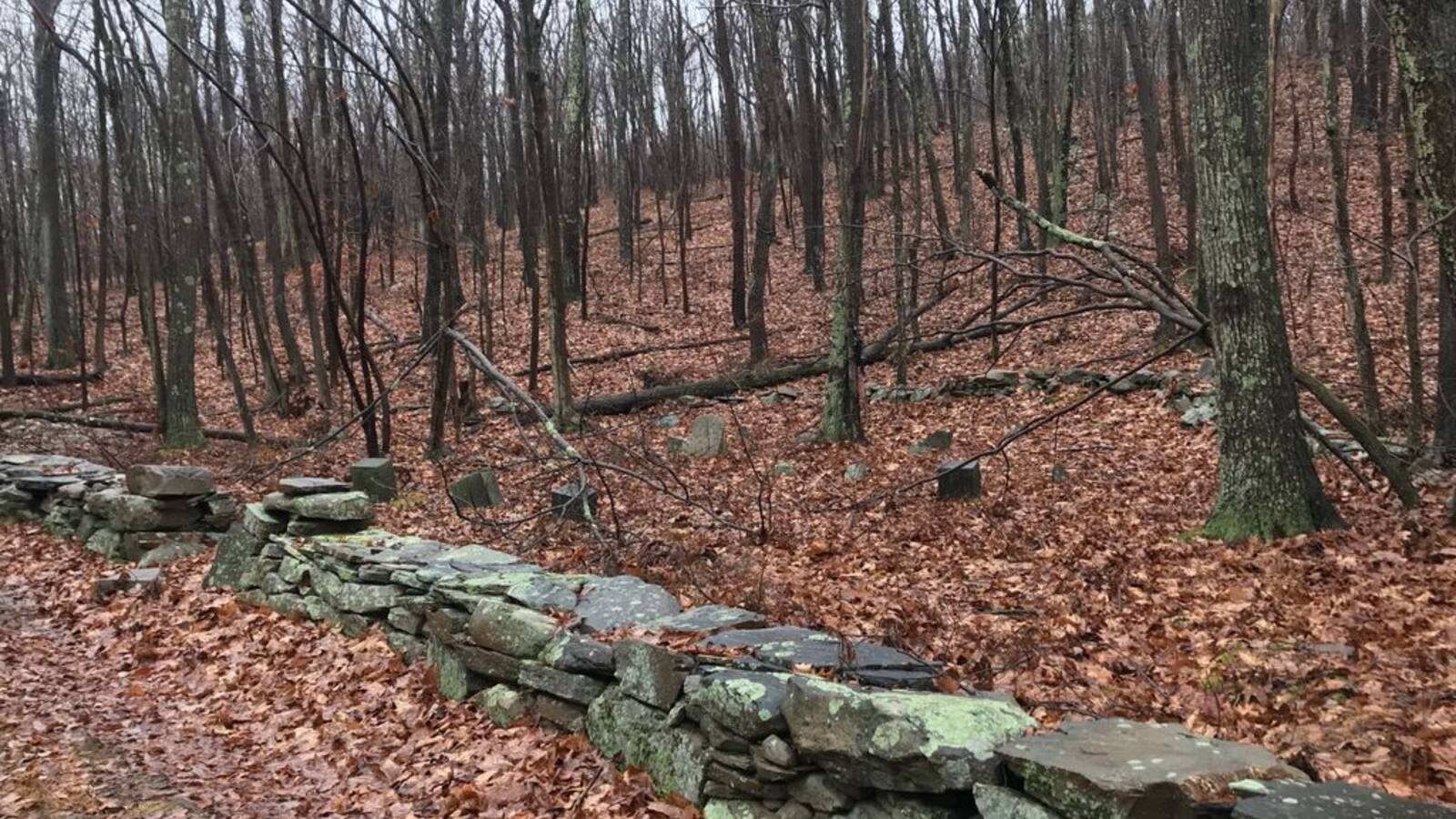
Not far from our home was a Civil War cemetery where members of a Black infantry regiment were buried, and local stories spoke of their connection to the Indigenous community that had long stewarded the land. Even as a child, I understood that these histories existed quietly, without recognition or amplification, and although I did not yet have the language for censorship, I could feel the absence of acknowledgment. That shaped how I think about whose stories are preserved — and whose are left out.
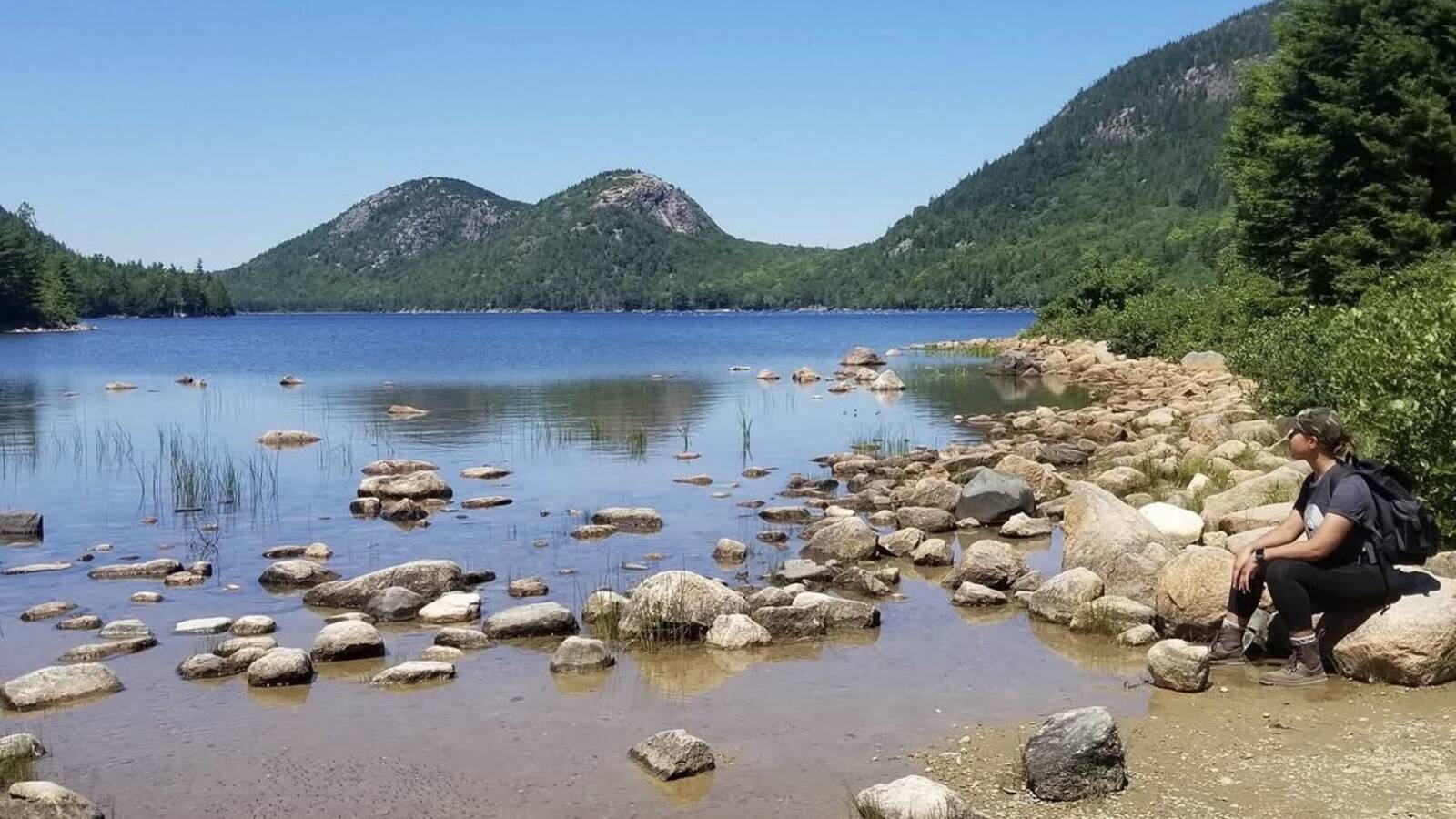
Years later, I left that mountain and moved to the city, and in the rush of day-to-day living, I drifted from the stillness that once grounded me. Luckily, exploring national parks sparked a shift — I began to sense a recognition, as the tranquility I once resisted began to feel like something I had been searching for all along.
Looking back, I realize the meaning-making that shaped my childhood is what brought me to Washington decades later. My early experiences taught me that the landscapes and stories we preserve shape how we understand ourselves, our communities and our history. They also are living records of ecological systems and scientific research, documenting changes in climate, biodiversity and land use over time. The National Park Service preserves thousands of cultural and historical sites and protects ecosystems that serve as important baselines for climate science, making them essential for both conservation and understanding environmental change.
This understanding proved invaluable in my advocacy work in Washington. National parks, in essence, reflect our shared values. They are among the few places in this country that are held in trust for everyone. In that way, they mirror one of the most hopeful ideals of democracy: the belief that certain places, stories and resources should be preserved not for a select few, but for everyone.
Yet a gap remains between this ideal and reality. National Park Service visitation data shows that while people of color make up more than 40% of the U.S. population, they represent about 23% of national park visitors. That gap highlights the importance of ensuring that more people see themselves in these spaces and in the stories they hold, and we know there are opportunities to expand access, representation and inclusion.
Recent polling commissioned by NPCA found that more than 3 in 4 Americans agree that national parks should not remove materials that tell factual aspects of America’s history. That broad support reveals something powerful: Regardless of background or political perspective, many Americans recognize the importance of preserving the history and science that help us better understand our country and one another.
Although I did not yet have the language for censorship, I could feel the absence of acknowledgment. That shaped how I think about whose stories are preserved — and whose are left out.
Expanding the narrative does not diminish the legacy of our parks — rather it strengthens it by allowing more people to see their connection to these landscapes.
For me, that connection is deeply personal. As a multiracial woman with Black, Mexican and Irish heritage, I carry histories that have not always been equally recognized or represented. When I move through a national park, I am aware not only of its natural beauty, but of the layers of human experience that exist within it, thinking about the Indigenous communities who have long stewarded these lands, the Black and Brown histories that are often less visible, and the responsibility we share to ensure those stories continue to be told.
There are many individuals whose work has helped expand that understanding, including Col. Charles Young, the first Black superintendent of a national park, who played a critical role in developing infrastructure at Sequoia and Kings Canyon in 1903, and Margaret Murie, whose advocacy helped protect the Arctic National Wildlife Refuge, a public land created in 1960 that is managed by the U.S. Fish and Wildlife Service. Their contributions are part of a broader and more complete story that continues to evolve.
Even with this progress, there are ongoing opportunities to continue expanding access and representation so our national parks remain meaningful and welcoming to all.
Upon this country’s 250th anniversary, I find myself returning to the same lesson that mountain taught me years ago: What we choose to pay attention to matters. There are still people, places and chapters of our history that deserve greater recognition within the stories our parks tell. As we look toward the next 250 years, our responsibility is not only to protect these places, but also to ensure that the histories and knowledge they hold remain visible, accurate and accessible for future generations.
Stay On Top of News
Our email newsletter shares the latest on parks.
About the author
-
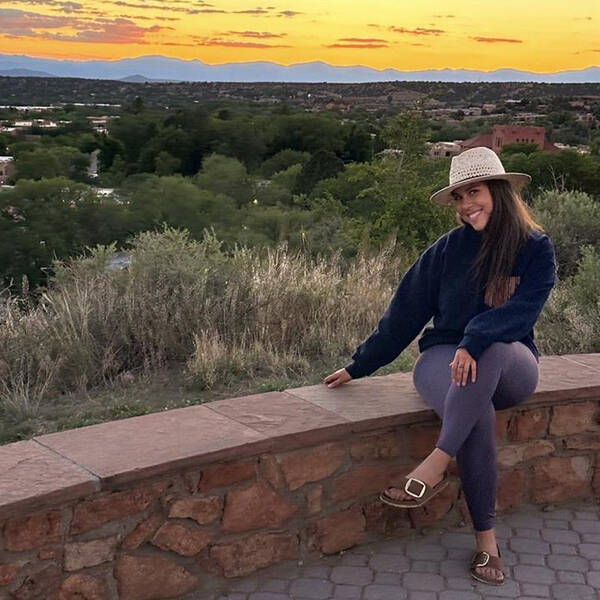 Alina Bourke Next Generation Advisory Council
Alina Bourke is a marketing professional and climate legislation advocate dedicated to advancing equity, sustainability, and access to nature. Raised off the grid in upstate New York, she developed a deep-rooted connection to the natural world from an early age.