Thanks to Great American Outdoors Act funding, the site of the Revolutionary War’s opening battle can welcome visitors for many years to come — while some of its buildings earn revenue for the National Park Service.
At Minute Man National Historical Park in Massachusetts, the National Park Service has restored buildings previously unused or in poor condition to more fully tell the story of colonial times and the start of the American Revolution.
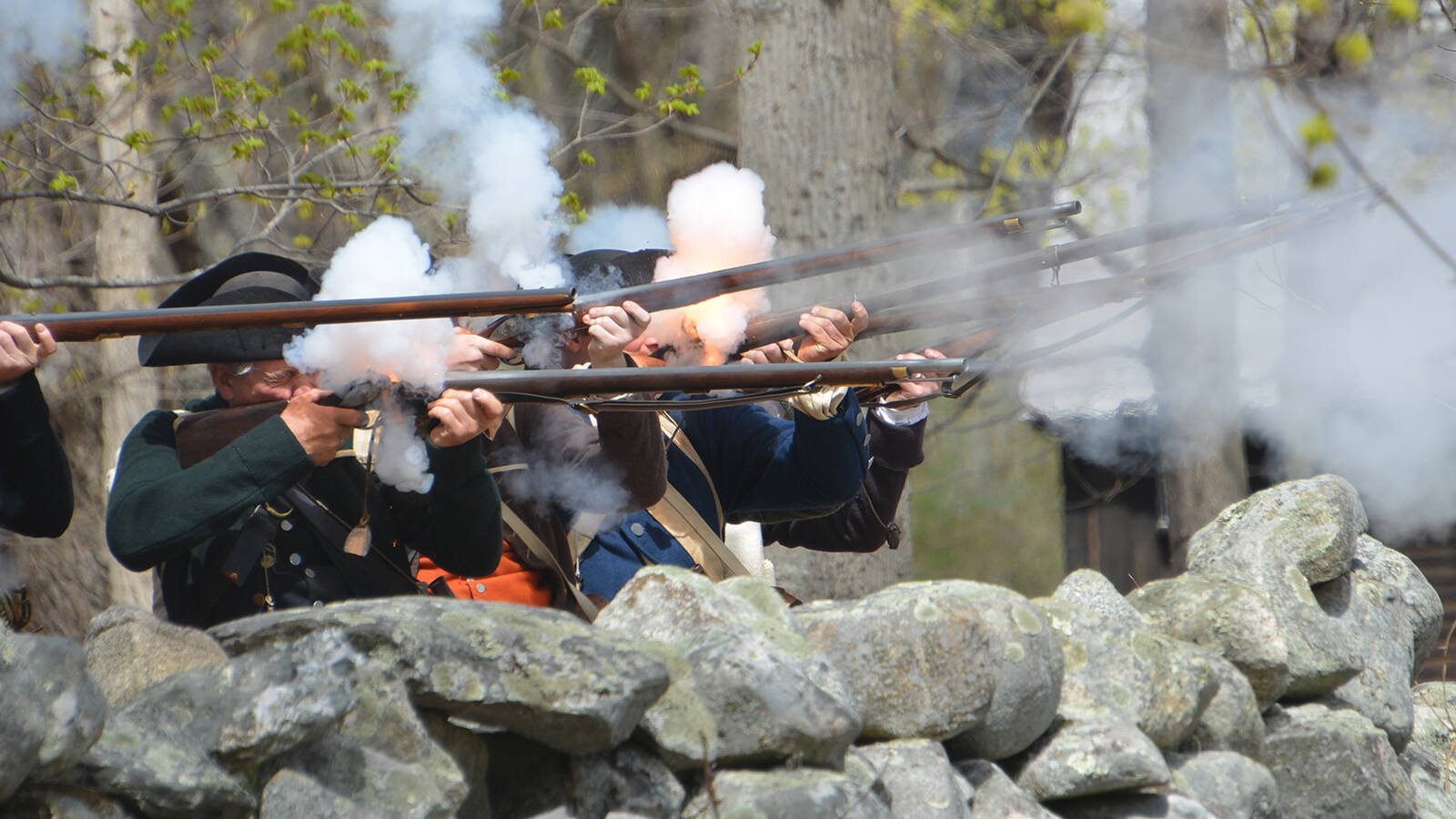
At this spot on April 19, 1775, the American Revolution opened with the “shot heard ‘round the world,” as local resident and author Ralph Waldo Emerson would describe the event 60 years later. An act of treason, this first armed conflict against the British led to the signing of the Declaration of Independence in 1776 and the eventual formation of the United States of America.
ABOUT GAOA
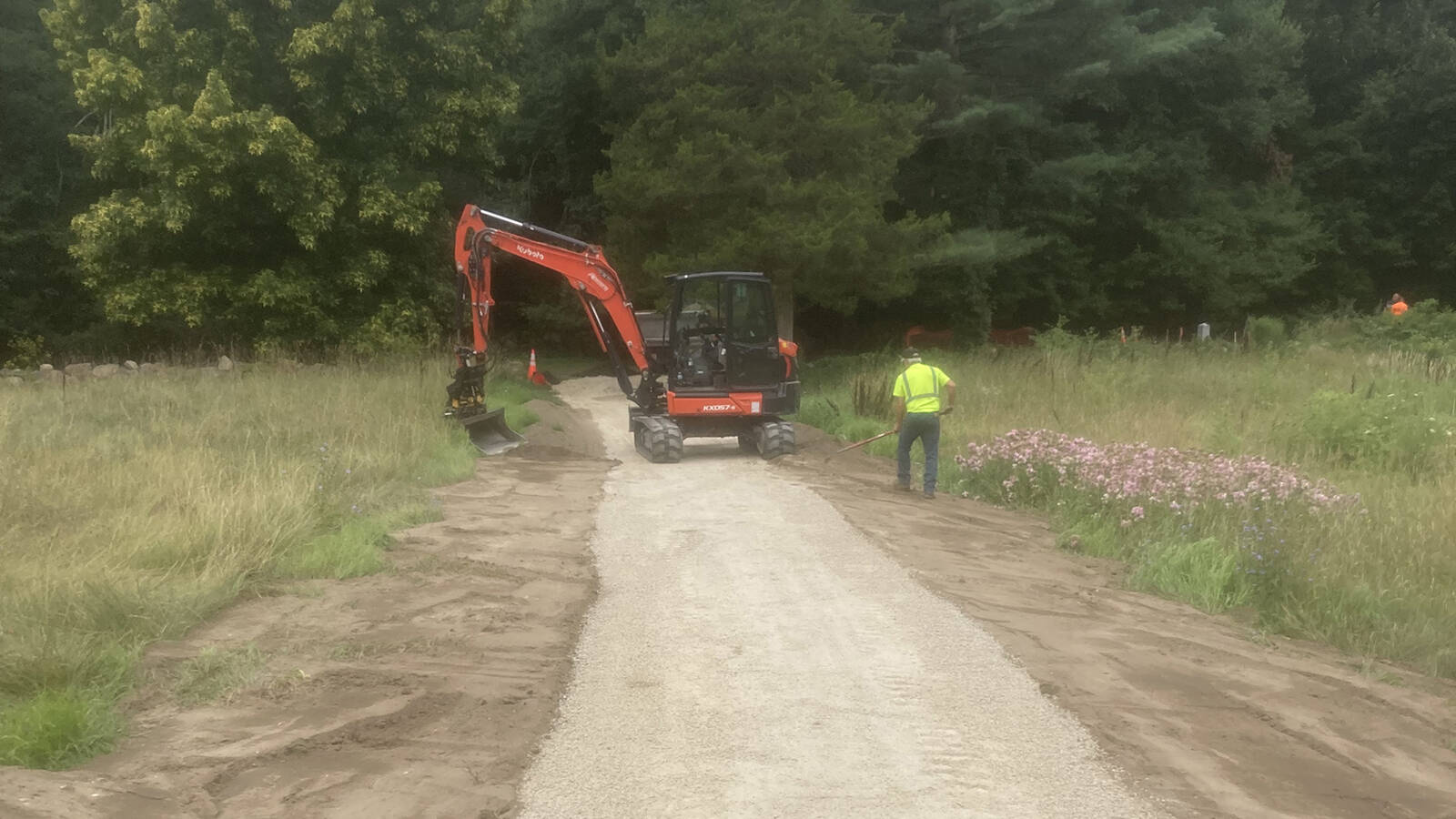
As the U.S. celebrates its 250th anniversary this year, visitors to Minute Man are getting a better picture of this historical turning point because of a three-year, $27 million rehabilitation project funded by the Great American Outdoors Act passed by Congress in 2020. The funding allowed the park to implement a sustainability-focused strategic plan to rehabilitate 15 historic structures, 22 historic monuments and six cultural landscapes, and also improve the 5.5-mile Battle Road Trail, which serves as a main artery for historical interpretation and recreation at the park site. The project began in fall 2022 and was completed in time for the opening battle’s 250th anniversary.
The bulk of Minute Man’s funding came through the act’s Legacy Restoration Fund, which Congress is considering reauthorizing this summer.
An added bonus: In preparation for trail maintenance as part of the GAOA project, a team of archaeologists unearthed five lead musket balls from the 1775 battle during their 2023 survey of the Old North Bridge area. The musket balls are now on display inside the North Bridge Visitor Center.
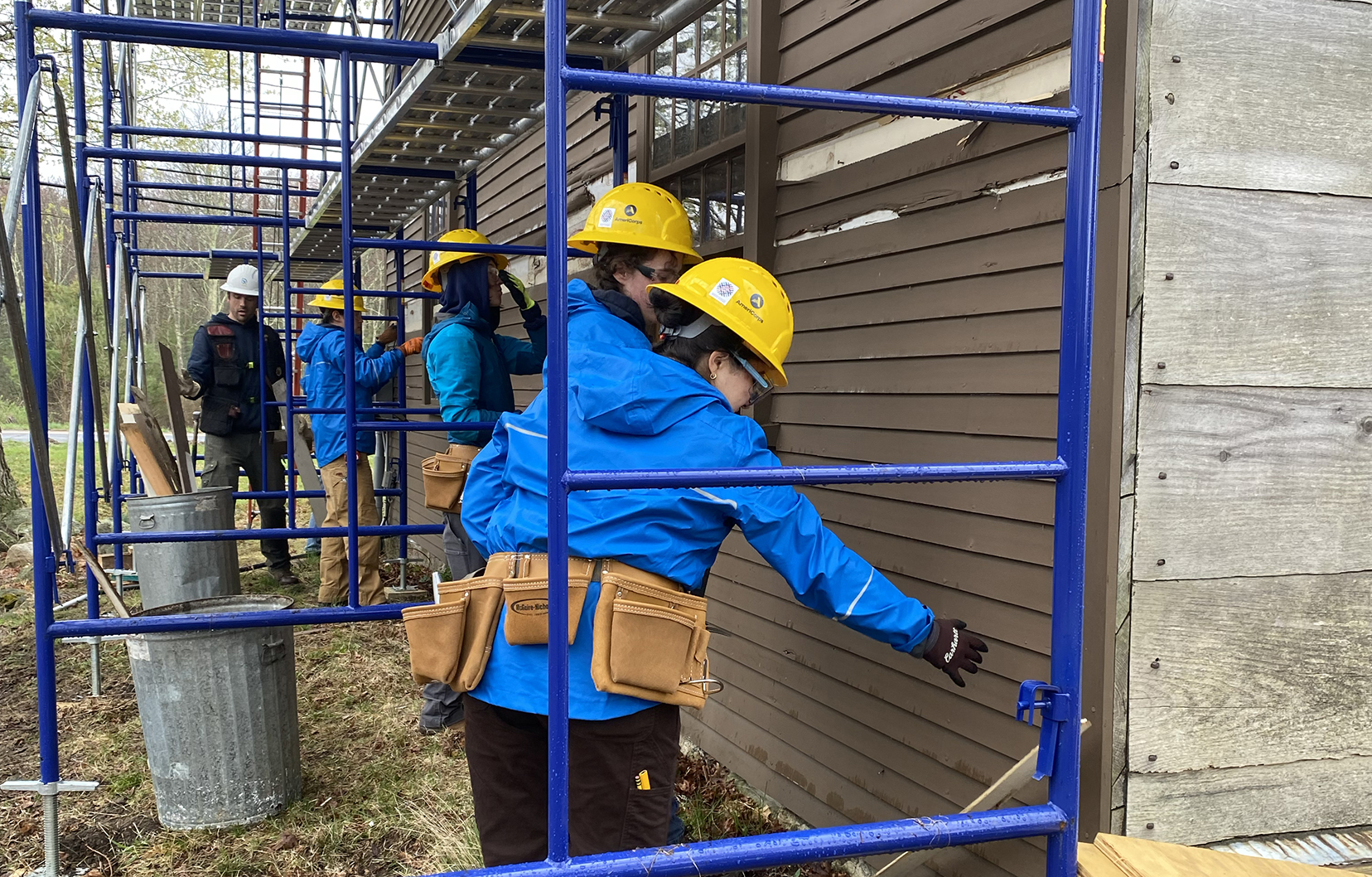
Siding repairs to the Stow-Hardy House at Minute Man National Historical Park, made possible by the Great American Outdoors Act.
NPS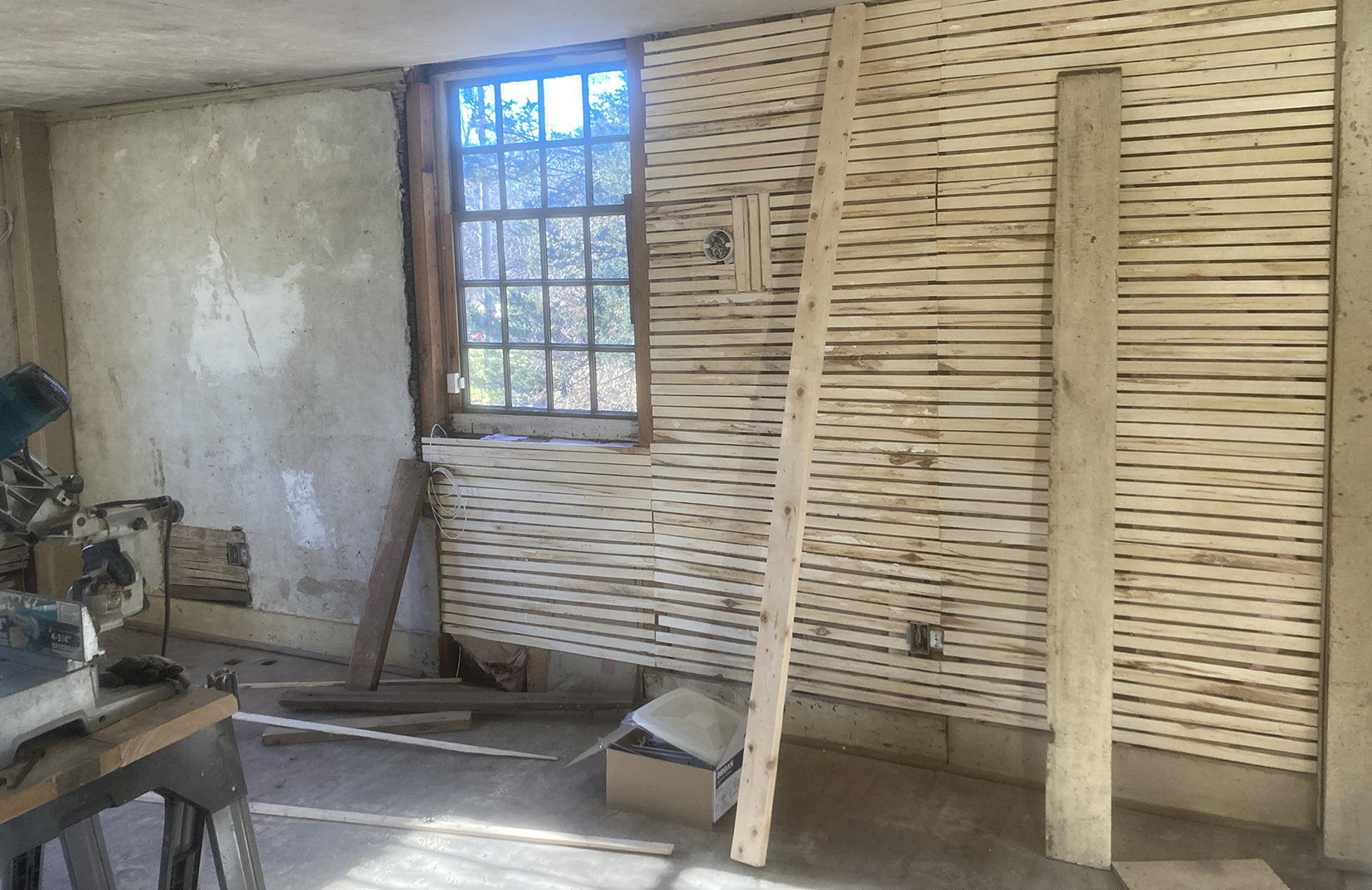
Plaster repair inside the Stow-Hardy House at Minute Man National Historical Park, made possible by the Great American Outdoors Act. With new mechanical, electrical, plumbing and carpentry work, the home is slated for the National Park Service’s residential lease program, which brings in revenue for the agency.
NPS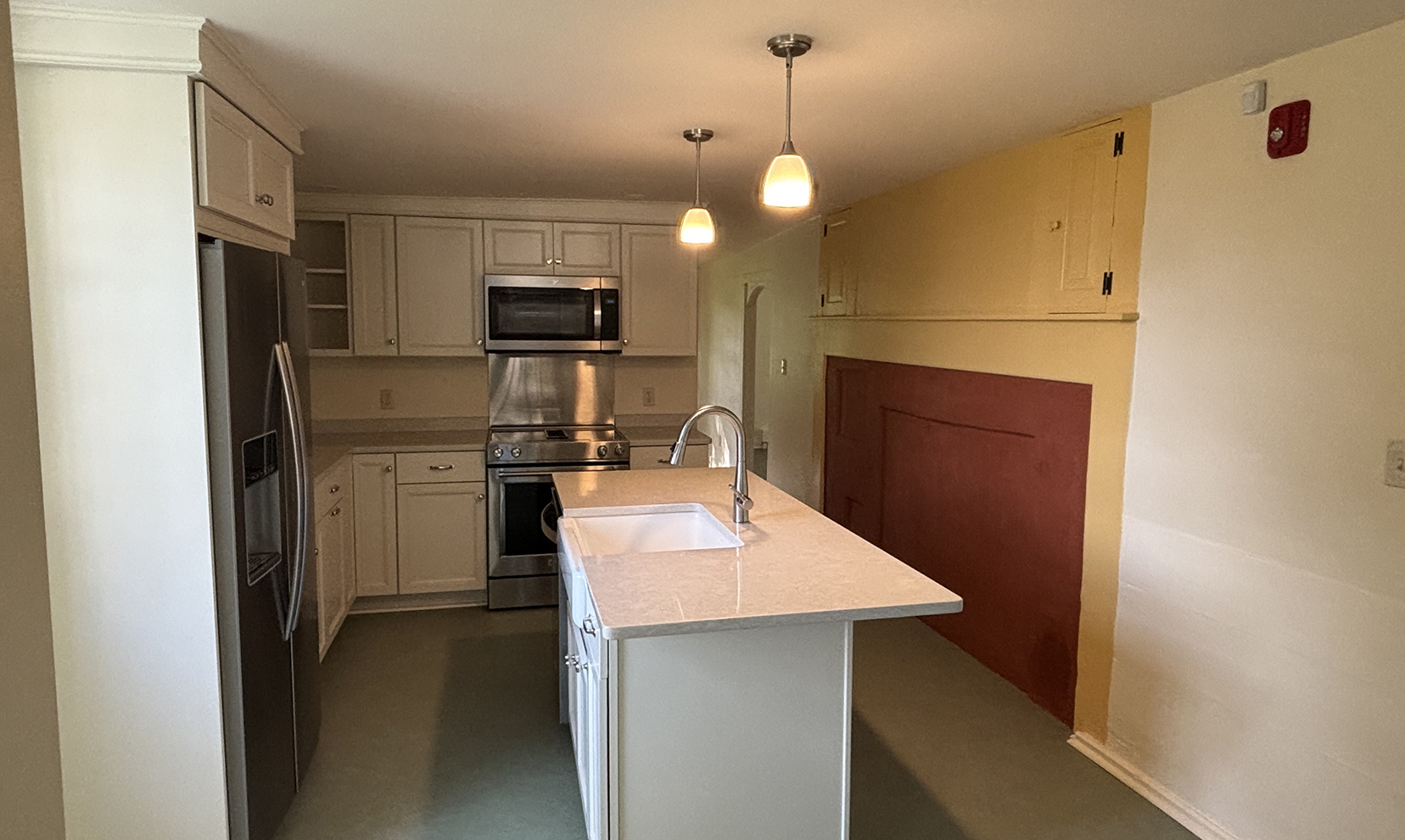
A modern kitchen inside the Stow-Hardy House at Minute Man National Historical Park, made possible by the Great American Outdoors Act. With new mechanical, electrical, plumbing and carpentry work, the home is slated for the National Park Service’s residential lease program, which brings in revenue for the agency.
NPSA recent survey by the Trust for Public Land shows Americans overwhelmingly support federal action to address long-standing maintenance needs across the nation’s public lands, with 74% support for providing robust federal funding to address overdue maintenance and repair needs across public lands. Minute Man was among those public lands most in disrepair.
Minute Man National Historical Park and modern-day Concord are integrated, with the town’s Lexington Road running through the park site and featuring many structures that were present when British troops marched from Boston to Concord and the Colonial militia known as “minute men” stood ready to protect their homes. In recent years, the Park Service had labeled some of those buildings in poor condition, such as the Brooks House, George Hall House and Stow-Hardy House.
“Many of the historic structures and landscapes in the park stand as witnesses to the events that happened at the North Bridge and along the Battle Road,” Park Superintendent Simone Monteleone explained in a video summarizing the rehabilitation project. “These sites allow for visitors to reflect and consider the meaning of these events and what was at risk in the fight for liberty.”
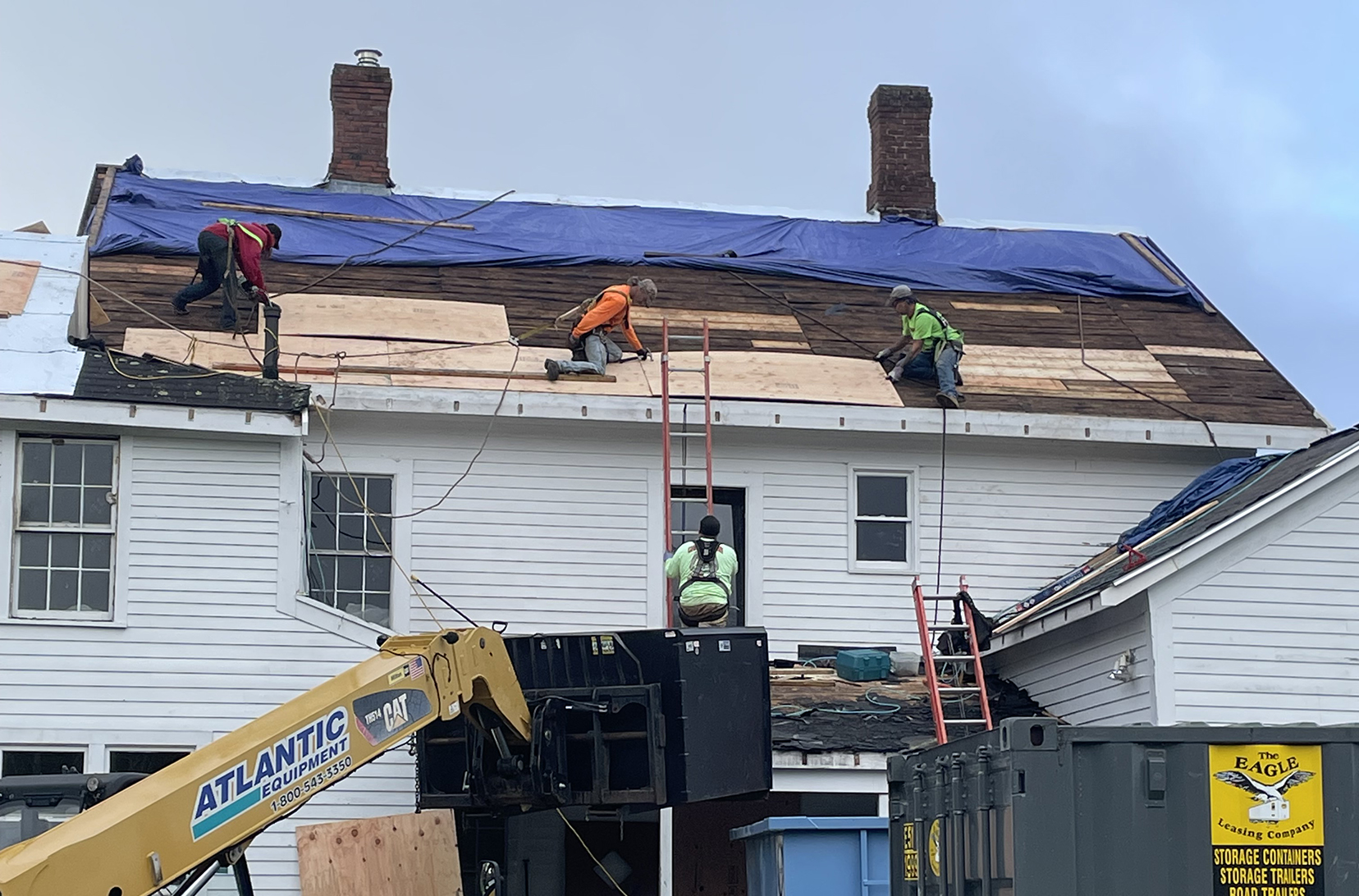
Roof repair underway at the George Hall House at Minute Man National Historical Park, made possible by the Great American Outdoors Act.
NPS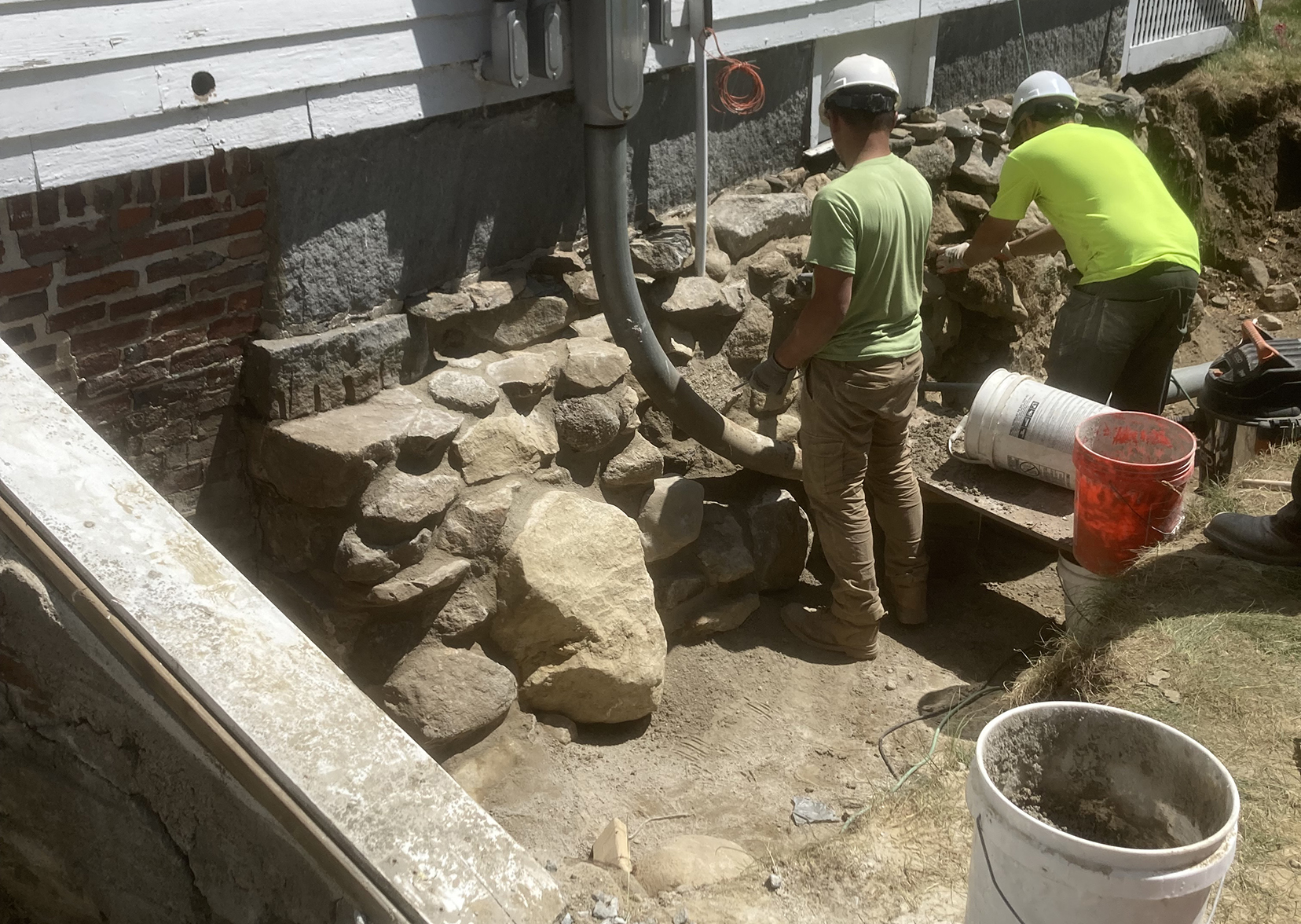
Repairs underway to the foundation of the George Hall House at Minute Man National Historical Park, made possible by Great American Outdoors Act funding.
NPSLosing those features would have negatively impacted both the park and community landscape, according to those who live in the area. The Great American Outdoors Act allowed the Park Service to restore the structures to good condition and add them to the Park Service’s residential leases program, which allows people to live in the homes and pay rent to the Park Service. Visitors to Minute Man can’t go inside leased buildings, but they can see how these homes reflect the historical period. Likewise, the improved landscapes and Battle Road Trail enhance public enjoyment of the park site.
Much of the work was organized and completed by a National Park Service division based in Lowell, Massachusetts, called Historic Architecture, Conservation and Engineering Center — or HACE. Since 1974, HACE has been the Park Service’s in-house architectural preservation team for the Northeast region with in-house designers, engineers, historic building architects, and conservators. The Park Service’s Denver Service Center organized a few outside contractors to assist.
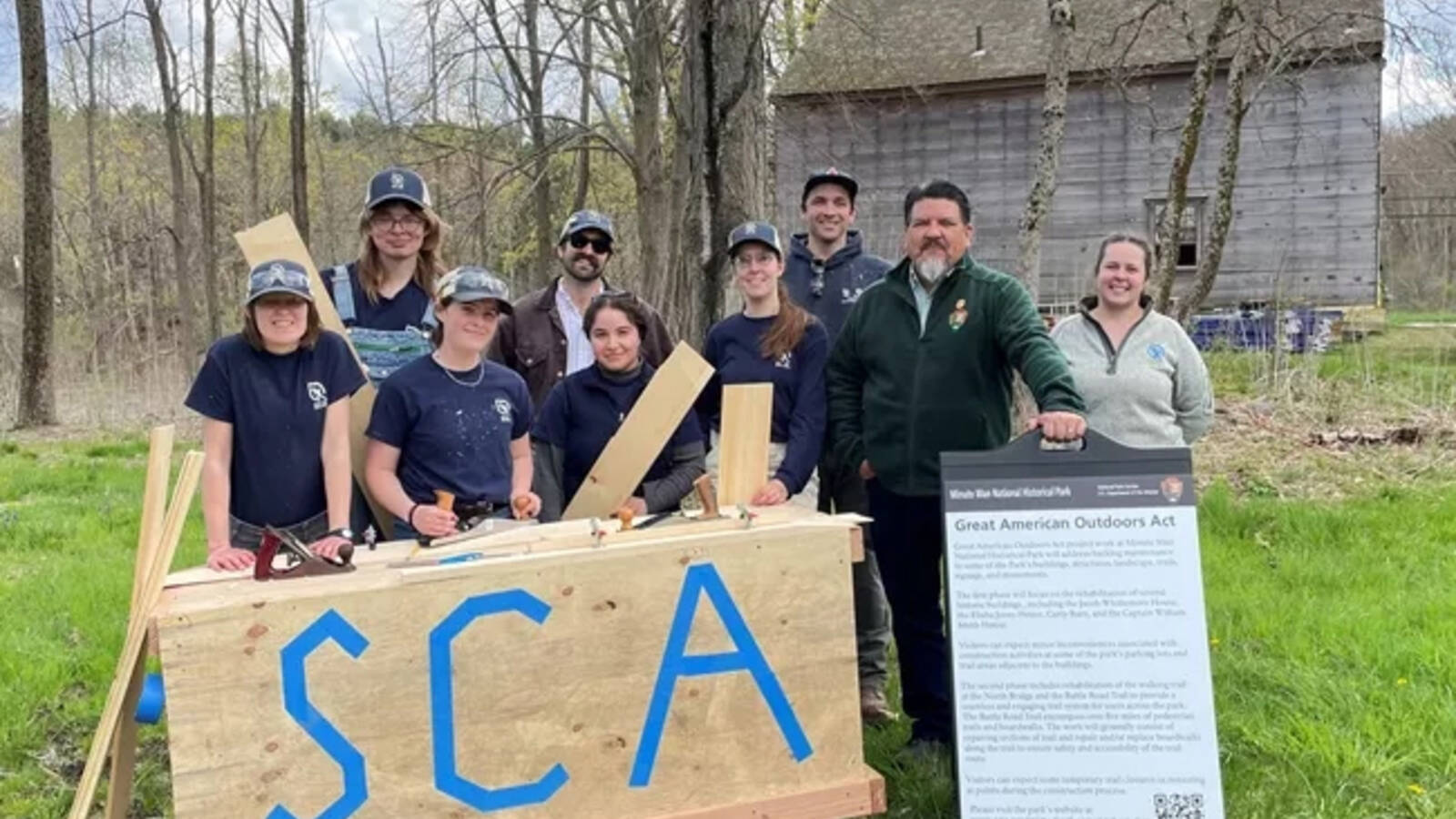
HACE also collaborated with the Student Conservation Association, giving young people the opportunity to learn and practice conservation skills needed by the Park Service and other federal agencies. This initiative helps train the next generation of historical preservation crews.
Minute Man was HACE’s largest project to date. The team’s other major projects include the recent revitalization of Independence Hall in Philadelphia.
The GAOA project at Minute Man had special meaning for Park Service staff because of the 250th commemoration. “It matters to people who take this work seriously and feel like their efforts do matter to preserve for future generations,” said HACE’s director, Stephen Spaulding, who has worked as a historian for the National Park Service for 43 years.
“The reauthorization of the Great American Outdoors Act is fundamental to the National Park Service going forward in the next decade or two,” Spaulding said. “There’s only so much we can take care of, and it’s very easy to depress maintenance staff knowing they can’t fix things because they don’t have the resources or capacity. After working on the interiors of Independence Hall, for example, the maintenance staff had a bounce in their step because it was in good shape.”
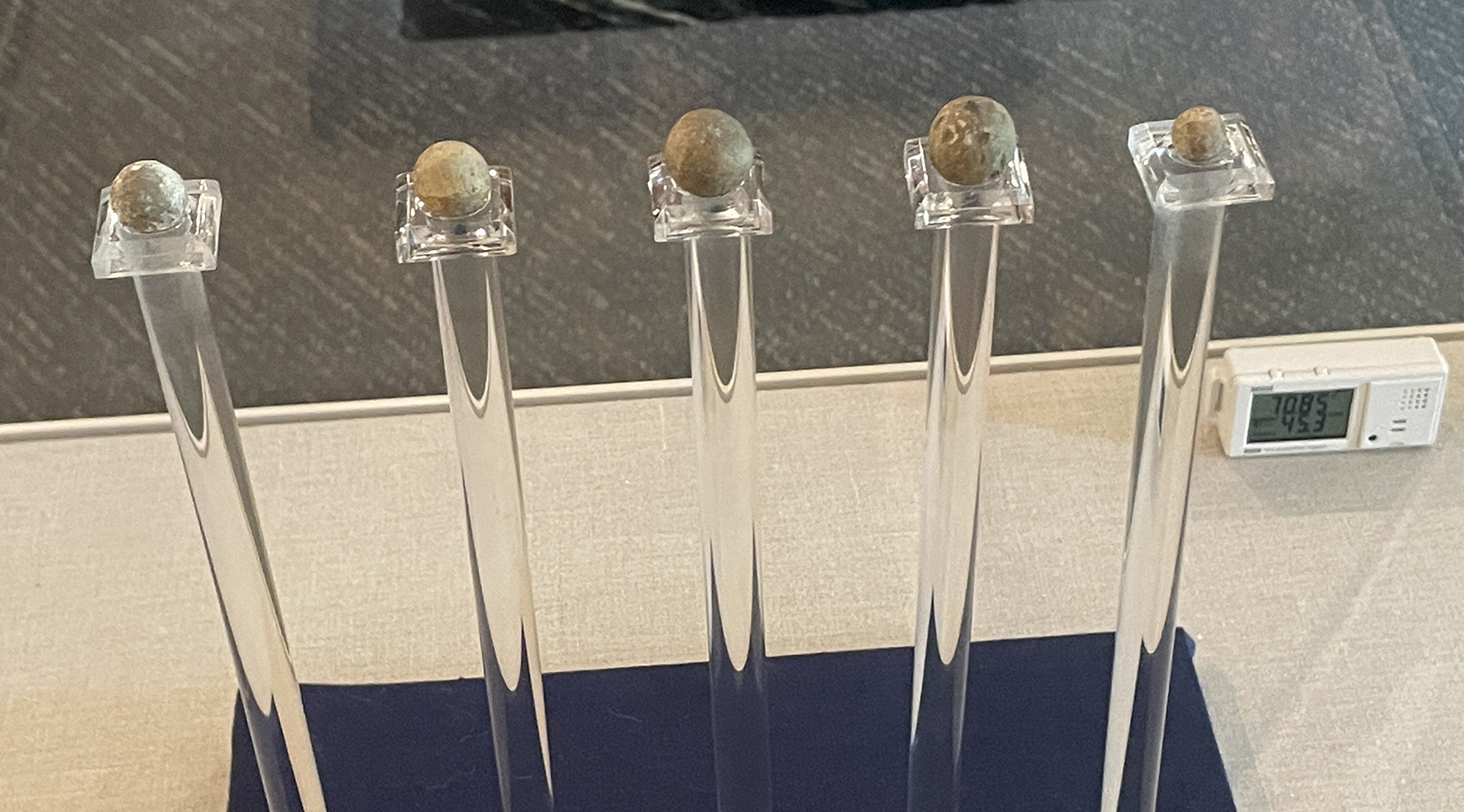
1775 musket balls on display at Minute Man National Historical Park. They were found by archaeologists near the Old North Bridge area in 2023 during preparation for the park’s Great American Outdoors Act trail maintenance.
NPCA/Kristen SykesIt’s important to preserve these pieces of U.S. history, Spaulding said, because understanding what came before can give greater perspective on today’s issues. “What’s wonderful about the National Park Service is it’s all different levels — cultural landscapes, archaeology, historic structure and collections — and also recreation and interpretation. (Park Service staff) are experts in telling those stories.”
Want to visit?
Minute Man National Historical Park is located within the towns of Lexington, Lincoln and Concord, Massachusetts — about 22 miles outside Boston. The park site’s grounds, trails and parking areas are open daily from sunrise to sunset. There is no entrance fee.
Stay On Top of News
Our email newsletter shares the latest on parks.
About the author
-
 Linda Coutant Online Editor
As a member of the Communications team, Linda Coutant manages the Park Advocate blog and other web content, and also coordinates the monthly Park Notes e-newsletter for NPCA members and supporters. She lives in Western North Carolina.
-
General
-
- NPCA Region:
- Northeast
-
Issues


-
Press Release
NPCA Celebrates Staff Expert's New Book on Blackwell School National Historic Site
A groundbreaking new book co-authored by NPCA's Cristobal Lopez tells the history of Blackwell School National Historic Site, highlighting the experiences of the Mexican American students who attended the segregated…
-
Blog Post
Fossils: Yesterday, Today and Tomorrow
Celebrating ancient trackways, and all fossils, for National Fossil Day, Oct. 14.
-
Press Release
Proposed Arctic Mine, Ambler Road Threatens America’s Largest Park Landscape
“All Americans should be outraged that our taxpayer dollars are being wasted to fund international companies that seek to destroy our country’s largest park landscape" -- NPCA Alaska Campaign Director…