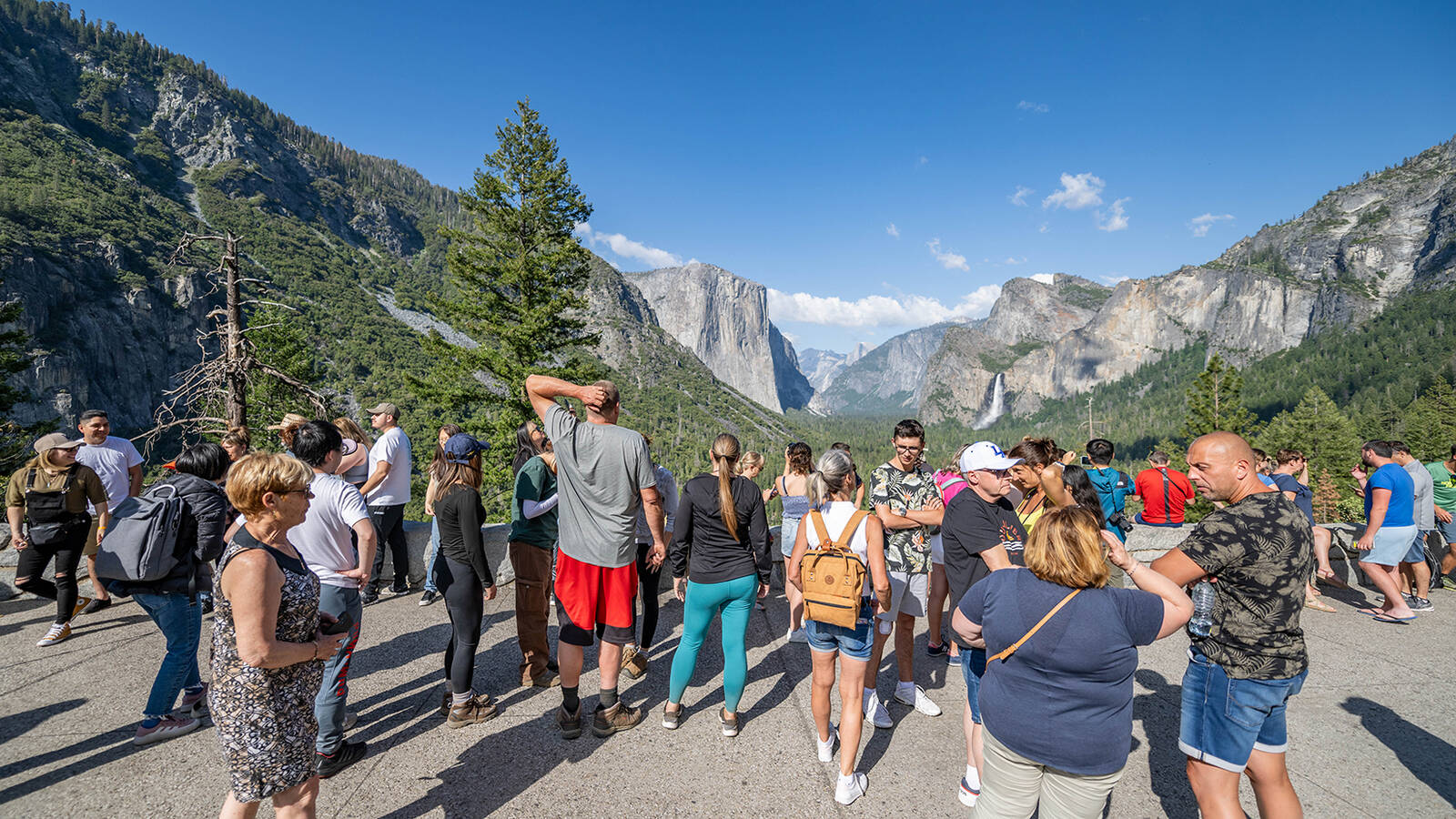
We outline three major issues at Yosemite caused by mismanagement and what NPCA is doing about them.
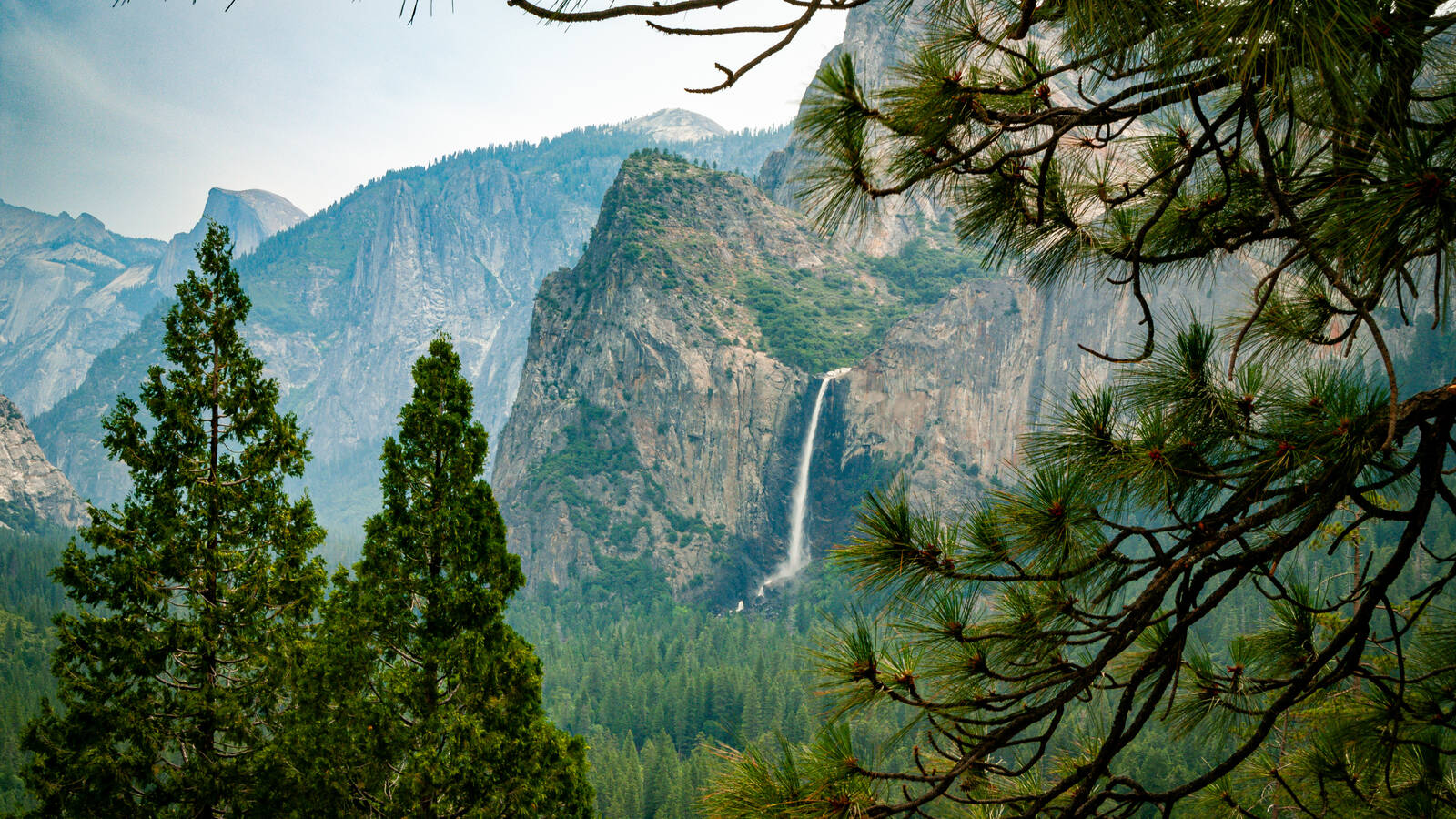
I remember my first time driving through Yosemite’s famous Tunnel View. That initial experience of gazing upon the towering cliffs and magnificent waterfalls of Yosemite Valley overwhelmed me, as it has for countless visitors. This incredible sense of grandeur and beauty is why President Abraham Lincoln, in the middle of the Civil War, found it important enough to conserve Yosemite as America’s first protected public land in 1864.
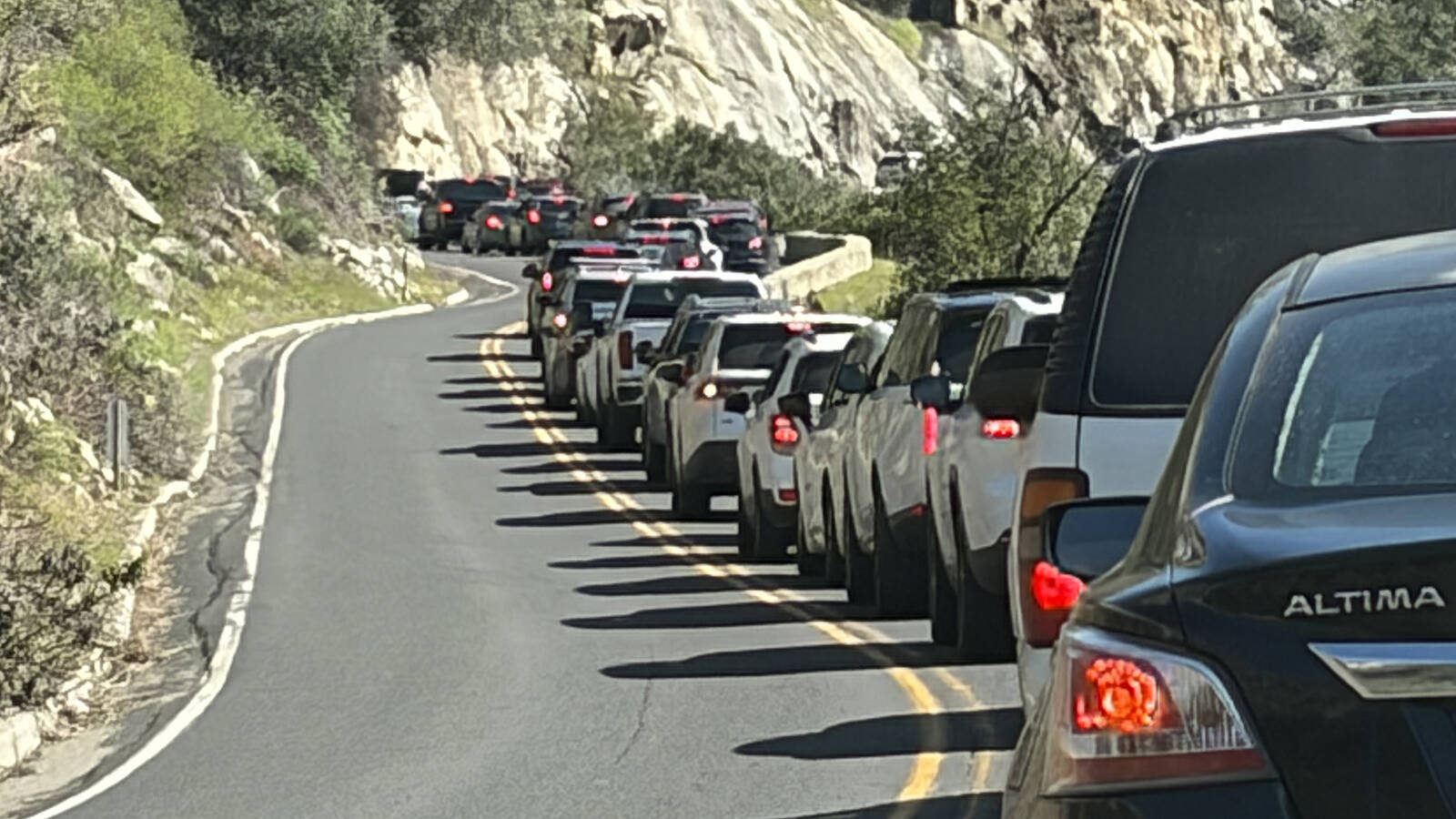
While Yosemite’s extraordinary natural features and fascinating history enthrall visitors to this day, ever-growing crowds, hours-long traffic jams and National Park Service mismanagement are increasingly tarnishing Yosemite’s enchantment.
Current park leadership, installed last year, has tried to cover up the various problems bubbling beneath the surface — telling the public that everything is normal. While some visitors might not see it immediately, the impacts of deep staffing cuts, unfettered access and overdevelopment of lodging are chipping away at the park experience and ruining Yosemite for future visitors.
1. Deep Staffing Cuts
Since January 2025, the National Park Service has lost nearly a quarter of its permanent workforce. At Yosemite, dozens of experienced leaders and subject matter experts are now gone, and with them years of experience and institutional knowledge. This has created a massive leadership vacuum, making it much more difficult to operate the 1,187-square-mile park. Those who remain often fill multiple roles. For instance, internal emails shared with the press confirmed that scientists, wildlife specialists and rangers have been pulled away from their normal jobs to empty trashcans, clean bathrooms and direct traffic.
This has demoralized Yosemite staff and produced bad outcomes for visitors, who have fewer rangers available to educate and interpret park features, as well as longer lines or unstaffed entrance stations and facilities. A lack of scientific monitoring, long-term planning and visitor education degrades the park’s natural and cultural resources and makes it harder to keep the park clean, safe and protected in the years to come.
As former Yosemite Superintendent Don Neubacher told me, “The National Park Service has been pushed to the brink by budget and staffing cuts, and the remaining staff in our parks are being forced to do more with less. As Yosemite National Park enters the summer high season without a visitor reservation system, hardworking national park staff are dealing with more visitors, fewer staff and [less] funding, putting the park’s wildlife in danger, and those who steward it are under additional duress.”
What NPCA is doing:
To address this staffing crisis, NPCA’s experts in Washington, D.C., and across the country worked with members of Congress to successfully block the administration’s proposed budget cuts and continue to try to restore lost positions. NPCA staff also have led national efforts to gather up-to-date information about staffing losses and been quoted in thousands of news reports spotlighting how those losses are affecting parks.
2. Unfettered Access
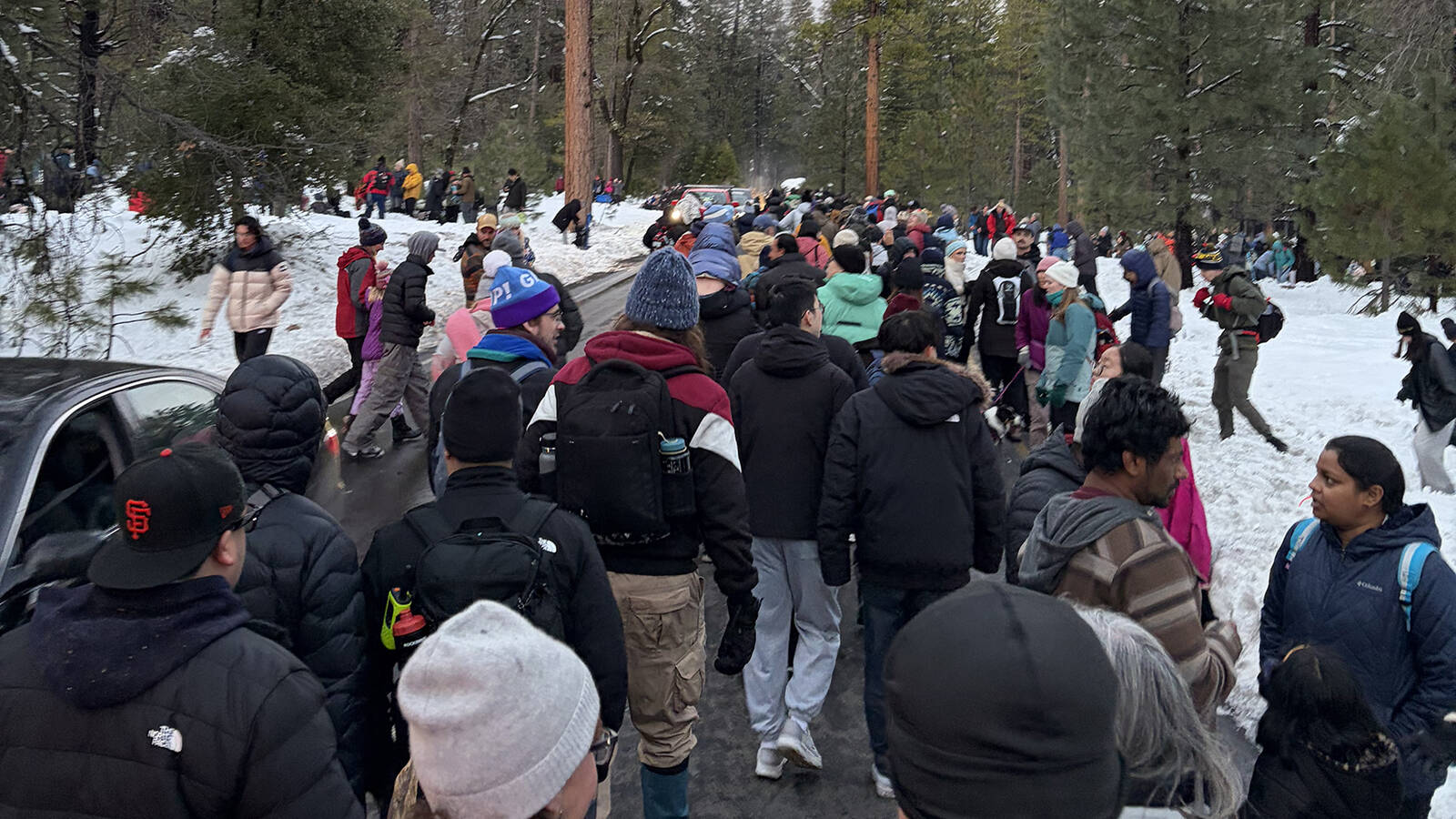
For decades, Yosemite has faced impacts from overcrowding. From mid-spring to early fall and during events like the famous “Firefall” phenomenon, the park regularly exceeds its capacity for cars and people. Meadows become trampled, visitors get frustrated and the park experience is no longer what visitors — or the park — deserve.
Numerous past Yosemite superintendents have highlighted the need for a reservation system, only to be stymied by politics. Then, from 2020 to 2022 and again in 2024, Yosemite piloted a day-use reservation system to manage crowds during the busiest times of the year. In 2023, without the pilot program in place, visitors once again experienced significant crowds, traffic and chaos.
Over a five-year period, the Park Service oversaw an extensive public process to refine and improve Yosemite’s pilot reservation systems, culminating in a comprehensive plan in 2024 for a permanent day-use reservation system. However, the clock ran out and Park Service leadership did not approve it before the end of the Biden administration.
That plan made clear the park could still welcome millions of visitors each year, if they were spread throughout the day, week, month and year. In fact, with a reservation system in place in 2024, Yosemite saw its sixth highest levels of visitation (more than 4 million recreation visits), with visitors raving about the lack of traffic, ease of parking, uncongested trails and ability to enjoy nature.
The current leadership discarded those years of hard work and expert analysis without any public process or support from Yosemite staff by drastically scaling back the system in 2025 and eliminating reservation systems for both the summer season and February’s “Firefall” phenomenon in 2026.
The excessive crowding experienced during this year’s Firefall and Memorial Day weekend will likely continue over the busy months ahead. This summer, visitors can expect hours-long traffic jams and waits at entrance stations, parking lots that fill up by early-to-mid-morning and traffic controls that turn vehicles away from top destinations such as Yosemite Valley, Glacier Point and the Mariposa Grove of Giant Sequoias. Desperate drivers will continue parking on sensitive ecosystems, and we may see an uptick in traffic collisions with black bears and other wildlife.
These negative experiences have led to public pushback on the decision to end the reservation system, as well as outcry from Yosemite’s own Park Service employees. In a recent union survey, staff showed nearly unanimous opposition to ending the system. As one anonymous Yosemite employee wrote, “It’s hard to respond to calls, especially for emergencies, when the [Yosemite] valley loop will be gridlocked … And when the Visitors get angry about the mismanagement they take it out on the frontline workers who are just as much a victim in all of this.”
What NPCA is doing:
NPCA stands with the Yosemite employees who are witnessing unprecedented mismanagement and disagree with park leadership’s decision to end the reservation system. We’ve become a go-to voice in the news media, bringing public attention to the issue, and are closely documenting the impacts so that Congress and other decisionmakers can be moved to take future action.
3. Overdevelopment of Lodging
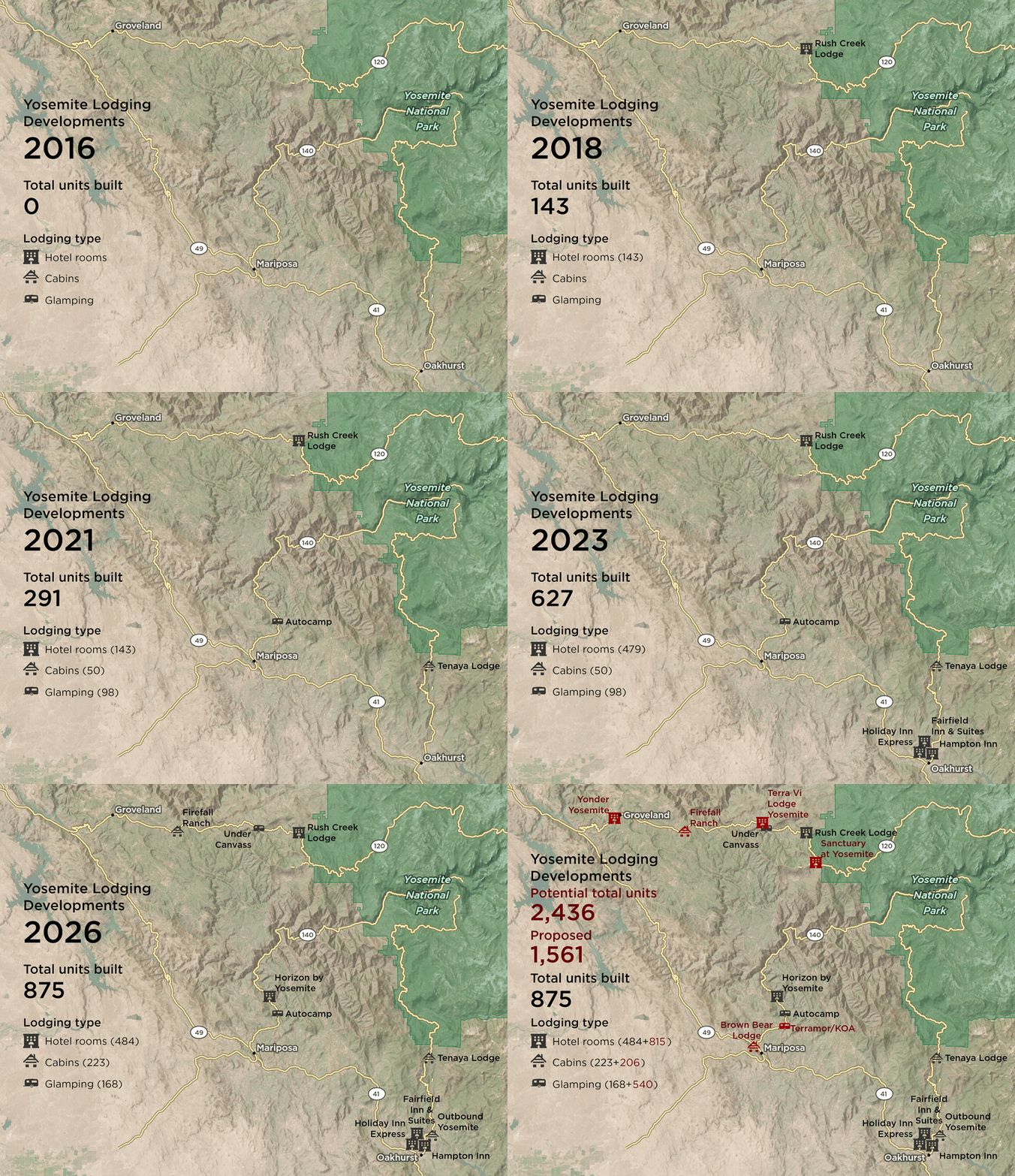
A map showing the exponential growth of new lodging units built around Yosemite National Park, from 143 new units built in 2016 to 875 built in 2026, with 1,561 more proposed. Map by Amy Tian, NPCA; publicly available data on lodging developments gathered by Mark Rose, NPCA; Yosemite boundaries from National Park Service and roads by California Department of Transportation.
The loudest opposition to Yosemite’s successful reservation system — and arguably, one of the main reasons why it was eliminated — has come from a small group of private developers who run hotels and luxury lodges outside the park’s gates. Sadly, developers have long made eliminating the reservation system, which they see as bad for business, a top priority. They often blame the Park Service for any hotel vacancies or lost profits, but the reality is too many developers have chosen to heavily invest in a lodging market that was already oversaturated.
As far back as 1994, then-Superintendent Michael Finley sent a letter to local county officials regarding numerous lodging developments proposed outside the park and warned that if the development trend continued, the park may have to implement a reservation system. Regrettably, county governments reliant on tourism tax revenue didn’t heed the warning and continued greenlighting large hotel developments outside the park.
In the last decade alone, 10 new lodging developments with nearly 900 new hotel rooms, suites, cabins and glamping accommodations have been built in the gateway communities on the park’s western side. There are also proposals to build over 1,500 new lodging units outside the park in the future. This adds to the more than 5,000 short-term vacation rentals located in the counties surrounding the park. As a result, thousands more visitors enter the park each day, and many more could come soon.
What NPCA is doing:
We’re working with local partners and community members to successfully oppose massive new development proposals outside the park’s boundaries. Just recently, due in part to advocacy from NPCA and local voices, a county planning department has proposed to deny the so-called Camp Yosemite development — a plan to build 110 houses on a parcel of private property that could only be accessed by entering the park.
Speak Up Before It’s Too Late
The current chaos at Yosemite is completely avoidable — but the good news is, we already know the solutions. If decision-makers were to increase funding and staffing levels and bring back reservation systems to parks with the most severe overcrowding, the chaos could end and these beloved places could be restored to their full glory.
If you love Yosemite — and all our national parks — now is the time to ensure their future by speaking up for adequate staffing, sufficient funds and more effective management plans.
The views expressed here are those of the National Parks Conservation Association and do not necessarily reflect the views of the National Park Service.
Stay On Top of News
Our email newsletter shares the latest on parks.
About the author
-
 Mark Rose Sierra Nevada & Clean Air Senior Program Manager, Pacific
As Sierra Nevada & Clean Air Senior Program Manager, Mark provides support for NPCA’s conservation efforts in Yosemite, Sequoia, and Kings Canyon National Parks, as well as in the surrounding Central Valley and Sierra Foothill Communities.
-
General
-
- Park:
- Yosemite National Park
-
- NPCA Region:
- Pacific
-
-
Issues


-
Press Release
National Park Advocates Unite on August 25 to Show Support for Park Staff and Urge Washington to Defend America’s Legacy
To honor the 110th birthday of the National Park Service and commemorate America’s 250th, National Parks Conservation Association sends a message to Congress and the Administration
-
Press Release
Senate Committee Advances Critical Bill to Fix National Parks
"As America approaches its 250th anniversary, there’s no better way to honor this milestone than by investing in the places that protect and tell our shared history." - Emily Douce,…
-
Blog Post
Rehabilitating Minute Man
Thanks to Great American Outdoors Act funding, the site of the Revolutionary War’s opening battle can welcome visitors for many years to come — while some of its buildings earn…