Winter 2026
A Cinematic Ode to Parks
A Q&A with the director of “Out There: A National Parks Story.“
Growing up, Brendan Hall knew he wanted to be a filmmaker. Even though he lived by a lake in Connecticut, he showed no interest in filming the natural beauty at his doorstep. He wanted to make Hollywood movies.
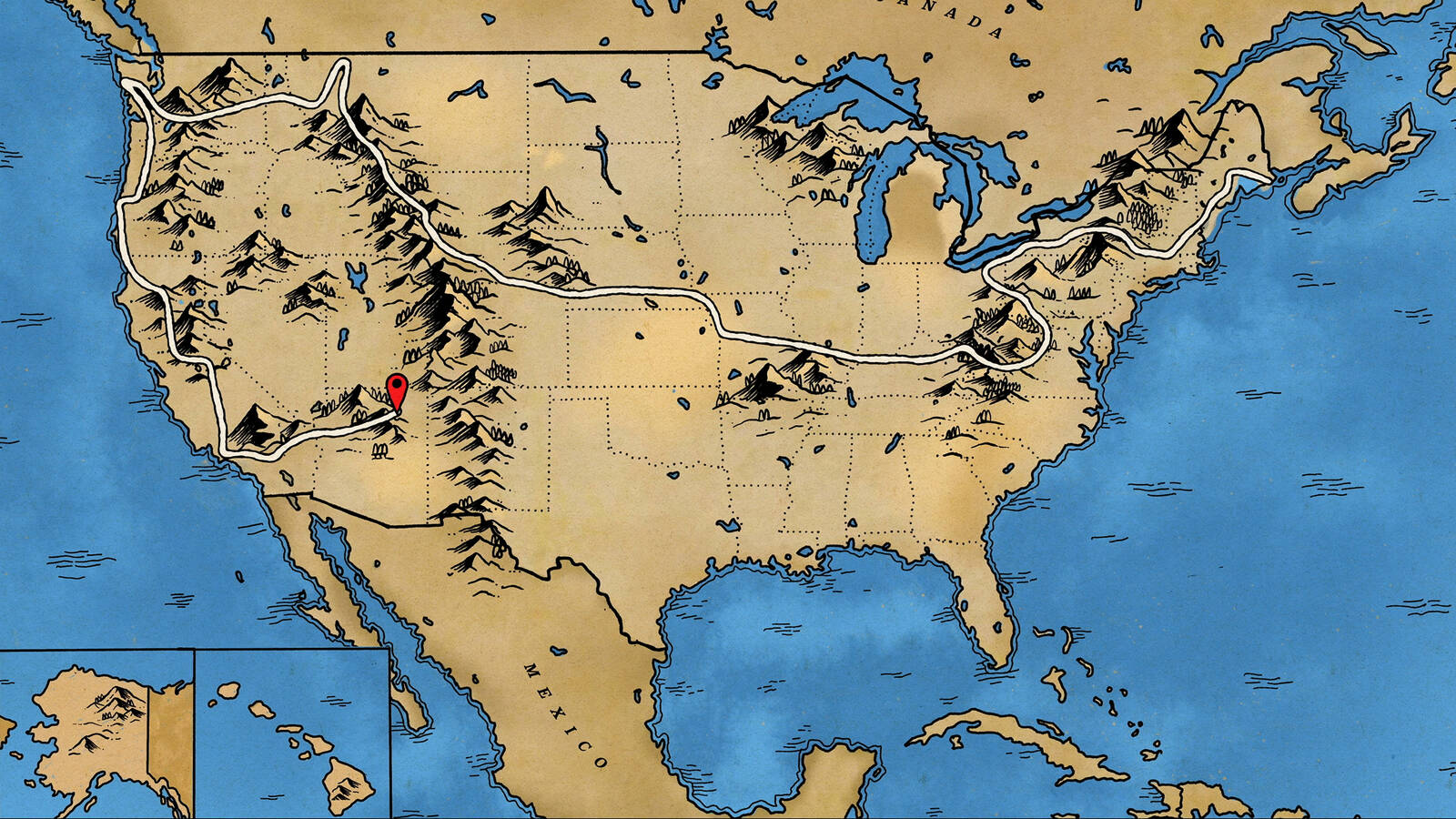
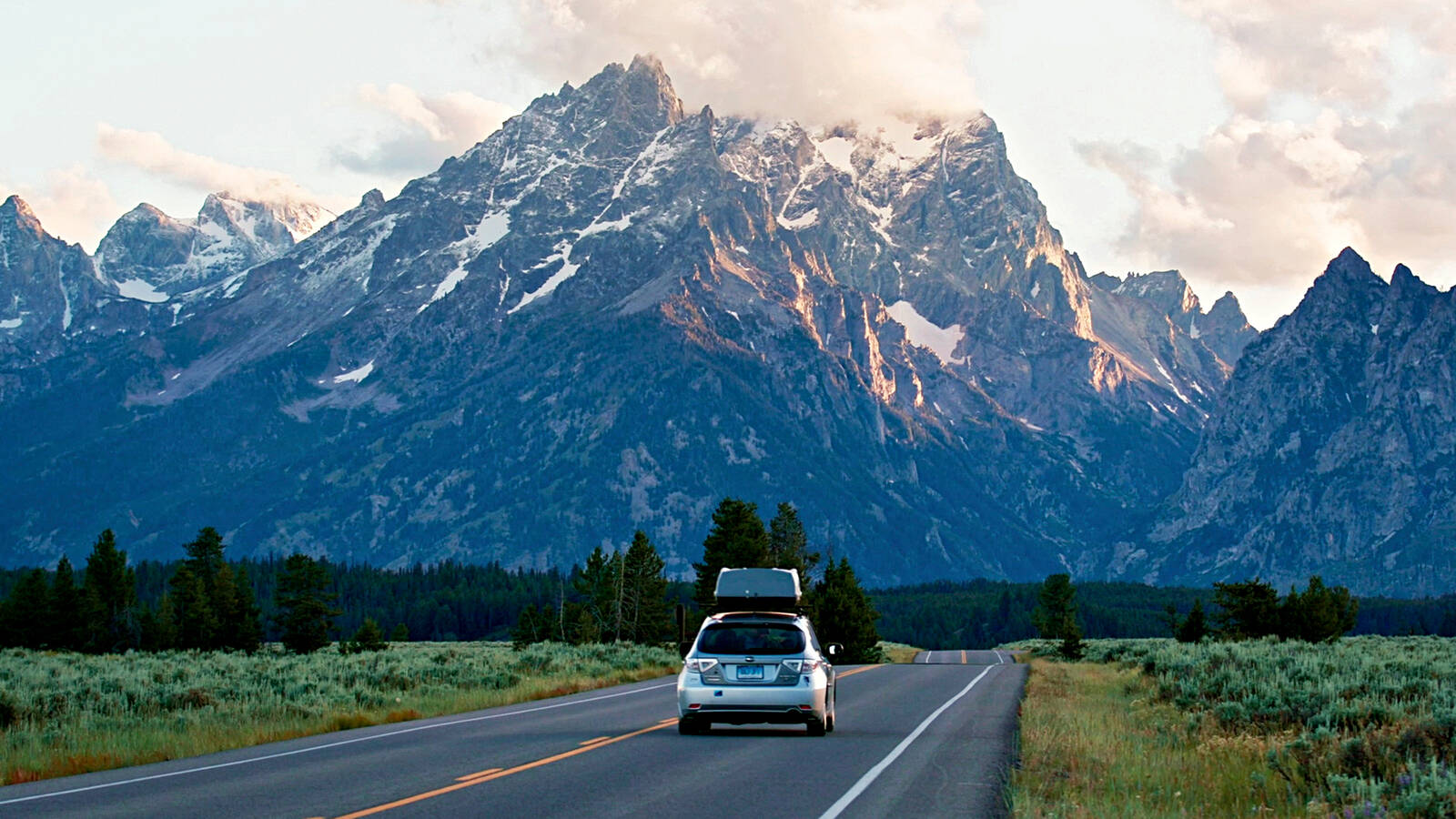
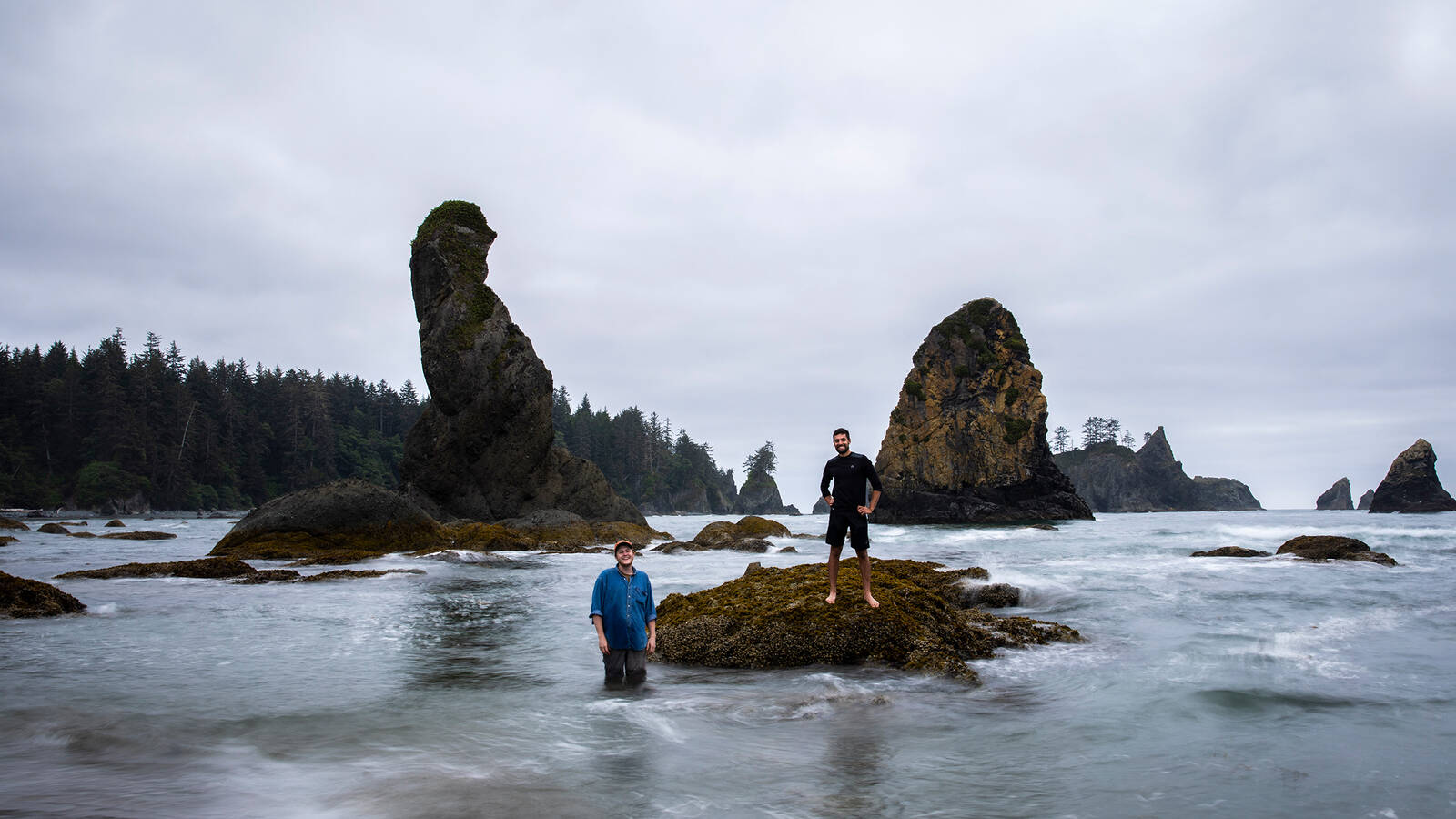
But everything changed in 2014, when he went on his first-ever road trip, with his childhood friend Anthony Blake, to explore national parks in the Southwest. Hall was so in awe of the landscapes that he decided he wouldn’t go to Hollywood after all — he would make documentaries in the outdoors instead. And so in 2016, right after Hall graduated from college and during the centennial of the National Park Service, the two cooked up an ambitious project: They would visit as many national parks as possible on a 10,000-mile cross-country road trip and capture it all on film.
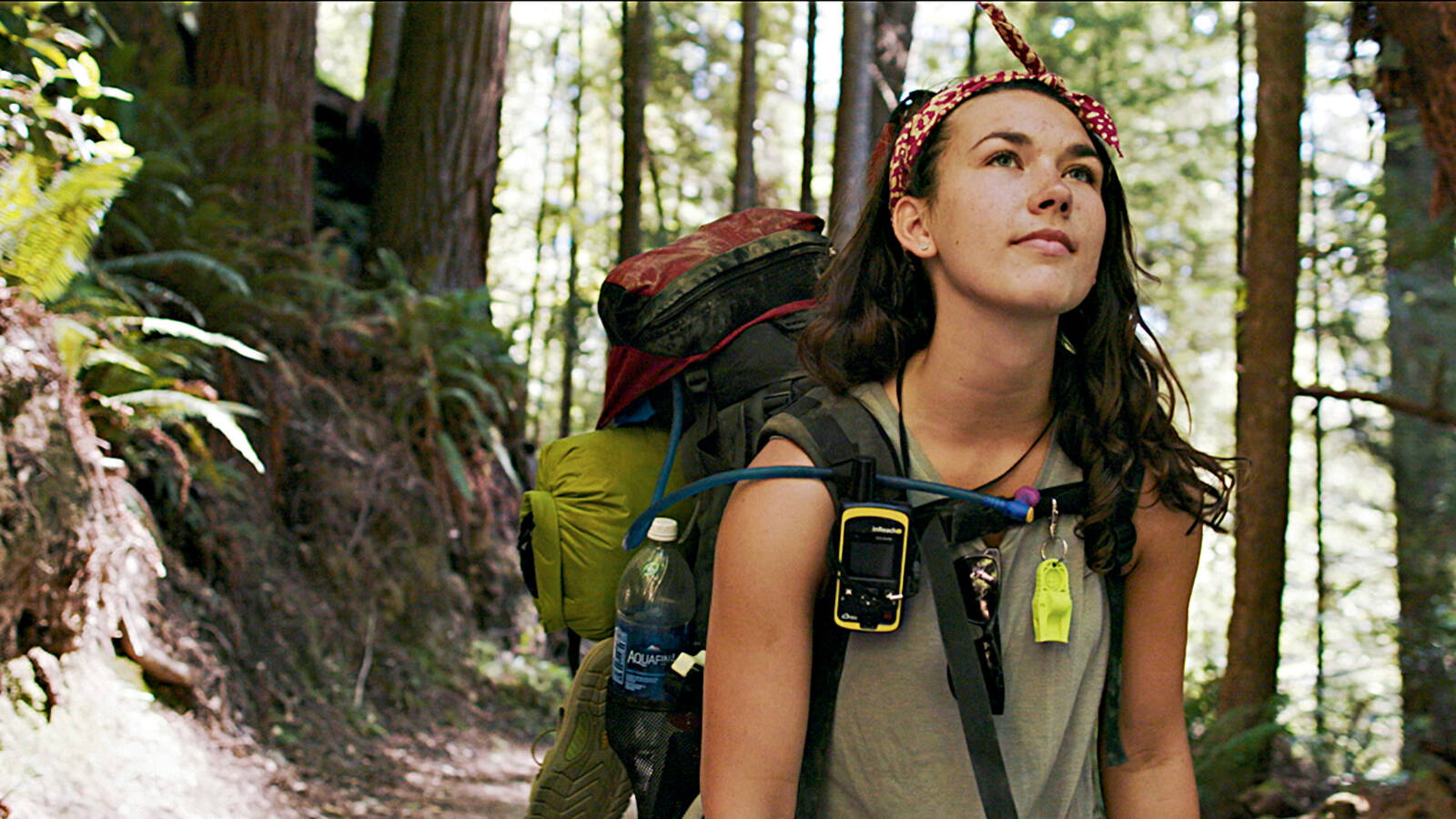
Early on in their three-month journey, the pair had a revelation. “We found that we were being inspired by people, just as much as the landscapes themselves,” Hall says in his film, “Out There: A National Parks Story.” What started with the search for the next great lookout point evolved into a love letter to national parks — and to those who care for and enjoy them.
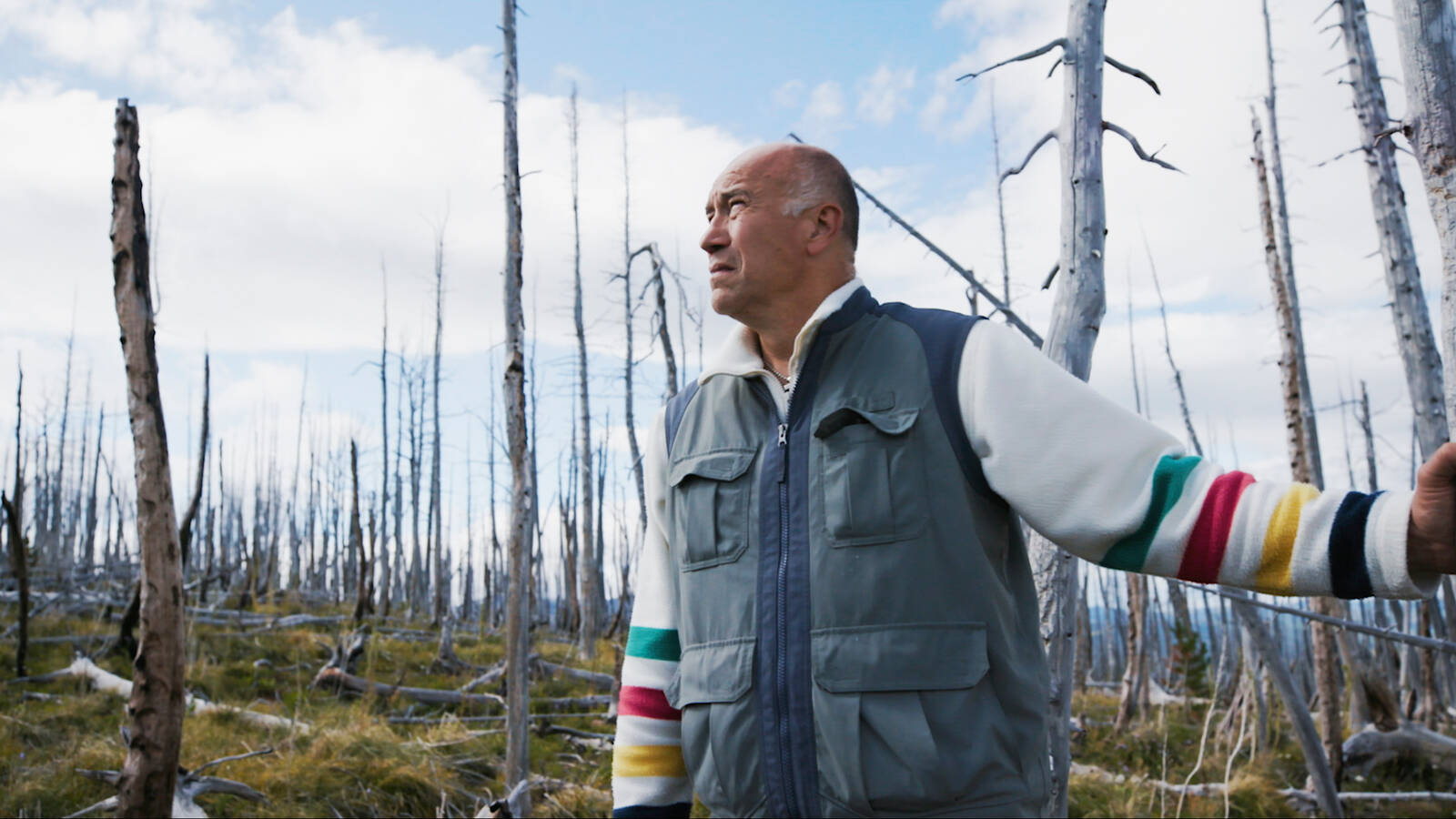
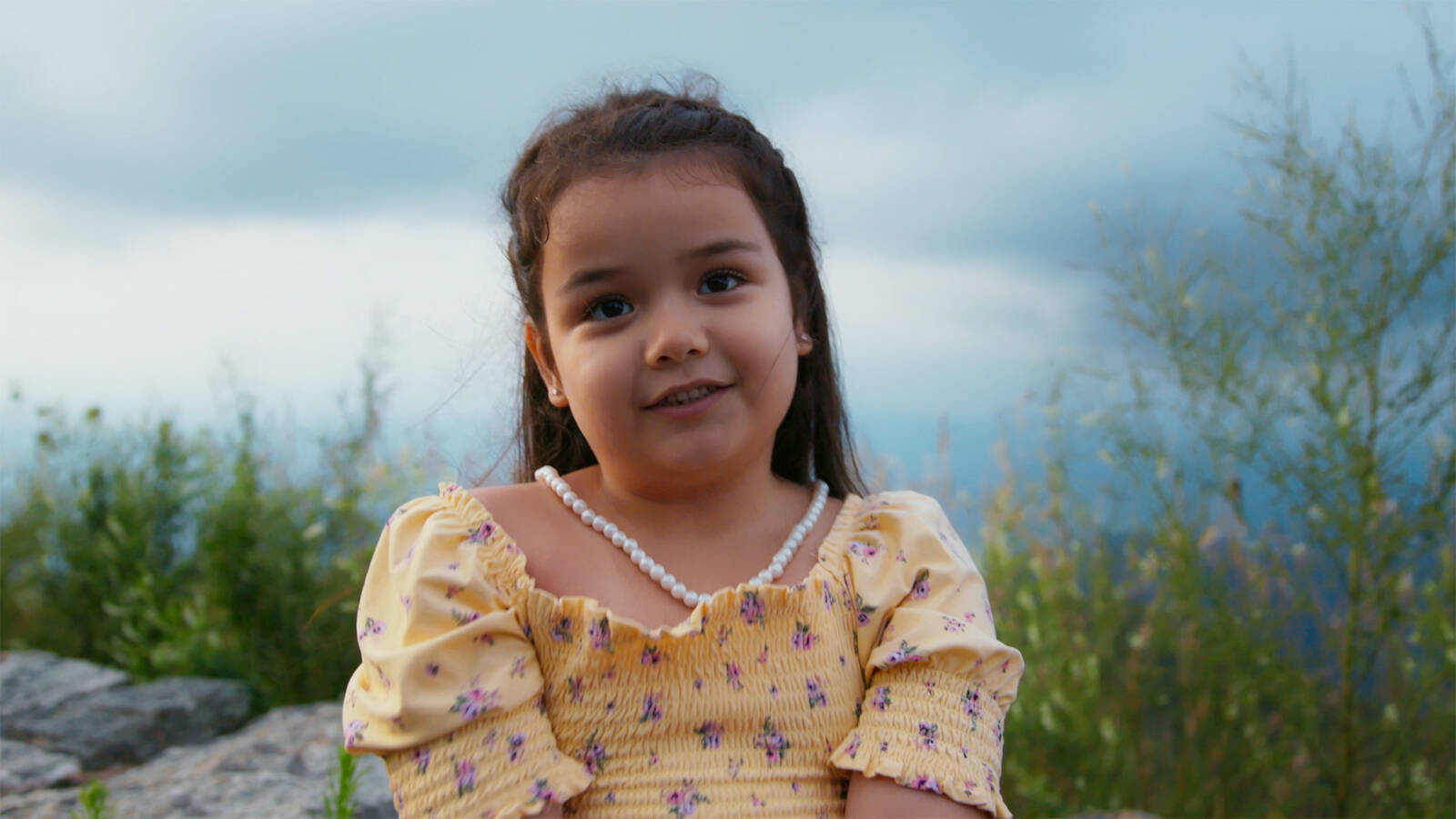
In “Out There,” viewers meet protagonists such as trails foreman Gary Stellpflug, who reflects on decades of lovingly creating and maintaining Acadia National Park’s paths. In Shenandoah National Park, pint-sized Lilianna marvels at the butterflies that her parents told her were connected to her late tío (uncle). “I couldn’t stop crying,” she says in the film. “I love butterflies.” In Montana, Jack Gladstone, a citizen of the Blackfeet Nation and a storyteller and musician, shines a light on the dark history of Glacier National Park, which was established in part on his Tribe’s ancestral territory.
It took Hall years to edit and complete the film as he gathered more footage and worked on other projects, and it finally premiered at a film festival in Florida in 2023. But over the past year, as Hall took his film on a road trip of its own to audiences across the country, “Out There” has taken on new meaning. Against the backdrop of large reductions in park funding and staffing, as well as an extended government shutdown, Hall has turned screenings into platforms for advocacy.
So far, more than 12,000 people have gathered in cinemas, libraries, schools and community halls — and yes, parks — to watch the documentary. Hall and his team partner with nonprofits supporting parks, and the screenings often include interactive panels with park staff, advocates or some of the film’s stars. (The April event in Washington, D.C., promoted NPCA and featured a discussion with Ed Stierli, NPCA’s Mid-Atlantic senior regional director.)
Screenings will continue through 2026, and in the spring the filmmakers will launch a web platform and app for viewing the film that will also provide educational resources and ways to contribute to parks. A percentage of the film’s proceeds from this distribution model will go back to park-focused organizations.
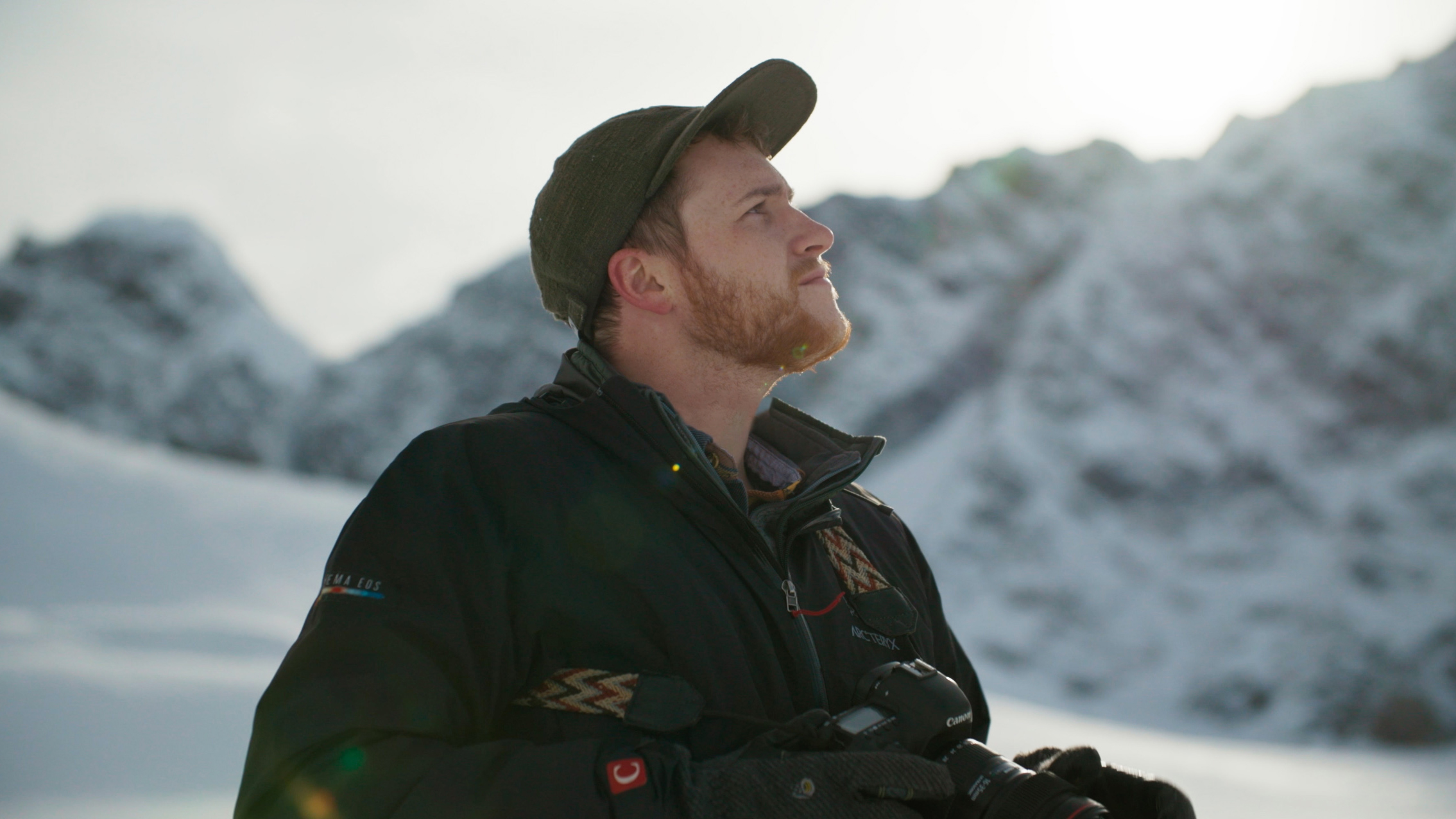
Brendan Hall, the film’s director.
©GABRIELLA CANALIn this Q&A with Hall, the film’s director, he shares what he has learned since starting “Out There,” how it has unexpectedly become a civic action passion project, and how national parks can unite Americans across political divides.
Jack Gladstone is one of the movie’s most compelling characters. Before you met him, how familiar were you with the history of Indigenous peoples and national parks in the U.S.?
To be honest, we were deeply unfamiliar with this history. We knew that Native peoples had been stewards of these places and had been removed from them. But in school, Indigenous culture was taught to us as a relic of the past.
Jack has given decades of his life to sharing the story of Glacier National Park. He speaks of his own Indigenous history in Glacier as one of darkness and light: the light of this park — the beauty, its protection of wildlife — and the darkness of his people being pushed from that park for its creation. He taught us the importance of co-stewardship and co-management and of Native people sharing their own stories.
Jack showed us a much deeper and more complex side of national parks. They’re not just a place to play and have an amazing experience. They’re also that balance of reverence and sometimes really difficult histories.
Parks have a profound potential for healing. Similar to our nation, national parks hold all those stories, with both the darkness and the light.
What about your film seems to be resonating with audiences?
“Out There” is an experience that reconnects viewers to the reverence of parks, reminding us of the millions of shared stories that we have within them. It’s an ode to road trips and that spirit of leaving the confines of your everyday life to see what’s “out there” for you to discover.
It’s also a story that has a lot of joy, moments of laughter and quite a few emotions along the way. From the feedback of audiences, it just seems that people have a really enjoyable experience watching it and reflecting on their own shared memories in the parks. It’s made in the spirit of that indescribable freedom of hitting the open road.
The current context for national parks is very different from when you made your film. What has changed?
We never could have expected that after nearly a decade of working on this film, it would be released in a year where the foundation of parks is at such risk.
Defunding is rampant, grants have fallen through, park staff morale is at an all-time low. People who have given decades of their careers to preserve these places are seeing a lot of that work slip through their fingers. Especially with climate change, we don’t have much time to go in the wrong direction before steering it back.
The importance of parks could never be overstated. Parks really shape us.
This is a generational fight. I hope we can come together and this can be a unifying issue where people speak for themselves, and our politicians have no choice but to support these parks fully.
A lot of us have amazing public lands right in our backyards and home states. We can support our local organizations through donations, a volunteer day, ordering lunch for staff or sharing with Park Service workers how much their work means to us. If we all come together to do that on our community level and state by state, it will create a national ripple effect that can kind of support our parks and also support morale during these difficult times.
How are you and your team using the film to build support for national parks?

‘Nobody Wants This’: New Poll Finds Majority of Americans Oppose Attacks on National Parks and Park Staff
“This poll reaffirms that Americans are united in their support for our national parks. Protecting our national parks is a bipartisan issue.“ - Theresa Pierno, NPCA’s President & CEO
See more ›We’ve screened at over 20 film festivals and done over 50 different screenings. Anthony and I are really passionate about merging live events, community screenings, education and advocacy for parks. The film has been a great tool for different organizations to bring people together, share messages, get feedback on what they can do to better support their communities and their parks, and fundraise.
What has making this film taught you about the importance of national parks to visitors?
I think one of the most common experiences of people from all over the world is awe, wonder and joy. Parks give us access to these amazing journeys of love and loss, adventure, friendship and healing.
The importance of parks could never be overstated. Parks really shape us. They preserve our history, they give space to look at righting different wrongs, and they build our future.
In our community screenings, we have audiences that are conservative and liberal, young and old. I hope we can dissolve some of those political differences and unify around this one thing that is part of all of us.
For more information about “Out There: A National Parks Story,” visit www.outthere.film.
This Q&A was lightly edited for brevity and clarity.
About the author
-
 Holly Jonas Contributor
Holly Jonas is an independent journalist currently based in Washington, D.C.
-
Press Release
Atrocious Reported Changes to the ESA Could Threaten Extinction to Park Wildlife, Wild Nature
"This memo appears to suggest that it’s no longer the purpose of the ESA to ensure animals such as grizzly bears, North Atlantic right whales, or Florida panthers are protected"…
-
Press Release
First Mining Claims Filed in Lands Cut from Bears Ears National Monument
"National park units and their surrounding landscapes are no place for energy development, but outdated laws elevate mining above all other uses on these lands. We will continue to fight…
-
Press Release
Groups File Injunction to Stop Development at West Potomac Park
“West Potomac Park is treasured green space and we will not stand for the unlawful destruction of public lands that belong to all of us."