Summer mayflies along Ohio’s Great Lakes coastline may be nasty and annoying, but they share glad tidings about environmental recovery. NPCA and its partners played a role.
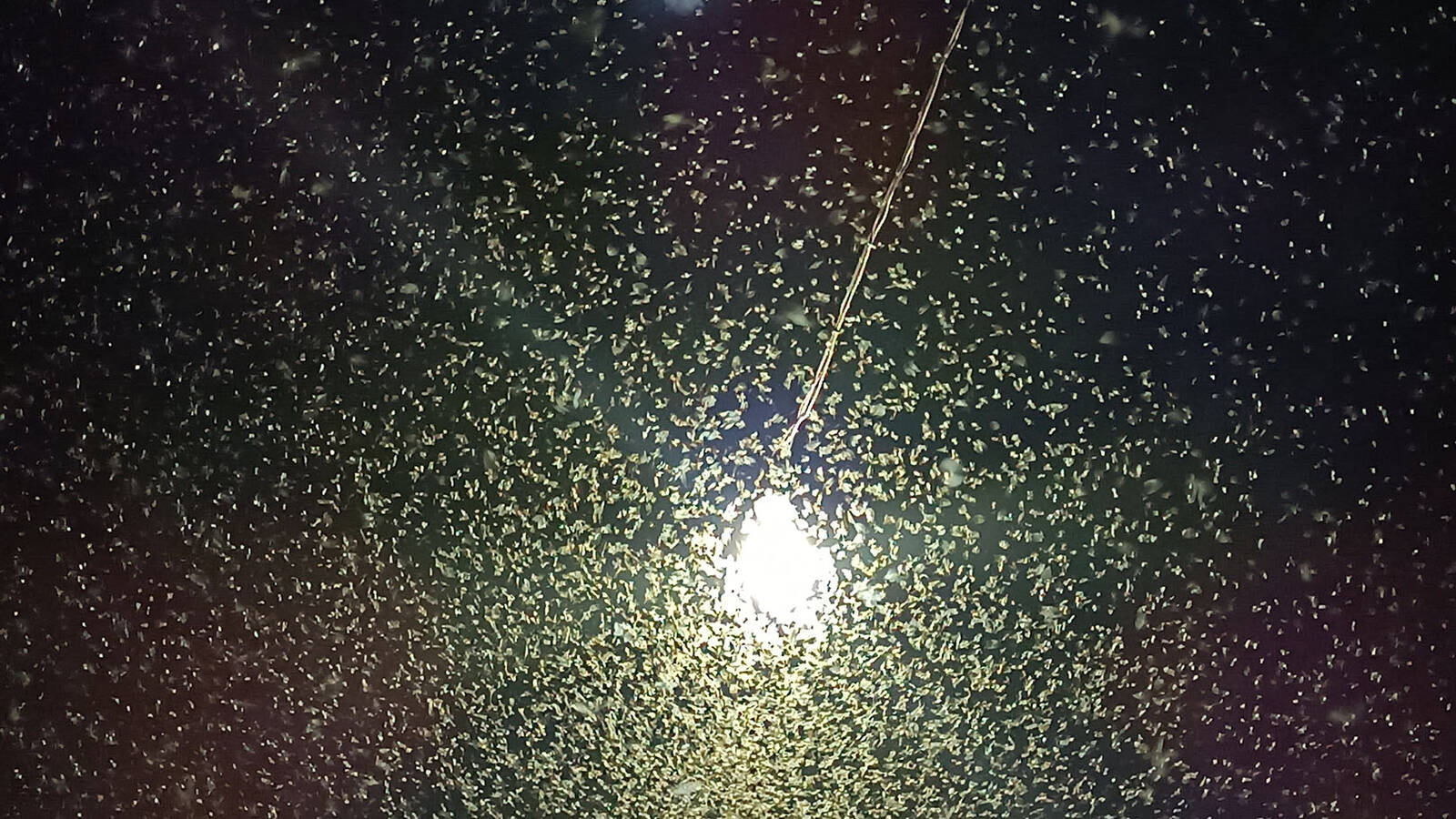
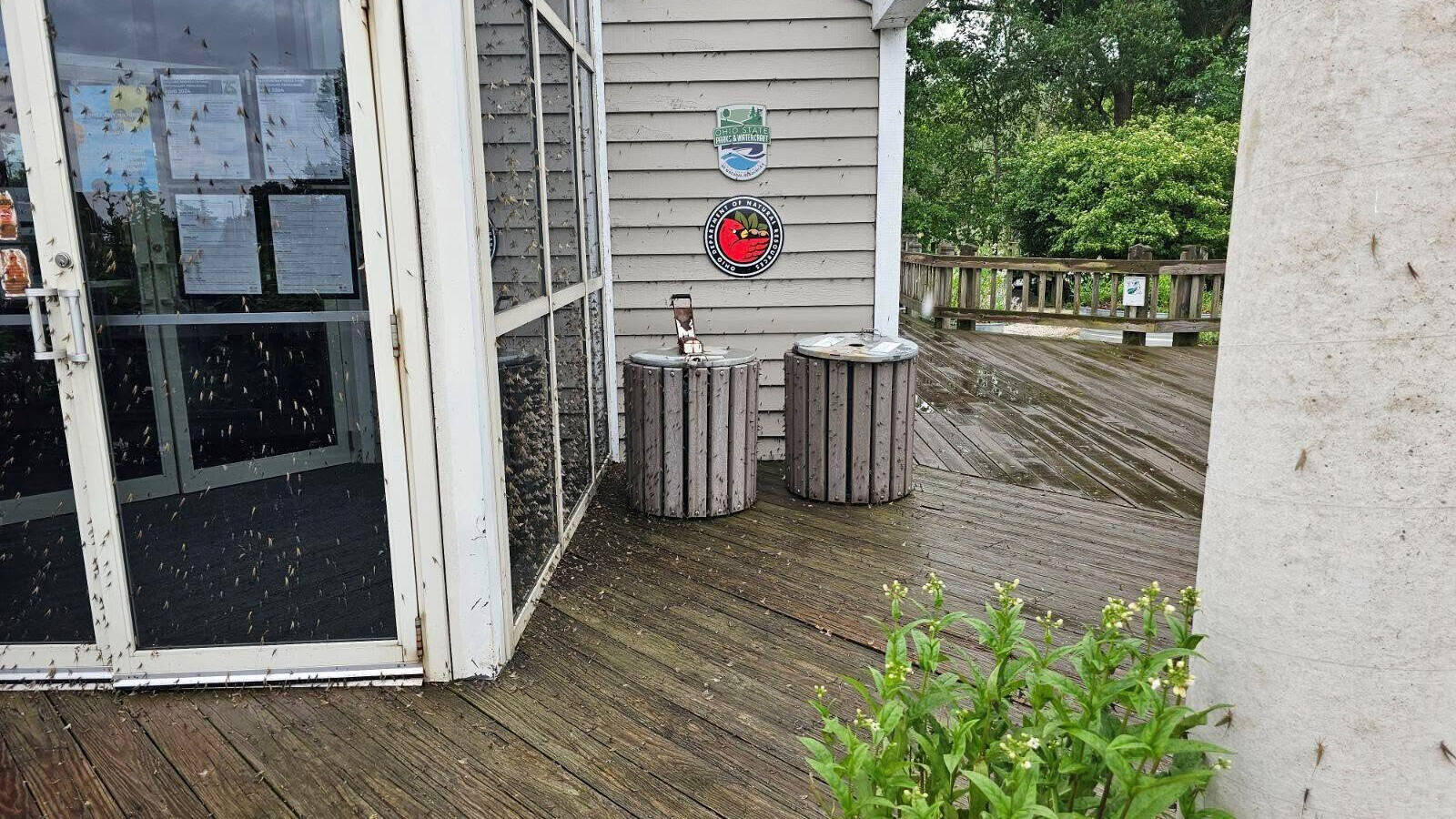
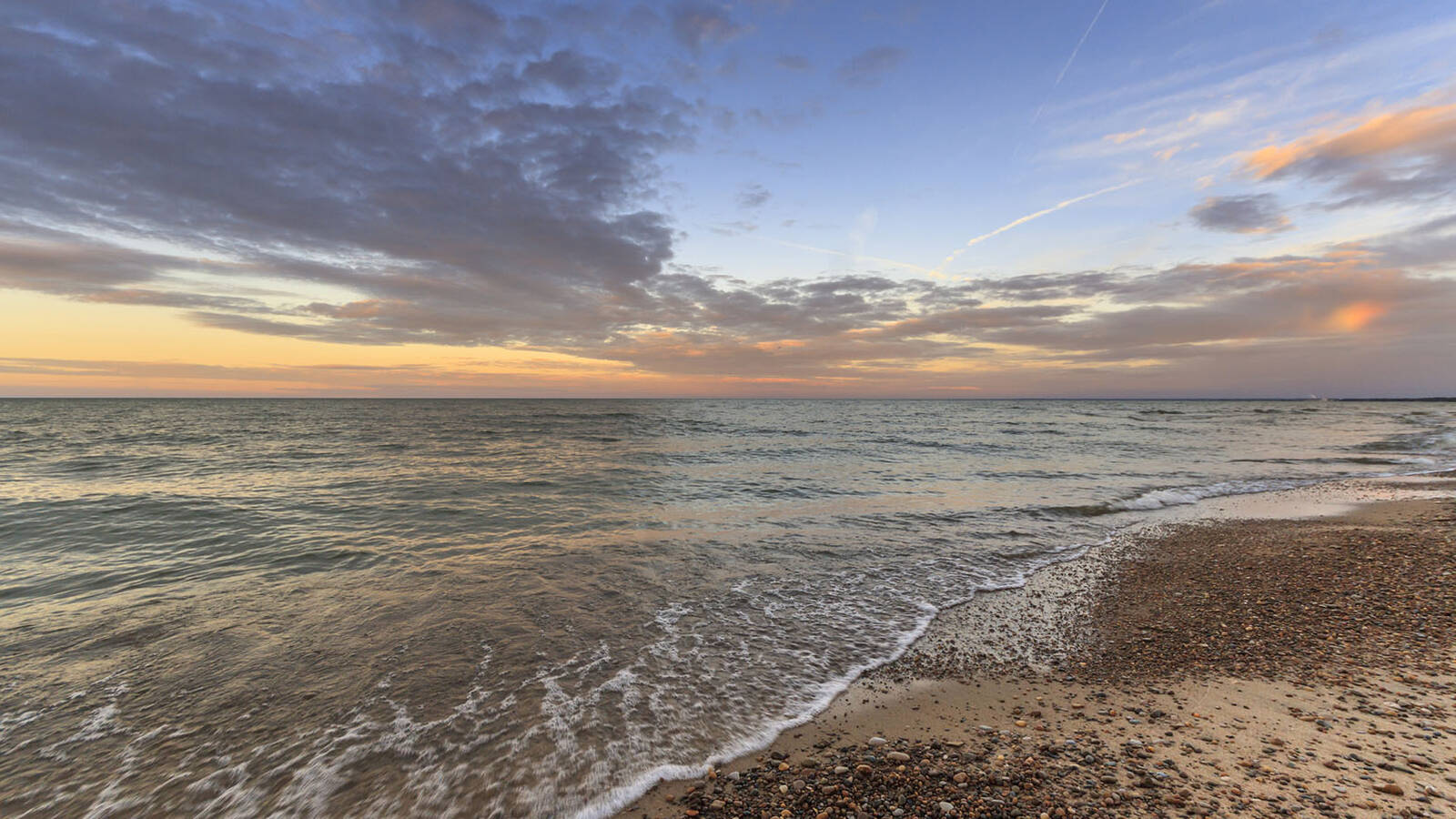
Many people in Ohio’s shoreline communities consider mayflies a stinky, ugly bother each summer. When temperatures in Lake Erie reach 68 degrees, the aquatic insects emerge en masse to mate — covering sidewalks and streets and adhering to the sides of buildings. At fast-food restaurants, groups of them cling to the drive-thru intercom system. Ew, gross.
But this winged insect’s annual invasion carries an important environmental message: The health of Lake Erie is once again strong.
Considering this deeper story, the mayfly swarms may not be so unpleasant after all.
“When millions of mayflies emerge from Lake Erie, I see more than a summertime nuisance. I see evidence of what is possible when we invest in clean water,” said Crystal Davis, NPCA’s Midwest senior regional director. “This is a reminder that progress requires continued stewardship, funding and vigilance.”
Change That Works
With decades of advocacy in the region, NPCA has helped secure more than $3.8 billion in federal funding through the bipartisan Great Lakes Restoration Initiative to clean up and restore the Great Lakes, which are the largest source of fresh water on the planet.
The National Park Service has used GLRI funding to protect and improve 10 national parks in the region through projects that clean up toxic waterways, restore wetlands and improve the health of the landscape and waters — helping people, plants and wildlife.
10 Great Lakes National Parks to Know and Love
The Great Lakes make up the largest freshwater system in the world. Can you name the national parks found near and along their shores? They preserve natural phenomena and cultural…
See more ›Mayflies also appear in Lake Huron and Lake Michigan and other parts of the country, but not in the large swarms found in Lake Erie. Scientists consider them an important indicator of water quality and environmental health. To survive, the insects need high levels of dissolved oxygen, which is only found in clean, healthy waters.
For many years, mayflies did not appear around Lake Erie because its watershed had absorbed too much industrial waste and agricultural run-off in the decades after World War II. Combined with warming waters, algae would take hold, and after dying, would sink to the lake bottom and rot. Some sensitive aquatic insects, such as the mayfly larvae, could not survive these oxygen-deprived conditions.
After the creation of the Environmental Protection Agency in 1970 and the signing of the Great Lakes Water Quality Agreement between the U.S. and Canada two years later, things started to look up for the mayfly.
With policies in place to drastically cut pollution entering Lake Erie, the aquatic insect began reappearing in the 1990s.
“People didn’t really know what they were when these bay hatches started happening again, they had to ask the old timers, because they were the only ones that remembered it,” Autumn Moore told the educational media organization Midstory this summer. Moore is the Northwest Ohio stream quality monitoring coordinator for the Ohio Scenic Rivers Program, part of the Ohio Department of Natural Resources.
Midstory reported in July that mayfly populations have shown a notable resurgence, based on information (pdf) from the Ohio EPA Lake Erie Nearshore Monitoring Program. Between 2021 and 2023, several monitoring stations recorded levels rated “Good” or “Excellent” — or even higher.
The Life Cycle of a Mayfly
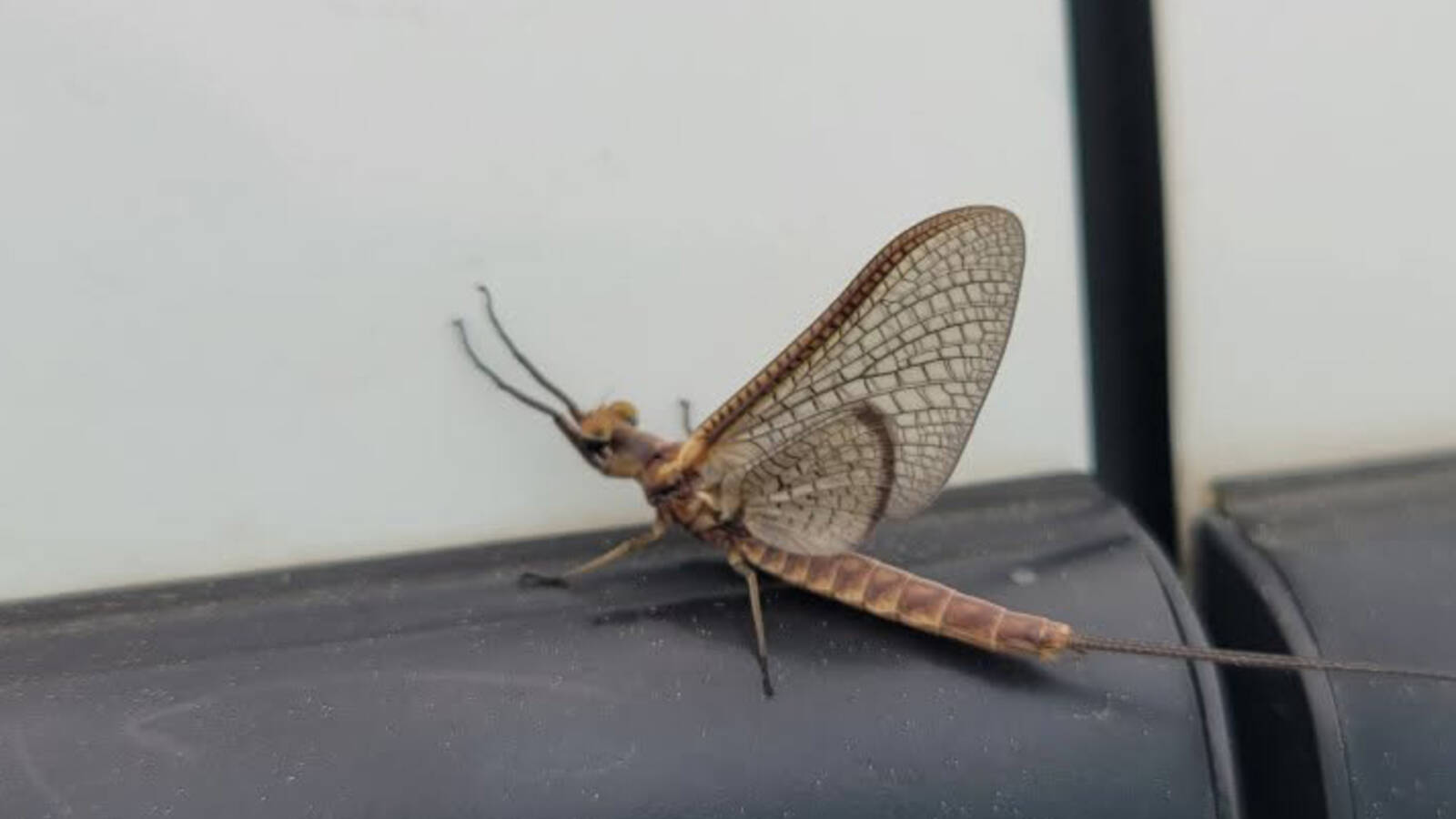
The National Park Service explains the mayfly’s life cycle as consisting of four stages — egg, nymph, subimago and imago. The third stage is the brief period when the adult is sexually mature. The cycle begins with an egg burrowed in a lake or stream bottom. Depending on the species, mayflies emerge as winged adults after three months to two years and live only another few minutes or days.
Mayflies also thrive in Yellowstone National Park, Sitka National Historical Park in Alaska, Kenilworth Park and Aquatic Gardens in Washington, D.C., Buffalo National River in Arkansas, and Niobrara National Scenic River in Nebraska. They are a food source for fish, frogs and other creatures in these locations, according to the Park Service.
At Lake Erie, mayflies spend a year or two in the lake bottom. As larvae, they emerge from the mud to float to the surface and hatch, usually in early June. The adults only live for 24 to 48 hours. In that time, they rush to mate and lay eggs before they die.
Mayflies are attracted to bright lights in their search for love, and Ohio’s coastal towns from Toledo to Sandusky sometimes have to turn off street lights to reduce the swarm.
Don’t Take These Bugs for Granted
Decades of stronger clean water protections and sustained public investment and awareness helped restore Lake Erie and its insect life, Davis said.
“NPCA has been part of that progress for more than two decades, advocating alongside partners for federal protections and funding, including the Great Lakes Restoration Initiative, that have restored wetlands, cleaned up contaminated waterways and improved wildlife and aquatic habitat across the region,” Davis said.
The mayfly’s return at Lake Erie shows those investments are working, yet strong support must continue, she added. “The return of mayflies is a reminder that restoration works, but also that we can’t take the Great Lakes’ recovery for granted. Lake Erie still faces serious challenges. Excess phosphorus continues to fuel harmful algal blooms, particularly in the central basin. Recent data shows some encouraging signs, but phosphorus targets are still not being met.”
Stay On Top of News
Our email newsletter shares the latest on parks.
About the author
-
 Linda Coutant Online Editor
As a member of the Communications team, Linda Coutant manages the Park Advocate blog and other web content, and also coordinates the monthly Park Notes e-newsletter for NPCA members and supporters. She lives in Western North Carolina.
-
General
-
Issues


-
Press Release
NPCA and Partners Appeal State of Alaska’s Decision to Grant an Easement for the Ambler Mining Road
“...the proposed 211-mile Ambler Road would be a disaster for Gates of the Arctic National Preserve and the Western Arctic Caribou herd that crosses it" - Naawéiyaa Tagaban, NPCA Alaska…
-
Press Release
Proposed Arctic Mine, Ambler Road Threatens America’s Largest Park Landscape
“All Americans should be outraged that our taxpayer dollars are being wasted to fund international companies that seek to destroy our country’s largest park landscape" -- NPCA Alaska Campaign Director…
-
Press Release
Atrocious Reported Changes to the ESA Could Threaten Extinction to Park Wildlife, Wild Nature
"This memo appears to suggest that it’s no longer the purpose of the ESA to ensure animals such as grizzly bears, North Atlantic right whales, or Florida panthers are protected"…