Fall 2026
The Pink Wave
A salmon run in an Alaskan park has exploded in recent years. Can a river have too many fish?
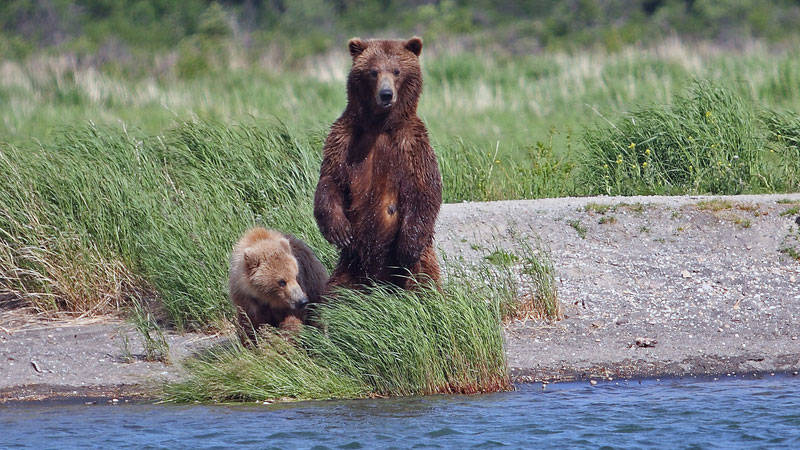
Salmon carcasses are among nature’s most generous gifts. As salmon pour into Pacific Coast rivers to spawn and die en masse each year, they feed grizzly bears, eagles, wolves and many other beneficiaries. Their decomposing bodies, hauled ashore by predators and scavengers, leach nutrients acquired during years at sea into the soil to be taken up by trees such as cedar and spruce. Forests grow faster with the aid of fishy fertilizer.
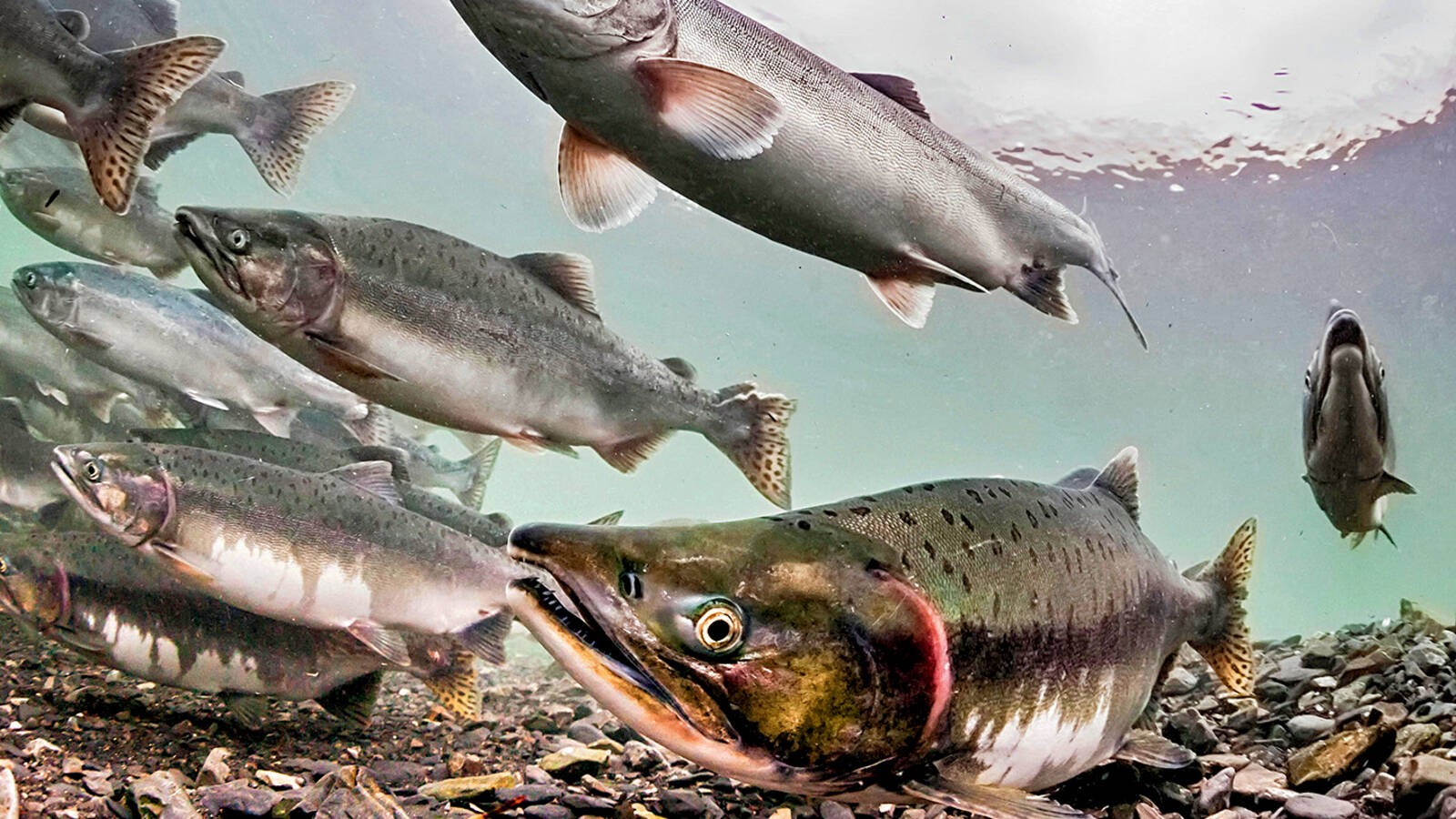
Given their manifold benefits, it seems impossible that there could ever be too many salmon in a stream. Yet that may have been the case in 2013 in the Indian River, a stream that flows through Sitka National Historical Park in southeast Alaska. That summer, nearly 300,000 pink salmon raced into the river to spawn, an enormous run in a river just 12 miles long. As the multitudes died, their decomposing remains sucked the oxygen from the water. For a 37-day period spanning late July to early September, National Park Service scientists in Sitka documented dangerously low dissolved oxygen in the river — a condition perilous not only for other returning salmon, but also for the river’s residents, such as cutthroat trout and Dolly Varden char, some of which appeared to asphyxiate. Some observers dubbed the situation “Salmonpocalypse.”
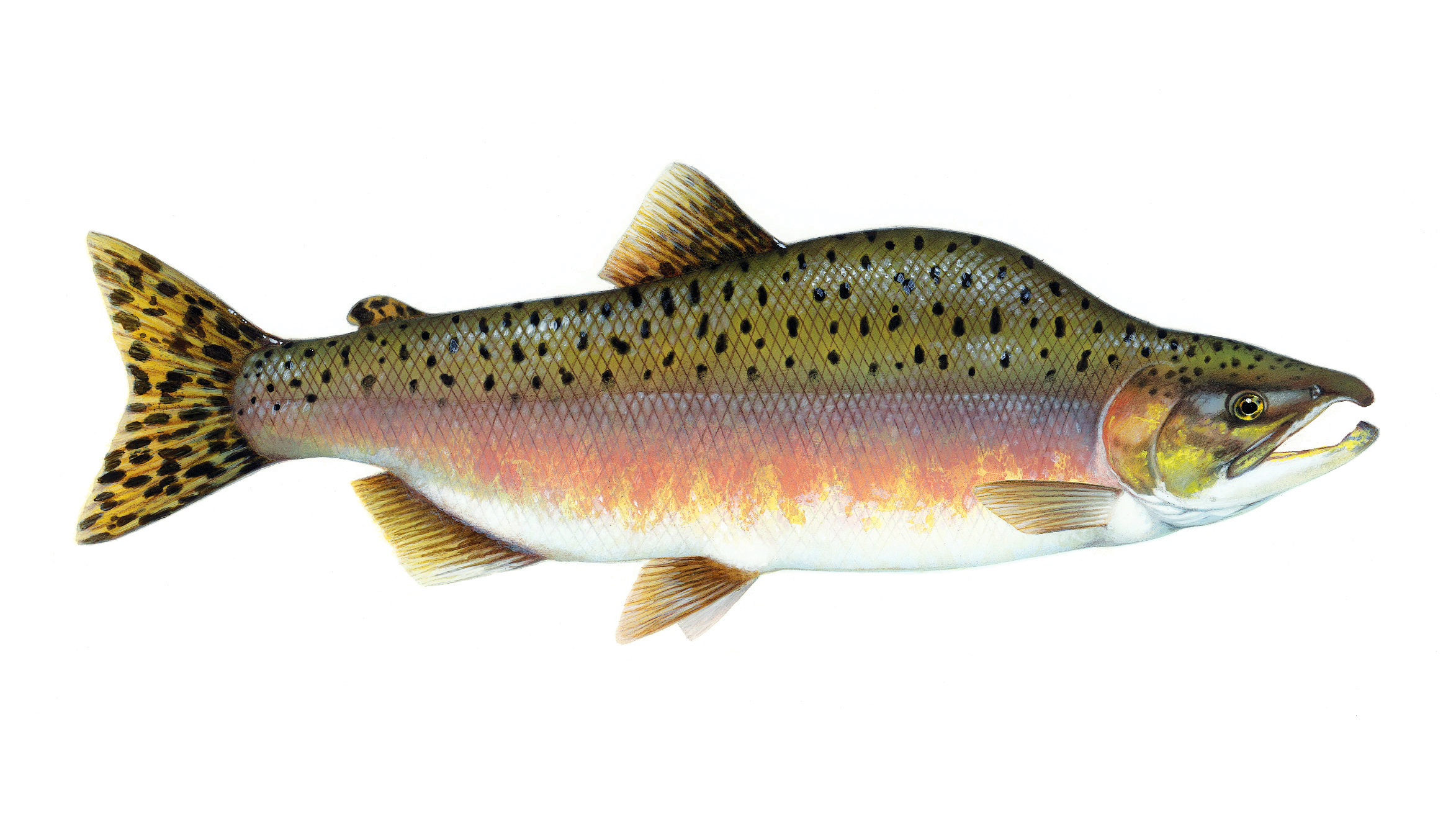
Pink salmon are also known as humpback salmon or humpies for the bulge that males develop during spawning season.
USFWSAlthough 2013 was an extreme year, it wasn’t a total aberration. Astronomical pink salmon runs have become increasingly normal in the Indian River, and low-oxygen conditions with them. Now the Park Service and its allies are trying to figure out whether the river’s hyperabundance of pinks is merely part of an Alaska-wide trend or whether a local fish hatchery might also play a role — and what, if anything, should be done about it.
Sitka, a 113-acre site that commemorates an 1804 battle between the Tlingit and Russian fur traders, has always been a place defined by fish. Four species of salmon, along with trout and char, supported a Tlingit fishing camp for roughly 5,000 years. That abundance flagged in the early 1940s, when the U.S. Navy extensively mined gravel from the river’s bed and mouth to build an air station and other military infrastructure; gravel extraction by private companies and government agencies continued into the 1960s. The incessant dredging destroyed spawning beds, made the river susceptible to devastating floods and suppressed its salmon population. By the early 1970s, fewer than 500 pink salmon spawned in the Indian River each year.
TOTEM LEGACY
In the late ’70s, though, the runs began to tick up — and then explode. Pinks grow fast and return to spawn quickly, allowing for rapid population growth. During the 1980s, more than 10,000 pinks often bred in the Indian River annually, and in 1996 the run topped 180,000. The spawning window also began to widen: In the years after gravel dredging, pinks only came back in August and September, but by the 2000s they were returning from July through October.
In 2023, the Park Service contacted fisheries experts at the University of Washington and U.S. Geological Survey to solicit research into the situation. The project fell to a team of researchers including Brian McGreal, a Ph.D. student in the university’s quantitative ecology and resource management department, who along with his colleagues spent a couple of years meeting with salmon managers, Native officials and other stakeholders in Sitka and crunching decades of data. In March, McGreal and others published their analysis in the journal Alaska Park Science.
The Indian River’s exploding population, McGreal and his coauthors noted, may simply epitomize a recent boom in pink salmon numbers around Alaska. Among the Pacific Coast’s five true salmon, pinks are the smallest, with mild, lean meat less toothsome than that of other species — traits that can cause them to get overlooked by anglers and managers. “Nobody pays a ton of attention to the pinkies,” McGreal said. In recent decades, pinks, known also as humpback salmon or humpies for the Quasimodo-like bulge that males develop during spawning season, have become by far the world’s most abundant salmon. Worldwide, their populations have more than doubled since the 1970s, and these days pinks may represent a whopping 80% of the North Pacific’s salmon — in part because they appear to tolerate warming oceans better than their fellow salmonids. Perhaps the Indian River’s fast-growing runs simply reflect the success of what McGreal calls a “climate change winner.”
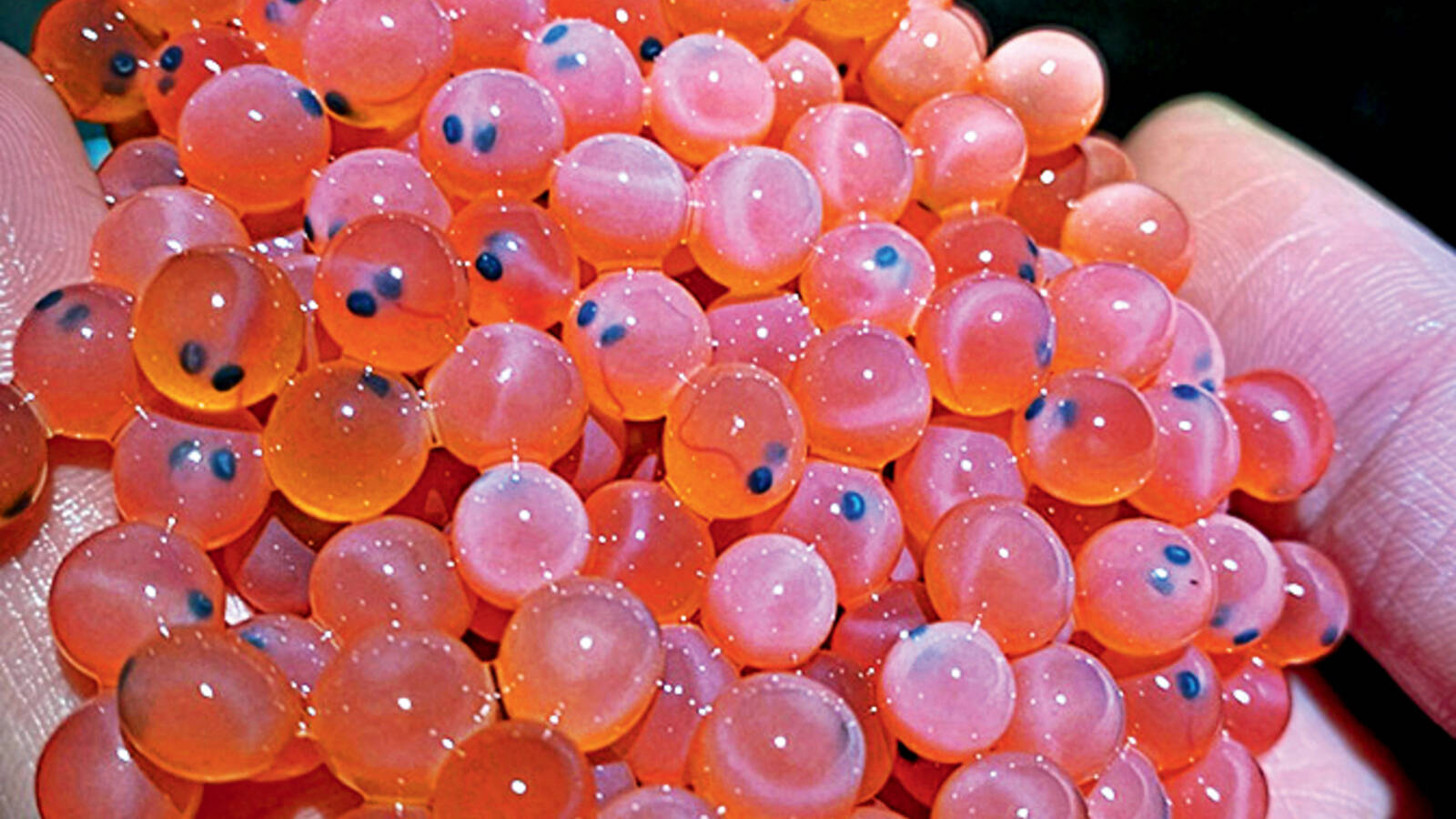
But there may also be another explanation. About a half-mile from the mouth of the Indian River sits the Sheldon Jackson Hatchery, a facility run by the Sitka Sound Science Center. The hatchery, which was built in 1974, trains interns, apprentices and local high school students in the practice of aquaculture, and produces up to 3 million pink salmon, along with chum and coho salmon, every year for release into the ocean. As returning adult salmon approach the hatchery to spawn, most are intercepted by commercial fishermen, who harvest thousands of pink salmon annually from the inlet just beyond the hatchery’s mouth. The science center also studies returning fish for signs of emergent pathogens or pollutants that might harm wild stocks. “We look at our hatchery as a multifaceted tool that trains people to work in aquaculture, helps support our local commercial fisheries, (and) also helps us learn what’s going on in the ocean and support struggling runs,” said Arleigh Reynolds, the science center’s executive director.

Go Fish: 4 Great National Parks for Wetting a Line
A keen angler can sniff out places to fish at nearly every national park. One staff member shares his top picks, from a backyard favorite to bucket-list wishes.
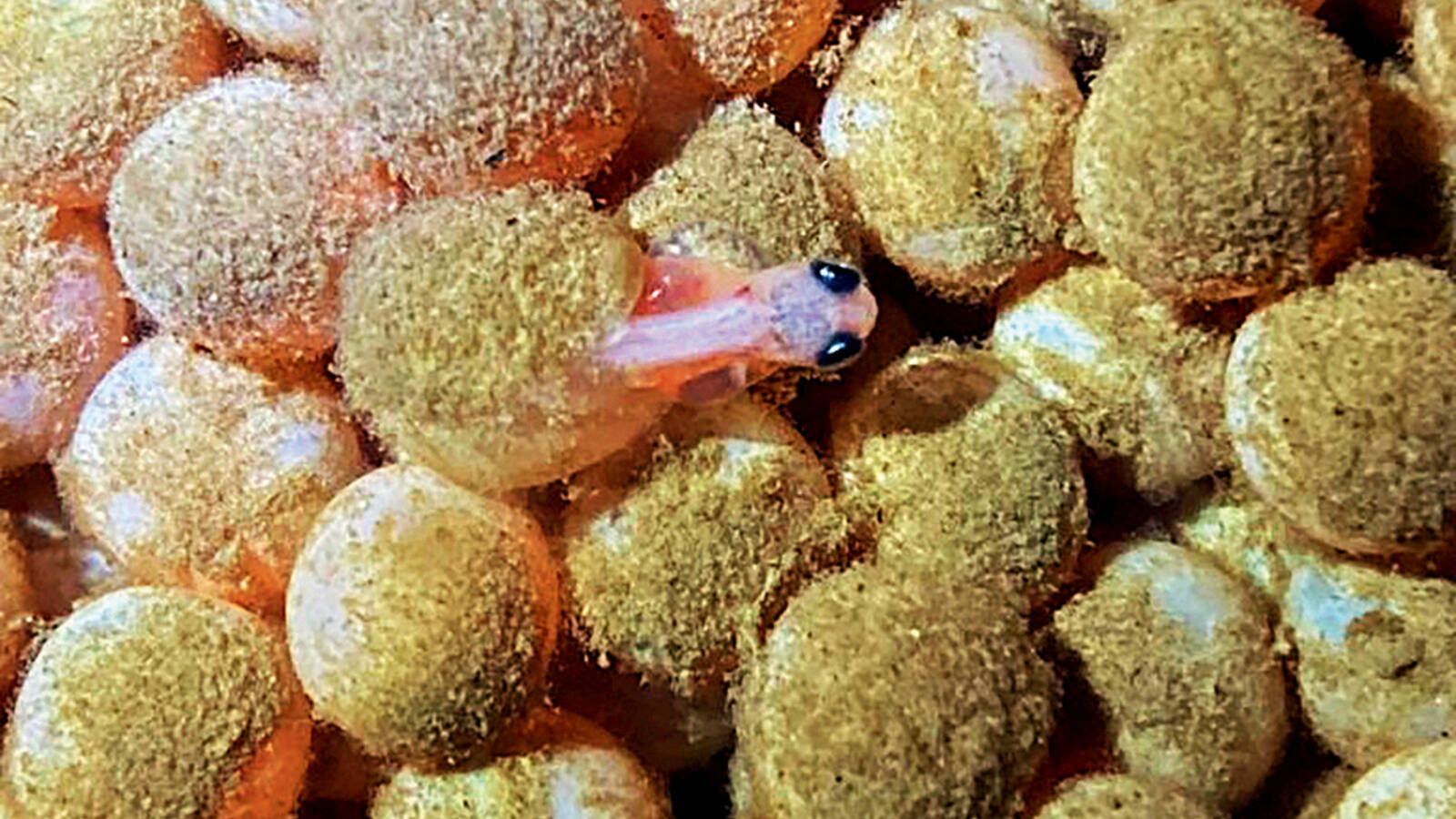
See more ›Come spawning time, though, not all of the hatchery’s fish beeline to the place where they were raised. The facility draws its water from the Indian River, which means that its pink salmon, which imprint on the smell of their birth creeks, associate the river with home. As a result, many captive-born fish “stray” into the Indian River as returning adults. But how can scientists tell whether a given salmon was born in a hatchery or in the wild? By examining their “otoliths” — literally, ear stones — minute flecks of calcium carbonate that form in the inner ears of nearly all fish, and that accumulate layers like tree rings over time. The Sheldon Jackson Hatchery, like other Alaskan salmon hatcheries, exposes incubating eggs to carefully controlled intervals of wet periods and dry, a sequence that leaves an otolithic signature, like a serial number tattooed on the tiny stones. Biologists can thus figure out where the Indian River’s fish were born by extracting the otoliths from their carcasses and examining them under microscopes. Some years, hatchery strays comprise fewer than 5% of the river’s pink salmon. Other years, they make up a third or more — suggesting that the hatchery’s output may significantly contribute to the pink eruption.
As one indication that the Indian River is healthy despite the stray hatchery fish, Reynolds notes that there isn’t evidence to suggest that pink salmon are dredging up each other’s redds, or gravel nests — a hint that there’s still plenty of habitat to go around and that the stream may not be exceeding its carrying capacity despite the low oxygen levels. Still, the science center is taking measures to reduce the hatchery’s stray rates. Recently, the hatchery partnered with seaweed farmers to grow mats of algae near the saltwater net-pens in which the salmon fry grow up, the idea being that the young fish will imprint on the algae and eventually follow its scent straight back to the hatchery, rather than deviating to the nearby river. “I think everybody, including all of the aquaculturists, wants to decrease those impacts,” Reynolds said.
Making all of this more complicated is the curious life cycle of pink salmon themselves. Whereas other salmon species vary in how long they spend at sea, virtually all pinks return to spawn after exactly two years. That means that the Indian River’s pink salmon are naturally two populations that almost never mix: fish that spawn in even years, and fish that spawn in odd years. According to statistical analyses that McGreal hasn’t yet published, the hatchery appears to have little influence on the river’s even-year runs but may be augmenting the odd-year population, for reasons that McGreal hopes to eventually identify. “My big goal is to have applicable pieces of information that the park and the hatchery can use, hopefully in collaboration with each other,” McGreal said.

National Parks
You can read this and other stories about history, nature, culture, art, conservation, travel, science and more in National Parks magazine. Your tax-deductible membership donation of $25 or more entitles…
See more ›As McGreal is quick to acknowledge, however, untangling the factors influencing salmon runs is difficult when you don’t know their historical numbers. There’s reason to believe the Indian River boasted a prodigious pink run before gravel mining destroyed it and scientists started counting fish. Isabella Brady, a Tlingit educator, recalled in a 1998 report that it once “seemed like you should just be able to walk across the river on the humpies, there were so many of them.” It’s conceivable that the park’s current hyperabundance isn’t a novel situation but a return to erstwhile conditions. “It wouldn’t surprise me one bit if we’re getting very close to what it used to be,” said Bill Coltharp, the science center’s aquaculture director.
Making salmon management even more complicated is that it’s occurring against a backdrop of rapid climate change. As the 49th state has gotten hotter and drier, streams like the Indian River have suffered lower flows and warmer temperatures — droughty conditions that make low-oxygen years like 2013 more likely to recur in the future. That means that understanding how many salmon the Indian River and other streams can sustain has never been more urgent. “Everybody wants to figure this thing out and do right by these fish,” McGreal said.
About the author
-
 Ben Goldfarb Author
Ben Goldfarb is an environmental journalist and the author of the books "Crossings: How Road Ecology is Shaping the Future of Our Planet" and “Eager: The Surprising, Secret Life of Beavers and Why They Matter.” He is working on a book about the wonder, diversity and world-changing powers of fish.

-
Press Release
Interior Turns Alaska Parks Into Game Farms with Outrageous Hunting Rule
“It’s as outrageous as it is disheartening to again see the Interior Department go along with the state of Alaska’s effort to turn national parklands into de facto game farms."
-
Press Release
NPCA Celebrates Staff Expert's New Book on Blackwell School National Historic Site
A groundbreaking new book co-authored by NPCA's Cristobal Lopez tells the history of Blackwell School National Historic Site, highlighting the experiences of the Mexican American students who attended the segregated…
-
Press Release
Trump Administration Continues to Unlawfully Bulldoze National Mall Parks
“This egregious destruction continues to show how the Trump administration operates as if laws don’t apply. They continue to move forward, disregarding the will of the American people for which…