Fall 2026
Going Downstream
A conversation with filmmaker Robb Moss about the latest installment of his river-running trilogy.
In October of 1978, Robb Moss took a 35-day trip down the Colorado River in the Grand Canyon. A film school student at the time, he brought a 16-millimeter movie camera to shoot his friends, most of them river guides like him, who were in their 20s and seemingly carefree — and offhandedly naked for much of the trip. “You’re making images of people in the Colorado River, in the Grand Canyon, and juxtaposing these things. It’s just a kind of exuberant youth,” Moss said. “Everywhere you looked, it was unbearably beautiful.” The material he collected of their communal, unscheduled lives became his film “Riverdogs.”
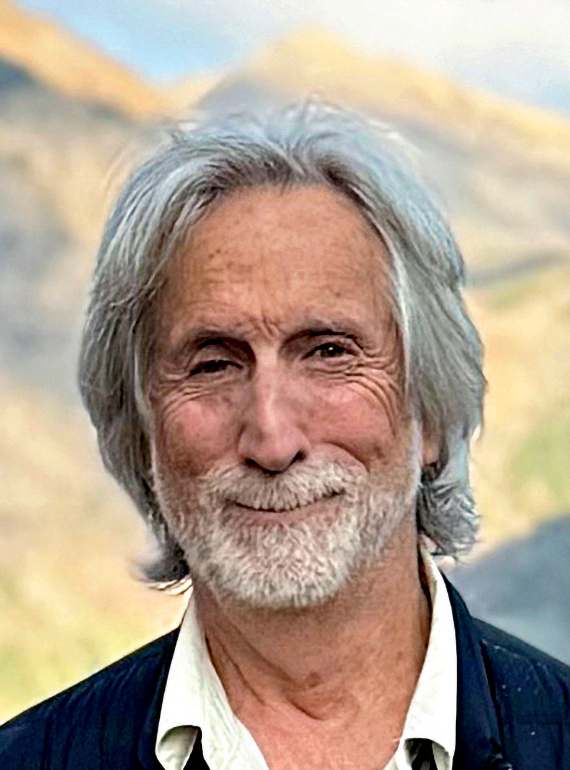
Filmmaker Robb Moss.
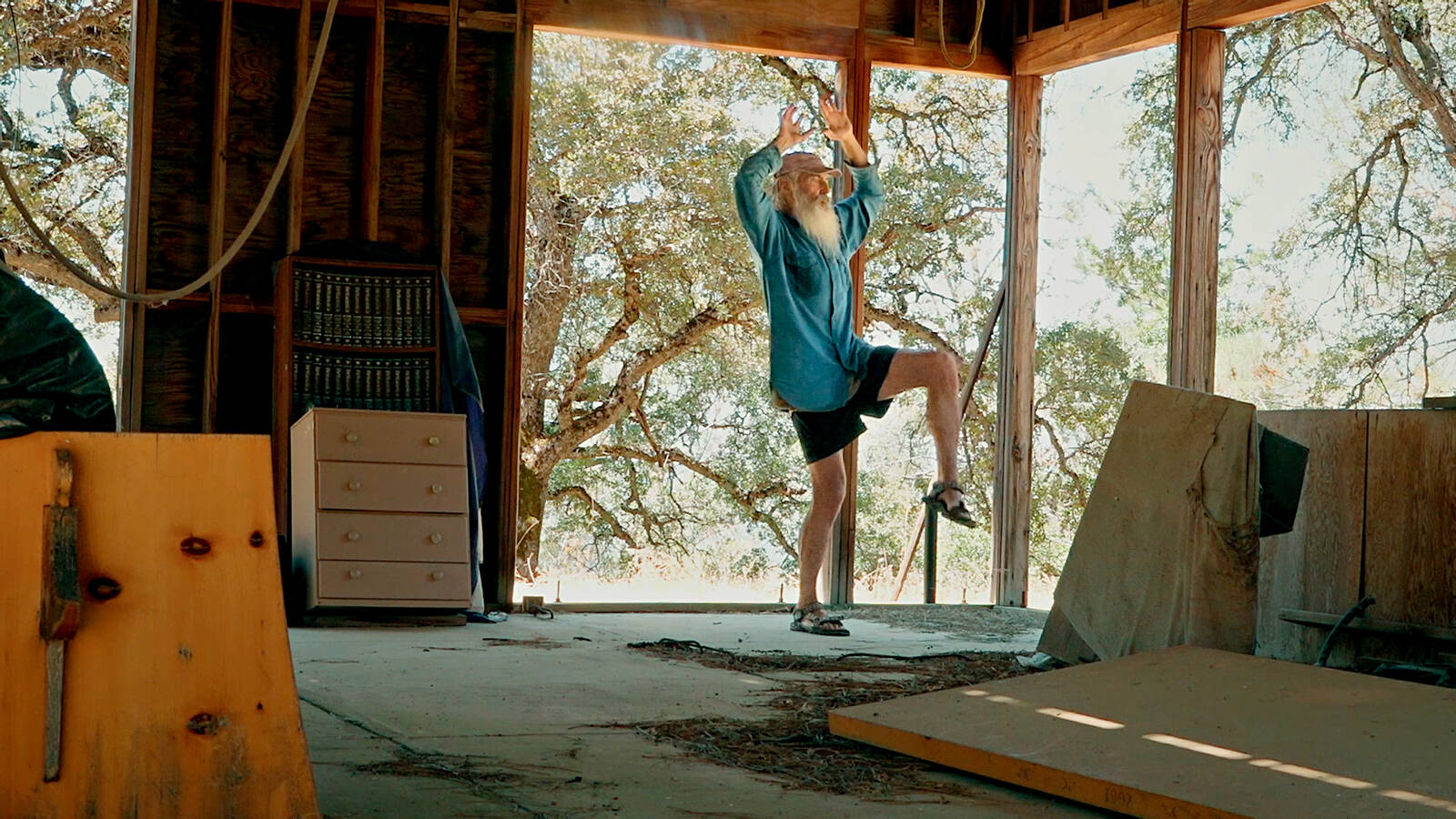
COURTESY OF THIRD RIVER FILMS, LLCMoss fell in love with filmmaking on that trip, and he went on to become an accomplished documentarian and a professor at Harvard University. Then two decades after making “Riverdogs,” Moss traveled West, where many of his friends were still residing, to film a handful of them in the hectic throes of midlife. “People are now living with the life choices they didn’t quite know they were making,” he said. There are homes and babies and a divorce. One character, Barry, has a health crisis; another, Jim, leads the most unconventional life of the group, living off the grid in California and continuing to work as a river guide. Moss filmed his friends over four years, and that turned into “The Same River Twice,” which came out in 2003.
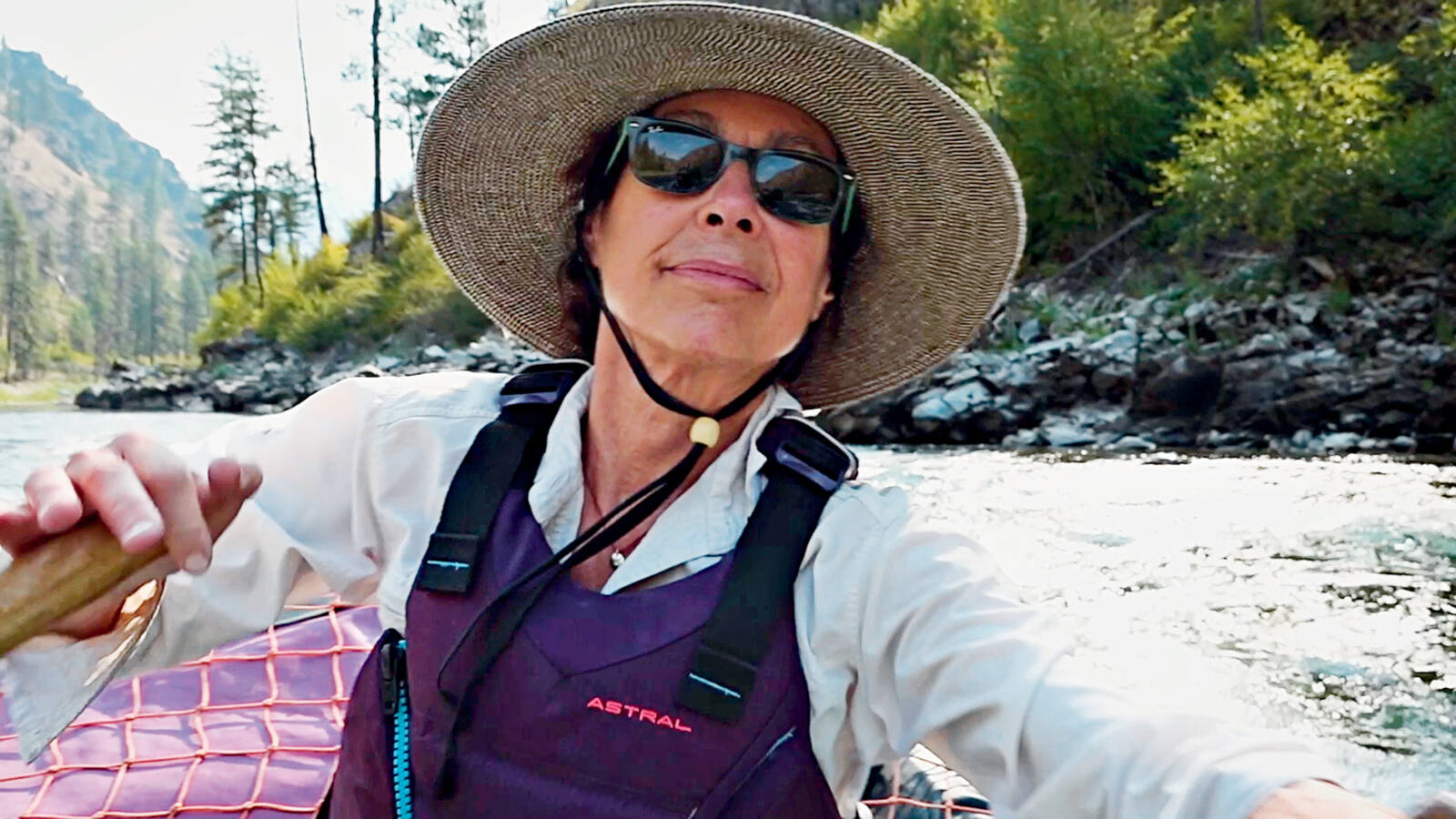
Now some 20 years on, Moss has released the third film in the series, “The Bend in the River.” An extraordinary meditation on friendship, nature, aging and the passage of time, the film includes bits and pieces from the other movies and follows five of the same characters — Jeff, Cathy, Danny, Jim and Barry, currently in their 70s. Moss again brings his camera into his friends’ everyday lives, which are mostly quieter and slower, and also on a couple of river trips, including a weeklong Grand Canyon journey. This time, the group is swathed in long sleeves and sun hats, and their guides — the age they were when they started running rivers — are mourning what has happened to the much-diminished Colorado River. Older age is harder to film, Moss said, because less happens, but the narrative emerges from “ephemeral moments” as he put it, “which is really what I think our lives are built out of.”
When I saw the film at the DC/DOX film festival, I was riveted — by the portrait of youth, by images of the mighty (and less mighty) Colorado in three different time frames, by the anxious pulse of those years in the subjects’ 40s, by the ruminations of an older, wiser crew, and by the thrill of seeing people age before my eyes. I spoke to Moss by phone this summer about the latest film, which will be available on Netflix in December. “We all know where it ends for everybody, and that becomes more in view,” he told me. “That’s, I think, what the bend in the river is: You’re heading toward something, right around the corner. You can’t quite see it yet, but you will at some point.”
A Q&A from our conversation, edited for clarity and length, follows.
When you were a student at University of California, Berkeley, you had your first experience on the Colorado River after you got a job as a driver for a river-touring company. What was that like?
We hiked down at Phantom Ranch to the river and then got a trip the rest of the way for driving the shuttle. It was so incredible being on these dories, and with these guys who just knew the water. I was just transfixed by it.
How did you become a river guide?
There was a whitewater school that the American River Touring Association was publicizing because river running was just starting. They needed guides. It was just a series of coincidences, but then also the spark of how beautiful it is to be in a river, and then to be in a community of people who love rivers and who like spending time outdoors.
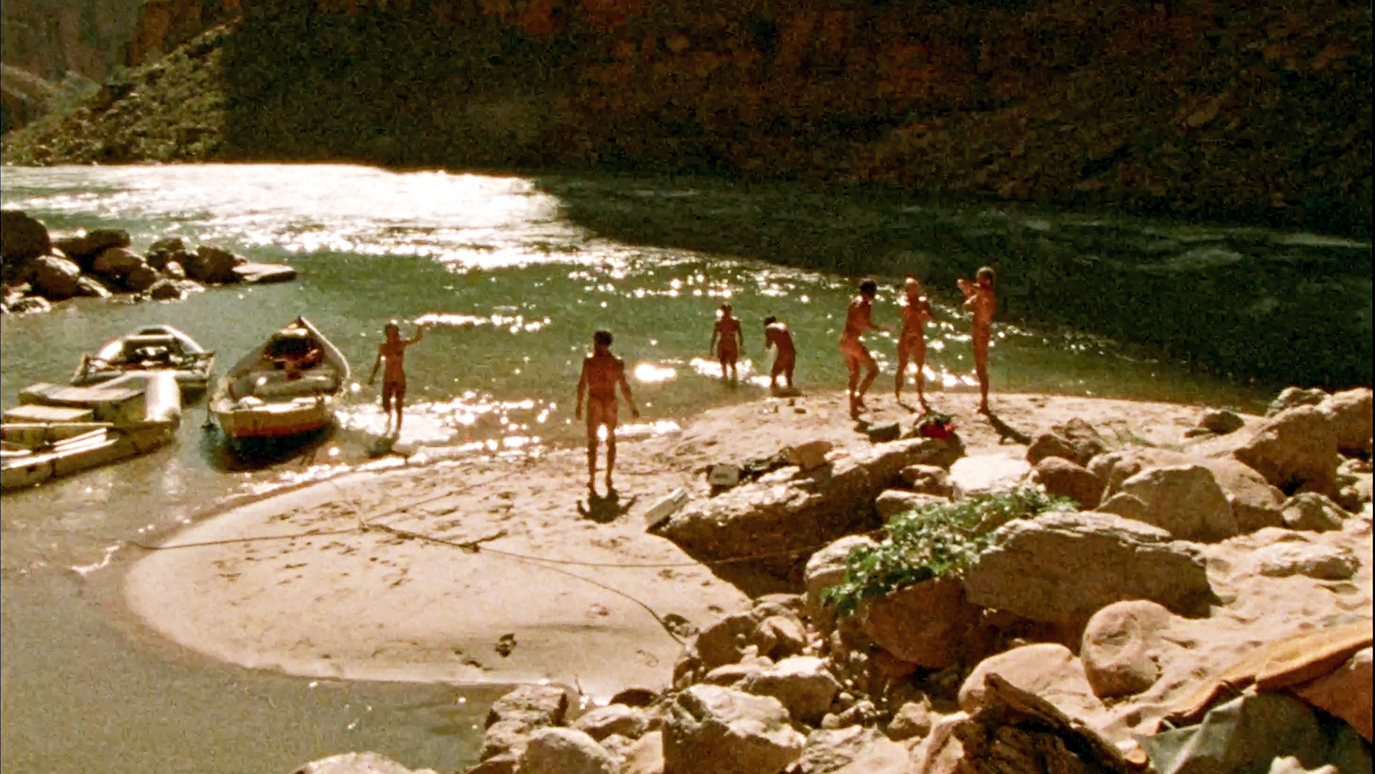
A still from “Riverdogs,” which Moss filmed in 1978 on a 35-day trip through the Grand Canyon.
COURTESY OF THIRD RIVER FILMS, LLC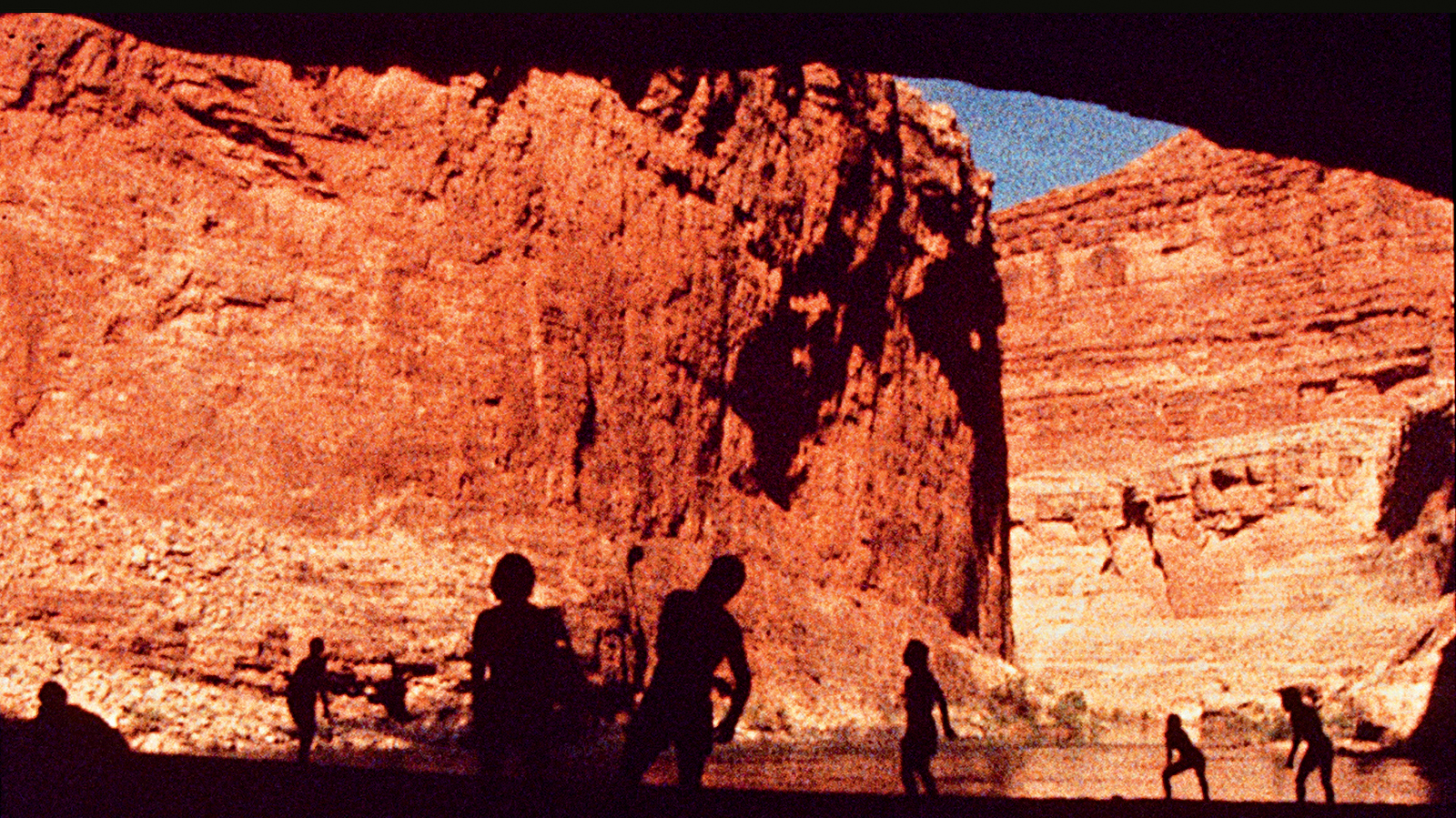
Playing baseball in the Grand Canyon in a scene from “Riverdogs.”
COURTESY OF THIRD RIVER FILMS
How long did you work as a guide?
I did it probably for less time than most of the major characters. I ended up going to graduate school three years into my river-running life. But the thing is that once we stopped being guides, we continued to run rivers, and it was a way for our community to continue staying in touch with each other. I don’t think the film has exactly messages, it’s not really designed in that way, but one of them might be: Stay friends with your friends. How beautiful it is to travel with a group of people your whole life.
Can you talk more about what drew and draws you to the Grand Canyon and rivers?
Being off the water was as fabulous as being on the water, but the river brought you to places you couldn’t get to any other way. The sort of specialness of that. Getting to know how to read water, how to know what water is doing by looking at the surface. And the utter attention you have to pay to the thing that you’re trying to negotiate. It connects you to the life of the river, that’s what it feels like. It doesn’t have to know you; it doesn’t know you. Its power and its life are so tremendous that there’s something glorious about being that small in such a big landscape. That’s the pleasure of being outdoors: being a small speck in an extraordinarily large and complex and beautiful environment.
Chasing a Troubled River
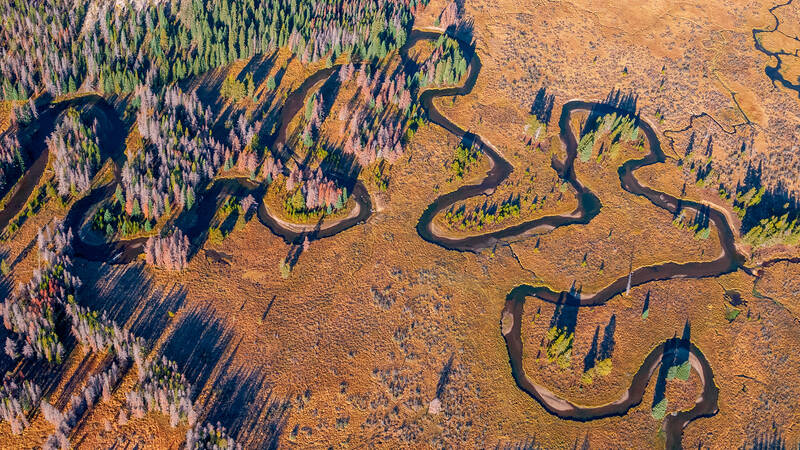
The mighty Colorado River and its tributaries run through seven states and 10 national park sites and provide water and electricity to millions of people. But as photographer Pete McBride…
See more ›In the film, you address the decline of the Colorado River and the role humans have played in that. The Lake Mead you filmed in 2023 was more than 100 feet lower than the lake you encountered in the ’70s.
The thought kept recurring that the river’s running out of water as we’re running out of time. In some sense, this deep geologic time and our tiny fragment of time were intersecting at a certain point, and in that crossing, there was something that filled me with grief. To see the lake just receding and receding and receding and receding until it was hardly there. I just had no idea where I was once we got to that part of the river. And also, the river was weaker. You could just feel it in the boats. It was something I needed to experience myself. Seeing it made it real in a way that it hadn’t been.
Midway through, the film includes text that reads “We thought we were immortal, and the river was eternal.” Do you wish you were young and naive still? I’m wondering if the aging you’ve captured seems melancholy — or how it lands for you emotionally.
I have no sense that I would like to go back to being young and naive. That was then. It was great. Great. But going back to it, that would undo everything, like what the hell? The river goes downstream, and you keep going with it, and that’s what life is: being carried downstream.
In the second and third films, viewers see the house that Jim is working on but never finishes, and that becomes a central metaphor. Can you talk about that?
When he says, “It would be a blast to finish it, but it’s perfectly half done, and I’m really happy with that,” or something like that, people laugh because it seems so patently untrue. And Barry himself, when I tell him that, says, “I don’t believe him,” and then instantly, without any hesitation, says, “but there’s something to be said for coming to find the perfection of what is.” That’s what he means. It’s a different kind of perfect.
You’ve joked about what the next film will be called — “The Naked and the Dead,” for example. But seriously, will there be another film?
I’m loath to even speculate, but if it were possible, and if it presented itself, it certainly would be interesting to me. And I hope people who are in the film would be around and allow me to film another one. And I’d love to see them as they age, too. That’s part of the pleasure of this: that I’ve seen my own aging by filming their aging, and that our friendships have continued to evolve, and that our friendships live in time, over a really long period of time, and that’s such an incredible pleasure.
About the author
-
 Rona Marech Editor-in-Chief
Rona Marech is the editor-in-chief of National Parks, NPCA’s award-winning magazine. Formerly a staff writer at the Baltimore Sun and the San Francisco Chronicle, Rona joined NPCA in 2013.
-
Press Release
Interior Turns Alaska Parks Into Game Farms with Outrageous Hunting Rule
“It’s as outrageous as it is disheartening to again see the Interior Department go along with the state of Alaska’s effort to turn national parklands into de facto game farms."
-
Press Release
NPCA Celebrates Staff Expert's New Book on Blackwell School National Historic Site
A groundbreaking new book co-authored by NPCA's Cristobal Lopez tells the history of Blackwell School National Historic Site, highlighting the experiences of the Mexican American students who attended the segregated…
-
Press Release
Trump Administration Continues to Unlawfully Bulldoze National Mall Parks
“This egregious destruction continues to show how the Trump administration operates as if laws don’t apply. They continue to move forward, disregarding the will of the American people for which…