Summer 2026
Hidden Colors
Photographer Cody Cobb shines a black light on national park landscapes to reveal a palette ordinarily invisible to the naked eye.
On an early October evening, the tundra landscape of Rocky Mountain National Park seemed drained of all but one color: the dull light brown of dirt and rocks and whatever hardy bits of vegetation survive above 12,000 feet. Photographer Cody Cobb and I set out after the sun had disappeared behind the mountains, and the subdued palette turned even more drab as the light faded. After we reached the end of the trail, dusk transitioned to darkness, and soon we could make out little but shapes and outlines.
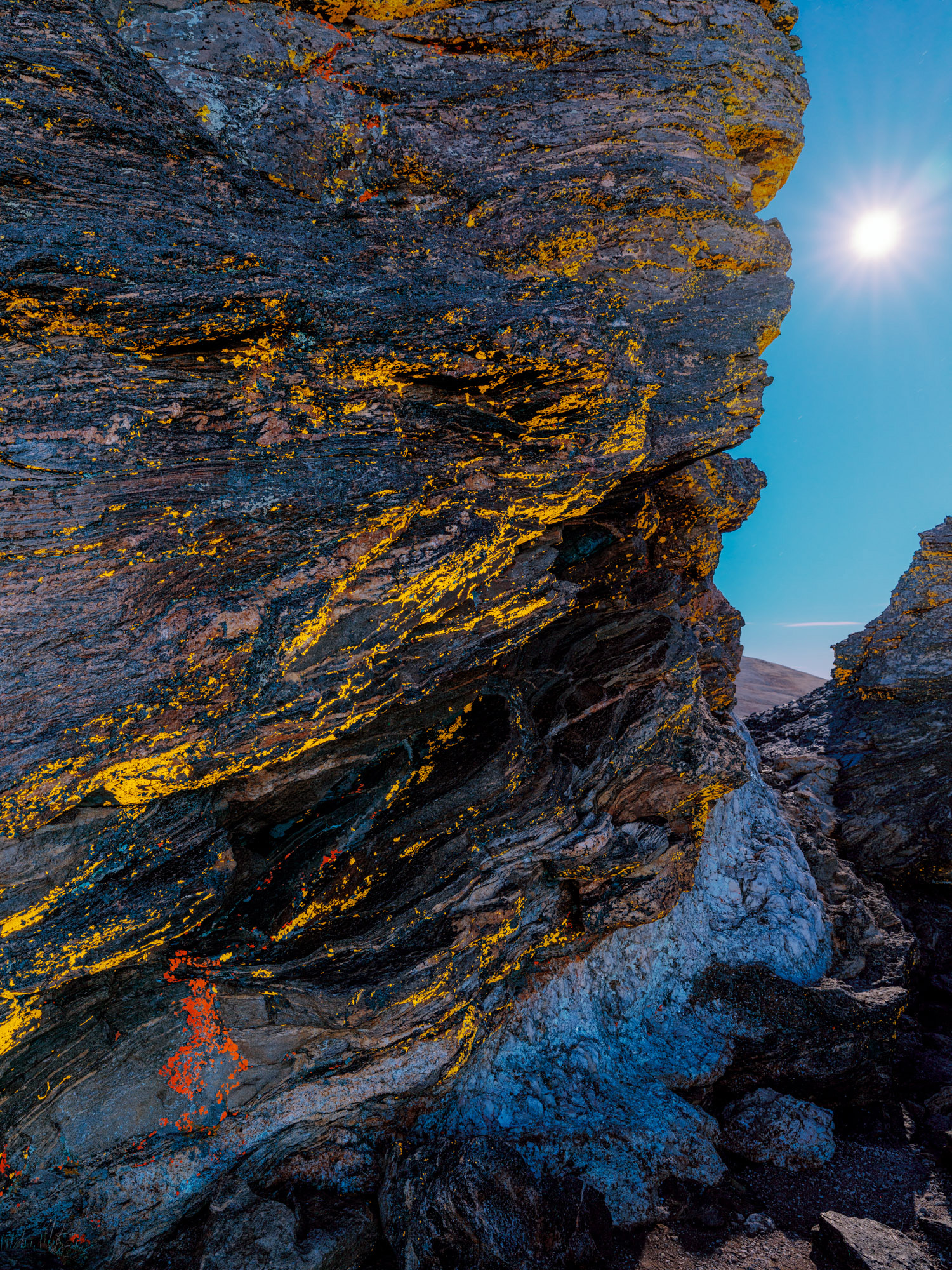
Rocky Mountain National Park.
©CODY COBBThen Cobb took out a small ultraviolet flashlight, turned it on, and pointed it toward the granite and gneiss outcrops in front of us. All of a sudden, what had been a black canvas a moment earlier turned into a radiant mural: The rock face was now laced with streaks of gold and dappled with large and small azure patches, and a scarlet figure reminiscent of a pictograph danced near the ground.
“It’s there all the time,” Cobb said. “We just can’t see it unless you use a UV source to provoke it.”
The stunning display was produced primarily by fluorescent lichens. This phenomenon is similar to phosphorescence, but unlike phosphorescent substances, which retain their luminescence for some time after being exposed to light (think glow-in-the-dark toys), fluorescent materials stop glowing as soon as the light source goes dark. (Bioluminescence is the light produced by chemical reactions within living organisms, such as fireflies and many marine animals.)
Scientists still have plenty of questions about what fluoresces and what doesn’t — it wasn’t until three years ago that a study of 125 mammal species concluded that they all glowed under UV light, for instance. After years of practice, Cobb now knows about the fluorescence of things such as algae, dead trees and lichens — but he keeps being surprised by the spectacles he encounters during his nighttime wanderings. “I like the fact that I don’t know exactly what is going to show up,” he said.
UV light — also known as black light — can be used for a range of purposes including crime scene analysis and the detection of pet urine stains. At first, Cobb also employs black light as an investigation tool, spending time searching for a potential fluorescent tableau. Once he has found one and set up his tripod and digital camera, the light becomes a paint brush of sorts. For the duration of his minute-long exposures, he sweeps the scene with the beam of his light in an oscillating motion. “There’s this physicality,” he said. “It’s like performance art or something.”
Originally from Louisiana, Cobb moved a couple of decades ago to Seattle where he worked in computer graphics and animation. He had spent virtually no time in nature until then, and he had a revelation during a trip to Mount Rainier National Park. “I’d never seen anything of that scale,” he said. “I’d never really experienced awe before.”

Nature’s Night Lights
After the sun sets, the bioluminescent show on Tomales Bay begins.
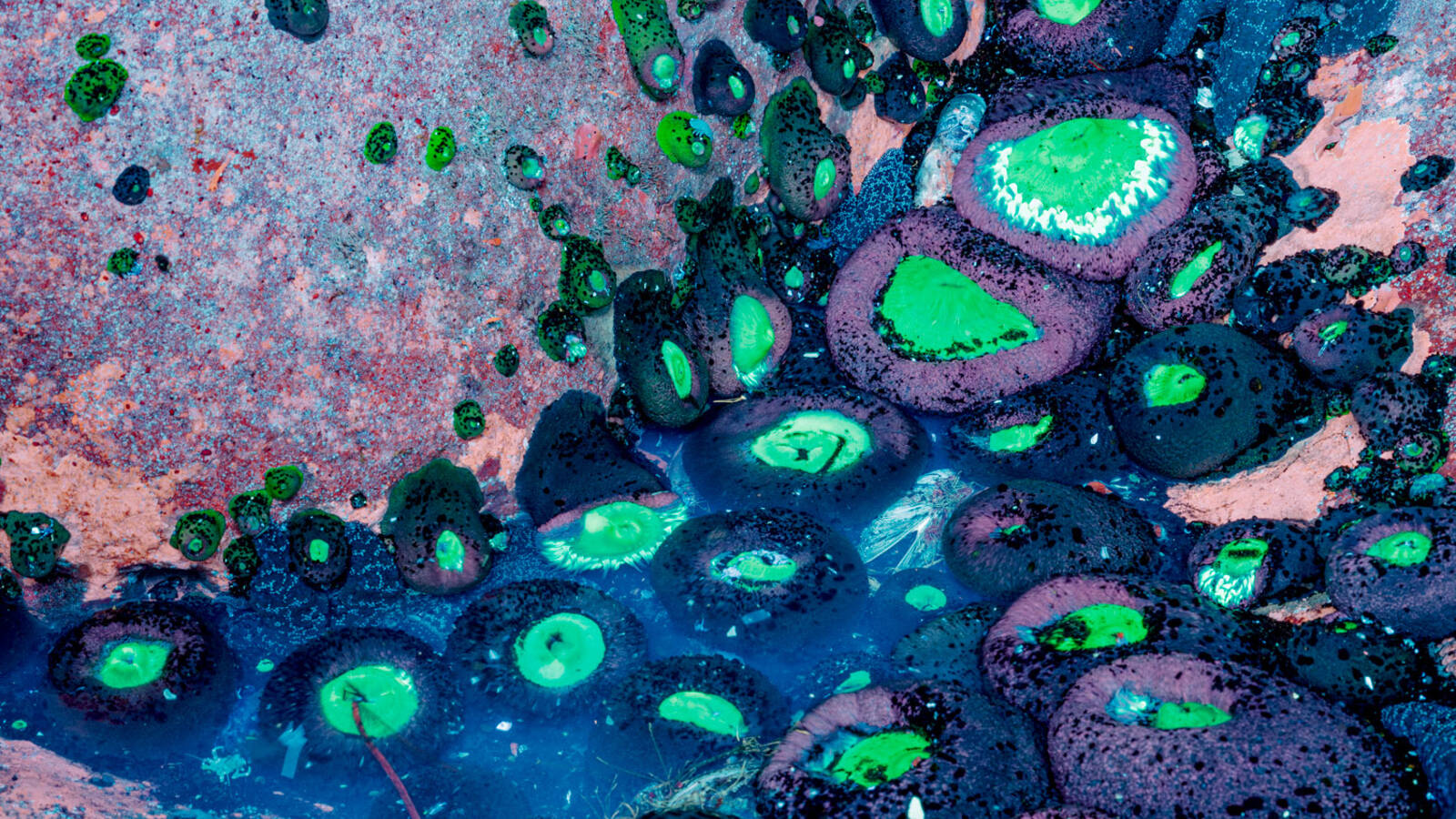
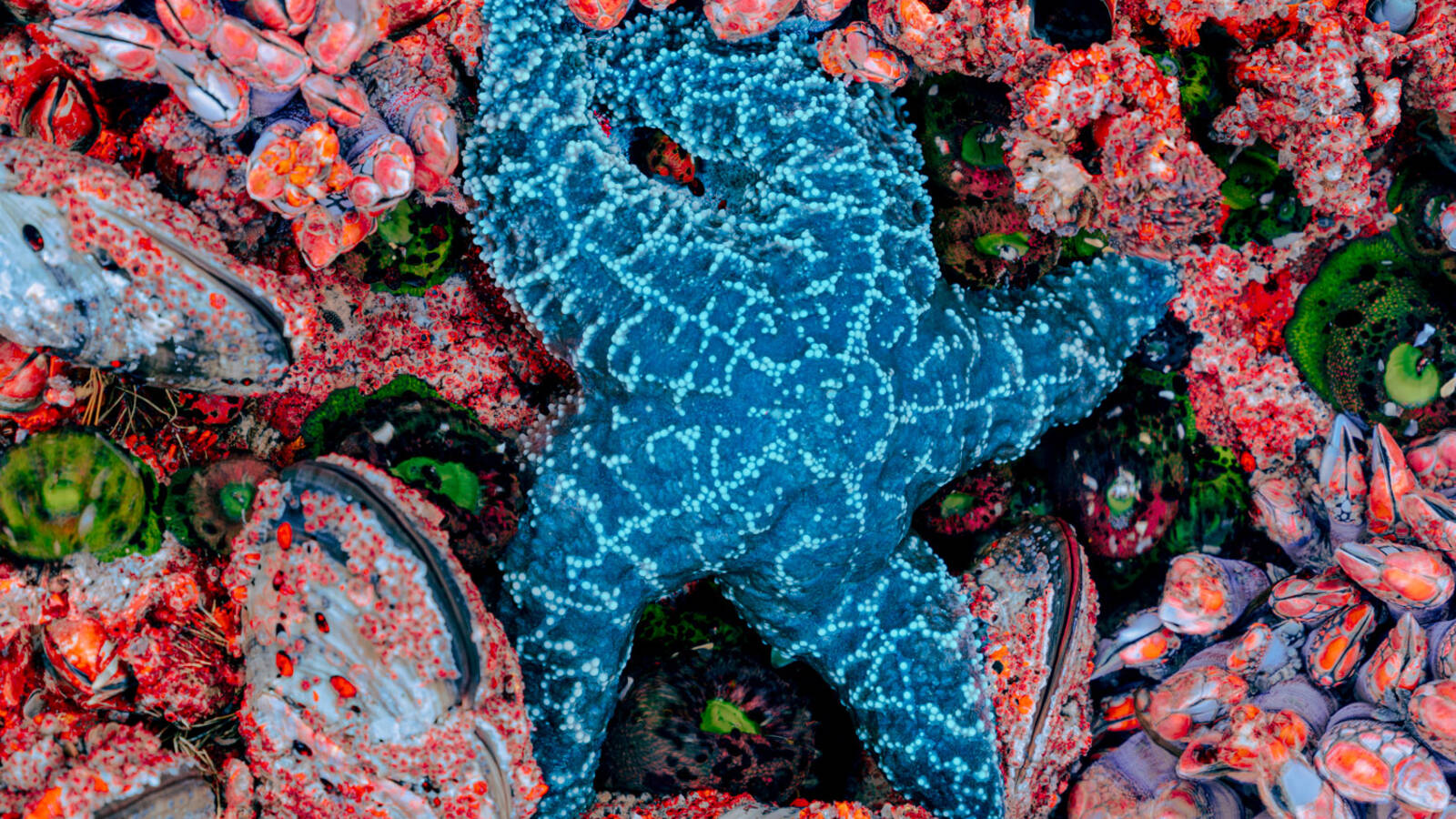
See more ›Cobb kept venturing into the wild, and at some point, he decided to bring a camera along. He sought to capture his solitary experiences, often in the sparse, mineral landscapes of the American West. Eventually, he began exhibiting his work in art galleries and shooting for magazines. Then several years ago, Cobb purchased a black light for a commercial photography project involving fluorescent flowers. Out of curiosity, he took the light outside and, after discovering that plenty of other natural objects fluoresce, he started assembling a collection of images he titled “Spectral.” (See a national park-focused selection of these images in this photo essay.) Some of Cobb’s subjects, such as Joshua Tree’s eponymous yuccas or Olympic’s tide pools, may be familiar to parkgoers, but through his camera lens — and in the glow of his black light — they become otherworldly.
Cobb’s photographs are also distinguished by the clarity of their lines and focal points, a quality that stems in part from his design background. “One of the hardest things about making calm landscape photography is reducing the chaos down to these calm moments without being too minimal and too boring,” he said.
Sometimes, though, the chaos is difficult to tame. Other times, Cobb feels like he’s fighting against bright moonlight or other sources of ambient light that threaten to wash out any fluorescent hues.
“I’m in such little control of everything,” he said. “All I can really do is go, put myself there and see what happens.”
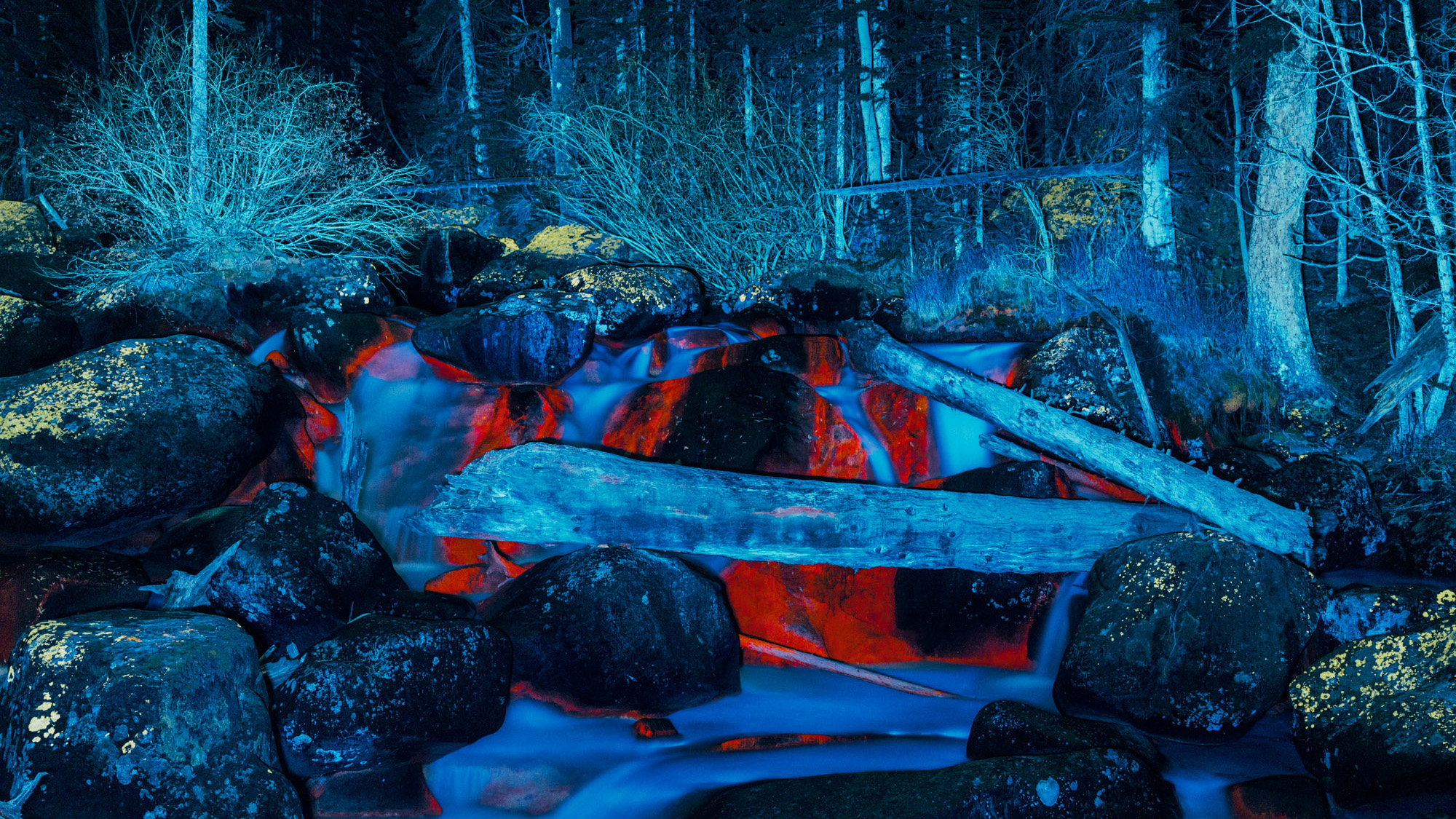
Rocky Mountain National Park.
©CODY COBB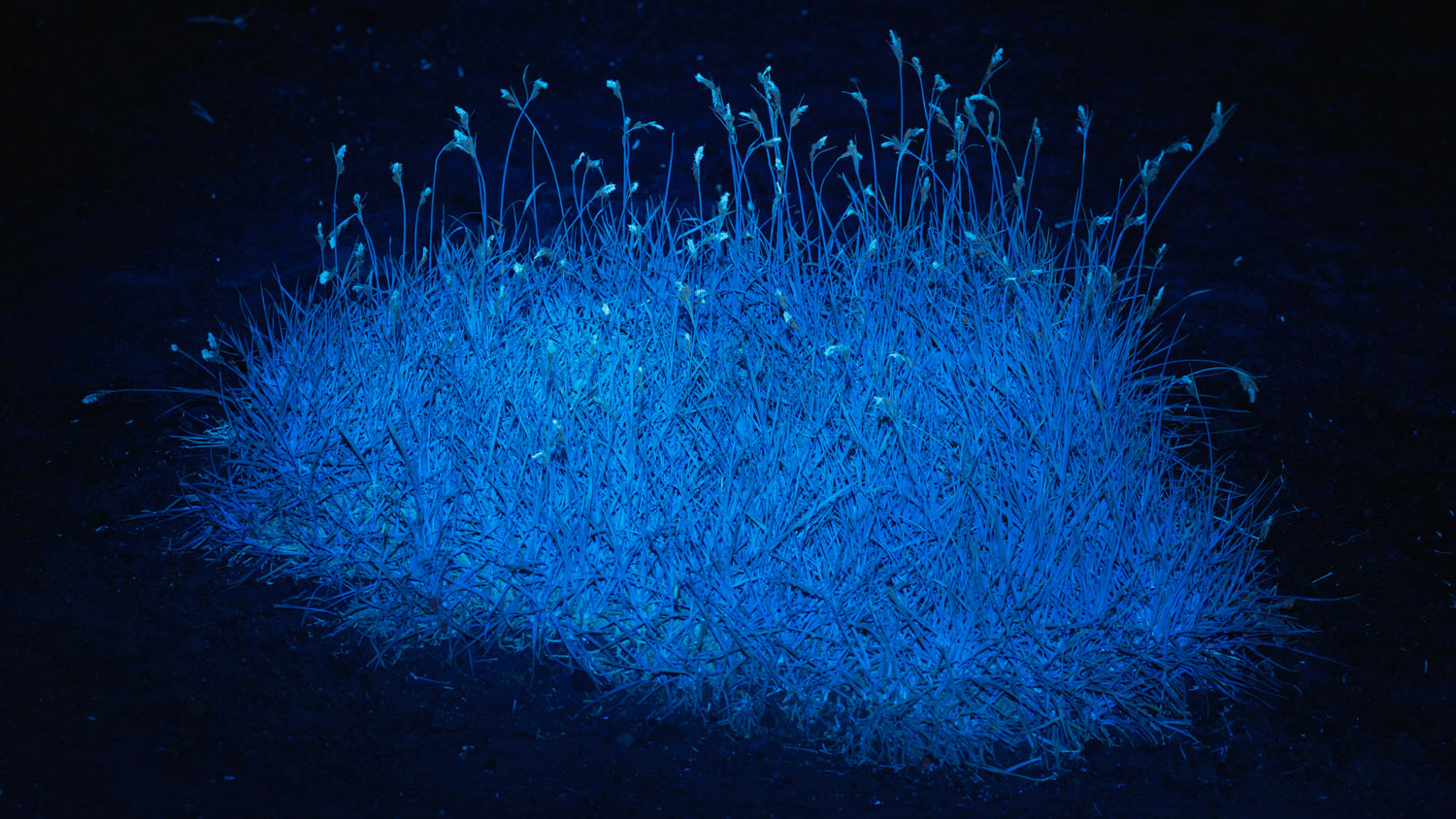
Mount Rainier National Park.
©CODY COBB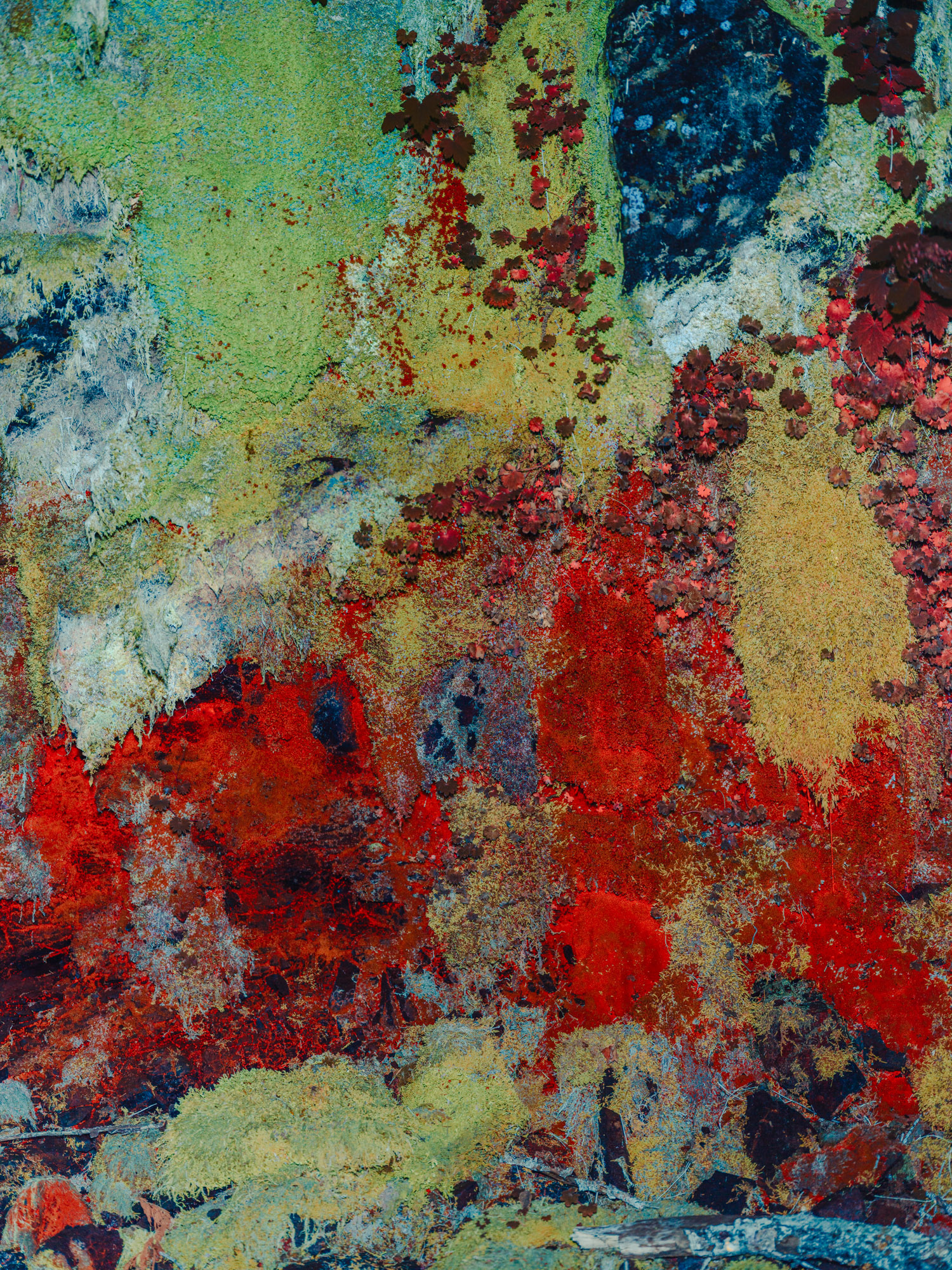
Mount Rainier National Park.
©CODY COBB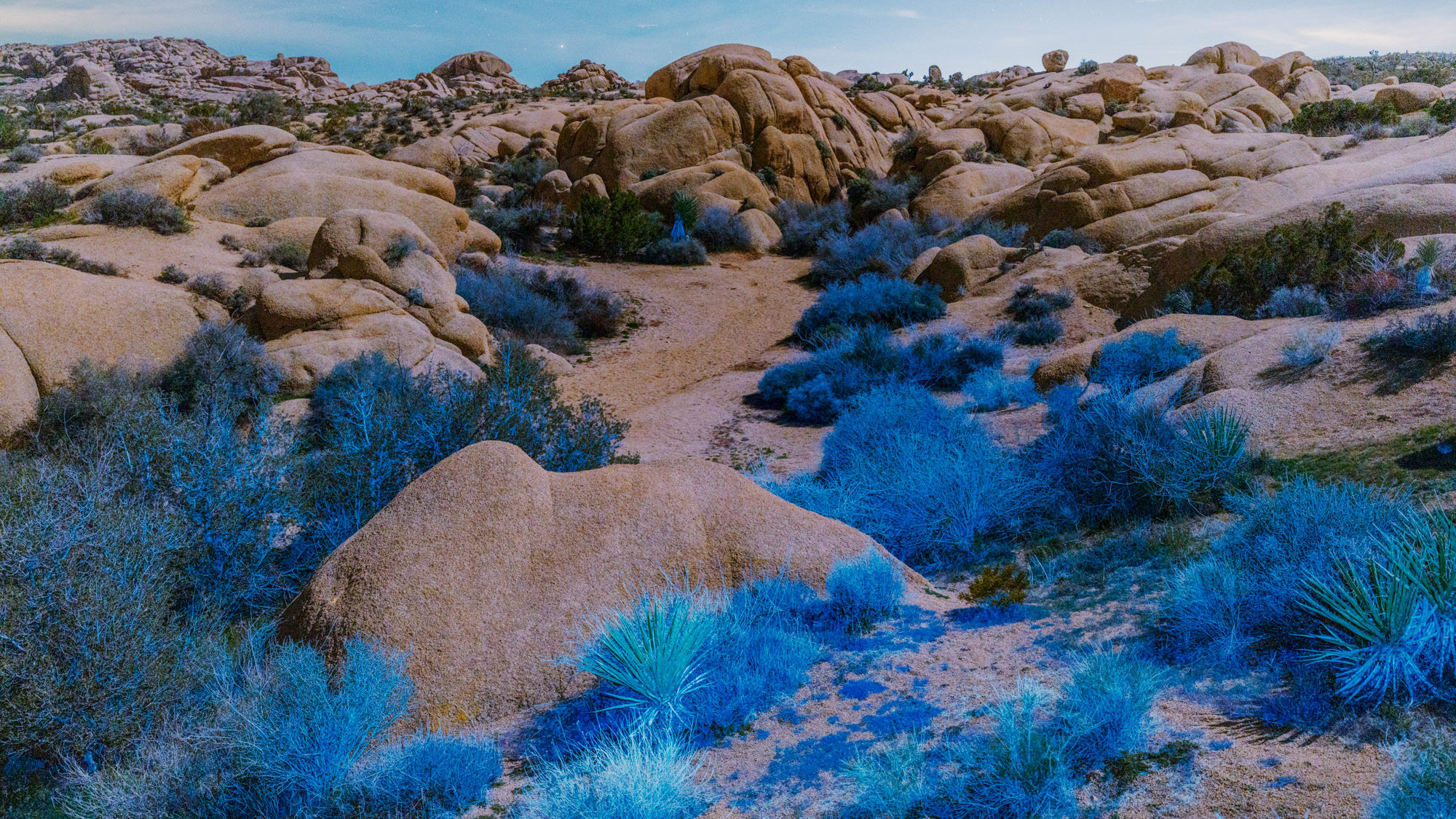
Joshua Tree National Park.
©CODY COBB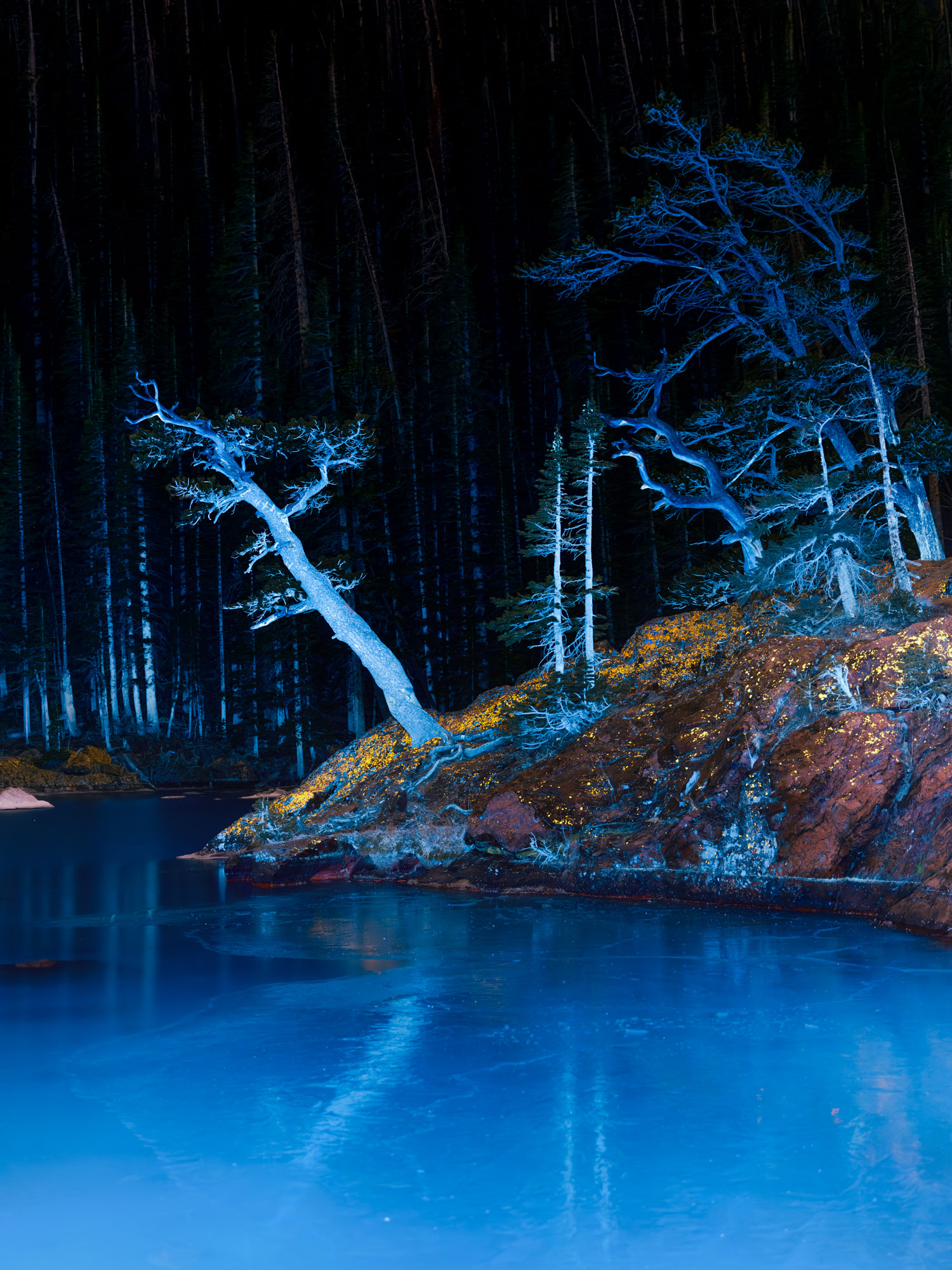
Rocky Mountain National Park.
©CODY COBB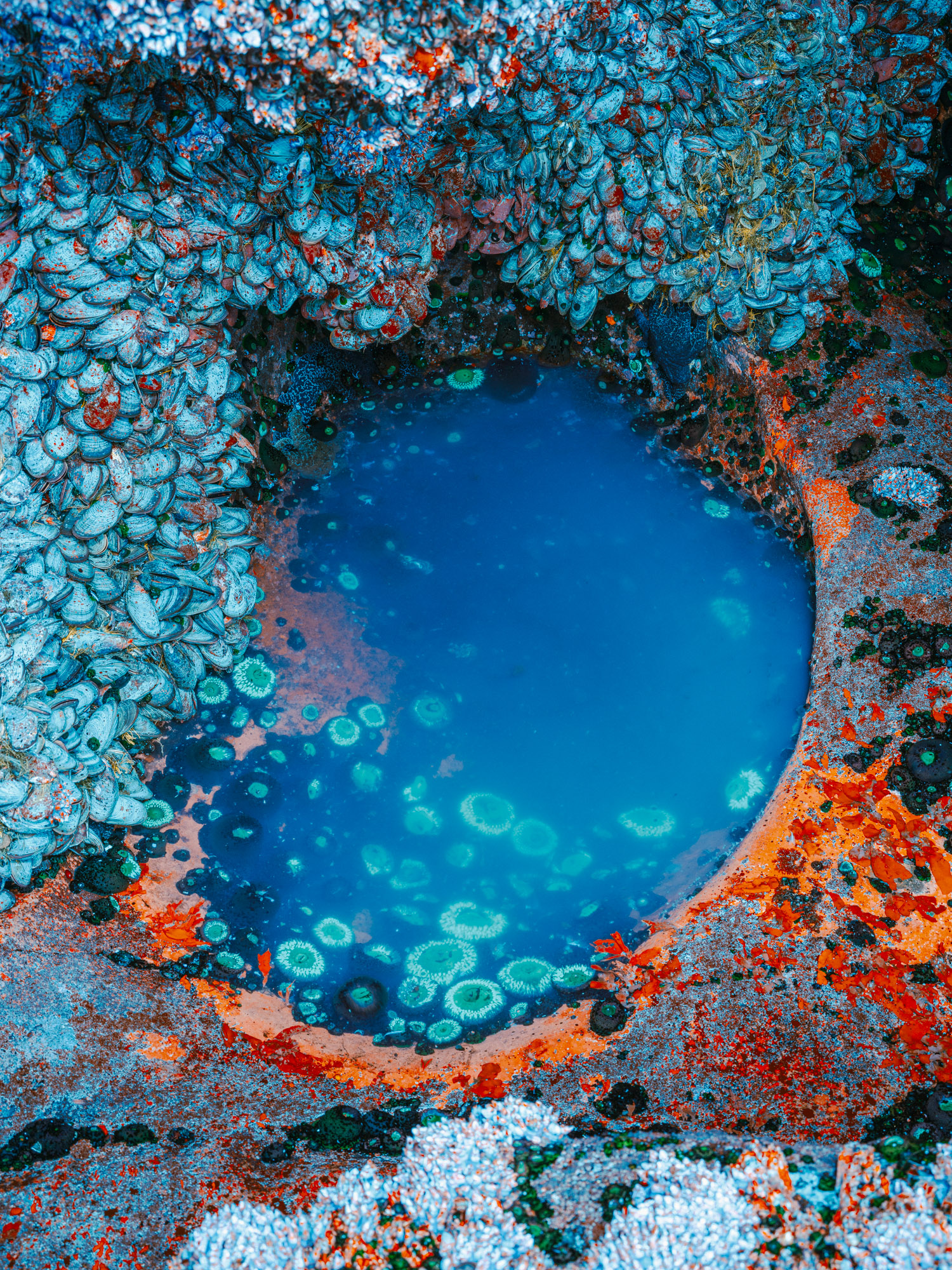
Olympic National Park.
©CODY COBB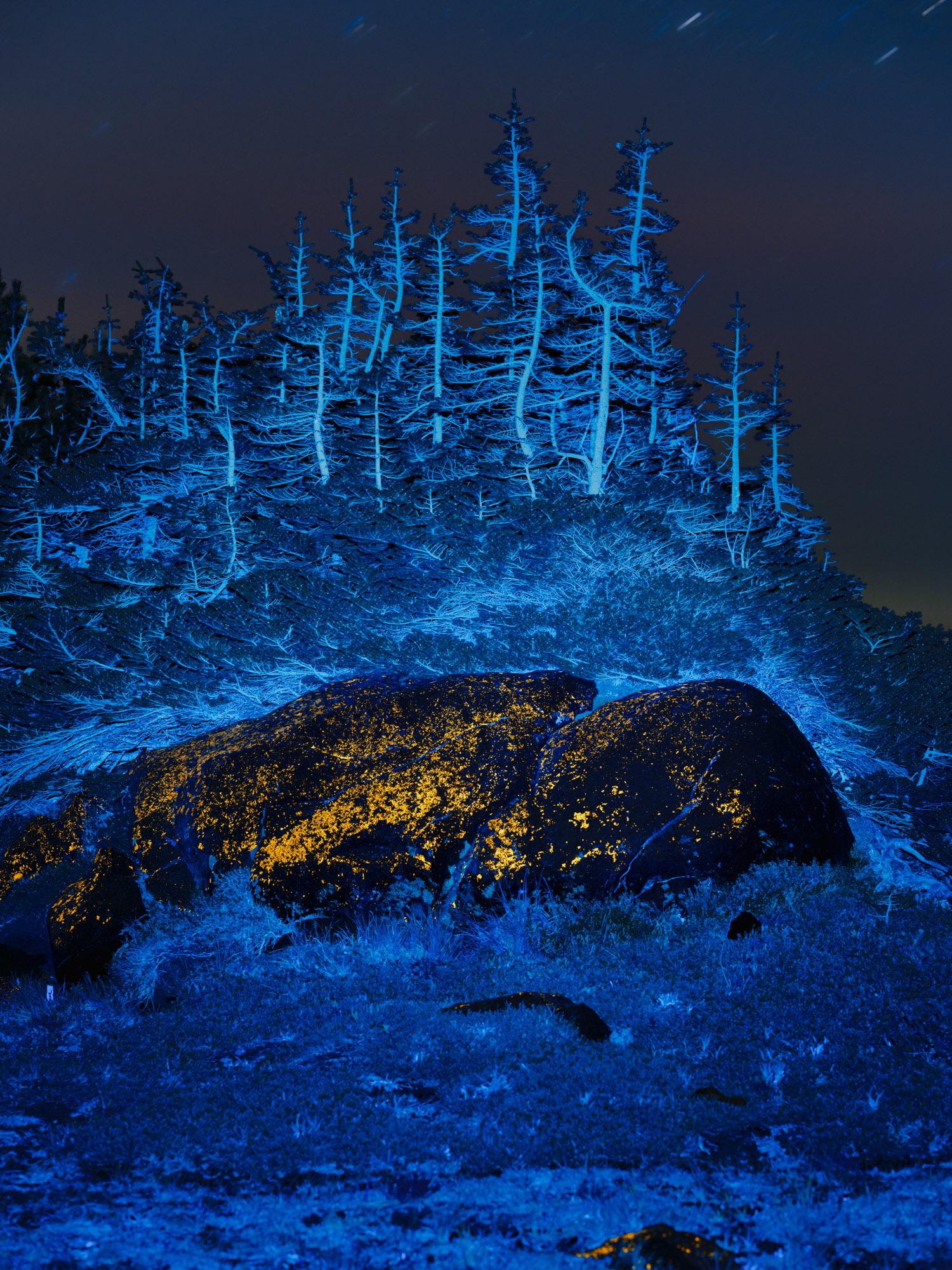
Mount Rainier National Park.
©CODY COBB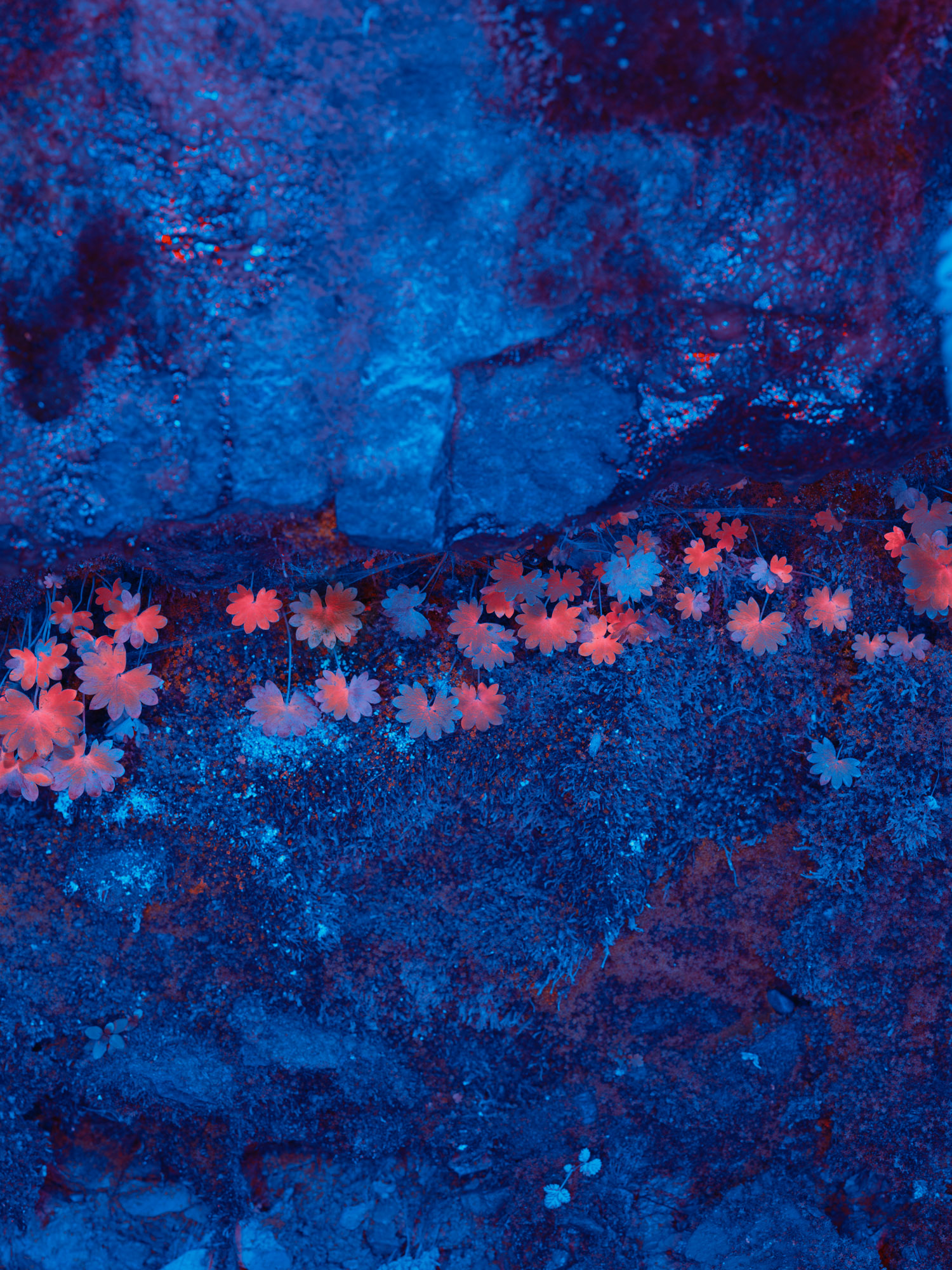
Mount Rainier National Park.
©CODY COBBRocky Mountain National Park.
©CODY COBBMount Rainier National Park.
©CODY COBBMount Rainier National Park.
©CODY COBBJoshua Tree National Park.
©CODY COBBRocky Mountain National Park.
©CODY COBBOlympic National Park.
©CODY COBBMount Rainier National Park.
©CODY COBBMount Rainier National Park.
©CODY COBBTo view more of Cobb’s fluorescent images, visit codycobb.com/spectral.
About the author
-
 Nicolas Brulliard Senior Editor
Nicolas is a journalist and former geologist who joined NPCA in November 2015. He serves as senior editor of National Parks magazine.
-
Press Release
Atrocious Reported Changes to the ESA Could Threaten Extinction to Park Wildlife, Wild Nature
"This memo appears to suggest that it’s no longer the purpose of the ESA to ensure animals such as grizzly bears, North Atlantic right whales, or Florida panthers are protected"…
-
Press Release
First Mining Claims Filed in Lands Cut from Bears Ears National Monument
"National park units and their surrounding landscapes are no place for energy development, but outdated laws elevate mining above all other uses on these lands. We will continue to fight…
-
Press Release
Groups File Injunction to Stop Development at West Potomac Park
“West Potomac Park is treasured green space and we will not stand for the unlawful destruction of public lands that belong to all of us."