Photo © Franky/Dreamstime.
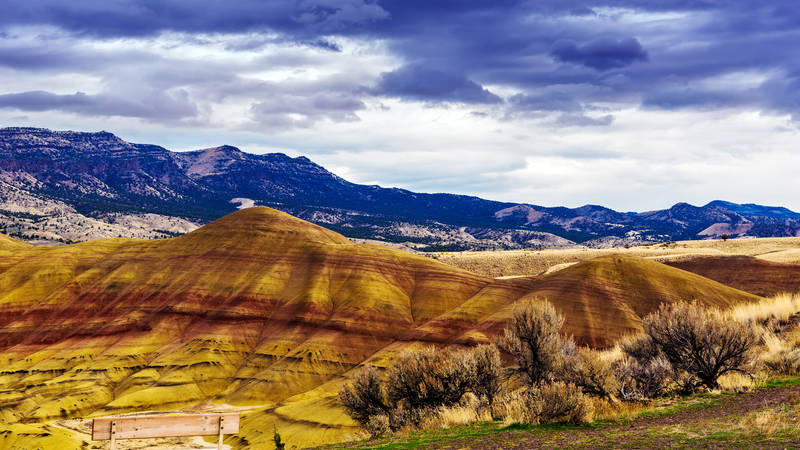
The Painted Hills, one of three park units that make up John Day Fossil Beds National Monument, are home to some of the rarest paleontological features in North America that tell a unique story of changing climate, and plant and animal life over millions of years. Through collaborative restoration and shared stewardship, NPCA and its partners are working to reconnect lands, strengthen the monument, and ensure that this remarkable landscape is permanently protected.
Park
John Day Fossil Beds National Monument
Some 54 million years ago, this entire region of Oregon lay beneath the Pacific Ocean. Within the striated rock, scientists have found fossilized evidence of more than 2,200 plants and…
See more ›John Day Fossil Beds National Monument is among the most scientifically important landscapes in the National Park System.
Scientists come here to study the extraordinary fossil records that document over 2,200 plants and animals. The monument protects 50 million years of fossil and evolutionary history, making it the longest fossil record preserved anywhere in our national parks.
These incredible scientific and cultural resources don’t end at the monument’s boundaries. Today the monument faces mounting threats both inside and outside the park, including invasive plants spreading across the landscape increasing wildfire risk, and a patchwork of public and private ownership of lands just outside the park is drawing incompatible uses closer to these fragile fossil beds.
A Collaborative Approach to Protecting the Painted Hills
In 2025, NPCA launched the Greater Painted Hills Collaborative, a partnership of federal, state, Tribal, and local land managers to coordinate rangeland and habitat restoration projects across more than 500,000 acres of Oregon’s high desert.
These lands surround and connect the three units of John Day Fossil Beds, provide critical habitat for wildlife like bighorn sheep on the rugged rocks of Sutton Mountain, and host salmon and steelhead in streams that flow into the John Day Wild and Scenic River.
Together, the Greater Painted Hills Collaborative will work to restore lands, waters, and wildlife across public and private lands to help protect Oregon’s iconic landmark.
A Landscape of Wonder
Blog Post
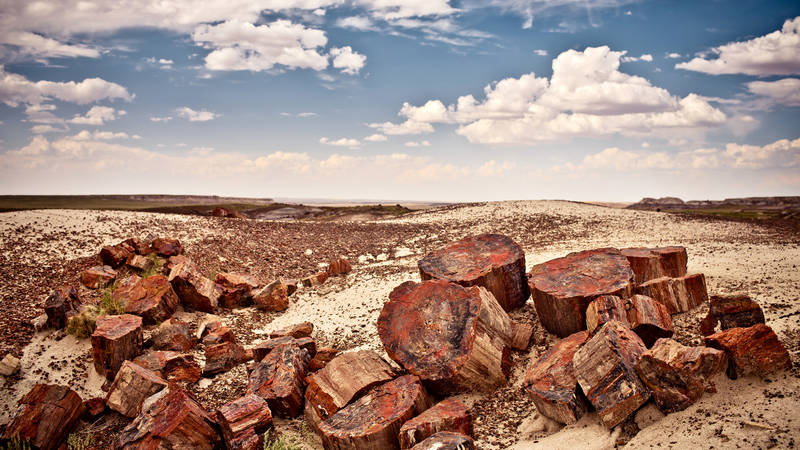
6 National Parks That Will Benefit from New Fossil Protections
In early September, the Interior Department implemented a long-awaited rule that will protect fossils from theft and loss on hundreds of public lands, including national park sites. Here are just…
See more ›Protecting the Greater Painted Hills landscape will ensure future generations can connect with the natural world, learn from Earth’s climate history, and inherit a landscape that documents millions of years of life on Earth.
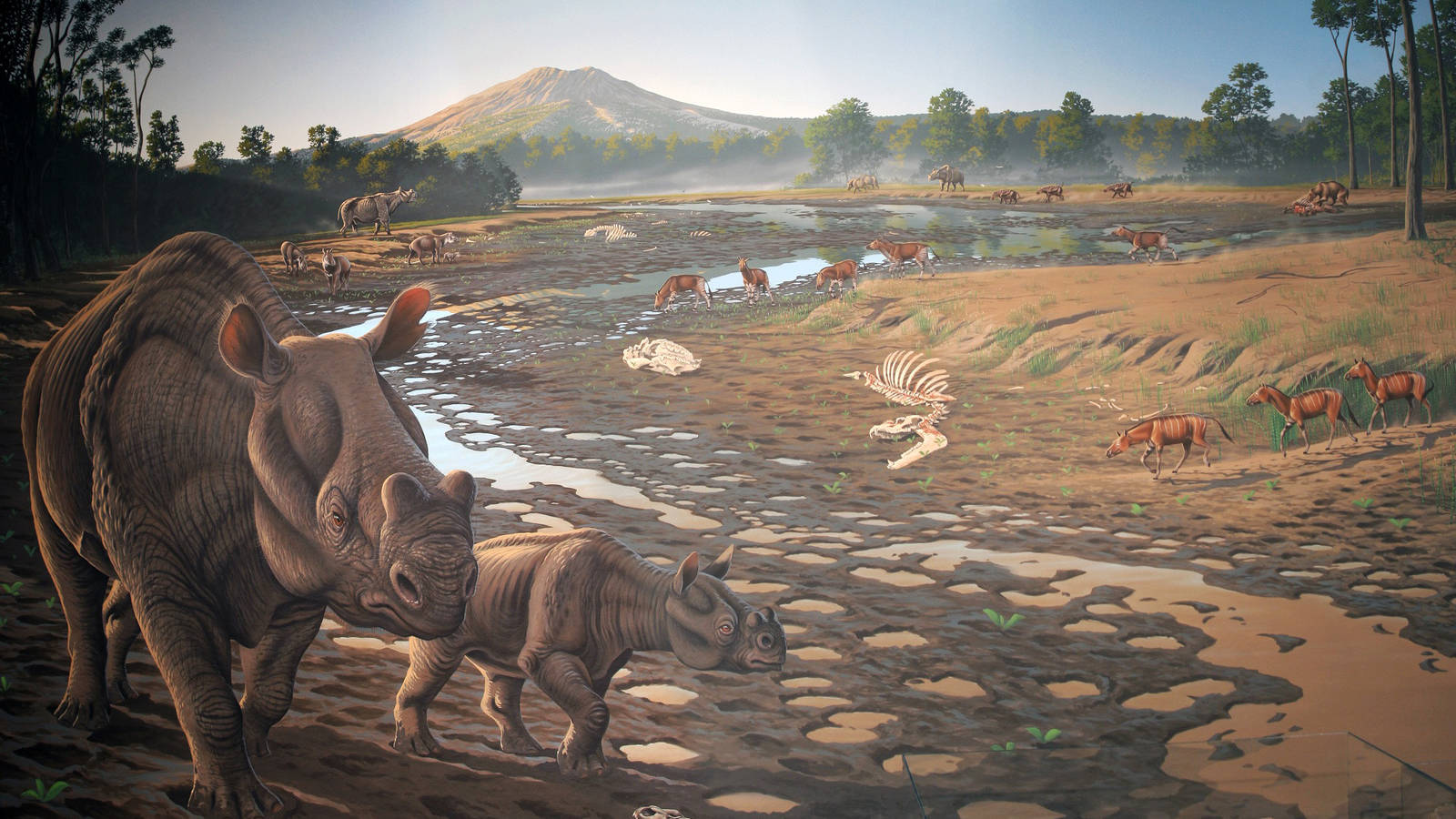
A Living Fossil Record A prehistoric giant pig? A herd of horned ‘thunder beasts’? Experts from around the world come to this park to study the unique fossils found here and protected in the delicate soils. The park’s visitor center teaches visitors about our planet’s evolutionary history and displays hundreds of fossils from the Cenozoic Era, including prehistoric alligators, horses, bears, and more. The record here reveals great shifts in temperature and rainfall that may reveal clues to the planet’s climactic cycles.
A Refuge for Oregon’s High Desert Wildlife Wildlife found inside the monument often live, migrate, and find food and shelter in the surrounding landscapes. In places like neighboring Sutton Mountain, the largest intact expanse of public land in the lower John Day River Basin, visitors can find mule deer, Rocky Mountain elk, bobcats, birds, eagles, pronghorn, sage grouse, and more. The Oregon Department of Fish and Wildlife has identified Sutton Mountain as a priority habitat to bring bighorn sheep back to the area. Restoration work here is strengthening this habitat for the future, helping to conserve the ‘sagebrush sea’ of eastern Oregon.

Magazine Article
Time Travel
An illustrated journey through John Day Fossil Beds National Monument.
See more ›Protecting Cold, Clear Streams The monument lies within the watershed of the John Day River, a designated wild and scenic river that is the longest undammed tributary to the Columbia River. The area supports clean water for salmon and steelhead that helps to sustain these species, supports fishing and recreation, and protects clean water for communities downstream.
Tribal Stewardship and History Tribal nations have deep, longstanding connections to this landscape, and collaboration rooted in Tribal involvement and knowledge is key to restoring and stewarding this region. John Day Fossil Beds are located on the original homelands of the Confederated Warm Springs Tribes and the Northern Paiute peoples.
Restoring the Painted Hills through Partnership
The Painted Hills are widely recognized in travel guides as one of Oregon’s ‘Seven Wonders,’ and restoration work is supporting the state’s rich outdoor heritage and strengthening local economies. Through collaborative restoration and shared stewardship, NPCA and its partners are working to reconnect lands, strengthen the monument, and ensure that this remarkable landscape is permanently protected.
SPOTLIGHT
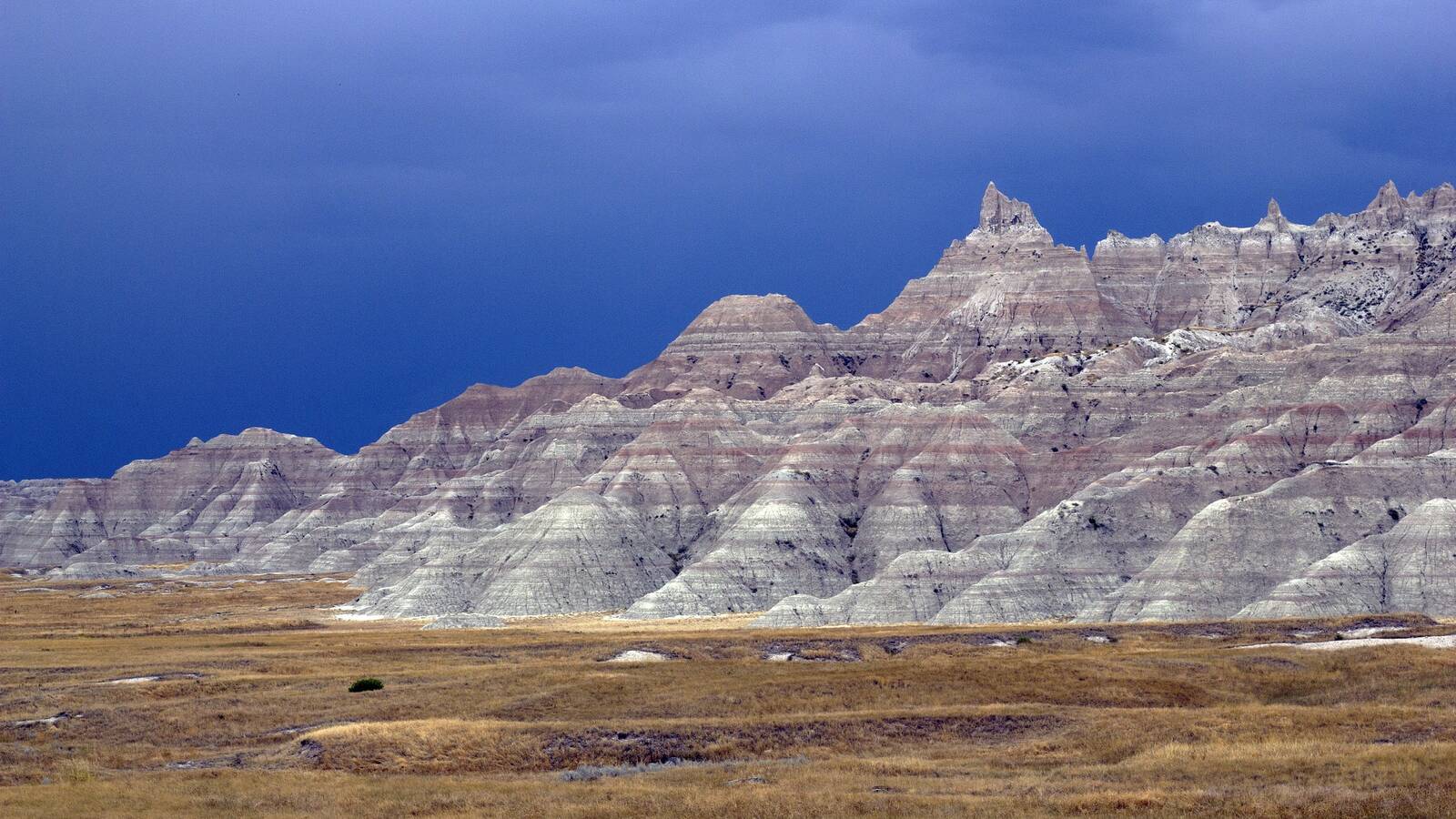
NPCA is dedicated to ensuring that all NPS resources are adequately protected and that includes the paleontological and geological heritage represented in nearly 300 units across the United States — they complement the living landscapes in which they reside.

Sign Up
Get Action Alerts
Want national parks in your inbox? Sign up for NPCA email updates to receive news, features, and opportunities to make a difference! You can unsubscribe at any time.