As Fat Bear Week 2026 begins, a proposed mining project in Alaska threatens the future of brown bears.
As summer turns to fall in Alaska, people and wildlife are preparing for winter — especially brown bears who must plump up for the long, dark season to come. The National Park Service’s Fat Bear Week is upon us, but the long-term heft and health of these champion eaters is coming to a crossroads.
It’s just a short flight across Cook Inlet from Anchorage to the sweeping landscapes, mountainous volcanic terrain and abundant wildlife of Lake Clark National Park and Preserve and Katmai National Park and Preserve. These two parks host some of the largest concentrations of brown bears in the world. Katmai, most famous for Fat Bear Week, is once again celebrating the maximum plumpness of these giant bruins. Watch the live cam
Cast Your Vote
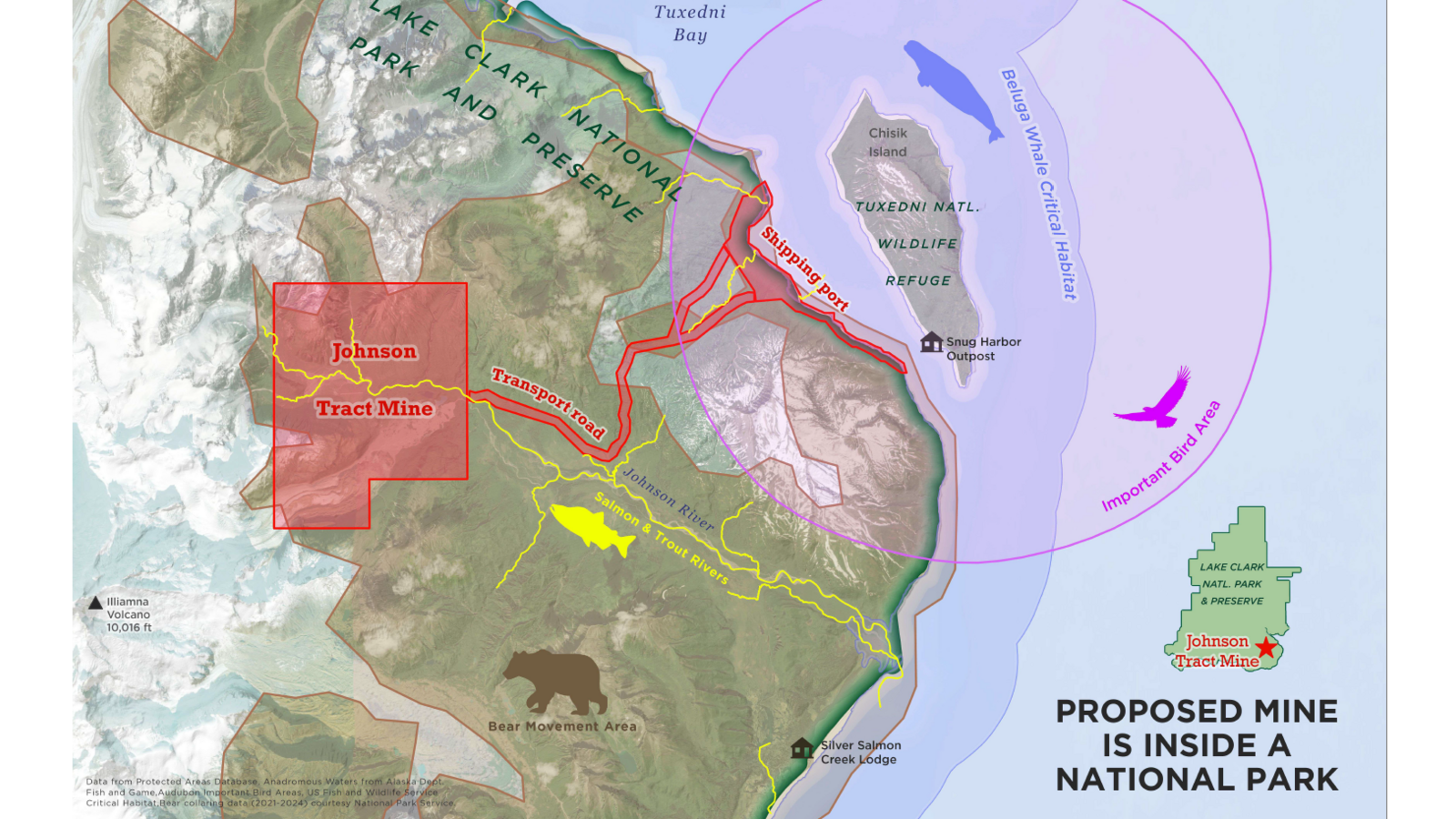
Few people know that these fat bears face an ominous threat from the proposed Johnson Tract mine, which would be located inside Lake Clark National Park and Preserve — a lesser-known secret of the Bear Coast north of Katmai.
For decades, Cook Inlet Region Inc. (CIRI), an owner of private land within Lake Clark, has worked to advance a disastrous mine on the landscape. This effort to mine stems from the Alaska Native Claims Settlement Act (ANCSA) of 1971, which led to the 1976 Cook Inlet Land Exchange, in which CIRI gained ownership of 21,120 acres, known as the Johnson Tract. This area became a private inholding within the boundaries of Lake Clark National Park after the 1980 Alaska National Interest Land Claims Act (ANILCA).
Lake Clark National Park and Preserve would not exist without this land exchange. However, as part of the 1976 agreement, CIRI obtained the right to mine the minerals and negotiate right-of-way access across national park lands to get those minerals to market. Currently, CIRI has leased with Contango Silver and Gold mining company to explore and make preparations for becoming a fully fledged gold mine inside a national park. The mining company intends to build a road through national parklands to a deep-water port that would be built in critical habitat for endangered Cook Inlet beluga whales.
Last year, over 1.7 million people voted on which bear would be crowned Fat Bear Week Champion.
This would set a terrible precedent for our beloved national parks. This untouched landscape is like none other. I have visited this region multiple times and followed behind giant bears, watching them chase bubbles in the sand as they dig up and eat fresh razor clam dinners. I’ve sat on the giant driftwood of trees that once stood tall, listening to the sounds of the tide beating slowly upon the sand and watching the shorebirds look for their next snack. I have seen wolf tracks in the mud leading up the valley toward the future gold mine. I have fished in Tuxedni Bay where the proposed deep-water port would be built.
Everything in this landscape is at risk.
This proposed Johnson Tract gold mine is part of FAST-41, a government program that expedites federal environmental reviews and permits for large infrastructure and critical minerals projects.
NPCA stands with the No Johnson Tract Mine coalition, which was established to protect this place and its culture and wildlife. Under the 1970 National Environmental Policy Act, any major federal action that may significantly affect the environment requires an environmental impact statement. We are calling for the Army Corp of Engineers to undertake a full environmental impact statement for the proposed Johnson Tract mine — and, ultimately, to reject it.
The less intensive environmental assessment currently planned by the Army Corps would be woefully inadequate to analyze the harms of the Johnson Tract mine. A full extensive environmental review is necessary to contemplate the full range of alternatives that could reduce impacts to the park and Tuxedni Bay, including the no action alternative.
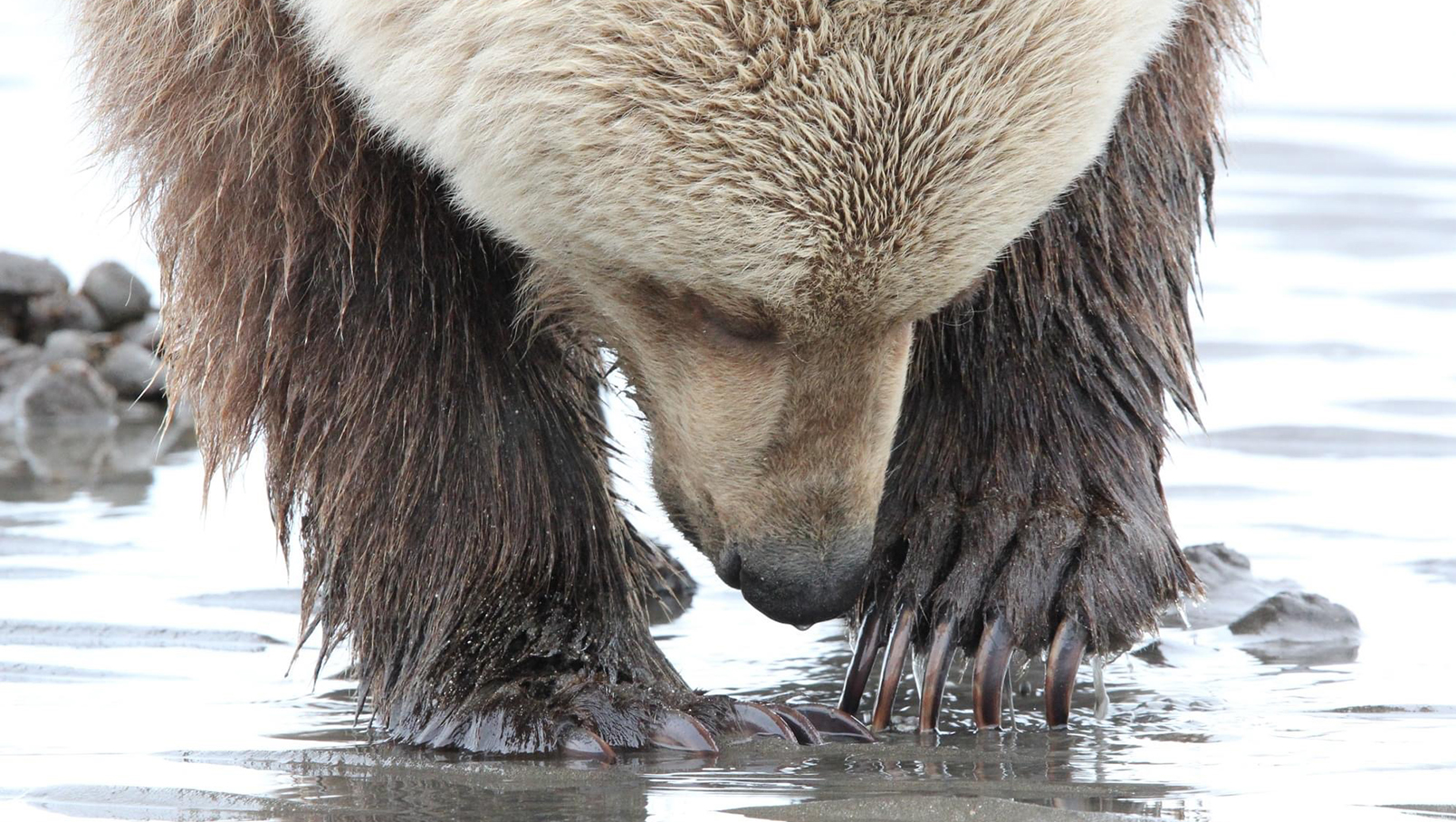
A brown bear digging clams at Lake Clark National Park and Preserve.
© Jen Woolworth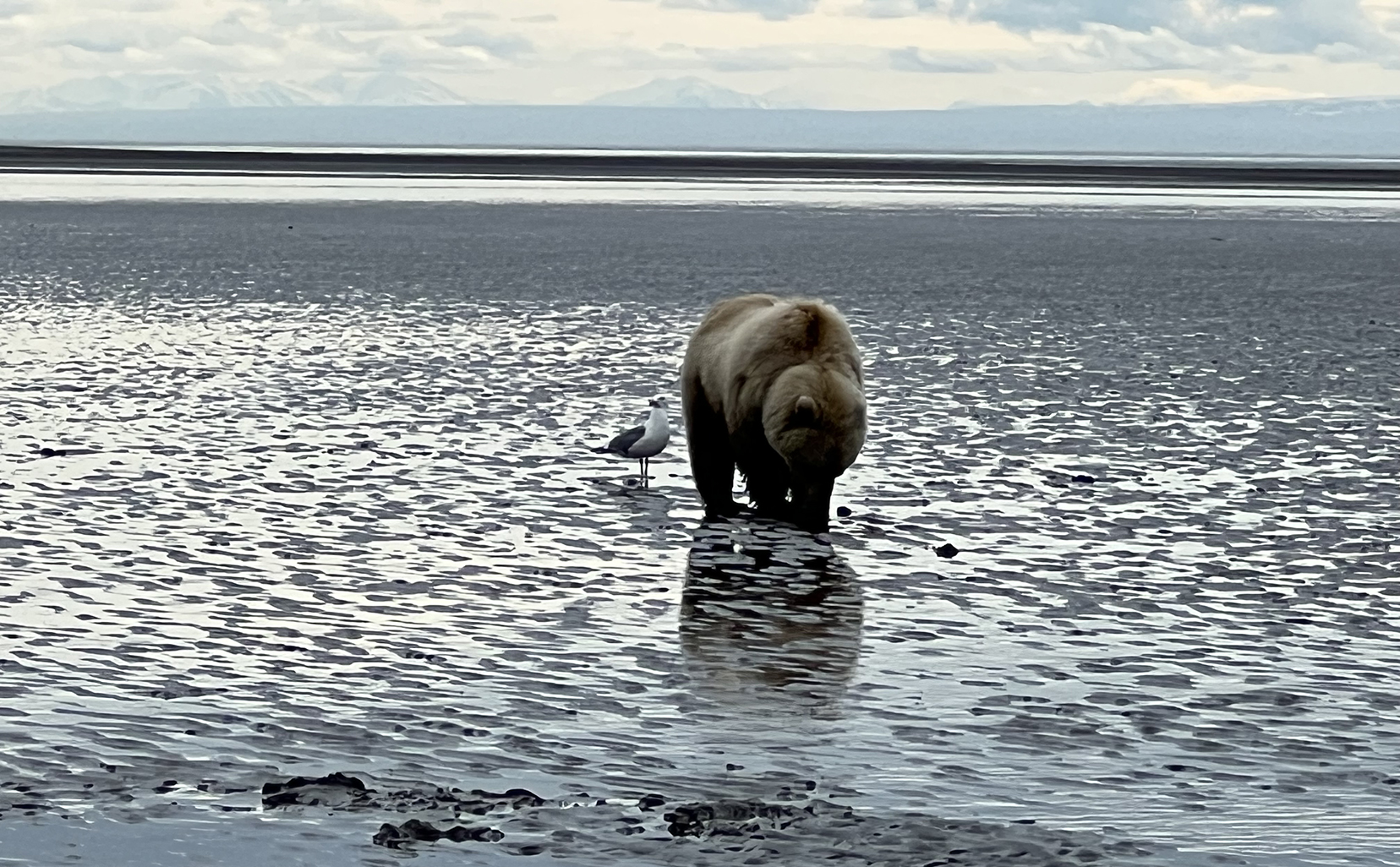
A brown bear digs up clams at Lake Clark National Park and Preserve, as a seagull keeps him company.
© Jen Woolworth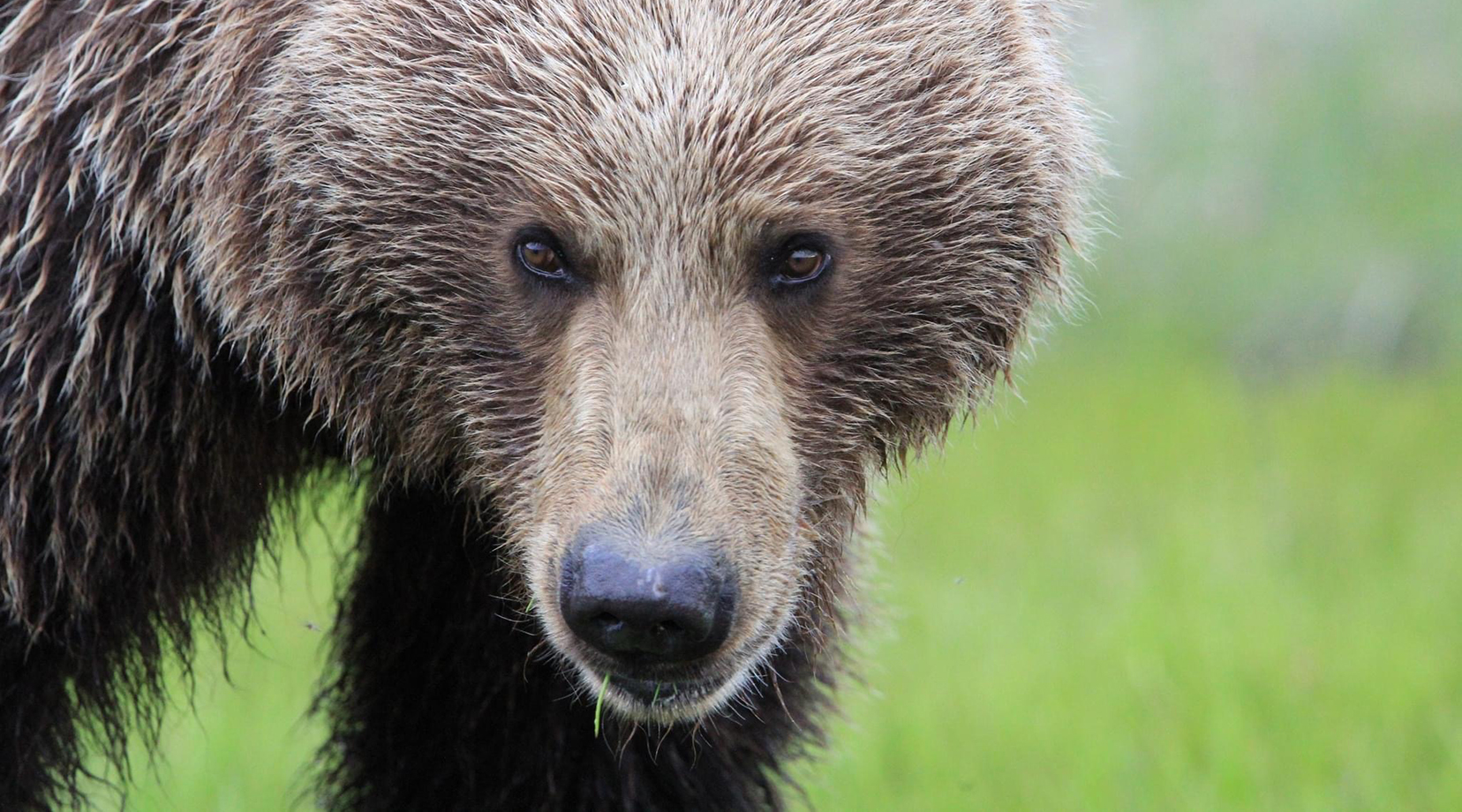
A brown bear at Lake Clark National Park and Preserve.
© Jen Woolworth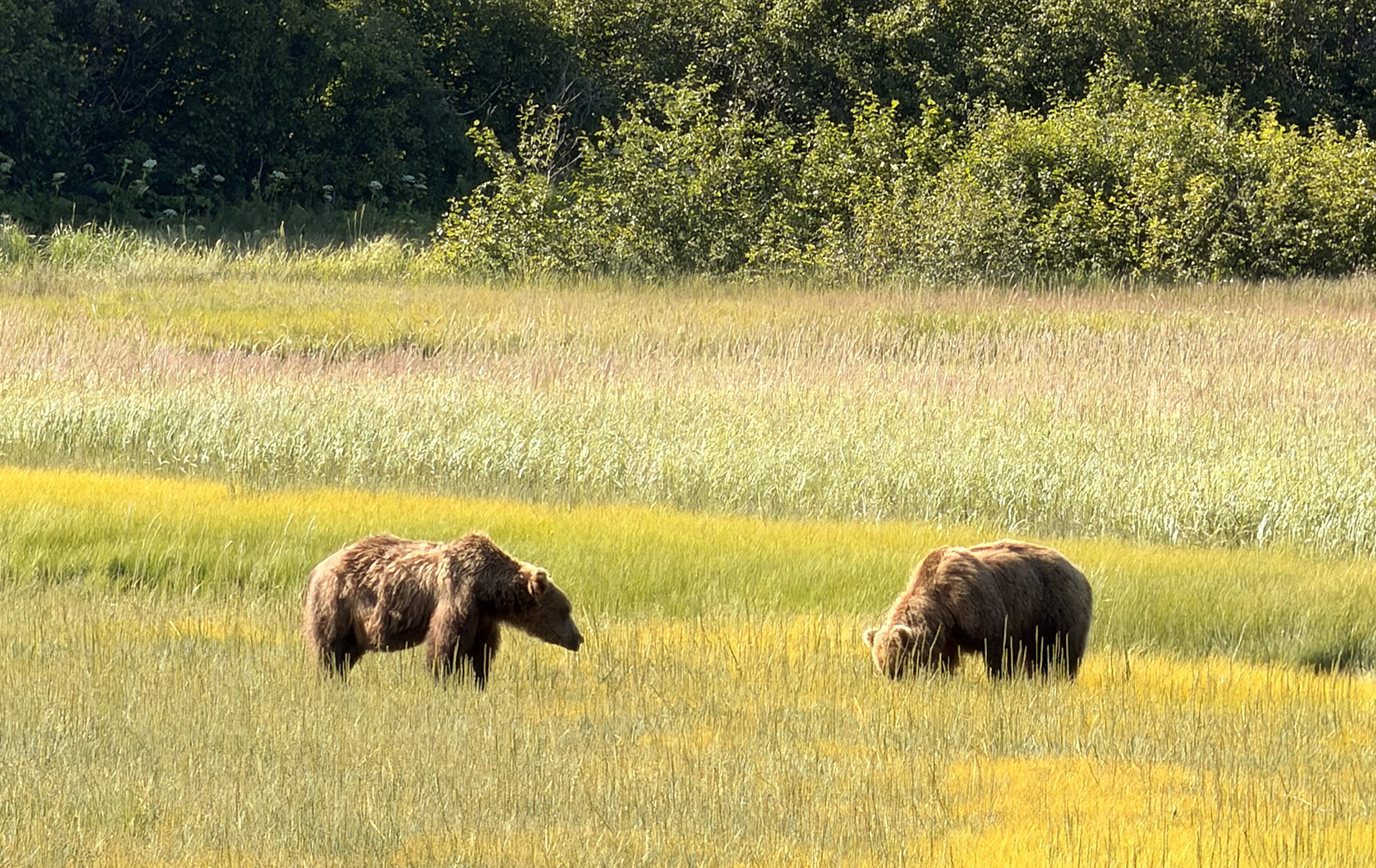
Two brown bears in a field at Lake Clark National Park and Preserve.
© Jen Woolworth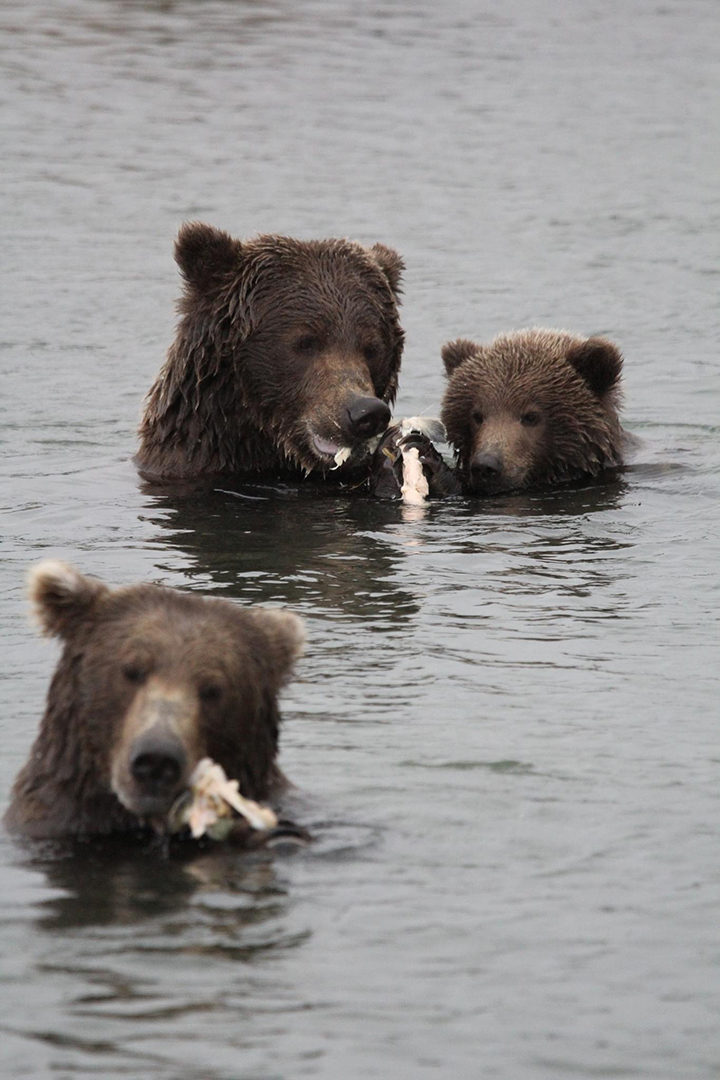
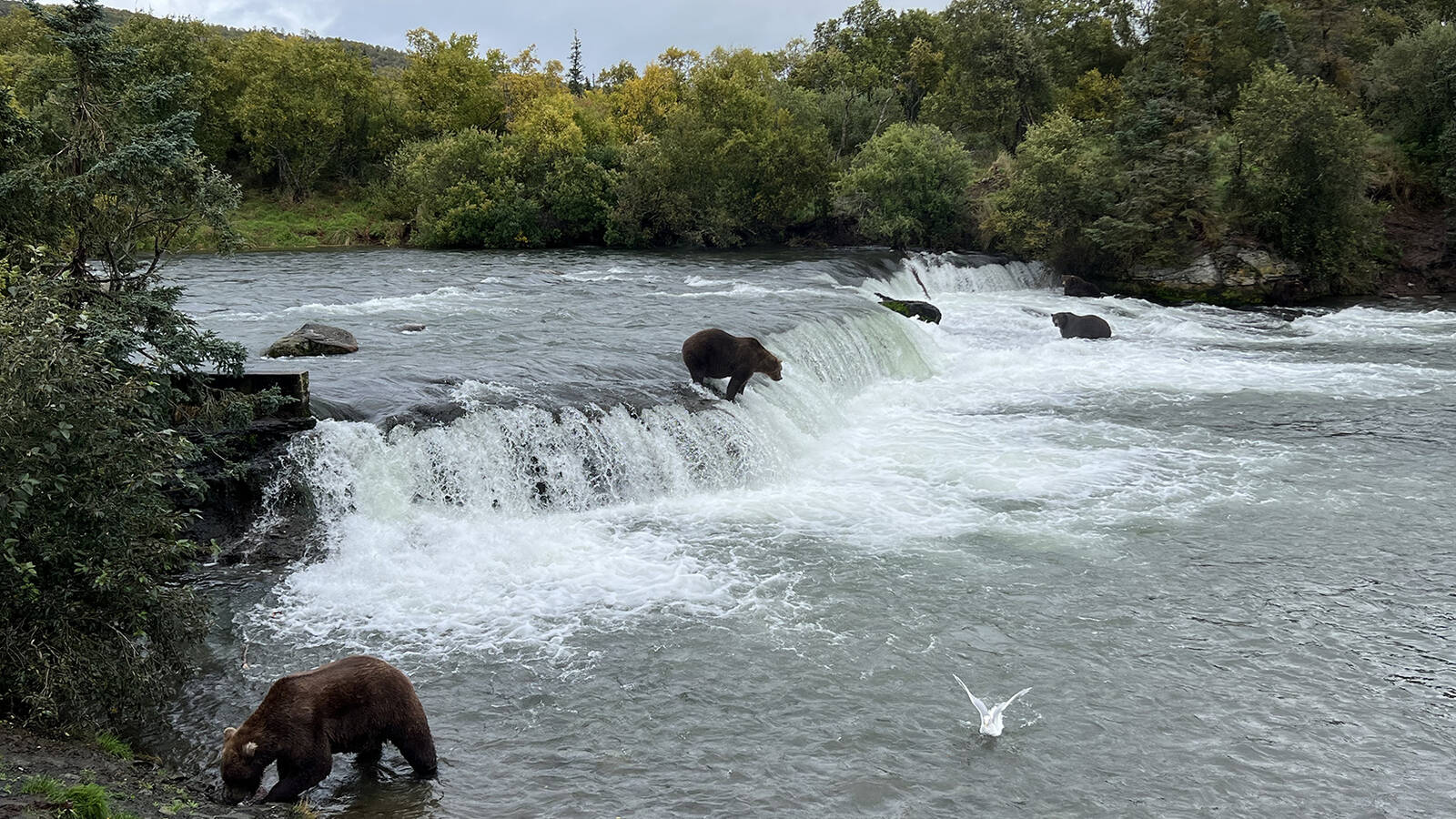
Brown bears feast on salmon at Katmai National Park and Preserve.
© Jen WoolworthIf we can’t protect Lake Clark, how can we protect its sister park, Katmai? I can’t picture walking on the beaches of the Bear Coast alone, with no bears in sight. Can you?
Fat Bear Week began in 2014. I fear the day when we are no longer able to celebrate this event that signifies the plentifulness of the ecosystem and the abundance of wild salmon running through our clean waters. And I’m not alone. Last year, over 1.7 million people voted on which bear would be crowned Fat Bear Week Champion. Our national parks were created to protect natural wonders just like this. We must ask ourselves: Do we want to live in a world where Fat Bear Week does not exist?
Stay On Top of News
Our email newsletter shares the latest on parks.
About the author
-
 Jen Woolworth Alaska Program Manager, Alaska
Jen works out of the Anchorage, Alaska office. Before joining NPCA Jen worked as a park ranger in several areas in Utah and Alaska.
-
General
-
- NPCA Region:
- Alaska
-
Issues


-
Press Release
Proposed Arctic Mine, Ambler Road Threatens America’s Largest Park Landscape
“All Americans should be outraged that our taxpayer dollars are being wasted to fund international companies that seek to destroy our country’s largest park landscape" -- NPCA Alaska Campaign Director…
-
Press Release
First Mining Claims Filed in Lands Cut from Bears Ears National Monument
"National park units and their surrounding landscapes are no place for energy development, but outdated laws elevate mining above all other uses on these lands. We will continue to fight…
-
Blog Post
FAQ: Border Destruction at Big Bend
The Trump administration destroyed parts of Big Bend National Park in August. We share updates, answer frequently asked questions and share how you can help.