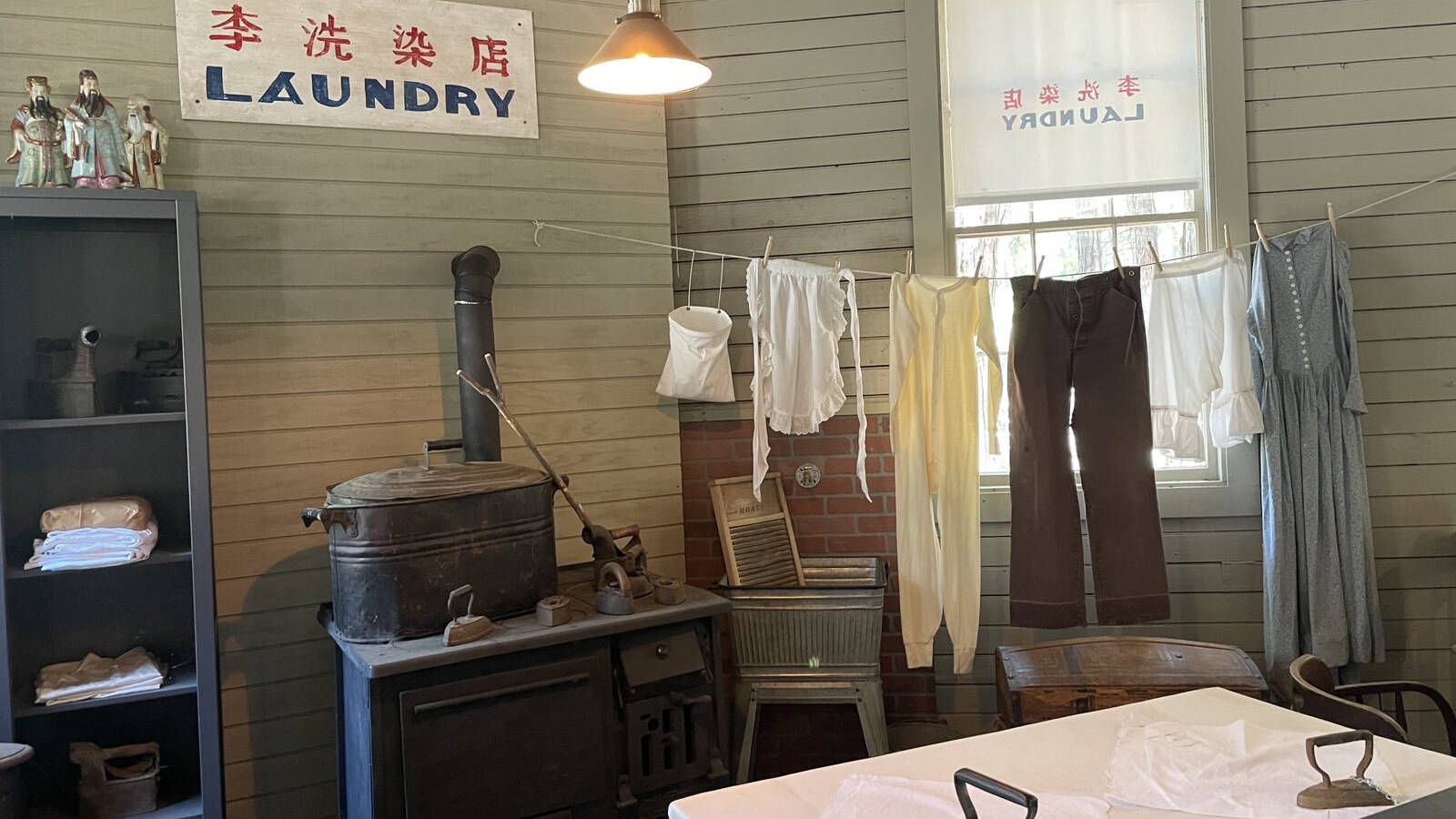
A dark laundry building in Yosemite underscores who helped build this national park and the National Park System — and the threat to preserving the history of these immigrants.
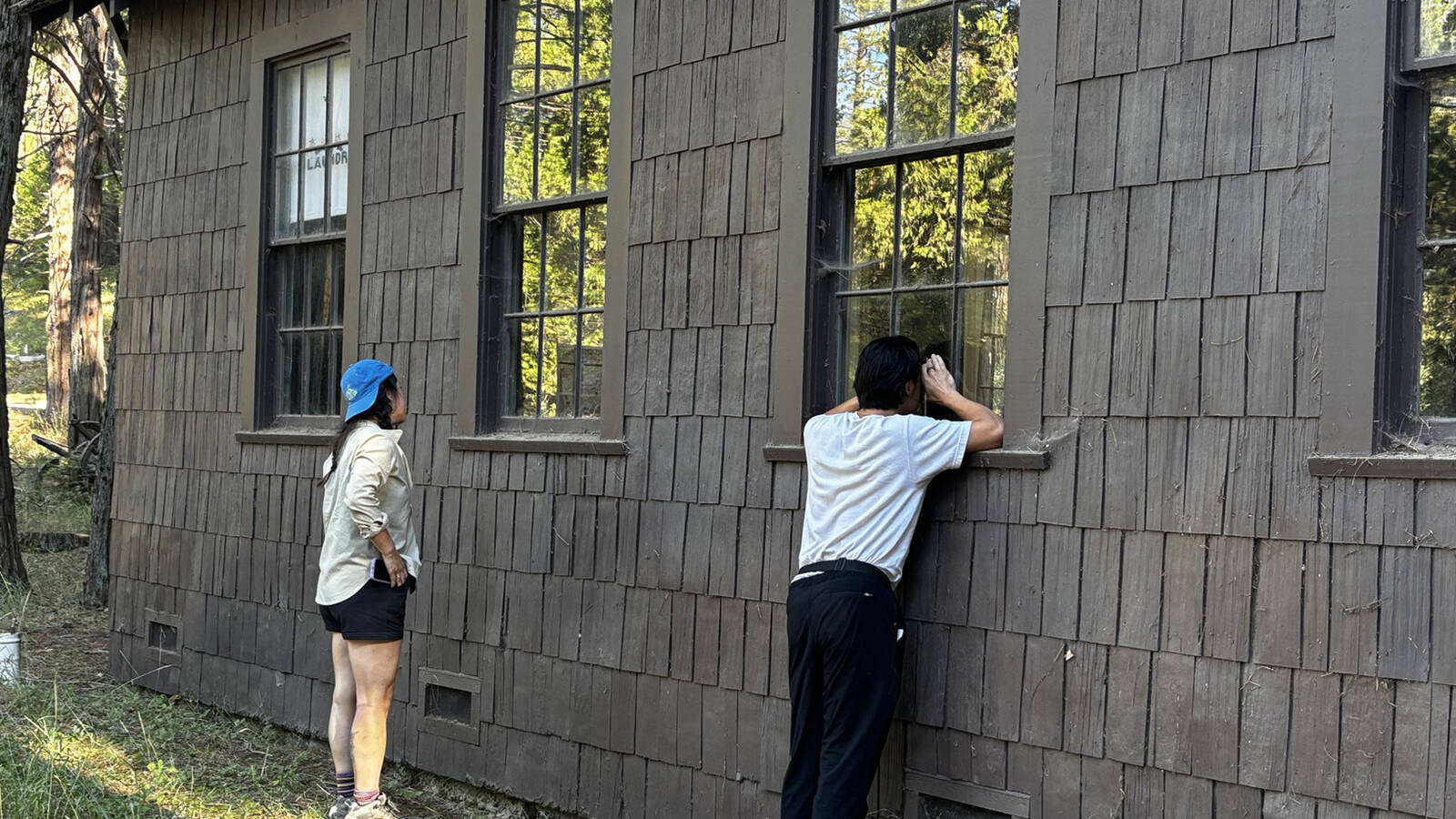
At the farthest southern corner of Yosemite National Park, we walked up to a small, darkened building tucked away behind the historic Wawona Hotel. This summer there were only three of us, me and two colleagues. The museum was sealed with a padlock, and except for what we could see from peering in the windows and reading a metal placard affixed to a rock, there was little evidence of the building’s historic significance.
The placard read “Chinese Laundry Building” and was dedicated to the advocates and donors who restored the building and built the exhibit in 2019. The exhibit was shuttered this season due to what a ranger elsewhere in the park described as “staffing shortages.”
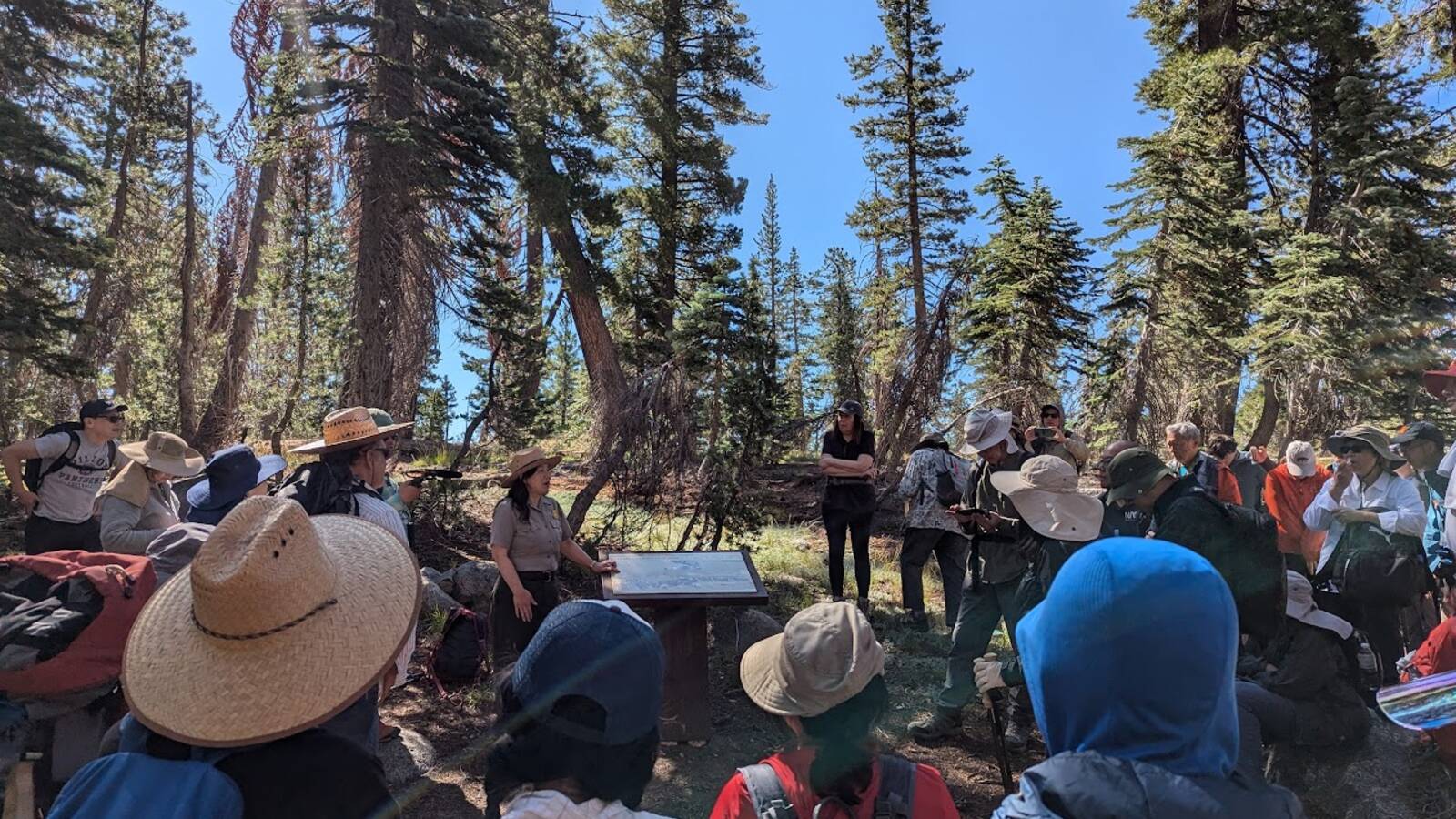
It was open when I visited in 2024 while attending a park-sanctioned pilgrimage with a group of nearly 100 fellow members of the Asian American and Pacific Islander community. That world-class programming included interpretive talks all around the park hosted by then-Ranger Yenyen Chan, the Park Service employee who initially unearthed this building’s history. The Chinese Laundry exhibit and Ranger Chan’s program once told how Chinese Americans were critical in building Yosemite and the National Park Service.
Yosemite’s Beginnings
This year, there was no pilgrimage put on by the Park Service. We were on our own, left to share among ourselves what history we could remember.
As we left for the parking lot, a paper sign attached to a fence stuck out to me. It asked visitors to report to the Trump administration “any signs or other information that are negative about either past or living Americans or that fail to emphasize the beauty, grandeur, and abundance of landscapes and other natural features.” Part of the “Restoring Truth and Sanity to American History” executive order, this sign is one tactic the administration is using to censor histories across the country.
History as a Verb
The disappearance of this exhibit and ranger-led programming is happening quietly, but to me, the absence speaks volumes. If it weren’t for Chinese American contributions, there might not be a Yosemite National Park. The Chinese Americans who came before me played a crucial role in the founding of this park, as well as the National Park System. Finally told after being hidden for 100 years, their stories are disappearing once again.
Chinese Americans came to California in the 19th century for opportunity. Some came for gold, others for paid labor. These laborers were exploited by wealthy colonizers of the American West, suffering low wages, treacherous work conditions and discriminatory legal practices. While Chinese American laborers were one of the largest non-white work forces of the West in the mid- to late 1800s, they worked alongside Indigenous people of North and Central America, freed Black slaves, and later other Asian American immigrant populations from the Philippines and Japan. The Transcontinental Railroad and the terraformed farmland of California’s Central Valley are two of our nation’s most significant accomplishments from that era, which we owe to the early Chinese Americans.
Chinese Americans were also the builders of the original infrastructure of Yosemite National Park. The 23-mile long Wawona Road, built in 1875 by Chinese American immigrants, provided the first access into Yosemite Valley by stagecoach, and the 56-mile Tioga Road in 1882 provided access to the high country, leading to the park’s establishment as the country’s third national park in 1890. Many of the park’s early staff included Chinese American cooks and laundry staff.
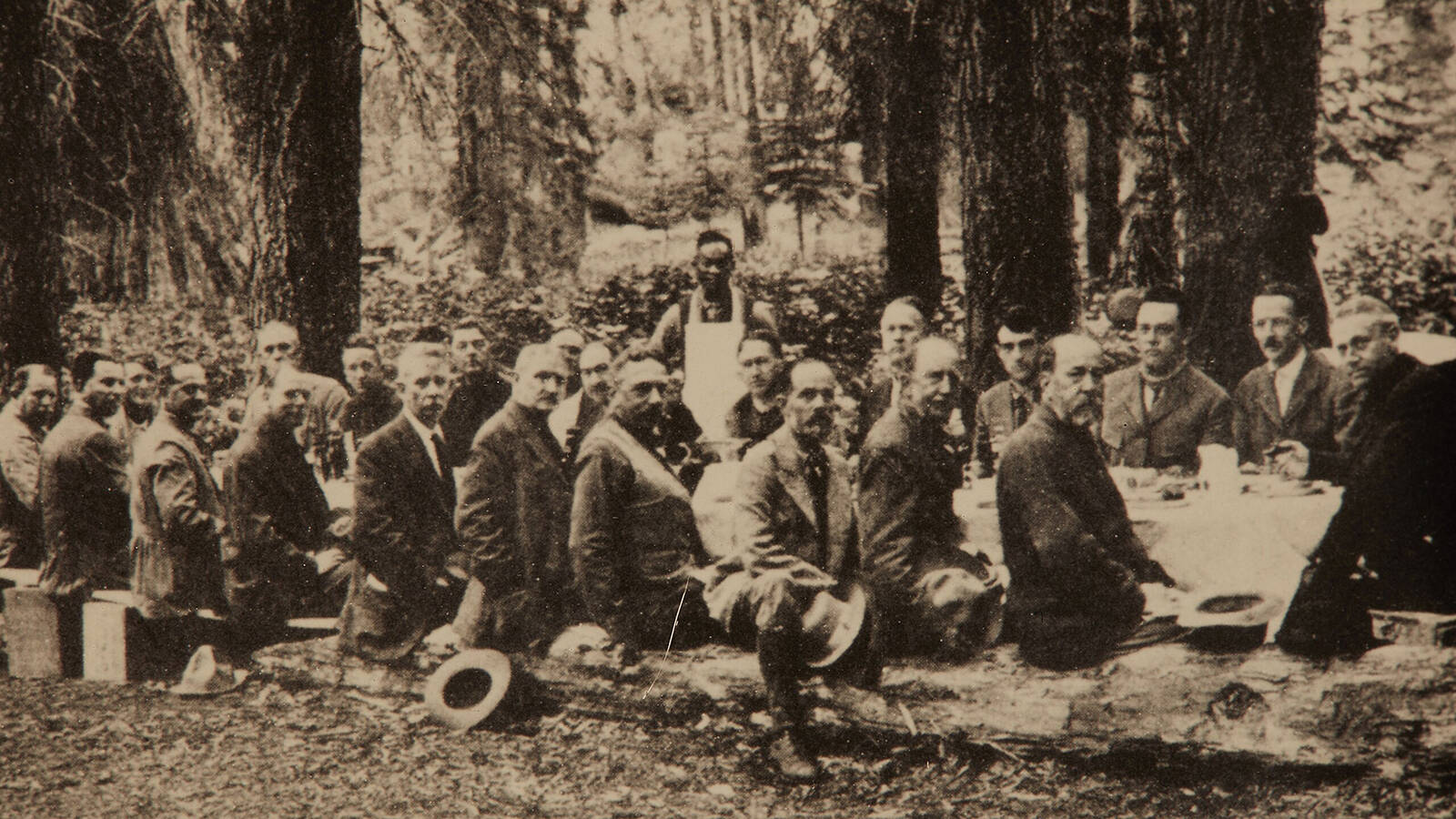
The National Park Service still didn’t exist at that time. In 1915, a Chinese American outdoorsman named Tie Sing led the outfitting and cooking for a group of wealthy and well-connected white men, later known as the Mather Mountain Party, on an expedition through alpine forests and valleys that directly inspired them to support creation of the National Park Service. The convener and namesake of that outing, Stephen Mather, became the Park Service’s first director and, just three years later, one of NPCA’s cofounders. Sing was so legendary as a backcountry chef on U.S. Geological Survey expeditions that the USGS named a mountain peak after him.
The park and the Park Service would not be what they are today without Chinese Americans — yet, their story went untold for a century. It took diligent work and consistent advocacy by a few people to bring this truly American story to the public. It will take continued effort to maintain it.
Ranger Chan was the key Park Service historian who uncovered this history at Yosemite, which had been previously unacknowledged because of the nation’s exclusionary and racist attitudes toward Chinese Americans. She advocated for the Chinese Laundry’s installation and created yearly programming on the topic, all on top of her other duties. She spent countless hours pouring through historical archives, building interpretive materials and inspiring other advocates to breathe life into this suppressed history.
This spring, Ranger Chan, under the threat of the federal reduction in force orders, took early retirement and officially left Yosemite National Park. She told us she saw the opportunities to continue telling the more truthful, inclusive story of the park — already an uphill battle — waning within the bounds of the new administration. But, she continued to tell us, she was not done lifting up this history, contributing to the community or spending her free time backpacking in the park.
‘In This for the Long Haul’
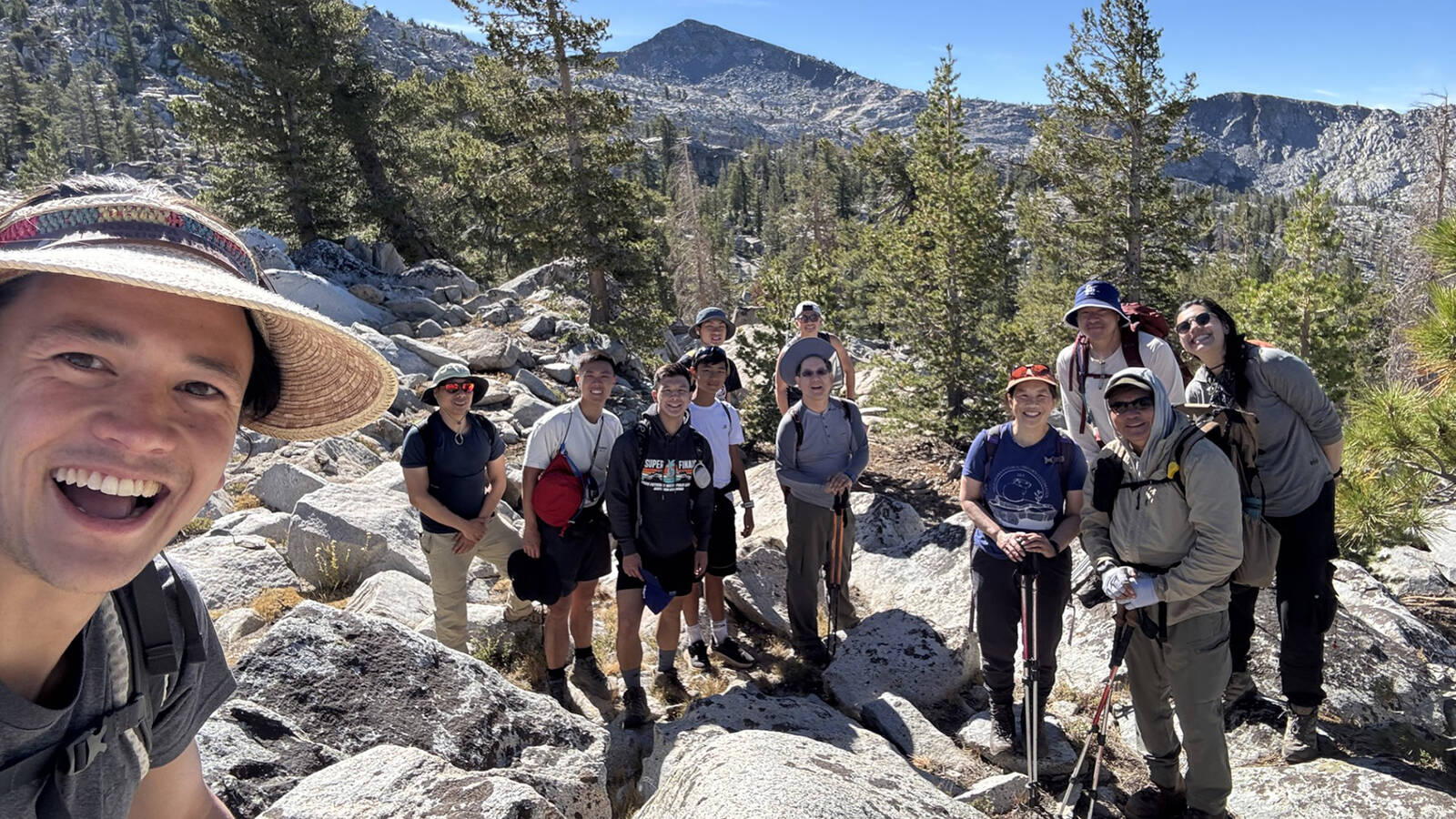
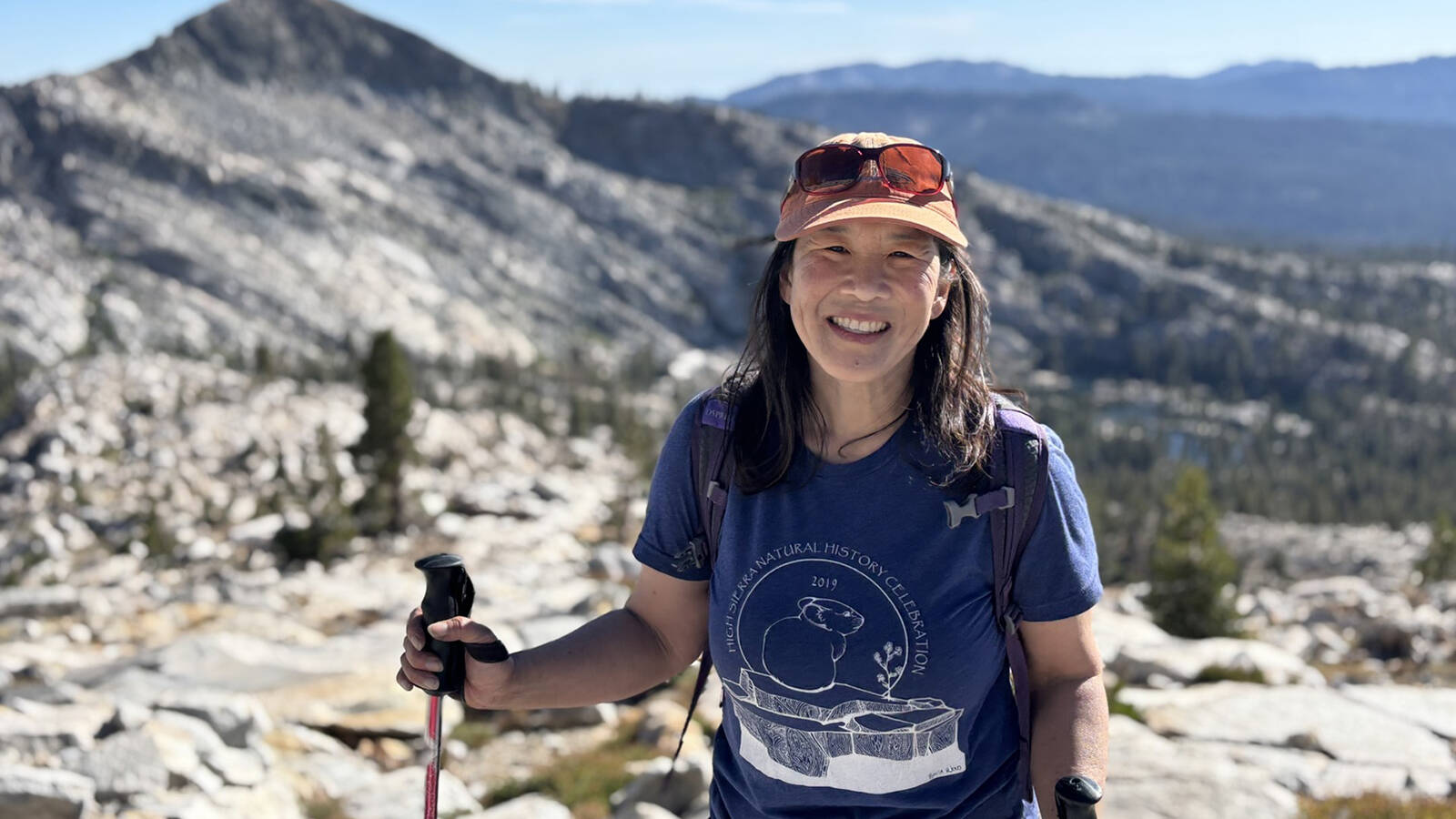
Despite the absence of park-led interpretation, a small group of Asian Americans still decided to meet at Yosemite this year. Our group of NPCA colleagues connected with retired ranger Chan and a few of her family and friends. The group spanned ages and experience, including outdoor enthusiasts as young as 13. In civilian clothing, Chan led us to the summit of Tie Sing’s namesake mountain, Sing Peak.
It took diligent work and consistent advocacy by a few people to bring this truly American story to the public. It will take continued effort to maintain it.
In her own words and on her own time, she pointed out glacial geomorphology, wildflower species and the Ahwahneechee history of the land. Then, with the clear voice of an expert teacher, she told the story of how Chinese Americans helped build Yosemite National Park and the Park Service. She generously passed down this history to us and to the next generation.
Mather Award Winner
Chan hopes this history continues to inspire Asian American communities to gather in the outdoors. She believes the active telling of this story, the research, the interpretation and the sharing keeps alive the spirit of all those who have shaped our national landscapes. Even though she will not be leading this work with the Park Service any longer, she said, “I am in this for the long haul.”
2025 marked only the second time since 2013 that the pilgrimage honoring Chinese American heritage at Yosemite did not occur. (Wildfires in 2018 shut down most of the park).
NPCA is tracking threats like these, urging Congress to save our National Park System, fighting for the funding and livelihood of park staff and resources, telling the administration ‘hands off our history’, and giving voice to park rangers.
In October, NPCA awarded Chan its Stephen T. Mather Award in recognition of her transformative contributions to park stewardship, cultural understanding and resource protection during her distinguished 25-year career with the National Park Service.
“Her thoughtfulness, expertise and devotion to storytelling honors those who traversed these landscapes before us and ensures that future generations will learn about the contributions of Chinese Americans and others who shaped our national parks,” said Dennis Arguelles, NPCA’s Southern California Director, who nominated her for the award.
Yenyen Chan’s enduring impact — on both the historical record and the living community of our parks — embodies the highest ideals of the Park Service. NPCA was honored to recognize her dedication through our Mather Award, and I think the 19th century workers in the Chinese Laundry Building would appreciate her, too — for working to keep their stories alive.
NPCA’s Dennis Arguelles and Lam Ho contributed to this report.
Stay On Top of News
Our email newsletter shares the latest on parks.
About the author
-
 Nik Moy Senior Program Manager, Conservation Science & Policy
Nik is a landscape conservation and science communications expert who directs the organization's databases, cartography, and geographic information systems to best empower the connection of science and advocacy. Additionally, he leads geospatial science for NPCA's priority national park landscapes work.


.jpg)