If you need any motives to visit Maine’s north woods, we offer one for every year of this young park site’s existence. Once here, you’ll likely find even more.
This year, NPCA celebrates 10 years of the Katahdin Woods and Waters National Monument in northern Maine. On Aug. 24, 2016, President Obama signed a proclamation designating 87,563 acres adjacent to Mt. Katahdin and Baxter State Park as a new national monument managed by the National Park Service.
NPCA played an integral role in the establishment of this park site. For almost a decade, we worked directly with the private owner of the land, Roxanne Quimby, and her family foundation on a public campaign to build local, state and national support for a park designation. Since then, we’ve worked closely with Friends of Katahdin Woods and Waters, Tribal communities and others to ensure the monument has critical federal funding, staffing and resources.
Today, we are working to pass legislation in Congress to establish a new entrance directly from downtown Millinocket, which would improve visitor access and support the local economy. We’re also supporting the general management plan process that is underway, which will guide development in the park for decades to come.
As we celebrate Katahdin’s 10-year anniversary, here are 10 reasons why a visit to Katahdin Woods and Waters in northern Maine is a must.
1. A Ranger Contact Station with World-Class Architecture
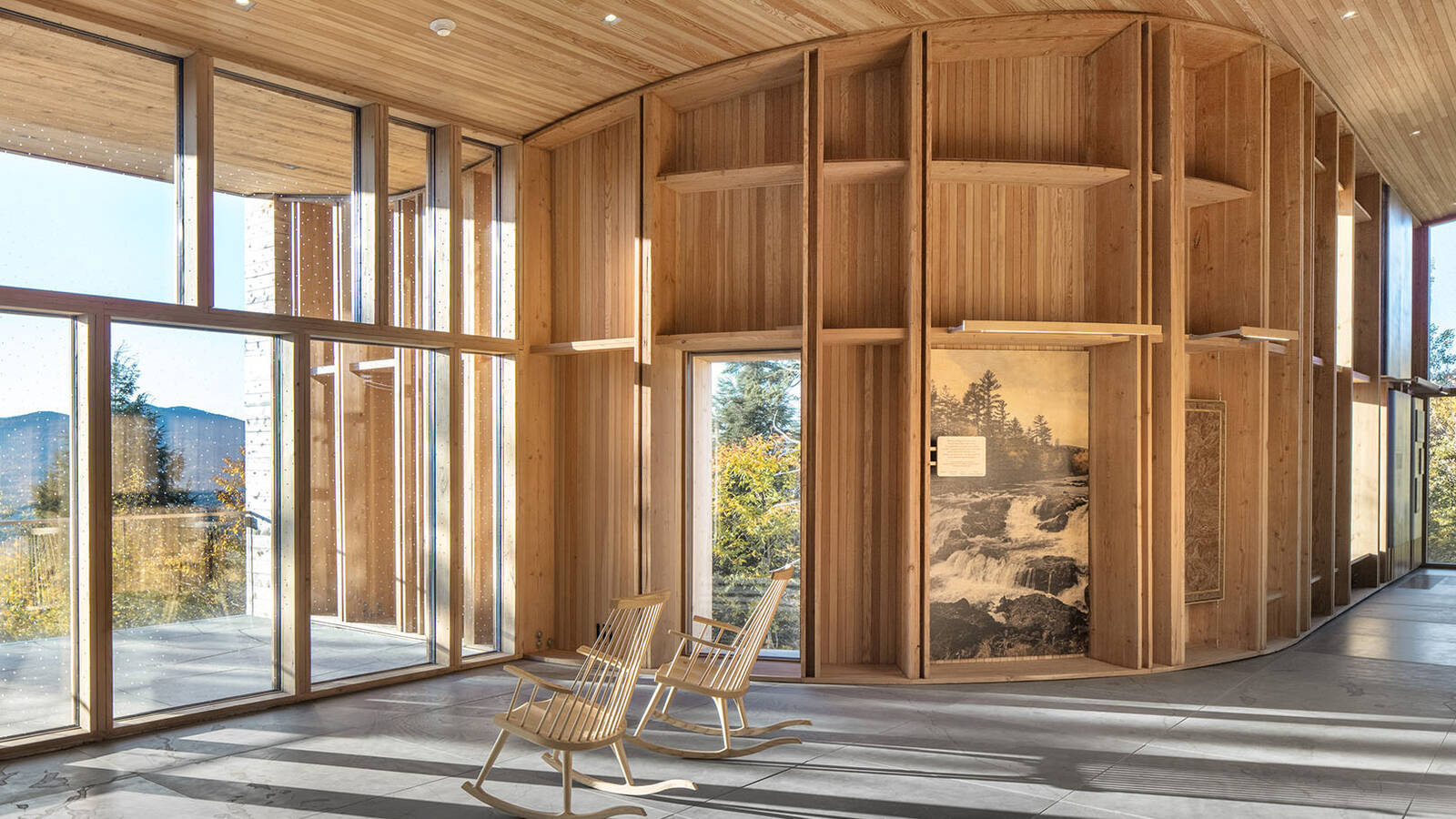
In August 2024, the National Park Service held a ribbon-cutting to open a state-of-the-art visitor center at Katahdin Woods and Waters. The Tekαkαpimək Contact Station is a stunning 7,900 square-foot building atop Lookout Mountain in the southeastern corner of the monument.
Funded through a capital campaign led by Friends of Katahdin Woods & Waters, Tekαkαpimək was donated to the American people and is operated by the Park Service. Katahdin is located within the present and traditional homeland of the Penobscot Indian Nation. The land and waters are inextricably linked with Penobscot culture, ceremonies, oral traditions, language and history, so the contact station’s design intentionally reflects the region’s Indigenous past and its connection to nature. Visitors can enjoy Indigenous art, history and culture as well as stunning views of Mount Katahdin from the observation deck.
Be sure to start your visit here. Park rangers are available to provide maps, directions and visitation tips. The facility is open Thursday – Monday, 10 a.m. to 4 p.m., through mid-October. Learn more on the National Park Service website or Friends of Katahdin Woods & Waters website.
2. Spectacular Views of Mt. Katahdin, Maine’s Tallest Peak
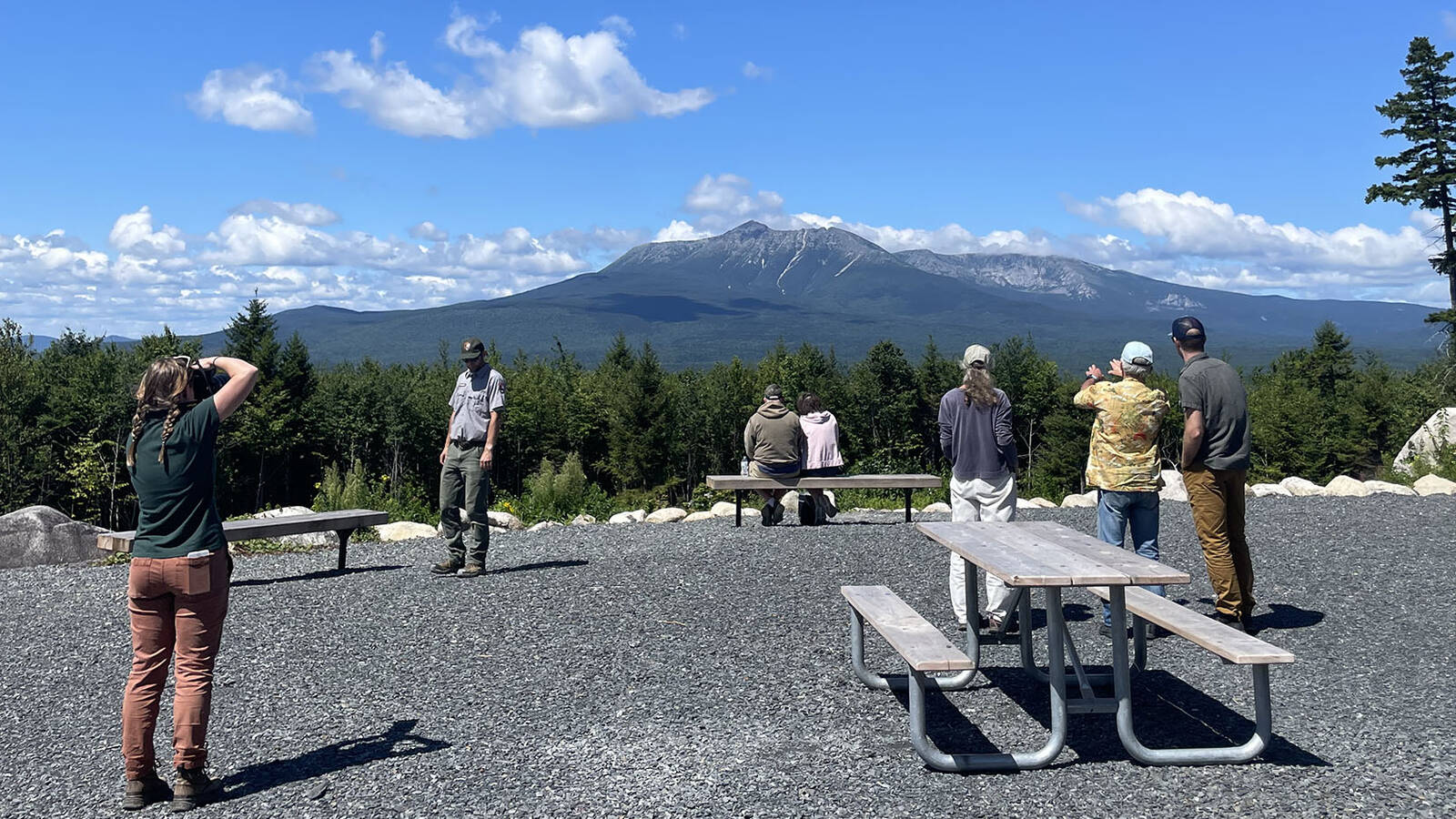
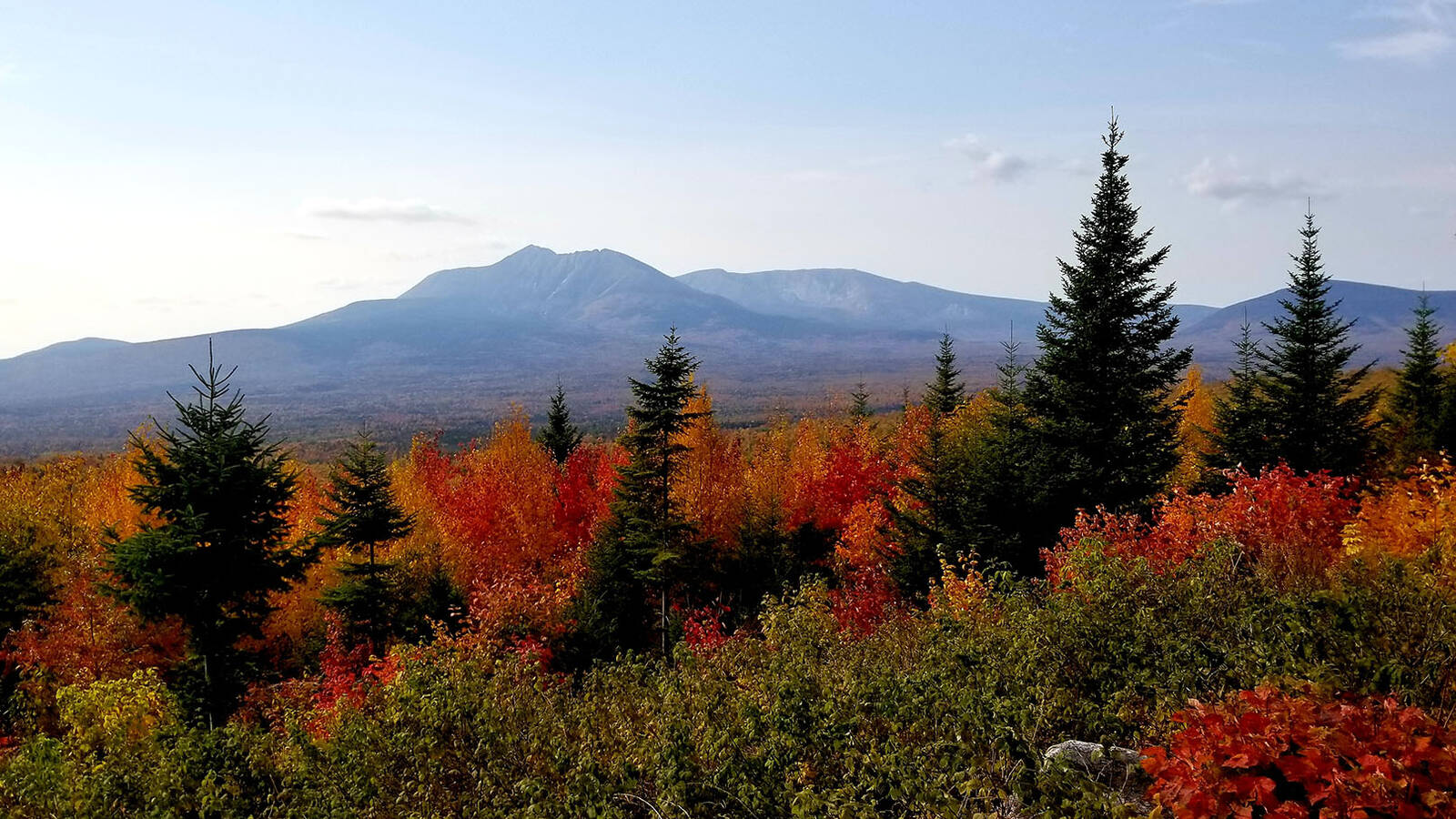
At 5,269 feet, Mount Katahdin, located in nearby Baxter State Park, is Maine’s tallest peak. Stunning views of the mountain can be found throughout the national monument, including at the ranger contact station, the Katahdin overlook at mile 6.2 on the park loop road, and the summit of Barnard Mountain.
Katahdin is a sacred place for all Wabanaki Tribes in Maine and especially the Penobscot Nation, which named it. Katahdin translates to “the greatest mountain.” The mountain represents the beginning of life and a place of birth and spiritual enlightenment for the Penobscot people.
3. The Darkest Skies and Best Stargazing in the Eastern U.S.
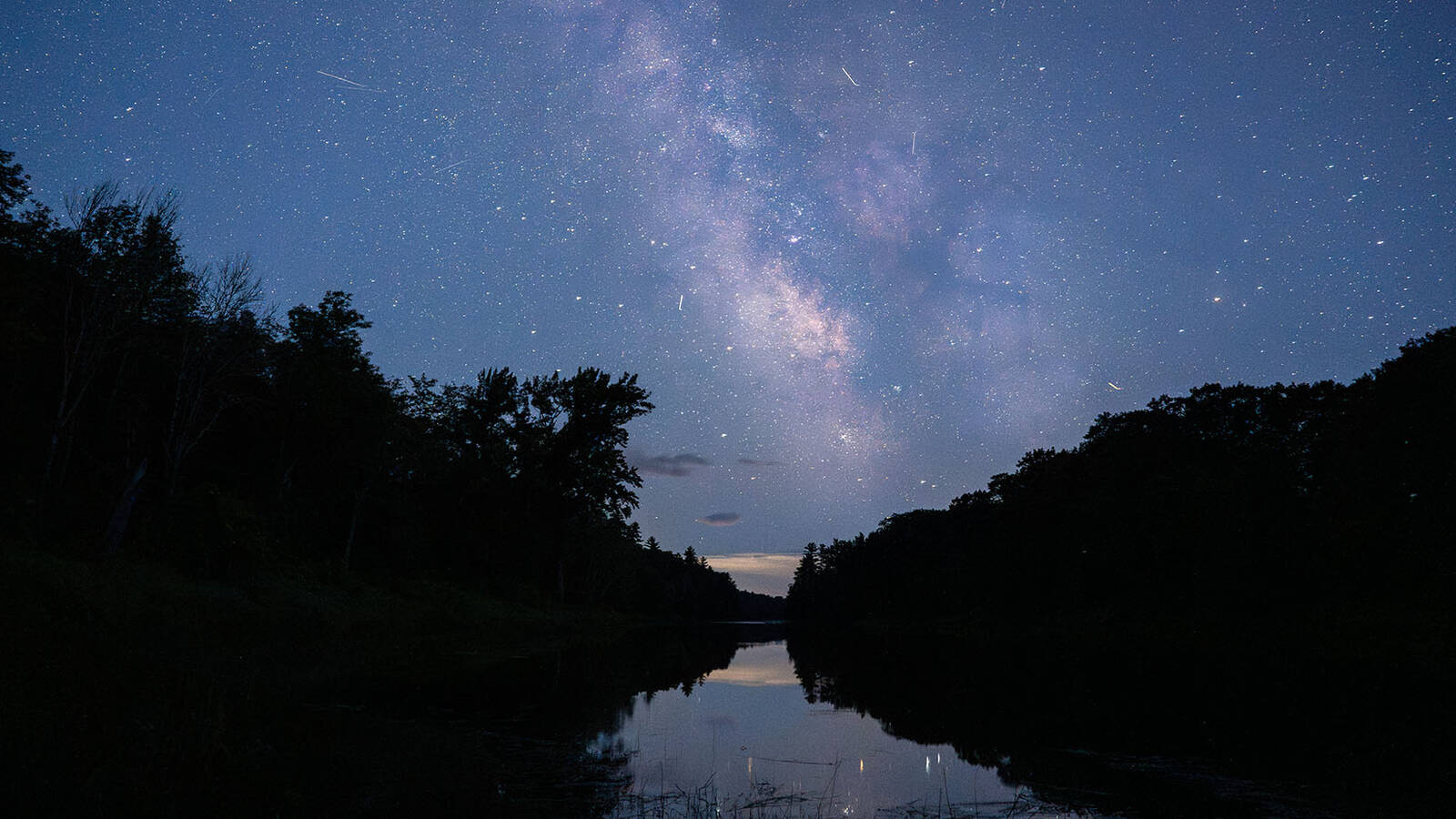
Designated as an International Dark Sky Sanctuary in 2020, Katahdin Woods and Waters boasts the darkest skies in the eastern U.S. and offers fantastic star gazing all year long. Each year, Friends of Katahdin Woods & Waters hosts a signature dark sky celebration, Stars Over Katahdin. This year the event takes place on Saturday, Oct. 3. Learn more and sign up here.
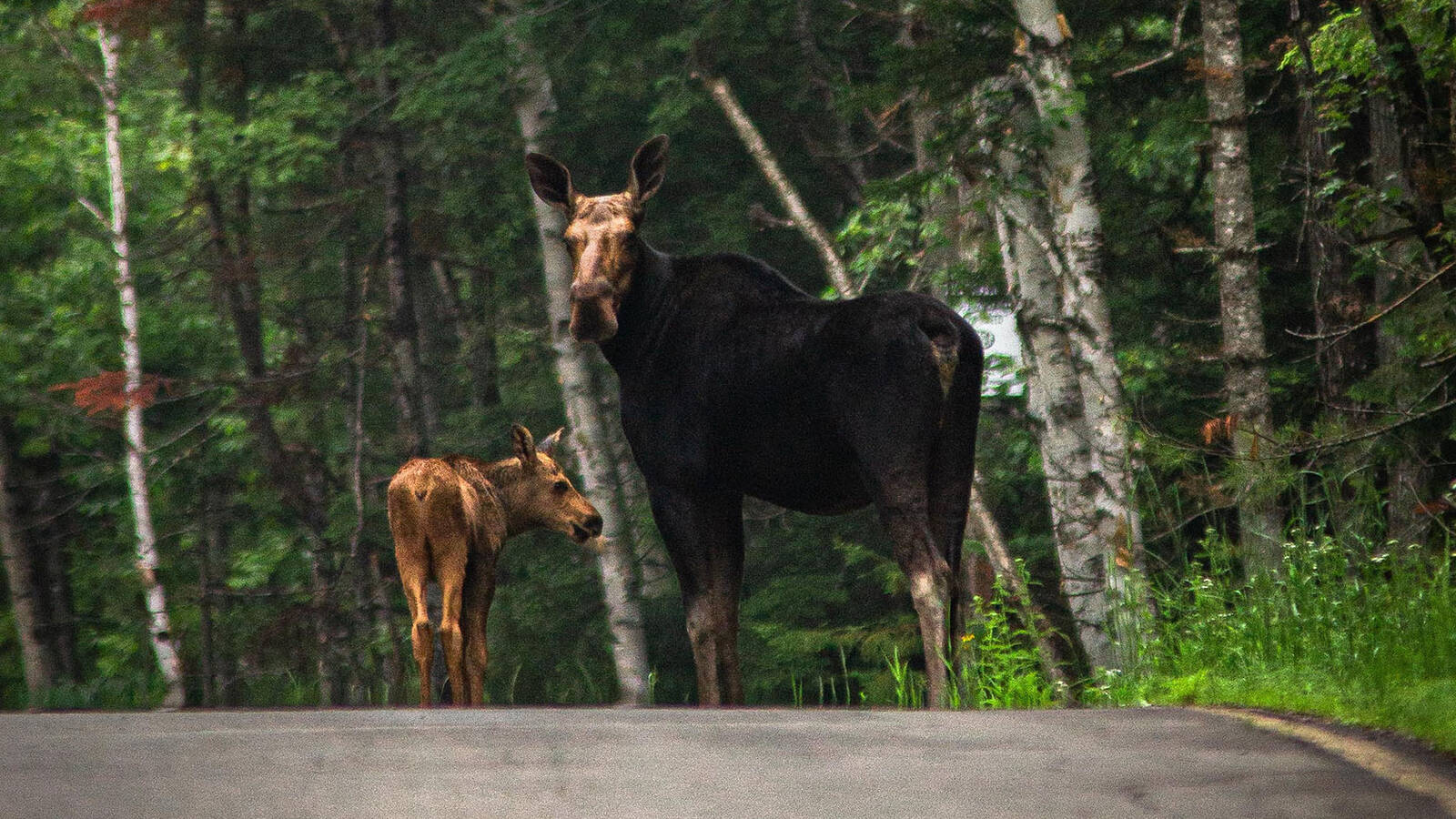
4. Memorable Wildlife Encounters, Including Moose!
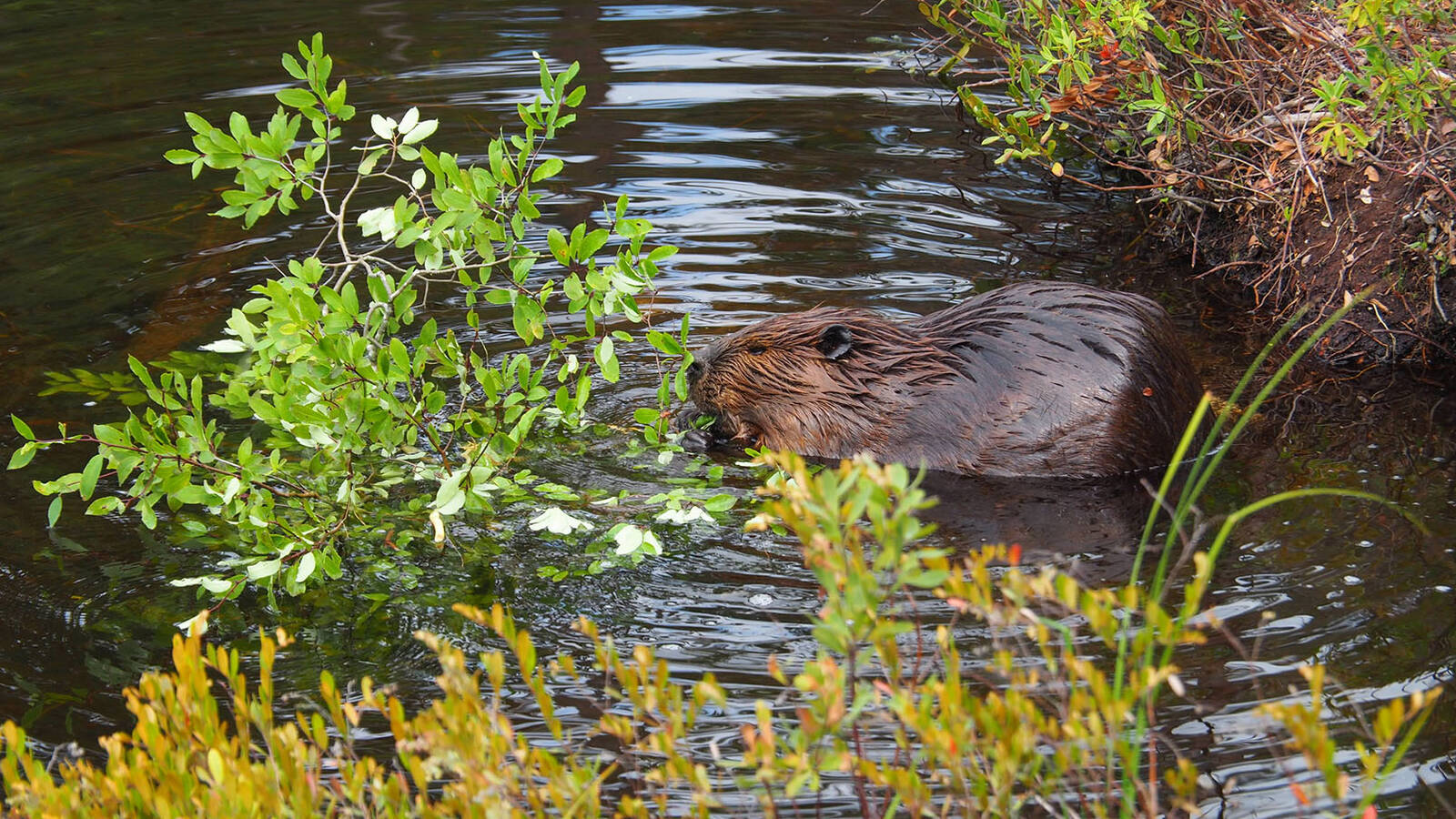
Hoping to spot a moose, Canada lynx or bald eagle in the wild? The park site is home to Maine’s most iconic wildlife species. While you won’t find lobsters, you will find white-tailed deer, Atlantic salmon, beaver, fox, chipmunks and more. Park Service scientists have identified 13 species of amphibians, 171 species of birds, 12 species of fish, 25 species of mammals and 5 species of reptiles in the national monument.
5. Peaceful, Quiet and Remote Hiking and Biking Experiences
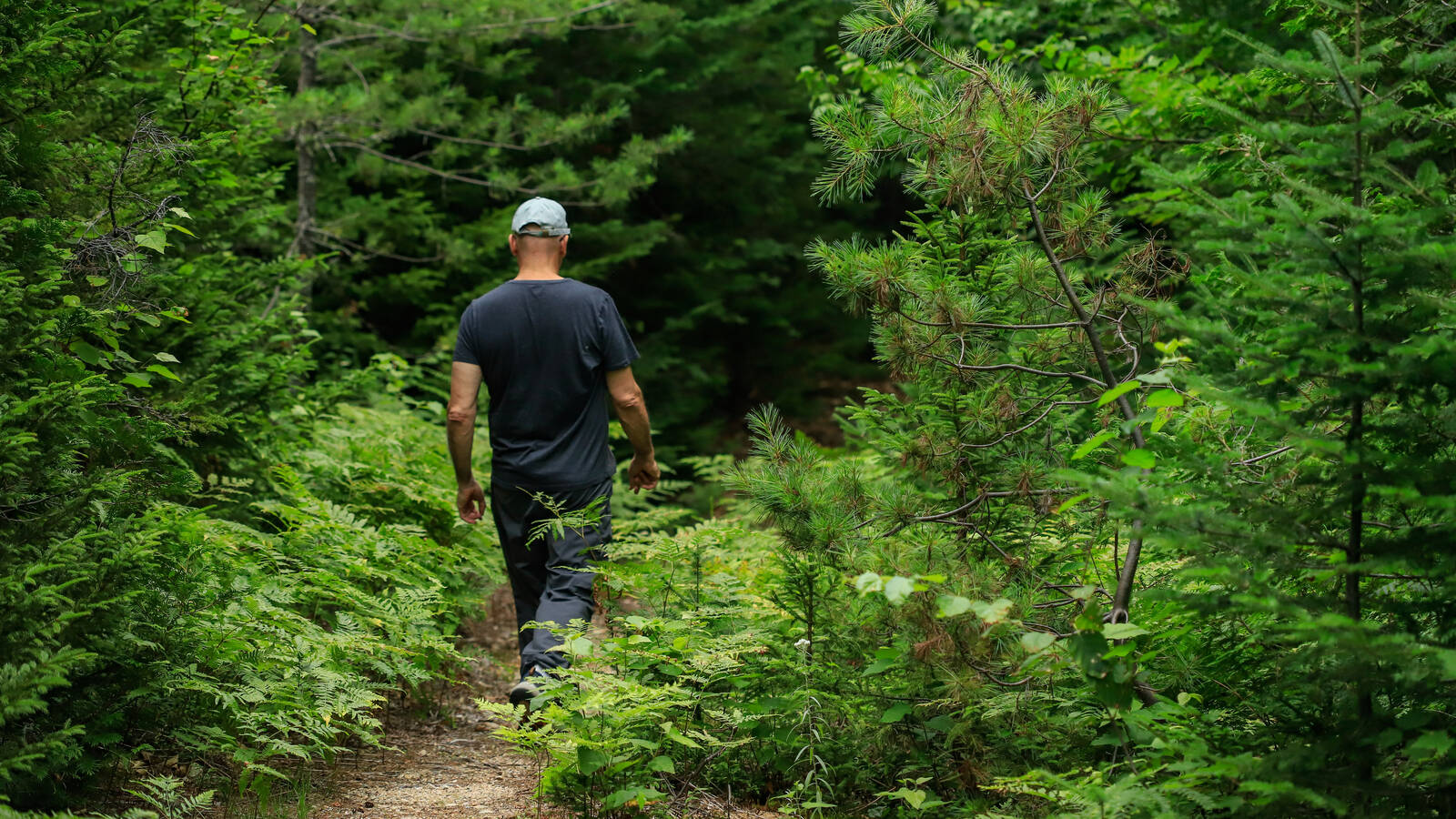
With more than 50 miles of hiking trails throughout the monument, you’re sure to find a trail that is right for you. With short, easy hikes to remote scenic ponds, longer and more strenuous hikes to scenic viewpoints, and even longer multi-day backpacking routes available, there is something for everyone.
Popular hikes include the four-mile roundtrip hike to the summit of Barnard Mountain, which affords stunning views of Mount Katahdin and Katahdin Lake in Baxter State Park. Gravel biking is also popular, with miles of logging roads and stunning views to enjoy. In the north end of the monument, enjoy a leisurely hike or bike along the East Branch Penobscot River to several scenic viewpoints. Along the way, you’ll find a series of lean-tos where you can have lunch, hydrate and recharge.
6. Abundant Fishing and Paddling Opportunities
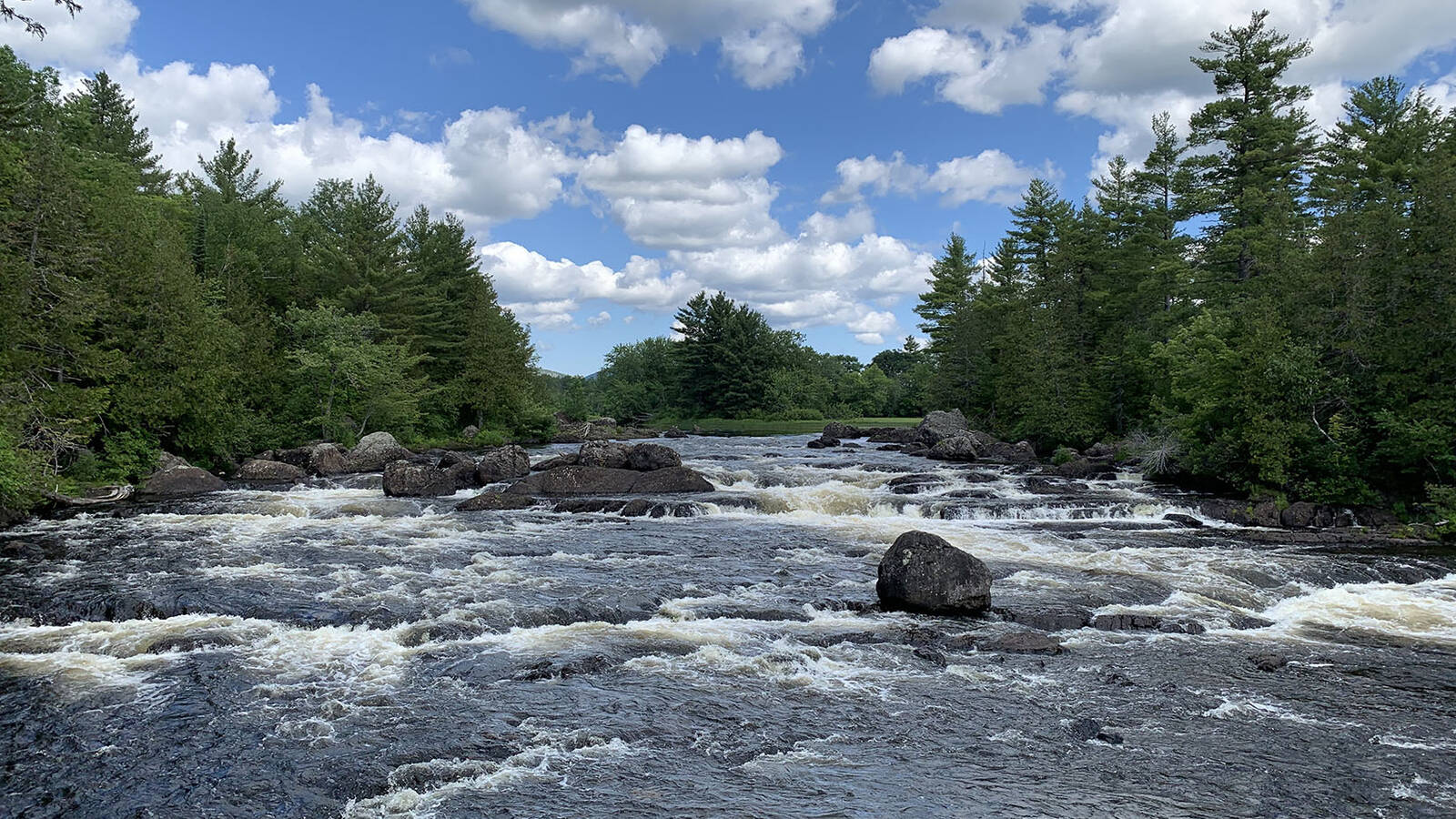
Katahdin Woods and Waters offers world-class cast and fly fishing and paddling in the three rivers and streams that bisect the monument, including the East Branch Penobscot River, Seboeis Stream and Wassataquoik Stream. Anglers will find brook trout, landlocked salmon and more. The monument is home to endangered sea-run Atlantic salmon, which are federally protected and should be released immediately if caught.
Kayaking and canoeing on the East Branch is a unique way to experience the monument. Many folks will start or end their paddling journey at Lunksoos, which offers easy river access, picnic tables, a vault toilet and easy road access for loading and unloading boats.
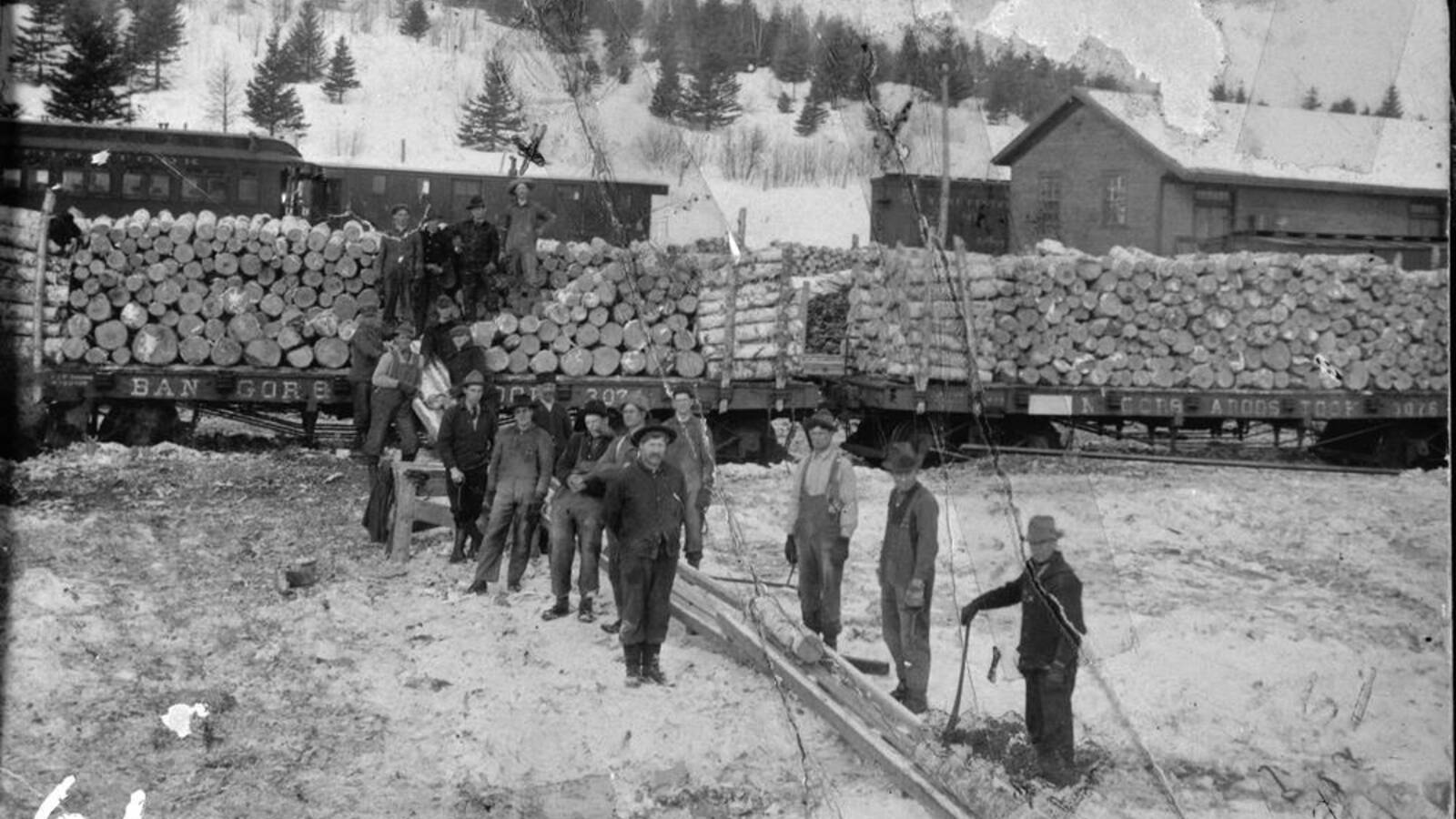
7. Maine’s Proud Logging Heritage
For generations, Maine lumberjacks made their living in the woods felling trees and transporting them by river log drives to mills downstream. This history, and more, has been preserved at the Patten Lumberman’s Museum in Patten, Maine. Visitors heading to the north end of the monument will drive right past the Lumberman’s Museum, and a visit is highly recommended.
8. Fall Foliage
Maine offers premier fall foliage viewing between mid-September and late October. The monument’s maple, oak, beech and aspen trees are ablaze in glorious reds, oranges and yellows each fall. For current fall foliage status, visit this weekly report. Make sure to wear a blaze orange hat or clothing, as fall coincides with hunting season in the monument.
9. A Winter Wonderland for Cross-Country Skiing and Snowshoeing
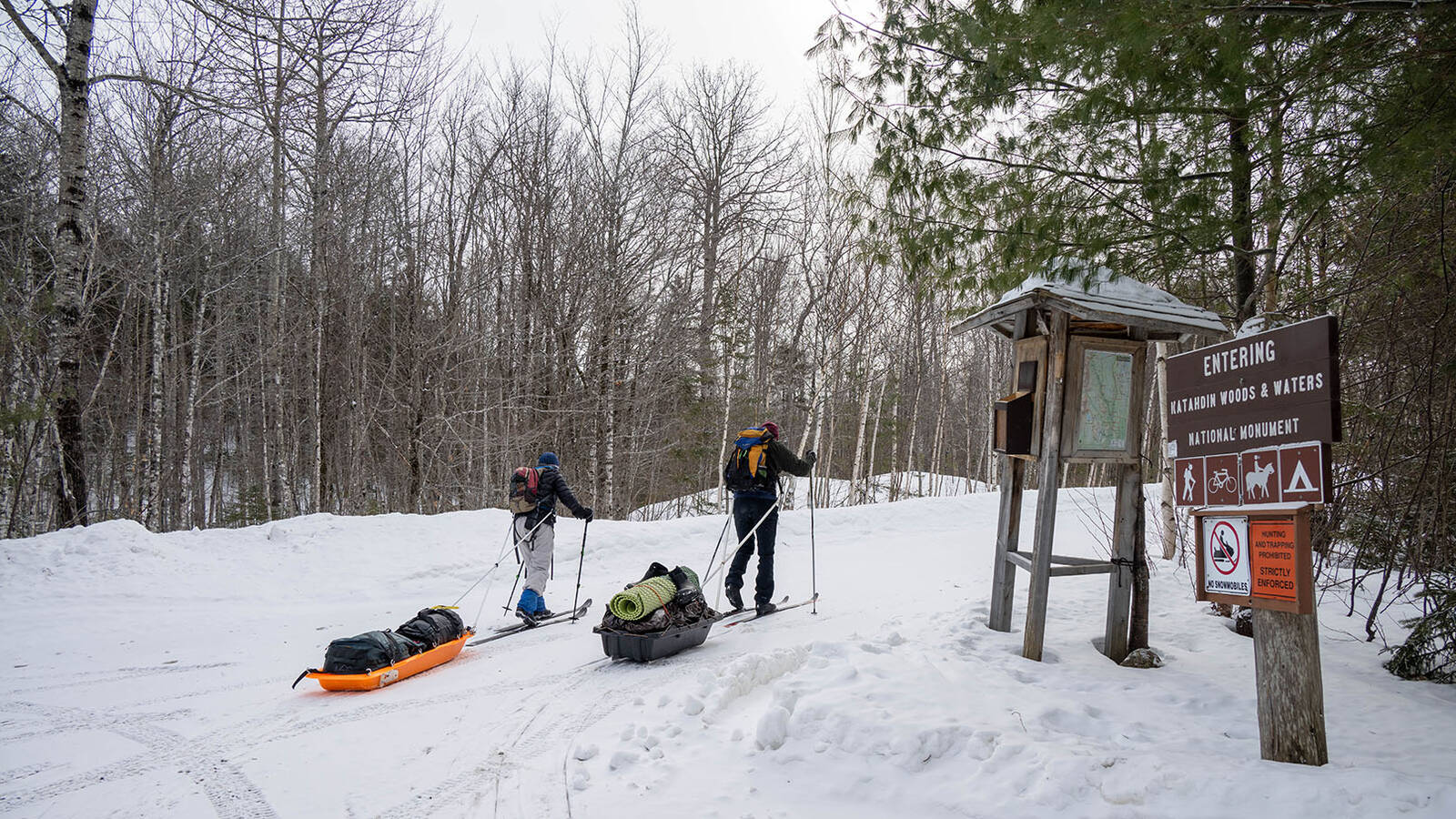
Northern Maine has a long and proud history of winter recreation, a tradition carried on in the monument. Packed and groomed cross country ski trails, which meander along the East Branch Penobscot River, can be found in the north end starting in mid-January. Along the way, you’ll pass both Haskell Hut and Big Spring Brook Hut, two camping locations that are available by reservation only.
10. Quaint Gateway Communities
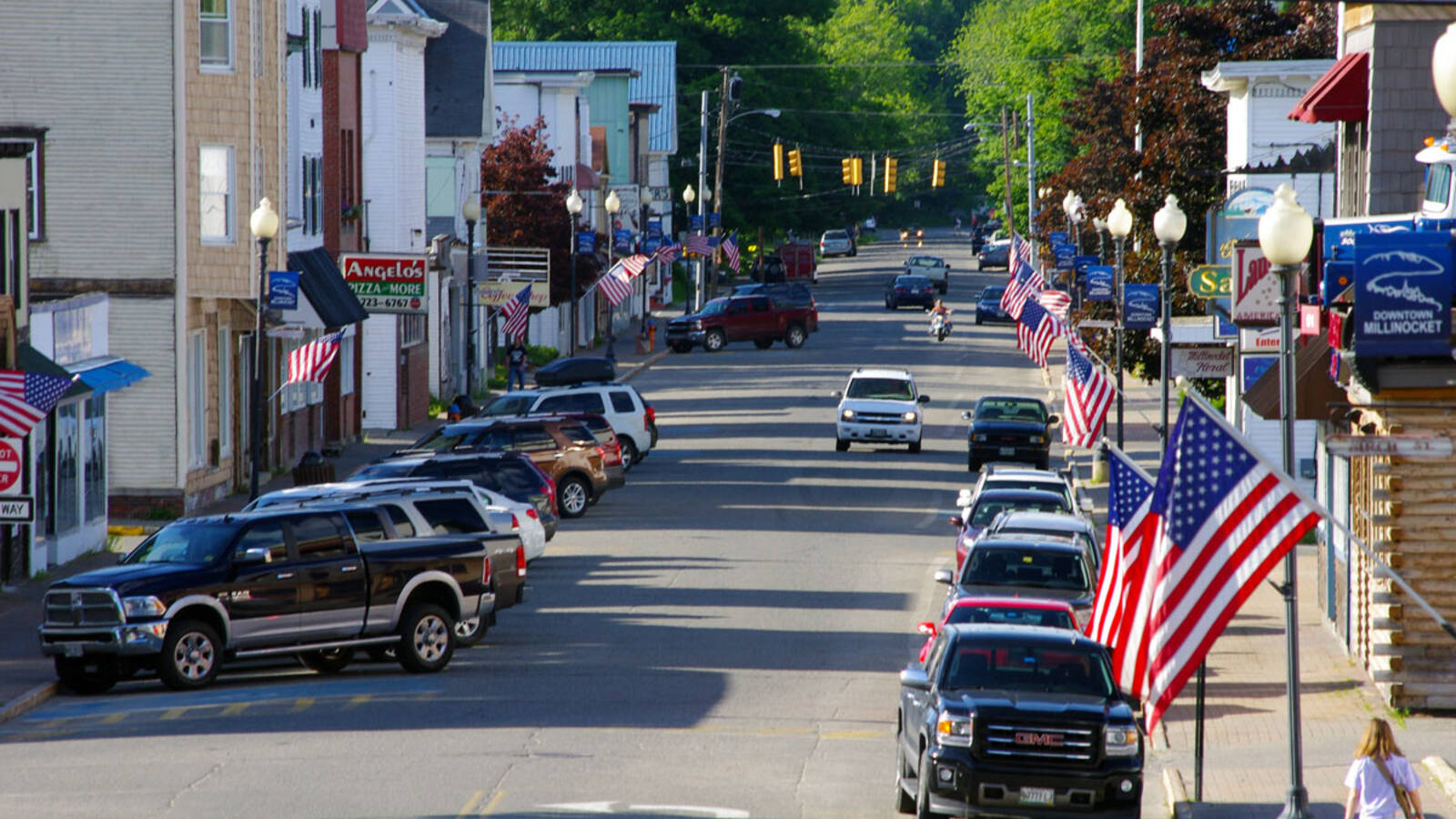
Visitors to the monument can find groceries, supplies, lodging, restaurants, breweries, art galleries and more in surrounding towns, especially Millinocket to the south and Patten to the north.
In Millinocket, the AT Café serves fresh Maine blueberry pancakes and more. Just down the street you’ll find Moose Prints gallery, which offers stunning photos of the region and local crafts and wares. Up the road, Knife Edge Brewing offers fresh beer on tap and brick-oven pizza. In Patten, in addition to the Patten Lumberman’s Museum, visitors can stop at Katahdin Brew Works.
Want to Visit?
Come to Katahdin Woods and Waters and find your own reasons to stay and play! The national monument is a 2.5-hour drive west of Acadia National Park and a 1.5-hour drive north of Bangor, Maine. The National Park Service provides the details needed to plan your visit.
Stay On Top of News
Our email newsletter shares the latest on parks.
About the author
-
 Todd Martin Northeast Senior Program Manager, Northeast
As the Northeast Senior Program Manager, Todd works to defend and enhance National Park units in New England. As a lifelong Mainer with more than a decade of grassroots environmental advocacy experience in the Pine Tree state, Todd is honored to work every day to protect national parks in Maine and beyond.
-
General
-
- NPCA Region:
- Northeast