Active
Support the Wildlife Movement Through Partnerships Act
Good work is already happening in park landscapes across the country – but there is much more that can be done. Urge your member of Congress to support the Wildlife Movement Through Partnerships Act.
Send Message
Online Database
Wildlife & Wild Lands
Access species-specific information as well as an interactive map, quantifying ESA-protected species in our national parks.
-
Magazine Article
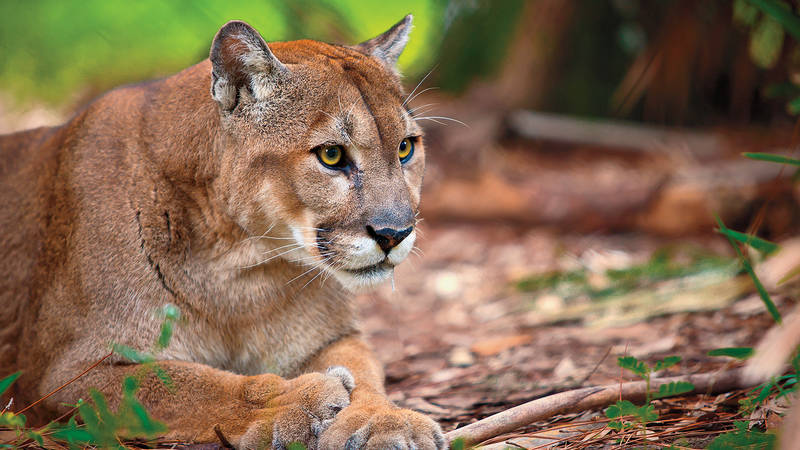
Saving the Panther
The Florida panther was going to die out. Then conservationists dreamed up a daring rescue operation.
-
Blog Post
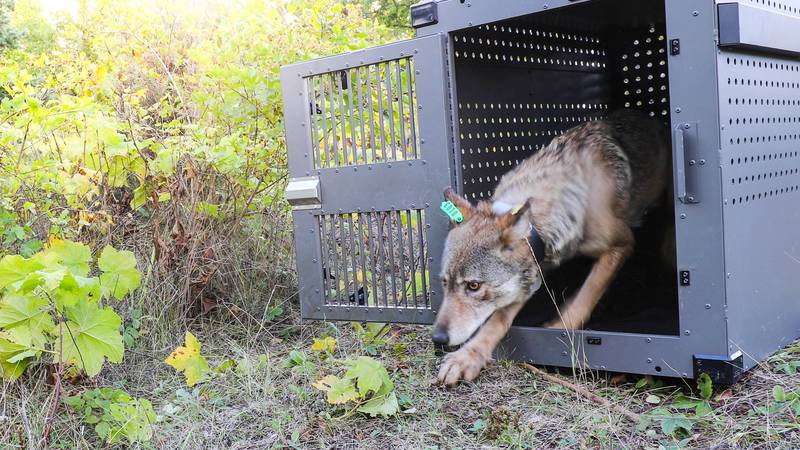
Wolves on the Rise at Isle Royale
Researchers study the effects of 12 new wolves on this remote island park.
My Park Story
Greetings from Rocky Mountain National Park
As a native New Yorker, my first escape to the rockies changed my life. It was the first time that I truly appreciated the grandeur of the natural world and the scale of life. Now I make the journey several times a year and this film is a result of…
More about Wildlife
Filter By
-
Read more about Support the Wildlife Movement Through Partnerships Act
ActiveAction Support the Wildlife Movement Through Partnerships Act Good work is already happening in park landscapes across the country – but there is much more that can be done. Urge your member of Congress to support the Wildlife Movement Through Partnerships Act.
-
Read more about Wildlife Deserve Safe Passage
ActiveAction Wildlife Deserve Safe Passage Right now, Congress is preparing the next five-year transportation bill, which we hope will include the Wildlife Crossings Pilot Program. Urge Congress to invest in wildlife crossing projects, studies and programs.
-
Read more about Stop Inappropriate Hunting in Our Parks
ActiveAction Stop Inappropriate Hunting in Our Parks The National Park Service is considering a rule that would allow extreme and unethical hunting practices on Alaska National Preserves, including bear baiting and the killing of bear cubs and wolf pups in dens.
-
Read more about Protect Arizona Landscapes
ActiveAction Protect Arizona Landscapes Urge the Department of Homeland Security and the Department of the Interior to halt border wall construction in Arizona’s national parks and protect these irreplaceable landscapes. We must safeguard wildlife corridors and one-of-a-kind landscapes before it’s too late.
-
Its in my DNA. — Kaye Lindsey (Ruth Carroll's daughter)
-
Read more about Protect Lake Clark National Park, Bears and Belugas from Industrial Mining!
NPCA AT WORK Protect Lake Clark National Park, Bears and Belugas from Industrial Mining! An industrial mining proposal threatens Lake Clark National Park and Preserve and nearby communities and wildlife populations including brown bears and endangered Cook Inlet belugas.
-
Read more about Safe Passage: I-26 at the AT
NPCA at Work Safe Passage: I-26 at the AT Improving wildlife’s ability to safely cross Interstate 26 near the Appalachian Trail
-
Read more about New National Monument Protects the Greater Joshua Tree Landscape
Victory New National Monument Protects the Greater Joshua Tree Landscape In the face of threats of climate change and habitat loss, a new national monument will protect critical habitat, promote equitable access to nature, and preserve the desert's rich cultural history.
-
Read more about Protect Marine Wildlife at Biscayne National Park
NPCA at Work Protect Marine Wildlife at Biscayne National Park We need responsible, science-based policies to manage Biscayne’s threatened fish populations.
-
Read more about Don't Divide Our Habitats, Ecosystems and Communities
NPCA at Work Don't Divide Our Habitats, Ecosystems and Communities Oppose new walls and fencing along the U.S.-Mexico border.
-
Read more about Protect America's Marine Monuments
NPCA at Work Protect America's Marine Monuments Healthy oceans are critical for maintaining healthy national parks.
-
Read more about Keep Crater Lake Wild
NPCA at Work Keep Crater Lake Wild A wilderness designation will preserve Crater Lake, its wildlife and its outdoor recreation opportunities forever. It's time to give this iconic park the protection it deserves.
-
Read more about Don’t Drain Our Desert Water
NPCA at Work Don’t Drain Our Desert Water NPCA is standing with local communities and Tribes to fight a destructive groundwater mining project that would drain 16 billion gallons of water each year from beneath the California desert
-
Read more about Yellowstone Pronghorn Program: Creating Connectivity for Yellowstone Wildlife
NPCA at Work Yellowstone Pronghorn Program: Creating Connectivity for Yellowstone Wildlife By modifying miles of fencing, NPCA volunteers have worked for years to help Yellowstone pronghorn migrate safely and survive.
-
Read more about Don’t Risk Wild Land and Fish for a Massive Mine Near Lake Clark
NPCA at Work Don’t Risk Wild Land and Fish for a Massive Mine Near Lake Clark Plans for a massive open-pit mine threaten wild salmon and bears at two of Alaska's wildest national parks.
-
Read more about NPCA, Partners File Lawsuit to Restore Protections for Threatened Wildlife
Press Release NPCA, Partners File Lawsuit to Restore Protections for Threatened Wildlife “This regulation is gambling with the safety of America’s most at-risk national park wildlife" -- NPCA Senior Wildlife Program Director Bart Melton
-
Read more about Interior Turns Alaska Parks Into Game Farms with Outrageous Hunting Rule
Press Release Interior Turns Alaska Parks Into Game Farms with Outrageous Hunting Rule “It’s as outrageous as it is disheartening to again see the Interior Department go along with the state of Alaska’s effort to turn national parklands into de facto game farms."
-
Read more about Postcards from Roadless Areas
Blog Post Postcards from Roadless Areas What do designated roadless areas look like and what do they mean to national parks? NPCA colleagues share their experiences from walks through three roadless woods.
-
Read more about Fat Bears at a Crossroads
Blog Post Fat Bears at a Crossroads As Fat Bear Week 2026 begins, a proposed mining project in Alaska threatens the future of brown bears.
-
Read more about Proposed Arctic Mine, Ambler Road Threatens America’s Largest Park Landscape
Press Release Proposed Arctic Mine, Ambler Road Threatens America’s Largest Park Landscape “All Americans should be outraged that our taxpayer dollars are being wasted to fund international companies that seek to destroy our country’s largest park landscape" -- NPCA Alaska Campaign Director Naawéiyaa Tagaban
-
Read more about Atrocious Reported Changes to the ESA Could Threaten Extinction to Park Wildlife, Wild Nature
Press Release Atrocious Reported Changes to the ESA Could Threaten Extinction to Park Wildlife, Wild Nature "This memo appears to suggest that it’s no longer the purpose of the ESA to ensure animals such as grizzly bears, North Atlantic right whales, or Florida panthers are protected" - NPCA Wildlife Program Director Stephanie Adams
-
Read more about State of Montana Moves to Drop Yellowstone Bison Suit Ahead of Park Service Analysis
Press Release State of Montana Moves to Drop Yellowstone Bison Suit Ahead of Park Service Analysis “Those of us who live in Montana understand that bison belong on the land. Bison are woven into America’s conservation legacy and Montana’s history and cultures” - NPCA Greater Yellowstone Senior Program Manager Michelle Uberuaga
-
Read more about FAQ: Border Destruction at Big Bend
Blog Post FAQ: Border Destruction at Big Bend The Trump administration destroyed parts of Big Bend National Park in August. We share updates, answer frequently asked questions and share how you can help.
-
Read more about NPCA, Conservation Groups Challenge Trump’s Decimation of Two National Monuments in Utah
Press Release NPCA, Conservation Groups Challenge Trump’s Decimation of Two National Monuments in Utah "Support for these monuments has never wavered and neither will our fight to protect them" -- NPCA Southwest Campaign Director Erika Pollard
-
Read more about 45 Million Acres of Public Lands, Parks Threatened by Proposed End of Roadless Rule Protections
Press Release 45 Million Acres of Public Lands, Parks Threatened by Proposed End of Roadless Rule Protections "When combined with the recent administrative actions including advancing mining and oil and gas development on public lands and removing habitat protections from threatened and endangered species, ending the roadless rule is a recipe for destruction" -- NPCA Wildlife Program Director Stephanie Adams
-
Read more about National Poll Shows American Public, Hunters Largely United on National Park Wildlife Protection
Report National Poll Shows American Public, Hunters Largely United on National Park Wildlife Protection The NPCA poll, conducted by YouGov among 1,000 Americans and 300 hunters, examined perspectives related to new Trump administration regulations for hunting in some national parks; the Endangered Species Act; Congressional investments to reduce wildlife-vehicle collisions in park landscapes; and other threats to park wildlife populations. Results found that American hunters and the general American public are closely aligned on a variety of national park wildlife conservation issues.
-
Read more about NPCA Rewind 2025
NPCA NPCA Rewind 2025 As the year comes to a close, join us as we recap all we’ve accomplished together for our national parks — the obstacles we’ve faced, the celebrations we’ve shared and the meaningful difference your support has made.
-
Read more about Of Hawks and Hellcats
Podcast episode Of Hawks and Hellcats Rosalie Edge may be the greatest environmentalist you’ve never heard of. In the early 20th century, she fought fiercely to protect raptors and old-growth forests and establish national parks like Olympic and Kings Canyon. So why is her story seldom told?
-
Read more about Saving Songbirds in Big Ivy
Podcast episode Saving Songbirds in Big Ivy Birds are in steep decline and losing habitat. Researchers near Blue Ridge Parkway are recording bird populations to protect rare old growth forest they depend on.
-
Read more about A Victory for the Okefenokee
Resource A Victory for the Okefenokee NPCA helped protect Okefenokee National Wildlife Refuge from the threat of a damaging mine.
-
Read more about Home Sweet Home? How NPCA is Helping Migrating Birds Return to the Appalachians
Report Home Sweet Home? How NPCA is Helping Migrating Birds Return to the Appalachians As Steve Goodman ventures deeper into the towering forest, he keeps his ears open and binoculars close. With a recording device on hand, he is on a quest to find a dazzling blue bird—and no, it’s not just for fun.
-
Read more about A New Monument for an Old Hero?
Podcast Episode A New Monument for an Old Hero? A proposed Chuckwalla National Monument near Joshua Tree National Park would protect the threatened Mojave Desert tortoise and help many other species thrive, including people.
-
Read more about In the Footsteps of Grizzlies
Podcast Episode In the Footsteps of Grizzlies Can humans coexist with some of the most ferocious animals on the landscape? Author Kevin Grange delves deeply into this question, hoping to give grizzlies a better chance at survival.
-
Read more about National Park Wildlife Poll
Report National Park Wildlife Poll A new poll from the National Parks Conservation Association explored perspectives specific to threats and opportunities to better conserve park wildlife. The survey shows bipartisan concern for the future of park wildlife populations and united support for solutions.
-
Read more about A Sound Investment: Restoring the Great Lakes in Our National Parks
Report A Sound Investment: Restoring the Great Lakes in Our National Parks These success stories highlight the important role our national parks play in restoring the Great Lakes – the largest source of fresh water on the planet.
-
Read more about Wildlife Friendly Fencing
Resource Wildlife Friendly Fencing Funding Resources for Landowners in Montana and Idaho through NPCA’s Wildlife Connectivity Program
-
Read more about The Undiscovered Cave
Podcast Episode The Undiscovered Cave Explorers in a remote area of Grand Canyon National Park discovered a cave they believe human beings had never entered before. Inside this maze of limestone passageways, researchers found thousands of fossils that could change our understanding of one of the country’s quirkiest animals — bats!
-
Read more about Learning to Fly
Podcast Episode Learning to Fly Raptors such as peregrine falcons and California condors made the endangered species list decades ago, but thanks in part to monitoring and recovery programs in national parks, things have been looking up.
-
Read more about "Paving Tundra"
Documentary "Paving Tundra" Experience northeast Alaska’s national parks, wildlife and Alaska Native communities most impacted by the proposed Ambler mining road in this short documentary.
-
Read more about Research Results and Mitigation Strategies
Report Research Results and Mitigation Strategies to Improve Wildlife Connectivity and Human Safety along I-40 in the Pigeon River Gorge
-
Read more about Report: Alaska’s economic claims for Ambler Mining Road don’t pan out
Report Report: Alaska’s economic claims for Ambler Mining Road don’t pan out New analysis indicates it is far too soon for the State of Alaska and Ambler Metals to promise financial prosperity – or breaking even – with the proposed mining road
-
Read more about Yellowstone Pronghorn Project: Restoring Ancient Paths
Infographic Yellowstone Pronghorn Project: Restoring Ancient Paths Fences have long been a barrier for Yellowstone pronghorn antelope, as they migrate to crucial winter habitat beyond park borders. Despite being the fastest land mammal in the Western Hemisphere, pronghorn are not built to jump. Fences in their historic migration pathways caused the pronghorn population in Yellowstone to plummet. By 2004, park biologists estimated that fewer than 200 remained in the northern herd. The small herd was extremely susceptible to disease and severe weather threatening the long-term survival of this population.
-
Read more about How to Host a Park Volunteer Event
Resource How to Host a Park Volunteer Event Hosting a park volunteer event is an empowering act that flexes your leadership skills, helps our parks and engages new people. Learn how with this step-by-step guide.
-
Read more about A Marine Reserve for Biscayne?
Infographic A Marine Reserve for Biscayne?
-
Read more about Rim of the Valley Corridor Special Resource Study Area
Interactive Map Rim of the Valley Corridor Special Resource Study Area View a map of natural and cultural features.

Donate
Preserve Our Parks
Make a tax-deductible gift today to provide a brighter future for our national parks and the millions of Americans who enjoy them.
Donate Now