- State: MN
- NPCA Region: Midwest
- Est. Date: 1937
Air Quality Conditions
View the Polluted Parks ReportVisibility
Unsatisfactory
Health
Unsatisfactory
Nature
Significant Concern
This monument preserves the active quarries and sacred grounds where American Indians have extracted red stone for centuries to carve into sacred pipes. Visitors can take a paved trail past the quarries and through the tallgrass prairie to several points of interest, including historic markers, notable rock formations and a peaceful 20-foot waterfall.
-
Blog Post
This Land Is Their Land
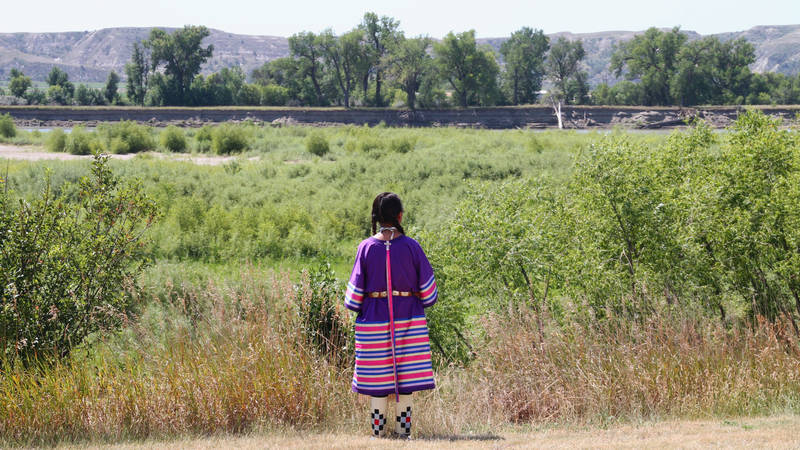
Honor Indigenous history at these 15 sites where visitors can learn about the extensive connections tribes have with today’s national parks.
Donate
Preserve Our Parks
Make a tax-deductible gift today to provide a brighter future for our national parks and the millions of Americans who enjoy them.
Donate Now