- State: WA
- NPCA Region: Northwest
- Est. Date: 1938
Air Quality Conditions
View the Polluted Parks ReportVisibility
Unsatisfactory
Health
Unsatisfactory
Nature
Significant Concern
Exploring Olympic’s dynamic landscape is like visiting three parks in one. The high mountains offer snow, glaciers, wilderness and — if you time it right — acres of wildflowers. The lush, verdant Hoh Rainforest is unlike anything else in the Lower 48, and home to Roosevelt elk, black bears and other charismatic wildlife. And the park’s stunning coast offers some of the country's wildest and most spectacular beaches, dotted with tide pools and sea stacks. Visitors can now see where park staff recently removed two large dams, letting the Elwha River flow freely again for the first time in more than 100 years.
A Natural Rush
With its lush climate and its 12 feet of rainfall each year, Olympic is one of the best national parks for seeing waterfalls, from the tall and elegant Marymere Falls to the powerful, rushing Sol Duc Falls (shown here).
-
Blog Post
Thumbs Up, Thumbs Down: 5 Recent Decisions Affecting Wildlife
A summary of recent events affecting national park wildlife and the landscapes it inhabits.
-
Magazine Article
Beyond the Views
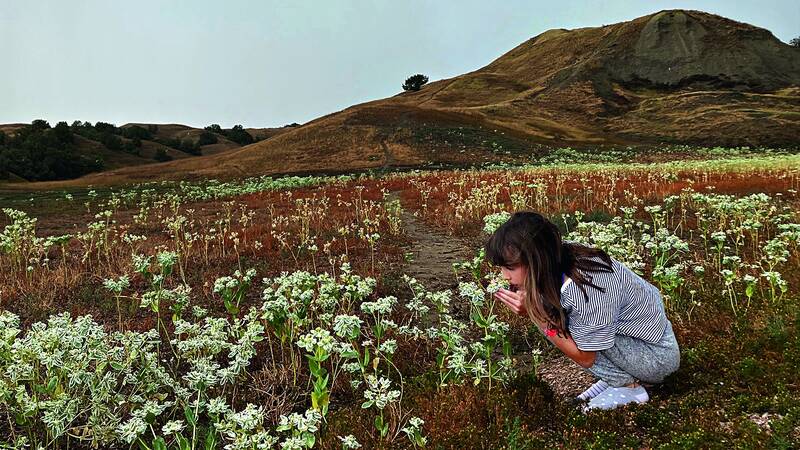
How smells bring national parks to life — and why we need to protect those aromas.

My Park Story
Greetings from Olympic National Park
I'd bend over backwards to visit Olympic again! Sam and I first visited this park in October 2012, our first real vacation together. We loved the many eco-systems represented at Olympic (shout-out to Hoh Rainforest!). Animal highlights included a herd of elk and a mama bear with two cubs! Thank…
More about Olympic
Filter By
-
Read more about Save the Wild Natural Sounds of the Olympic Peninsula
NPCA at Work Save the Wild Natural Sounds of the Olympic Peninsula The Hear Our Olympics campaign seeks to protect the natural sounds of Olympic National Park, an ancient refuge from noise pollution in the Northwest.
-
Read more about Go Fish: 4 Great National Parks for Wetting a Line
Blog Post Go Fish: 4 Great National Parks for Wetting a Line A keen angler can sniff out places to fish at nearly every national park. One staff member shares his top picks, from a backyard favorite to bucket-list wishes.
-
Read more about 3 Reasons NPCA's 2024 ‘Pride in Our Parks’ Was Our Best Yet
Blog Post 3 Reasons NPCA's 2024 ‘Pride in Our Parks’ Was Our Best Yet Couldn’t make it to NPCA’s June events celebrating LGBTQ+ pride? Here’s a recap that we hope inspires you to join us next year.
-
Read more about Requiem For Melting Ice
Magazine Article Requiem For Melting Ice An art project at Olympic memorializes the national park’s shrinking glaciers. Grief is just part of the story.
-
these beautiful gifts need to be protected for us and future generations. — Kathy
-
Read more about A Clam Conundrum
Magazine Article A Clam Conundrum Olympic’s razor clam population has been struggling for years. Is disease to blame?
-
Read more about Position on S. 1254, S. 1622 & S. 1634
Policy Update Position on S. 1254, S. 1622 & S. 1634 NPCA submitted the following positions to members of the Senate Committee on Natural Resources Subcommittee on Public Lands, Forests, and Mining ahead of a hearing scheduled for July 12, 2023.
-
Read more about 5 More Great American Outdoors Act Success Stories
Blog Post 5 More Great American Outdoors Act Success Stories This historic, bipartisan 2020 legislation has made big improvements in our national parks. As NPCA calls on Congress to extend this critically needed source of funding for deferred maintenance and repairs, these five parks showcase how this investment makes a difference.
-
Read more about Electrifying Parks
Magazine Article Electrifying Parks Will national parks build enough electric vehicle charging stations to meet the growing demand? An EV devotee sets out for Yellowstone to get some answers.
-
Read more about Hiking with Spoons
The Secret Lives of Parks Hiking with Spoons An advocate in the Pacific Northwest turned a frustrating hike into a mission to make parks more welcoming for the millions of people with disabilities and chronic illnesses.
-
Read more about Haunted Parks: 6 Ghostly Getaways
Blog Post Haunted Parks: 6 Ghostly Getaways Ghost stories might scare your campfire circle. They can also offer hyperlocal histories for travel destinations around the country. Learn about a few spectral park visitors — if you dare — including kidnapped sailors and a skinny-dipping conservationist.
-
Read more about Environment groups warn air tour plans threaten Washington national parks
Press Release Environment groups warn air tour plans threaten Washington national parks Allowing and expanding low-flying air tours throughout Olympic and Mount Rainier national parks would disturb parks’ natural quiet
-
Read more about A Chilly Refuge
Magazine Article A Chilly Refuge Rock glaciers, long neglected by science, may help creatures from pikas to stoneflies endure climate change.
-
Read more about Growler Tracker
Resource Growler Tracker Have you heard the Growlers while visiting Olympic National Park? Let us know about it using our Growler Tracker tool.
-
Read more about Park on the Edge: Funding Shortfalls at Olympic National Park
Report Park on the Edge: Funding Shortfalls at Olympic National Park Olympic National Park, one of the most visited national parks in the country, currently receives only approximately 60% of the funds it needs to adequately serve visitors, maintain roads and trails, and protect internationally recognized natural resources.
-
Read more about Center for State of the Parks: Olympic National Park
Report Center for State of the Parks: Olympic National Park Current overall conditions of Olympic’s known natural resources rated 81 out of a possible 100, indicating they are in marginally good condition, with viability of the ecosystem(s) estimated as vulnerable. Overall conditions of the park’s known cultural resources rated 65 out of a possible 100, indicating they are in fair condition.
Donate
Preserve Our Parks
Make a tax-deductible gift today to provide a brighter future for our national parks and the millions of Americans who enjoy them.
Donate Now