- States: CO, UT
- NPCA Region: Southwest
- Est. Date: 1923
Air Quality Conditions
View the Polluted Parks ReportVisibility
Unsatisfactory
Health
Unsatisfactory
Nature
Significant Concern
Climate Change Threats
Explore the mastery of Ancestral Puebloan architecture at Hovenweep National Monument. A two-mile trail takes you past elegant stone structures built along the canyon rim.
-
Blog Post
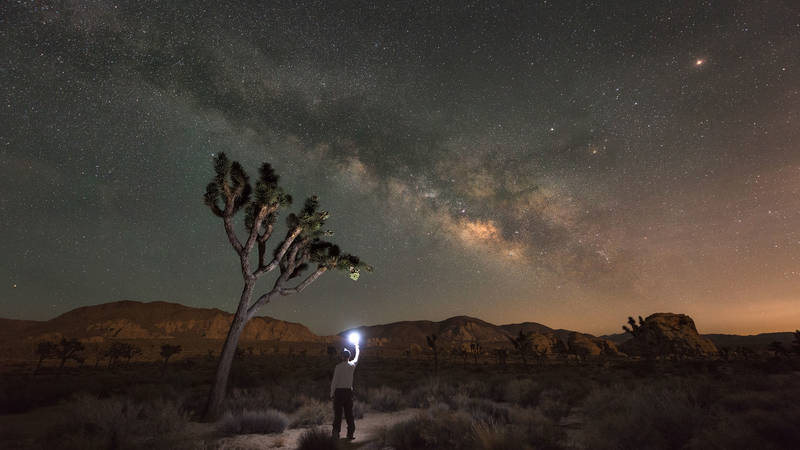
See a Sky Full of Stars at These Certified Dark-Sky Parks
Lay out a blanket after the sun goes down and see a clearer view of the galaxy at these designated dark-sky parks.
-
Blog Post
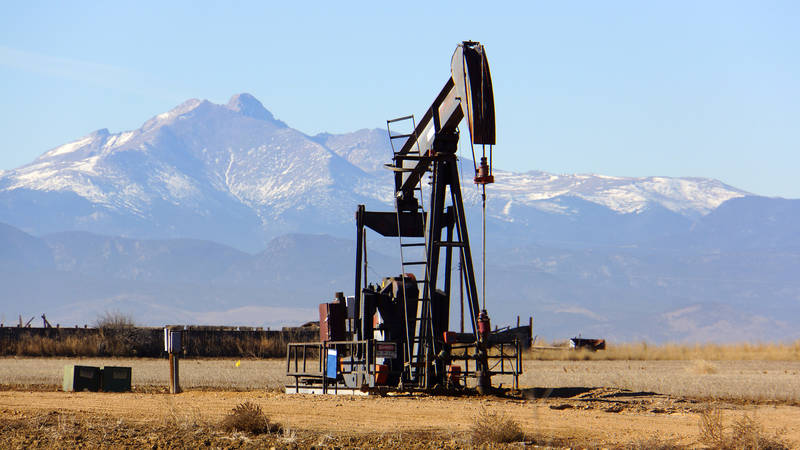
The 12 Parks Most Threatened by Oil & Gas Drilling
Oil and gas development threatens the future of national parks. NPCA's new report, “Spoiled Parks,” highlights what we stand to lose in the face of the current administration's energy…
More about Hovenweep
-
Read more about Park Advocates Applaud Decision to Keep Off-Road Vehicles Out of Utah National Parks and Monuments
Press Release Park Advocates Applaud Decision to Keep Off-Road Vehicles Out of Utah National Parks and Monuments Decision maintains commonsense park resource protections and promotes visitor safety
-
Read more about Spoiled Parks: Top 12 National Parks Threatened by Trump Administration's Energy Agenda
Press Release Spoiled Parks: Top 12 National Parks Threatened by Trump Administration's Energy Agenda Spoiled Parks explores how current leasing policies have scarred landscapes and threaten future harm to clean air, cultural heritage, wildlife and tourism economies.
-
Read more about Leasing Our Legacy: Lands Near Hovenweep National Monument Sold to Oil and Gas Bidders
Press Release Leasing Our Legacy: Lands Near Hovenweep National Monument Sold to Oil and Gas Bidders In its latest step towards 'energy dominance' at the sacrifice of national parks and other public lands, the Trump Administration advanced more than 30,000 acres of oil and gas leases in Southeast Utah today.
-
Read more about Southern Utah National Parks Threatened by BLM Oil and Gas Lease Sale
Press Release Southern Utah National Parks Threatened by BLM Oil and Gas Lease Sale New oil and gas lease sales threaten Arches and Canyonlands National Parks as well as Hovenweep National Monument and its surrounding cultural landscape.
-
Read more about Federal Government Unleashing a Flood of Oil and Gas Leases in the West, Leaving Parks Surrounded
Blog Post Federal Government Unleashing a Flood of Oil and Gas Leases in the West, Leaving Parks Surrounded NPCA worked with an aerial photographer to document the beauty and threats to five Southwestern parks where oil and gas development is rapidly encroaching on the landscape.
-
Read more about BLM Continues to Threaten National Parks with Inappropriate Oil and Gas Development
Press Release BLM Continues to Threaten National Parks with Inappropriate Oil and Gas Development "Once again, this administration has chosen to ignore concerns raised by the public when making decisions on our public lands" - Jerry Otero, Southwest Energy Program Manager for National Parks Conservation Association
-
Read more about National Parks Group Challenges Western Federal Oil and Gas Lease Sales
Press Release National Parks Group Challenges Western Federal Oil and Gas Lease Sales Oil, gas development could endanger six national park units in Utah, New Mexico and Wyoming.
-
Read more about BLM Moves Forward With Oil, Gas Lease Sales, Threatens Nearby Southwest National Parks
Press Release BLM Moves Forward With Oil, Gas Lease Sales, Threatens Nearby Southwest National Parks Oil, gas sales scheduled to occur Near Utah, New Mexico park sites.
-
Read more about National Parks Group Honors South East Utah Superintendent with Stephen T. Mather Award
Press Release National Parks Group Honors South East Utah Superintendent with Stephen T. Mather Award Award given to individuals who have shown steadfast leadership and persistent dedication to our national parks
-
Read more about 4 Top Priorities for Utah’s Unique National Parks
Blog Post 4 Top Priorities for Utah’s Unique National Parks Utah’s wealth of natural resources also makes it a target for development. Energy and mining operations continue to increase near national park boundaries.
Donate
Preserve Our Parks
Make a tax-deductible gift today to provide a brighter future for our national parks and the millions of Americans who enjoy them.
Donate Now