- State: TX
- NPCA Region: Texas and Oklahoma
- Est. Date: 1972
Air Quality Conditions
View the Polluted Parks ReportVisibility
Unsatisfactory
Health
Significant Concern
Nature
Significant Concern
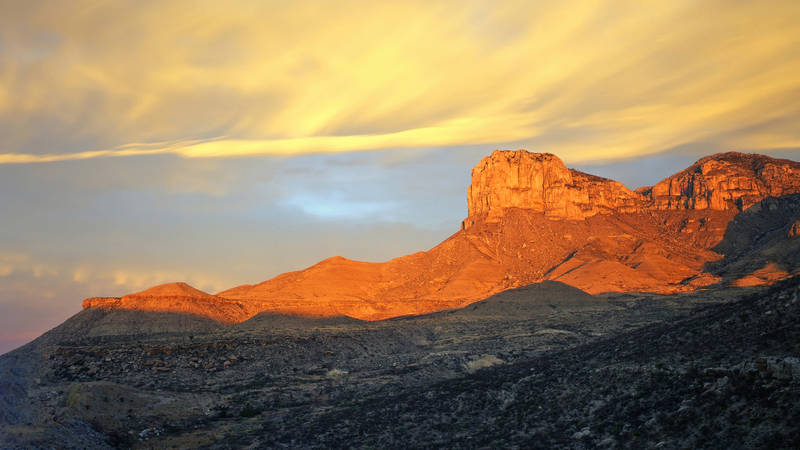
This wilderness area preserves the largest exposed fossil reef on Earth, showcasing remnants from an underwater world that existed 260 million years ago when this part of West Texas was covered by the sea. Visitors can explore the park’s striking mountains or hike a stream bed through the winding limestone walls of McKittrick Canyon, where deciduous trees and other vegetation stand in vibrant contrast with the surrounding desert.
Ancient Sea Life
The Permian Reef was once home to a thriving sea of marine life, including sponges, algae, clams, corals, trilobites and sea urchins. The 8.4-mile Permian Reef Trail in McKittrick Canyon offers interpretive signs highlighting various aspects of this ancient sea and its diverse lifeforms.
-
Press Release
EPA Approves Weak Texas Haze Plan, Promoting More Air Pollution for our Communities and National Parks
The agency charged with protecting public health and our environment continues to go to great lengths to weaken our nation’s clean air laws.
-
Press Release
EPA Does Nothing to Clean Up Texas Haze
Revised plan fails to require modern pollution controls on Texas coal plants.

My Park Story
Greetings from Guadalupe Mountains National Park
Guadalupe Peak Trail – 31.89140°N / 104.86°W What does it actually mean to be standing in the highest point in Texas? To a 5 year old, it is a HUGE deal. Then throw in a low cloud base and some nice cool weather to make the perfect ascent of Guadalupe…
More about Guadalupe Mountains
-
Read more about Where to Touch a Dinosaur, and Other Incredible National Park Fossil Sites
Blog Post Where to Touch a Dinosaur, and Other Incredible National Park Fossil Sites Cool creatures from the past and where to see them
-
Read more about 5 Ways You Helped Improve National Park Air in 2015—and Another Way to Take Action
Blog Post 5 Ways You Helped Improve National Park Air in 2015—and Another Way to Take Action Americans can breathe more deeply thanks to five important victories NPCA and its advocates won in 2015 that will help improve the air quality in our national parks. Here's what these victories will mean—and a new way you can take action to help hold more polluters accountable.
-
Read more about Polluted Parks: How Dirty Air is Harming America’s National Parks
Report Polluted Parks: How Dirty Air is Harming America’s National Parks “Polluted Parks” graded the pollution-related damage in the 48 national parks required by the Clean Air Act to have the highest possible air quality.
-
Read more about Wild American Beauty: 10 Wilderness Areas to Explore
Blog Post Wild American Beauty: 10 Wilderness Areas to Explore Celebrate the 50th anniversary of the Wilderness Act by exploring some of America’s wildest places, from remote windswept tundras to cactus-dotted mountains to serene rock-strewn beaches. Several spots are surprisingly close to major cities.
-
Read more about The 10 Best Places to See Fall Foliage
Blog Post The 10 Best Places to See Fall Foliage Each autumn, nature puts on an artistic display as hardwood trees change color. The following national parks offer some of the best fall foliage in the United States.
-
Read more about Texas Pride
Report Texas Pride This report profiles the 13 national park sites here in Texas, visited annually by nearly 5.5 million people. They are the pride of our state and economic boons to local communities, with national park tourism providing nearly 5,000 jobs and $308 million annually for state and local economies.
Donate
Preserve Our Parks
Make a tax-deductible gift today to provide a brighter future for our national parks and the millions of Americans who enjoy them.
Donate Now