- States: CO, UT
- NPCA Region: Southwest
- Est. Date: 1915
Air Quality Conditions
View the Polluted Parks ReportVisibility
Unsatisfactory
Health
Unsatisfactory
Nature
Significant Concern
Climate Change Threats
This park preserves a quarry rich with paleontological resources as well as expansive surrounding landscapes, including mountain ranges, steep canyons and wild river valleys. The Quarry Exhibit Hall displays more than 1,400 fossils from the late Jurassic period. Five sites on the western side of the park also preserve a collection of petroglyphs and pictographs from the Fremont people who lived in the region a thousand years ago. The Green River meets with its largest tributary, the Yampa River, in the heart of the park, helping to support more than 1,000 native plant and animal species throughout the area.
-
Blog Post
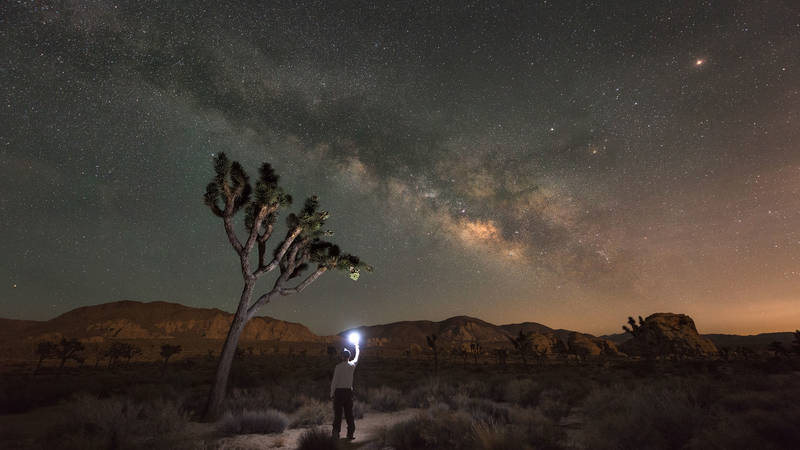
See a Sky Full of Stars at These Certified Dark-Sky Parks
Lay out a blanket after the sun goes down and see a clearer view of the galaxy at these designated dark-sky parks.
-
Magazine Article
Reaching For The Sky
A photographer and Yellowstone staffer on the art of taking nighttime pictures

More about Dinosaur
Filter By
-
Read more about Don't Drill Near Dinosaur
NPCA at Work Don't Drill Near Dinosaur The Bureau of Land Management is considering offering oil and gas leases within 5 miles of Dinosaur National Monument, but drilling has no place at the doorstep of this Southwestern park and its world-class fossils.
-
Read more about Save the Dinosaurs
Podcast Episode Save the Dinosaurs Dinosaur National Monument preserves one of the richest collections of Jurassic remains on Earth. But could a push for energy development threaten this beloved park and its rare fossils?
-
Read more about Reflections on the Clean Water Act
Blog Post Reflections on the Clean Water Act 50 years after the Clean Water Act brought the Cuyahoga River back to life, an NPCA staffer looks back on the progress made — and what still needs to be done — to ensure clean water in national parks.
-
Read more about 6 National Parks That Will Benefit from New Fossil Protections
Blog Post 6 National Parks That Will Benefit from New Fossil Protections In early September, the Interior Department implemented a long-awaited rule that will protect fossils from theft and loss on hundreds of public lands, including national park sites. Here are just a few of the places that are better off as a result.
-
Read more about A Win for Wolves and National Parks
Press Release A Win for Wolves and National Parks Today’s court ruling restores federal protections for gray wolves in 44 states, including those roaming in North Cascades, Lassen and other national parks. NPCA and partners were plaintiffs in the case.
-
Read more about Bureau of Land Management Moves Forward Oil Drilling Plan by Dinosaur National Monument
Press Release Bureau of Land Management Moves Forward Oil Drilling Plan by Dinosaur National Monument Agency sets ball in motion to allow drilling within half a mile of national monument
-
Read more about Grand Canyon and Santa Monica Mountains among beneficiaries of public lands act
Press Release Grand Canyon and Santa Monica Mountains among beneficiaries of public lands act The ambitious Protecting America’s Wilderness and Public Lands Act will safeguard famous park sites while combatting climate change and addressing environmental justice priorities
-
Read more about 9 Not-So-Cute Endangered Animals That Live in Our Parks
Blog Post 9 Not-So-Cute Endangered Animals That Live in Our Parks Celebrate Endangered Species Day with these curious critters
-
Read more about The 12 Parks Most Threatened by Oil & Gas Drilling
Blog Post The 12 Parks Most Threatened by Oil & Gas Drilling Oil and gas development threatens the future of national parks. NPCA's new report, “Spoiled Parks,” highlights what we stand to lose in the face of the current administration's energy policies.
-
Read more about Park Advocates Applaud Decision to Keep Off-Road Vehicles Out of Utah National Parks and Monuments
Press Release Park Advocates Applaud Decision to Keep Off-Road Vehicles Out of Utah National Parks and Monuments Decision maintains commonsense park resource protections and promotes visitor safety
-
Read more about Spoiled Parks: Top 12 National Parks Threatened by Trump Administration's Energy Agenda
Press Release Spoiled Parks: Top 12 National Parks Threatened by Trump Administration's Energy Agenda Spoiled Parks explores how current leasing policies have scarred landscapes and threaten future harm to clean air, cultural heritage, wildlife and tourism economies.
-
Read more about Celebrate Colorado!
Blog Post Celebrate Colorado! 5 reasons my state’s national parks should be on your bucket list — and how NPCA works to protect them.
-
Read more about Oil, Gas Leasing Threatens 7 Western National Parks
Report Oil, Gas Leasing Threatens 7 Western National Parks New report details dangers of development near park lands
-
Read more about Protecting and Connecting Our Nation's Treasured Park Landscapes
Fact Sheet Protecting and Connecting Our Nation's Treasured Park Landscapes National parks are key to protecting and connecting our most revered places.
-
Read more about National Parks of the Colorado River Basin
Report National Parks of the Colorado River Basin This report focuses on the ways in which management of the dams along the Colorado River and its major tributaries affects resources in five national parks in the Colorado River Basin.
Donate
Preserve Our Parks
Make a tax-deductible gift today to provide a brighter future for our national parks and the millions of Americans who enjoy them.
Donate Now