- State: CA
- NPCA Region: Pacific
- Est. Date: 2012
Air Quality Conditions
View the Polluted Parks ReportVisibility
Unsatisfactory
Health
Significant Concern
Nature
Significant Concern
Climate Change Threats
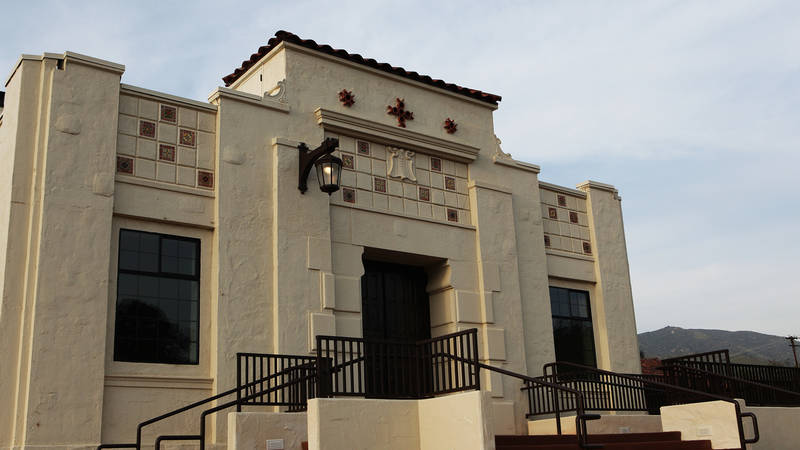
This national monument honors one of the most important U.S. labor and human rights leaders of the 20th century. César Chávez co-founded the United Farm Workers of America in 1962, the first agricultural labor union in the nation.
He steered the union through a series of unprecedented victories, including contracts that covered more than 100,000 farm workers, raised wages and funded health care and pension plans, mandated the provision of drinking water and restroom facilities in the fields, regulated the use of pesticides in the fields, and established a fund for community service projects. Chávez’s nonviolent advocacy helped secure the passage of the first law in the United States that specifically recognized farm workers’ rights to organize unions and engage in collective bargaining. This monument contains 26 historic buildings and structures, including a visitor center with Chávez’s preserved office and library, a memorial garden, and Chávez’s burial site. It is the first national park site devoted to a contemporary Latino American.
-
Blog Post
A First for Modern Latino History
Thanks to the advocacy of César E. Chávez, millions of farmworkers today have safer working conditions and union rights. The first national monument dedicated to a contemporary Latino American bears…
-
Blog Post
Establishing the César E. Chávez National Monument Was Only the First Step
There is more work to do to honor one of our country's most important civil rights and labor rights leaders and create a more inclusive park system for all.

More about César E. Chávez
-
Read more about The Power of Protest
Blog Post The Power of Protest These 7 sites honor the long history of Americans fighting for their civil rights.
-
Read more about Stuck Indoors? 10 Great Books About National Parks
Blog Post Stuck Indoors? 10 Great Books About National Parks These 10 nonfiction books will deepen your appreciation for pivotal events in American history and the national park sites that commemorate them.
-
Read more about Lawsuit Challenges Trump Plan to Frack, Drill 1 Million Acres of California Public Lands, Minerals
Press Release Lawsuit Challenges Trump Plan to Frack, Drill 1 Million Acres of California Public Lands, Minerals NPCA is fighting a fracking plan that could allow drilling near Sequoia and Kings Canyon National Parks, which already suffer from some of the worst air quality in the country.
-
Read more about BLM Plan Proposes Opening 1.2 Million Acres in California to Fracking, Threatening Parks and Monuments
Press Release BLM Plan Proposes Opening 1.2 Million Acres in California to Fracking, Threatening Parks and Monuments Cesar E. Chavez National Monument, Sequoia and Kings Canyon National Parks and Santa Monica Mountains National Recreation Area are among the public lands that could see oil and gas development nearby if the BLM’s plan advances.
-
Read more about 7 National Park Sites That Tell the Story of Immigration
Blog Post 7 National Park Sites That Tell the Story of Immigration From Castle Clinton National Monument to Golden Gate National Recreation Area, national park sites explore the stark contrasts of the immigrant experience.
-
Read more about 10 Parks You Helped Put on the Map
Blog Post 10 Parks You Helped Put on the Map NPCA and its supporters have worked for a century to protect every one of our national park sites — and to expand our National Park System to include more of the places that make America special.
-
Read more about Fracking Yosemite: Administration Unveils Plan for More than 1.6 Million Acres, Including Near National Parks
Press Release Fracking Yosemite: Administration Unveils Plan for More than 1.6 Million Acres, Including Near National Parks Proposal considers new oil and gas development on lands including those near Yosemite and Sequoia-Kings Canyon National Parks and Cesar E. Chavez National Monument.
-
Read more about Remembering the Manongs and Story of the Filipino Farm Worker Movement
Blog Post Remembering the Manongs and Story of the Filipino Farm Worker Movement In the 1920s and 30s, Filipino immigrants arrived in the United States seeking fortune but facing discrimination as they worked in the vast agricultural fields of the West. These “manongs” played a significant role in building the farm workers movement, organizing and striking alongside Cesar Chavez and Dolores Huerta.
-
Read more about Preserving More of Our History in Southern California and Beyond
Blog Post Preserving More of Our History in Southern California and Beyond 3 ways the federal government can honor Hispanic Heritage Month by including irreplaceable cultural sites in the National Park System
-
Read more about National Parks Group Supports Recommendations to Establish New National Historical Park Honoring Cesar Chavez and the Farm Labor Movement
Press Release National Parks Group Supports Recommendations to Establish New National Historical Park Honoring Cesar Chavez and the Farm Labor Movement Statement by Ron Sundergill, Pacific Region Senior Director, National Parks Conservation Association
Donate
Preserve Our Parks
Make a tax-deductible gift today to provide a brighter future for our national parks and the millions of Americans who enjoy them.
Donate Now