- State: NM
- NPCA Region: Southwest
- Est. Date: 1916
Air Quality Conditions
View the Polluted Parks ReportVisibility
Unsatisfactory
Health
Unsatisfactory
Nature
Significant Concern
Climate Change Threats
The Capulin Volcano last erupted more than 60,000 years ago. From a vent in the earth, pressurized magma exploded into the air, raining lava rock, fire and ash onto the local population of mammoth, bison and short-faced bears. The cinder cone that remains now rises 1,000 feet above the valley floor. The park's visitor center holds exhibits about the volcano and the geologic and human history of the region. Capulin is one of several volcanic peaks in the area, and the only one that still has a visible crater. The rich soil supports a thriving ecosystem of plants and animals, including wild turkey, mule deer and black bear.
-
Blog Post
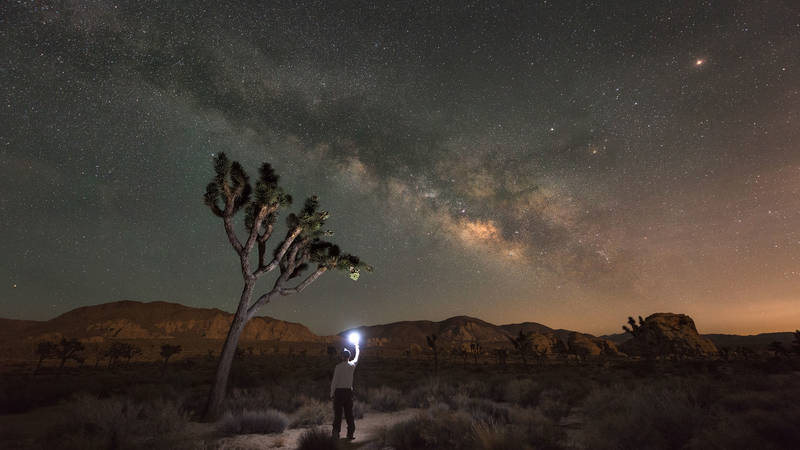
See a Sky Full of Stars at These Certified Dark-Sky Parks
Lay out a blanket after the sun goes down and see a clearer view of the galaxy at these designated dark-sky parks.
Donate
Preserve Our Parks
Make a tax-deductible gift today to provide a brighter future for our national parks and the millions of Americans who enjoy them.
Donate Now