- State: UT
- NPCA Region: Southwest
- Est. Date: 1964
Air Quality Conditions
View the Polluted Parks ReportVisibility
Unsatisfactory
Health
Unsatisfactory
Nature
Significant Concern
Climate Change Threats
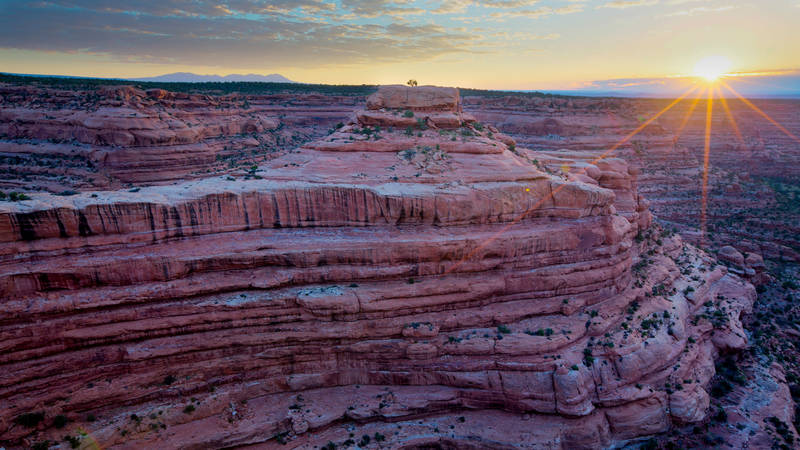
Canyonlands National Park preserves an immense desert wilderness sculpted by the Green and Colorado rivers and featuring hundreds of colorful canyons, mesas, buttes, fins, arches and spires. The Island in the Sky District is the most accessible and popular section of the park — a mesa with spectacular views of the surrounding canyons. The Needles is a vaster territory below the Island in the Sky where visitors can hike among the sandstone spires and breathtaking rocks.
-
Blog Post
Hanging by a Thread
Unsustainable tactics are keeping some national parks open during the federal government shutdown. What happens when those tactics are no longer workable?
-
Press Release
Victory: Parks Group Celebrates New Era of Public Lands Management with Bears Ears Collaborative Tribal Management Plan
"This plan will forever transform the management of our public lands for the better. By placing Tribal collaboration at the forefront, we all benefit along with our national parks and…
My Park Story
Greetings from Canyonlands National Park
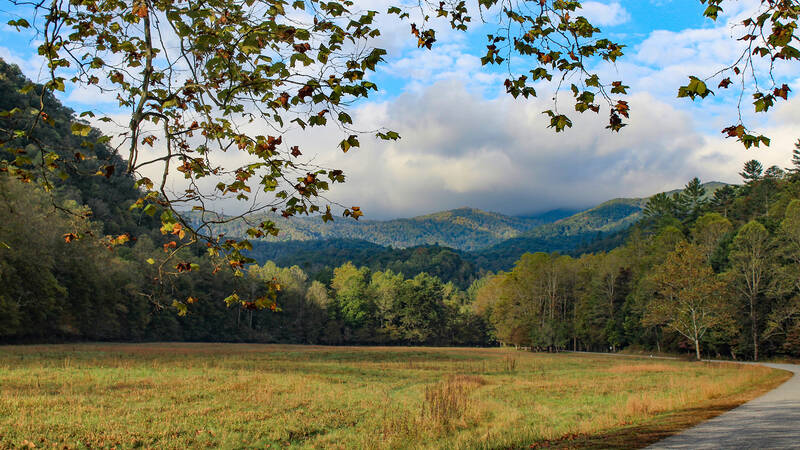
Attempting to pick a park for my "story" was incredibly difficult. I decided to choose this one from Canyonlands NP...partly because it was the most recent one I've been too, but also, because it was one of the most incredible places I've ever been. About a year ago, I was…
More about Canyonlands
Filter By
-
Read more about Our Southwestern National Parks Deserve Cleaner Air
NPCA at Work Our Southwestern National Parks Deserve Cleaner Air Clean air is still out of reach for our Southwestern national parks.
-
Read more about See a Sky Full of Stars at These Certified Dark-Sky Parks
Blog Post See a Sky Full of Stars at These Certified Dark-Sky Parks Lay out a blanket after the sun goes down and see a clearer view of the galaxy at these designated dark-sky parks.
-
Read more about Chasing a Troubled River
Magazine Article Chasing a Troubled River The mighty Colorado River and its tributaries run through seven states and 10 national park sites and provide water and electricity to millions of people. But as photographer Pete McBride documents in a new book, the river is drying up, and the need to correct course grows more urgent every day.
-
Read more about Federal Court Ruling Again Lets Utah’s Worst Polluters off the Hook from Cleaning Up Emissions
Press Release Federal Court Ruling Again Lets Utah’s Worst Polluters off the Hook from Cleaning Up Emissions The court decision will harm human health and ruin views in national parks.
-
My husband and I have had the pleasure of introducing and exploring over 20 of our National Parks with our children all of their lives. The memories and adventures we've experienced together over the years intertwine us and weave our stories together. Now that they are in their 20's we are so grateful that our country recognizes the value of places that provide space to wonder, to experience beauty, to "get outside" of yourself. What an exquisite treasure we have as US citizens. For reasons geographical, political and economical, other places are not so fortunate. WE LOVE OUR NATIONAL PARKS! — Angie
-
Read more about From Joshua Tree to Canyons of the Ancients
Magazine Article From Joshua Tree to Canyons of the Ancients An unbroken stretch of protected land would benefit ecosystems, wildlife and cultural landscapes.
-
Read more about The Writing on the Wall
Magazine Article The Writing on the Wall Stephen Alvarez travels the globe to photograph ancient rock art. His collection from the American Southwest includes images of Canyonlands, Bears Ears and Grand Staircase-Escalante.
-
Read more about Parks group files lawsuit over off-road vehicle usage at Glen Canyon National Recreation Area
Press Release Parks group files lawsuit over off-road vehicle usage at Glen Canyon National Recreation Area The Park Service's decision to authorize off-road vehicles in Glen Canyon will harm the landscape and disrupt other visitors
-
Read more about Advocates Save 85,000 Acres in Utah from Oil and Gas Development — for Now
Blog Post Advocates Save 85,000 Acres in Utah from Oil and Gas Development — for Now A coalition of elected officials, tribal leaders, business owners, outdoor enthusiasts and public land advocates successfully pressured the Bureau of Land Management to remove Moab-area parcels from its oil and gas lease sales next month.
-
Read more about Administration pulls plans to allow oil and gas drilling near Arches and Canyonlands
Press Release Administration pulls plans to allow oil and gas drilling near Arches and Canyonlands After months of pressure, agency defers plan to lease more than 80,000 acres of land to oil and gas corporations
-
Read more about Amid Pandemic, Interior Moves Forward With Enormous Oil And Gas Drilling Plan Near National Parks
Press Release Amid Pandemic, Interior Moves Forward With Enormous Oil And Gas Drilling Plan Near National Parks The 110,000+ acre proposal would include oil and gas drilling within a mile of Canyonlands National Park and the original boundaries of Bears Ears National Monument
-
Read more about 9 Not-So-Cute Endangered Animals That Live in Our Parks
Blog Post 9 Not-So-Cute Endangered Animals That Live in Our Parks Celebrate Endangered Species Day with these curious critters
-
Read more about Oil, Gas Leasing Threatens 7 Western National Parks
Report Oil, Gas Leasing Threatens 7 Western National Parks New report details dangers of development near park lands
-
Read more about Planning 2.0 Protects Park Landscapes
Fact Sheet Planning 2.0 Protects Park Landscapes The Bureau of Land Management (BLM) is tasked with managing millions of acres of public lands in the West. In order to ensure they are exercising good stewardship and balancing their dual mandate for managing public lands, each BLM Field Office is required by law to complete a Resource Management Plan (RMP).
-
Read more about Protecting and Connecting Our Nation's Treasured Park Landscapes
Fact Sheet Protecting and Connecting Our Nation's Treasured Park Landscapes National parks are key to protecting and connecting our most revered places.
-
Read more about Power Plants in the Four Corners Region
Report Power Plants in the Four Corners Region Map of national parks and power plants in the Four Corners region
-
Read more about National Parks of the Colorado River Basin
Report National Parks of the Colorado River Basin This report focuses on the ways in which management of the dams along the Colorado River and its major tributaries affects resources in five national parks in the Colorado River Basin.
-
Read more about Center for State of the Parks: Canyonlands National Park
Report Center for State of the Parks: Canyonlands National Park Current overall conditions of Canyonlands’ known natural resources rated a “fair” score of 75 out of 100.
Donate
Preserve Our Parks
Make a tax-deductible gift today to provide a brighter future for our national parks and the millions of Americans who enjoy them.
Donate Now